










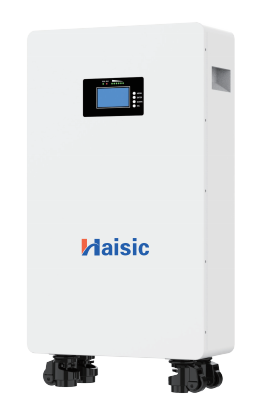
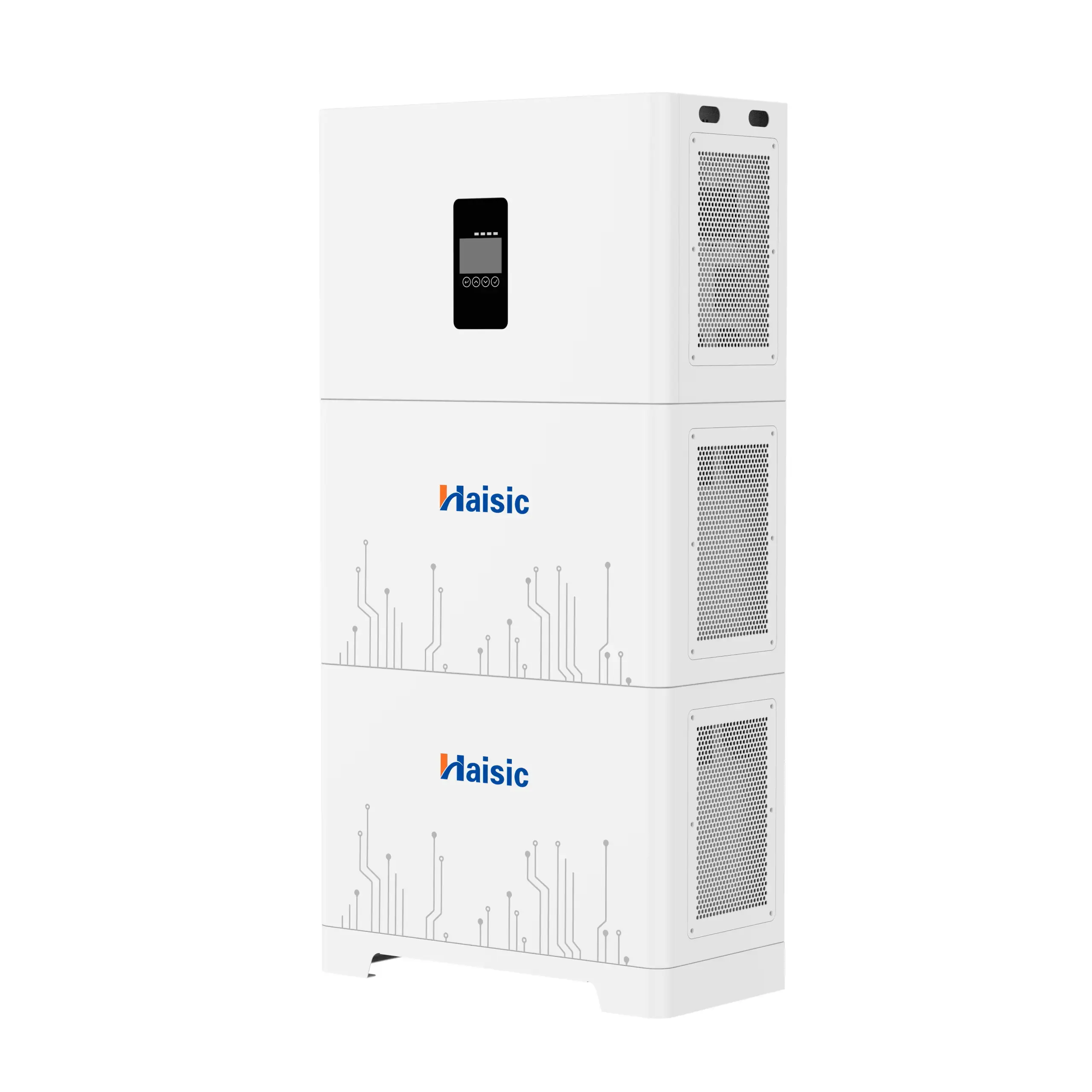
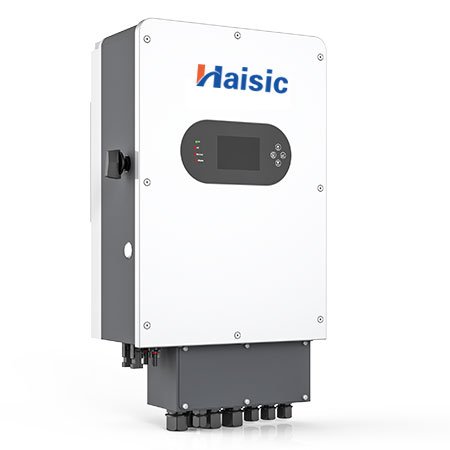
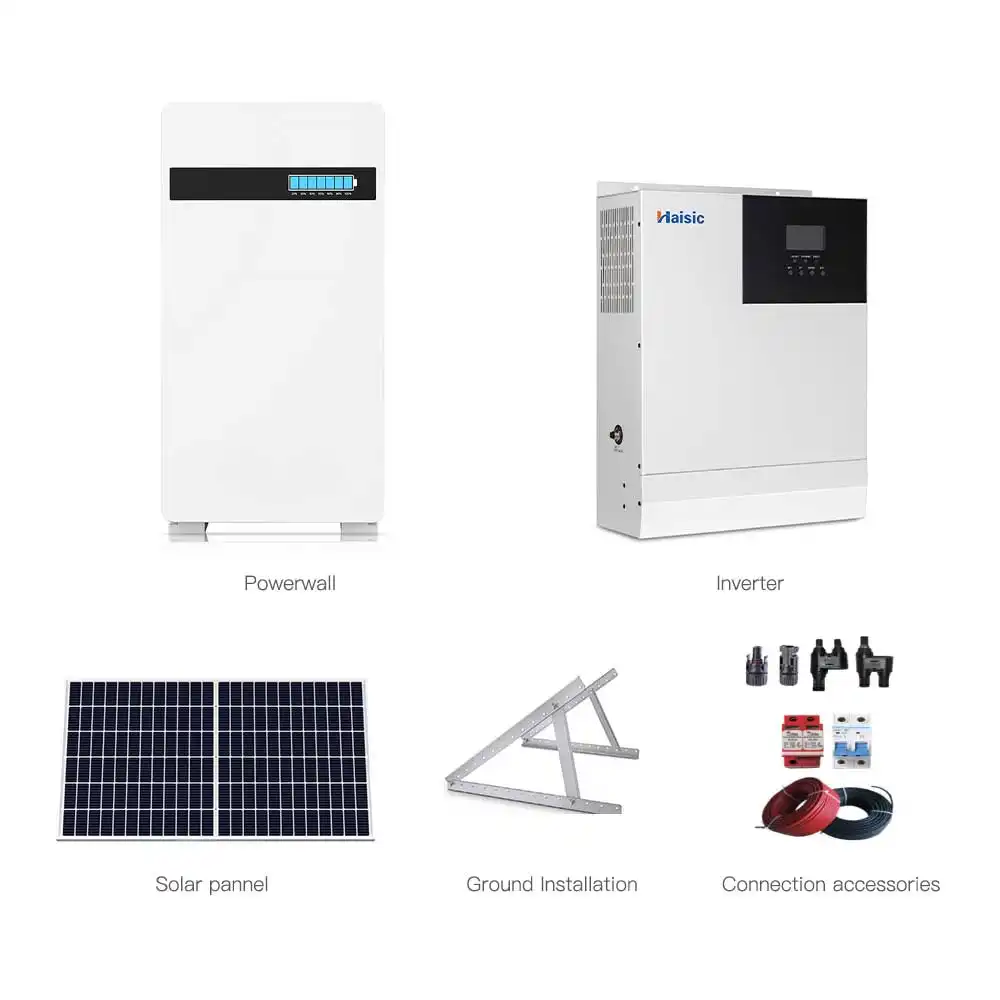


How Home Battery Backup Systems Work
A modern home battery backup system is a simple idea with smart technology behind it: store electricity when it’s available, then automatically power your home when the grid fails.
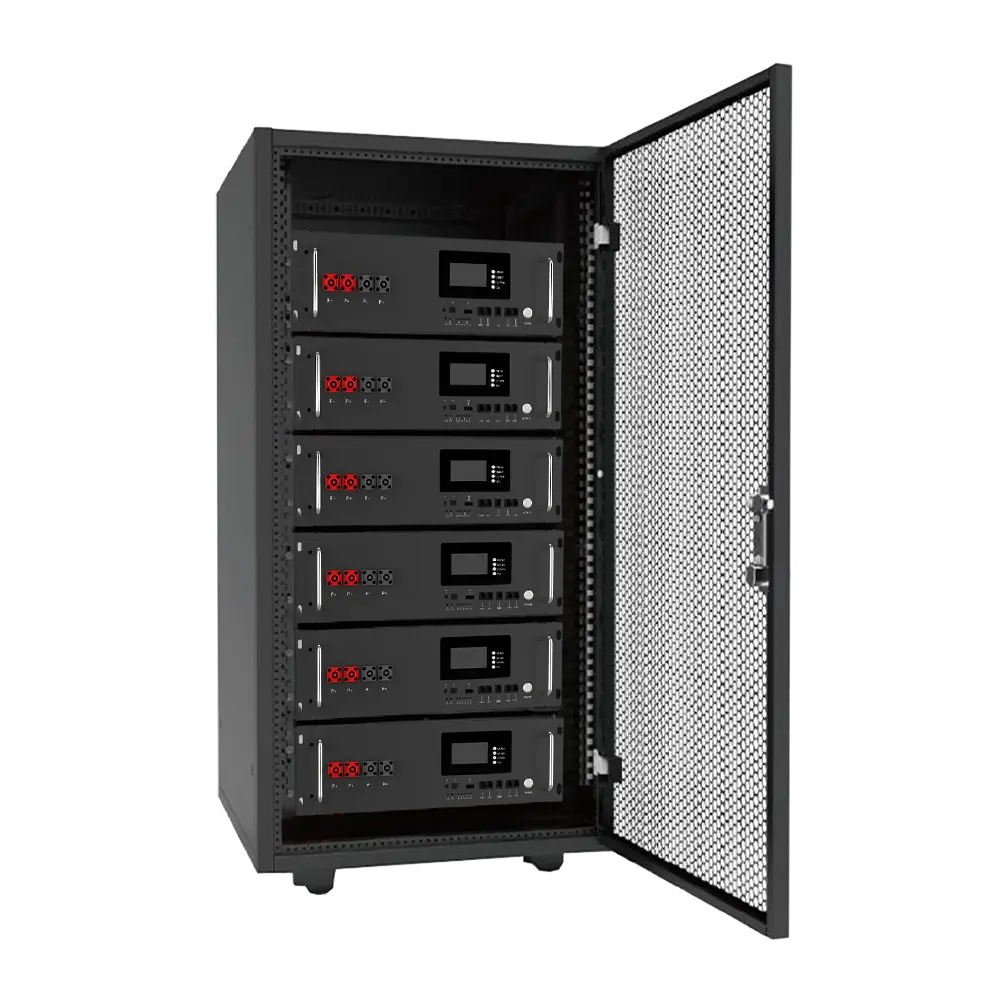
Core Components: Battery, Inverter, Smart Management
A typical house battery backup system includes:
Battery pack
- Stores energy (measured in kWh) for later use
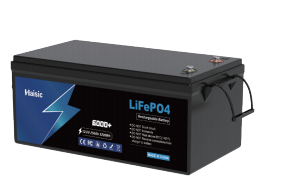
- Often uses LiFePO4 home battery chemistry for long life and safety
Inverter/charger
- Converts DC power from the battery to AC power for your home
- Manages charging from the grid or solar battery storage
Smart energy management system
- Monitors your home’s usage in real time
- Prioritizes essential circuits during an outage
- Connects to an app so you can track and control your backup power system anywhere
Charging Sources: Grid, Solar, or Hybrid
Your home battery backup can charge from:
- The grid – charge at night or during off‑peak rates
- Solar panels – store excess solar instead of sending it all back to the utility
- Hybrid mode – mix grid and solar for maximum reliability and lower bills
This flexibility turns your system into true residential energy storage, not just emergency gear.
Seamless Switchover During Outages
During a power cut, a quality house battery backup power system works like an advanced UPS:
- Detects the outage in milliseconds
- Switches over automatically with seamless power transfer
- Keeps lights, Wi‑Fi, fridges, and other critical loads running without you lifting a finger
No cords, no noise, no manual startup—just uninterrupted emergency power backup.
Partial vs. Whole‑Home Backup
You can design home backup battery systems in two ways:
Partial‑home backup
- Only protects essential circuits (fridge, internet, some lights, medical devices)
- Smaller, more affordable backup power solutions
- Ideal for most urban homes
Whole home backup battery
- Powers nearly everything: HVAC, well pump, large appliances
- Requires higher capacity and output, similar to a quiet “solar generator backup” built into your house
- Best for areas with frequent or long outages, or semi‑off‑grid needs
With a scalable house battery backup system, you can start with partial backup and expand toward home energy independence as your budget and needs grow.
Benefits of Home Battery Backup Over Traditional Generators
Switching from a fuel generator to a home battery backup system is a straight upgrade in comfort, safety, and running costs.
1. Silent, Clean, and Emission‑Free
A home battery backup or house battery backup system runs almost silently and produces no fumes in your yard or garage.
Compared with a gas or diesel generator:
| Feature | Home Battery Backup | Fuel Generator |
|---|---|---|
| Noise | Very low | Loud engine noise |
| Emissions | Zero at point of use | CO, NOx, fumes |
| Indoor/garage safe | Yes (properly installed) | No (carbon monoxide risk) |
This matters if you live in a dense neighborhood, apartment, or anywhere with noise limits.
2. No Fuel, No Hassle
Home backup battery power means:
- No fuel storage, no smell, no spills
- No panic-buying gasoline before storms
- No carburetor issues from bad or old fuel
You just plug into the grid or solar and the system stays ready on its own.
3. Lower Maintenance and Operating Costs
A modern LiFePO4 home battery has:
- No oil changes
- No spark plugs or filters
- Very low annual service needs
Running cost per kWh is typically lower than small generators, especially when paired with home lithium battery storage that you can charge off-peak or from solar.
4. Works With Solar to Cut Bills
A residential energy storage system doesn’t just sit idle waiting for outages. It can:
- Store excess solar in the daytime
- Discharge at night or during peak tariff hours
- Reduce grid usage and improve energy independence
This is where a solar battery storage setup beats any generator, which only burns fuel and never lowers your utility bill.
5. Instant, Seamless Power Transfer
With a good backup power system:
- Switchover is automatic and almost instant (UPS-like)
- No walking outside in a storm to start a generator
- Critical loads like Wi‑Fi, lights, and medical devices stay on without a break
This “seamless power transfer” is the key difference: a home battery backup system behaves like always‑on power, not a noisy machine you have to babysit every time the grid fails.
Key factors when choosing a home battery backup system
When I choose a home battery backup system, I focus on the basics first and ignore the hype. Here’s what actually matters:
1. Know your power needs
Start with what you want to keep running during an outage:
- Essential loads only: fridge, lights, Wi‑Fi, a few outlets, maybe a small AC or heater.
- Whole home backup: central AC, electric water heater, EV charger, oven, pumps, etc.
Ask your electrician for:
- A load calculation (kW) – how much power you need at one time
- An energy estimate (kWh/day) – how much energy you use over 24 hours
This decides the size of your house battery backup and whether you need one unit or a scalable, multi‑battery setup.
2. Battery capacity (kWh) and output power (kW)
Two numbers matter on any home backup battery:
Capacity (kWh) – how long it can run your home
- 5–10 kWh: basic essentials
- 10–20 kWh: most homes with smart load management
- 20+ kWh: whole home backup or off‑grid use
Output power (kW) – how much it can run at once
- 3–5 kW: lights + fridge + small appliances
- 8–10+ kW: larger homes, well pumps, small AC units
For serious backup or off‑grid power solutions, pair a high‑capacity battery bank with a strong hybrid inverter, like a 6 kW or 10 kW IP65 hybrid solar inverter for stable residential energy storage and solar integration:
- Robust 6kW IP65 hybrid solar inverter for smaller homes and essential loads
- Higher‑power 10kW hybrid solar inverter for whole‑home backup setups
3. Battery chemistry: why LiFePO4 matters
For a home battery backup system, I strongly prefer LiFePO4 (LFP):
- Safer and more thermally stable than older lithium chemistries
- Longer cycle life – often 6,000+ cycles (10+ years of daily use)
- Better performance in high‑temperature climates
- Lower risk profile for residential installations
If a system doesn’t clearly state it’s LiFePO4, I see that as a red flag for long‑term home energy independence.
4. Scalability and expansion
Your first system doesn’t have to be your last. Make sure your backup power system can grow:
- Stackable or modular battery packs
- Support for parallel inverters if you want more kW later
- Easy add‑ons without rewiring the whole house
Scalable battery storage is key if you plan to add solar battery storage, an EV, or more appliances down the road.
5. Solar compatibility
If you already have solar – or plan to – check:
- AC‑coupled vs DC‑coupled compatibility
- Match between inverter brand and your existing solar inverter
- Support for net metering, time‑of‑use shifting, and export control
A good house battery backup power system should work smoothly with your panels, not fight them.
6. Warranty, lifespan, and certifications
I never skip this part:
- Warranty:
- At least 10 years or a set number of cycles (e.g., 6,000+ cycles)
- Clear capacity retention guarantee (e.g., 70–80% at year 10)
- Lifespan: Real‑world feedback matters – not just lab numbers
- Safety certifications:
- UL / IEC standards
- Proper BMS (Battery Management System) with protections for overcharge, short circuit, temperature, etc.
A solid home battery backup isn’t just about specs. It’s about reliability, safety, and support when the grid fails and you actually need that emergency power backup to work.
Top Home Battery Backup Options in 2026
When we talk about the best home battery backup systems in 2026, I look at four things: usable capacity, output power, efficiency, and smart controls. Here’s a quick view of how the leading solutions stack up.
Leading Whole Home Backup Battery Systems
| Brand / System | Usable Capacity (approx.) | Max Output Power | Key Strengths | Best For |
|---|---|---|---|---|
| Tesla Powerwall 3 | ~13.5 kWh per unit | ~11–15 kW peak | Strong app, tight ecosystem, good UPS behavior | Homeowners wanting a polished, simple setup |
| EcoFlow Delta Pro Ultra | Modular 6–90+ kWh | Up to 18–21 kW | High portability, hybrid use (home + mobile) | Users wanting flexible home + off-grid use |
| Enphase IQ Battery (10/5) | 3–10+ kWh modular | 3–7.6 kW | Great with Enphase microinverters, granular control | Solar-first homes, microinverter users |
| Haisic Residential ESS* | Flexible 10–40+ kWh | High-power output | LiFePO4 safety, scalable, pro-grade components | Whole-home backup, high-demand households |
*Built on the same LiFePO4, high-voltage architecture we use in our commercial battery energy storage systems, tuned down for residential use.
Why I Rate Haisic for Home Backup Power
For a house battery backup system, I focus on stability, safety, and scalability. We design our home backup battery solutions around:
LiFePO4 chemistry
Safer, longer cycle life, and better thermal stability than many conventional lithium chemistries. Ideal for 24/7 residential energy storage and whole home backup battery use.Scalable capacity for real-world loads
Start with ~10–15 kWh for essential loads and scale up to 30–40+ kWh as your needs grow. The same design principles behind our larger high‑voltage ESS platforms up to 215 kWh / 100 kW are used to keep home systems stable and efficient.High-power output for true whole-home backup
Our house battery backup power solutions are built to handle big loads—AC, induction cooktops, fridges, pumps—without constant load juggling.Smart controls and monitoring
App-based management lets you:- Set backup reserve levels
- Prioritize essential circuits
- Optimize solar battery storage use vs. grid use
- Track real-time and historical power usage
Feature Comparison: What Actually Matters
When you choose a home battery backup system, here’s how these systems typically compare:
Capacity (kWh)
- Tesla / Enphase: Great for smaller to mid-size homes, add multiple units for more storage.
- EcoFlow: Very flexible for mixed home + mobile use, good as a solar generator backup.
- Haisic: Tuned for residential energy storage with room to scale into light commercial levels if your home has high demand.
Efficiency & Losses
- All major players are in a similar high-efficiency range, but LiFePO4-based systems like ours tend to maintain performance longer over the years.
Smart Management & Ecosystem
- Tesla / Enphase: Strong, closed ecosystems—smooth if you’re already in them.
- EcoFlow: Great for users who want mobility and hybrid use.
- Haisic: Optimized for seamless power transfer, grid + solar integration, and custom setups where you want more control over your backup power system.
In 2026, any of these brands can give you solid emergency power backup. If you’re aiming for whole-home, scalable battery storage with LiFePO4 safety and room to grow, I’d lean toward a Haisic-style residential energy storage setup that’s built to run more like a mini-utility, not just a big “power bank.”
Home Battery Backup Installation and Setup Guide
Professional vs. DIY Home Battery Backup
For most homes, I strongly recommend professional installation for any home battery backup system:
- You’re dealing with high voltage and your main panel – mistakes can be dangerous.
- A licensed electrician ensures the house battery backup system meets local electrical codes and keeps your warranty valid.
- DIY only makes sense for small, portable “solar generator” style units that plug into outlets, not full home backup battery setups.
Connecting to Your Home Electrical Panel
A proper home battery backup system is usually wired in one of two ways:
- Essential loads sub-panel: Only key circuits (fridge, lights, Wi‑Fi, a few outlets) are backed up. Cheaper and more efficient.
- Whole home backup battery: Larger house battery backup power systems that can run your entire panel during outages.
The inverter is wired to your panel, so during a power outage, the system can seamlessly transfer to battery without you flipping breakers.
Pairing with Solar for Best Performance
To get the most from solar battery storage, pair your home battery backup with rooftop solar:
- Solar charges your residential energy storage during the day.
- The battery runs your home at night or during outages, giving real home energy independence.
- A hybrid inverter like a 36kVA hybrid solar inverter or a dedicated home energy storage system such as a 10kWh wall-mounted home battery gives you clean integration, smart control, and scalable storage.
Permits, Incentives, and Rebates
Don’t skip the paperwork – it saves money:
- Most regions require electrical permits and, if tied to solar, sometimes utility approval for grid connection.
- Many countries and states offer tax credits, rebates, or feed-in tariffs for solar plus battery systems.
- Ask your installer to handle permits and help you capture any energy storage incentives so your home backup battery pays off faster.
Cost Breakdown and Real ROI of a Home Battery Backup System

Upfront Costs: What You Actually Pay
For a modern home battery backup system (house battery backup + inverter + smart controls), most homeowners fall into these ranges:
- Hardware (battery + inverter + gateway):
- Smaller systems (5–10 kWh): $4,000–$8,000
- Whole home backup battery (15–30 kWh): $8,000–$18,000+
- Installation & wiring:
- Panel work, permits, labor: $1,500–$4,000 depending on your home
- Add‑ons:
- Extra batteries for scalable battery storage
- Critical-load subpanel
- EV charger integration or monitoring upgrades
If you’re looking at modular systems like a stackable 30 kWh LiFePO4 home battery from brands such as Haisic high‑voltage stacked storage, the cost scales with how much backup power you want today and how easily you want to expand later.
Long‑Term Savings: Where the Home Battery Backup Pays You Back
A home battery backup system isn’t just an emergency power backup—used right, it’s a residential energy storage asset:
- Lower utility bills:
- Charge when power is cheap (off‑peak or solar)
- Discharge when rates are high (peak hours / TOU tariffs)
- Outage cost avoidance:
- No hotel stays, no food spoilage, no lost work time
- For many global customers in outage‑prone areas, this alone justifies the system
- Solar optimization:
- Store excess solar instead of sending it back for low credit
- Push your home toward real home energy independence
In markets with high energy prices (Europe, parts of the US, Australia, South Africa), the bill savings from solar battery storage plus outage protection battery value is significant over 10–15 years.
Incentives, Tax Credits, and Support
Depending on your country or region, you may get:
- Tax credits (e.g., percentage back on hardware + installation)
- Direct rebates from utilities for installing a backup power system
- Grid programs that pay you to discharge during peak demand
If you’re exploring LiFePO4 home battery options for your area, we usually guide customers through incentives while quoting systems via our energy storage product range.
Payback Period: Simple, Real‑World Examples
Here’s how the numbers often look in practice:
Example 1 – Solar + home battery backup:
- System cost after incentives: $10,000
- Annual utility savings + outage value: $1,200–$1,500
- Payback: ~7–9 years
- Battery lifespan: 10–15+ years (especially with LiFePO4)
Example 2 – Backup‑only focus (no solar, high outage region):
- System cost: $6,000–$9,000
- Annual “value” from avoided losses + some bill optimization: $600–$900
- Payback: ~9–12 years, with strong peace‑of‑mind benefits
If your power costs are high and outages are frequent, a house battery backup system usually beats a traditional generator on total cost of ownership, comfort, and reliability—especially when you treat it as both an emergency power backup and a daily energy management tool.
Real-world home battery backup use cases
1. Backup during storms and long outages
When the grid drops in a storm, a good home battery backup system kicks in instantly. No loud generator, no fumbling in the dark. Most customers use their house battery backup to keep:
- Lights, Wi‑Fi and phone charging online
- Fridges and freezers running to avoid food loss
- Medical devices and security systems powered
With a properly sized whole home backup battery, you can ride through multi‑day outages by combining stored energy with even a small solar array.
2. Daily energy management to cut bills
A home backup battery isn’t just for emergencies. A lot of users run it every day to:
- Charge when power is cheap (off‑peak) and discharge when it’s expensive
- Store surplus solar instead of exporting it for low rates
- Reduce peak demand charges and avoid “time-of-use” bill spikes
Paired with a LiFePO4 home battery like a wall‑mounted 51.2V Powerwall‑style residential storage unit, many homes see predictable, long-term savings and better energy independence.
3. Off‑grid and remote homes
For cabins, farms, and remote properties, a house battery backup system is often more reliable than diesel:
- No fuel deliveries or engine breakdowns
- Quiet, clean off‑grid power solution that’s easy to expand
- Works seamlessly with solar to run key loads 24/7
Larger properties often use stacked wall units or higher‑capacity solutions such as a high‑capacity home energy battery system to cover pumps, tools, and small business loads alongside normal household use.
Maintenance and Longevity Tips for Home Battery Backup
Keeping your home battery backup in good shape is simple if you stay on top of a few basics. It protects your investment and keeps your house battery backup system ready for any outage.
Use Apps and Smart Monitoring
Most modern home battery backup systems and LiFePO4 home batteries come with apps or web dashboards. Use them to:
- Track state of charge (SoC) and daily energy usage
- Spot unusual behavior (fast draining, overheating, errors)
- Update firmware for better performance and safety
- Adjust backup settings for essential loads vs whole home backup battery mode
If you use modular systems like a rack-mounted LiFePO4 home battery (such as a 48V 100Ah rackmount battery pack), monitoring each unit helps you catch issues early.
Maximize Battery Life
To extend the lifespan of your residential energy storage:
- Avoid full 0–100% cycles daily – staying roughly between 10–90% SoC is healthier
- Keep the unit in a cool, dry, ventilated area
- Don’t overload the inverter beyond its rated kW output
- Set backup priorities so your battery backs up critical circuits first
- For long trips, leave the house battery backup system around 40–60% SoC if it will sit idle
LiFePO4 home battery tech already offers long cycle life, and these habits push it even further.
When to Expand or Upgrade
You should consider scaling or upgrading your home battery backup system when:
- The battery drains too fast during outages (you’re adding more loads over time)
- You’ve added more solar and want larger solar battery storage to capture excess energy
- Your utility rates change, and time-of-use arbitrage becomes more profitable
- Your system is several years old and newer modules offer higher capacity, better efficiency, or smarter controls
Scalable battery storage solutions, like multi-pack LiFePO4 systems (for example, a higher-voltage 51.2V 400Ah LiFePO4 battery module), let you grow from simple backup power system use to deeper home energy independence without replacing everything.