











If you’re searching for a house battery backup in 2025, you’re probably tired of worrying every time the lights flicker.
More storms. A weaker grid. Rising electricity prices. It’s not just an inconvenience anymore—losing power can mean spoiled food, failed home office setups, unsafe indoor temperatures, and even risk for medical devices.
That’s exactly where a modern home battery backup system comes in.
Instead of a loud, fuel-hungry generator, a whole house battery backup gives you:
- Instant, automatic backup power when the grid fails
- Quiet, clean operation with no fumes
- The option to pair with solar battery backup for real energy independence
In this guide, you’ll see how residential energy storage actually works, what size backup battery for home you really need, and how to choose a safe, long-lasting LiFePO4 home battery that keeps your essentials running—without overpaying or overcomplicating things.
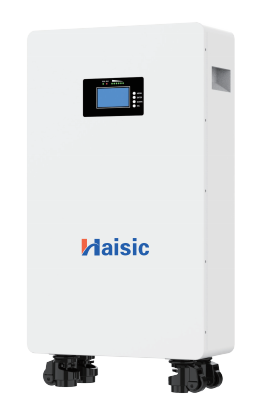
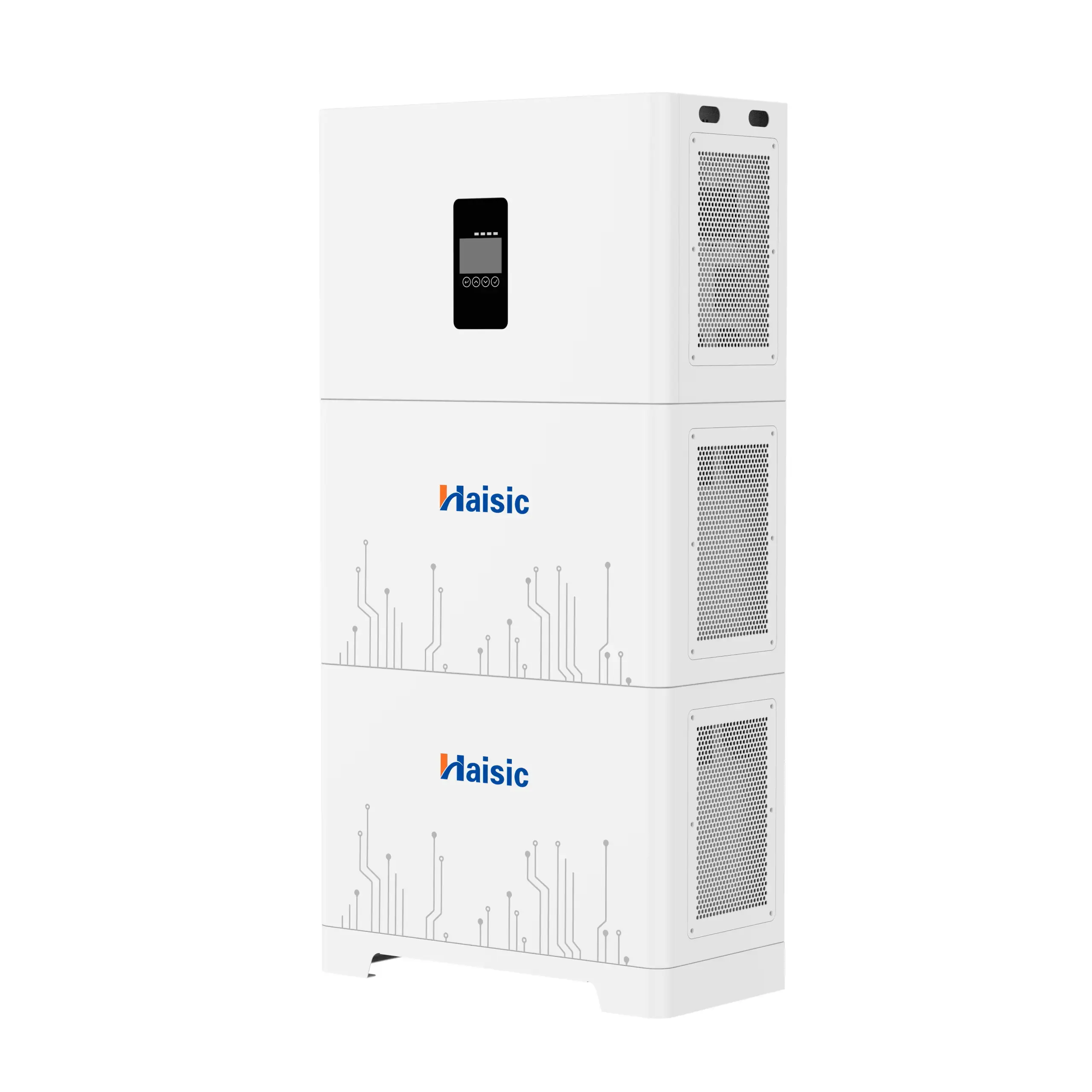
And along the way, you’ll discover why manufacturers like Haisic are becoming the go‑to choice for reliable, high‑performance battery storage for house and home energy resilience.
Let’s get straight into how to build a backup system you can trust when the grid can’t be trusted.
Why You Need a House Battery Backup System
When the power goes out, you’re not just losing lights—you’re risking food spoilage, security systems, medical devices, work-from-home gear, and comfort. A well-sized house battery backup system keeps your home running quietly and safely when the grid fails.
Common Causes of Home Power Outages
Most outages aren’t “once in a lifetime.” They’re recurring and often getting worse:
- Severe weather: storms, heatwaves, snow, ice, hurricanes
- Aging grid: overloaded transformers, failing lines, poor maintenance
- Planned shutdowns: utility load shedding, wildfire prevention cutoffs
- Accidents & faults: car hits a pole, equipment failure, local wiring issues
If you’ve had more than one outage in the last 12–24 months, you’re a candidate for a home battery backup system.
Limits of Traditional Gas and Diesel Generators
Gas and diesel generators can keep some loads on, but they come with serious trade-offs:
| Issue | Gas/Diesel Generator | House Battery Backup |
|---|---|---|
| Noise | Loud, constant engine sound | Silent or near silent |
| Fuel | Needs gas/diesel storage & refilling | No fuel, charges from grid/solar |
| Emissions | Fumes, carbon monoxide risk | Zero on-site emissions |
| Maintenance | Oil changes, tune-ups | Minimal maintenance |
| Start-up | Manual or delayed auto-start | Instant, seamless switchover |
| Indoor use | Dangerous / not allowed | Safe for residential use |
Generators are useful, but as a primary backup power for home, they’re messy, noisy, and dependent on fuel availability—especially during long blackouts.
Benefits of a Quiet, Clean House Battery Backup
A modern home battery backup system or home power bank gives you:
- Instant backup: Millisecond switchover—your Wi‑Fi, lights, and computer stay on.
- Silent operation: No engine noise, no vibration, no fumes.
- Clean energy: Pairs perfectly with solar battery backup to reduce bills and emissions.
- Smart control: Prioritize essential loads and monitor usage through an app.
- Indoor-friendly: Safe, compact battery storage for house and apartments.
You get quiet home backup power that works automatically—even when you’re away.
Real-Life Examples of Staying Powered in Blackouts
Here’s how a whole home battery backup or modular home backup battery changes real situations:
- Winter storm: Heat, fridge, lights, and internet stay on for hours or days while neighbors sit in the dark.
- Work-from-home outage: Your backup battery for home keeps your modem, laptop, and phone powered—no lost meetings or deadlines.
- Medical needs: Critical devices (CPAP, oxygen concentrators, pumps) stay powered without noisy generators.
- Food protection: Freezers and refrigerators run normally, avoiding hundreds of dollars in food loss.
A properly sized backup battery system turns a blackout from a crisis into a minor inconvenience—and gives your home true energy resilience.
How a House Battery Backup System Works
A house battery backup system is basically a smart power bank for your home. It charges when energy is available and takes over when the grid fails, keeping your lights and key appliances running without noise or fumes.
Main Parts of a Home Battery Backup System
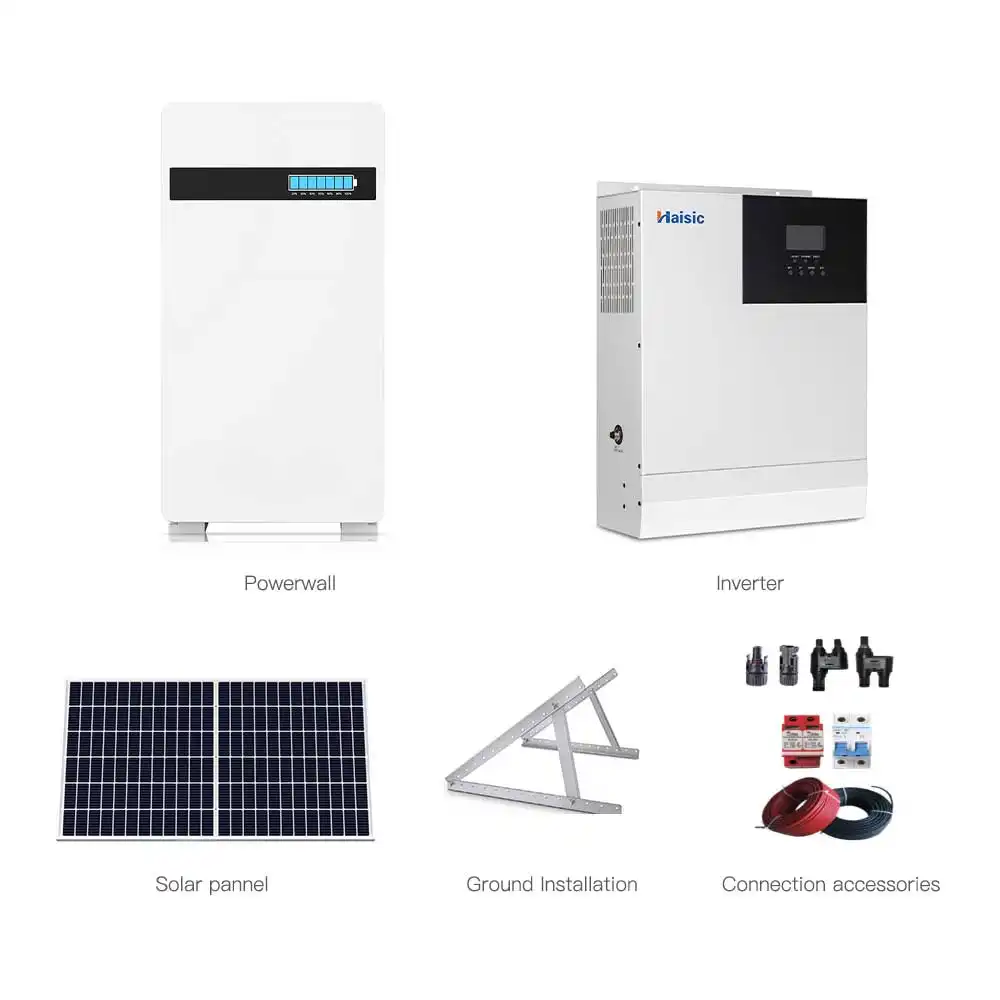
A standard home battery backup system usually includes:
- Battery pack – LiFePO4 or similar, sized in kWh (energy storage).
- Inverter/charger – converts battery DC power to AC for your home and manages charging.
- Battery management system (BMS) – protects the battery from overcharge, deep discharge, and overheating.
- Transfer switch / backup gateway – automatically switches your home from grid to battery during an outage.
- Energy monitoring / smart app – lets you see usage, state of charge, and control backup modes.
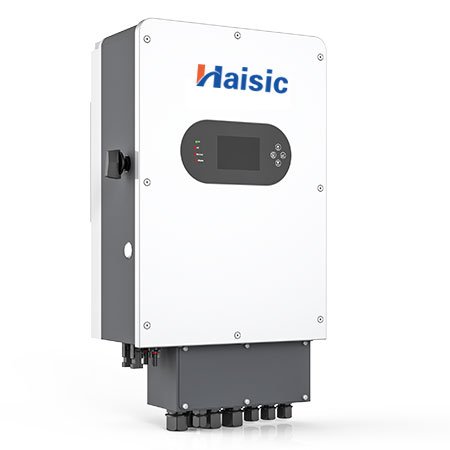
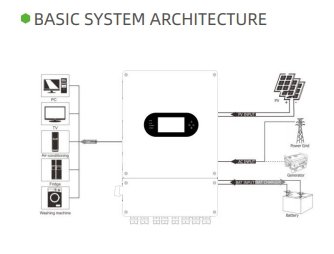
For AC‑coupled or hybrid setups, an inverter like a 36kVA hybrid solar inverter can manage both solar and battery in one system, giving you more flexible backup power options.
How the Battery Charges (Grid, Solar, or Generator)
Your backup battery for home can charge from multiple sources:
Grid charging
- Charges when power is cheap or at night.
- Ideal for pure backup and time-of-use savings.
Solar charging (solar battery backup)
- Panels feed DC/AC into the inverter, which charges the battery.
- Lets you run in “solar plus storage” mode, cutting bills and boosting resilience.
Generator charging
- A generator can top up the home backup battery during long blackouts.
- The battery then runs the house quietly between generator runs, saving fuel.
For larger homes or small commercial sites, a containerized energy storage system (50–100kWh) can store huge amounts of energy to ride through multi‑day outages.
Partial Backup vs Whole House Battery Backup
You can set up backup power for home in two main ways:
Partial backup (essential circuits only)
- Backs up selected circuits: fridge, Wi‑Fi, some lights, outlets, gas boiler, maybe a small AC.
- Uses a smaller home backup battery (lower cost, easier install).
- Ideal if you just need emergency home power, not full comfort.
Whole house battery backup
- Designed to run your entire home: HVAC, well pump, kitchen, plugs, maybe even EV charging (limited).
- Needs more kWh (storage) and higher kW (power output).
- Best for areas with frequent or long outages, or for homeowners aiming for serious home energy resilience.
How Fast Backup Power Kicks In
A house battery backup system takes over in seconds:
- The transfer switch senses the grid loss.
- It disconnects your home from the grid for safety.
- The inverter immediately starts supplying power from the battery.
Typical switchover times:
- 10–30 milliseconds (ms) – often fast enough that many devices don’t even restart.
- Under 1 second – you may see lights flicker, but everything keeps running.
This instant response is one of the biggest advantages of a home battery backup over most portable generators: no manual startup, no refueling, just automatic, quiet backup power every time the grid drops.
Types of House Battery Backup Systems
When you pick a house battery backup system, you’re really choosing how much of your home you want to keep running, and how flexible you want the setup to be. Here’s how I break it down:
Portable Home Battery Backup & Power Stations
Portable battery backup for home use is ideal if you:
- Rent, move often, or can’t install a fixed system
- Only need emergency home power for a few key devices
Use a portable home power station to run:
- Phones, laptops, Wi‑Fi
- A small fridge, lights, medical devices
- Camping or RV gear when you’re away
They’re quiet, require no fuel, and are a great starting point for basic backup power for home without any electrical work.
Modular Home Battery Backup for Essential Circuits
Modular home battery backup systems focus on essential circuits, not your whole home. Think:
- Fridge and freezer
- Router, lights, key outlets
- Small AC or heating, well pump
These systems usually connect to a sub‑panel and can scale up by adding more battery modules as your needs grow. A modular home battery backup system is a smart choice if you want:
- Reliable battery backup for home appliances
- Lower cost than full whole home battery backup
- Easy future expansion
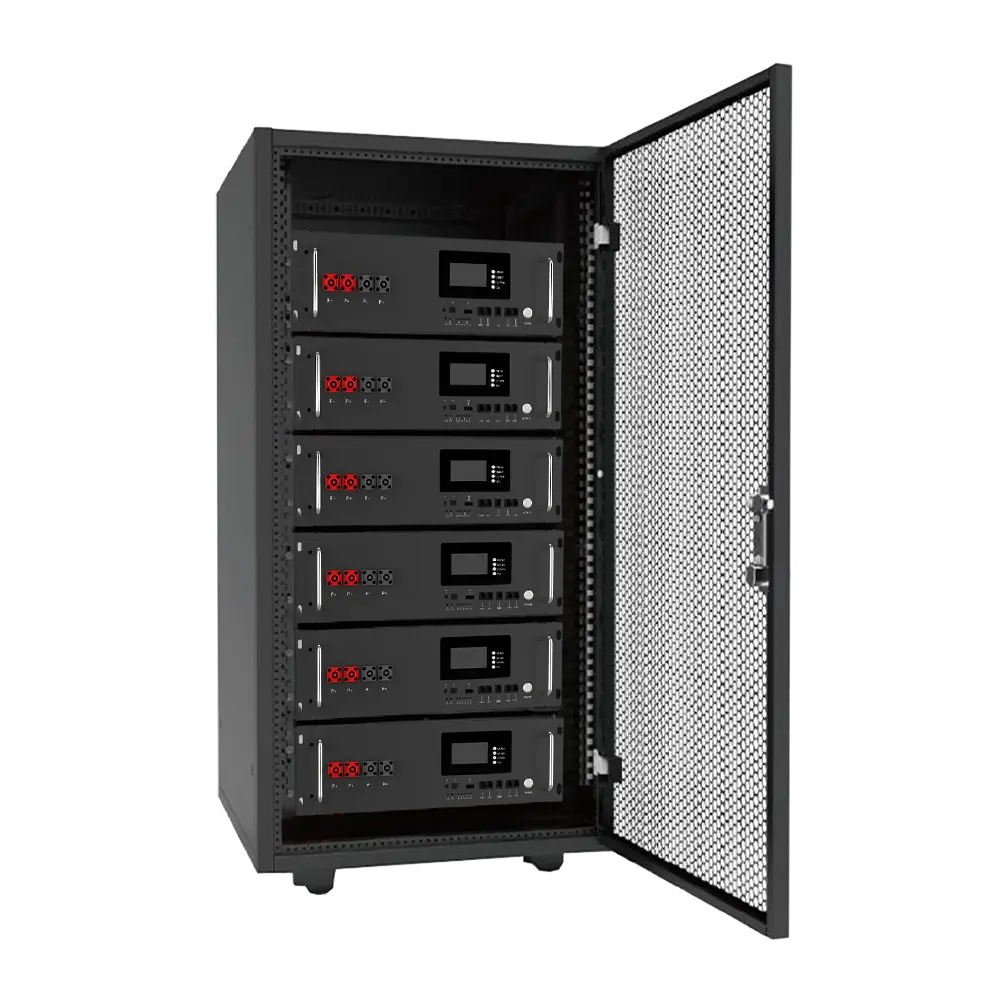
If you want a feel for this type of setup, look at stackable residential battery storage like a lithium home battery storage system that’s built to expand over time.
Whole House Battery Backup Systems
A whole house battery backup (or whole home battery backup) is designed to run nearly everything:
- All lights and outlets
- Major appliances and HVAC
- Home office, EV charger (with enough capacity)
This is what I recommend if:
- You live in an area with frequent or long outages
- You work from home or rely on medical equipment
- You want a true generator alternative for home
These systems usually sit near your main panel and use a high‑capacity home backup battery (often 10–40 kWh or more). An example would be a high‑capacity home energy storage battery around 20 kWh paired with a smart inverter.
Hybrid Solar Battery Backup Systems
Hybrid solar battery backup systems combine:
- Solar panels
- A house battery backup system
- A hybrid inverter that manages both grid and solar
This setup gives you:
- Backup power for home when the grid fails
- Lower power bills with solar plus storage
- Better energy independence and resilience
If you already have solar (or plan to), a hybrid home backup energy system is the most future‑proof option. It turns your house battery backup from just an emergency tool into a 24/7 energy optimizer.
Key Factors When Choosing a House Battery Backup
When you pick a house battery backup system, a few specs matter way more than the rest. Here’s what I always look at before spending a dollar.
Battery Capacity (kWh) & Power Output (kW)
- Capacity (kWh) = how long your home battery backup can run your loads.
- 5–10 kWh: basic battery backup for home appliances (lights, Wi‑Fi, fridge).
- 10–20 kWh: solid home backup power for most essential circuits.
- 20 kWh+: better for whole house battery backup or longer blackouts.
- Power (kW) = how many things you can run at the same time.
- 3–5 kW: OK for most essentials.
- 7–10+ kW: needed for heavier loads (well pump, AC, EV charger, etc.).
You need both: enough kWh to last, and enough kW so your home battery backup system doesn’t trip when you start big appliances.
Best Battery Chemistry (LiFePO4 and Others)
For a serious house battery backup system, I strongly prefer LiFePO4:
- Much longer cycle life (often 4,000–6,000+ cycles).
- Better safety and thermal stability.
- Very low maintenance, ideal for residential energy storage.
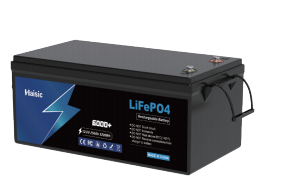
Large, high‑voltage packs like a 128V LiFePO4 home battery with a 6000‑cycle rating (for example, systems similar to this type of 128V 280Ah LiFePO4 residential pack) are exactly what I look at for long‑term home backup energy system use.
Scalability and Expandability
Your first blackout usually convinces you to go bigger. Make sure your home backup battery is:
- Modular – you can add more battery packs later.
- Inverter-ready – supports higher capacity if you expand.
- Future-proof – able to work with solar, EV chargers, or more circuits later.
If your lifestyle or home grows, your backup power for home should be able to grow with it.
Smart Home and Solar Integration
Modern home backup power solutions should do more than just sit there:
- App monitoring: see State of Charge, usage history, and backup time remaining.
- Smart load control: shed non‑essential loads during outages automatically.
- Solar plus storage: charge from rooftop solar and use the battery to cut peak rates.
Look for systems that support grid-tied home battery use and can work as a home power bank daily, not just during emergencies.
Warranty, Safety, and Cycle Life
A whole home battery backup is a 10+ year investment, so I don’t compromise here:
- Warranty: aim for 10 years or a solid cycle guarantee.
- Safety: UL/CE certifications, proper BMS, and compliant installation.
- Cycle life: more cycles = more real value. LiFePO4 deep‑cycle packs with long life, like this type of 12V LiFePO4 deep cycle battery, are a good benchmark for durability.
If a backup battery for home doesn’t clearly state safety standards, cycle life, and warranty terms, I don’t install it.
Sizing Your House Battery Backup
Getting the size of your house battery backup right matters more than any spec sheet. If you undersize it, your “backup” dies in an hour. Oversize it, and you overpay. Here’s how I’d size a home battery backup system in a simple, practical way.
1. How to calculate your essential home loads
Start with essential circuits, not your whole house:
- Fridge / freezer
- Wi-Fi router + modem
- A few lights
- Phone / laptop charging
- Gas boiler or heat pump control
- Medical devices (if any)
- Sump pump / well pump (if needed)
Step-by-step:
- List each device and note its watts (W) from the label or manual.
- Estimate hours per day each runs on backup.
- Use this formula for each load:
Wh per day = Watts × Hours - Add them all up to get total Wh per day, then divide by 1000 to get kWh per day.
Example (essential backup only):
- Fridge: 150 W × 8 h = 1,200 Wh
- Wi-Fi + router: 30 W × 24 h = 720 Wh
- Lights (LED): 60 W × 5 h = 300 Wh
- Laptop + phones: 80 W × 4 h = 320 Wh
- Gas boiler controls: 100 W × 4 h = 400 Wh
Total ≈ 2,940 Wh ≈ 3 kWh per day
If you want 2 days of backup, you need ~6 kWh usable battery capacity (and ideally a bit more for safety).
2. Battery size examples (small, medium, large homes)
These are realistic starting points for house battery backup, assuming essential loads only, not full electric heating:
| Home type | Typical usage style | Recommended backup battery size |
|---|---|---|
| Small home / apartment | Fridge, Wi-Fi, lights, electronics | 5–10 kWh home backup battery |
| Medium family home | Above + well pump, some A/C or heat pump | 10–20 kWh house battery backup |
| Large home / high usage | Multiple fridges, pumps, more rooms, EV top‑ups | 20–40+ kWh whole home battery backup |
If you’re running more off-grid, or want to power mini-splits, well pumps, or home office gear for longer, lean to the upper end of each range. LiFePO4 systems like our 25.6V 200Ah and 305Ah home energy storage batteries are designed to be stacked to reach those capacities easily and safely, with long cycle life (see detailed capacities here).
3. Tools, charts, and runtime estimates
To keep it simple, use this rule of thumb:
- Battery capacity (kWh) ÷ Load (kW) ≈ runtime in hours
Example:
- 10 kWh house battery backup
- Running 1 kW average load (fridge + lights + Wi-Fi + electronics)
Runtime ≈ 10 hours (real-world: 8–9 hours after losses and buffer).
Quick runtime estimates (realistic, not perfect):
- 5 kWh battery, 500 W load → 8–9 hours
- 10 kWh battery, 600–800 W load → 10–14 hours
- 15 kWh battery, 800–1,000 W load → 13–16 hours
- 20 kWh battery, 1 kW load → 16–18 hours
For global customers with unstable grids, I usually recommend:
- Start at 10–15 kWh for a typical family (fridge, lights, internet, basic A/C or fans).
- If you have solar plus storage, you can often go smaller, because panels recharge the battery daily.
- If you have no solar and outages can last 2–3 days, size for at least 2 days of essential loads.
If you’re unsure, a modular house battery backup system gives you flexibility: start with one battery stack, then expand capacity later without replacing the whole system. Our 25.6V 305Ah home battery storage modules with touch-screen monitoring are built exactly for that (check the scalable storage specs here).
Bottom line:
- Calculate your daily essential kWh.
- Decide how many days you want to ride out an outage.
- Multiply and add ~20–30% headroom.
That’s your realistic house battery backup size.
Top House Battery Backup Options in 2026
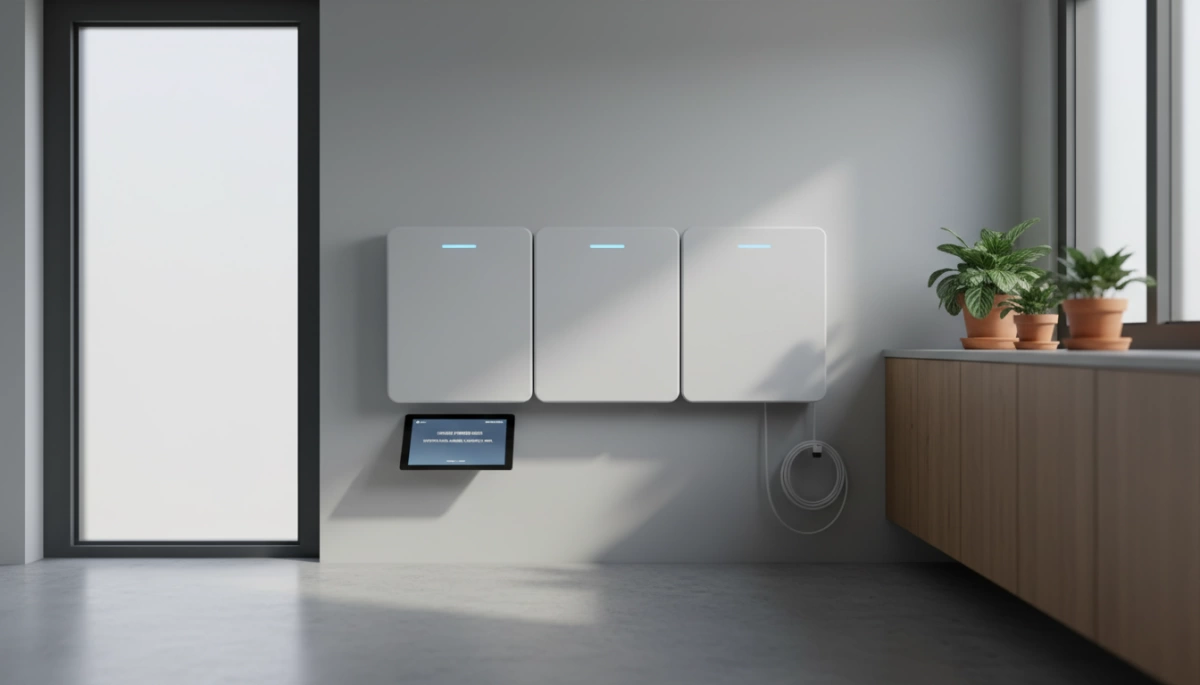
If you’re planning a house battery backup in 2026, you’ve got more serious options than ever. Here’s how I look at the top home battery backup systems and what actually matters when you compare them.
Leading Home Battery Backup Brands and Models
Below is a simple snapshot of some of the most common home backup power options you’ll see on quotes and in installer catalogs:
| Brand / Type | Typical Use Case | Battery Type | Notable Strengths |
|---|---|---|---|
| Tesla Powerwall 3 | Whole house battery backup, solar homes | NMC / LFP (varies) | Strong app, global support, high power output |
| LG ESS Home 8 | Grid-tied home battery, solar + storage | Li-ion / LFP | Compact, good brand backing, stable performance |
| BYD / CATL-based systems | Residential energy storage, solar + backup | LiFePO4 | Proven cells, long cycle life, widely used globally |
| Haisic LiFePO4 ESS systems | Modular home battery backup, solar plus storage | LiFePO4 | Scalable capacity, high safety, value-focused |
| Bluetti / EcoFlow / Anker | Portable home battery backup & power stations | LiFePO4 / Li-ion | Portable, plug-and-play, good for renters and small loads |
For serious whole home power backup, I lean heavily toward robust LiFePO4 home battery systems, either modular wall-mounted units or cabinet-style systems with scalable capacity. This chemistry is safer, lasts longer, and handles daily cycling better than older chemistries.
If you’re building a larger system or planning to go close to off-grid, commercial-style modular solutions like a high‑voltage ESS based on LiFePO4 (similar to this 215kWh LiFePO4 commercial energy storage system) show you the same tech that’s now being scaled down for residential use.
How to Compare House Battery Backup Specs and Features
When I compare house battery backup systems, I ignore the marketing and zero in on these key specs:
1. Usable Capacity (kWh)
This tells you how much energy you actually have for backup power for home.
- Look for “usable” kWh, not just “nominal”
- For light backup (Wi-Fi, lights, fridge): 5–10 kWh
- For serious whole house backup: 15–40+ kWh, depending on your loads
2. Power Output (kW)
This determines what you can run at the same time.
- 3–5 kW: basic battery backup for home appliances (fridge, lights, electronics, a small AC)
- 7–10+ kW: better for whole home, including well pumps, EV charger, larger AC
3. Battery Chemistry
For 2026, LiFePO4 (LFP) is my default for a home battery backup system:
- Safer and more stable (lower fire risk)
- Longer cycle life (often 6,000+ cycles)
- Better for daily use and solar battery backup
4. Scalability and Modularity
- Can you start with, say, 10 kWh and expand to 20–30 kWh later?
- Are modules plug-in stackable, or does expansion require a full rewire?
Modular LiFePO4 systems like the ones used in battery storage for solar (for example, stackable LiFePO4 battery storage systems) make it easy to grow from “emergency home power” to near off‑grid as your needs increase.
5. Inverter / System Type
- All‑in‑one home power bank: battery + inverter in a single unit
- AC‑coupled home battery: connects to an existing solar inverter
- Hybrid inverter: handles grid, solar, and battery in one box
Make sure the inverter supports grid‑tied home battery operation and has a clean switchover to backup during outages.
6. Software & Monitoring
- App quality (real-time usage, remote control, alerts)
- Time-of-use optimization for lower power bills
- Smart home integration (Home Assistant, API, etc.)
Why a Reliable Manufacturer Matters for Residential Energy Storage
For house battery backup systems, the brand and manufacturer quality are not a small detail—they’re the whole game. You’re wiring this into your house and relying on it when the grid fails. I look for:
1. Proven Cell Technology & Safety
- Use of branded LiFePO4 cells
- UL / CE / IEC certifications
- Built-in BMS (Battery Management System) with proper protections
2. Strong Warranty and Real Support
- 8–12 year warranty is standard for quality home backup battery systems
- Clear cycle or energy‑throughput guarantees
- Actual service channels and parts availability, not just a logo and a reseller
3. Transparent Specs
- Honest usable capacity ratings
- Clear charge / discharge limits
- Realistic performance in backup mode, not just “lab numbers”
4. Long‑Term Product Roadmap
You want a manufacturer that:
- Keeps firmware and apps updated
- Supports integration with residential solar and storage ecosystems
- Offers compatible expansion modules for years, not months
In 2026, a reliable home backup energy system isn’t just about surviving a blackout. It’s about building long‑term home energy resilience with gear that’s safe, expandable, and backed by a manufacturer that’s clearly in the energy storage game for the long haul.
House Battery Backup Installation and Setup
DIY vs professional home battery backup installation
You can DIY a small portable home battery backup or a simple plug‑and‑play home power bank.
But for a fixed house battery backup system connected to your electrical panel, I always recommend a licensed electrician or installer.
DIY makes sense if:
- You’re using a portable battery backup for home appliances (plug-in only)
- You’re not modifying your panel or wiring
- Your local code allows it
Professional installation makes sense if:
- You want a whole house battery backup or essential-circuit backup
- You need permits and inspection (most regions do)
- You’re pairing with solar battery backup or a generator
- You want warranty and insurance protection
A good installer will size the wiring correctly, set up monitoring, update your panel labels, and make sure the home battery backup system meets local code.
Electrical panel upgrades and transfer switches
When we install a house battery backup system, the electrical panel is the first thing we check. You may need:
Sub‑panel for critical loads
- We move essentials (fridge, Wi‑Fi, lights, outlets, maybe AC/heat) to a “backup loads” panel.
- This keeps the battery smaller and cheaper while still giving solid home backup power.
Automatic transfer switch (ATS)
- Instantly switches your home from grid to backup power for home when the grid drops.
- Feels seamless: lights stay on, no manual switch.
Manual transfer switch
- Lower cost, but you flip it yourself during outages.
- Good for budget setups or smaller systems.
If you plan for more storage later, choose a battery that’s panel-ready and stackable, such as a 51.2V LiFePO4 bank you can expand over time. Systems like a 51.2V 400Ah 20.48kWh LiFePO4 battery give serious capacity for whole home power backup.
Pairing house battery backup with solar panels or generators
The smartest setups combine a house battery backup with solar and/or a generator so you’re not just surviving one blackout—you’re covered for long ones.
1. House battery + solar (solar plus storage)
- Solar charges your home backup battery during the day
- Battery runs your home at night or during outages
- Cuts grid use and boosts home energy resilience
- Works great with high-capacity LiFePO4 home battery modules like a 15kWh solar battery pack for serious off‑grid backup
2. House battery + generator
- Generator handles long storms or multi‑day outages
- Battery covers the gaps and short outages quietly
- You run the generator fewer hours, saving fuel and noise
3. Solar + battery + generator (ultimate setup)
- Solar carries most of the load
- Battery gives instant, silent backup
- Generator is the “last resort” for bad weather or very high loads
When we design a home backup energy system, the goal is simple: your lights stay on, your food stays cold, your internet works—and you’re not stuck listening to a gas generator all night.
House Battery Backup Costs and Incentives
Typical price range for a house battery backup system
For most homes, a house battery backup system will fall into these rough ranges:
- Portable / small home backup battery: $800 – $3,000
- Wall‑mounted home battery backup (5–10 kWh): $4,000 – $10,000 (battery only)
- Whole house battery backup (15–30+ kWh): $10,000 – $25,000+ (equipment only)
- Hybrid solar + battery backup systems: $15,000 – $40,000+ (solar + battery + inverter)
For example, a 10 kWh wall‑mounted home energy storage system is a sweet spot for many global households that just want essential backup without overpaying. Systems like a compact 10 kWh wall‑mounted home energy storage battery are built exactly for that use case.
Installation and hidden cost factors
The battery is only part of the total cost. Real‑world home backup power budgets also include:
- Installation labor (electrician + commissioning)
- Electrical panel upgrades or sub‑panel for essential loads
- Transfer switch / gateway for automatic backup
- Mounting hardware, cabling, conduits, breakers
- Permits and inspections (very region‑dependent)
- Optional solar integration (hybrid inverter, extra wiring, roof work)
On average, installation adds 20–40% on top of the battery hardware cost. For larger whole home battery backup setups, it can be more if your panel or wiring is outdated.
Federal tax credits and local incentives
In many markets (especially the US, EU, AU), home battery backup systems benefit from:
- Federal tax credits (for example, the US federal Investment Tax Credit (ITC) for battery storage, especially when paired with solar)
- State or regional rebates for residential energy storage
- Utility incentives for demand response or “virtual power plant” programs
- Low‑interest green loans or on‑bill financing
These can easily cover 20–40%+ of the upfront cost if you design the home battery backup system to meet program rules. Always check current local policies before buying.
Long‑term savings and ROI
A home battery backup is both a resilience upgrade and a financial tool:
- Avoided outage costs: no spoiled food, no hotel stays, no downtime for home offices or medical devices
- Time‑of‑use arbitrage: charge when power is cheap, discharge when power is expensive
- Solar self‑consumption: use more of your own solar instead of exporting at low rates
- Peak shaving: cut peak demand charges where utilities use them
For many global homeowners, payback for a home backup battery paired with solar lands in the 6–12 year range, depending on:
- Local electricity prices
- Tariffs (flat vs. time‑of‑use)
- Size and efficiency of the system
- Available subsidies
A solid LiFePO4‑based home backup battery with a 10‑year warranty and high cycle life—like a modular 10+ kWh home power bank or a rackmounted LiFePO4 backup battery—can keep delivering value well beyond the payback period, turning backup power for home into a long‑term asset, not just an emergency tool.
Maintenance, Safety, and Battery Life for House Battery Backup
Routine checks for your home battery backup system
Keeping a house battery backup in good shape is simple, but you can’t skip the basics:
- Check the app or monitoring portal monthly: confirm charge level, power flows, and that the system is online.
- Look over the hardware every 3–6 months: no visible damage, no loose cables, no unusual noise, no burning smells.
- Keep the area clean and dry: no water, no dust buildup, no storage piled around the battery.
- Update firmware when available: most modern home battery backup systems push updates via Wi‑Fi for better performance and safety.
If you’re running a larger stacked system (for example, a high‑voltage 30 kWh house battery backup system like this modular stack), I always recommend having an electrician or installer do a quick health check once a year.
Safety certifications and best installation practices
Safety isn’t optional with a home battery backup system. I only treat systems as “install‑ready” when they hit all of the following:
- Certifications: UL/CE, IEC, UN38.3, and grid‑tie approvals where required.
- Correct location: dry, ventilated, away from flammable materials, and in line with local electrical codes.
- Proper breakers and disconnects: clear labels, emergency shut‑off, and a dedicated backup sub‑panel for critical loads.
- Professional wiring: a licensed electrician for any whole house battery backup or grid‑tied system.
Done right, a house battery backup is one of the safest, quietest backup power solutions you can install at home.
Expected lifespan of LiFePO4 home batteries
LiFePO4 (LFP) is the chemistry you want for long‑term residential energy storage:
- Typical lifespan: 10–15 years in real home use.
- Cycle life: often 6,000–10,000+ cycles to 70–80% capacity, depending on depth of discharge and temperature.
- Performance: stable, low fire risk, and very low capacity fade when used within spec.
In simple terms: a quality LiFePO4 home battery backup can cover you for a decade or more of blackouts, time‑of‑use shifting, and solar self‑consumption.
When to expand or replace your house battery backup
You don’t need to wait for a failure to upgrade your home battery backup system. I look at four main triggers:
- Runtime is no longer enough: blackouts are lasting longer, or you’ve added big loads (EV charger, heat pump, more AC).
- Frequent deep discharges: the battery hits low state of charge almost every outage day—time to add capacity.
- Noticeable capacity loss: the same “10 kWh” now feels more like 6–7 kWh of usable backup.
- Out‑of‑warranty and aging: once you’re past the warranty window and above 10 years, plan for replacement or a major expansion.
If you’re not sure whether to add a second unit or step up to a larger home backup battery system, start by comparing your last few outages, your daily kWh usage, and your future plans, then match that to a scalable system from a reliable product line in our home battery backup products catalog.
House Battery Backup vs Generators
Pros and cons: home battery backup vs generators
Home battery backup (house battery backup system)
Pros:
- Silent and clean: No fumes, no engine noise – perfect for apartments, suburbs, and tight neighborhoods.
- Instant backup: Switchover is almost seamless, so Wi‑Fi, lights, and PCs stay on.
- Low maintenance: No fuel, oil changes, or pull starts. Just install and monitor from an app.
- Indoor‑friendly: LiFePO4 home battery systems are safe to install in garages and utility rooms.
- Great with solar: A solar battery backup lets you charge from the sun and ride through long outages.
Cons:
- Higher upfront cost than a basic portable generator.
- Limited by capacity: Once the battery’s empty and there’s no solar or grid, you’re done until it recharges.
If you want a clean, high‑capacity option, a stackable LiFePO4 home battery like a 128V 100Ah 12kWh house battery pack gives serious whole home power backup without fuel.
Generators (gas, diesel, propane)
Pros:
- Low initial cost for basic portable models.
- Runs as long as there’s fuel, making sense for very long blackouts.
- High surge power for big loads like well pumps or large AC units (if sized correctly).
Cons:
- Noisy and smelly: Not ideal for night use or dense neighborhoods.
- Fuel dependence: You need to store fuel and find more during a crisis.
- High upkeep: Oil changes, tune‑ups, and more moving parts to fail.
- Local restrictions: Some cities limit where and when you can run generators.
When a generator still makes sense
A generator can still be the better call if:
- You’re in a rural or off‑grid location with multi‑day or weekly outages.
- You need heavy loads for long periods (big central AC, large well pump, tools) and don’t want to invest in a very large battery bank.
- Fuel is easy and cheap to get, and noise isn’t an issue.
For off‑grid setups with big loads, pairing a generator with a larger residential energy storage system like an ESS container‑level solar power system is often the most resilient path.
Using batteries and generators together
The strongest backup strategy for many homes is battery + generator:
- Battery handles daily outages: Silent, instant, and automatic for short blackouts or evening peak rates.
- Generator kicks in for long events: Only runs to recharge the home power bank when the battery drops low.
- Less fuel, less noise: The generator runs fewer hours, so you burn less fuel and stretch your reserves.
- Smaller generator, bigger comfort: You can downsize the generator, because the home battery backup system covers peaks and handles sensitive electronics.
If I’m designing backup power for a modern home today, I lead with a home battery backup system (especially LiFePO4), then add a generator only if the outage risk or load profile truly demands it.
House Battery Backup FAQs
How long can a house battery backup power a home?
It depends on battery capacity (kWh) and how much you use during an outage. As a rough guide:
- 5–10 kWh: 6–24 hours running essentials only (fridge, lights, Wi‑Fi, a few plugs)
- 10–20 kWh: 1–2 days with careful use
- 20–40+ kWh: Multi‑day backup for larger homes or heavier loads
If you add solar plus a LiFePO4 home battery like a 9.5 kWh powerwall-style unit, you can recharge during the day and stretch that runtime for many days.
Do you need solar for a home battery backup system?
No, you don’t need solar for a home battery backup system.
You can charge a house battery backup from:
- The grid (most common for backup only)
- Solar panels (for solar plus storage and longer outages)
- A generator (for extended storms and off‑grid use)
Solar simply makes your home backup power more independent and can keep your battery backup for home appliances topped up during long blackouts.
Is a whole house battery backup worth it?
It’s worth it if you:
- Have frequent or long power outages
- Work from home or rely on medical devices
- Live in areas with grid instability, extreme weather, or high peak rates
For many people, a whole house battery backup paired with a hybrid solar inverter is now a realistic replacement or strong alternative to a generator. With LiFePO4 home batteries, you get quiet, clean, and low-maintenance backup power for home instead of noise and fuel headaches.
How many batteries do you need for emergency home power?
Start from your essential loads, then match that to battery capacity:
- Small apartment (essentials only): 5–10 kWh (1 small battery)
- Typical family home (fridge, lights, Wi‑Fi, some plugs, maybe a small AC): 10–20 kWh (1–2 batteries)
- Larger home or heavy loads (well pump, large AC, multiple fridges): 20–40+ kWh (2–4+ batteries)
Modular systems let you stack multiple home backup battery units as you grow. For example, you can start with a 3.5 kWh or 9.5 kWh low‑voltage powerwall module and expand later as your whole home power backup needs increase.