











Why Invest in a Home Energy Storage Battery?
A battery for home energy storage gives you control over how and when you use electricity, instead of being fully dependent on the grid and rising utility prices.
Key Benefits for Your Home
Cut your electricity bills
- Store cheap energy from solar or off‑peak grid rates and use it during expensive peak hours.
- A well‑sized energy storage battery for home can offset a large share of your evening and night usage.
Reliable blackout protection
- Keep lights, Wi‑Fi, refrigerators, medical devices, and essential circuits running during grid failures.
- A properly designed home battery backup or whole home battery backup can cover everything from short outages to multi‑hour blackouts.
Maximize solar self‑consumption
- Instead of exporting surplus solar to the grid at low rates, your battery for home solar energy storage stores it for evening and night use.
- This turns your solar into a true home solar energy storage system with higher long‑term savings.
Real-World Use Cases
Peak demand shifting
- Charge your residential energy storage system during off‑peak, discharge during peak.
- Ideal in regions with time‑of‑use tariffs or demand charges.
Off‑grid and backup-ready living
- Combine solar with an off-grid battery system to reduce dependence on the grid or support remote properties.
- Even if you stay grid‑connected, you gain strong resilience during storms, heatwaves, or grid instability.
Lower environmental impact
- Use more of your own clean solar energy and less fossil‑fuel‑based grid power.
- A modern home battery backup helps you shrink your carbon footprint without sacrificing comfort.
Why 2026 Is the Right Time
Falling battery costs
- The battery storage cost per kWh continues to fall, making the best battery for home energy storage more accessible to homeowners worldwide.
Better, safer technology
- Advanced lithium chemistries (especially LiFePO4) deliver higher efficiency, longer life, and safer operation than old lead‑acid or using a car battery for home energy storage.
- Today’s residential BESS solutions are designed for long service life and smart control.
Strong incentives and support
- Many countries and regions now offer energy storage incentives, tax credits, and rebates when you pair solar battery storage with rooftop panels or a hybrid solar inverter battery system.
Investing in a battery energy storage for home in 2026 is no longer experimental—it’s a practical, proven way to gain energy independence, protect your home, and lock in lower energy costs for years to come.
How a Battery for Home Energy Storage Actually Works
A battery for home energy storage is basically a smart power bank for your house. It stores cheap or solar power, then feeds it back when you need it.
1. Charge, store, discharge – the basics
Here’s the simple flow for a home energy storage battery:
Charging from solar
- Your solar panels generate DC power.
- The system sends that energy to the battery for home solar energy storage first (after serving active loads), instead of exporting everything to the grid.
- The battery fills up during the day when solar is strong.
Charging from the grid
- In many countries, power is cheaper at night.
- A battery energy storage for home can automatically charge from the grid during low-tariff hours.
- Later, it discharges when grid prices spike (peak shaving).
Discharging on demand
- When solar drops (evening, cloudy weather) or the grid fails, the home battery backup discharges to supply your appliances.
- Smart settings let you prioritize essential loads (lights, Wi‑Fi, fridge) to stretch your backup time.
2. With solar vs. standalone use
You can run a residential energy storage system in two main ways:
Integrated with solar (most common)
- Works as a solar battery storage system: panels + inverter + battery.
- Maximizes home solar energy storage and self-consumption.
- Ideal if you want lower bills, blackout protection, and better ROI from your panels.
Standalone (no solar yet)
- Battery charges only from the grid.
- Useful where tariffs are time-based or grids are unstable.
- You can easily add solar later if your hybrid solar inverter battery is compatible.
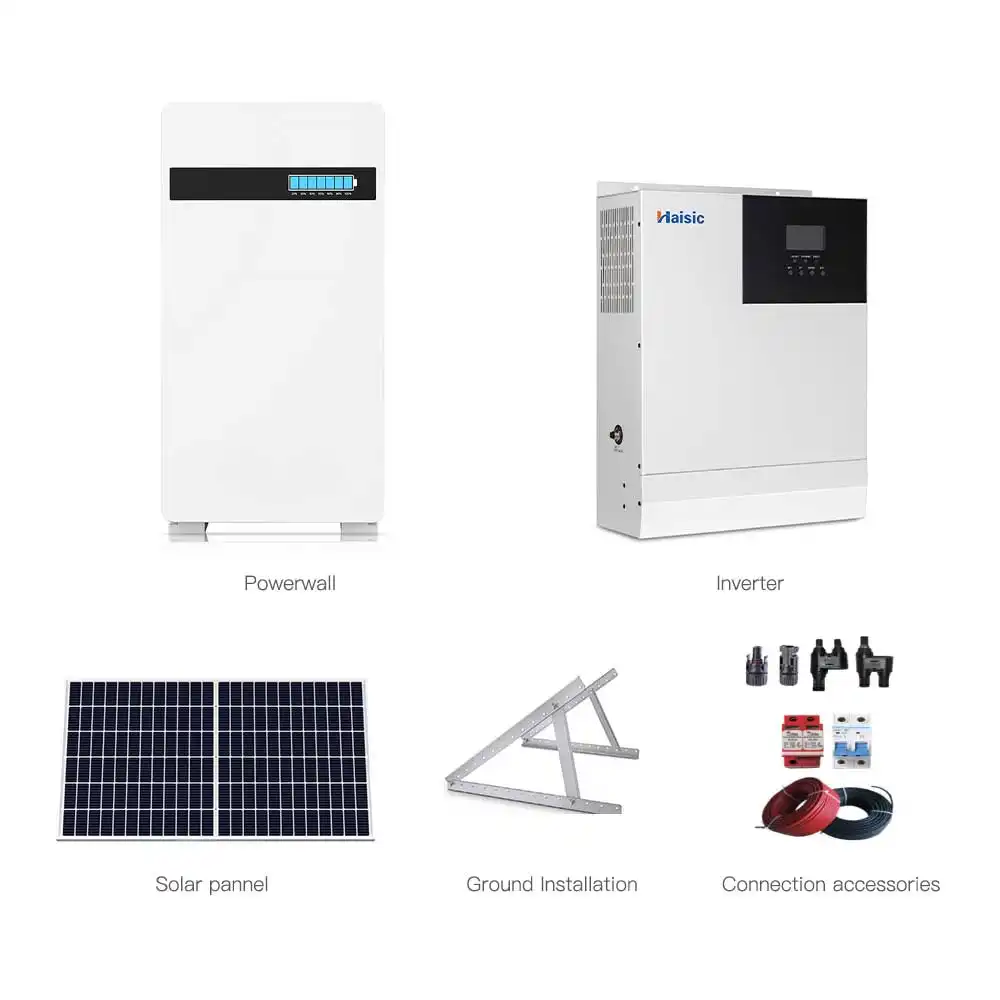
Systems like a 5kW solar energy storage system for home use are a good example of this integrated setup, combining inverter and battery into one residential energy storage system.
3. The role of inverters, controllers, and smart management
Behind every best battery for home energy storage, there are three key components doing the heavy lifting:
Inverter / Hybrid inverter
- Converts DC from the battery and panels into AC for your home.
- A hybrid solar inverter battery unit can handle both solar input and battery management in one box.
Charge controller / BMS (Battery Management System)
- Control charging voltage and current for safety.
- In modern LiFePO4 home battery packs, the BMS manages:
- Overcharge / over-discharge protection
- Cell balancing
- Temperature protections
- Short-circuit and over-current protection
Smart energy management
- Software or app that optimizes when to:
- Charge from solar vs. grid
- Discharge battery vs. draw from grid
- Reserve capacity for whole home battery backup or critical loads
- Lets you monitor:
- State of charge (SoC)
- Daily savings
- Backup runtime during outages
- Software or app that optimizes when to:
A well-designed battery for home energy storage combines all of this into one clean residential BESS (Battery Energy Storage System) that just works in the background, cutting your bills and keeping your lights on when the grid doesn’t.
Types of Batteries for Home Energy Storage
Choosing the right battery for home energy storage matters more than any brand name. Here’s how the main options compare.
1. Lithium-ion (NMC / NCA) Home Batteries
NMC/NCA (nickel-manganese-cobalt / nickel-cobalt-aluminum) are common in EVs and some home systems.
Pros:
- High energy density (more kWh in less space)
- Lighter weight
- Mature technology
Cons:
- Higher fire risk if abused or poorly managed
- Shorter lifespan than LiFePO4 in many residential use cases
- Often need stricter temperature control
Best for: Tight spaces where you need max capacity and are okay with stricter safety and cooling.
2. LiFePO4 (Lithium Iron Phosphate) – The Best Battery for Home Energy Storage
For a residential energy storage system, I prefer LiFePO4 home battery solutions. They’re simply built for long-term, everyday home use.
Why LiFePO4 stands out:
- Safety: Very stable chemistry, low fire risk
- Long life: Often 6,000+ cycles with proper use
- Wide temperature tolerance: Handles hot and cold better
- Deep usable capacity: High depth of discharge without killing the battery
Quick Comparison Table
| Feature | LiFePO4 Home Battery | NMC/NCA Lithium Battery |
|---|---|---|
| Safety | Very high | Medium |
| Cycle life | 4,000–8,000 cycles | 2,000–4,000 cycles |
| Thermal stability | Excellent | Average |
| Ideal use | Home solar energy storage | EVs, compact systems |
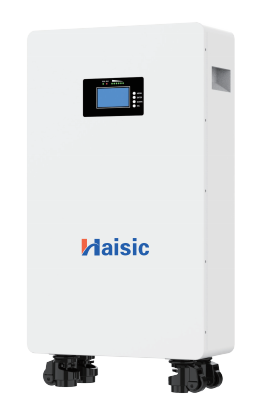
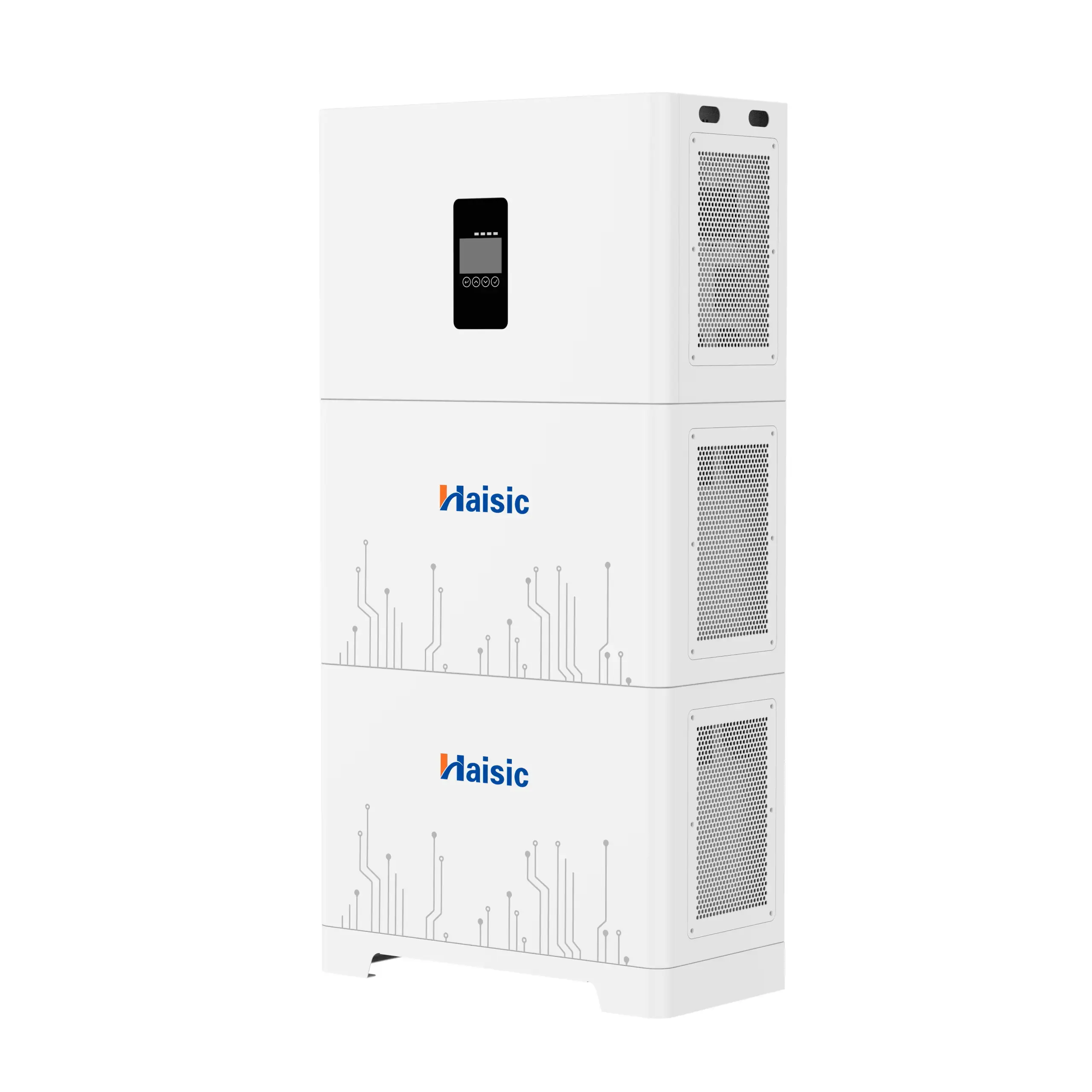
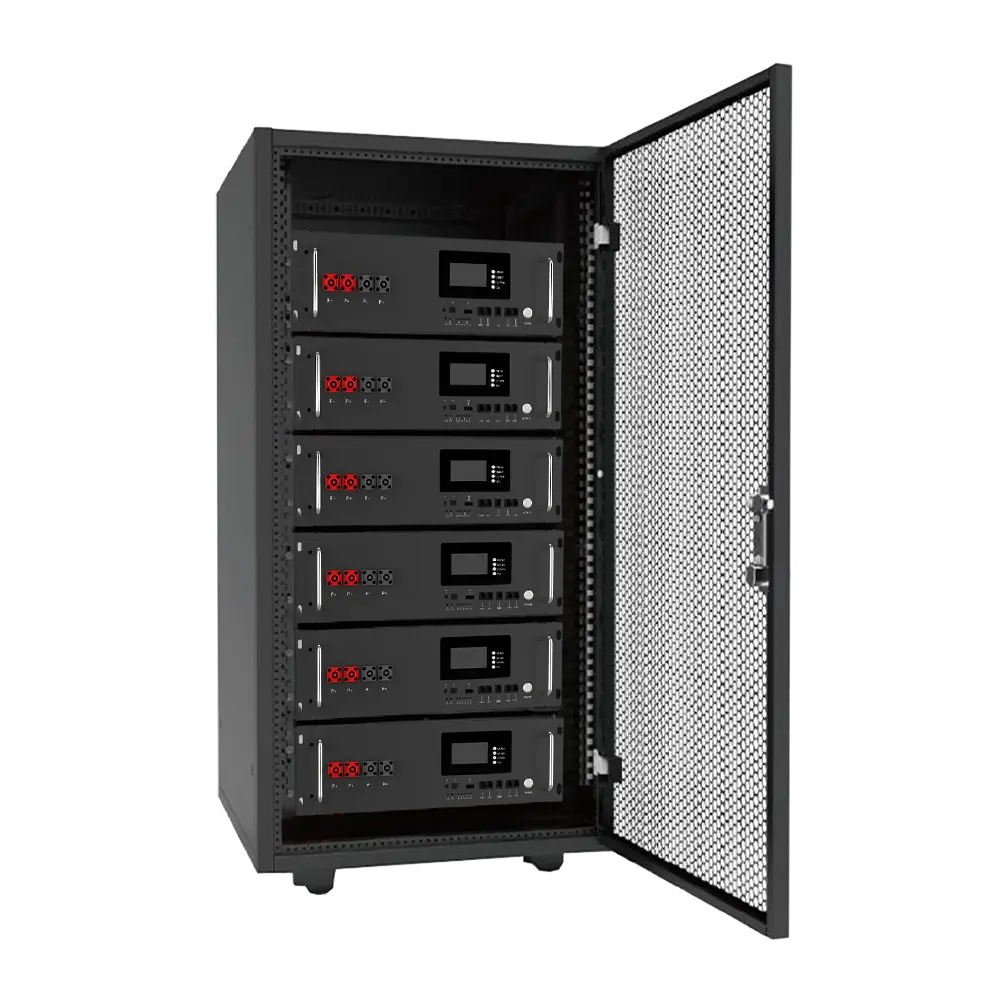
If you’re looking for a practical battery energy storage for home with solid safety and lifespan, LiFePO4-based products like our touchscreen 20.48kWh home energy storage battery are the type of system I’d install in my own place.
3. Lead-Acid Batteries (Why They’re Outdated at Home)
Traditional lead-acid (including AGM and GEL) still show up in cheap off-grid battery systems, but they’re not ideal for modern home battery backup.
Downsides:
- Low usable capacity (you can’t discharge too deep)
- Short cycle life
- Heavy and bulky
- More frequent replacements = higher long-term cost
Lead-acid can work for small, low-budget cabins, but for home solar energy storage and daily cycling, they lose on total cost and reliability.
4. Emerging Battery Technologies: Flow & Solid-State
For future-proofing your residential BESS (battery energy storage system), it’s worth knowing what’s coming, even if you’re not buying it yet.
Flow batteries:
- Store energy in liquid electrolytes
- Very long cycle life, easy to scale
- Currently more common in commercial/utility than homes
Solid-state batteries:
- Aim for higher energy density and better safety
- Still in development and not widely available for whole home battery backup yet
For 2026, if you want something proven, safe, and cost-effective, LiFePO4 remains the best battery for home energy storage.
Key Factors When Choosing a Battery for Home Energy Storage
When you’re picking the best battery for home energy storage, focus on how you live, what you pay for power, and how much backup you really need. Here’s what actually matters:
1. Capacity (kWh) and Power (kW)
- Capacity (kWh) = how long it can run your home
- 5–10 kWh: good for partial backup (lights, internet, fridge).
- 10–20+ kWh: better for whole home battery backup or longer outages.
- Power rating (kW) = how many things you can run at once
- 3–5 kW: small homes / essential loads.
- 5–10+ kW: larger homes, AC, pumps, EV charger.
Always size your home battery backup based on your night-time use and critical loads during a blackout, not just your total daily consumption.
2. Cycle Life, Efficiency, Depth of Discharge
- Cycle life: Aim for 6,000+ cycles for daily use (LiFePO4 usually wins here).
- Round-trip efficiency: Look for ≥90% for a modern residential energy storage system. Better efficiency = better ROI.
- Depth of discharge (DoD): Good home batteries allow 80–100% usable capacity without killing the lifespan.
For heavy daily cycling with solar, a LiFePO4 home battery is normally the best balance of life, cost, and performance.
3. Warranty, Safety, and Scalability
- Warranty:
- At least 10 years or a defined energy throughput (e.g., MWh) is ideal.
- Safety features:
- Built-in BMS (Battery Management System)
- Overcharge / over-discharge protection
- Temperature monitoring and short-circuit protection
- Scalable design: Make sure the residential BESS can be expanded later by adding more battery modules if your usage grows (EV, heat pump, etc.).
4. Compatibility With Solar and Inverters
Your battery energy storage for home must play nicely with your existing or future hardware:
- Works with your hybrid solar inverter battery setup (check voltage and communication protocols).
- Supports both solar battery storage and grid charging if you want to do peak-shaving.
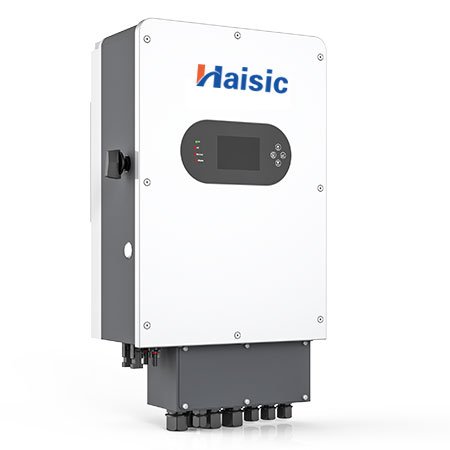
- For new installs, I like pairing batteries with a flexible hybrid inverter such as a Haisic 10kW IP65 hybrid solar inverter that handles both PV and battery in one unit, avoiding messy add-ons.
If you’re planning a three-phase or larger system, a three‑phase hybrid inverter like the Haisic 8–12kW three-phase hybrid solar inverter makes the whole home solar energy storage setup cleaner and more future‑proof.
5. Installation, Location, and Setup
- Indoor vs outdoor:
- Check the IP rating and temperature range. Outdoor units need proper weather protection.
- Space:
- Wall‑mounted vs floor‑standing, and enough clearance for airflow and service.
- Professional install:
- Always use licensed installers for backup power for home—this impacts safety, insurance, and warranty.
- Local codes and permits:
- Some regions have strict rules around lithium ion battery for home use—your installer should handle this.
If you’re tempted to use a car battery for home energy storage, skip it. Automotive lead-acid or starter batteries aren’t designed for deep cycling and are unsafe and uneconomical as a long‑term off‑grid battery system. A purpose‑built energy storage battery for home will cost less over its lifetime and perform far better.
Top Home Energy Storage Batteries in 2026
When I look at the best battery for home energy storage in 2026, I group them by what homeowners actually care about: safety, lifespan, usable capacity, and real value for money. There’s no “one-size-fits-all” residential energy storage system, but there are clear front-runners.
Leading battery options and what “best” really means
What counts as the “best” home battery backup depends on your situation:
- For maximum backup time: You want a higher-capacity residential BESS (10–30 kWh or more) with strong continuous power output. Ideal for whole home battery backup in areas with frequent outages.
- For daily solar battery storage: High cycle life and efficiency matter most, so you get more from your home solar energy storage over 10+ years.
- For hybrid setups with grid + solar: You need a battery energy storage for home that works smoothly with a hybrid solar inverter battery, supports time-of-use shifting, and has smart energy management.
Most high-end systems now are lithium-based, but the chemistry makes a big difference.
Why LiFePO4 home batteries lead in 2026
For home solar energy storage, LiFePO4 (Lithium Iron Phosphate) is the clear winner in 2026:
- Superior safety: Very stable, low fire risk compared to some NMC/NCA lithium ion battery for home options.
- Long cycle life: Often 6,000+ cycles, meaning 10–15 years of daily use if designed right.
- High usable capacity: You can safely discharge to a deeper level (high DoD) without killing the battery quickly.
- Better performance in heat: Important for global customers in hot climates where garages and outdoor cabinets get warm.
If you’re comparing the best solar batteries 2026 for long-term ownership cost, LiFePO4 home battery systems usually beat older lithium chemistries and are far ahead of repurposed car battery for home energy storage setups.
Why we focus on Haisic home energy storage batteries
From my side as a supplier, I’ve leaned hard into LiFePO4 because it solves most of the pain points I see with traditional home battery backup. Our Haisic home energy storage batteries are built around:
- Advanced engineering: Smart BMS, stable LiFePO4 cells, and modular designs that scale from single homes to small commercial projects.
- High-cycle performance: Engineered for deep cycling every day—ideal for both off-grid battery system setups and grid-tied solar battery storage users.
- Flexible, customizable options: Wall-mounted, rack-mounted, and cabinet solutions so we can match capacity and voltage to your inverter and your usage patterns, not the other way around.
For example, our touch-screen home battery system gives homeowners direct insight into status, SOC, and performance, making it easy to manage a residential energy storage system without being “techy.” You can see how we configure this kind of LiFePO4 home battery for everyday backup and solar integration on our own battery storage for home solutions.
If you’re choosing the best battery for home energy storage in 2026, I’d short-list modern LiFePO4-powered residential BESS like our Haisic lineup before considering older tech or improvised car battery for home energy storage options. It’s safer, lasts longer, and gives you a cleaner, more predictable return on your investment.
Costs, Savings, and Incentives for a Battery for Home Energy Storage
How much does a home energy storage battery cost in 2026?
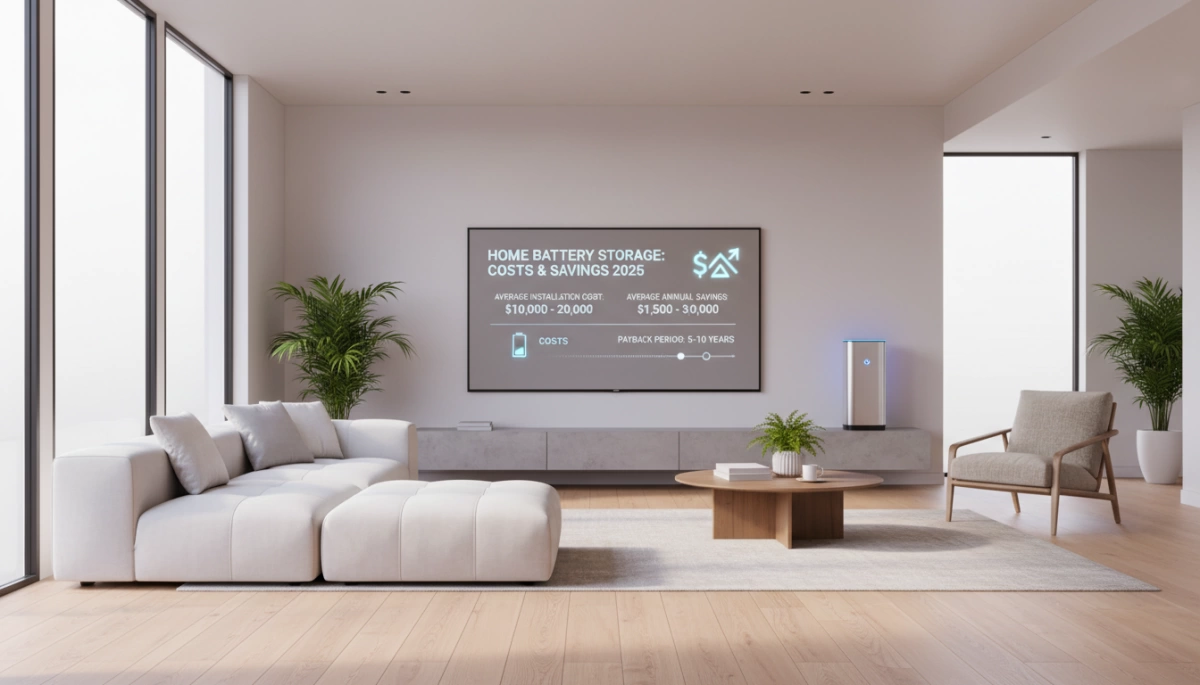
In 2026, a quality battery for home energy storage (mainly LiFePO4) generally lands in this range:
- Battery-only price:
- Around $400–$700 per kWh of usable capacity
- Example: A 10 kWh home battery backup unit: ~$4,000–$7,000
- Full residential energy storage system (installed):
- 10–15 kWh system: ~$7,000–$12,000 installed
- 20+ kWh whole home battery backup: ~$12,000–$20,000+ installed
- Costs include the battery energy storage for home, inverter/hybrid inverter, wiring, and labor
For larger or more advanced systems, like modular or containerized setups, the pricing model changes. For example, a commercial-style 50–100 kWh residential BESS follows a very different cost curve, similar to Haisic’s 50kWh–100kWh containerized energy storage system.
What affects your payback and ROI?
The best battery for home energy storage pays off fastest when these factors line up:
- You have solar
- Pairing home solar energy storage with PV lets you store excess daytime production and use it at night
- This boosts solar self-consumption and cuts what you buy from the grid
- Time-of-use (TOU) or high utility rates
- Charge your solar battery storage when power is cheap (or from solar)
- Discharge during peak hours to avoid expensive tariffs
- Right-sized system
- Too small: You still pull a lot from the grid
- Too big: You pay for capacity you rarely use
- For many homes, 10–15 kWh is a solid starting point; heavy users or partial off-grid users may look at 20–30+ kWh
- Good efficiency and long cycle life
- A LiFePO4 home battery with 6,000+ cycles and >90% round-trip efficiency spreads its cost over more usable energy
Well-matched systems often see payback times in the 6–12 year range, depending on local tariffs and incentives.
Incentives, tax credits, and rebates
In many regions, energy storage incentives significantly cut the upfront cost of a battery for home solar energy storage:
- Federal tax credits (e.g., US ITC)
- Many markets offer investment tax credits when the battery is paired with solar
- Coverage can be 20–30% or more of the system cost, depending on policy
- State / regional rebates
- Some areas offer direct rebates per installed kWh of residential energy storage system
- Others support off-grid battery systems or backup power in disaster-prone zones
- Utility programs
- Bill credits for letting your residential BESS support the grid during peak events
- Special tariffs for hybrid solar inverter battery systems
To get a clearer picture of what you’d actually pay after incentives, I often walk customers through real numbers similar to the breakdowns shown in this guide on solar battery storage cost per kWh and system pricing.
Long-term savings examples
Here’s what typical home battery backup savings can look like over time:
Scenario 1: Solar + battery, TOU rates
- 10 kW solar + 10–15 kWh lithium ion battery for home
- Shift 8–12 kWh/day from peak to off-peak
- Annual bill savings: $600–$1,500+, depending on rates
- Plus: Backup power value during outages (hard to price, but huge for many families)
Scenario 2: No solar, TOU / high tariffs
- Charge battery energy storage for home at off-peak, discharge at peak
- Savings are lower but still real where peak rates are steep
- Often chosen mainly for backup power for home + some bill optimization
Scenario 3: Partial off-grid / remote homes
- Higher upfront cost (larger off-grid battery system)
- Long-term payback comes from avoiding diesel, fuel transport, and unreliable grid power
Over a 10–15 year lifespan, a well-chosen LiFePO4 home battery can deliver tens of thousands of kWh of stored and reused energy, turning what used to be wasted or expensive power into long-term, predictable savings.
Installation and Maintenance Guide for a Home Energy Storage Battery
Step‑by‑step installation process
When we install a battery for home energy storage, we follow a simple, structured process:
Site assessment
- Check your main panel, load needs, and backup priorities (fridge, lights, internet, HVAC).
- Confirm space for the residential energy storage system (wall or floor mount, indoor or outdoor).
- Review your existing solar or hybrid inverter setup for compatibility.
System design & quote
- Size the energy storage battery for home (kWh and kW) based on your usage and backup goals.
- Decide between partial backup (essential loads) or whole home battery backup.
- Lock in equipment list: battery, hybrid solar inverter battery, switches, breakers, monitoring.
Permitting & approvals
- Submit plans to local authorities and your utility (if grid‑tied).
- Make sure everything meets electrical codes and fire safety rules.
- In many regions, this step is required to qualify for energy storage incentives.
Professional installation
- Mount the home battery backup and inverter on a solid, ventilated surface.
- Run wiring to the main panel or backup sub‑panel.
- Commission the system, run tests under load, and set up monitoring apps.
- For reference designs and sizing, I often point customers to guides on the best battery storage for solar setups we use in our own projects: battery storage for solar systems.
I strongly recommend using a licensed installer. A battery energy storage system is not a DIY car battery for home energy storage project.
Safety tips and best practices
For a battery for home solar energy storage, safety is non‑negotiable:
- Choose certified equipment
- Look for UL/CE/IEC certifications and a proven LiFePO4 home battery or lithium ion battery for home use.
- Correct location
- Keep clear of flammable materials.
- Avoid direct sun, flooding risk, and areas with extreme temps.
- Ventilation and clearance
- Maintain required clearances around your residential BESS for airflow and service access.
- Proper protection
- Use correct breakers, fuses, disconnects, and surge protection as per design.
- No DIY modifications
- Never open the battery case, bypass the BMS, or “add” random cells like a car battery for home energy storage hack.
Treat your home solar energy storage system like any major electrical appliance—installed once, safely, and left to do its job.
Ongoing maintenance and lifespan extension
Modern LiFePO4 home battery systems are low‑maintenance, but not zero‑maintenance:
Monitoring apps
- Track charge/discharge, state of charge, and backup events.
- Watch for unusual behavior: sudden drops in capacity, frequent faults, or abnormal temperatures.
Firmware updates
- Keep the inverter, battery BMS, and monitoring gateway updated.
- Updates often improve efficiency, safety logic, and grid‑support features.
Annual checkup
- Have an installer or electrician:
- Inspect wiring and terminations.
- Verify ventilation and clearances.
- Confirm the system still meets local code and utility rules.
- Have an installer or electrician:
Battery care habits
- Avoid running the battery to 0% every day if you don’t need to.
- Keep it within the normal operating temperature range.
- Use smart settings (e.g., time‑of‑use mode) so your battery for home energy storage cycles efficiently, not aggressively.
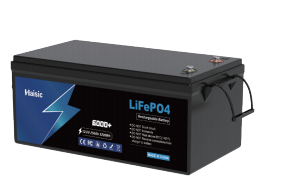
A well‑installed, well‑managed battery energy storage for home can run 10–15+ years. With high‑cycle LiFePO4 packs—like the 6000‑cycle units we deploy in our own builds, such as our high‑capacity 12.8V LiFePO4 packs—long life comes down to correct design, clean installation, and simple ongoing monitoring.
Common Myths and FAQs About Battery for Home Energy Storage
Myth 1: “A battery for home energy storage is too expensive”
This used to be true, but not anymore.
In 2026, battery energy storage for home has:
- Lower cost per kWh than a few years ago
- Better lifespan (especially LiFePO4 home battery systems)
- Stronger incentives, tax credits, and utility rebates in many regions
When you factor in backup power for home, peak shaving, and higher solar self‑use, a quality battery for home solar energy storage usually pays itself back over its life.
Myth 2: “Home battery backup is only for solar homes”
You don’t need solar to use a residential energy storage system.
Common non‑solar uses:
- Whole home battery backup for grid outages
- Storing cheap off‑peak grid power and using it at peak rates
- Stabilizing power quality in areas with weak grids
That said, pairing a home solar energy storage system with PV panels gives you the best ROI and true energy independence.
FAQ: How long does a home energy storage battery last?
For modern LiFePO4 home batteries (like our 15kWh LiFePO4 solar battery pack):
- Cycle life: 6,000–10,000+ cycles, depending on usage
- Calendar life: 10–15+ years with normal operation
- Typical daily‑use system still has 70–80% capacity after a decade when sized and installed correctly.
FAQ: Are home battery systems bad for the environment?
A battery for home energy storage can be very eco‑positive when:
- It maximizes solar battery storage instead of fossil‑fuel peaker plants
- Uses long‑life chemistries like LiFePO4 (less frequent replacement, lower waste)
- Is sourced from manufacturers that support recycling channels
Overall, a durable residential BESS reduces grid stress and lifetime emissions compared to diesel generators.
FAQ: Can I use my EV with my home battery system?
In many markets, yes – and this is growing fast.
- Some EVs support vehicle‑to‑home (V2H), acting like a giant home battery backup
- A properly designed hybrid solar inverter battery setup can integrate both EV and stationary storage
- Best practice: use a dedicated energy storage battery for home as your main backup and treat the EV as a flexible bonus source when available
If you want a permanent, indoor‑rated solution, a fixed Powerwall alternative like our 10kWh wall‑mounted home energy storage system is still the most reliable choice for everyday use.