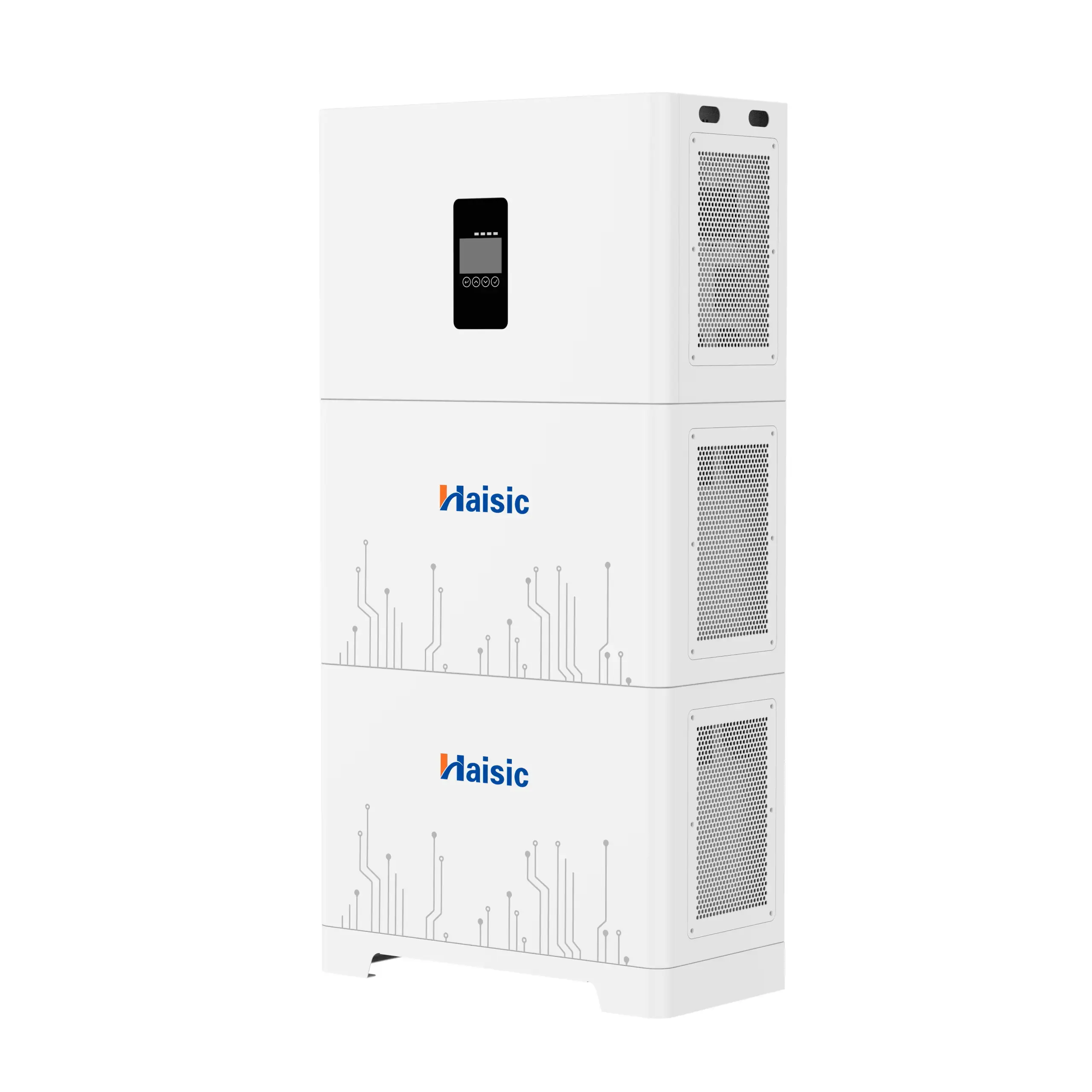
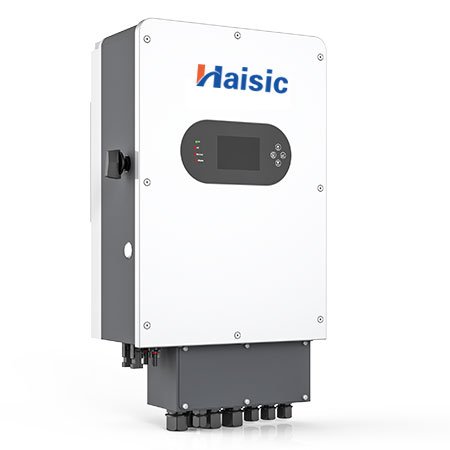
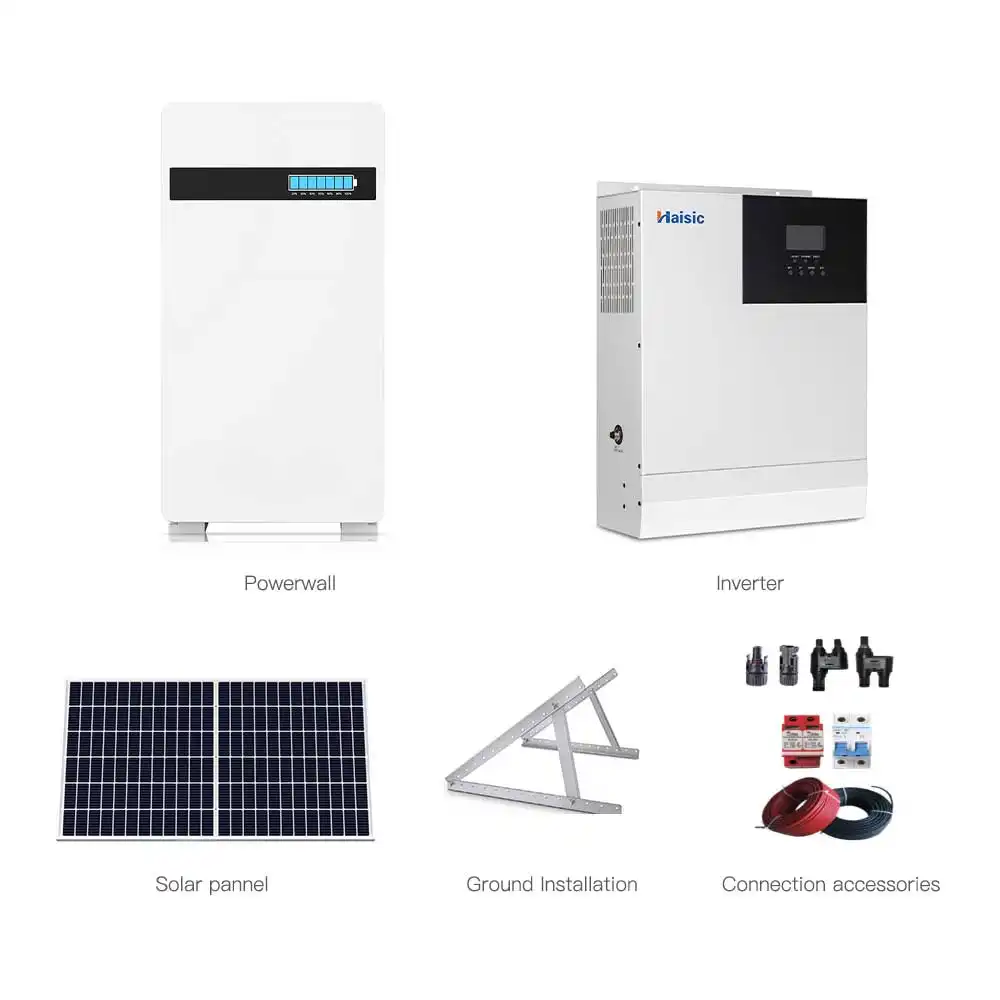
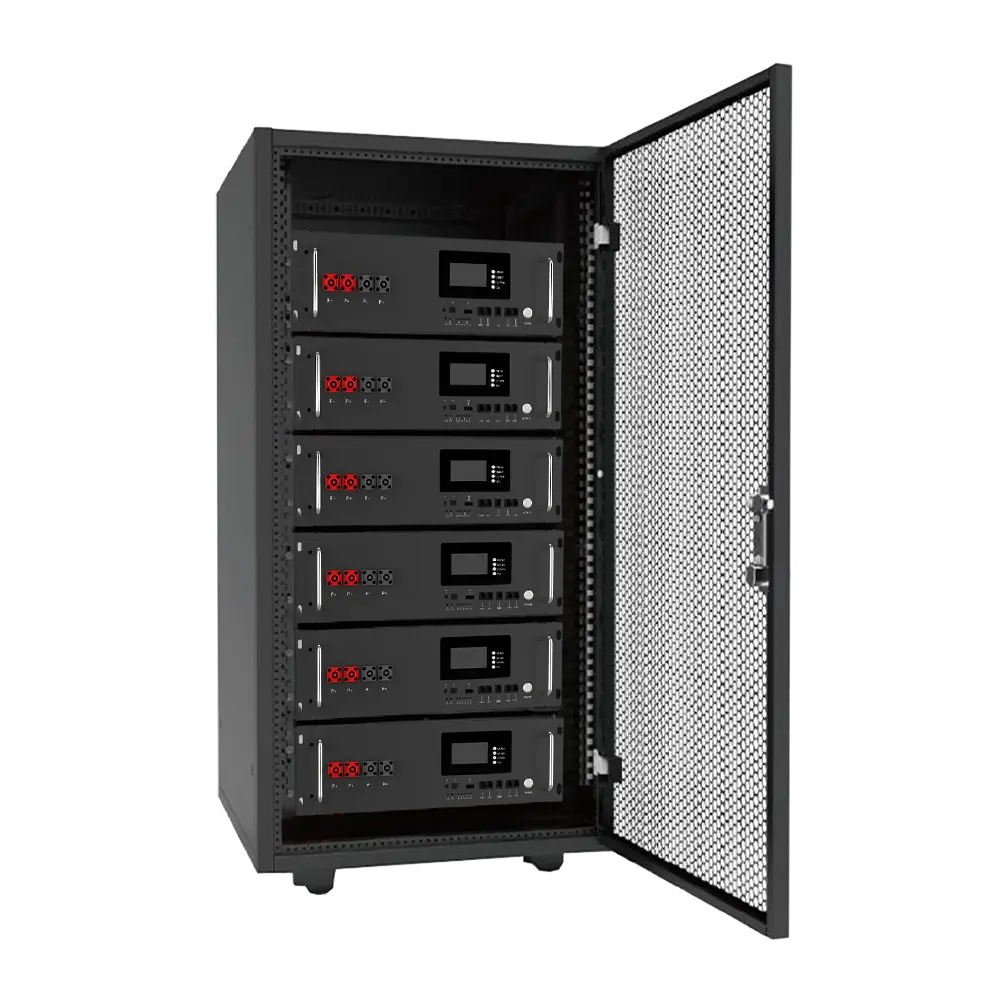


You’ve just invested in a residential solar power system, but how does that sunlight actually run your coffee maker or air conditioner? It is a common worry we hear all the time from homeowners making the switch to renewable energy. The answer lies in one critical piece of hardware: the solar power inverter for home use.
What Does a Home Solar Inverter Actually Do?
Think of your solar panels as the raw muscle and the inverter as the brain. When sunlight hits your panels, they generate Direct Current (DC) electricity. Here is the catch: your home’s appliances cannot use DC power. Your house is wired to run strictly on Alternating Current (AC).
This is exactly where your inverter steps in. Its primary job is converting DC from solar panels into AC for your house. Without this seamless conversion, all that captured solar energy is completely useless for your daily power needs.
The Vital Brain of Your Solar Setup
As an energy storage system (ESS) manufacturer, I always emphasize that the inverter does far more than just flip DC to AC. It operates as the central command center for your entire energy ecosystem.
Here is why the inverter acts as the vital brain of your solar setup:
- Continuous Translation: It safely and instantly transforms unusable solar power into the standard AC power required by your wall outlets.
- Performance Tracking: It monitors your solar energy conversion efficiency and daily output, letting you track exactly how much money you are saving.
- Built-in Safety: It constantly manages voltage fluctuations, acting as a shield to protect your sensitive home electronics from dangerous power surges.
- Traffic Control: Whether you are using a grid-tied solar inverter or a battery backup, it directs where the power needs to go—to your appliances, into your battery storage, or back to the utility grid.
Your solar panels collect the power, but it is the inverter that actually puts that power to work.
Pure Sine Wave vs Modified Sine Wave Inverters
When you choose a solar power inverter for home use, you will immediately face the choice between pure sine wave and modified sine wave models. As an energy storage manufacturer, I always tell our customers to look past the upfront price tag. The difference in how they output power makes all the difference for your house.
The Hidden Risks of Modified Sine Waves
Modified sine wave inverters are budget-friendly, but they generate a choppy, stair-step electrical signal. This rough power carries serious risks for your sensitive home electronics:
- Premature Device Failure: The microprocessors in your smart TVs, laptops, and even microwaves can glitch or burn out over time.
- Overheating Motors: Compressors in your refrigerators, AC units, and pumps will run hotter, louder, and wear out much faster on a modified signal.
- Audio/Visual Interference: You will likely notice a constant, annoying hum in audio equipment and flickering on digital screens.
Why Pure Sine Wave is Non-Negotiable
A pure sine wave inverter produces a smooth, clean electrical current that perfectly matches standard utility grid power. It is the absolute, non-negotiable standard for any modern residential solar power system. If you are serious about building reliable energy storage for a home, pure sine wave output is the only way to guarantee that every heavy appliance and delicate electronic device runs safely and efficiently.
Types of Solar Inverters for Residential Systems
In our experience building residential solar power systems, we know that choosing the right solar power inverter for home use comes down to your roof design, your budget, and your long-term energy goals.
Here is a quick breakdown of the four main types you will encounter on the market:
- String Inverters: The budget-friendly standard. If your roof gets full sun with zero shade, a grid-tied solar inverter setup like this works perfectly. It wires your panels into a single \”string\” and sends all the DC power down to one central unit for conversion.
- Microinverters: Best for tricky, shaded roofs. Because these attach directly behind each individual panel, they offer panel-level optimization. If one panel gets temporarily shaded by a tree or chimney, the rest of your system keeps generating maximum power without slowing down.
- Hybrid Solar Inverters: The top choice for modern, resilient setups. A hybrid solar inverter seamlessly manages your solar generation, the local grid, and an energy storage system (ESS) all at once. If you want a reliable home solar battery backup to run your house at night or keep the lights on during grid outages, this is exactly what you need.
- Off-Grid Solar Inverters: Built for total energy independence. If you live in a remote area, an off-grid solar inverter cuts the cord with the utility company completely. It acts as the vital link between your solar panels, your heavy-duty battery banks, and your daily household power loads.
How to Size Your Home Solar Inverter Perfectly
Getting the exact right size solar power inverter for home use comes down to matching your daily energy demands with the correct capacity. If you undersize it, your system will trip during heavy use. If you oversize it, you are throwing money away.
Here is how we break down the math to ensure you get a reliable, high-performing setup:
- Continuous vs. Surge Wattage: Your inverter must handle both the steady power draw (continuous wattage) of everyday electronics and the sudden, massive power spikes (surge wattage) required to start heavy appliances like air conditioners, well pumps, or refrigerators. Always size your inverter to easily clear your highest expected surge.
- The 1:1.15 Ratio Rule: We recommend sizing your solar panel array up to 15% larger than your inverter\’s output capacity. Because panels rarely hit their perfect peak ratings in the real world due to heat, shading, and sun angles, this 1:1.15 ratio ensures your inverter operates efficiently at its sweet spot. Getting this math right is a crucial step in proper residential solar system design.
- 48V LiFePO4 Battery Compatibility: If you are tying into a home battery backup system, your inverter and batteries need to speak the same language. We build around 48V LiFePO4 battery systems because the higher voltage lowers the current, which keeps the wiring cooler and massively improves efficiency. Pairing a properly sized inverter with a smart battery energy storage solution guarantees seamless power delivery and protects the long-term health of your cells.
US Standards: Split-Phase 120V 240V Inverter
When we design a solar power inverter for home use for the United States, meeting local electrical standards is our top priority. American homes rely on a split-phase electrical grid. This means the house receives two independent 120V lines that combine to deliver a total of 240V. To keep your residential solar power system running smoothly, utilizing a dedicated split-phase 120V 240V inverter is an absolute necessity.
Why do American homes require this specific output? It comes down to how we balance different household power demands:
- Everyday Electronics (120V): Standard wall outlets for charging phones, running laptops, refrigerators, and keeping the lights on.
- Heavy-Duty Appliances (240V): Large power draws like central air conditioners, electric clothes dryers, ovens, and well pumps.
We engineer our split-phase inverters to handle both voltage needs simultaneously, entirely eliminating the need for bulky external transformers. This allows you to seamlessly run standard 120V wall outlets right alongside heavy 240V appliances. When you connect this optimized setup to a robust battery storage for home system, you ensure that every part of your house—from the Wi-Fi router to the water heater—remains fully operational, even during an unexpected grid failure.
Home Power Requirements Breakdown
| Power Need | Common Household Appliances | Required Inverter Output |
|---|---|---|
| Standard Load | Lights, TVs, computers, microwaves, fans | 120V AC |
| Heavy Load | HVAC units, EV chargers, electric dryers, ovens | 240V AC |
5 Must-Have Features in a Modern Solar Power Inverter for Home
When designing a top-tier solar power inverter for home use, we know that performance, durability, and safety are non-negotiable. To get the absolute best performance out of your residential solar power system, you need hardware that works smartly behind the scenes.
If you want a truly reliable energy storage system (ESS), never compromise on these five essential features:
| Essential Feature | Why You Need It |
|---|---|
| Built-in MPPT Charge Controller | Maximum Power Point Tracking (MPPT) acts as the brain of energy harvesting, constantly adjusting to pull the maximum possible wattage from your panels regardless of weather. |
| Smart WiFi Monitoring | Real-time tracking via mobile apps allows you to monitor your daily solar energy conversion efficiency and spot any system issues instantly from your phone. |
| BMS Compatibility | Flawless communication with a lithium battery for solar panel setup. Strict LiFePO4 battery compatibility ensures optimized charging, discharging, and a longer battery lifespan. |
| IP65 Durability | An IP65 outdoor solar inverter gives you total installation flexibility. It is completely sealed against dust and protected against water jets, making it safe for harsh outdoor environments or dusty garages. |
| UL & CE Safety Certifications | These are the gold standards for global electrical safety. They guarantee the unit has passed rigorous testing to protect your home against fire and electrical hazards. |
A modern inverter shouldn\’t just convert power; it needs to manage your entire energy ecosystem efficiently and safely.
Why Trust Haisic for Your Home Solar Power Needs
When you invest in a solar power inverter for home use, you need hardware that simply won\’t quit. At Haisic, we deliver exactly that.
Here is why installers and homeowners globally rely on our systems for their daily energy independence:
- 15 Years of R&D Expertise: As a seasoned OEM solar inverter manufacturer, we have spent over a decade perfecting energy storage technology. We know how to build professional-grade gear that stands the test of time.
- Spotlight on 3-12kW Inverters: We engineer systems tailored to real-world power demands. From our heavy-duty Haisic 8kW, 10kW, and 12kW three-phase hybrid solar inverters to our robust off-grid solar inverter options, expect flawless pure sine wave output every single time.
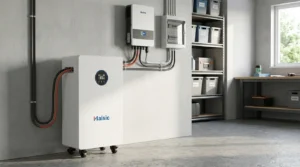
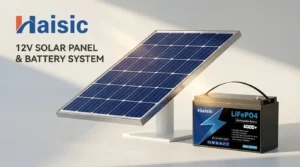
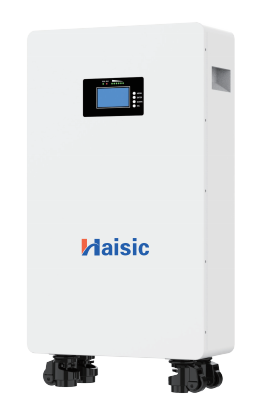
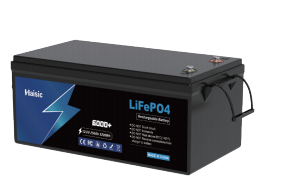
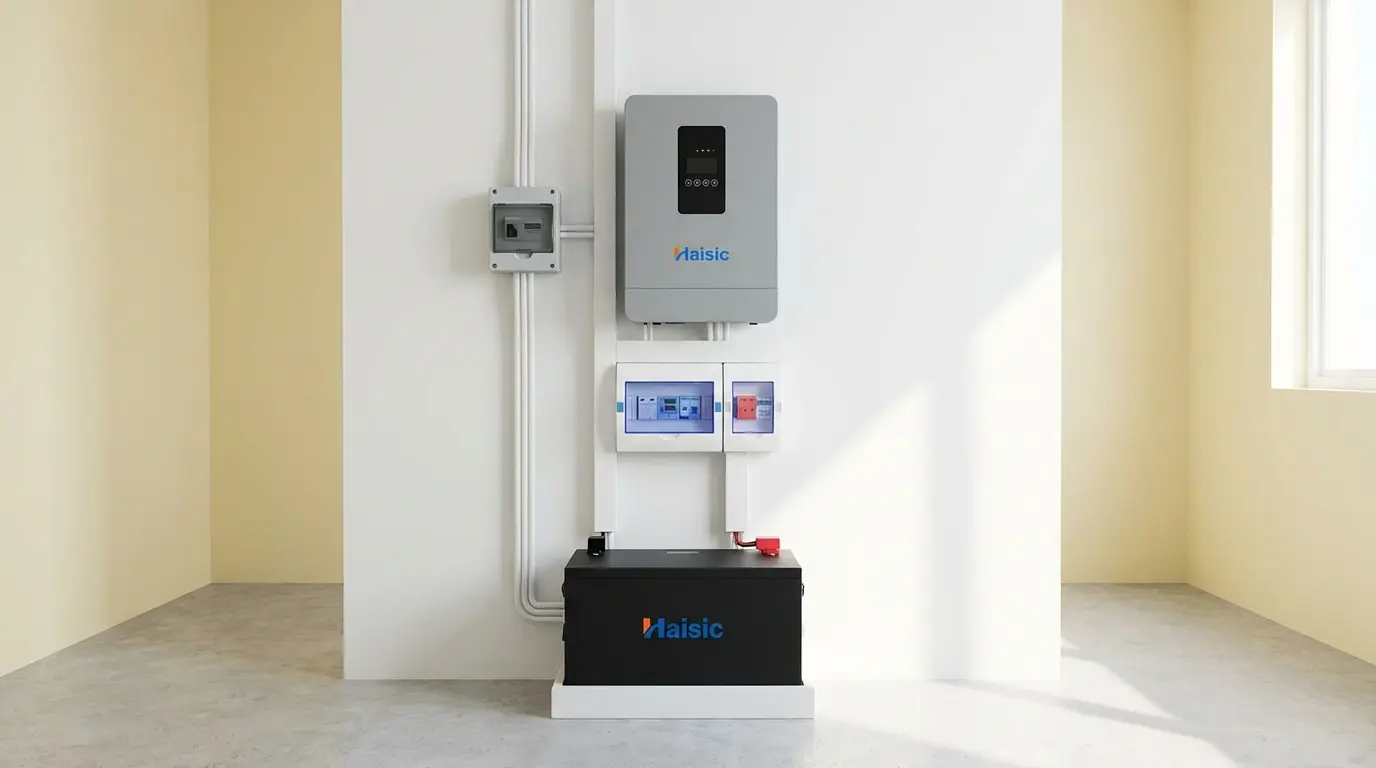
- The All-In-One Advantage: A top-tier inverter needs a reliable power source. You get seamless LiFePO4 battery compatibility by pairing our inverters with our own high-density batteries boasting a 6000+ cycle lifespan. Together, they create a fully integrated household battery backup solution.
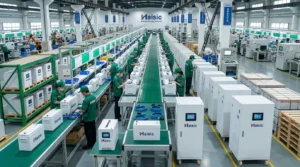
- Global Reliability at Scale: Operating out of our massive 11,000m² factory, we leave nothing to chance. Our strict quality control ensures your entire energy storage system (ESS) performs safely and efficiently, no matter where you are in the world.