

How Does a Solar Power Grid Tie Inverter Work?
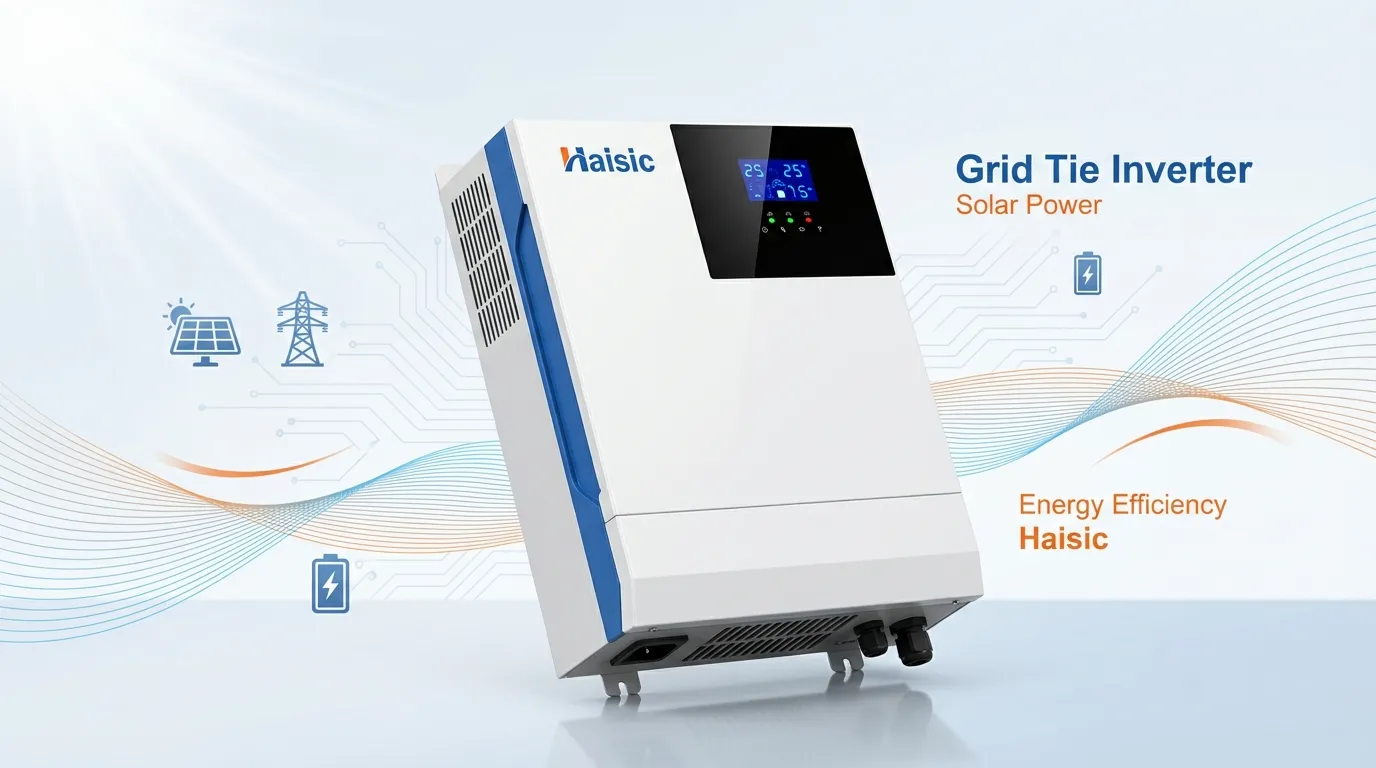
At Haisic, we design our energy systems to seamlessly bridge the gap between renewable generation and household consumption. A solar power grid tie inverter is the brain of this operation, converting the raw energy captured by your panels into usable electricity while managing the delicate relationship with the public utility grid.
The Step-by-Step Power Flow: Panels to Grid
The process begins on your roof but relies on sophisticated internal engineering to function effectively. Here is how our systems manage the flow:
- DC Generation: Your solar panels absorb sunlight and generate Direct Current (DC) electricity. This power is raw and fluctuates based on sunlight intensity.
- Conversion: The DC power flows into the inverter. Using high-frequency switching technology, we convert this DC electricity into Alternating Current (AC), which is the standard format for home appliances.
- Optimization: Our units utilize advanced Maximum Power Point Tracking (MPPT) with efficiency rates reaching 99%. This ensures that even during partial shading or cloudy days, the inverter extracts the maximum possible energy from the PV array.
- Distribution: The AC power is directed first to power your home’s active loads (lights, refrigerators, HVAC). Any excess energy is then automatically routed back to the utility grid.
Understanding Net Metering: Making Your Meter Spin Backwards
One of the primary financial benefits of a grid-tie system is net metering. When your solar array produces more electricity than your home is currently using, our inverter pushes that surplus energy into the public grid.
- Exporting Power: The utility meter records this exported energy, effectively \”spinning backwards\” or crediting your account.
- Importing Power: At night, when solar generation stops, you draw power from the grid using those accumulated credits.
- Cost Efficiency: This exchange significantly reduces electricity bills, as you are essentially using the grid as a virtual battery.
Grid Synchronization: Matching Frequency and Voltage (Pure Sine Wave)
Safety and stability are non-negotiable when connecting to a public infrastructure. A solar power grid tie inverter must perfectly mimic the grid\’s electrical characteristics to function correctly.
- Pure Sine Wave Output: Our inverters generate a pure sine wave output that matches the utility grid\’s waveform. This prevents \”dirty power\” that could damage sensitive electronics like computers or medical equipment.
- Voltage and Frequency Matching: The inverter constantly monitors the grid\’s voltage (e.g., 230V) and frequency (50Hz or 60Hz). It adjusts its output in real-time to synchronize perfectly.
- Anti-Islanding Protection: If the grid goes down, our inverters instantly detect the outage and disconnect from the grid line. This safety protocol protects utility workers fixing the lines from unexpected back-fed power.
Grid-Tie vs. Hybrid Inverters: Making the Right Choice
Choosing the right equipment is the most critical decision in your solar journey. While both options convert DC power from your panels into usable AC electricity, the difference lies in how they handle energy storage and grid outages.
Standard Grid-Tie: The Cost-Effective Entry Point
A standard solar power grid tie inverter is often the entry point for homeowners focused purely on reducing electricity bills. These units synchronize directly with the utility grid, feeding excess power back to the provider, often leveraging net metering to offset costs. They are generally simpler and have a lower upfront cost.
However, they come with a significant limitation: dependency. For safety reasons, a standard grid-tie inverter must shut down immediately if the public grid fails. This means even if the sun is shining, you will have no power during a blackout.
The Hybrid Advantage: Grid-Tie Plus Battery Backup
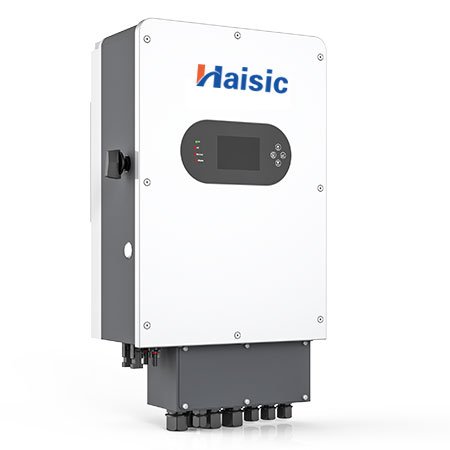
A hybrid solar inverter bridges the gap between grid-tied savings and off-grid security. It functions exactly like a grid-tie unit during normal operation—lowering your bills—but it also manages a battery bank.
When the grid goes down, a hybrid inverter instantly switches modes, drawing power from your solar system with storage to keep essential appliances running. This dual capability allows you to store excess solar energy during the day and use it at night or during outages, providing true energy resilience.
Why Haisic Hybrid Models Are the Smarter Investment
At Haisic, we engineer our inverters to offer more than just conversion; we provide complete energy management. Our hybrid models are designed to be the \”smarter\” choice for global customers who face unstable grid conditions or simply want energy independence.
- High Efficiency: We utilize advanced MPPT technology with tracking efficiency up to 99%, ensuring you get maximum yield from your PV array.
- Seamless Switching: Our systems transition between grid and battery power instantly, protecting sensitive electronics.
- Durability: Built with IP65 ratings, our inverters are dustproof and waterproof, suitable for installation in harsh outdoor environments.
- Scalability: From 3kW residential units to 12kW three-phase systems, we support flexible expansion.
By choosing a Haisic hybrid model, you aren\’t just installing a solar power grid tie inverter; you are investing in a robust power hub that adapts to your needs, ensuring you are never left in the dark.
Key Features to Look for in a High-Quality Inverter
When selecting a solar power grid tie inverter, the technical specifications determine your long-term return on investment. At Haisic, we prioritize features that ensure maximum energy harvest and system longevity. Here is what you need to prioritize.
Efficiency Matters: MPPT Technology Explained
The heart of any high-performance inverter is its Maximum Power Point Tracking (MPPT) capability. This technology constantly adjusts the electrical load to ensure your solar panels operate at their peak power output, regardless of changing sunlight conditions.
Our hybrid inverters feature advanced MPPT algorithms that achieve 99% tracking efficiency. This means almost zero waste when converting DC power from your panels into usable AC electricity. High efficiency is critical for maintaining a stable energy storage system for solar power, ensuring your batteries charge faster and your grid feed-in is maximized.
Built to Last: IP65 Ratings and Weatherproofing
Solar equipment often faces harsh environments. You cannot afford an inverter that fails due to dust or moisture. We engineer our units with an IP65 rating, making them completely dust-tight and protected against low-pressure water jets from any direction.
Whether installed in a humid coastal area or a dusty industrial site, this level of protection ensures the internal electronics remain safe, reducing maintenance costs and downtime.
Phase Compatibility: Single-Phase vs. Three-Phase Options
Grid compatibility depends on your building\’s electrical infrastructure. We offer flexible solutions to match different power requirements:
| Feature | Single-Phase Inverter | Three-Phase Inverter |
|---|---|---|
| Typical Use | Residential Homes | Commercial & Industrial |
| Power Range | 3kW – 6kW | 8kW – 12kW+ |
| Voltage | 230V / 240V | 400V |
| Grid Balance | Standard load support | Balanced load distribution |
Choosing the right phase ensures your solar power grid tie inverter integrates seamlessly without causing voltage imbalances on the local grid.
Smart Monitoring: WiFi and GPRS Connectivity
Modern energy management requires real-time data. Our inverters come equipped with WiFi, GPRS, RS485, and CAN communication interfaces. This connectivity allows you to monitor system performance, battery status, and grid feed-in data directly from your smartphone or computer. Remote diagnostics also allow us to troubleshoot issues quickly, ensuring your system operates smoothly around the clock.
Integrating Energy Storage: The Haisic Ecosystem
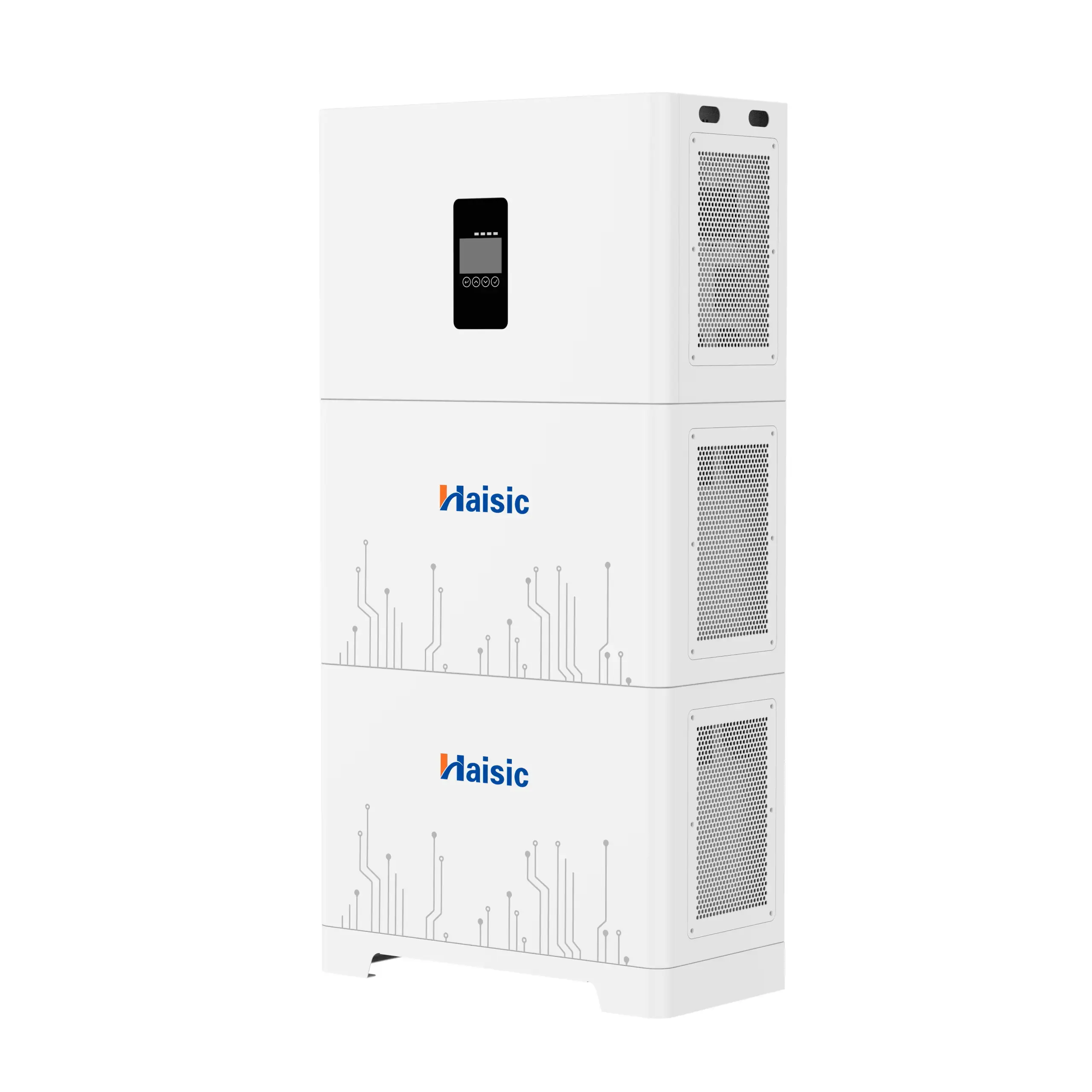
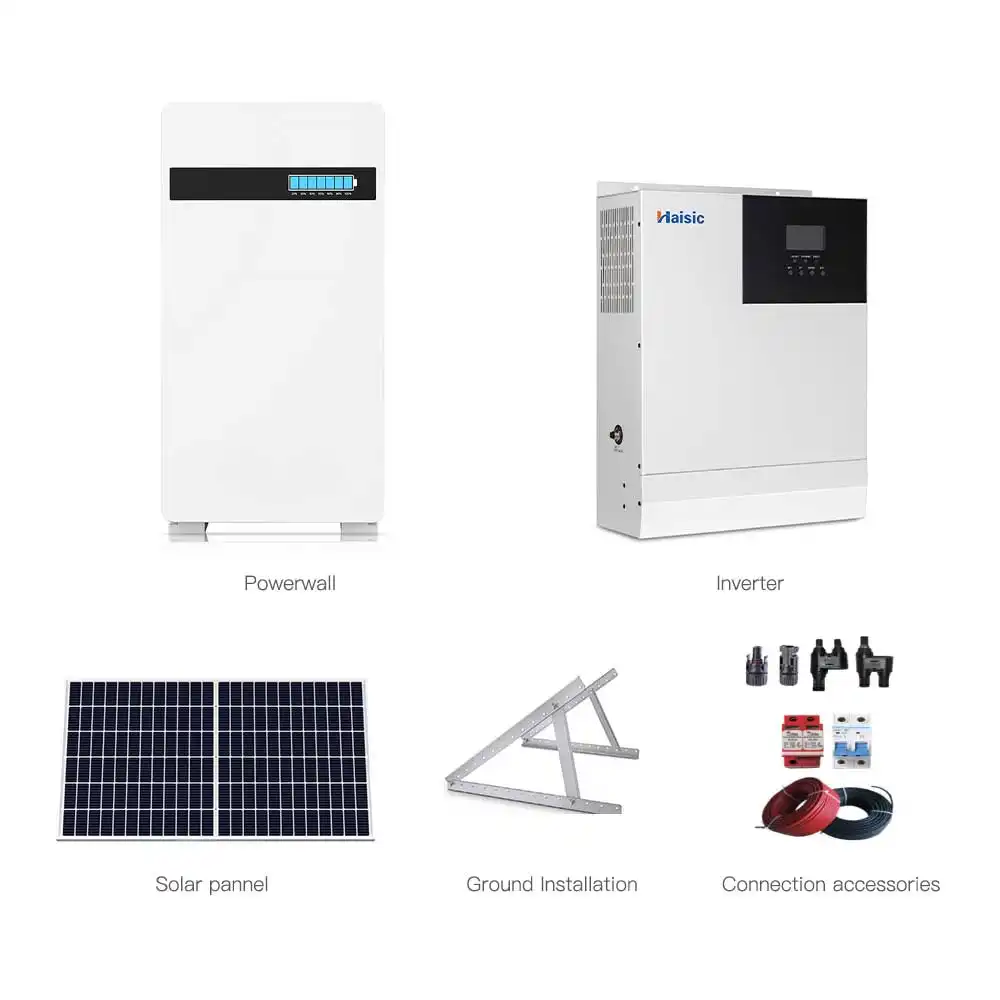
To truly maximize energy independence, we look beyond simple grid connectivity. While a standard solar power grid tie inverter is excellent for reducing immediate electricity bills, it leaves you vulnerable during outages. Our ecosystem approach integrates high-efficiency hybrid inverters directly with advanced storage solutions, creating a seamless energy loop for your home or business.
Pairing Inverters with LiFePO4 Batteries
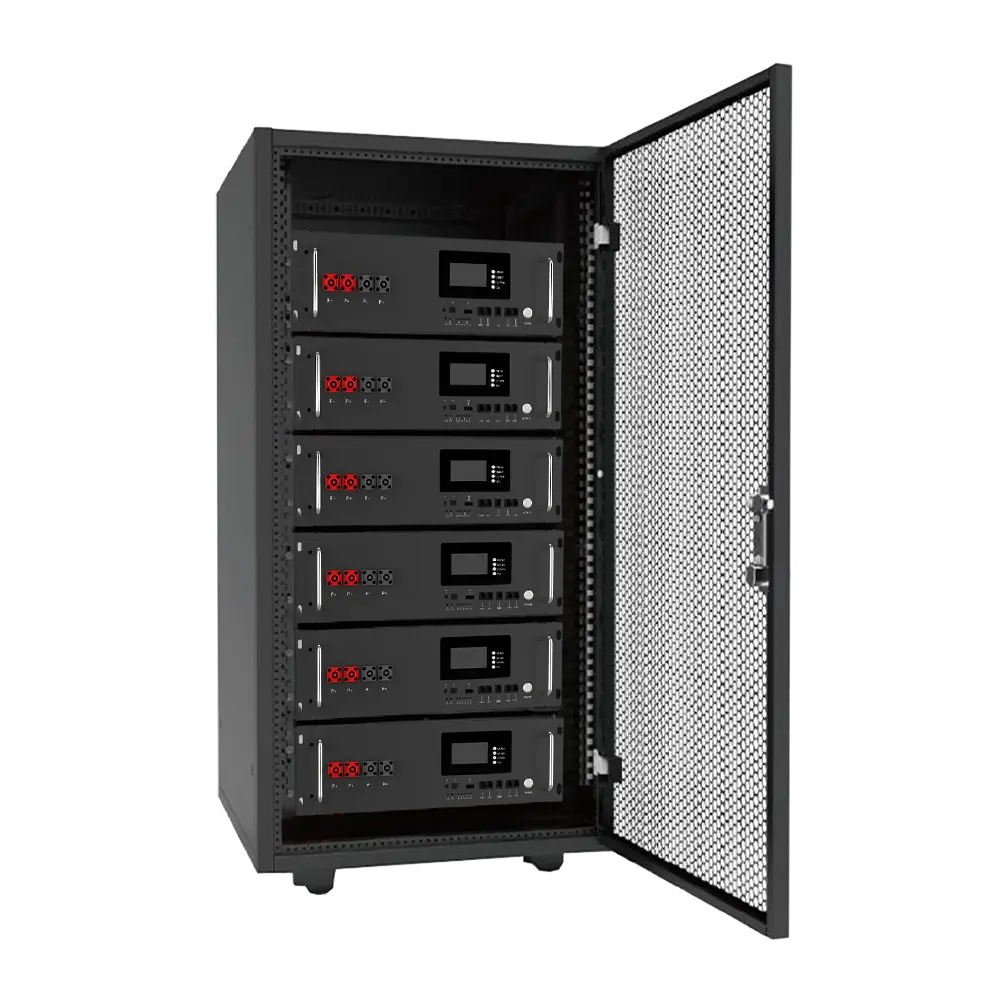
The core of a resilient system is the chemistry between the inverter and the battery bank. We have optimized our hybrid inverters to work flawlessly with our home lithium battery storage units. Unlike lead-acid systems that require frequent maintenance, our setups utilize Lithium Iron Phosphate (LiFePO4) technology. This pairing ensures that the inverter\’s MPPT controller charges the battery bank efficiently without wasting solar production, maintaining a stable voltage range (typically 40-60V for residential low-voltage systems) to protect your appliances.
Understanding Cycle Life (6,000+ Cycles)
Investment in storage comes down to longevity. We engineer our battery solutions to withstand heavy daily use.
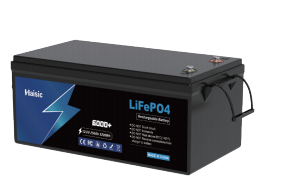
- High Durability: Our LiFePO4 cells are rated for 6,000+ cycles at 80% Depth of Discharge (DOD).
- Long-Term Value: This translates to over 10-15 years of reliable service, far outlasting traditional battery chemistries.
- Consistent Output: Even after thousands of cycles, the system maintains high capacity retention, ensuring your backup power is there when you actually need it.
Safety Protocols: BMS and Inverter Communication
Safety is not an add-on; it is built into the architecture. Our inverters feature dedicated communication ports (CAN and RS485) that \”talk\” directly to the battery\’s Battery Management System (BMS).
- Real-Time Monitoring: The inverter constantly reads data on battery temperature, voltage, and current.
- Smart Protection: If the BMS detects a potential issue—like over-voltage or overheating—it instantly signals the inverter to adjust the charging current or shut down to prevent damage.
- Optimized Charging: This intelligent link ensures the battery is never overcharged or drained too deeply, preserving the health of your solar panel with battery storage for home system.
Installation Scenarios: Residential vs. Commercial
Choosing the right solar power grid tie inverter depends entirely on your energy consumption profile and infrastructure. We categorize our installations into two distinct groups to ensure maximum efficiency and return on investment.
Residential Setups (3kW – 6kW): Home Backup and Savings
For standard households, the goal is usually reducing monthly electricity bills and securing essential appliances during blackouts. Our single-phase hybrid inverters in the 3kW to 6kW range are engineered specifically for this environment.
- Optimized Load Management: These units easily handle daily essentials like lighting, refrigerators, computers, and entertainment systems.
- Compact Design: Wall-mounted units save space in garages or utility rooms.
- Energy Independence: By integrating a 5kW power energy storage solar system for home, homeowners can store excess solar energy generated during the day and use it at night, minimizing reliance on the utility grid.
Commercial & Industrial Solutions (8kW – 12kW+): Peak Load Management
Small businesses and light industrial facilities often operate on three-phase power and face higher energy demands from HVAC systems, servers, or machinery. In these scenarios, an 8kW to 12kW solar panel grid tie inverter provides the necessary stability and throughput.
- Three-Phase Support: Ensures balanced power distribution across all phases, preventing voltage instability.
- Peak Shaving: Intelligent software helps businesses avoid expensive peak demand charges by switching to battery power during high-rate periods.
- Scalability: These systems are designed to grow. A robust China energy storage system can be expanded with additional battery modules, allowing commercial sites to increase their backup capacity as their operations expand.
Why Choose Haisic as Your Manufacturer?
When selecting a partner for energy solutions, reliability isn\’t just a buzzword—it\’s the foundation of your power security. At Haisic, we don\’t just assemble parts; we engineer complete energy ecosystems. Whether you need a standard solar power grid tie inverter or a complex hybrid system, our manufacturing philosophy centers on long-term performance and industrial-grade durability.
15+ Years of R&D and Engineering Expertise
We have spent over a decade refining our technology. Our journey began with a focus on core battery chemistry and inverter efficiency, evolving into the sophisticated energy storage systems we offer today. This deep experience means we understand the nuances of power conversion that newer manufacturers often miss.
- Continuous Innovation: We constantly update our MPPT algorithms to squeeze every watt out of your solar array.
- System Integration: Our engineers design inverters specifically to communicate seamlessly with our comprehensive range of energy products, ensuring no compatibility headaches.
- Real-World Testing: Every design undergoes rigorous stress testing to handle real-world fluctuations, not just lab conditions.
Manufacturing Scale and Supply Chain Stability
In a global market where delays can cost money, stability is key. We operate a robust manufacturing facility capable of handling high-volume orders without compromising quality. By controlling our supply chain, we ensure that the components used in your solar power grid tie inverter meet our strict specifications.
| Aspect | Haisic Advantage |
|---|---|
| Production Capacity | Scalable lines for residential (3-6kW) and industrial (100kW+) units. |
| Quality Control | Automated testing at every stage of assembly. |
| Availability | Consistent stock levels to prevent project delays. |
Global Compliance and Safety Standards (ISO, UL, CE)
Safety is non-negotiable when dealing with high-voltage DC and grid connections. Our products are built to meet and exceed international safety regulations. This compliance ensures that when you install a Haisic system, you are meeting local grid codes and safety requirements.
- ISO Certified: Our factories operate under strict quality management systems.
- CE & UL Standards: Our inverters and batteries are tested for fire safety, electrical protection, and electromagnetic compatibility.
- Grid Compliance: We ensure our inverters feature the necessary anti-islanding and protection protocols required by utility companies worldwide.
Frequently Asked Questions (FAQs)
Navigating the technical side of solar energy can be tricky. Here, I address the most common questions we receive about integrating a solar power grid tie inverter into your home or business setup.
Can a grid-tie inverter work without a battery?
Yes, absolutely. A standard solar panel grid tie inverter is designed to function without energy storage. In this setup, the DC power generated by your panels is converted immediately to AC power for your appliances. Any excess energy is sent directly back to the utility grid.
However, our Haisic hybrid models offer a distinct advantage here. While they can operate in a pure grid-tie mode initially, they are \”battery-ready.\” This means you can install the inverter now to save on electricity bills and easily add a home solar energy storage system later without replacing the entire unit.
What happens to a grid-tie inverter during a power outage?
Safety regulations require a standard grid-tie inverter to shut down immediately during a grid outage. This feature, known as \”anti-islanding,\” prevents the system from feeding electricity into broken power lines, which could endanger utility workers fixing the outage.
This is where the hybrid difference matters. Unlike basic grid-tie units, a Haisic hybrid inverter automatically disconnects from the grid but continues to power your essential loads using the battery backup. It switches from grid-following to grid-forming mode in milliseconds, keeping your lights on when the neighborhood goes dark.
Is a hybrid inverter worth the extra cost over a standard grid-tie?
For most modern users, the answer is a resounding yes. While a standard solar power grid tie inverter is cheaper upfront, it limits you to daytime savings only. You are still vulnerable to:
- Power outages: No grid means no solar power, even if the sun is shining.
- Peak pricing: You cannot store cheap solar energy to use during expensive evening hours.
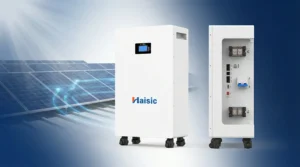
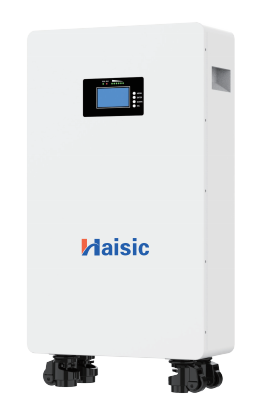
Investing in a hybrid model essentially future-proofs your energy independence. By pairing the inverter with a touchscreen 20480Wh home energy storage battery, you gain control over when you use your power, maximizing self-consumption and ensuring reliability that a simple grid-tie unit cannot match.