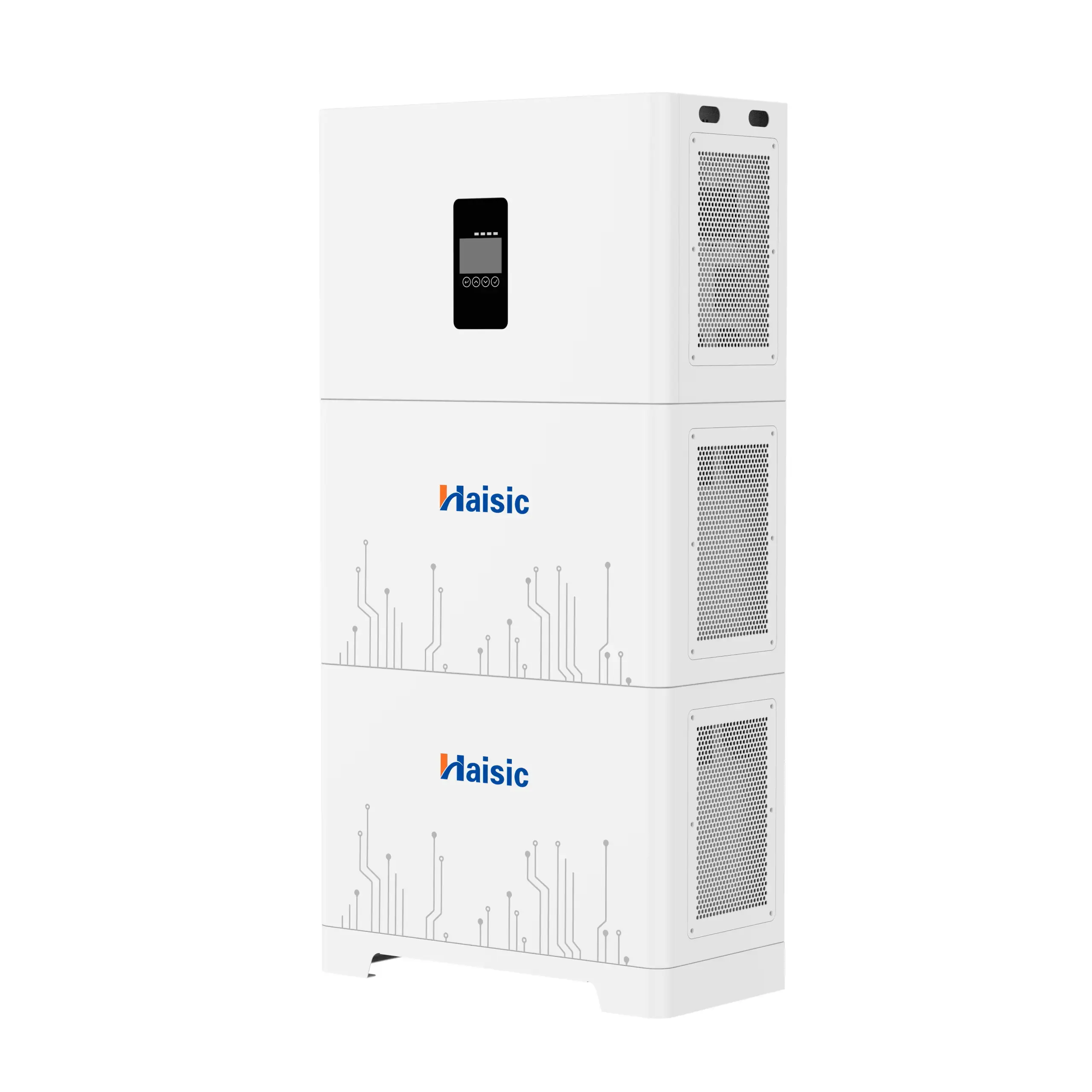
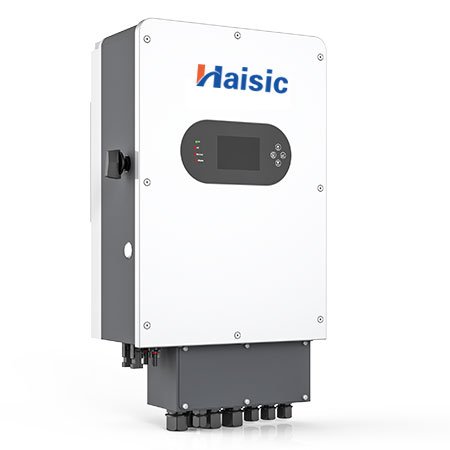
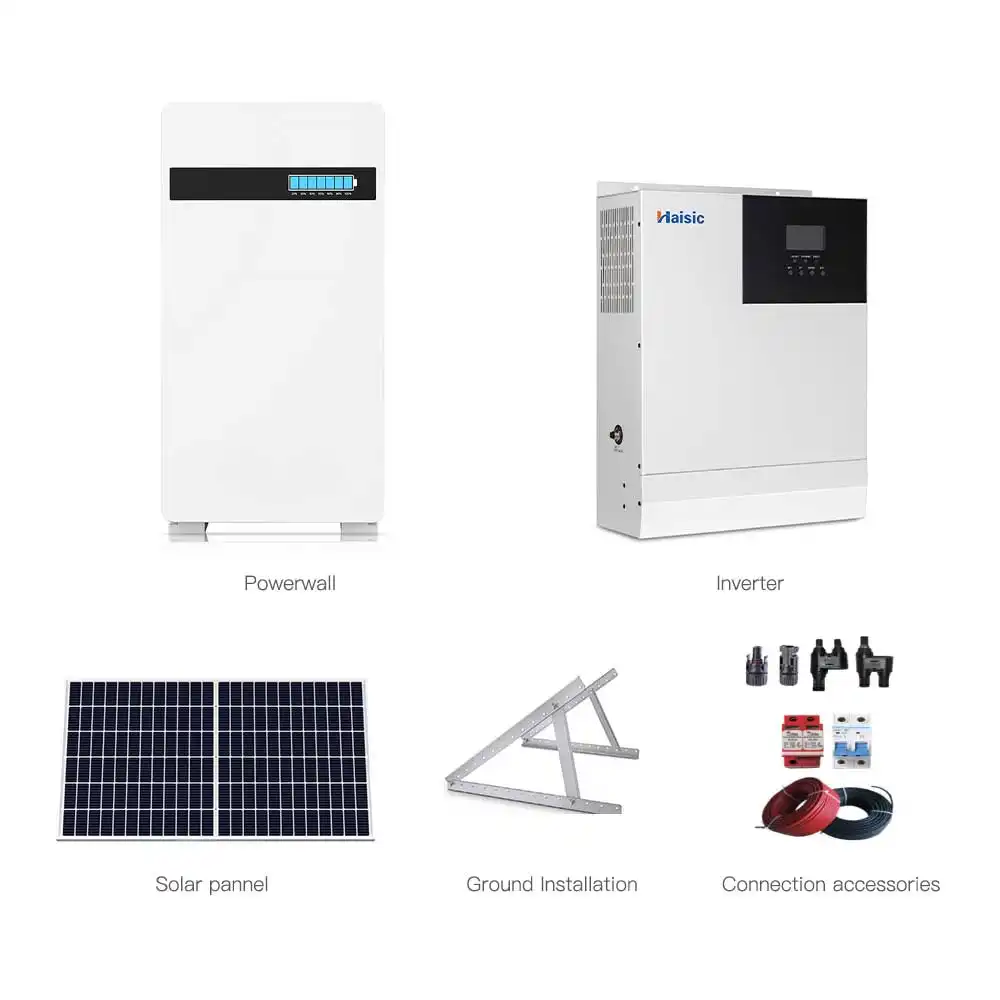
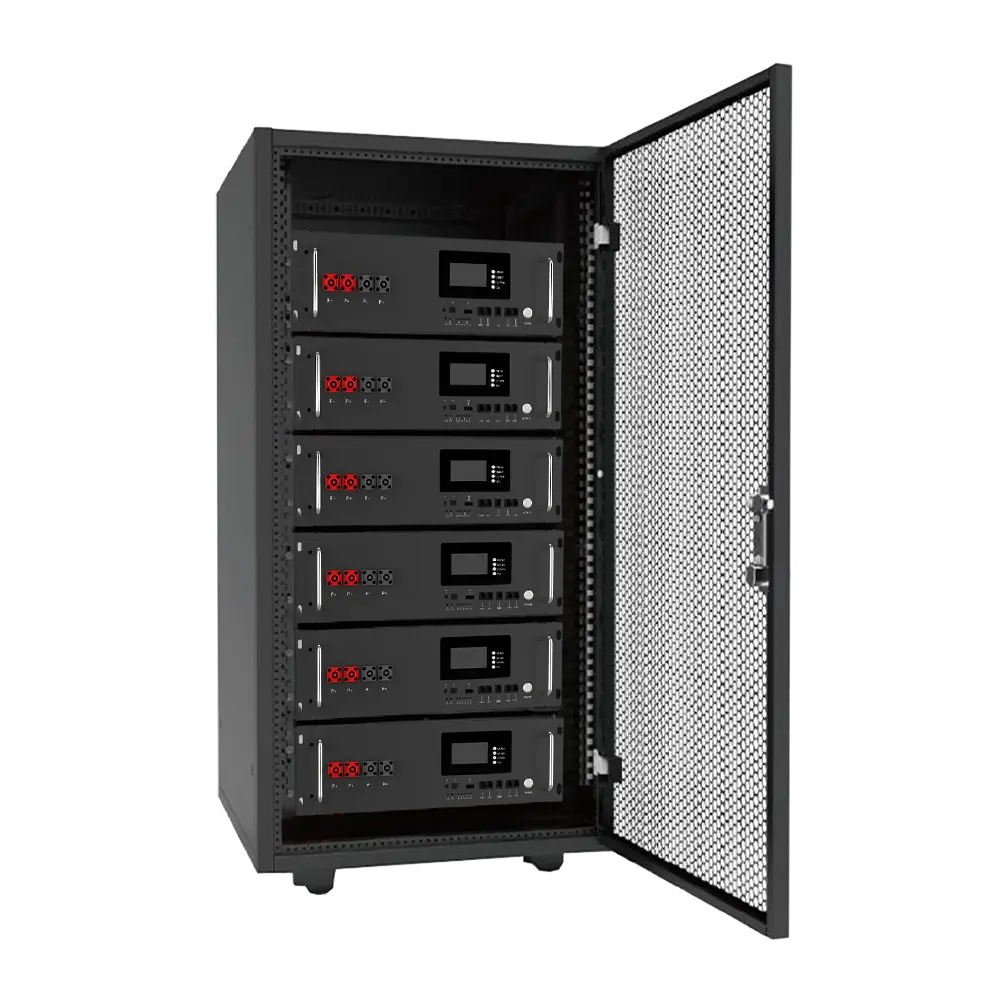

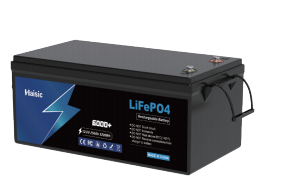

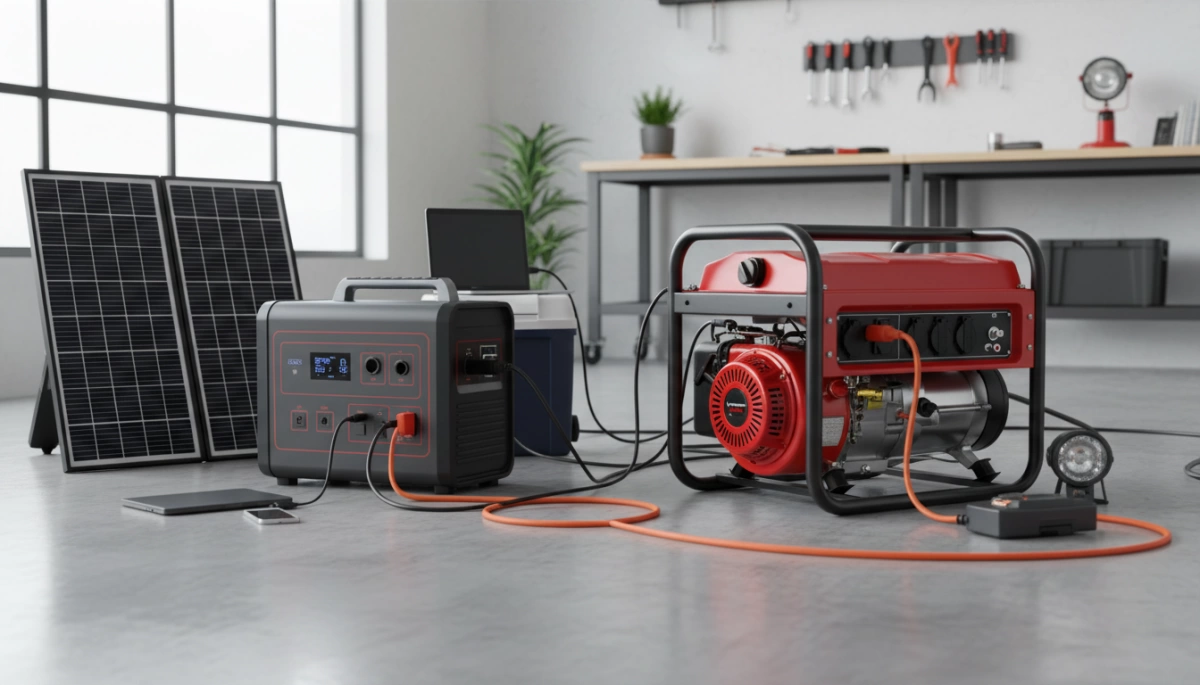
How Solar Generators Work (Solar Generator vs Gas Generator)
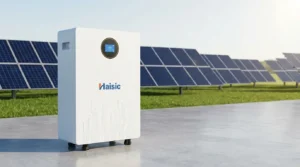
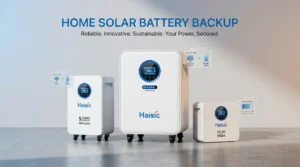
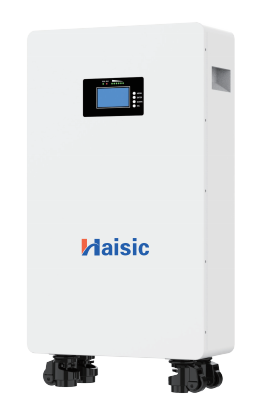
When people compare a solar generator vs gas generator, this is usually what they’re picturing: a quiet box with outlets that charges from the sun instead of burning fuel. Let me break down how that actually works in real life.
Core Components of a Solar Generator System
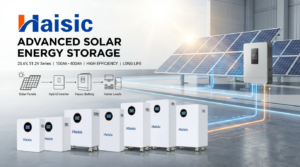
A portable solar generator (also called a portable power station) is basically four main parts in one unit:
- Battery pack – Stores energy (measured in watt-hours, Wh).
- Inverter – Converts battery power (DC) into standard wall power (AC) to run appliances.
- Charge controller (MPPT) – Manages power coming in from solar panels safely and efficiently.
- Input/Output ports – AC outlets, USB, DC ports, plus inputs for solar, wall, or car charging.
You can think of it as a fuel‑free generator paired with solar battery storage. Instead of pouring in gasoline, you “pour in” electricity from the sun, the wall, or your vehicle.
How Solar Charging, Wall Charging, and Car Charging Work
Most modern solar generators for home backup, camping, and RVs support three simple ways to charge:
-
Solar charging
- You plug solar panels into the generator’s solar input.
- The MPPT charge controller optimizes voltage and current to grab as much power as possible from the sun.
- Sunlight → solar panels → charge controller → battery.
- Charge speed depends on panel wattage, sun hours, and angle. More panels = faster recharge.
-
Wall charging (AC charging)
- You plug the solar generator into a standard wall outlet.
- An internal (or external) AC adapter converts your home’s AC power into DC power for the battery.
- This is the fastest and most reliable way to fully top up before a storm or planned outage.
-
Car charging (DC charging)
- You plug into your vehicle’s 12V or 24V outlet while driving.
- The generator takes that DC power and slowly refills the battery.
- It’s slower than solar or wall charging, but great for off‑grid power solutions on road trips and overlanding.
In day‑to‑day use, most people mix these: solar in the day, wall or car at night if needed.
Battery Chemistry and Why LiFePO4 Matters
Battery chemistry is where solar generator vs gas generator really splits. Gas units store energy as fuel; solar generators store it in a battery. The best modern units use LiFePO4 (Lithium Iron Phosphate) cells instead of older lithium-ion or lead-acid.
Here’s why LiFePO4 solar generators are worth caring about:
-
Much longer lifespan
- LiFePO4 typically delivers 3,000–6,000+ cycles to 80% capacity.
- That’s years of daily use, not just “occasional emergencies.”
-
Safer and more stable
- LiFePO4 is thermally stable and much less prone to overheating or thermal runaway.
- That matters for indoor, overnight, and RV use, where safety is non‑negotiable.
-
Flatter voltage curve
- You get more consistent power output throughout the discharge, which is better for sensitive electronics and inverter performance.
-
Better for renewable energy backup
- Paired with solar panels, LiFePO4 gives you a long‑life, clean energy backup power system with no fuel, fumes, or frequent battery replacements.
If I’m investing in a solar generator for home backup or an emergency power station, I always look for:
- LiFePO4 battery chemistry
- A solid, efficient pure sine wave inverter
- A smart MPPT charge controller for fast, safe solar charging
That combination is what turns a basic battery box into a serious, eco‑friendly power source that can realistically compete with a gas powered generator for many everyday use cases.
How Gas Generators Work (Gas vs Solar Generator Basics)
Gas powered generators turn fuel into electricity using a small engine and alternator. When you pull-start or electric-start the unit, the engine burns gasoline (or LPG/diesel), spins the alternator, and that mechanical motion is converted into AC power for your home, RV, or tools.
Main Parts of a Gas Generator
A typical gas generator includes:
- Engine – Burns fuel and provides rotation power. This is the heart of any gas powered generator.
- Fuel tank – Stores gasoline, diesel, or propane. Tank size directly affects runtime.
- Alternator – Converts the engine’s rotation into electricity.
- Inverter module (on inverter generators) – Cleans and stabilizes power for sensitive devices like laptops and modern fridges.
- Control panel – Outlets, breakers, USB ports, and sometimes a display.
- Exhaust system – Releases combustion gases (including carbon monoxide).
- Frame and wheels – Make the generator portable and protect the engine.
Types of Gas Generators
When comparing a solar generator vs gas generator, you’ll see a few main gas categories:
-
Portable gas generators
- Moveable units for job sites, camping, or basic home backup.
- Good for running tools, fridges, pumps, and some appliances.
-
Standby / whole home backup generators
- Fixed outside the house, hard‑wired into the panel.
- Start automatically during outages and can power most or all circuits.
- A common option for whole home backup generators in areas with frequent blackouts.
-
Inverter generators
- Quieter, more fuel efficient, and produce “clean” power.
- Ideal if you want a quiet generator option for camping or neighborhoods.
-
Conventional (open-frame) generators
- Louder, cheaper, and less fuel efficient.
- Better for job sites than quiet campsites.
Fuel Choices, Runtime, and Refueling
Your fuel choice has a big impact on gas vs solar backup power:
-
Gasoline
- Easiest to find at any gas station.
- Shorter storage life; needs stabilizer for long-term storage.
- Runtime typically 6–12 hours at 50% load on a portable.
-
Propane (LPG) – dual fuel generators
- Cleaner burning, stores longer, and often used with dual fuel generators.
- Usually slightly lower power output than gasoline, but safer to store.
-
Diesel
- Common on larger or commercial units.
- More efficient with longer runtimes, but heavier and noisier.
With gas generators, you get continuous power as long as you have fuel, but you must:
- Refill tanks regularly (often during the night in long outages).
- Store fuel safely, rotate stock, and plan for supply issues during storms.
That’s the core tradeoff: gas generators deliver strong, on-demand power, but they rely on a constant fuel supply, while a fuel free generator like a solar system depends on sunlight and battery storage instead of refueling.
Solar Generator vs Gas Generator Cost
When you compare solar generator vs gas generator costs, you have to look past the sticker price. Upfront, gas wins. Long term, solar usually pulls ahead.
Upfront price: solar generators vs gas generators
- A solid portable gas powered generator (2–3 kW) usually runs $400–$900.
- A comparable portable solar generator / power station with LiFePO4 battery, inverter, and solar input often costs $800–$2,000, plus $300–$1,000 for solar panels if you want true fuel free power.
- For whole home backup generator systems:
- Home standby gas generator (natural gas/propane, automatic transfer) often lands around $4,000–$10,000+ installed.
- A full solar generator for home backup with large battery storage and inverter usually costs more up front, but can be planned and scaled more flexibly. If you want a deeper breakdown of battery‑side costs, this guide to the cost of solar battery storage is a good baseline reference: cost of solar battery storage.
Fuel, maintenance, and long‑term operating costs
This is where gas vs solar backup power really separates:
- Gas generator ongoing costs
- Fuel: gasoline/propane every time you run it (especially during long power outages).
- Regular oil changes, spark plugs, air filters, stabilizer for stored fuel.
- The more you use it, the more you pay, and fuel prices are only going one way long term.
- Solar generator ongoing costs
- No fuel, no oil, no exhaust system to service.
- Your main cost is the upfront battery and inverter. After that, sunlight is free.
- LiFePO4 solar generators can run thousands of cycles with very low maintenance cost and annual budget, similar to what you see in modern home battery storage without solar maintenance cost breakdowns.
Real‑world cost examples and payback timelines
Here’s how it plays out in real life:
-
Occasional use (a few outages per year)
- A cheaper gas generator may stay cheaper overall if you only burn a few tanks of fuel a year.
- You’ll still deal with noise, fuel storage, and basic maintenance, but total dollars spent stay low.
-
Frequent outages, off‑grid cabins, RVs, camping
- Constant fuel buys add up fast. At $5–$15/day in fuel during heavy use, a gas unit can quickly surpass the premium you pay for a portable solar generator.
- A good LiFePO4 solar generator can realistically pay for itself over 3–7 years if you use it regularly for backup power for power outages, RV use, or off‑grid living, especially in sunny regions.
-
Long‑term view
- Gas generators are a lower entry ticket, but a lifetime subscription to fuel and maintenance.
- Solar generators are a higher upfront investment, but after that, you’re mostly paying with sunlight and occasional hardware upgrades.
If you want the lowest first cost, go gas. If you care about total cost of ownership, predictable expenses, and clean energy backup power, a solar generator usually makes more financial sense over the long haul.
Power Output: Solar Generator vs Gas Generator
Typical wattage and capacity
When you compare solar generators vs gas generators, the first big difference is raw power output.
Solar generators / portable power stations (LiFePO4):
- Small units: 300–600W, 250–600Wh – phones, laptops, lights.
- Mid-size: 800–2,000W, 1–3kWh – fridges, routers, TVs, power tools.
- Home / RV systems: 3,000–6,000W+, 5–20kWh+ – can run most essential home loads when sized right.
For example, a 5–10kW off‑grid solar power system with LiFePO4 storage, like a 10kW off‑grid solar setup with battery storage, can cover critical circuits (fridge, lights, sockets, some AC) for many homes.
Gas powered generators:
- Small portable: 1,000–2,000W – camping, a few appliances.
- Inverter generators: 2,000–4,500W – RVs, job sites, backup for a few home circuits.
- Conventional portables: 5,000–10,000W – whole‑home “essentials” panel.
- Standby home generators: 10,000–24,000W+ – true whole‑home backup including central AC in many regions.
Gas almost always wins on peak wattage per dollar, but solar wins on efficiency and smarter use of stored energy.
Runtime: battery limits vs fuel-based continuous power
Solar generators (battery-based):
- Capacity is measured in Wh or kWh. Example:
- 2,000Wh battery running a 100W load = ~20 hours (before losses).
- Same 2,000Wh running a 1,000W microwave = ~2 hours of total run time.
- You recharge with:
- Solar panels (slower, depends on sun).
- Wall AC (fast top‑ups between outages).
- Car charger (emergency trickle).
- Runtime is finite per charge, but there’s no fuel cost. During long outages, solar panels during the day + battery at night is the winning combo.
Gas generators (fuel-based):
- Runtime is basically as long as you have fuel.
- Typical fuel consumption:
- 2kW inverter: around 0.1–0.2 gal/hour at light loads.
- 5–7kW portable: 0.4–0.7 gal/hour depending on load.
- You get continuous power 24/7, but it’s tied to fuel availability, storage, and price, especially in storms or fuel shortages.
What each can realistically power day to day
Solar generator realistic use (daily life / outages):
- Perfect for:
- Phones, laptops, Wi‑Fi, LED lights.
- Medical devices (CPAP), fans.
- Fridges/freezers (if battery is sized right).
- TVs, routers, some kitchen appliances in rotation (not all at once).
- Challenging for:
- Central AC, electric water heaters, electric ovens, big pumps – unless you step up to a larger LiFePO4 solar generator for home backup or a full off‑grid inverter system like a 5–6kW pure sine wave solar inverter with battery.
- The key is energy management: cycling loads, using efficient appliances, and sizing your battery (Wh) and inverter (W) to match your daily habits.
Gas generator realistic use:
- Perfect for:
- High‑draw appliances: central AC (with the right size), well pumps, electric dryers, larger power tools.
- Whole‑home panel backup with a 7–20kW unit.
- Tradeoffs:
- Noise, fumes, fuel runs, and outdoor‑only operation.
- You’ll still want surge protection and a transfer switch for safe home connection.
In plain terms:
- If your focus is quiet, clean emergency power station use (fridge, lights, internet, small appliances) and you’re okay with planning your loads, a LiFePO4 solar generator is usually the smarter, more comfortable option.
- If you must run big loads for long periods (central AC in heat waves, big well pumps, whole-house everything), a gas powered generator or a hybrid solar + gas setup is still the practical choice.
Noise Levels and Comfort: Solar Generator vs Gas Generator
How loud are gas generators in real life?
Gas powered generators are loud, and you really feel it in small spaces and quiet neighborhoods.
- Portable gas generators: usually 65–75 dB at 20–25 feet – that’s like standing next to a loud vacuum cleaner all day.
- Conventional models: often even louder, with a harsh engine tone that carries at night.
- Inverter generators: are quieter, but still clearly audible when you’re trying to sleep, work, or enjoy a campsite.
For backup at home, a whole home backup generator running for hours can quickly turn into noise fatigue, especially in dense urban or suburban areas.
Why solar generators are nearly silent
A portable solar generator (battery power station + solar panels) has no engine, no exhaust, no constant vibration. You only hear:
- A low fan noise when charging or under heavy load
- Occasional relay clicks when switching modes
In normal use, a solar generator for home backup or camping is effectively silent compared to a gas powered generator. That’s a huge comfort upgrade if you’re working from home during an outage, sleeping in a small apartment, or running an RV setup at night.
If you’re building a larger clean energy backup power system, pairing a quiet power station with a hybrid solar inverter like a 3kW–6kW pure sine wave solar inverter with MPPT keeps the whole setup extremely quiet compared to any fuel-based solution.
Noise rules, neighbors, and campsite restrictions
Local rules matter more than most people expect:
- Neighborhoods: Many HOAs and city bylaws limit generator noise at night. A loud gas vs solar backup power choice can literally be the difference between peace and complaints.
- Campsites & RV parks: A lot of campgrounds have “quiet hours” and strict rules on generator noise. Some only allow quiet generator options or ban gas units entirely.
- Shared spaces: Apartment balconies, shared yards, and urban patios are rarely friendly to gas generator noise or fumes.
If you want emergency power without annoying your neighbors or breaking campsite rules, a fuel free generator (solar + battery) is the clear win for noise and comfort.
Portability and Ease of Use: Solar Generator vs Gas Generator
When you stack a solar generator vs gas generator for portability and ease of use, the difference is huge in real-world camping, RV, and emergency scenarios.
Weight, Size & Portability for Camping and RVs
-
Solar generators / portable power stations
- Compact, all‑in‑one units with battery, inverter, and solar input.
- No fuel tank, no engine, so weight is mostly battery. LiFePO4 models are heavier than lithium-ion, but still very manageable for cars, RVs, and tiny homes.
- Perfect as a portable solar generator for camping, RVs, and road trips—just drop it in the trunk with your gear and go.
- If you’re building a bigger RV or cabin setup, pairing a portable unit with a hybrid solar inverter like a 6–12 kW IP65 on/off‑grid hybrid inverter gives you a flexible, modular backup system.
-
Gas powered generators
- Heavier for the power they deliver due to fuel tank and engine.
- Bulkier frames with wheels and handles; fine for home and RV parking spots, annoying for walk-in campsites.
- You also have to carry fuel cans, which takes space, smells, and needs careful handling.
Setup & Startup: Plug-and-Play Solar vs Pull-Start Gas
-
Solar generators
- True plug‑and‑play: plug the unit into the wall or panels to charge, then plug in your appliances. No priming, choking, or oil checks.
- Start is instant—push a button and your emergency power station is live.
- Adding solar is simple: connect panels, angle to the sun, and you’ve got a fuel free generator.
-
Gas generators
- Pull‑start or electric start (if you keep the starter battery charged).
- Need regular fuel, oil, and sometimes carb cleaning if stored with fuel.
- Setup means finding a safe outdoor spot, running extension cords, and keeping it away from windows because of carbon monoxide.
Everyday Usability in Emergencies and Off‑Grid Trips
-
Solar generators
- You can run them indoors with zero fumes and almost no noise—ideal for apartments, condos, RVs, and tents.
- For off grid power solutions, you just recharge with panels or grid when available; no fuel runs, no price shocks.
- In short outages, they act like a big, clean UPS for phones, Wi‑Fi, lights, laptops, medical devices.
-
Gas generators
- Great for whole home backup generator roles where you need high surge power and long runtime, but they require outdoor space, fuel storage, and more hands‑on management.
- In storms or fuel shortages, getting gasoline or propane can be a real limit.
If you value easy, everyday usability for camping, RVs, and frequent outages, a portable solar generator or a small system paired with a hybrid solar inverter is usually the more practical, low‑stress choice, while gas shines when you need big, continuous power and can manage the extra hassle.
Safety and Indoor Use: Solar Generator vs Gas Generator
When we talk about solar generator vs gas generator, safety and indoor use are non‑negotiable. This is where the two options are not equal.
Carbon Monoxide Risks With Gas Generators
A gas powered generator always produces exhaust gases, including carbon monoxide (CO). That’s a deadly, invisible gas.
Basic rules for gas generators:
- Never run a gas generator indoors (not in a garage, basement, balcony, or next to open windows).
- Keep it at least 6–7 meters (20+ feet) away from doors, windows, vents.
- Use CO detectors on every floor of your home.
- Store fuel safely in approved containers, away from heat and open flames.
Even “quiet” or inverter generators are still combustion engines. Indoors or semi‑indoors is simply unsafe.
Why Solar Generators Are Safe to Run Indoors
A portable solar generator (portable power station) doesn’t burn fuel. It’s basically a battery + inverter, so there’s:
- No carbon monoxide
- No fumes, no fuel, no exhaust
- Very low fire risk when used correctly
That’s why a solar generator for home backup is safe to use in your living room or bedroom to run lights, phones, laptops, routers, medical devices, and even a fridge (if the capacity is enough).
High-quality systems using LiFePO4 solar generator batteries are even safer:
- Better thermal stability
- Longer cycle life
- Lower risk of overheating
If you want whole-room or partial-home indoor backup, pairing a home lithium battery storage system like a wall-mounted battery (home energy storage battery) with a solar inverter is the safest long-term route.
Basic Safety Rules for Backup Power at Home
Whether you go gas vs solar backup power, follow these:
-
For gas generators
- Run outdoors only, far from openings
- Never backfeed your home panel without a proper transfer switch
- Let the engine cool before refueling
- Service regularly (oil, filters, spark plugs)
-
For solar generators / power stations
- Keep vents clear; don’t cover the unit
- Avoid moisture, direct rain, and extreme heat
- Use correct cables, and don’t overload rated wattage
- For fixed solar battery storage, use certified installers and quality hardware
If you need quiet generator options that are safe indoors and low-maintenance, a fuel free generator setup (solar + LiFePO4 battery) is the smartest move. For larger, semi‑permanent backup, consider a 5kW home solar power system with storage so you get clean, safe, and automatic power when the grid drops.
Environmental Impact: Solar Generator vs Gas Generator
Emissions and Pollution from Gas Generators
A gas powered generator burns gasoline, diesel, or propane and turns that fuel directly into power and exhaust. That means:
- CO₂ emissions every minute it runs, adding directly to your carbon footprint.
- Toxic fumes like carbon monoxide, nitrogen oxides, and particulate matter that are bad for air quality and health.
- Fuel production and transport also add hidden emissions from drilling, refining, and trucking fuel.
If you rely on a gas generator for regular backup power, those emissions stack up fast, especially in regions with frequent outages or long storm seasons.
Clean Energy Benefits of Solar Generators
A portable solar generator or home solar generator uses battery storage + solar panels instead of fuel. Once you’ve bought the system:
- There are no direct emissions when you charge from the sun or discharge the battery.
- Paired with solar panels, it becomes a fuel free generator that turns sunlight into useable power.
- LiFePO₄ solar generator systems have long lifespans and are more stable and safer than older chemistries, cutting waste over time.
For larger, permanent setups, a home energy storage battery such as a 15kWh LiFePO4 solar battery pack or a modular touchscreen home energy storage system lets you store clean energy and use it 24/7, not just when the sun’s out.
How Your Choice Affects Your Carbon Footprint
Your backup power choice shows up clearly in your long-term emissions:
- Gas vs solar backup power: every hour on a gas generator is more CO₂; every hour on a solar generator is essentially zero operational emissions.
- Over 5–10 years, a solar generator for home backup can offset thousands of liters of fuel, especially if you live in a high-outage or off grid area.
- For RVs, camping, and remote sites, switching from gas to a portable solar generator is one of the easiest ways to cut your personal carbon footprint without giving up comfort.
If you care about eco friendly power sources and want cleaner, quieter emergency power, solar wins the environmental battle by a wide margin.
Maintenance and Lifespan: Solar Generator vs Gas Generator
When you compare a solar generator vs gas generator, the long‑term hassle and lifespan are where solar really pulls ahead.
Routine maintenance: gas powered generators
A gas powered generator is basically a small combustion engine. To keep it reliable, you need to:
- Change oil and filters regularly
- Check and replace spark plugs
- Stabilize fuel or drain the tank between seasons
- Run the unit under load every month so it doesn’t gum up
- Deal with carburetor cleaning and occasional repairs
If you ignore this, your “backup” might not start when the power outage actually hits.
Minimal upkeep: portable solar generator
A portable solar generator or home solar battery storage system is almost maintenance‑free:
- Keep vents and ports dust‑free
- Update firmware through the app (for modern power stations)
- Store it charged (typically 40–80% if unused for months)
- Rarely, replace a fan or external cable
There’s no fuel, no oil, no exhaust system, and nothing to winterize. A well‑built LiFePO4 solar generator with a quality pack like a rackmounted 48V LiFePO4 battery is basically “set it and forget it” backup power.
Lifespan: engine vs LiFePO4 battery packs
On lifespan, the gap is huge:
-
Gas generators
- Light/portable units: often 1,000–2,000 hours before major work
- Higher‑end standby units can go longer, but still depend on strict maintenance and fuel quality
-
LiFePO4 battery packs in solar generators
- Commonly 3,000–6,000+ cycles to 80% capacity (one full cycle per day = 8–15+ years)
- Packs similar to a 128V LiFePO4 battery with 6,000‑cycle life are built for long‑term, daily use
In real-world use, a good fuel free generator (solar + LiFePO4) will often outlast a gas generator by years, with far less work from you and far more predictable performance for renewable energy backup and off grid power solutions.
Reliability in Real Scenarios: Solar Generator vs Gas Generator
When you actually lose power, reliability matters more than spec sheets. Here’s how solar generators vs gas generators behave in the real world.
Performance in Power Outages and Storms
In typical outages (tree on the line, rolling blackouts, grid failures):
- Solar generators (portable power stations with battery + inverter) turn on instantly, keep Wi‑Fi, phones, lights, and fridges running with no fumes and no noise. If you pair them with a home battery like a dedicated battery storage system for home backup, you get smoother, longer backup and automatic switchover.
- Gas powered generators shine when you need continuous high power (well pump, multiple AC units, big tools). As long as you have fuel and can safely run the unit outside, they’ll keep going.
For short to medium outages (a few hours to a day), a solar generator for home backup is usually more convenient. For multi‑day whole‑home backup, a properly sized gas or dual fuel generator still carries more load.
Weather and Sunlight Limits for Solar Generators
Solar generators are only as “infinite” as the sun and your panels:
- Cloudy or stormy weather slows charging. Your battery becomes the main buffer; once it’s empty, you’re waiting for sun.
- Panel size and placement matter. A 200–400 W portable solar kit will keep lights, phones, laptops, a router, and a small fridge going, but not a big AC unit.
- Winter, snow, or heavy smoke can cut solar input hard, so you must plan: larger battery capacity (Wh), more panels, or a hybrid setup.
With a LiFePO4 solar generator, you get more reliable performance because the battery handles more charge cycles and deeper discharges, but sunlight limits still exist.
Fuel Availability Issues for Gas Generators
Gas generators don’t care about sunshine—but they’re 100% dependent on fuel:
- During big storms or disasters, gas stations run dry or can’t pump because they have no power.
- Storing large amounts of gasoline or diesel is risky and limited (fire codes, fuel going stale, need for stabilizer).
- Long outages mean constant refueling, long lines, and hauling heavy cans—especially painful for older users or in bad weather.
That’s why many people now run a hybrid backup setup: a quiet solar generator or home battery (such as a modular stackable power energy storage system) for daily essentials, plus a smaller gas or dual fuel generator as a last‑resort extender in extreme, multi‑day blackouts.
Pros and Cons of Solar Generators
Key advantages of solar generators
Solar generators (portable power stations + solar panels) give you clean, quiet backup power without fuel headaches. For global users dealing with rising fuel costs and frequent outages, that’s a big deal.
Main advantages:
-
Fuel‑free power
Once you’ve bought the system, sunlight is free. No more gas runs, price spikes, or fuel storage issues. -
Almost silent operation
Unlike gas powered generators, a solar generator for home backup or camping makes almost no noise—ideal for apartments, RV parks, and quiet neighborhoods. -
Safe for indoor use
No exhaust, no fumes, no carbon monoxide risks. You can run a solar generator in your living room, bedroom, office, or RV safely. -
Low maintenance
No oil changes, spark plugs, or clogged carburetors. LiFePO4 solar generators only need basic care and clean, dry storage. -
Clean and eco‑friendly
They cut emissions to nearly zero at the point of use, making them a strong renewable energy backup option for off grid power solutions. -
Instant, plug‑and‑play power
Just charge, plug in, and go. Perfect as an emergency power station for people who don’t want to deal with pull‑starts and choke levers.
If you’re thinking bigger—like extended backup for a small business, off‑grid cabin, or a larger home setup—modular solutions like our high‑capacity battery storage systems can scale that same solar advantage to commercial or whole‑home levels.
Main drawbacks and limitations of solar generators
Solar generators aren’t perfect, and it’s better to be realistic before you buy.
Key limitations:
-
Limited runtime vs gas
Your power is capped by battery capacity (watt hours). Once the battery is empty, you must recharge—sun, wall, or car. A gas generator can keep running as long as you keep feeding it fuel. -
High upfront cost
A quality LiFePO4 solar generator costs more upfront than a basic gas generator, especially if you add multiple solar panels. -
Weather and daylight dependent
Solar panel charging speed drops in cloudy weather, shade, and winter. Nighttime charging isn’t possible without grid or car backup. -
Not ideal for very high loads
Large central AC units, old electric water heaters, or whole‑home electric heating can overwhelm most portable solar generator systems. -
Bigger units are heavy
High‑capacity battery systems for home backup are not as easy to move around as small gas units, even though they’re still quiet generator options.
Who benefits most from choosing solar power?
Solar generators make the most sense if you:
-
Live in an apartment or dense neighborhood
You can’t run a gas vs solar backup power comparison fairly if you’re not even allowed to use a gas generator on your balcony. Solar wins here by default. -
Need safe indoor backup power
Remote workers, families with kids, and elderly users who need medical devices want something they can use inside without carbon monoxide risks. -
Travel with a van, RV, or go camping often
A portable solar generator for camping and RV is clean, quiet, and welcome at more campsites than loud gas units. -
Want an eco‑friendly power source
If you care about emissions and long‑term energy independence, a fuel free generator powered by the sun is hard to beat. -
Face frequent but short outages
If blackouts last a few hours to a day, a properly sized solar generator for home backup can cover essentials (fridge, lights, Wi‑Fi, phones, laptops) without touching a gas can.
If your priority is quiet, clean, low‑maintenance power for everyday use, emergencies, and outdoor trips, a LiFePO4 solar generator is usually the smarter long‑term choice.
Pros and Cons of Gas Generators (Gas vs Solar Backup Power)
When we compare a gas powered generator to a solar generator or portable power station, gas still wins in some areas—but it comes with real trade-offs.
Key advantages of gas generators
Gas generators are still popular for home backup and job sites because they deliver:
-
High power output for less money
- Cheaper upfront than a large solar generator with the same wattage
- Easier to get whole home backup generator capacity (8–20 kW and above)
-
Long, continuous runtime
- As long as you have fuel, you can keep running
- Works well for multi‑day power outages, storms, and remote work sites
-
Handles heavy loads easily
- Can run fridges, pumps, power tools, AC units at the same time
- Dual fuel generator models (gas + propane) add flexibility
-
Everywhere availability
- Gas and propane are widely available in most cities and rural areas
- Good option where solar charging is unreliable or limited
Main drawbacks and risks of gas generators
This is where solar vs gasoline generator costs and safety start to flip:
-
Fuel costs and fuel management
- You keep paying for gas or propane, especially during long outages
- Fuel goes bad, needs stabilizer, safe storage space, and rotation
-
Maintenance for gas generators
- Regular oil changes, spark plugs, filters, and occasional repairs
- Engines wear out—expect more hands-on care than a solar battery storage system
-
Noise and comfort
- Even a quiet inverter generator is audible; conventional units are loud
- Not ideal for quiet generator options in neighborhoods or campsites
-
Carbon monoxide and safety risks
- Never safe indoors or in enclosed spaces
- Risk of carbon monoxide poisoning, fire, and fuel spills
- Must follow strict safety rules and distance from the home
-
Environmental impact
- Direct emissions and pollution every time it runs
- Much higher footprint than a clean energy backup power setup with solar
When a gas generator still makes sense
Even as fuel free generator options grow, there are clear cases where gas is still the practical choice:
- You need whole home backup with central AC, electric heating, or well pumps
- You live in an area with frequent long outages and poor solar conditions
- You run heavy power tools, welders, or high-surge equipment regularly
- You want a permanent home standby generator that auto-starts when the grid fails
- You’re OK combining it with solar generator for home backup in a hybrid setup:
- Gas handles heavy or long loads
- Solar / LiFePO4 power station covers indoor, quiet, everyday use
For larger, longer-duration backup beyond small portables, many businesses and off‑grid users are moving toward battery energy storage systems that can pair with solar and even generators. Systems like a 50–100 kWh containerized energy storage solution can replace or supplement traditional gas backup at scale, providing quiet, low‑maintenance storage for solar or grid power while the generator becomes a last-resort option.
Best Use Cases: Solar Generator vs Gas Generator
When a solar generator is the better choice
A solar generator or portable power station is the smarter pick if:
- You need quiet backup power – apartments, condos, RV parks, campsites, or neighborhoods with strict generator noise level rules.
- You want safe indoor use – no fumes, no carbon monoxide risks, so you can run routers, lights, laptops, CPAP, phones, and a fridge from inside.
- You care about running costs – once you’ve paid for the system, you’re basically running a fuel‑free generator; sunshine is free.
- You like low maintenance – no oil changes, carb cleaning, or fuel stabilizer. Just keep the solar battery storage charged.
- You want eco‑friendly backup power – lower carbon footprint and a cleaner solution for regular outages or off‑grid cabins.
If you’re planning serious home or off‑grid backup, pairing a power station with a high‑capacity LiFePO4 battery bank (for example, a stacked 20–30 kWh LiFePO4 system like the high‑volt 30 kWh battery storage) gives you whole‑home style coverage without fuel.
When a gas generator is the better choice
A gas powered generator still makes more sense when:
- You need high wattage – running central AC, deep well pumps, large electric heaters, or full whole home backup generator loads.
- You expect multi‑day outages with bad weather – storms, hurricanes, or heavy clouds that limit solar panel charging speed.
- Fuel is easy to store and refill – you can keep gasoline, diesel, or use a dual fuel generator on propane for long runtime.
- You need continuous power – as long as you have fuel, a conventional or inverter generator can run 24/7 for days.
If your priority is “keep everything on no matter what,” a correctly sized home standby generator tied into your panel is still the brute‑force option.
Using a hybrid solar and gas setup
For most people, the best answer isn’t solar generator vs gas generator – it’s both. A hybrid setup gives you:
-
Solar for daily loads
- Run lights, internet, work devices, and a fridge from a LiFePO4 solar generator or fixed battery bank.
- Charge it from panels during the day and use it at night – this cuts fuel use massively.
-
Gas for peak loads and emergencies
- Use a quiet inverter generator a few hours a day to top up your batteries or run heavy loads (AC, power tools, big pumps).
- Your gas generator runs less often, so generator fuel consumption, noise, and maintenance drop.
-
Resilience and flexibility
- If fuel is short, you still have renewable energy backup from solar.
- If the weather is bad for days, you still have the gas unit as a safety net.
For a home or small business, I’d build around a strong LiFePO4 battery core (for example a 51.2V 100Ah LiFePO4 pack) plus a smart inverter, then add a small inverter gas generator as backup. That combo covers off‑grid power solutions, daily energy savings, and real‑world emergencies with one integrated system.
What to Look For When Buying in 2026
When you’re comparing a solar generator vs gas generator in 2026, you need to look past the marketing and focus on the specs that actually affect real-world use.
Important specs for solar generators & power stations
For any portable solar generator, I’d focus on:
-
Battery capacity (Wh / kWh)
- Under 1,000Wh: phones, laptops, routers, lights
- 1–5kWh: fridges, power tools, CPAP, short outages
- 5kWh+ or stacked systems: serious solar generator for home backup
For whole-home use, modular systems like a 10kWh+ LiFePO4 home storage unit (for example, a 10kWh wall-mounted home energy storage system) make far more sense than a single “portable” box.
-
Battery chemistry (LiFePO4 > NMC/NCA)
- LiFePO4 = 3,000–6,000 cycles, safer, better for daily solar battery storage
- NMC = lighter, but shorter life and more heat
-
Inverter size & type
- Continuous wattage: can it handle your fridge + AC + microwave at once?
- Pure sine wave is a must for electronics and portable power station reliability.
-
Solar input & charging speed
- Max solar watts: higher input = faster recovery after outages
- Multiple MPPT inputs, 600W+ solar recommended for home backup
- Look at real-world solar panel charging speed, not just “up to” claims.
-
Expandability & integration
- Can you add extra batteries?
- Can it tie into a home backup panel or a larger all‑in‑one home energy storage system like a 32kWh LiFePO4 backup solution?
- App monitoring, remote control, and clear state-of-charge display.
-
Ports & outputs
- Mix of AC, USB‑C PD, DC, RV ports
- Enough AC sockets to avoid power strips everywhere.
Key features to compare on gas generators
If you’re looking at a gas powered generator or dual fuel generator, check:
-
Rated vs peak watts
- Rated (running) watts matter more than surge.
- Match this to your home backup or RV loads.
-
Inverter generator vs conventional
- Inverter = cleaner power, quiet generator options, better fuel efficiency.
- Conventional = cheaper, louder, rougher on electronics.
-
Fuel type & consumption
- Gas only vs dual‑fuel (gas + propane)
- Liters/gallons per hour at 50% load = real generator fuel consumption
- Tank size vs runtime, especially for power outages that last days.
-
Noise levels
- Measured in dB at 23 ft or 7m. Under 60 dB is “quiet” for camping/RVs.
- Crucial for generator noise levels, neighbors, and campsite rules.
-
Starting & usability
- Electric start beats pull‑start, especially in cold weather.
- Wheels, handle, and overall weight for actual portability.
-
Safety
- Built‑in CO sensor and automatic shutoff
- Clear labeling on carbon monoxide risks and outdoor placement.
Trends shaping backup power in 2026
In 2026, I’m seeing three clear shifts in gas vs solar backup power:
-
Bigger, smarter battery systems
- People are moving from single “solar generator” boxes to scalable home energy storage with LiFePO4.
- Whole‑home backup with 10–30kWh systems is going mainstream, especially paired with rooftop solar.
-
Hybrid setups: solar + gas
- Many households run a renewable energy backup system for day‑to‑day (solar + battery), then keep a gas generator as a last‑resort extender for long storms.
- This cuts fuel use, noise, and emissions while keeping true long‑duration resilience.
-
Quiet, eco‑friendly power as a priority
- Stricter noise and emissions rules, especially at campsites and in urban areas.
- Demand is growing fast for eco friendly power sources, fuel free generators, and low‑noise emergency power stations that you can safely use closer to (or inside) the home.
If you’re buying in 2026, think in systems, not single devices: how your solar generator, home storage, or home standby generator fits your lifestyle, your local grid reliability, and how often you actually lose power.
Choosing the Right Brand and System (Solar Generator vs Gas Generator)
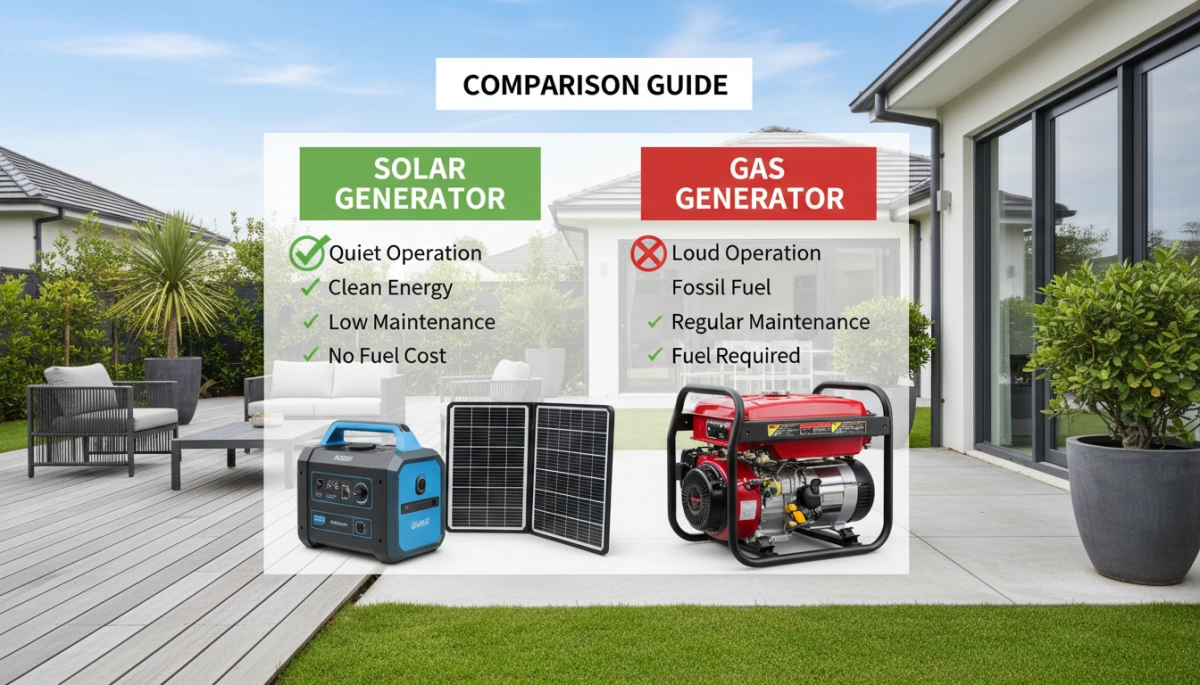
When you’re comparing a solar generator vs gas generator, the brand and system you choose matter just as much as the fuel type.
How to judge brand reputation and support
When I pick a brand for a portable solar generator or gas unit, I look at:
- Real customer reviews: Focus on long-term use (1–3 years), not just “unboxed yesterday.”
- Warranty length & clarity:
- Solar generators: 5–10 years on battery is ideal.
- Gas generators: at least 3 years on the engine.
- After‑sales service: Easy-to-reach support, local repair options, clear spare parts policy.
- Transparency: Honest specs (continuous watts vs surge watts, real battery capacity in Wh) and safety certifications.
For larger systems, I lean on brands that build dedicated LiFePO4 energy storage like this 20kWh LiFePO4 home backup system, because it shows they understand long-life battery design.
Why LiFePO4 and quality inverters matter
For solar generator for home backup or off‑grid use, two things decide if the system actually feels “pro” or “cheap”:
-
LiFePO4 battery chemistry
- 3–4x more charge cycles than standard lithium (NMC) and way more than lead‑acid.
- Safer, more stable, better for daily use and high temperatures.
- Holds capacity for years, ideal for renewable energy backup and frequent outages.
-
Pure sine wave inverter
- Clean power for laptops, fridges, medical devices, sensitive electronics.
- Higher efficiency and less noise from appliances.
- A quality inverter with decent surge capacity is what separates a serious emergency power station from a toy.
If you’re planning a bigger setup or future expansion, I’d always choose LiFePO4 solar generator tech and modular batteries like a stackable LiFePO4 battery storage system instead of older chemistries.
Matching a system to home, RV, or off‑grid needs
Here’s how I match solar vs gas backup power to real-world use:
-
Home backup / whole home backup generator alternative
- Frequent outages, want quiet and fuel‑free?
- Go for a high-capacity solar generator for home backup (10–20 kWh storage), LiFePO4, pure sine inverter.
- Need to run central AC or entire house for days?
- A home standby gas generator or dual fuel generator still makes sense, possibly combined with solar.
- Frequent outages, want quiet and fuel‑free?
-
Camping, RVs, vanlife
- Prioritize quiet generator options and no fumes.
- A portable solar generator (1–3 kWh) with foldable panels is usually better than a gas powered generator—lighter, silent, allowed at more campsites.
-
Off‑grid cabins and remote sites
- Daily use? Go solar-first with LiFePO4 storage, plus a small inverter gas generator as backup for bad weather.
- Look for expandability: extra batteries, more solar input, and easy integration into an off grid power solution.
Bottom line:
- Choose LiFePO4 + pure sine wave inverter for long-term, clean, quiet power.
- Judge brands on warranty, support, and real-world performance.
- Match system size and type to how you actually live—urban home backup, RV traveler, or full off‑grid.
Common Questions About Solar and Gas Generators
Are solar generators worth it long term?
Yes – especially if you care about fuel savings, quiet operation, and low maintenance. A quality LiFePO4 solar generator can last 10+ years, with thousands of charge cycles and zero fuel costs. Upfront, it’s usually pricier than a gas powered generator, but over time you save on:
- Gas or diesel
- Oil changes and filters
- Spark plugs, carb cleaning, and breakdowns
If you pair a solar generator with a home energy storage battery, like a modular LiFePO4 home battery pack, the long‑term value is even stronger, especially in areas with high electricity prices or frequent outages.
Can a solar generator run a whole house?
Sometimes, but not with a small portable solar generator. To run an entire home, you need:
- High inverter power (usually 5,000W–10,000W)
- Large battery storage (10–30 kWh or more)
- Enough solar input or grid charging to keep it topped up
Most portable solar generators are ideal for essentials: fridge, lights, Wi‑Fi, phones, a few small appliances. For true whole home backup, you’re looking at a larger system with multiple batteries or a dedicated home backup battery bank such as a stacked high‑voltage LiFePO4 system.
How long do solar generator batteries really last?
With LiFePO4, you should plan on:
- 3,000–6,000 cycles to 80% capacity (roughly 8–15 years of regular use)
- Much slower aging than standard lithium-ion or lead‑acid
- Stable performance even in daily off grid power setups
Cheaper chemistry = shorter life. If you want real durability, always check for LiFePO4 batteries and clear cycle life specs. Systems built around premium LiFePO4 cells and smart BMS, similar to those used in long-life home storage batteries, will easily outlast most gas generators in everyday use.
Is any gas generator safe indoors?
No. No gas generator is safe indoors. That includes:
- Gasoline generators
- Diesel generators
- Propane / dual fuel generator models
They all produce carbon monoxide, which is deadly and odorless. Gas generators must stay outside, far from doors, windows, and vents. If you want something safe to run indoors, you need a solar generator / battery power station instead.
How to size a generator for home backup
Whether you choose a solar generator vs gas generator, sizing is the same basic process:
-
List your essential loads
- Fridge / freezer
- Wi‑Fi, lights, phone/laptop charging
- Medical devices, sump pump, well pump, etc.
-
Check wattage
- Look at labels or manuals
- Add up running watts
- Identify surge (startup) watts for motors
-
Decide your backup time
- 4–8 hours for short outages
- 24+ hours for storms or unreliable grids
-
Match the system
- Gas generator: choose running watts + 20–30% headroom
- Solar generator: match inverter watts to your peak load and battery capacity (Wh / kWh) to your desired runtime
If you want quiet, indoor‑safe, eco friendly power, go solar and battery first, then consider a small inverter gas generator as a backup for long blackouts.