











How Inverter Batteries Work with Home Inverters
When grid power fails, a reliable inverter and battery for home setup is your ultimate lifeline. The core mechanism is straightforward: the battery stores electrical energy as Direct Current (DC), while your household appliances require Alternating Current (AC) to run. A high-quality battery inverter for home bridges this gap, instantly converting stored DC power into usable AC power.
Whether you need a simple backup or a comprehensive inverter with battery for home, understanding the different system types is crucial for uninterrupted power.
Comparing Home Inverter Technologies
Not every battery and inverter for home is built the same. Here is a quick breakdown of the three main technologies:
| Inverter Type | How It Works | Best Application |
|---|---|---|
| Standby UPS | Switches to battery power only when the grid drops. | Short-term backup for desktop computers and basic electronics. |
| Pure Sine Wave | Produces smooth, clean electricity identical to grid power. | Safe operation of sensitive appliances like TVs, medical devices, and laptops. |
| Hybrid Solar Inverter | Intelligently manages power from solar panels, the grid, and the battery. | Long-term energy independence and reducing high electricity bills. |
Solving Common Power Outage Pain Points
A mismatched inverter battery for home can lead to frustrating performance issues. When selecting a system, you must address these common pain points to ensure your home runs smoothly during a blackout:
- Transfer Time: A slow switch-over causes desktop computers to crash and Wi-Fi routers to reset. Look for systems with rapid transfer speeds to guarantee a seamless transition.
- Surge Handling: Heavy appliances like refrigerators and water pumps require a massive initial power spike to start. Your battery for inverter for home must be paired with an inverter capable of handling high peak surges without tripping or shutting down.
- Sensitive Electronics Protection: Standard or modified sine wave inverters can cause a buzzing noise in audio equipment and permanently damage sensitive microprocessors. Pure sine wave technology ensures your expensive devices receive clean, stable, and safe power at all times.
Comparing Inverter Battery Types for 2026
Choosing the right inverter battery for home use depends on balancing your budget against long-term performance. While older technologies are still available, the industry has shifted toward high-efficiency, low-maintenance solutions.
Traditional Lead-Acid and Gel Options
- Flat-Plate Lead-Acid: These are the most affordable upfront but have the shortest lifespan (300–500 cycles). They require frequent water topping and emit fumes, making them less ideal for indoor living spaces.
- Tall Tubular Lead-Acid: A step up from flat-plate, these handle long power cuts better and last roughly 3–5 years. However, they are bulky and still require regular maintenance.
- Gel / VRLA Maintenance-Free: These are sealed units that don\’t leak or require water. They are safer for indoor use but are sensitive to high temperatures and generally cost more than standard lead-acid.
Lithium Iron Phosphate (LiFePO4): The Gold Standard
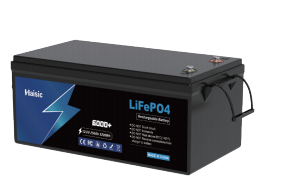
LiFePO4 has become the definitive choice for modern energy storage. We focus on this chemistry because it offers over 6,000 charge cycles and a 10-year design life. Unlike lead-acid, these batteries can be discharged up to 90-100% without damage. For those looking to build a resilient system, choosing the best off-grid lithium battery ensures you aren\’t replacing your power source every few years.
Side-by-Side Comparison Table
| Feature | Flat-Plate / Tubular | Gel / VRLA | LiFePO4 (Haisic) |
|---|---|---|---|
| Cycle Life | 300 – 1,200 Cycles | 500 – 1,000 Cycles | 6,000+ Cycles |
| Depth of Discharge | 50% Recommended | 50% Recommended | Up to 100% |
| Maintenance | High (Water Topping) | Zero Maintenance | Zero Maintenance |
| Weight & Space | Very Heavy / Bulky | Heavy | Lightweight / Compact |
| 10-Year Total Cost | High (3-4 Replacements) | High (2-3 Replacements) | Lowest (One-time Buy) |
| Safety & Temp | Fumes / High Heat Risk | Sealed / Heat Sensitive | Stable / Built-in BMS |
While lead-acid batteries seem cheaper at the checkout, their short lifespan makes them expensive over time. Our DIY backup battery solutions and modular packs provide a much higher return on investment by lasting a decade or more with zero upkeep. For a modern home, the safety and space-saving design of Lithium Iron Phosphate simply cannot be beaten
Step-by-Step Home Load Calculation
Before investing in an inverter battery for home, you need to know exactly how much power your household actually consumes. Guessing usually leads to either overspending on a massive system or sitting in the dark because your battery drained too fast. Let\’s walk through a simple inverter battery capacity calculation so you get it right the first time.
Typical Household Appliances and Wattage
First, make a list of what you absolutely need to run during a power outage. Here is a quick cheat sheet for common appliances:
- LED Bulb: 10W
- Ceiling Fan: 70W
- LED TV: 100W
- Refrigerator: 300W (Note: Fridges have a high starting surge)
- Wi-Fi Router: 15W
The Free Calculator Formula
To find your total requirement, multiply the wattage of each appliance by the hours you plan to run it.
Total Watt-Hours (Wh) = Appliance Wattage × Hours of Use
Crucial Step: Always add a 20–30% safety margin to your final number. This buffer protects your home UPS battery backup from unexpected peak surges, especially when appliances with motors (like refrigerators or water pumps) turn on and draw extra current.
Worked Examples for Different Homes
Here is how this formula looks in the real world when sizing the best inverter and battery for home setups:
- 2 BHK Apartment: 4 fans, 4 lights, 1 TV, and 1 Wi-Fi router. The continuous load is around 450W. For 4 hours of backup, you need 1800Wh + 20% margin = ~2.1 kWh battery capacity.
- 3 BHK House: Adds a fridge and a few more lights/fans. The load jumps to around 800W. For 4 hours of backup, you need 3200Wh + 20% margin = ~3.8 kWh battery capacity.
- Villa Setup: Includes heavier loads like a water pump, microwave, or a small AC. The load can easily hit 2500W. For 4 hours, you are looking at 10,000Wh + 20% margin = ~12 kWh battery bank.
Quick Reference Table: Recommended Battery Bank Size
Use this table to quickly estimate the battery capacity you need based on your total home load and desired backup time.
| Total Home Load | 2 Hours Backup | 4 Hours Backup | 8 Hours Backup |
|---|---|---|---|
| 500W | 1.2 kWh | 2.4 kWh | 4.8 kWh |
| 1000W | 2.4 kWh | 4.8 kWh | 9.6 kWh |
| 2000W | 4.8 kWh | 9.6 kWh | 19.2 kWh |
| 3000W | 7.2 kWh | 14.4 kWh | 28.8 kWh |
(Note: The capacities above already factor in a standard 20% safety margin to ensure your inverter with battery for home runs smoothly without overloading.)
Key Selection Factors for an Inverter Battery for Home
Choosing the right inverter battery for home use requires balancing your immediate backup needs with long-term financial sense. We see many homeowners focus only on the initial price, but the real value lies in the total cost of ownership over a decade.
Backup Duration vs. Budget
Your budget should align with how much of your home you want to keep running. A smaller 5.12kWh setup is perfect for essential lights and fans, while larger 15kWh to 20kWh systems can handle heavy loads like air conditioners. To maximize your investment, it is helpful to understand the cost of battery storage per kWh to see how higher-capacity LiFePO4 units actually save money over time compared to lead-acid alternatives.
Power Cut Frequency and Grid Stability
If you live in an area with frequent, short outages, a standard battery and inverter for home might suffice. However, for regions with long-duration blackouts or unstable grids, you need a deep cycle battery for home inverter setups that can handle deep discharges without losing capacity.
Solar Integration and Future-Proofing
Always look for solar inverter battery system compatibility. Even if you don\’t have panels today, buying a hybrid solar inverter with battery readiness ensures you won\’t have to replace your entire system when you decide to go green. Our systems are designed to pair seamlessly with 3kW to 12kW hybrid inverters for total energy independence.
Durability and Safety Standards
Don\’t overlook the technical certifications that guarantee your family\’s safety. A high-quality inverter with battery for home should meet these criteria:
- Cycle Life: Look for 6,000+ cycles (typical of our LiFePO4 cells).
- Certifications: Ensure the unit is ISO9001, CE, and UN38.3 certified.
- Protection: High IP65 ratings are essential if the unit is installed in semi-outdoor areas or places with dust and moisture.
- Smart Monitoring: A built-in BMS with Wi-Fi or GPRS allows you to track performance and health via your smartphone.
Space and Maintenance
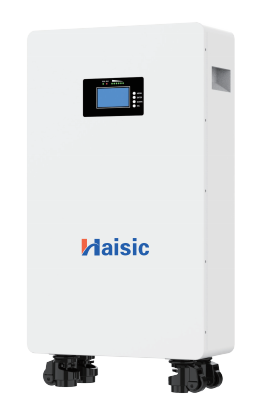
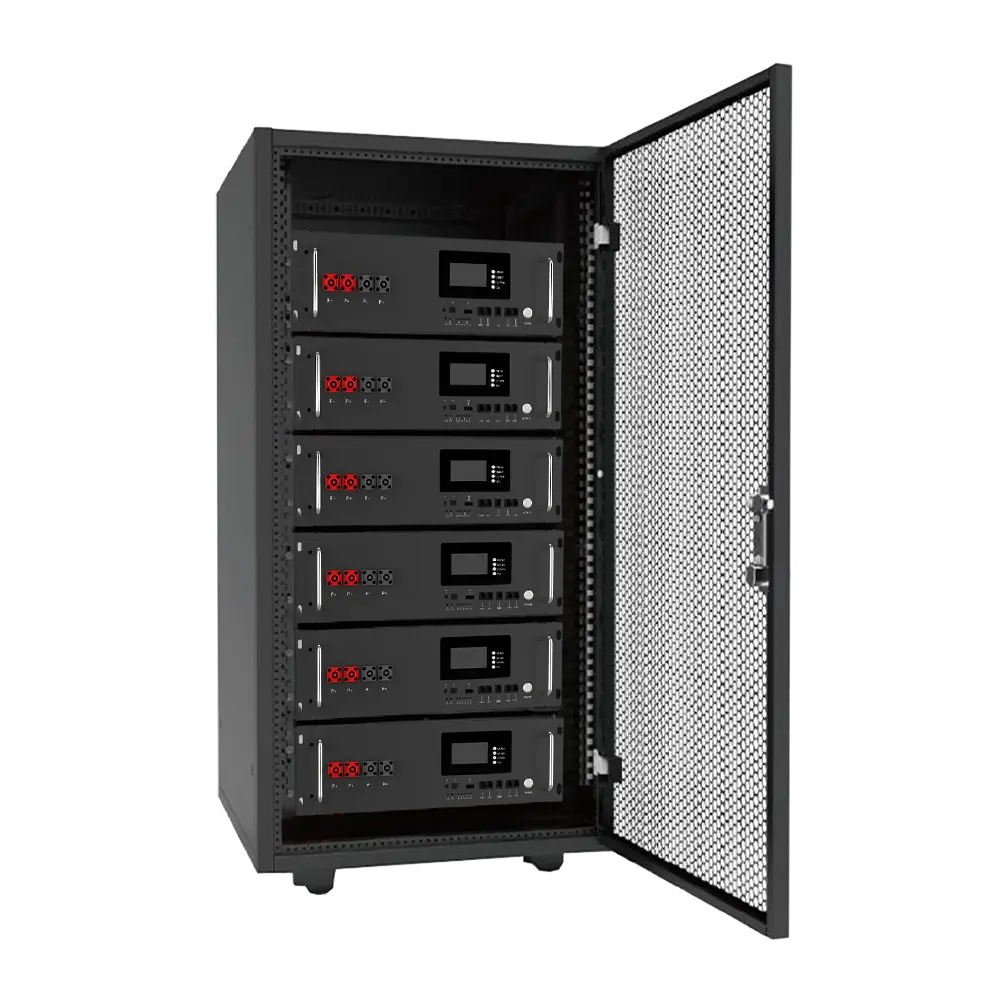
Modern LiFePO4 battery for home use is compact and wall-mounted, saving significant floor space compared to bulky tubular batteries. These units are maintenance-free, meaning no water topping or acid fumes, making them the safest battery for inverter for home installations in tight indoor spaces.
Installation and Care for Your Inverter Battery for Home
Setting up an inverter battery for home use requires precision to ensure long-term performance and safety. While DIY setups are possible for small portable units, a reliable house battery backup system usually demands professional installation to handle high-voltage wiring and proper grounding.
Installation Checklist: Professional vs. DIY
- Placement: Choose a cool, dry, and well-ventilated area. Avoid direct sunlight or moisture.
- Wiring: Use high-quality, thick-gauge copper wires to minimize energy loss and prevent overheating.
- Ventilation: Ensure at least 6-12 inches of clearance around the unit for heat dissipation.
- Firmware Setup: For smart systems, ensure the inverter communication protocol matches the battery BMS settings.
Routine Maintenance by Battery Type
Different chemistries require different levels of attention. If you are using traditional lead-acid or tall tubular batteries, you must check distilled water levels every 3–6 months and clean terminal corrosion with a mixture of baking soda and water.
In contrast, our LiFePO4 battery inverter for home solutions are virtually maintenance-free. There is no water topping required and no risk of acid leakage. You simply need to keep the exterior dust-free and ensure the cable connections remain tight.
Common Mistakes That Kill Battery Life
- Deep Discharging: Frequently draining a lead-acid battery below 50% will destroy its capacity. LiFePO4 is more resilient but should still stay within recommended Depth of Discharge (DoD) limits.
- Poor Ventilation: Heat is the primary enemy of any battery and inverter for home. High temperatures accelerate chemical breakdown.
- Loose Connections: Sparking at the terminals caused by loose lugs can lead to fire hazards or permanent BMS damage.
- Mixing Batteries: Never connect old batteries with new ones, or mix different brands and capacities in the same bank.
Smart Monitoring and Safety Features
Modern energy systems now feature integrated Bluetooth or Wi-Fi modules. We equip our systems with intelligent Battery Management Systems (BMS) that allow you to monitor real-time health, charge levels, and temperature through a smartphone app. This tech-first approach prevents overcharging and short circuits automatically, giving you peace of mind without needing to manually test voltages. Always look for systems with IP65 ratings if the installation area is prone to dust or humidity.
Solar-Ready Inverter Battery for Home: Future-Proofing Your Energy
If you are looking to invest in an inverter battery for home, thinking about solar integration today saves you a massive headache tomorrow. A solar-ready system allows you to store free energy from the sun rather than just relying on the grid. When deciding how to connect your panels and batteries, you generally choose between two setups:
AC vs. DC Coupling: Which is Better?
| Feature | DC Coupling (Hybrid Inverters) | AC Coupling (Retrofit) |
|---|---|---|
| Efficiency | Higher (less conversion loss) | Lower (multiple conversions) |
| Best For | New solar installations | Adding batteries to existing solar |
| Complexity | Simple, all-in-one system | More components involved |
| Cost | Lower upfront for new builds | Better for phased upgrades |
Benefits of Stacking Modular LiFePO4 Batteries
We design our systems with modularity in mind. Instead of being stuck with a fixed capacity, our stackable LiFePO4 batteries offer several advantages:
- Scalability: Start with 5kWh and expand to 20kWh+ as your energy needs grow.
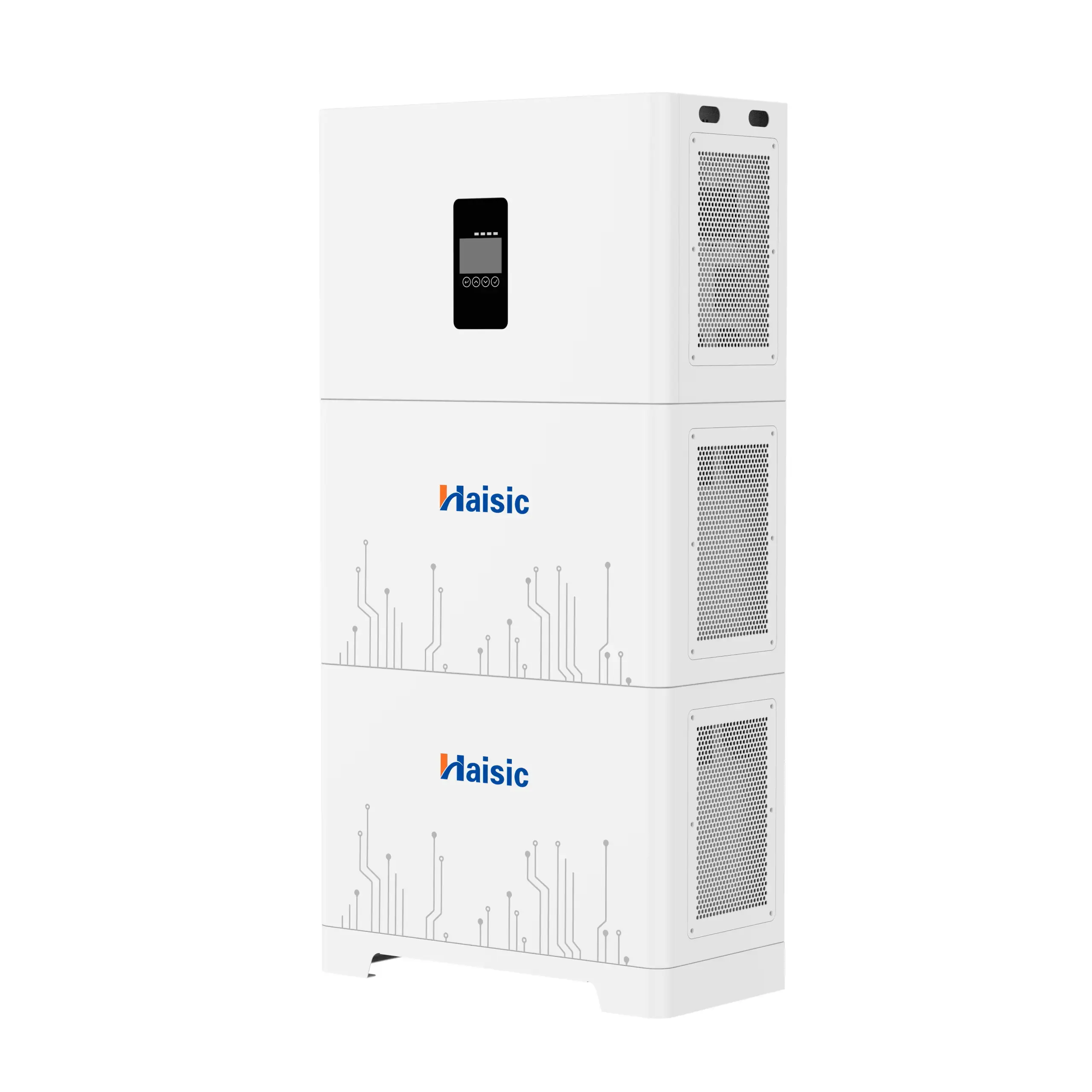
- Space-Saving: Vertical stacking eliminates messy wiring and saves floor space.
- Plug-and-Play: Adding more power is as simple as clicking a new module into the stack.
- Independent Management: If one module needs service, the rest of the stack keeps your home running.
Real-World ROI with Solar + Battery Storage
Investing in a high-quality battery and inverter for home use isn\’t just about backup; it\’s about financial independence. By using stored solar power during peak rate hours, most homeowners see a full return on investment within 5 to 7 years.
Before you buy, it is helpful to evaluate how much battery storage you actually need to cover your evening loads. For those looking for maximum performance, our high-voltage LiFePO4 home energy storage systems provide the efficiency required to run heavy appliances like air conditioners and pumps without breaking a sweat.
Key ROI Drivers:
- Eliminating Peak Charges: Use your own power when grid prices spike.
- Energy Security: Zero downtime during grid failures.
- Increased Property Value: Solar-ready homes command higher market prices.
Why Haisic LiFePO4 Home Energy Storage Systems Deliver Superior Value
When you decide to install a home battery system, choosing a reliable manufacturer makes all the difference. At Haisic, we leverage over 15 years of R&D and manufacturing expertise to build the most dependable inverter battery for home use. Our systems are engineered to give you complete energy independence, protect against power grid instability, and lower your long-term electricity costs.
Here is exactly what makes our LiFePO4 battery for home use stand out in the global market:
- 6,000+ Cycle Life & 10+ Year Design Life: We build our packs using premium Lithium Iron Phosphate (LiFePO4) cells. This guarantees exceptional longevity, delivering a much lower total cost of ownership compared to traditional lead-acid options.
- Advanced Smart BMS: Every battery and inverter for home setup we produce features an intelligent Battery Management System. It actively protects against overcharging, deep discharging, and overheating, while allowing you to monitor performance remotely via Wi-Fi or GPRS.
- Flexible Capacity Range: Whether you need a compact 5.12 kWh stackable home energy storage battery or a robust 20 kWh to 26.88 kWh high-voltage system, we offer configurations (12.8V, 25.6V, 51.2V up to 400Ah) to match your exact daily load requirements.
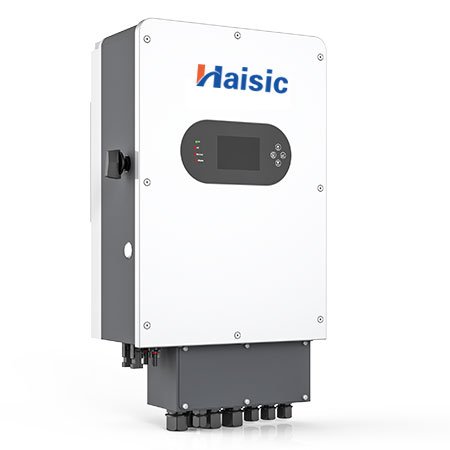
- Seamless Hybrid Inverter Pairing: Our batteries integrate flawlessly with our 3 kW to 12 kW hybrid solar inverters. Featuring pure sine wave output, built-in MPPT controllers, and IP65 ratings for outdoor efficiency, they create the ultimate hybrid solar inverter with battery setup.
- Global Safety Certifications: Safety is our baseline. Our 11,000m² production facility operates under strict ISO9001, ISO14001, and ISO45001 standards. Every inverter with battery for home carries global certifications including CE, FCC, RoHS, CQC, PSE, MSDS, and UN38.3.
We design our home UPS battery backup solutions to be plug-and-play, eco-friendly, and highly cost-effective. Whether you are looking for an off-grid setup or a grid-tied backup, our proven technology ensures your home stays powered safely and efficiently.
Frequently Asked Questions (FAQ)
What is the best inverter battery for home use?
For modern households, Lithium Iron Phosphate (LiFePO4) is the ultimate choice. Unlike bulky lead-acid units, a LiFePO4 inverter battery for home delivers over 6,000 charge cycles, takes up minimal space, and requires absolutely zero maintenance.
How long does a battery and inverter for home last?
We engineer our LiFePO4 batteries for a 10+ year design life. Thanks to the built-in smart Battery Management System (BMS) that prevents overcharging and deep discharging, you get reliable daily power for over a decade.
Can I use my existing pure sine wave inverter with a new lithium battery?
Yes, provided your current inverter allows for custom lithium charging parameters. However, upgrading to a dedicated hybrid system ensures seamless communication and better efficiency.
How do I choose the right capacity?
Your ideal size depends on your daily power consumption and backup expectations. A standard 5.12kWh wall-mounted unit handles basic lighting and electronics, while larger properties benefit from a high-volt stacked 20kWh system to run heavy loads like air conditioners and well pumps.
Are lithium-ion batteries safe for indoor use?
Absolutely. LiFePO4 chemistry is incredibly stable and does not emit toxic fumes. Our systems carry strict global safety certifications (CE, FCC, UN38.3) and use advanced BMS to monitor temperature and voltage 24/7.
Why is the upfront inverter battery price higher for lithium?
While a traditional lead-acid battery for inverter for home looks cheaper today, it requires replacement every 3 to 4 years. Lithium costs more upfront but offers a drastically lower total cost of ownership over 10 years due to its massive cycle life and zero upkeep.
Do maintenance-free inverter batteries really need zero maintenance?
Yes. Unlike flooded batteries that require regular distilled water top-ups and terminal cleaning, our LiFePO4 systems are entirely \”set and forget.\”
Can I expand my battery bank later?
Yes. We design our home energy storage systems to be highly modular. You can start with a single battery pack and easily stack additional units in parallel as your household energy demands grow.
What happens if the grid goes down for days?
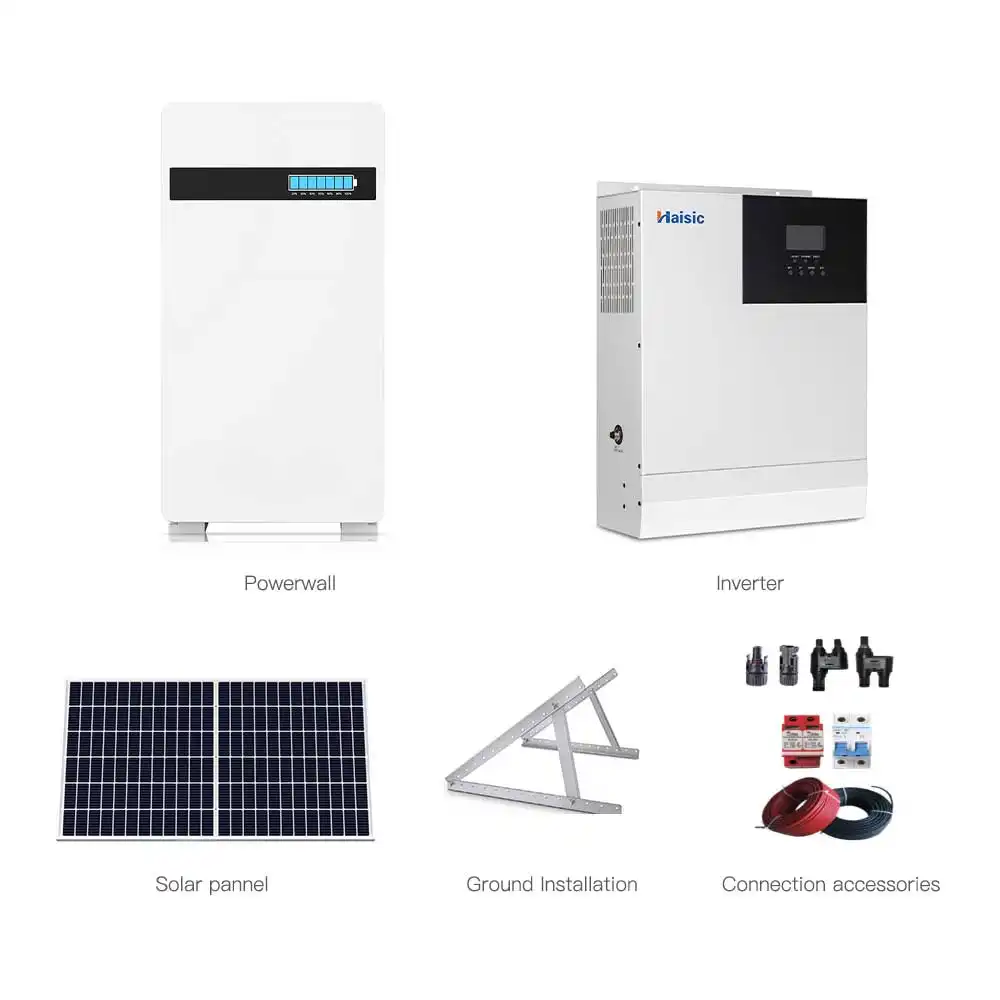
If you pair your setup with solar, you can keep generating and storing power indefinitely. A complete solar panel with battery and inverter system gives you true energy independence during extended outages.
What is the difference between off-grid and hybrid setups?
An off-grid system operates completely independent of the utility grid. A hybrid inverter with battery for home remains connected to the grid, prioritizing solar power first, battery backup second, and pulling from the grid only when absolutely necessary.
How do warranty claims work?
We stand firmly behind our manufacturing quality. If a unit fails due to a factory defect within the warranty period, our global support network will repair or replace the affected components. We make the process straightforward for both our dealers and direct users.
Will a home UPS battery backup run my air conditioner?
Yes, as long as the inverter has a high enough wattage rating (such as our 8kW or 12kW models) and the battery bank has the capacity to handle the heavy surge current of the compressor starting up.
Is it better to buy an all-in-one system or separate parts?
An integrated inverter and battery for home guarantees flawless communication between the inverter and the BMS, making installation much faster. Separate components offer flexibility, but an all-in-one unit is generally the most reliable choice for residential setups.
How fast does the system switch over during a power cut?
Our battery inverter for home solutions feature an ultra-fast transfer time, typically under 10 milliseconds. Your sensitive electronics, computers, and lights will stay on without a single flicker.