










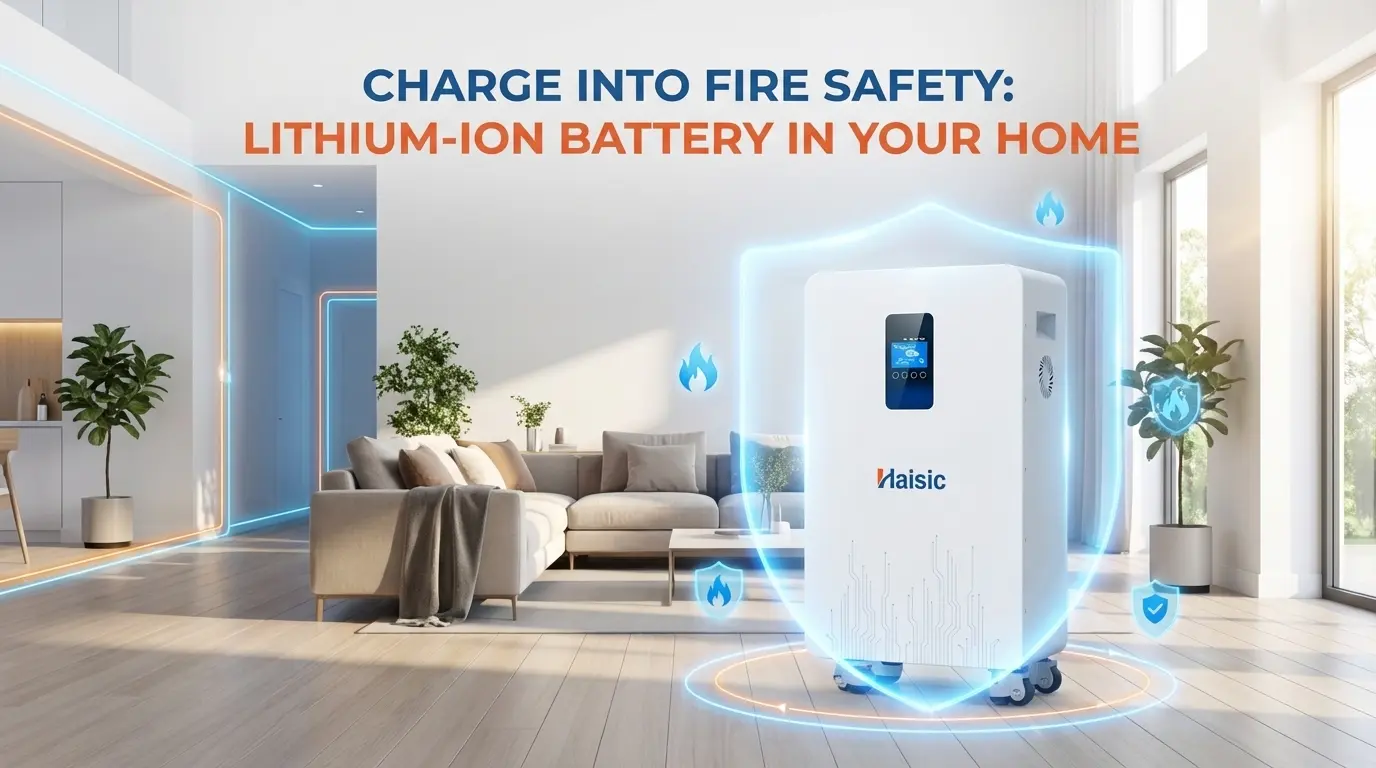
Are you worried about the hidden risks of the devices powering your daily life? From smartphones and e-bikes to home energy systems, the technology we rely on can become a major hazard if not handled correctly.
As a specialist in industrial-grade energy storage, I know that safety isn\’t just a feature—it’s a necessity. With the 2025 Fire Prevention Week theme being Charge into Fire Safety, there has never been a more important time to understand the lithium-ion battery in your home.
In this guide, you’ll learn how to identify the warning signs of thermal runaway, why LiFePO4 technology is the safest choice for your family, and the essential steps to prevent a lithium-ion battery fire.
Ready to secure your home?
Let’s dive in.
Charge into Fire Safety: Lithium-Ion Battery in Your Home
As we integrate more energy storage into our daily lives, understanding the underlying technology is the first step to a secure household. While lithium-ion batteries power everything from smartphones to home backup systems, not all chemistries are created equal. To truly charge into fire safety: lithium-ion battery in your home choices must prioritize thermal stability and advanced engineering.
The Science of Thermal Runaway
The primary risk associated with lithium batteries is thermal runaway. This occurs when an internal short circuit or external heat causes the battery cell to enter an uncontrollable, self-heating state. Once the internal temperature reaches a critical threshold, the battery releases energy rapidly, often resulting in smoke, fire, or total failure. At Haisic, we mitigate this risk through rigorous R&D and high-grade materials that prevent heat buildup before it starts.
Identifying High-Risk Culprits
Not all battery failures are equal. Most residential safety incidents stem from specific high-risk scenarios:
- Low-Quality Chargers: Using non-certified or third-party chargers that lack overcharge protection.
- E-Bike Batteries: Often subjected to physical stress and extreme weather, increasing the chance of internal damage.
- Counterfeit Cells: Unbranded batteries that bypass global safety standards like UN38.3 or CE.
The Chemistry Difference: LiFePO4 vs. Standard Lithium
The most effective way to ensure home safety is choosing the right chemistry. Most consumer electronics use Lithium Nickel Manganese Cobalt (NMC) or Lithium Cobalt Oxide (LCO) because they are lightweight. However, for home energy storage, Lithium Iron Phosphate (LiFePO4) is the gold standard for safety.
| Feature | Standard Lithium (NMC/LCO) | Haisic LiFePO4 |
|---|---|---|
| Thermal Stability | Lower (Risk of fire at high heat) | Excellent (High heat tolerance) |
| Chemical Bond | Weak oxygen bonds (Flammable) | Strong P-O bonds (Non-combustible) |
| Cycle Life | 500 – 1,500 Cycles | 6,000+ Cycles |
| Safety Risk | High risk of thermal runaway | Inherently stable and safe |
By utilizing LiFePO4 chemistry in all our residential energy storage systems, we provide a foundation that is chemically incapable of the volatile \”oxygen release\” seen in traditional lithium batteries. This structural stability ensures that even under extreme conditions, your home remains protected.
The Three Pillars of Home Battery Safety
To truly charge into fire safety: lithium-ion battery in your home systems must be built on a foundation of strict standards and smart habits. At Haisic, we focus on three core pillars to keep your household secure and your power running smoothly.
1. Buy with Confidence: Strict Certifications
Never guess when it comes to battery quality. Always look for systems that meet global safety standards. As a dedicated energy storage system manufacturer, we ensure our LiFePO4 batteries carry CE, FC, RoHS, and UN38.3 test certifications.
What to look for:
- Verified Testing: Certifications prove the unit has passed rigorous thermal stability and impact testing.
- Quality Manufacturing: Systems built in ISO9001/14001/45001 certified facilities guarantee consistent, safe construction.
2. Charge with Care: Smart Habits
How you charge matters just as much as what you charge. Poor charging habits are a leading cause of battery stress.
Safe charging rules:
- Stop Vampire Charging: Avoid leaving standard devices plugged in indefinitely unless they feature smart charging technology to automatically cut off power.
- Clear the Area: Always charge smaller portable units on hard, flat surfaces to allow proper heat dissipation.
- Professional Setup: For larger setups, a proper home energy storage installation ensures optimal airflow, temperature control, and active monitoring through a built-in Battery Management System (BMS).
3. Recycle Responsibly: Safe Disposal
Lithium batteries never belong in your standard household trash. Damaged or degraded cells can easily spark and trigger a fire if crushed in a garbage truck or landfill.
Disposal best practices:
- Use Proper Channels: Always take old or swollen units directly to certified battery recycling centers.
- Focus on Longevity: We engineer our LiFePO4 systems to deliver over 6,000 charge cycles. This massive lifespan drastically reduces the frequency of disposal, keeping your home safer and minimizing environmental waste.
Advanced Safety: Home Energy Storage Systems (ESS)
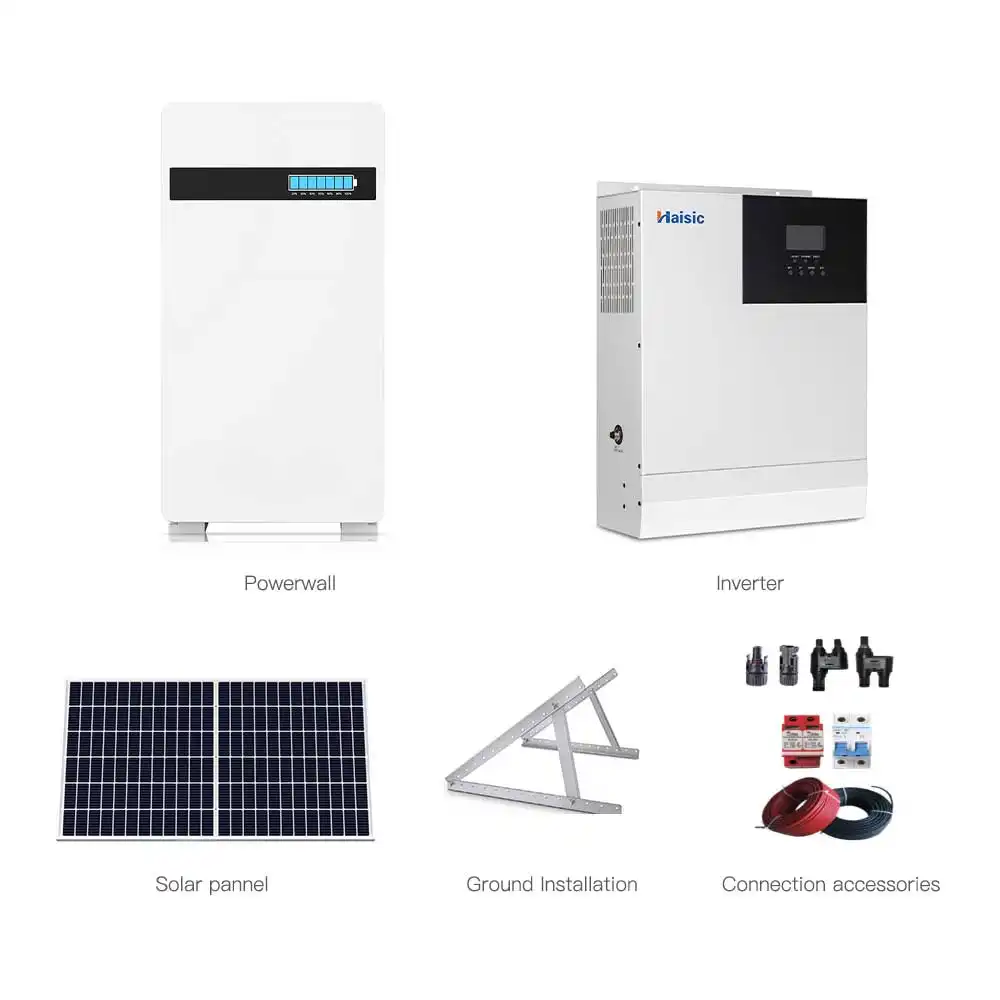
When you charge into fire safety: lithium-ion battery in your home setups need to be more than just \”big batteries.\” At Haisic, we build our residential systems using industrial-grade standards that far exceed basic consumer electronics. While small gadgets might prioritize compact size, our residential solar system design focuses on thermal stability and high-capacity reliability. We use LiFePO4 chemistry specifically because it is inherently safer and more stable than the lithium-ion cells found in typical portable devices.
The Role of the BMS (Battery Management System)
Every Haisic energy storage unit features a sophisticated, integrated Battery Management System (BMS). This acts as the \”brain\” of the battery, utilizing intelligent algorithms to maintain a safe operating environment 24/7.
- Over-voltage Protection: Automatically halts charging to prevent cell stress.
- Thermal Management: Monitors internal temperatures to prevent overheating.
- Cell Balancing: Ensures each cell in your 48V battery bank performs equally, eliminating hotspots and extending the 6,000+ cycle life.
- Short Circuit Defense: Instantly disconnects the system if an electrical fault is detected.
Why Professional Installation is Non-Negotiable
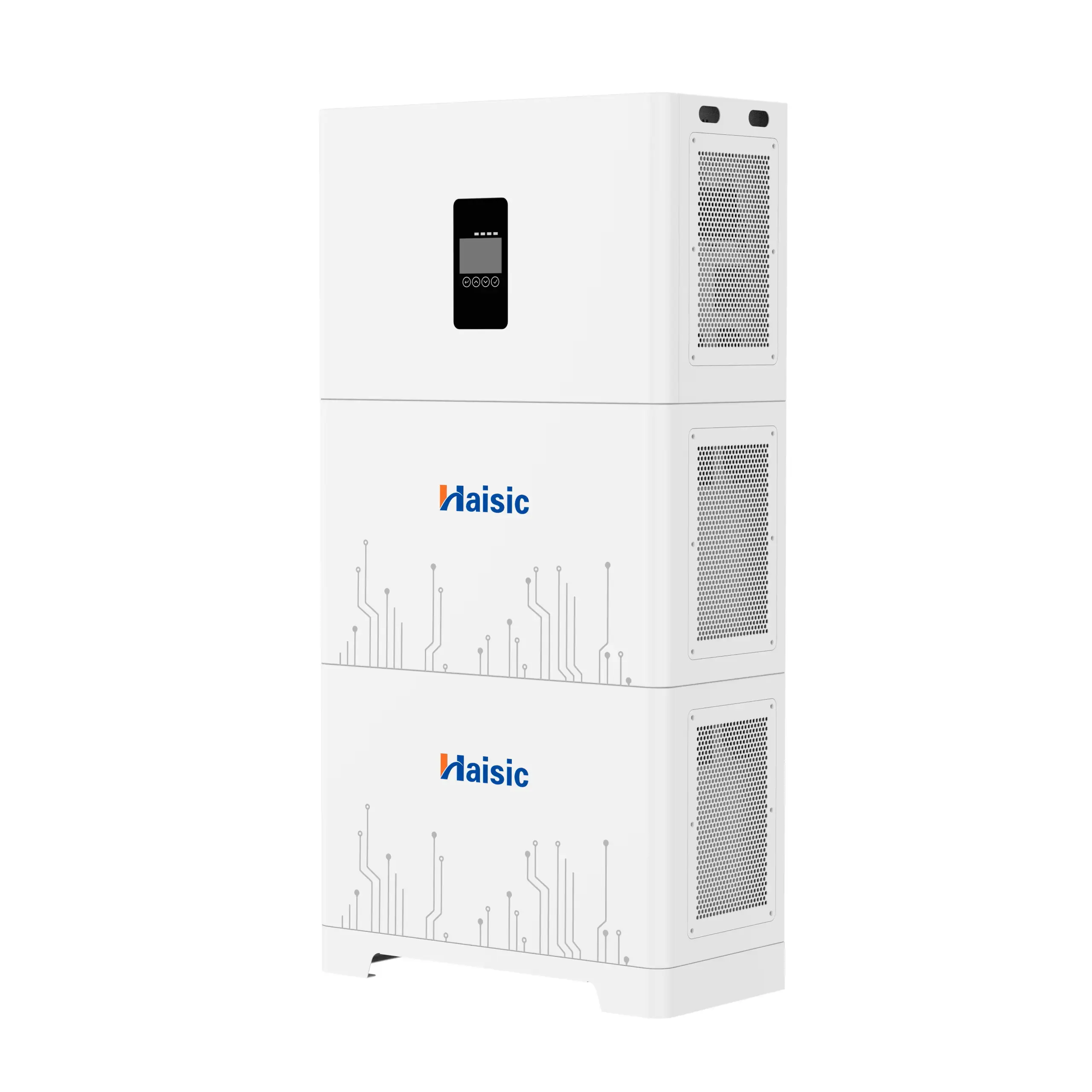
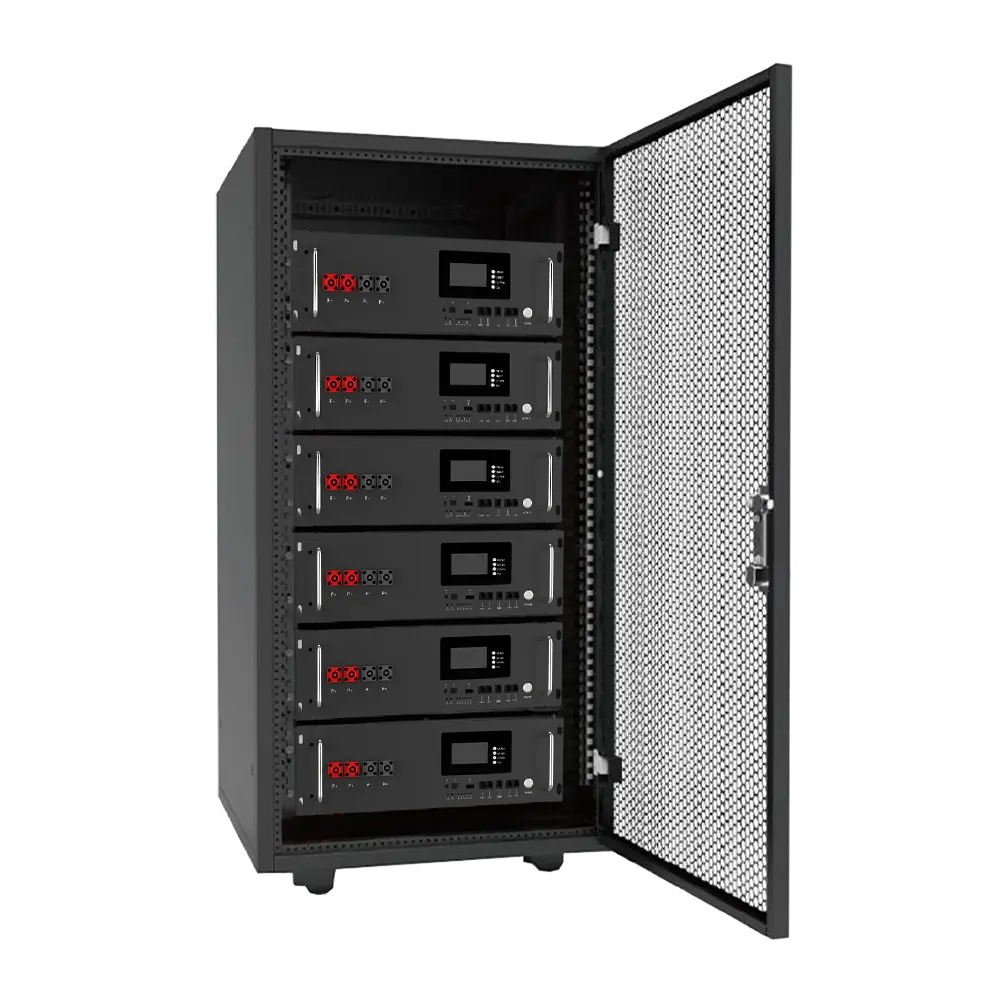
To effectively charge into fire safety: lithium-ion battery in your home, the physical installation must be handled by experts. Our wall-mounted and stackable systems are high-performance industrial machines. Professional installation is essential to ensure:
- Proper Ventilation: Batteries are placed in optimal environments to dissipate heat.
- Secure Mounting: Wall-mounted units are anchored to handle significant weight safely.
- Correct Wiring: Ensures all connections meet global safety standards like CE and UN38.3, preventing arc flashes or resistance-related heat.
By combining our advanced LiFePO4 chemistry with professional setup and smart BMS monitoring, we provide a home energy solution that prioritizes your family\’s safety above all else.
Spotting Trouble: Charge into Fire Safety: Lithium-Ion Battery in Your Home
Knowing when a battery is approaching failure is the most effective way to prevent an emergency. While our LiFePO4 energy storage systems are engineered for extreme stability, many smaller household devices use different lithium chemistries that require constant vigilance. To effectively charge into fire safety: lithium-ion battery in your home means being able to identify a compromised cell before it reaches a critical state.
Physical and Sensory Red Flags
A failing battery rarely goes quiet. It usually provides physical or sensory warnings that internal components are breaking down. Look and listen for these specific indicators:
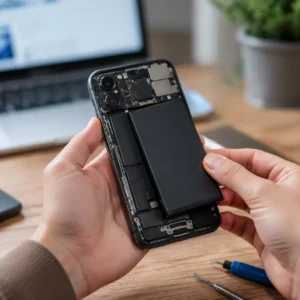
- Swelling or Bulging: If a battery casing looks \”puffy,\” deformed, or is pushing against its compartment, internal gases have built up. This is a clear sign of impending failure.
- Leaking: Any fluid, sticky residue, or white powdery substance escaping the housing is a major red flag.
- Excessive Heat: While batteries get warm during use, they should never be too hot to touch. Unusual heat during idle periods indicates an internal short.
- Unusual Odors: A sweet, metallic, or sharp chemical smell is often the first sign of a venting cell.
- Audible Cues: Hissing, popping, or crackling sounds coming from the battery pack are immediate danger signals.
Your Immediate Action Plan
If you suspect a battery is compromised, you must act decisively to prevent a fire. Understanding are solar batteries safe involves knowing that high-quality LiFePO4 chemistry and an integrated Battery Management System (BMS) provide layers of protection that standard consumer electronics often lack. If a device fails:
- Disconnect Power: If it is safe to reach the plug, stop the charging process immediately.
- Isolate the Device: Move the item to a non-combustible surface, such as a concrete floor or a metal bucket, away from curtains and furniture.
- Do Not Use or Repair: Never attempt to puncture, \”drain,\” or fix a swollen battery.
- Contact Professionals: For large-scale home systems, alert your professional installer immediately to handle the unit safely.
By staying alert to these signs, you ensure that your home energy setup remains a source of power rather than a safety risk.
Emergency Response: If a Fire Occurs
When you charge into fire safety: lithium-ion battery in your home, the most important rule is knowing when to get out. Lithium-ion fires are not like typical wood or paper fires; they are chemical events that move with incredible speed and intensity.
Evacuation is Your Only Priority
If a battery begins to hiss, bulge, or emit a sweet, metallic odor, the situation has already escalated. These fires release toxic fumes and can reach peak intensity in seconds.
- Exit Immediately: Do not stay to record video or attempt to move the device.
- Do Not Inhale Smoke: The vapors are hazardous to your lungs.
- Call Professionals: Only firefighters have the equipment to handle a thermal runaway event.
The \”Water\” Myth and Extinguisher Limits
There is often confusion about how to fight these fires. Understanding the science can save your life.
- The Water Reality: While water may not instantly stop the chemical reaction inside a cell, NFPA guidelines suggest that large amounts of water are effective for cooling surrounding cells to prevent the fire from spreading to the rest of your home.
- Why ABC Extinguishers Fail: Standard home ABC dry chemical extinguishers are often useless against a battery fire. They work by smothering flames, but a lithium-ion battery in thermal runaway produces its own oxygen and heat internally. The extinguisher cannot reach the core of the reaction.
Prevention Through Quality
The best emergency response is preventing the emergency entirely. We prioritize LiFePO4 chemistry in our systems because of its superior thermal stability compared to standard lithium-ion. By working with experienced battery storage manufacturers, you ensure your home is equipped with industrial-grade safety protections that significantly reduce the risk of a fire ever starting. Investing in a high-quality home energy storage system means you are choosing a setup designed to fail-safe, rather than fail-dangerously.
FAQs: Charge Into Fire Safety: Lithium-Ion Battery In Your Home
When you decide to charge into fire safety: lithium-ion battery in your home, you likely have a few practical questions. Here are the most common concerns we hear from homeowners regarding battery safety.
Can I leave my e-bike charging overnight?
We strongly advise against it. E-bike battery fires frequently occur because standard consumer chargers often lack reliable overcharging protection. Leaving these devices plugged in unattended increases the risk of overheating. Always charge them while you are awake and unplug them as soon as they reach 100%.
What makes LiFePO4 safer than standard lithium batteries?
It comes down to chemistry and thermal stability. Standard lithium batteries (like those using cobalt) are highly susceptible to thermal runaway if punctured or overheated. In contrast, Lithium Iron Phosphate (LiFePO4) is inherently stable and highly resistant to combustion. This is exactly why we exclusively use LiFePO4 chemistry for all our residential energy storage systems, ensuring they deliver over 6,000 safe charge cycles without degrading into a hazard.
How do I dispose of a swollen phone battery?
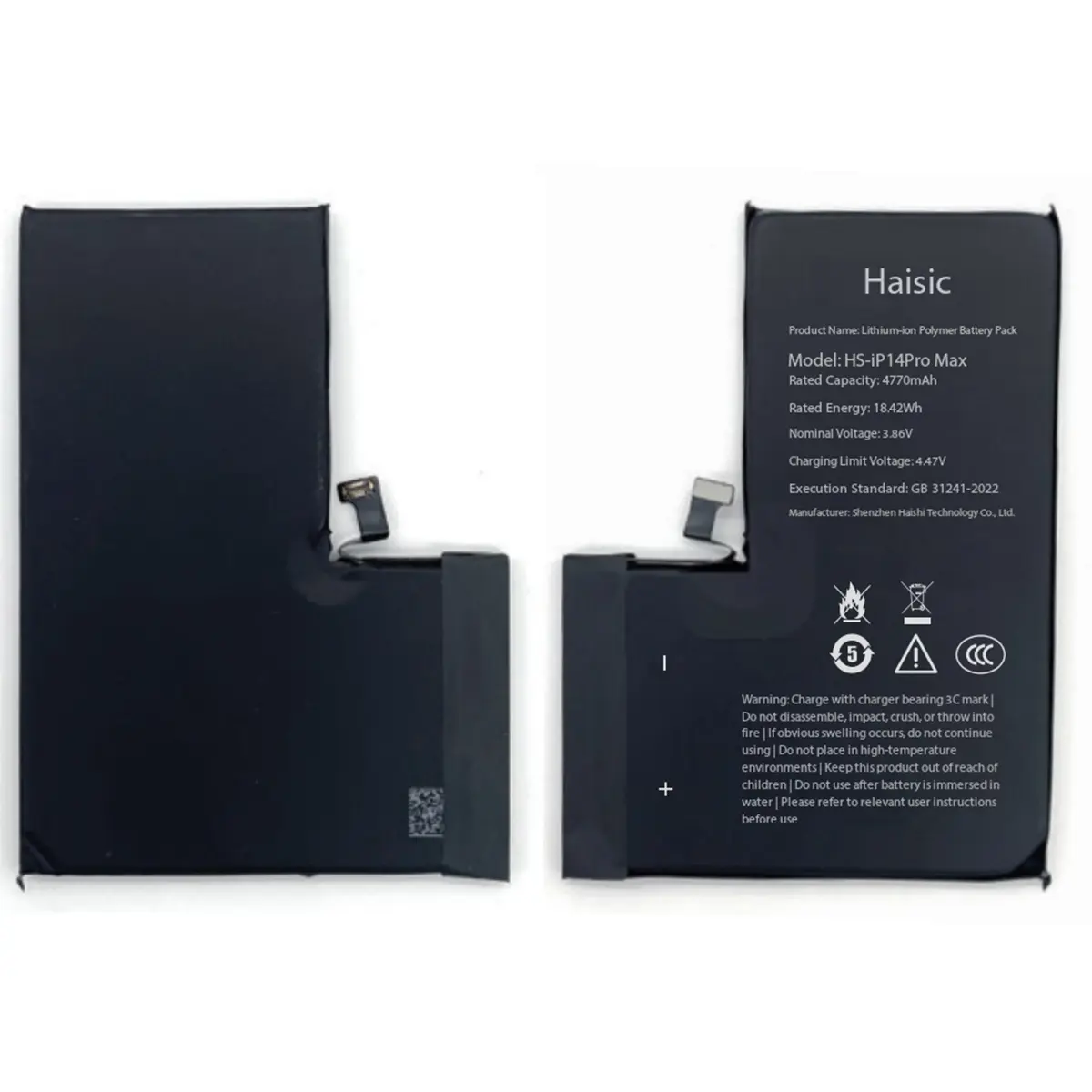
Never throw a swollen battery into your regular household trash. Swelling indicates that the internal cells have failed and are off-gassing, making it an immediate fire risk. You must take it directly to designated battery recycling centers or hazardous waste disposal facilities.
Is it safe to keep a large solar battery inside my house?
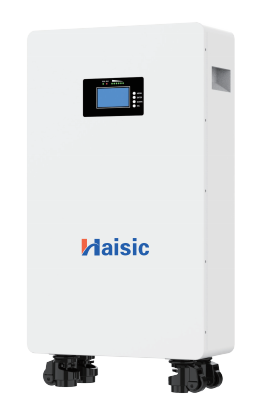
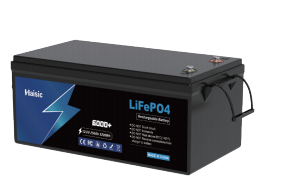
Yes, provided you choose a system engineered for indoor safety. When you install a robust setup like a Haisic 51.2V 100Ah High-Voltage LiFePO4 Battery, you are bringing commercial-grade safety into your home. A reliable home energy storage system (ESS) relies on two main defenses:
- Stable Chemistry: Using LiFePO4 eliminates the core fire risks associated with older lithium tech.
- Smart Monitoring: An integrated Battery Management System (BMS) acts as a 24/7 watchdog, automatically shutting down the system if it detects abnormal voltage or temperatures.
As long as your system carries rigorous certifications—like a UN38.3 test , CE, and MSDS—indoor installation is completely safe and highly efficient.