










If you are searching for \”solar power for my business\” to combat rising utility rates, you are already on the right track.
You know that generating your own power is the best way to slash operational overhead.
But here is the hard truth: solar panels alone won\’t give you true energy independence.
To actually maximize your ROI and protect your facility from costly grid outages, you need a complete strategy.
In this post, you\’re going to learn exactly how to pair solar with Commercial Energy Storage Systems (ESS) to eliminate expensive demand charges and guarantee business continuity.
I will walk you through the real costs, the best tax incentives, and the exact equipment your facility needs to succeed.
Let\’s dive right in.
The Bottom Line: Financial Benefits of Commercial Solar
Are you tired of watching your operational budget get eaten alive by volatile utility rates? When evaluating solar power for my business, the conversation has to start with the bottom line. As a dedicated manufacturer and supplier of commercial energy storage systems, we see exactly how companies transform their energy liabilities into predictable financial assets.
Slashing Commercial Utility Bills
Generating your own power is the most direct strategy to reduce your monthly operating expenses. By shifting away from grid reliance, you immediately cut down one of the largest variable costs in your facility. The concept is straightforward: every kilowatt-hour your rooftop generates is a kilowatt-hour you no longer buy from the utility company.
Commercial Solar Tax Incentives
The ROI on business solar is heavily accelerated by government policies designed to offset your initial capital expenditure.
| Financial Mechanism | How It Works | Business Benefit |
|---|---|---|
| 30% Federal ITC | Investment Tax Credit applied directly to the total cost of equipment and installation. | Recoups nearly a third of your initial investment directly on your tax returns. |
| MACRS Depreciation | Modified Accelerated Cost-Recovery System tailored for commercial solar assets. | Accelerates tax deductions, rapidly freeing up operational cash flow in the first 1-5 years. |
Locking In Energy Costs Against Inflation
Grid electricity prices are unpredictable and historically only move in one direction: up. Investing in a commercial solar setup effectively locks in your baseline energy rate for the next 25 to 30 years. This protects your profit margins from sudden rate hikes, inflation, and unpredictable utility assessments, guaranteeing long-term financial stability for your operations.
Why Solar Fails Without Commercial Battery Storage
When clients ask us, \”how can I truly maximize solar power for my business?\”, our answer always comes down to storage. As a dedicated solar battery manufacturer and supplier, we see it often: businesses install an impressive array of panels but skip the battery. Without a commercial energy storage system, you are only solving half the equation.
The Problem with Solar-Only
Relying strictly on the sun leaves your daily operations exposed to factors outside your control.
- Grid Outage Vulnerabilities: If the local power grid goes down, a standard solar-only system shuts off automatically to protect line workers. Your facility goes dark, regardless of how sunny it is outside.
- Net Metering Rollbacks: Utility companies are aggressively reducing compensation rates. Selling your excess daytime solar power back to the grid is no longer a reliable way to offset costs. You need to keep and use the power you generate.
Peak Shaving with Battery Storage
Commercial utility bills are heavily punished by demand charges—massive fees calculated during your highest spikes in power consumption. By strategically discharging your stored battery power during these high-demand windows, you avoid pulling expensive electricity from the grid. This simple peak shaving strategy is the most effective way to permanently reduce commercial utility bills.
Business Continuity
Unplanned downtime destroys profitability. Preventing these costly interruptions requires serious industrial solar battery storage. We exclusively build our setups around LiFePO4 commercial battery technology because it delivers the absolute highest standard of safety, thermal stability, and long-term cycle life.
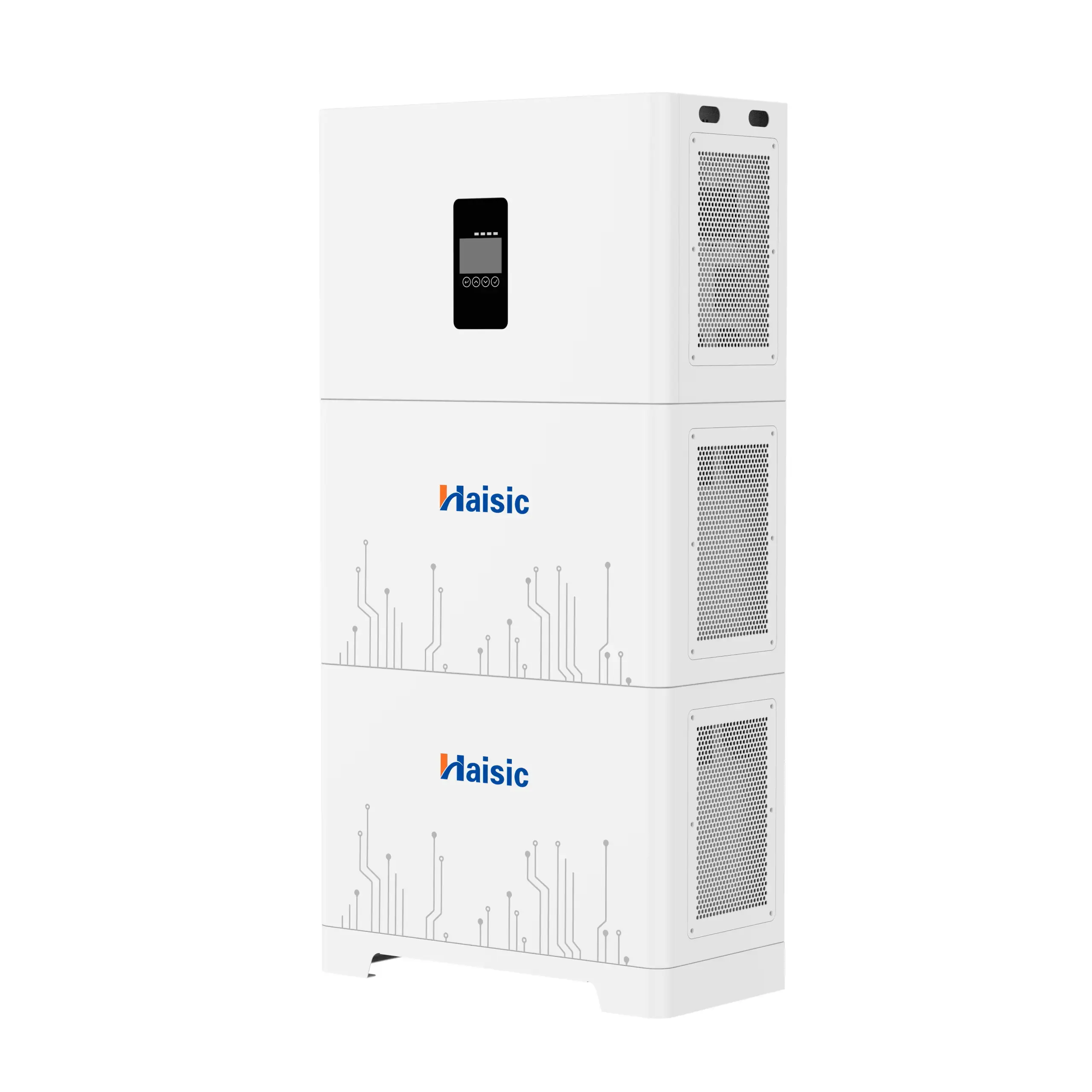
Whether your facility\’s footprint calls for a massive containerized setup or a highly scalable stackable power energy storage system, securing reliable backup power means your production lines, servers, and operations never skip a beat.
Assessing Energy Needs: Solar Power for My Business
Before we design a system, we look at exactly how your facility operates. Evaluating your physical space and daily consumption is the critical first step to building the right commercial energy storage systems.
Space and Infrastructure Considerations
You need more than just unobstructed roof space for panels. Storing that power requires dedicated physical infrastructure.
- Panel Placement: We evaluate your roof\’s structural integrity, orientation, and square footage. If roof space is limited, we assess adjacent land for ground-mount arrays.
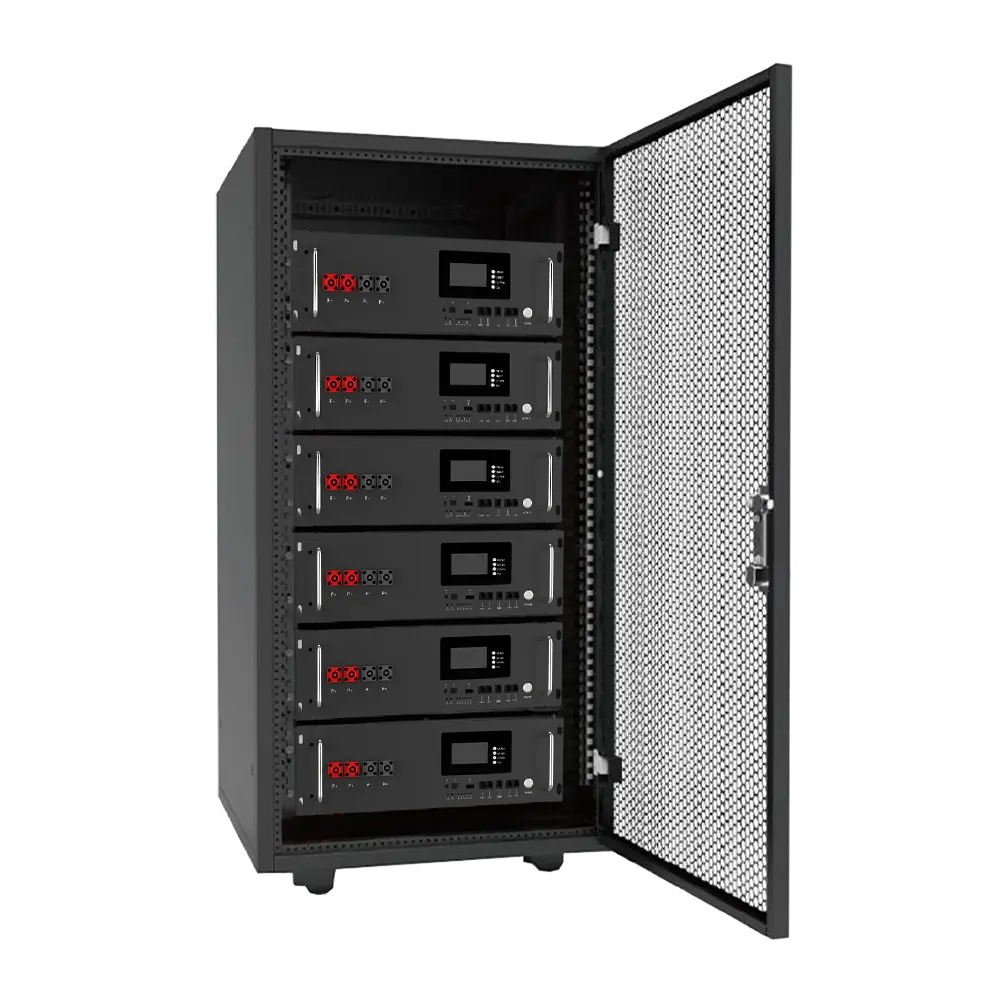
- Battery Footprint: Storage requires dedicated physical space. For medium-sized operations, indoor rack-mounted setups fit efficiently inside utility rooms. For larger facilities, we supply outdoor commercial energy storage batteries configured as rugged, containerized battery energy storage units.
Industry-Specific Energy Profiling
Every sector consumes electricity differently. We profile your load demands to deliver accurate B2B solar energy solutions tailored to your specific operations:
- Manufacturing: Heavy machinery creates massive, sudden power spikes. We size your industrial solar battery storage to handle high discharge rates, actively managing those expensive peaks.
- Retail and Commercial: These facilities experience steady, continuous power draws from HVAC, lighting, and refrigeration. The setup focuses on maximizing daytime solar generation to offset constant grid usage.
- Agriculture: Farms deal with distinct seasonal peaks and heavy irrigation pump loads. Wide-open farm acreage makes ground-mounted solar ideal, paired with heavy-duty storage to guarantee power reliability during critical harvest windows.
Understanding the Equipment: What to Look For
When investing in solar power for my business, getting the hardware right is non-negotiable. As a dedicated solar battery manufacturer and supplier, we know that reliable commercial energy storage systems depend entirely on the quality of their core components.
Here is exactly what you need to look for when building out your energy infrastructure:
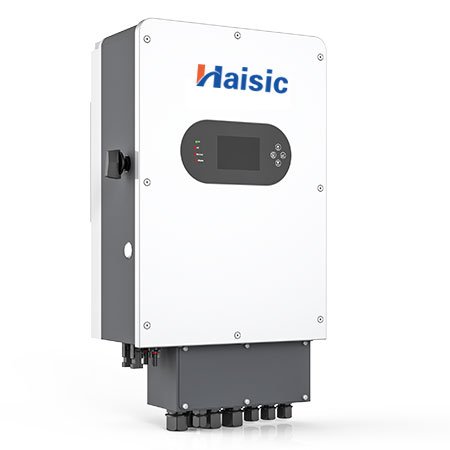
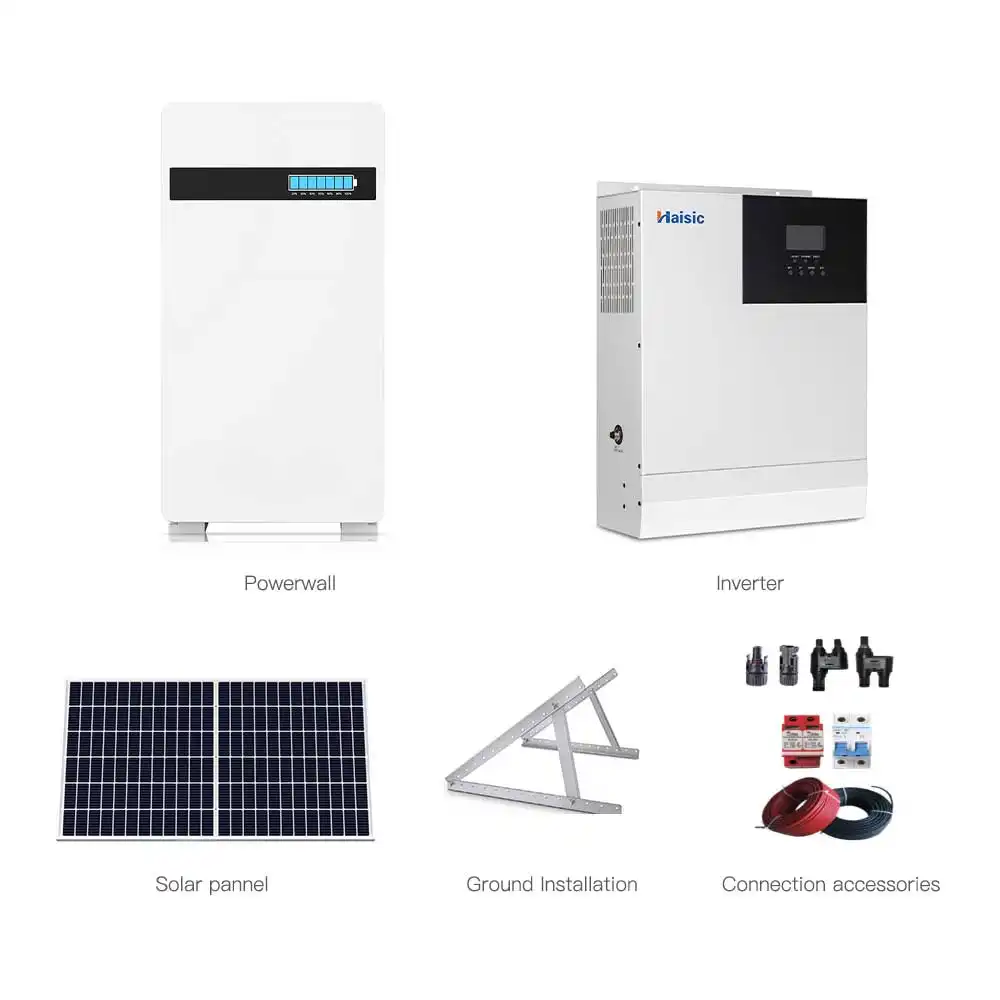
- The Brains: Commercial Solar Hybrid Inverters
Your setup requires commercial solar hybrid inverters equipped with MPPT (Maximum Power Point Tracking) controllers. These act as the central command, maximizing the DC energy harvested from your panels and efficiently converting it. They seamlessly manage the flow of electricity between your facility, the local grid, and your battery banks. - The Muscle: LiFePO4 Commercial Battery Storage
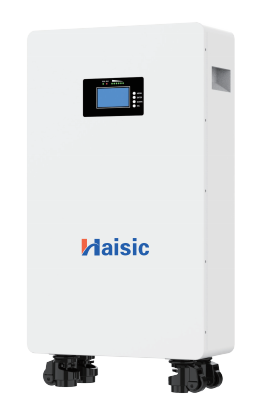
For industrial solar battery storage, Lithium Iron Phosphate (LiFePO4) is the undisputed industry standard. It delivers unmatched thermal stability, a significantly longer cycle life, and safe, deep discharge capabilities. This is exactly why robust setups, like our high-voltage commercial energy storage system, rely exclusively on a LiFePO4 commercial battery foundation to keep your daily operations running smoothly. - Smart Management: Intelligent BMS
Raw storage capacity means nothing without proper oversight. An intelligent Battery Management System (BMS) provides crucial remote monitoring and automated energy distribution. It actively balances battery cells, prevents overcharging, mitigates temperature fluctuations, and gives you real-time data to optimize your overall power usage.
Addressing the Elephant in the Room: Upfront Costs
When business owners approach us asking about solar power for my business, the initial price tag is always the first topic. Let\’s talk real numbers. As a direct custom energy storage system manufacturer, we know exactly what drives these costs. Your capital requirements cover the solar panels, installation labor, and the heavy-lifting components like commercial energy storage systems. While the upfront investment is substantial, securing direct B2B solar energy solutions keeps the equipment costs heavily grounded.
Commercial Solar Financing Options
You do not have to drain your operating cash to make the switch. There are clear, accessible paths to fund your new system:
- Power Purchase Agreements (PPAs): A third party installs and owns the equipment; you simply buy the generated power at a reduced, locked-in rate.
- Solar Leases: Rent the entire setup for a fixed monthly fee, keeping your overhead incredibly predictable.
- Commercial Loans: Finance the system to own it outright. This is the best route if you want to capture full tax incentives and take advantage of MACRS depreciation.
Total Cost of Ownership (TCO)
Many businesses default to traditional diesel generators because the initial purchase price is lower. This is a trap. When deploying solar energy for a commercial building, the lifespan advantages of solar and battery storage wipe out the competition. Diesel requires constant fuel purchases, creates noise, and demands heavy maintenance. Our commercial systems deliver automated backup power with zero fuel costs.
| Cost Factor | Solar + Battery Storage | Traditional Diesel Generator |
|---|---|---|
| Fuel Expenses | $0 (Runs on sunlight) | High, ongoing, and volatile |
| Maintenance | Minimal (Solid-state, no moving parts) | Frequent (Oil changes, filters, mechanical repairs) |
| System Lifespan | 15 to 25+ Years | 10 to 15 Years |
| 10-Year TCO | Extremely Low | Very High |
Frequently Asked Questions About Commercial Solar
When clients approach us about setting up solar power for my business, the same critical questions always come up. As a manufacturer and supplier of B2B solar energy solutions, here are the straight answers you need to make an informed decision.
How long does a commercial solar and ESS system take to pay for itself?
The business solar ROI typically hits within 3 to 7 years.
- Key Factors: Payback speed depends on your local utility rates, facility energy consumption, and available federal tax incentives.
- The Storage Advantage: Adding commercial energy storage systems often accelerates this payback period. Batteries allow you to avoid expensive peak demand charges, maximizing your daily savings far beyond what solar panels alone can achieve.
Is battery storage strictly necessary for my business solar setup?
Technically, no. Practically, yes. If you are assessing what battery storage do I need for your facility, consider your operational hours.
- Solar panels only generate power while the sun is out.
- Without storage, you remain vulnerable to grid price spikes during early mornings, evenings, or overcast days. Industrial solar battery storage lets you bank excess daytime power and deploy it exactly when utility rates are at their highest.
What happens to my commercial solar system during a grid blackout?
Standard grid-tied solar arrays automatically shut down during a power outage to protect utility workers fixing the lines.
- The Fix: When you integrate a reliable lithium solar battery into your infrastructure, your system safely isolates itself from the grid and runs entirely on your stored power.
- The Result: This provides genuine business continuity energy solutions. It serves as a seamless solar backup power for business, keeping your servers online, inventory protected, and production lines moving without suffering through costly downtime.