











What Does a CE Mark Actually Mean for Battery Energy Storage Systems (BESS)?
Are you worried about your high-voltage lithium battery export getting seized at European customs? As a dedicated CE marked Energy Storage System manufacturer, I see procurement teams struggle with regulatory bottlenecks constantly. The CE mark on a BESS is not just a decorative sticker—it is your mandatory legal passport into the European market. It proves that the equipment strictly complies with EU health, safety, and environmental protection directives.
When you evaluate a commercial energy storage system supplier, their CE certification must explicitly cover four distinct regulatory pillars.
- Low Voltage Directive (LVD – 2014/35/EU): This dictates baseline electrical safety. It guarantees that the system actively protects operators and facilities from electric shock, fire hazards, and thermal incidents during high-voltage operations.
- Electromagnetic Compatibility (EMC – 2014/30/EU): Heavy-duty power systems cannot disrupt the local grid. The EMC directive ensures your equipment does not emit electromagnetic interference that degrades local communication networks, while also remaining immune to external electrical noise.
- RoHS Directive: This strictly restricts the use of hazardous manufacturing substances like lead, mercury, and cadmium inside the components. Clean internal components equate to a clean legal record.
- The New EU Battery Regulation: We are already engineering for the future. True EU Battery Regulation compliance now demands verifiable digital battery passports, transparent carbon footprint calculations, and strict end-of-life sustainability tracking.
Meeting these BESS European compliance standards is completely non-negotiable. If your current vendor cuts corners on LVD and EMC directives for batteries, your company assumes all the liability.
Why Procurement Officers Must Demand Strict CE Compliance
As a trusted CE marked Energy Storage System manufacturer, we see exactly what happens when procurement teams try to bypass strict European regulations. Cutting corners on compliance does not save money; it creates massive operational bottlenecks and legal headaches. Here is why demanding full certification is non-negotiable for your supply chain:
Avoiding Customs Nightmares
Trying to import uncertified batteries into the EU is a gamble you will lose. Customs authorities actively seize shipments lacking proper documentation. Working with a verified CE marked Energy Storage System supplier ensures your products clear borders smoothly, preventing expensive delays, port storage fees, or completely confiscated goods.
Securing Project Financing
Banks and institutional investors do not fund unverified technology. To secure capital, you need bulletproof CE and IEC paperwork. Whether you are backing a large commercial array or calculating the cost of backup battery for a residential solar system, financiers require strict adherence to BESS European compliance standards before they will approve the release of any funds.
Insurance and Liability Risks
Installing non-certified high-voltage lithium batteries is a massive financial and legal hazard.
- Nullified Claims: Insurance companies will instantly deny payouts if uncertified equipment causes fire or property damage.
- Legal Exposure: The liability falls entirely on the installer and distributor if a non-compliant system fails in the field.
- Safety Guarantees: Demanding comprehensive system-level safety certifications BESS protects your bottom line and keeps end-users safe.
The Trap to Avoid: Component vs. System-Level Certification
One of the biggest mistakes buyers make is confusing component certification with full system certification. You might see a CE mark on a single battery pack and assume the entire setup is good to go. That is a dangerous assumption.
Battery Pack vs. Entire System Compliance
There is a massive difference between certifying a single component and certifying a complete, operational unit.
- Component-Level Certification: This means only the individual battery module has passed testing. The inverter, the Battery Management System (BMS), and the internal wiring might completely fail to meet BESS European compliance standards.
- System-Level Certification: The entire integrated unit has been tested as one cohesive product, proving that all parts interact safely.
As a dedicated CE marked Energy Storage System manufacturer, we do not just test isolated parts; we test exactly how they work together under extreme stress. When sourcing equipment and evaluating battery storage manufacturers, you must demand proof of full-system compliance.
Preventing Field Failures and Fire Hazards
Why are system-level safety certifications for BESS so critical? Because mismatched or poorly integrated components are the leading cause of catastrophic failures.
- Fire Risks: A certified battery pack paired with an uncertified or poorly programmed BMS can easily overcharge, leading directly to thermal runaway and severe fire hazards.
- Costly Field Failures: Electrical mismatches between non-certified components cause premature system shutdowns, creating massive headaches for any grid-scale battery storage distributor.
- Installation Liability: If an improperly certified system causes property damage after a BESS installation, the legal and financial fallout falls directly on the project owner and installer.
A true CE marked Energy Storage System supplier ensures that every wire, software protocol, and lithium cell communicates safely as a unified system. Component-level paperwork is simply not enough to guarantee safety in the field.
How to Verify Your CE Marked Energy Storage System Manufacturer
When sourcing a commercial energy storage system supplier, you need to look past the marketing. Any factory can put a CE sticker on a box, but validating those claims is what keeps your projects safe and profitable. Here is exactly how we recommend vetting your BESS partner:
Self-Declaration vs. Third-Party Testing
Under EU regulations, some components allow for a simple manufacturer self-declaration. However, for complex, high-voltage equipment, you cannot afford to just take a supplier\’s word for it.
- Demand Independent Reports: Always ask for authentic test documents from a recognized third-party testing laboratory BESS authority, such as TÜV or SGS.
- Verify System Matches: Ensure the testing certificates match the exact model and system configuration you are actually purchasing, not just a prototype.
The Importance of Factory Audits
A reliable CE marked Energy Storage System factory runs on strict, verifiable management protocols. Look for documented, up-to-date factory audits to prove their operational maturity:
- ISO9001: Guarantees consistent quality control and management.
- ISO14001: Ensures environmental management compliance.
- ISO45001: Protects occupational health and safety on the production floor.
Evaluating Supply Chain Transparency
A true CE marked Energy Storage System manufacturer controls its entire supply chain and is open about it. You must evaluate their transparency from the ground up. This includes inspecting their custom PCB layouts, auditing their in-house BMS software development, and verifying direct cell sourcing.
Whether you are distributing grid-scale units or installing a reliable house battery backup system for residential clients, knowing exactly where the core components originate is non-negotiable for meeting strict BESS European compliance standards.
Haisic: Your Trusted CE Marked Energy Storage System Manufacturer
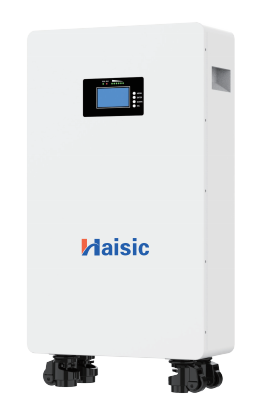
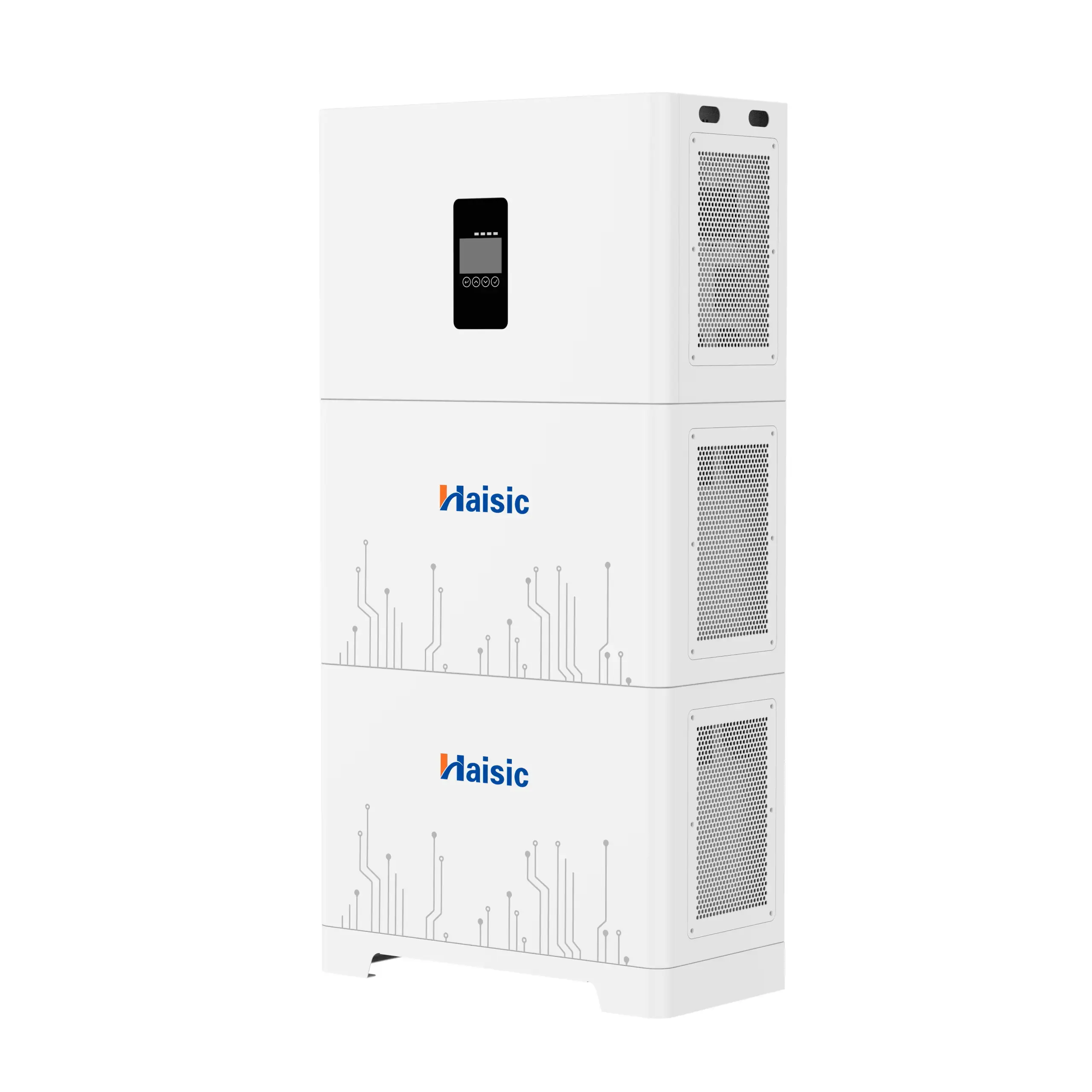
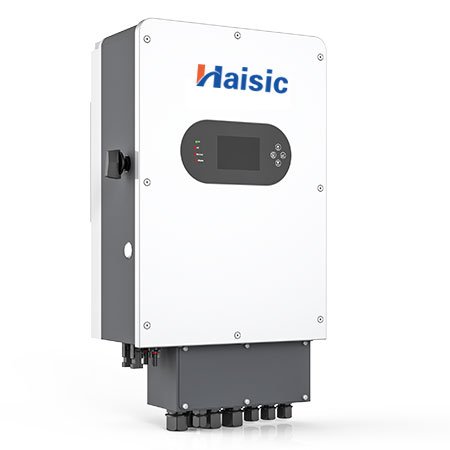
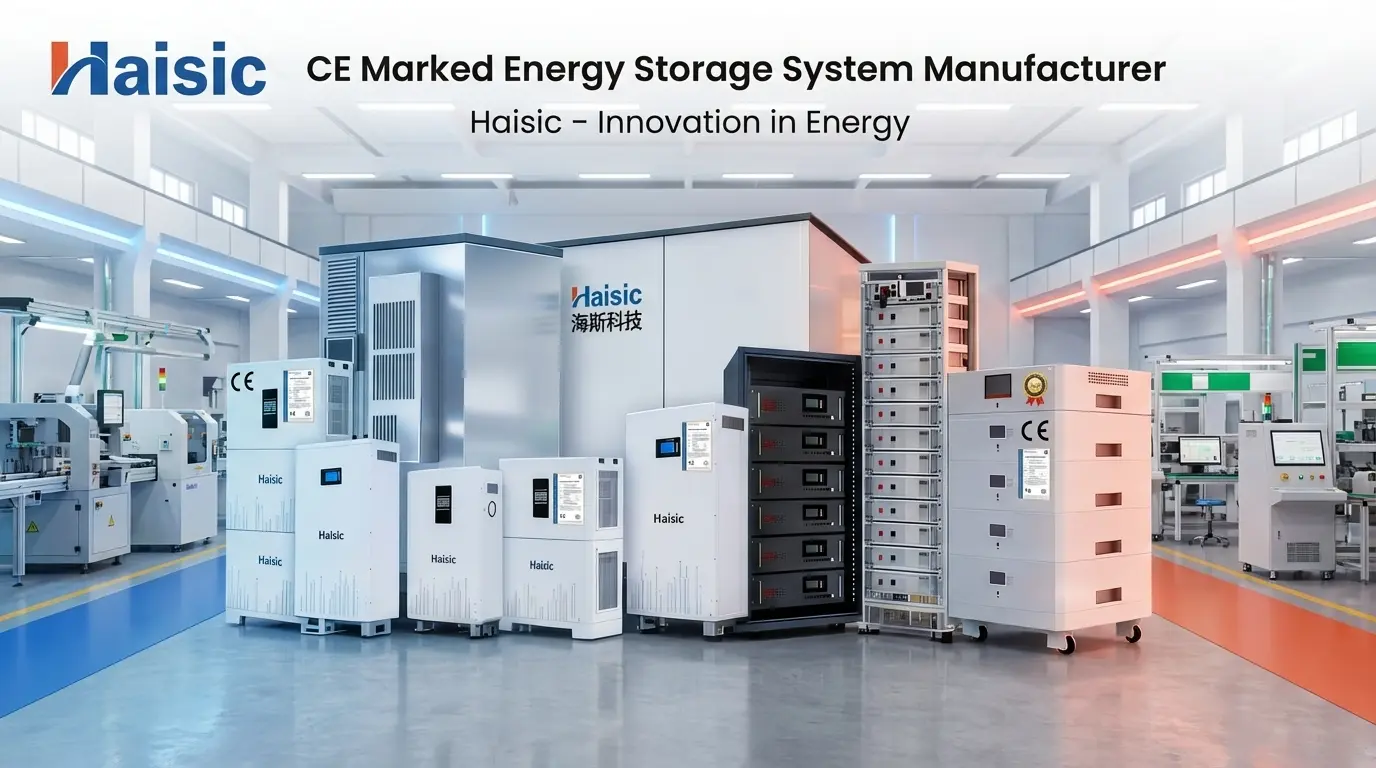
When you need a reliable CE marked Energy Storage System manufacturer, we deliver. At Haisic, we combine proven engineering with strict system-level safety certifications to meet the exact demands of the global market.
What Sets Our Production Apart
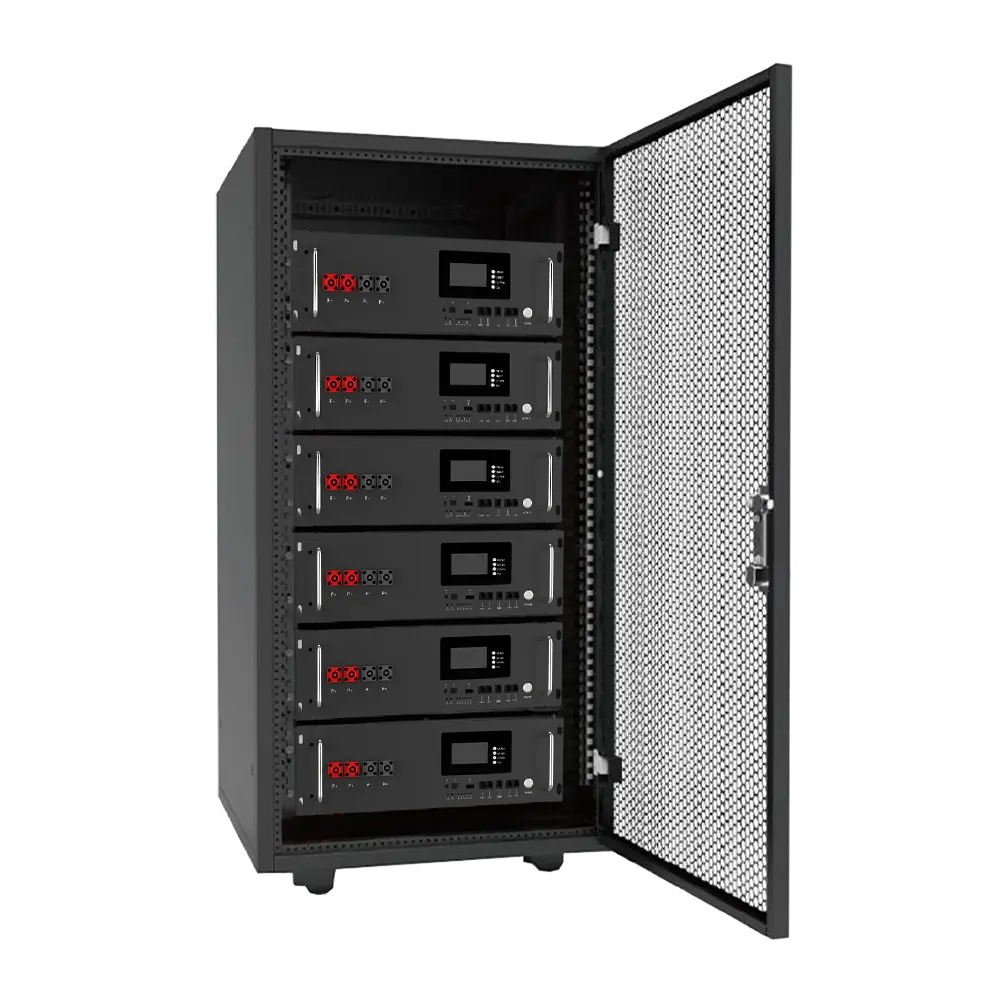
- Massive Production Scale: We operate from an 11,000m² manufacturing base in Shenzhen. This extensive capacity supports our global export footprint and allows us to serve as a high-volume containerized energy storage factory.
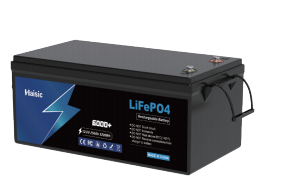
- Uncompromising Safety & Quality: Our systems are built to last, delivering 6,000+ charge cycles. We strictly adhere to BESS European compliance standards to ensure every unit is safe and reliable.
- R&D Excellence: We bring over 15 years of hands-on engineering and advanced circuit simulation experience to every project.
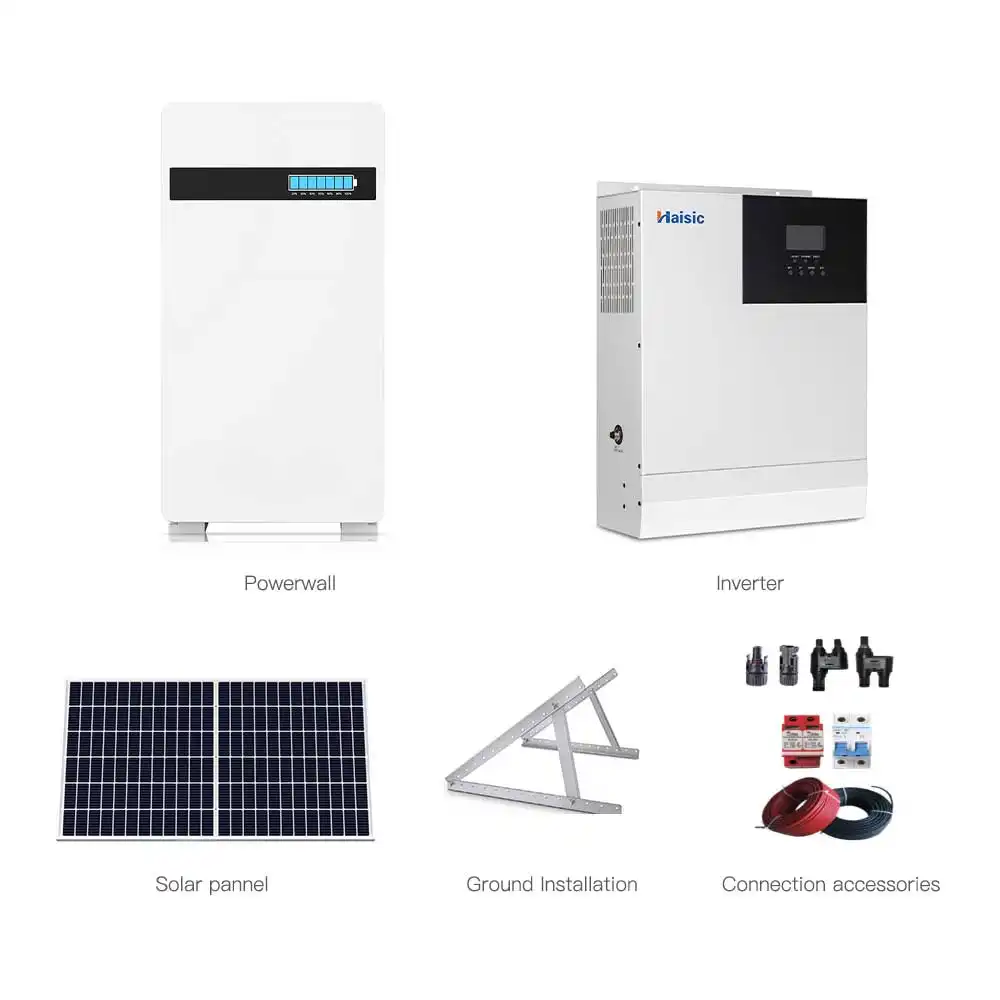
- Tailored Solutions: We design flexible setups for any environment. Whether you need an integrated solar system with storage for residential homes or high-capacity setups from a commercial energy storage system supplier, we have you covered.
- Complete Customization: We provide comprehensive energy storage system ODM services. As a dedicated private label energy storage system manufacturer, we handle custom builds, scaling seamlessly for distributors and wholesale vendors.
Partnering with an experienced LiFePO4 battery OEM manufacturer ensures your supply chain is stable, compliant, and built for long-term growth.
Navigating the Future: Are You Ready for 2026 EU Battery Standards?
The regulatory landscape in Europe is shifting rapidly. As a forward-thinking CE marked Energy Storage System manufacturer, we do not just meet today\’s standards—we engineer for tomorrow. The upcoming 2026 EU Battery Regulations will radically change how storage systems are tracked, utilized, and disposed of. If you are investing in a long-term home solar battery backup or scaling up commercial grid projects, your equipment must be entirely future-proof.
Adapting to Upcoming Digital Battery Passport Requirements
Starting soon, industrial and grid-scale batteries entering the European market will require a digital battery passport. This is not just extra paperwork; it is a secure, digital twin of your physical system.
- Complete Traceability: We track the origin of every cell, from raw material sourcing to final assembly.
- Instant Data Access: Operators and regulators will be able to access capacity, performance history, and safety data through a simple scan.
- EU Battery Regulation Compliance: We are already upgrading our BMS software and manufacturing processes to embed these digital tracking capabilities smoothly.
Preparing for New Sustainable Recycling Standards
The EU is aggressively cracking down on battery waste. Soon, future BESS European compliance standards will demand strict proof of material recovery and lifecycle sustainability.
- Design for Disassembly: We build our energy storage units modularly, ensuring they can be easily and safely dismantled at the end of their lifespan.
- Clean Chemistry: By focusing on stable LiFePO4 technology, we avoid highly toxic heavy metals, significantly reducing end-of-life processing costs and environmental impact.
Quick Look: How We Prepare for 2026
| 2026 EU Standard Focus | Market Impact | Our Action as a CE Marked Energy Storage System Supplier |
|---|---|---|
| Digital Battery Passport | Mandatory digital lifecycle tracking | Implementing scannable, secure data profiles on all new systems |
| Sustainable Recycling | Mandated material recovery rates | Engineering modular battery packs for efficient end-of-life recycling |
| Carbon Footprint | Required proof of manufacturing emissions | Optimizing factory energy use and supply chain logistics |
Staying ahead of these strict European standards guarantees your installations will not face sudden compliance hurdles, customs rejections, or fines down the road. We handle the regulatory heavy lifting so your supply chain remains uninterrupted.