










What is Residential Solar Energy and How Does It Work?
Are you tired of unpredictable electricity bills and frustrating power outages? I hear this concern from homeowners every single day.
A residential photovoltaic system solves this by transforming sunlight into usable electricity for your house. Ultimately, residential solar energy is about achieving true energy independence for homes while locking in your long-term power costs.
The Core Components: PV Panels
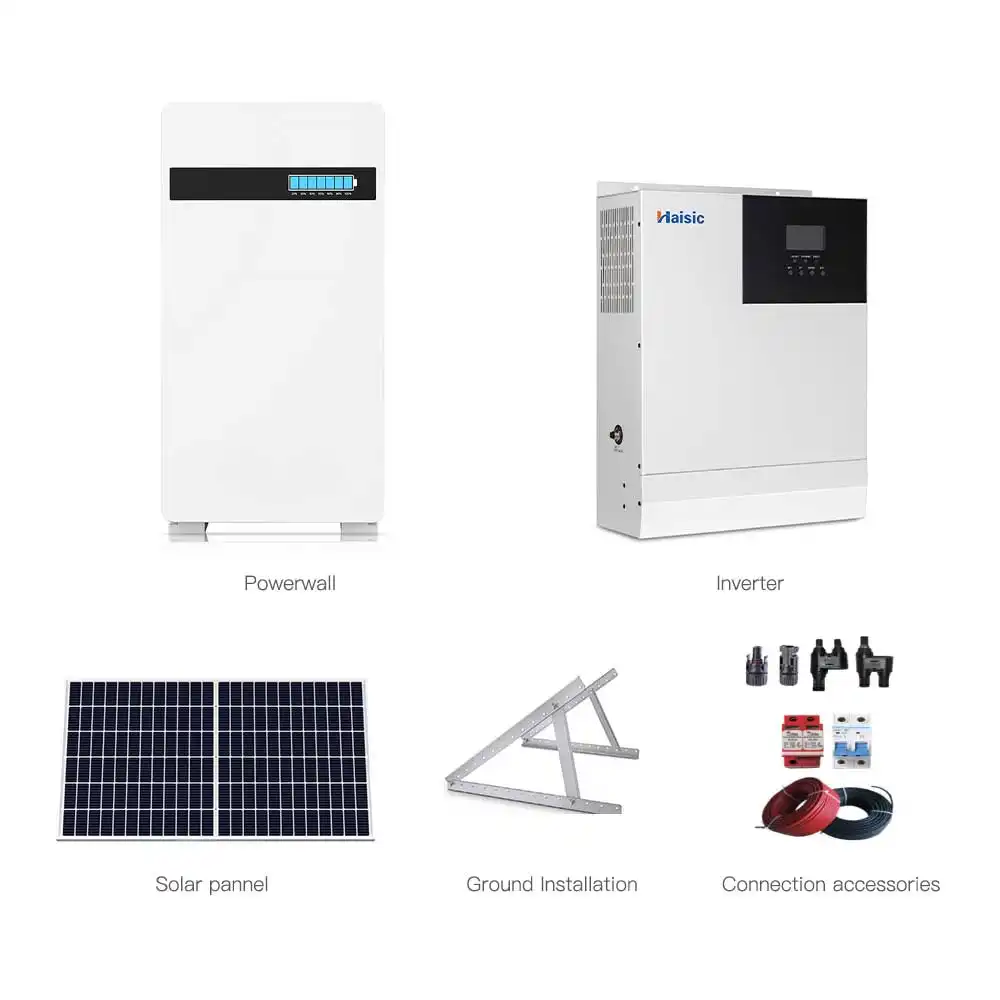
The process begins right on your roof. Photovoltaic (PV) panels act as the primary energy gatherers for your system. They absorb raw sunlight and instantly convert it into direct current (DC) electricity.
The Core Components: Hybrid Solar Inverters
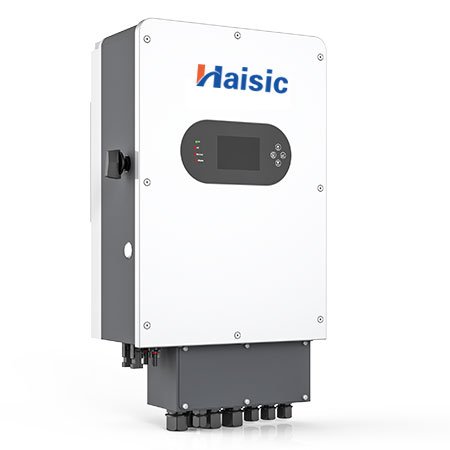
Your home appliances cannot run on DC electricity. This is exactly where hybrid solar inverters come into play. They convert that raw DC power into safe, usable alternating current (AC) power.
When I consult on system designs, I always specify inverters equipped with two critical technologies:
- Pure Sine Wave: Delivers smooth, grid-quality power to protect your sensitive smart appliances from damage.
- MPPT Solar Controller: Maximum Power Point Tracking constantly adjusts to pull the absolute maximum energy from your panels, even when clouds roll in.
On-Grid vs. Off-Grid Systems
How you manage the power you generate dictates your entire solar experience. Here is a quick breakdown of your connection options:
| System Type | How It Works | The Pros | The Cons |
|---|---|---|---|
| On-Grid Solar Connection | Tied directly to your public utility grid. | Lower initial cost; ability to sell excess power. | If the grid fails, your home loses power too. |
| Off-Grid Solar Kits | 100% disconnected from the public utility. | Complete and total energy independence. | Requires a massive upfront investment in batteries. |
The Shift to Hybrid Setups
Why settle for the limitations of strictly on-grid or off-grid setups? Today, savvy homeowners are shifting rapidly toward hybrid systems backed by energy storage.
A hybrid setup keeps you connected to the grid for stability but utilizes a battery to store your excess solar power. When the grid drops, your house stays powered.
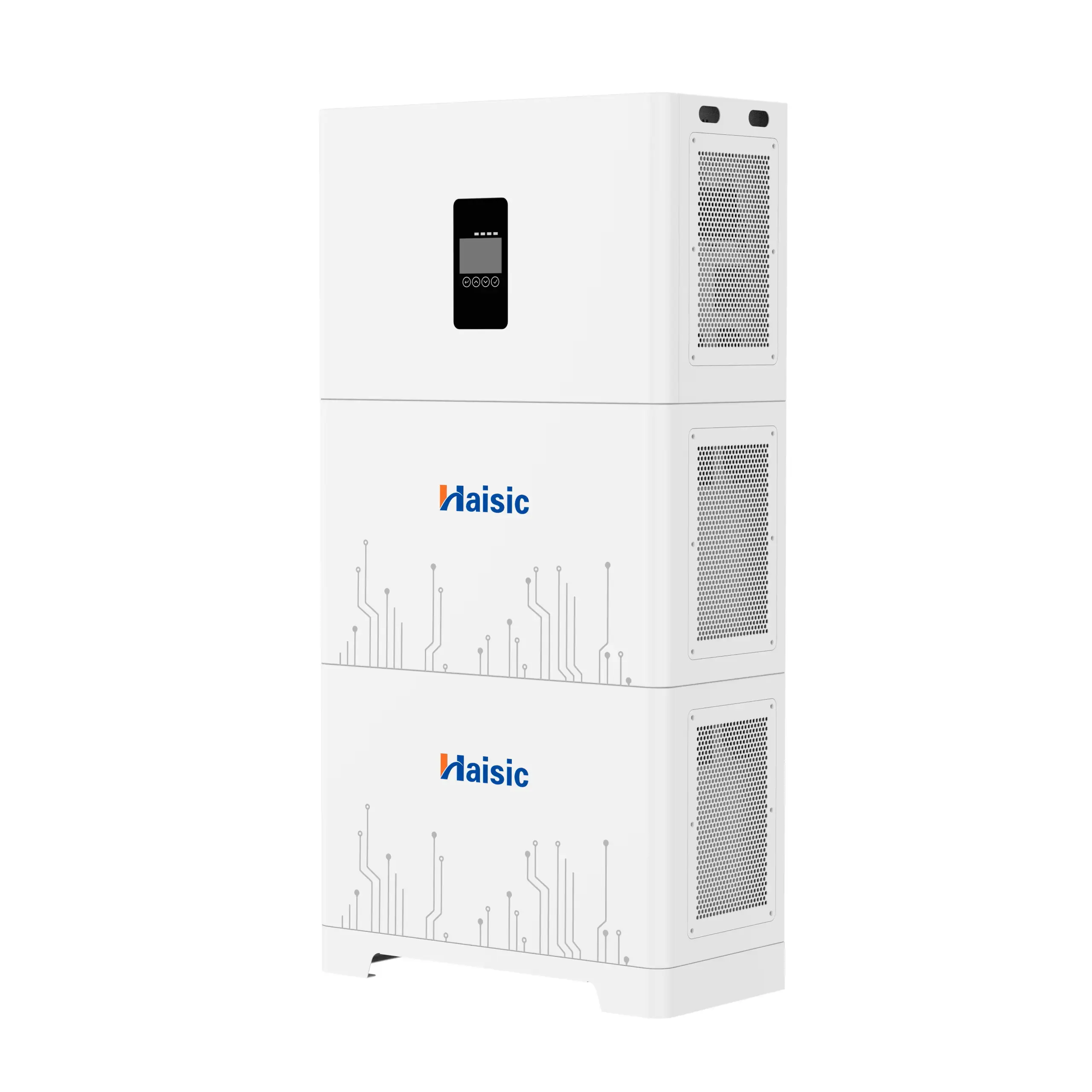
In my experience, the equipment you choose makes or breaks this setup. That is why I champion Haisic, a tier-one technology manufacturer focused on unmatched reliability and global safety certifications. By avoiding cheap, uncertified components and choosing Haisic\’s advanced hybrid architecture, you guarantee a significantly lower total cost of ownership and true peace of mind.
Is Residential Solar Energy Worth It? (ROI & Consumption)
When homeowners ask me about residential solar energy (or energia solar residencial as it\’s known in many markets), the first question isn\’t usually about technology—it\’s about money. Is this investment actually going to pay off? The short answer is yes, but the timeline depends heavily on your consumption habits and the initial setup cost.
Average Costs and Payback Period
The upfront cost of a residential photovoltaic system can seem steep, but it needs to be viewed as pre-paying for decades of electricity. For a standard 3-bedroom home, initial investments vary, but prices have dropped significantly over the last decade.
Most systems pay for themselves relatively quickly. We typically see a payback period of 3 to 7 years. After that break-even point, the energy your panels produce is essentially free profit. If you factor in rising utility rates, that payback period often shrinks even further.
Calculating ROI: How to Determine Your Payback
Calculating your solar panel ROI isn\’t rocket science. You simply take the total cost of the installation and divide it by your annual electricity savings.
- Total System Cost: (Equipment + Installation) – (Tax Credits/Rebates)
- Annual Savings: (Monthly Bill Average x 12)
- Payback Years: Total System Cost / Annual Savings
For a more accurate picture, you should also consider the cost of batteries. While they add to the initial price, they maximize your ROI by storing excess power for night use rather than sending it back to the grid for pennies. You can check out how much a battery for solar panel cost impacts your overall budget to see if storage makes sense for your financial goals.
Minimum Consumption Rules
Is solar worth it if your bill is low? Not always. There is a \”sweet spot\” for consumption where the math makes the most sense.
- Under 200 kWh/month: Usually not worth the full investment unless you are aiming for total energy independence or off-grid living. The fixed utility fees might eat up your savings.
- 300 – 500 kWh/month: This is the standard range where ROI becomes very attractive. You are consuming enough to justify a standard 3kW to 5kW system.
- Over 500 kWh/month: You are the ideal candidate. High consumption means maximum savings every single month, leading to the fastest payback period.
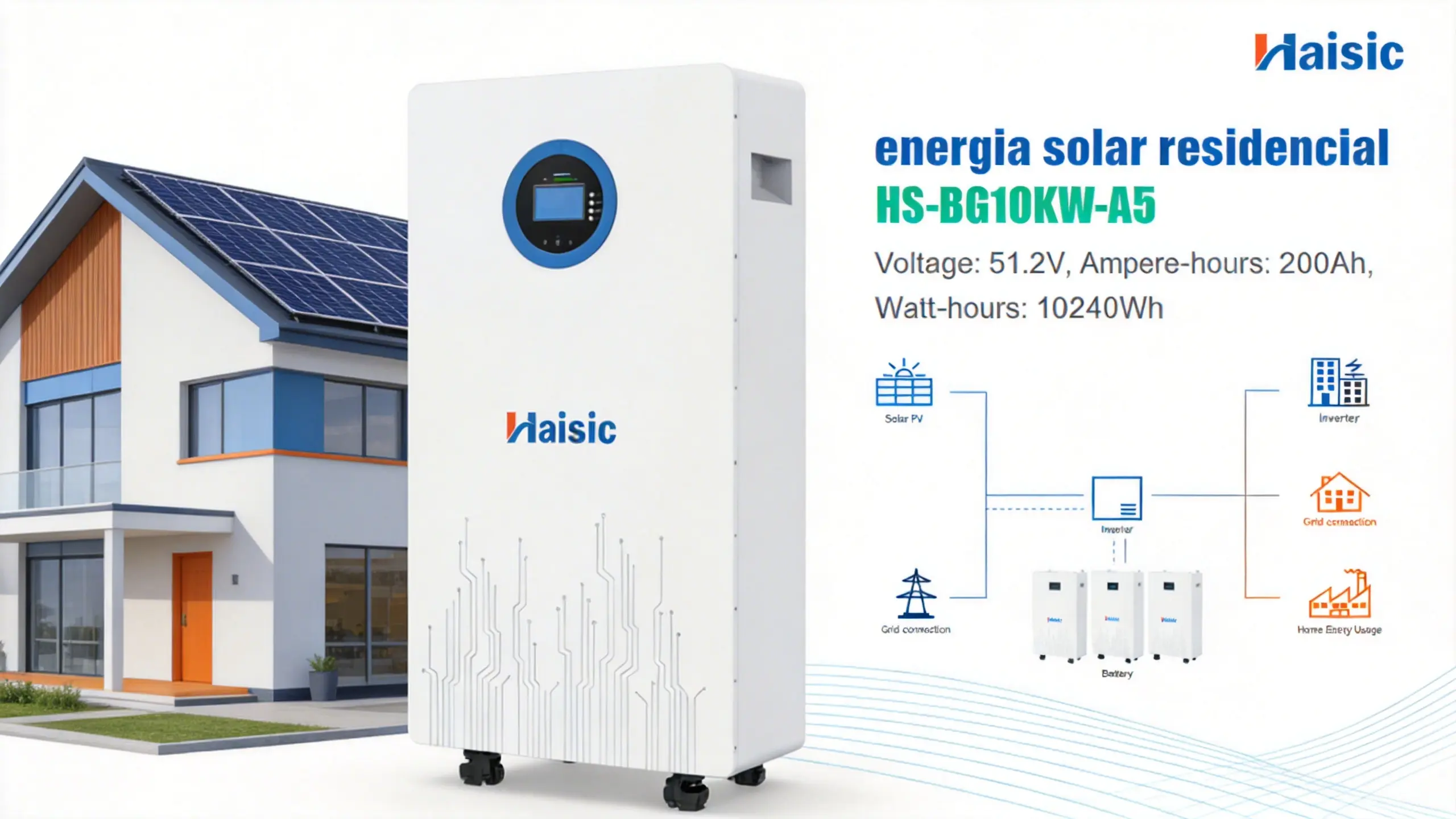
If you are in that higher bracket, looking into a 10kW storage battery setup can help you manage that heavy load without relying on the grid during peak pricing hours.
The Missing Link in Energia Solar Residencial
When we design an energia solar residencial system, we often see a common misconception: people assume solar panels automatically guarantee power during blackouts. The truth is, a standard on-grid solar connection shuts off the moment the public grid goes down. This necessary safety feature protects utility workers repairing the lines, but it leaves your home completely in the dark.
The Solution: LiFePO4 Home Backup
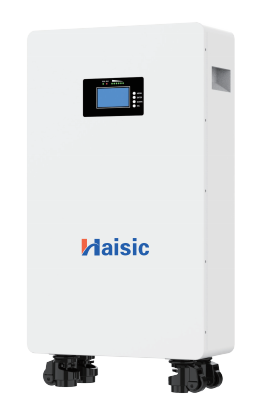
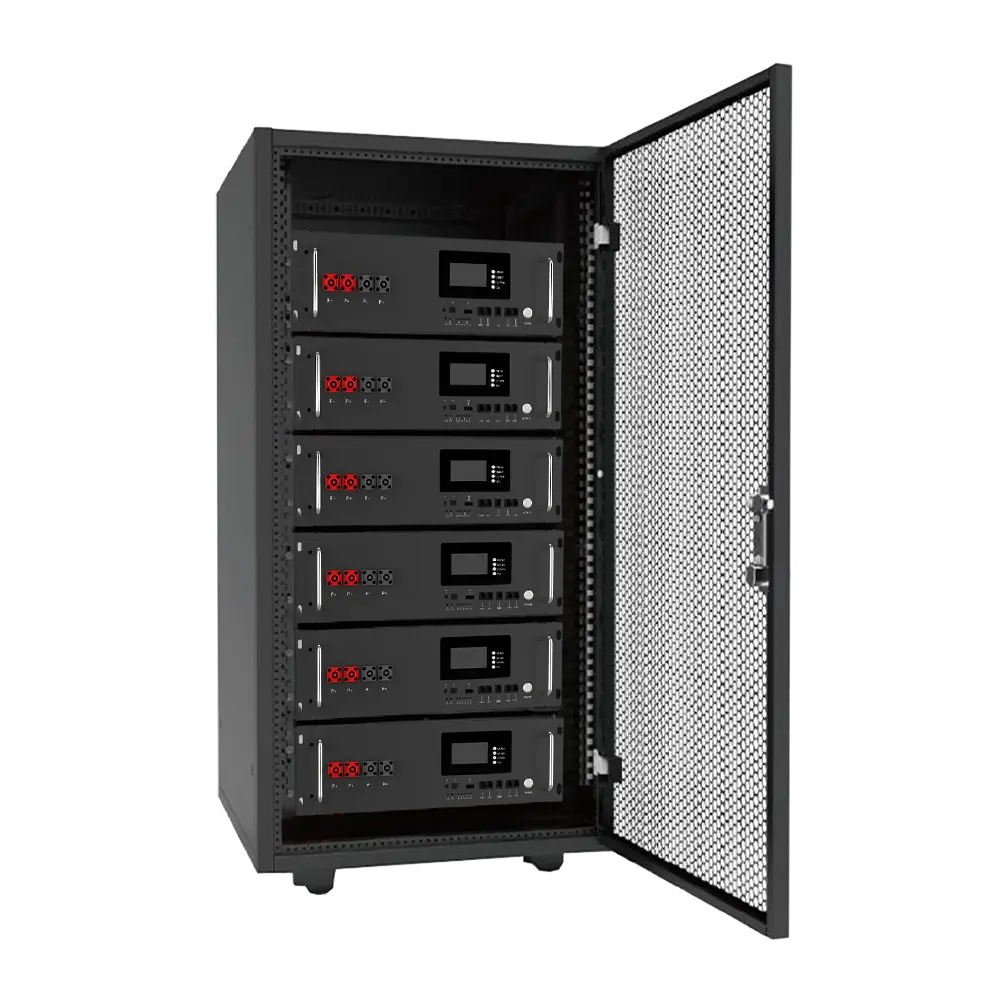
To truly secure your home and gain independence, you need a residential ESS (Energy Storage System). We highly recommend upgrading your setup with a high-capacity LiFePO4 home energy storage system. By connecting your photovoltaic panels to modern lithium iron phosphate batteries, you create a safe, durable, and incredibly reliable backup power supply that operates independently of utility grid failures.
Core Benefits of Adding Battery Storage
| Advantage | What It Does For Your Home |
|---|---|
| Continuous Comfort | Instantly supplies power during outages, keeping your lights, fridge, and Wi-Fi running without interruption. |
| Peak Shaving Energy Savings | Stores the free solar energy you generate during the day so you can use it during expensive evening peak hours, drastically reducing your bills. |
| 24/7 Eco-Friendly Power | Maximizes your energia solar residencial investment by running your home entirely on clean energy, day and night. |
Adding a smart home solar battery storage unit bridges the gap between simply generating daytime power and achieving true, around-the-clock energy independence.
Choosing the Best Equipment for Energia Solar Residencial
I always advise homeowners that setting up an energia solar residencial system is a long-term investment. Cutting corners with cheap, uncertified parts inevitably brings hidden costs—ranging from frequent equipment failure to serious safety hazards. To ensure a reliable backup power supply, prioritize durable, high-quality components over low upfront prices.
Key Features of a Premium Residential ESS
When selecting your home solar battery storage, focus on core technologies that guarantee longevity and daily performance.
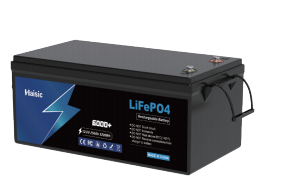
- Smart Battery Management System (BMS): The brain of your system. Incorporating a reliable 12.8V 280Ah BMS battery storage system protects your cells from overcharging, deep depletion, and overheating.
- High Cycle Life: Don\’t settle for less. Look for batteries engineered for over 6,000 cycles, ensuring your system provides consistent power for decades.
- Scalability: Your energy demands might change. Invest in a modular battery energy storage solution that allows you to easily stack or add capacity down the road.
Essential Safety Certifications
Never compromise on safety when installing an energy storage system in your home. Valid certifications prove the hardware has passed rigorous global testing.
| Certification | What It Means for Your System |
|---|---|
| ISO | Confirms the manufacturer follows strict, consistent quality control standards. |
| CE | Proves compliance with European health, safety, and environmental protection guidelines. |
| FCC | Ensures the electrical components will not cause harmful electromagnetic interference. |
| UN38.3 | Certifies that the lithium batteries are highly stable and safe for transport and home installation. |
FAQs About Energia Solar Residencial
Does solar energy work on cloudy days or at night?
This is the most common concern we hear. While photovoltaic panels can still generate power on cloudy days—albeit at reduced efficiency—they produce zero energy at night. In a standard setup without storage, you are forced to buy electricity from the grid the moment the sun sets.
To achieve true 24/7 power, you must integrate a battery system. By adding storage, your energia solar residencial system captures excess energy generated during peak sunlight hours. Instead of sending that power back to the grid for pennies, you store it. This allows your home to run on free, clean solar power all night long, ensuring your lights and appliances stay running regardless of the weather or time of day.
What is the lifespan of a residential solar system?
Durability depends heavily on the battery chemistry you choose. Older lead-acid batteries often required replacement every 3 to 5 years, which frustrated many homeowners. We have moved the industry forward by utilizing LiFePO4 (Lithium Iron Phosphate) chemistry.
Our systems are engineered for longevity, delivering over 6,000 charge cycles at 80% Depth of Discharge (DOD). For a typical household, this translates to over a decade of reliable daily use. Whether you are installing a compact wall unit or one of our high-voltage LiFePO4 battery packs, you are investing in infrastructure built to last, not a consumable item that needs constant replacing.
How difficult is the maintenance?
Modern energy storage systems are designed to be virtually maintenance-free. Unlike gas generators that require fuel, oil changes, and noisy testing, our battery units are \”install and forget.\”
- Smart Management: Our built-in Smart BMS (Battery Management System) automatically balances cells and prevents overcharging or overheating.
- Remote Monitoring: With our hybrid inverters, you can track your system\’s health via WiFi or GPRS apps, giving you real-time data without ever opening a toolbox.
- Safety Standards: Certified to ISO and CE standards, the equipment is rigorous and stable.
If you are ready to size a system for your specific consumption needs, you can request a custom quote from our engineering team to ensure you get the exact capacity required for your home.