










How a Solar Power System Works (The 30-Second Overview)
Before we dive into the specific hardware we manufacture at Haisic, let\’s strip away the complexity and look at the basic mechanics. Whether you are installing a massive commercial containerized system or a compact residential backup, the fundamental physics remain the same. Understanding this flow is the first step in selecting the right component of solar power system for your project.
The Electricity Journey: From Sunlight to Usable Home Power
The process is surprisingly straightforward, yet it relies on precise engineering. It starts the moment sunlight hits your photovoltaic modules. Here is the rapid-fire breakdown of the journey:
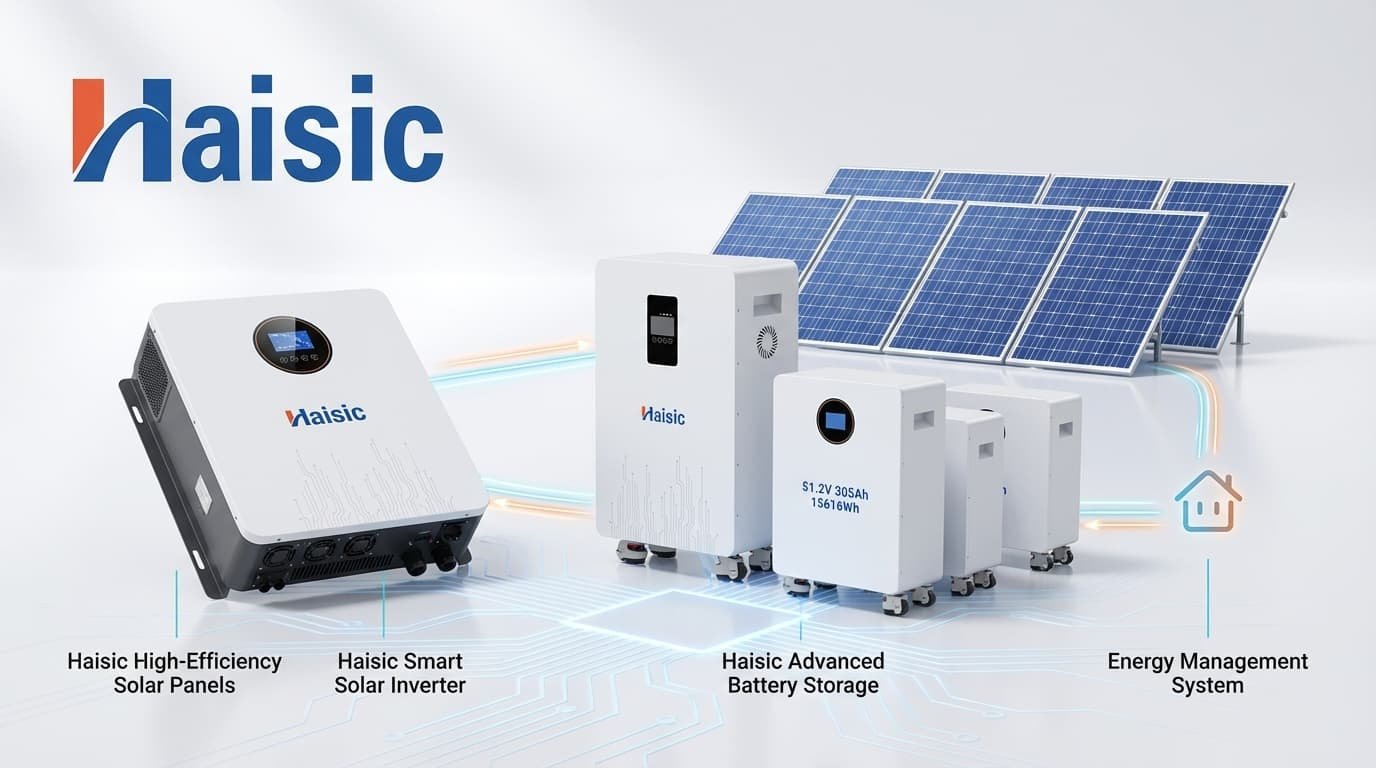
- Capture: Solar panels absorb sunlight and instantly convert that solar irradiance into electrical energy.
- Conversion: This raw energy travels to the inverter—often called the \”brain\” of the system—where it is transformed into a format your appliances can actually use.
- Distribution & Storage: The power is then either sent directly to your breaker box to run your lights and AC, exported to the grid, or diverted into an Energy Storage System (ESS) like our LiFePO4 battery packs for later use.
Understanding Direct Current (DC) vs. Alternating Current (AC)
This is where many first-time buyers get confused, but it is critical for sizing your system correctly.
- Direct Current (DC): This is what your solar panels generate and what your batteries store. Think of it as a one-way street; the electrons flow in a single direction. It is efficient for storage but not for powering your fridge or TV.
- Alternating Current (AC): This is the standard electricity that flows out of your wall outlets. It oscillates back and forth.
The magic happens in the solar inverter. Its sole job is to take that raw DC power from the panels (or the battery bank) and invert it into the clean, stable AC power that your home or business infrastructure requires. Without high-quality conversion, the energy captured on your roof is essentially useless for daily operations.
The 4 Core Components of a Solar Power System
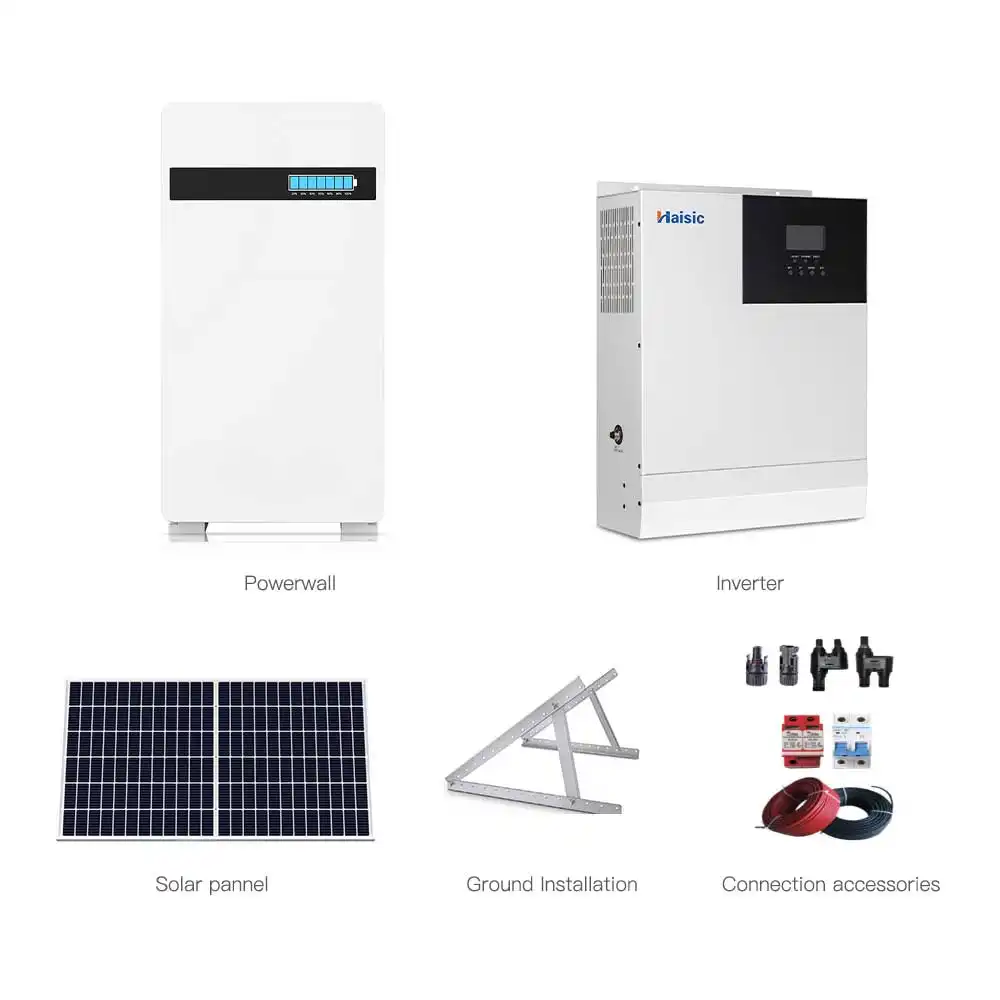
When building your setup, knowing every essential component of solar power system design ensures you get the most out of your investment. Here are the four foundational pillars that make the entire process work.
Solar Panels (Photovoltaic Modules)
These are the face of your setup. Photovoltaic modules sit on your roof or property and absorb sunlight, converting it directly into Direct Current (DC) electricity. Without these, there is simply no power to harvest.
Solar Inverters: The Brain of the System
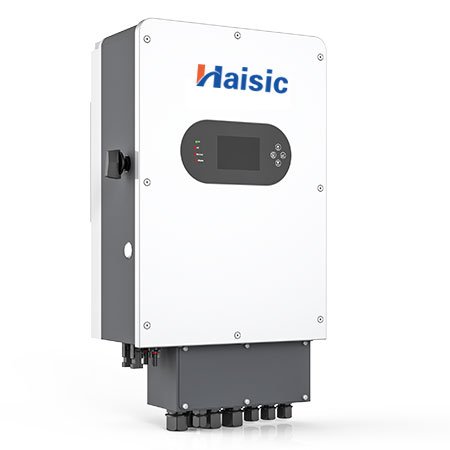
Your home appliances run on Alternating Current (AC). The inverter takes the raw DC power from your panels and flips it into usable AC. Depending on your specific layout and grid connection, we typically utilize string inverters, microinverters, or a versatile solar hybrid inverter to manage the flow of your electricity seamlessly.
Energy Storage Systems (ESS)
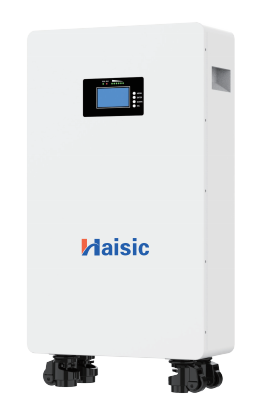
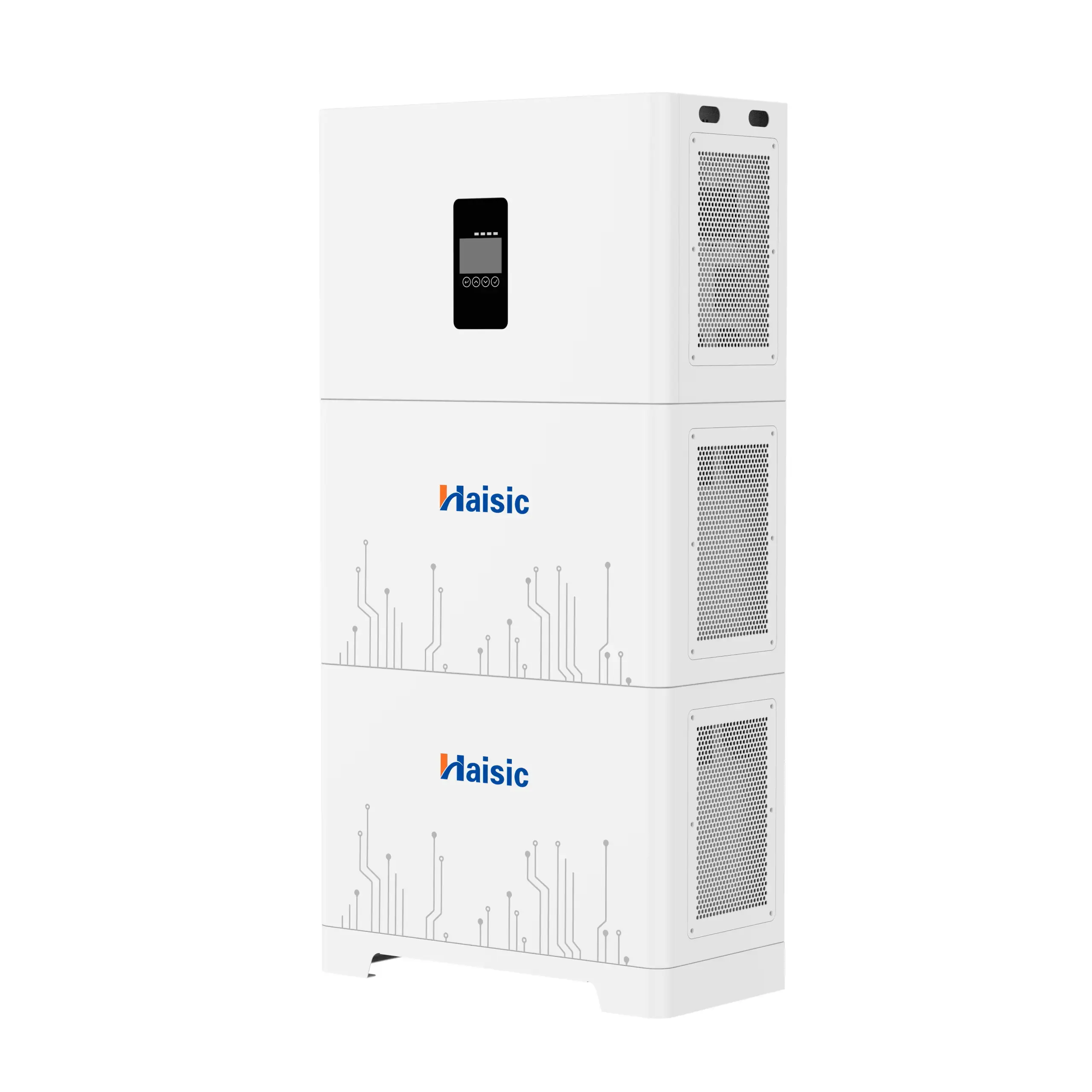
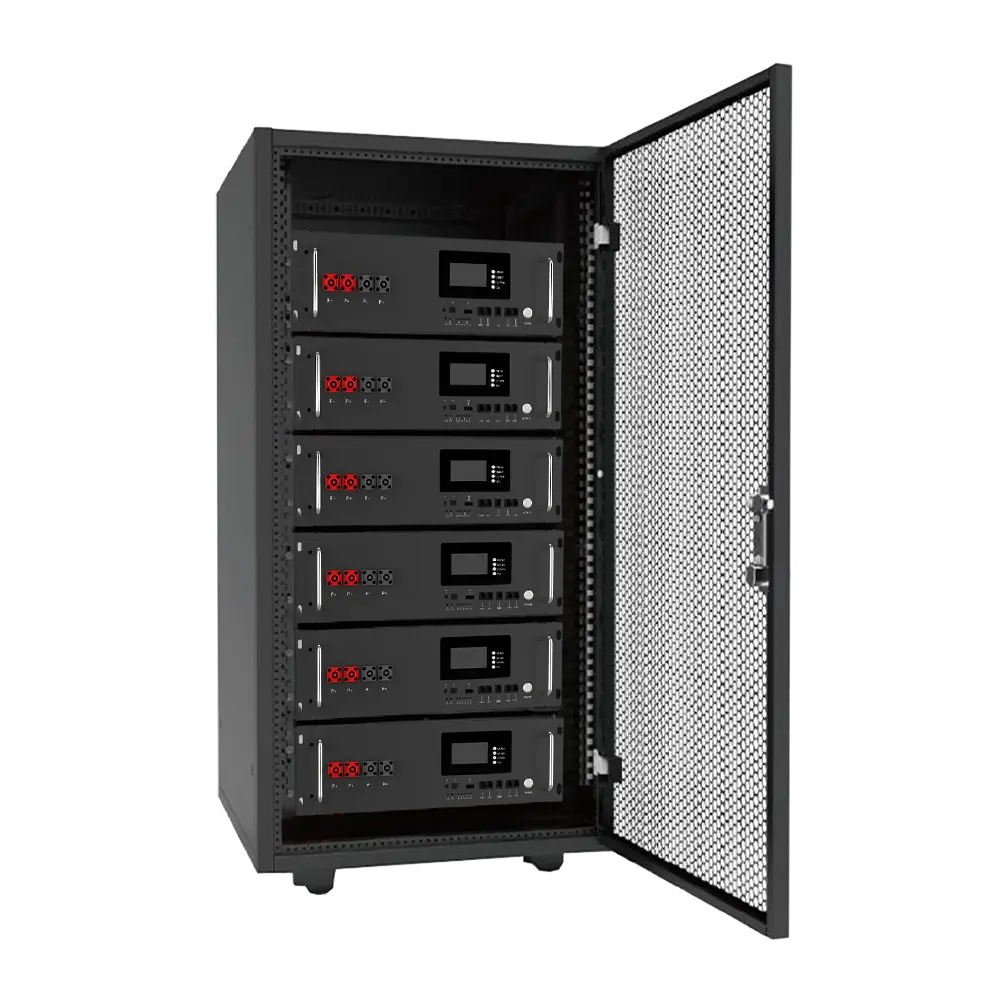
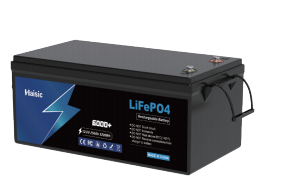
Sunlight isn\’t available 24/7. That is exactly where an Energy Storage System (ESS) steps in to store your excess daytime energy for night use. We highly recommend using a heavy-duty LiFePO4 battery pack equipped with a smart Battery Management System (BMS) for maximum safety and longevity. If you want to achieve true energy independence, understanding how to properly build a home battery backup system is a massive game-changer for reducing utility costs.
Solar Charge Controllers
To protect your deep cycle solar battery from damage and overcharging, you absolutely need a charge controller. It regulates the voltage and current coming from the solar panels to the battery bank. An MPPT charge controller is our standard recommendation because it aggressively tracks and maximizes your overall solar power conversion efficiency, ensuring no harvested energy goes to waste.
Crucial Supporting Components You Can\’t Ignore
When evaluating each component of a solar power system, it is easy to focus entirely on the flashy parts like panels and batteries. However, the supporting hardware is what actually keeps your setup safe, secure, and running efficiently over the decades.
Mounting and Racking Structures
Think of this as your system\’s foundation. A reliable solar mounting structure securely anchors your photovoltaic modules to your roof or the ground.
- Weather-Resistant Durability: We use heavy-duty hardware built to withstand high winds, heavy snow loads, and harsh, continuous UV exposure.
- Optimal Angles: Proper racking ensures your panels are tilted perfectly to capture maximum sunlight year-round, boosting overall efficiency.
Wiring, Cabling, and Disconnects
Your solar installation equipment is only as reliable as the wiring that connects it all together. These are the unsung heroes of electricity transport.
- Safe Power Transport: Thick, specialized, UV-rated cables move electricity smoothly from your roof down to your inverter and Energy Storage System (ESS) without dangerous voltage drops.
- Emergency Shut-offs: We always incorporate high-quality disconnect switches. These critical safety points allow you or first responders to instantly cut the power during maintenance or severe grid emergencies.
System Meters
You cannot manage what you do not measure. Smart system meters serve as the central dashboard for your energy setup.
- Production and Grid Tracking: Monitor exactly how much power your panels generate daily and track your interactions with the local utility grid.
- Battery Health: Keep a close eye on your backup reserves. Whether you are managing the complete output of a robust 10kW off-grid solar power system or just monitoring the daily cycles of your 12.8V 280Ah BMS battery storage system, these meters provide the real-time data you need to ensure uninterrupted power.
Choosing the Right System Configuration for Your Needs
When selecting each component of a solar power system, how you configure them dictates your energy freedom. I always advise looking at your daily energy habits and location before buying equipment. The way these parts connect matters just as much as the hardware itself.
Here are the three main setups we build to match different power goals:
Grid-Tied Systems: Utilizing the Local Grid
- How it works: Your home stays connected to the local utility grid. You use your solar power during the day and seamlessly pull from the utility grid at night.
- The setup: This is the most straightforward installation, utilizing standard grid-tied solar components. If your panels produce excess power, it simply feeds back into the grid.
- The reality: If the utility grid goes down during a storm, your power shuts off too, even if the sun is shining.
Off-Grid Systems: Total Energy Independence
- How it works: You are completely disconnected from the utility company. Every watt you consume comes directly from your own equipment.
- The setup: A true off-grid solar setup requires precision. Because you have no safety net, investing in a robust, high-capacity lithium solar battery is non-negotiable. It is the only way to store enough daytime energy to keep your lights on through the night or during cloudy weather.
- The reality: You gain 100% independence from rate hikes and grid failures, but you are entirely responsible for your own power generation.
Hybrid Systems: Maximum Efficiency and Backup
- How it works: This gives you the best of both worlds. You maintain your grid connection but add an Energy Storage System (ESS) to act as a localized backup.
- The setup: We anchor this system with a smart solar hybrid inverter. This intelligent device automatically decides whether to use solar power for your appliances, store it in your batteries, or send it to the grid.
- The reality: You get immediate residential solar backup during power outages, combined with the reliability of having the utility grid as a backup plan.
Frequently Asked Questions (FAQs) About Solar Components
What is the most critical component of a solar power system?
I often hear this question, and honestly, it is hard to isolate just one part. The photovoltaic modules (solar panels) are the obvious starting point—without them, there is no energy to harvest. However, the solar hybrid inverter is arguably the true brain of the operation. It manages the entire solar power conversion process, taking that raw DC energy from the roof and turning it into usable AC power for your home.
Do I absolutely need a solar battery for my home?
No, but it drastically changes how you control your energy. If you stick purely to standard grid-tied solar components, you can bypass the battery and rely on the utility grid at night. But if you want a reliable home battery backup for blackouts, an Energy Storage System (ESS) is non-negotiable. Whether you are building a complete off-grid solar setup or just want nighttime security, integrating a solid deep cycle solar battery ensures your lights stay on when the grid fails.
What is the difference between an inverter and a charge controller?
They do completely different jobs to keep your system safe and functional:
- Inverter: Think of this as the translator. A pure sine wave inverter takes the DC power your panels make and converts it into AC power so your household appliances can actually run on it.
- Charge Controller: This is the bodyguard for your battery. An MPPT charge controller regulates the raw, fluctuating voltage coming from the solar panels so it safely feeds your LiFePO4 battery pack without causing damage or overcharging.
How long do these solar system parts typically last?
When you invest in high-quality solar installation equipment, it is built for the long haul. Here is the typical lifespan I see in the field:
- Solar Panels: 25 to 30 years.
- Inverters: 10 to 15 years (plan to replace this component of your solar power system at least once during the life of your panels).
- Batteries: Modern lithium setups, like a stackable power energy storage unit equipped with a smart Battery management system (BMS), will easily last 10 to 15 years depending on how hard you cycle them.
- Solar Mounting Structure: 25+ years. This hardware is built from heavy-duty aluminum or steel to outlast the panels themselves.