











What is a Solar Carport?
Business owners constantly ask me how to offset rising energy costs without sacrificing usable real estate. The answer is right in your parking lot. A successful solar carport installation transforms an underutilized asset into a clean energy powerhouse.
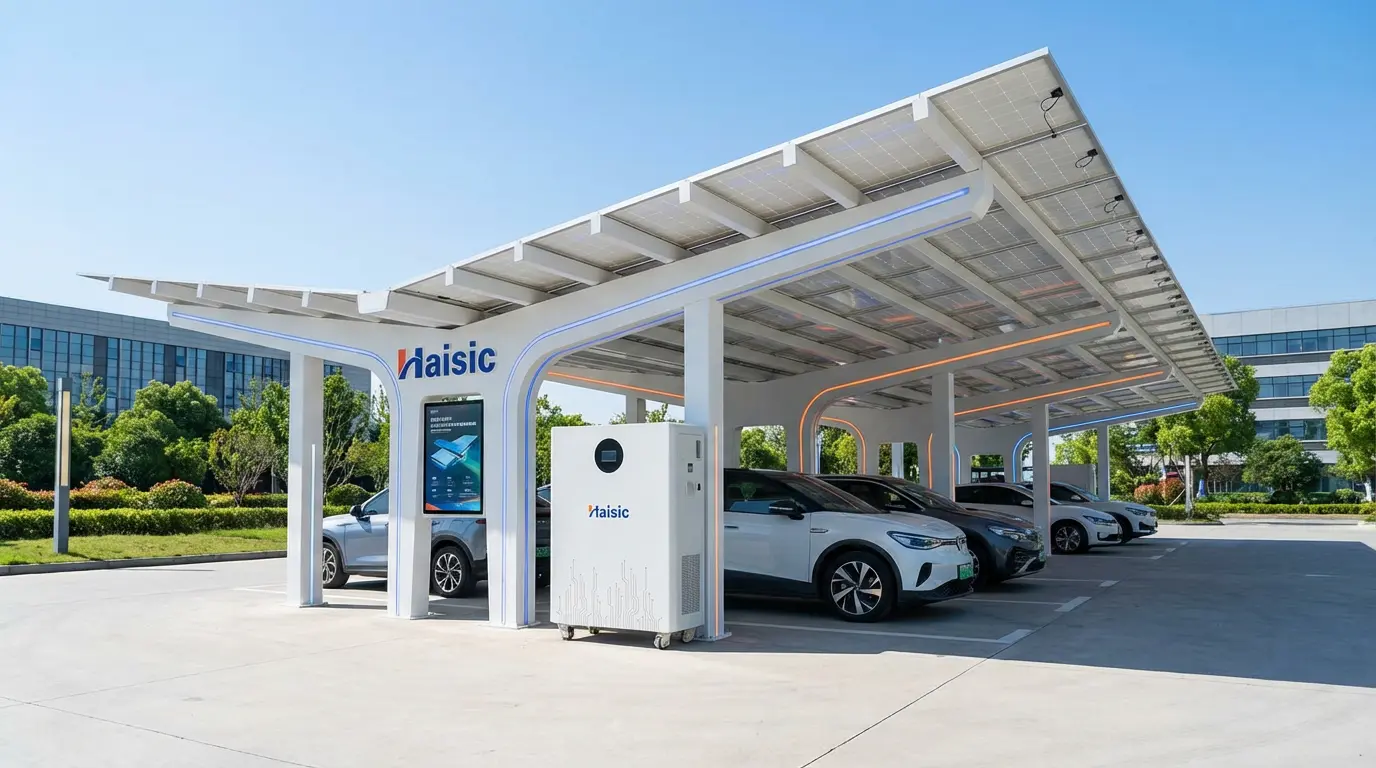
Unlike standard ground-mounted solar systems that consume valuable acreage, commercial solar canopy structures elevate the solar array on steel framing. This design allows cars, fleet trucks, and heavy equipment to park directly underneath, meaning you don\’t lose a single parking space to gain energy independence.
The Dual-Benefit Value Proposition
The exploding popularity of parking lot solar shade structures comes down to one undeniable fact: they do double duty. You aren\’t just generating power; you are upgrading your entire facility\’s infrastructure.
Here is exactly why businesses are making the switch:
- Massive Clean Energy Generation: Turn dead asphalt space into an active power plant to heavily offset your facility\’s operational costs.
- Premium Vehicle Protection: Shield employee cars, customer vehicles, or company fleets from expensive weather-related damage, including severe hail, heavy snow loads, and intense UV degradation.
- Enhanced Property Value: Create a shaded, comfortable parking experience that immediately modernizes your commercial property and showcases your commitment to sustainability.
Solar Carport vs Rooftop Solar
When planning a solar carport installation, the most common question we get is how it stacks up against simply putting panels on the roof. Both options generate clean power, but they serve completely different operational needs and offer distinct advantages.
Understanding the Upfront Investment
Let\’s address the solar panel carport cost right out of the gate. You can expect to pay roughly 20% to 40% more upfront for a carport compared to a traditional rooftop setup. The reason is simple: a rooftop array uses your existing building as its base. With a canopy, we are building an entirely new structure. That premium covers the heavy-duty steel framing, site engineering, and the deep foundation work required to safely support the structure.
Superior Energy Efficiency
Where canopies truly excel is in daily energy capture. With a rooftop installation, you are strictly limited by the existing pitch and orientation of the building. If your roof faces the wrong direction or is heavily shaded, your power generation suffers.
Because a carport is a standalone structure, we can engineer and build it at the exact optimal angle to catch maximum sunlight throughout the day. You generate significantly more power per panel. To maximize the value of this optimized energy generation, routing that power into a dedicated residential solar battery system ensures you capture every drop of peak daytime sunshine to power your property through the night.
Simplified Maintenance and Roof Protection
Ongoing maintenance is much less of a headache with a canopy. Servicing rooftop panels requires crews to work at dangerous heights on sloped surfaces, which always carries the risk of damaging shingles or voiding a commercial roof warranty. Solar canopies offer straightforward, safe access from underneath. You can easily clean the panels, inspect the wiring, and perform routine maintenance without ever setting foot on your primary building\’s roof.
Quick System Comparison
| Feature | Solar Carport | Rooftop Solar |
|---|---|---|
| Upfront Cost | Higher (Includes steel framing & deep foundations) | Lower (Leverages existing roof structure) |
| Energy Efficiency | Maximum (Custom angled for perfect sun exposure) | Variable (Restricted by the existing roof\’s layout) |
| Maintenance | Easy access, protects vehicles, zero roof risk | Harder access, potential to damage primary roofing |
Crucial Steps in Solar Carport Installation
Building a reliable structure requires precision. Here is how we handle the core phases of the project.
Site Assessment and Engineering
Before breaking ground, we evaluate the site thoroughly to ensure a safe and long-lasting build.
- Soil Testing: We analyze soil types to determine the necessary anchoring depth and structural support.
- Load Calculations: We engineer the frame specifically to withstand local solar canopy wind and snow loads.
- Clearance Checks: We calculate precise clearance heights so large commercial trucks, vans, and emergency vehicles can safely navigate underneath the canopy.
Solar Carport Permitting Process
Because carports are standalone structures, local zoning boards evaluate them differently than standard roof mounts. We manage the entire solar carport permitting process to ensure full compliance with city regulations, setback rules, and structural codes before any materials arrive on site.
Foundations and Framing
Proper solar carport engineering and foundations dictate the lifespan of your canopy. We use two main approaches to keep parking lot disruption to an absolute minimum:
- Helical Piles: Fast to install and screwed directly into the earth. They require less heavy machinery and let you keep more of your parking lot open during construction.
- Concrete Piers: Poured directly into excavated holes for maximum stability. These are often required for heavy-duty commercial solar canopy structures carrying massive arrays.
Panel Mounting and Wiring
Once the steel frame is locked in, we secure the solar array. Our crews then trench the electrical wires safely beneath the asphalt, connecting the canopy directly to your main electrical panel. For residential and small commercial projects, tying this newly trenched wiring directly into a home power storage system ensures you capture and hold the energy you generate, maximizing the value of the structure from day one.
The Secret to Solar Carport ROI: Storage & EV Integration
The true return on investment for any solar carport installation hinges on smart power utilization. Generating electricity is only half the equation; storing and deploying it efficiently is where the real value lies.
EV Charging Solar Carport Integration
We focus on connecting EV stations directly to the carport structure. This strategy delivers immediate benefits:
- Zero Trenching: It completely avoids the massive expense and parking lot disruption of cutting through asphalt for extensive underground wiring.
- Direct-to-Vehicle Power: You generate clean energy exactly where the cars park, streamlining the entire charging infrastructure.
Energy Storage for Solar Carports
Solar generation peaks at midday, but vehicle charging demand often spikes in the evening. Simply generating power isn\’t enough; you must store it.
- Overnight Charging: Capture peak sunlight during the day to power up EVs overnight.
- Peak-Shaving: Commercial energy storage systems (ESS) discharge stored power during high-rate utility periods, drastically reducing costly demand charges for facilities.
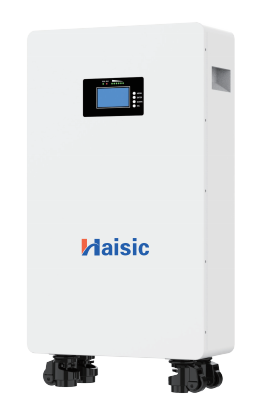
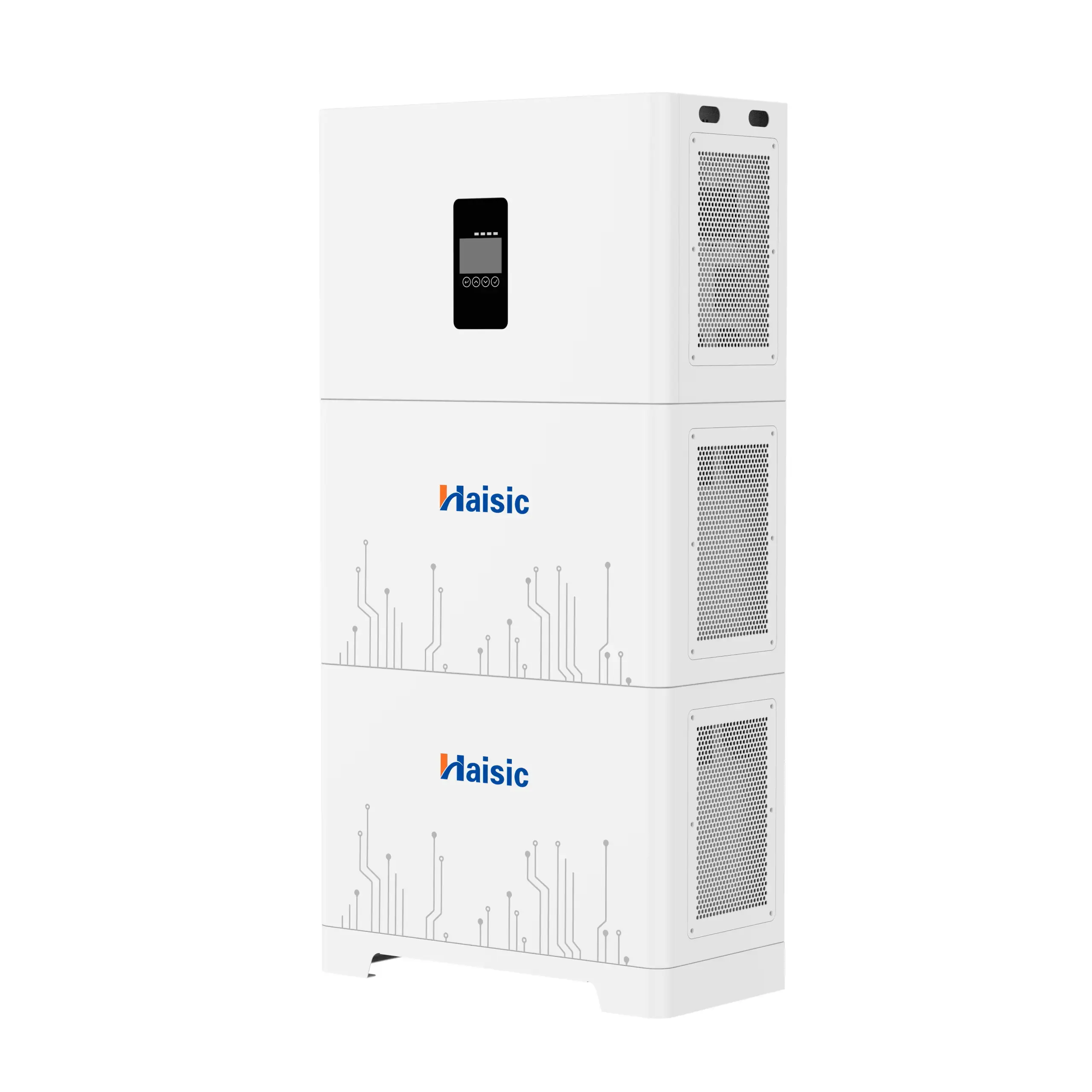
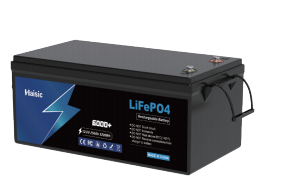
- System Longevity: Integrating a high-capacity, commercial-grade LiFePO4 battery solar storage setup ensures maximum cycle life and thermal stability for heavy, continuous use.
IP65 Solar Hybrid Inverter Selection
Outdoor carport environments are harsh. Standard indoor equipment will fail when exposed to the elements.
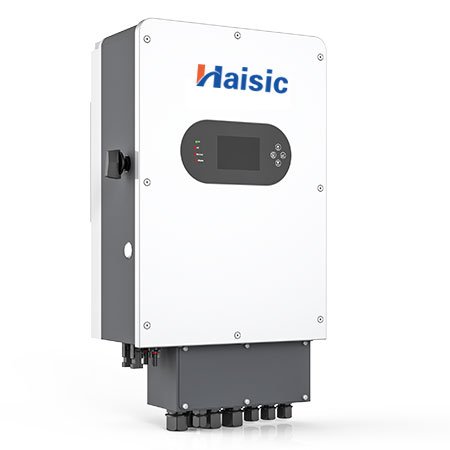
- Weatherproof Reliability: You must specify an IP65 solar hybrid inverter. These rugged units are completely sealed against heavy dust, rain, and extreme temperature fluctuations.
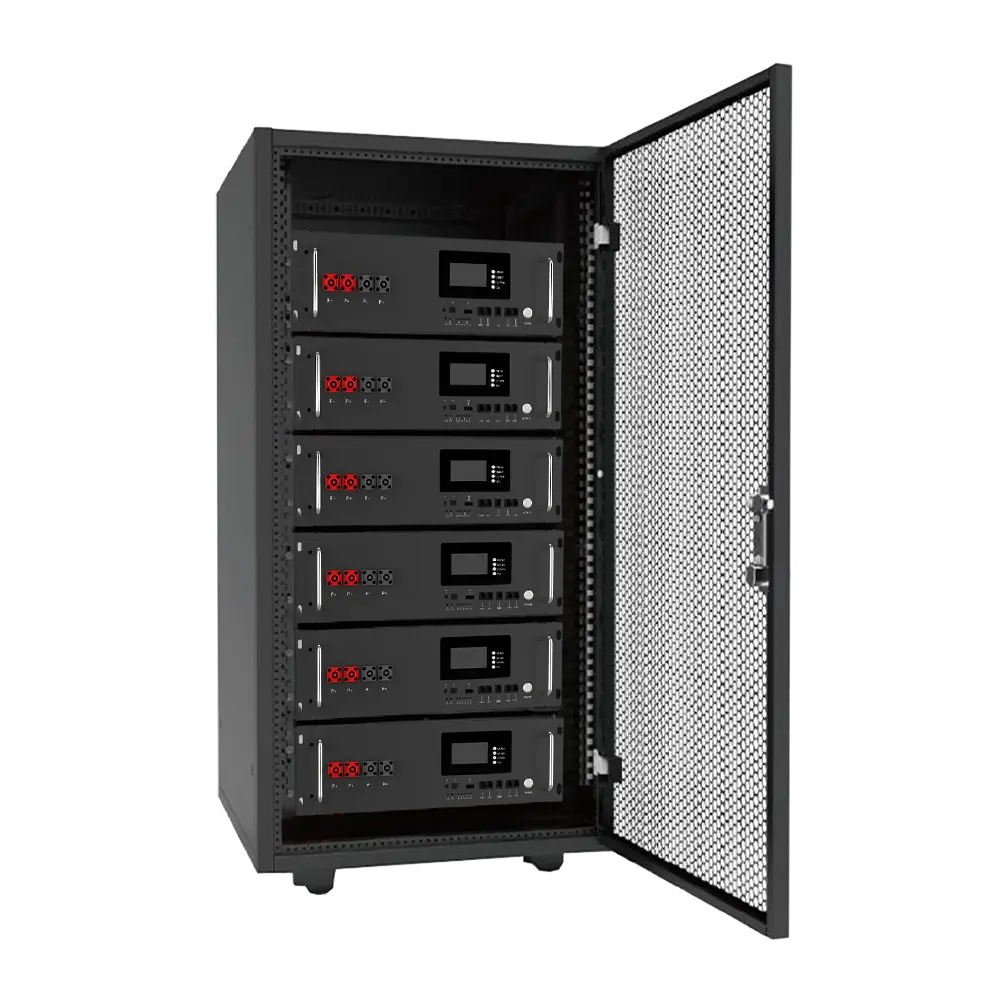
- Seamless Operation: A resilient, outdoor-rated inverter paired with our robust 51.2V 100Ah powerwall energy storage guarantees safe, uninterrupted power management right at the installation site, regardless of the weather conditions.
Commercial vs. Residential Solar Carport Installation
When we map out a solar carport installation, the strategy shifts heavily depending on whether the project is for a home or a business. The underlying technology remains the same, but the overall goals, financial incentives, and scale change completely.
Residential Focus: Maximizing Space and Backup
For homeowners, the priority is typically making the absolute most out of a limited footprint without sacrificing curb appeal.
- Aesthetic Integration: A residential canopy needs to look sleek and complement the home’s architecture.
- Maximizing Small Driveways: We custom-fit these structures to work within tight property lines while ensuring vehicles have plenty of clearance.
- Home Backup Power: Tying the carport directly into your home’s electrical panel and backup systems means you keep the lights on and the fridge running during grid outages.
Commercial Focus: Massive Energy Offset
For businesses, commercial solar canopy structures transform giant, unused parking lots into heavy-duty power plants. The focus here is strictly on long-term ROI and corporate energy independence.
- Financial Incentives: Commercial projects benefit heavily from MACRS (accelerated depreciation) and the solar carport tax credit 2026, which drastically shorten the payback period.
- Large-Scale Energy Offset: These installations aren\’t just for offsetting a few lights; they are engineered to wipe out massive operational energy bills.
- Facility-Wide Storage: Generating power is only half the equation. To actually power entire facilities day and night, we integrate these massive arrays with commercial energy storage systems (ESS). By utilizing heavy-duty storage, such as a high-capacity 256V LiFePO4 battery pack, businesses can capture peak daytime sunlight and deploy that stored power overnight or during expensive peak demand hours.
Powering Your Solar Carport Installation
A successful solar carport installation needs more than just panels; it requires a rock-solid power infrastructure to capture and distribute that energy. With over 15 years of dedicated R&D, we understand common commercial solar installation pain points. We\’ve engineered Haisic\’s power solutions to tackle these challenges head-on, delivering the scale and uncompromising reliability your project demands.
Commercial Energy Storage Systems (ESS)
Generating power is just step one. Storing it efficiently is where the real return on investment happens.
- Massive Scale: Our Commercial & Industrial Containerized ESS scales up to 1MWh, making it the perfect backbone for large parking lot grids and high-demand facilities.
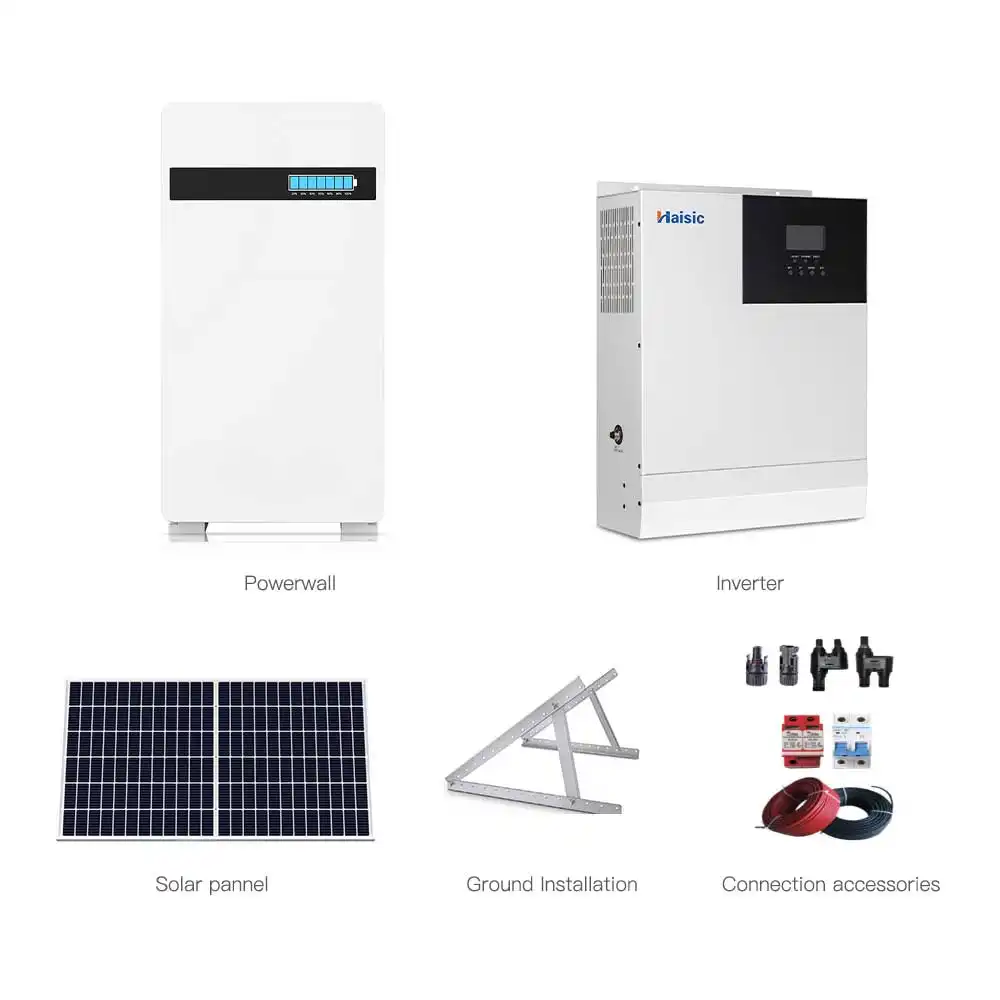
- Weatherproof Tech: We pair this storage with our rugged IP65 solar hybrid inverter lineup (ranging from 6kW to 12kW with MPPT). They are fully sealed against the elements to handle harsh outdoor carport environments. If you are designing a smaller, independent setup, these inverters integrate perfectly with a reliable 10kW off-grid solar power system to keep your stations powered day and night.
LiFePO4 Battery Solar Storage
We don\’t cut corners on battery life. Your energy infrastructure is a long-term commercial investment that needs to last.
- Maximum Longevity: Our LiFePO4 battery solar storage units are engineered to deliver a massive >6000 cycle life, ensuring years of daily charging and discharging without degradation.
- Advanced Safety: Every Haisic unit features our advanced Battery Management System (BMS) to automatically balance loads and protect against overcharging and extreme temperatures.
- Versatile Backup: Whether you are discharging power for commercial EV fleet charging or setting up a robust battery bank backup for home residential canopies, our battery tech provides the consistent, safe, and heavy-duty energy you need.