










Breaking Down the 8kW Solar System Price in 2026
As we navigate the energy landscape of 2026, the 8kW solar system price has settled into a highly competitive range, offering a \”sweet spot\” for mid-to-large sized American homes. For a professional, turnkey installation using tier-1 components, the gross investment typically ranges from $20,800 to $24,500.
Gross vs. Net Cost: The 30% Federal ITC Impact
The most critical factor in your ROI is the Federal Solar Tax Credit 2026, which remains at a robust 30%. This incentive is a direct dollar-for-dollar reduction in your federal income tax liability.
- Gross Price: $22,500 (National Average)
- 30% ITC Savings: -$6,750
- Net Investment: $15,750
National Average Benchmarks for Pro Installation
The market has matured, and while hardware costs have stabilized, labor and permitting now account for a larger share of the total. In 2026, I benchmark a high-quality professional installation at $2.60 to $2.90 per watt gross. This includes high-efficiency N-type panels, a hybrid inverter, and all \”soft costs\” like engineering and utility interconnection fees.
Why 8kW Offers Better PPW Than 5kW Units
The cost per watt solar installation significantly improves as you scale from a 5kw solar system price to an 8kW setup. This is due to the dilution of fixed costs. Whether you install 12 panels or 20, the expenses for the truck roll, permitting, and basic electrical infrastructure remain nearly identical.
| System Size | Avg. Cost Per Watt (Gross) | Estimated Total Gross Price |
|---|---|---|
| 5kW System | $3.10 / W | $15,500 |
| 7kW System | $2.85 / W | $19,950 |
| 8kW System | $2.70 / W | $21,600 |
By opting for an 8kW system, you are essentially securing a lower unit price for your energy, maximizing every dollar of your upfront investment.
Choosing Between 5kW, 7kW, and 8kW Solar Systems
When looking at the 8kw solar system price versus smaller alternatives, the decision comes down to your \”energy floor.\” A 5kW system is great for entry-level savings, but it rarely covers the heavy lifting required by modern families. As we move further into the era of Net Energy Metering (NEM) 3.0, maximizing self-consumption with a robust home power storage system is the most effective way to ensure a fast ROI.
Energy Output Comparison
The daily production of your Photovoltaic (PV) system efficiency depends on your location, but these averages provide a clear benchmark for 2026:
| System Capacity | Avg. Daily Output (kWh) | Ideal Home Profile |
|---|---|---|
| 5kW System | 20 – 25 kWh | 1,200–1,500 sq. ft; minimal cooling needs |
| 7kW System | 28 – 35 kWh | 1,800–2,400 sq. ft; standard family usage |
| 8kW System | 32 – 40 kWh | 2,500+ sq. ft; EV charging + central HVAC |
The Cost-to-Benefit Ratio for High Loads
The jump from a 5kw solar system price to an 8kw solar system price is often smaller than homeowners expect because labor and permitting costs remain relatively fixed regardless of size. If you own an Electric Vehicle (EV) or run high-tonnage HVAC units, the 8kW system offers the best value.
- EV Owners: A standard EV requires roughly 30kWh for a significant charge. An 8kW system generates enough surplus to fuel your car while still powering the home.
- HVAC Demands: Central air units can consume 3-5kWh per hour during peak heat. Smaller systems get \”tapped out\” instantly, whereas an 8kW unit maintains a functional buffer.
- Square Footage Match: While a 7kw solar system price serves as a middle ground, I recommend the 8kW for any home over 2,500 sq. ft to account for future appliance upgrades and increased Residential energy storage systems (ESS) requirements.
The Storage Factor: Adding LiFePO4 Batteries to Your 8kW System
In 2026, energy independence isn\’t just about what you produce during the day; it’s about how much of that power you can use at night. With the shift in utility billing structures, overnight power is no longer optional if you want to maximize your ROI. Integrating a high-performance lithium battery backup into your 8kW setup is the only way to avoid expensive peak-hour grid rates.
The Haisic LiFePO4 Advantage
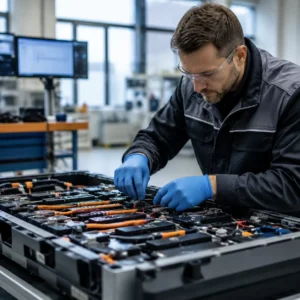
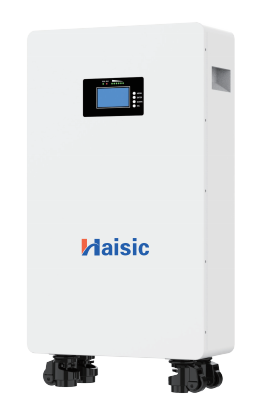
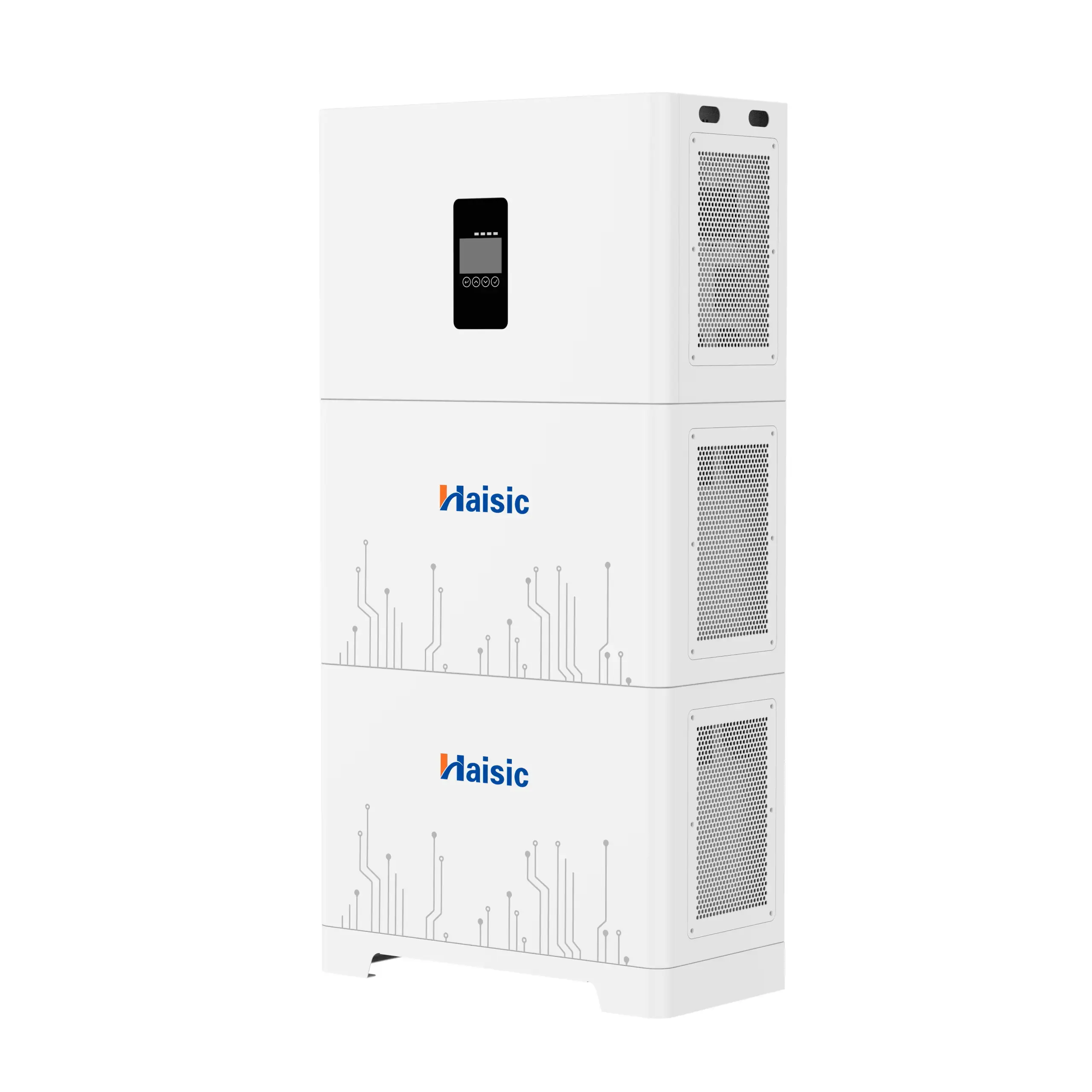
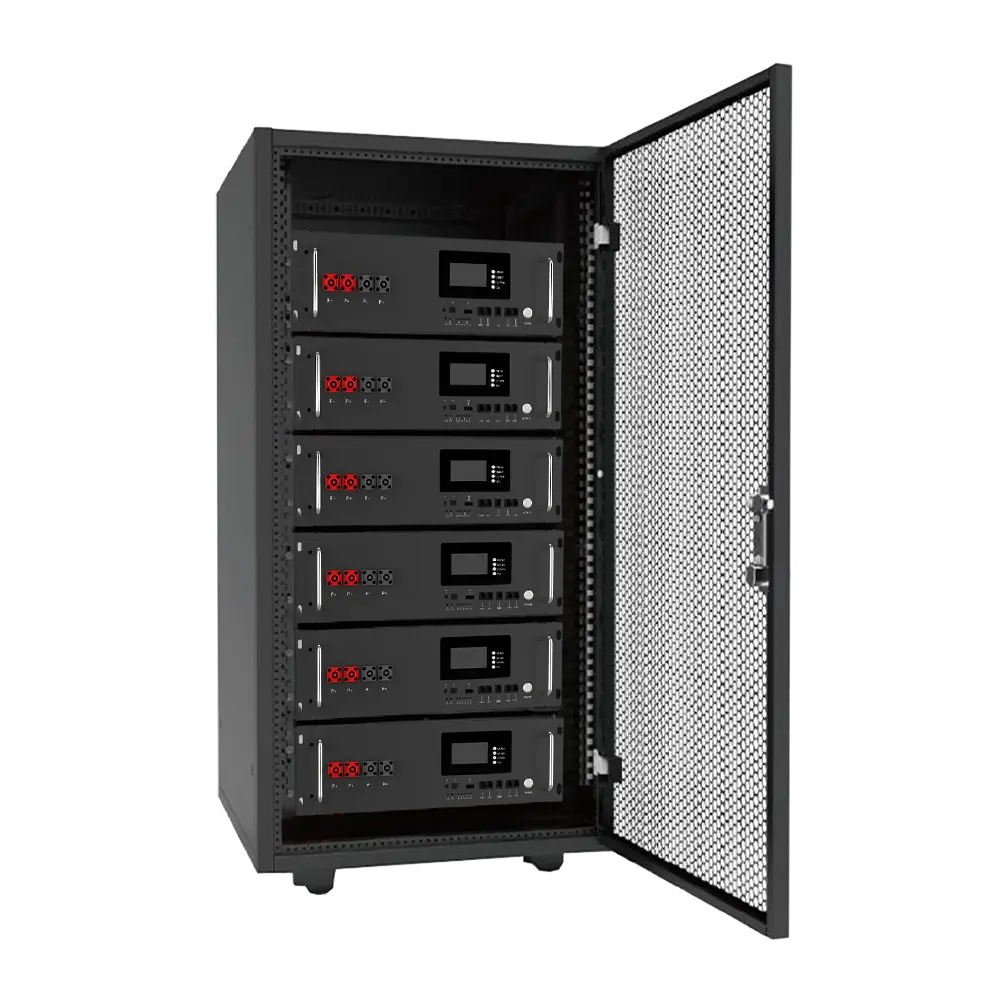
I’ve engineered our storage solutions to solve the two biggest concerns in residential energy: longevity and safety. Our Haisic LiFePO4 (Lithium Iron Phosphate) cells are the gold standard for Residential Energy Storage Systems (ESS).
- Extreme Longevity: Rated for 6,000+ cycles, meaning your battery will likely outlast your inverter.
- Superior Safety: LiFePO4 chemistry is inherently stable, eliminating the thermal runaway risks found in older lithium-ion tech.
- Full Utilization: Enjoy a 100% Depth of Discharge (DoD), allowing you to use every bit of stored energy without damaging the cells.
How Battery Capacity Impacts the 8kW Solar System Price
Adding storage changes the total investment, but it also dictates your level of \”grid freedom.\” When calculating your LiFePO4 battery storage price, the capacity you choose should match your lifestyle:
| Battery Size | Best For | Impact on System Investment |
|---|---|---|
| 10kWh Pack | Standard overnight loads, lights, and electronics. | Moderate increase; quickest payback for average homes. |
| 15kWh Pack | Heavy HVAC usage, well pumps, or EV charging. | Higher upfront cost; provides true \”off-grid\” security. |
Choosing the right home lithium battery storage ensures that your 8kw solar system price reflects a complete, 24-hour energy plant rather than a part-time generator. By capturing excess midday production, you effectively \”zero out\” your utility bill and protect your home against rising grid instability.
Component Quality: What Drives the 8kW Solar System Price?
When looking at the 8kw solar system price, the total investment isn\’t just about the number of panels on your roof—it’s about the technology under the hood. High-tier components ensure your system actually produces what it promises for the next 25 years. Cheaper systems often cut corners on the inverter or the battery management tech, leading to higher maintenance costs down the road.
The Inverter Brain: Haisic 8kW Hybrid Inverters
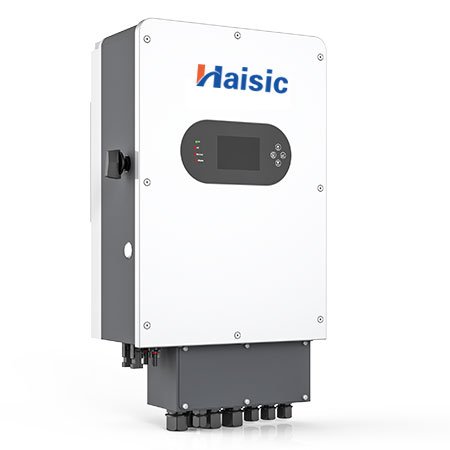
The inverter is the most hardworking part of your setup. We utilize Haisic 8kW Hybrid Inverters because they handle both solar processing and battery management in one unit.
- IP65 Rated: Our inverters are dust-tight and protected against water jets, making them perfect for outdoor installation in harsh climates.
- Seamless Switching: They provide near-instant transition between grid and battery power during outages.
- High Efficiency: Maximizes the conversion of DC power from your panels into usable AC power for your home.
Panel Efficiency: N-Type Monocrystalline vs. Standard
The type of photovoltaic (PV) cells you choose significantly impacts your 8kw solar system price and footprint.
- N-type Monocrystalline: These are the gold standard in 2026. They offer better performance in low-light conditions and a much lower degradation rate than older P-type panels.
- Space Savings: Higher efficiency means you need fewer panels to hit that 8kW target, saving you money on racking and labor.
The Value of Smart BMS and Monitoring
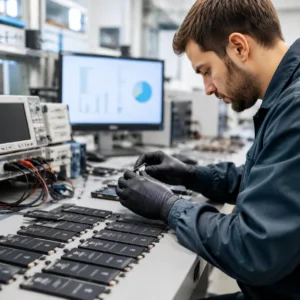
A solar system is only as good as its safety protocols. We integrate a Smart Battery Management System (BMS) into every setup to protect your investment. This software monitors cell temperature, voltage, and health in real-time. When paired with our off-grid solar power system configurations, you get full visibility through a mobile app, allowing you to track energy production and consumption habits instantly. Investing in Tier 1 solar components like these ensures your system remains an asset rather than a liability.
Financial Incentives and Solar ROI in 2026
The 8kw solar system price is significantly offset by the 30% Federal Investment Tax Credit (ITC). This credit is a dollar-for-dollar reduction in the federal income tax you owe, applied to the entire cost of your equipment, including labor and storage. In 2026, this remains the single most powerful tool for reducing the upfront cost of residential renewable energy.
Maximizing Sustainable Energy ROI
Beyond federal support, state-specific rebates in high-incentive regions further drive down the net investment. When you integrate a lifepo4 battery for solar energy storage, you can often qualify for additional \”Bring Your Own Device\” (BYOD) programs or battery demand response incentives that pay you to support the grid.
- Federal ITC: 30% credit on the total system invoice.
- State Rebates: Upfront cash back or per-watt incentives in select markets.
- Property Tax Exemptions: Many regions exclude the added value of a solar system from property tax assessments.
Realistic Payback Period and Break-Even Timelines
A standard solar payback period calculation for an 8kW system now typically lands between 5 and 7 years. This timeline has shortened due to rising utility rates and the increased efficiency of N-type panels. By adopting an energy storage home model, you maximize self-consumption and avoid the high costs of peak-hour electricity, ensuring a faster path to pure profit.
| Incentive Type | Estimated Impact on 8kW Price | Benefit Period |
|---|---|---|
| Federal ITC | 30% reduction | One-time Tax Year |
| State Rebates | $500 – $2,000 | Immediate / Post-Install |
| Net Metering (NEM) | Varies by Utility | Ongoing Monthly |
| SRECs | $50 – $300 per MWh | Quarterly / Annual |
We focus on a firm sustainable energy ROI by sourcing high-efficiency components that outlast the payback period by decades. Once you hit the break-even point, your 8kW system provides virtually free electricity for the remainder of its 25-year functional life.
Professional Installation vs. DIY Kits: Protecting Your 8kW Investment
Deciding how to set up your panels is a major factor in the total 8kw solar system price. While DIY kits look tempting on paper, the long-term reality often favors professional integration to avoid expensive \”rookie\” mistakes that eat into your ROI.
The Hidden Costs of DIY Projects
Skipping the pro team can lead to technical and financial hurdles that most homeowners aren\’t prepared for:
- Permit Hurdles: Most local grids won\’t let you \”plug and play\” without certified engineering stamps and inspections.
- Warranty Risks: Installing Tier 1 solar components yourself often voids the manufacturer’s 25-year performance guarantee.
- Incentive Loss: Professional installers ensure all hardware meets the strict requirements for the Federal Solar Tax Credit 2026.
The Haisic Manufacturer Advantage
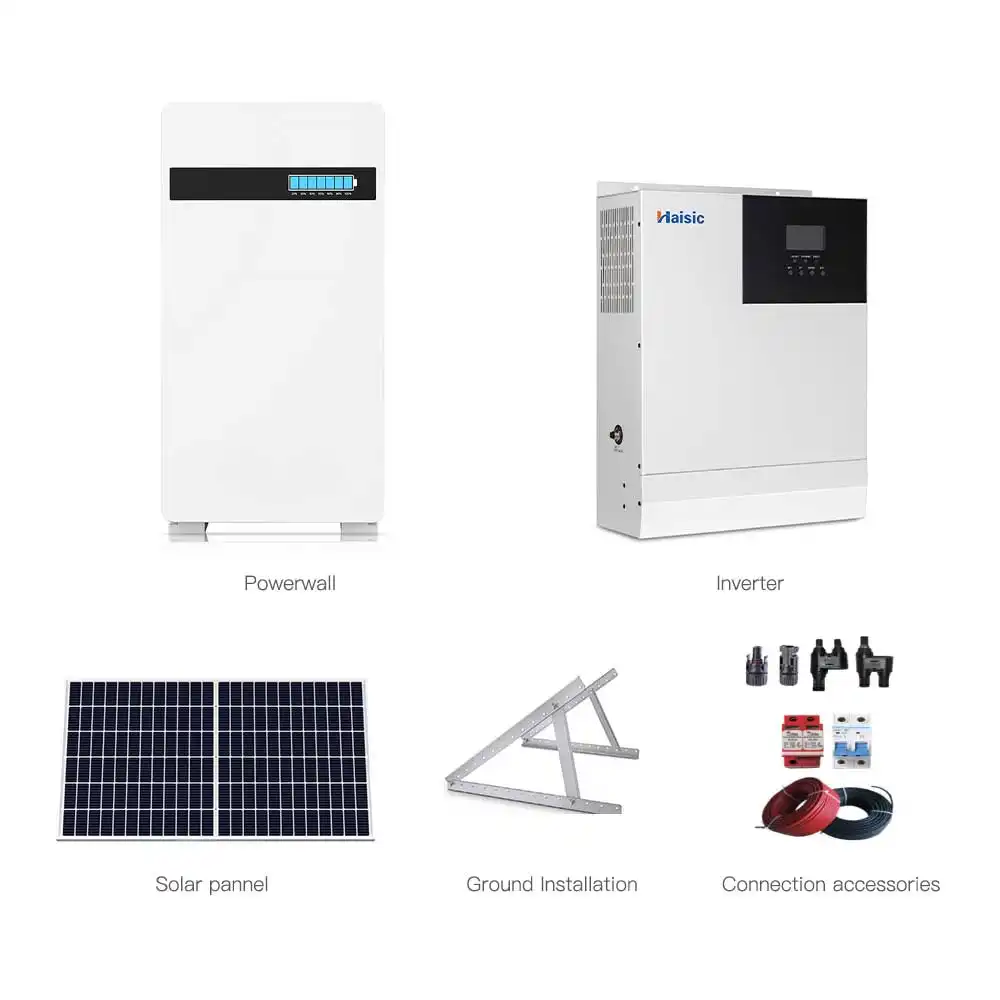
We cut out the confusion by acting as a direct energy storage system supplier, providing the hardware and the certified OEM/ODM expertise needed for a seamless build.
- Certified Reliability: Our systems are designed for high-efficiency cost per watt solar installation metrics, ensuring you get the most power for every dollar spent.
- Expert Integration: We provide the specialized documentation and wiring diagrams your local contractors need to get the job done right the first time.
- Lower Labor Friction: Because our systems are engineered for compatibility, you can often reduce solar panel labor costs by cutting down on the time it takes to commission the site.
8kW Solar System Price FAQs
How many solar panels are in an 8kW system?
For a modern 8kW installation, you typically need between 16 and 20 panels. The exact number depends on the wattage of the modules; using high-efficiency 500W panels keeps the footprint small. While a 5kw solar system price involves fewer panels, stepping up to 8kW ensures you have enough overhead to cover heavy appliances and future-proof your energy needs.
Can an 8kW system run a whole house off-grid?
Yes, an 8kW system is generally the \”sweet spot\” for off-grid living in a standard three-bedroom home. However, solar panels alone aren\’t enough—you must have a robust battery bank and a hybrid inverter to handle surges. Understanding how domestic energy storage batteries work in the home is essential for planning your off-grid transition, as it allows you to bridge the gap during cloudy days or nighttime hours.
What is the maintenance cost for LiFePO4 storage?
The maintenance cost for LiFePO4 batteries is virtually zero. Unlike lead-acid batteries that require watering and venting, our Lithium Iron Phosphate systems are \”set and forget.\”
- No manual cleaning: Sealed units stay dust-free.
- Self-monitoring: The Smart BMS handles cell balancing automatically.
- Longevity: With a 6,000+ cycle life, you won\’t face replacement costs for over a decade.
Integrating a high-voltage LiFePO4 battery pack into your setup might increase the initial 8kw solar system price, but it eliminates the recurring maintenance fees and mid-term replacements common with cheaper alternatives. When comparing the 7kw solar system price to an 8kW unit, the slightly higher investment in quality storage and capacity provides significantly better reliability and peace of mind.