










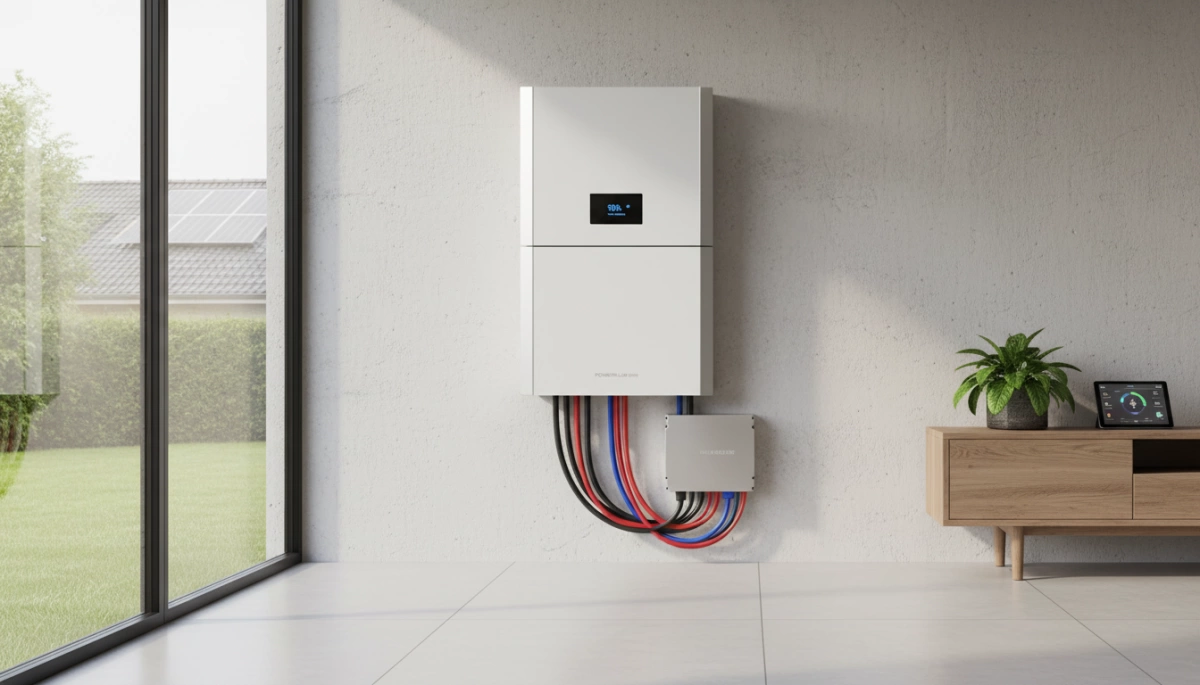
Are you struggling to manage rising peak demand charges or unpredictable grid instability?
Selecting the right battery energy storage solution is one of the most critical decisions for your facility\’s financial and operational future.
As an industry expert at Haisic, I know that navigating the complex world of commercial energy storage solutions can feel overwhelming. You aren\’t just looking for batteries; you need a system that delivers real ROI and grid stability.
In this guide, you’re going to learn exactly how to deploy a scalable Battery Energy Storage System (BESS) that meets the demands of 2026.
From the superior safety of LiFePO4 energy storage to the economics of peak shaving, we are cutting through the noise to give you the technical insights that matter.
Let’s dive in.
What Is a Battery Energy Storage Solution?
A battery energy storage solution is more than just a backup power source; it is a sophisticated electrochemical system designed to capture energy—typically from solar arrays or the grid—and discharge it when demand peaks or supply fails. At Haisic, we define a modern Battery Energy Storage System (BESS) as an integrated ecosystem that balances energy supply and demand to ensure reliability and financial efficiency.
Core Components: The Anatomy of a BESS
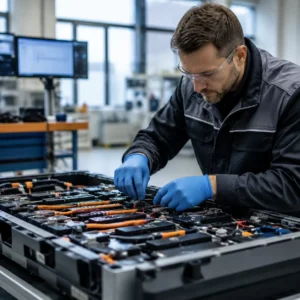
A complete battery storage solution relies on four critical subsystems working in unison to ensure safety and performance:
- Battery Modules: The core storage units. The market currently relies heavily on lithium-ion chemistries, specifically Lithium Iron Phosphate (LFP) for its superior safety profile and cycle life, and Nickel Manganese Cobalt (NMC) for higher power density.
- Battery Management System (BMS): The \”brain\” of the system. This software continuously monitors voltage, temperature, and state of charge (SoC) to prevent thermal runaway and optimize lifespan.
- Power Conversion System (PCS): Since batteries store Direct Current (DC) and grids operate on Alternating Current (AC), the PCS (or inverter) handles the bidirectional conversion required for usage.
- Thermal Management: Active cooling systems that maintain optimal operating temperatures to prevent degradation.
BESS vs. Pumped Hydro and Traditional Storage
While pumped hydro storage relies on gravity and massive geographical infrastructure to move water between reservoirs, a BESS offers modularity and speed.
| Feature | Battery Energy Storage System (BESS) | Pumped Hydro Storage |
|---|---|---|
| Response Time | Milliseconds (Instant grid stabilization) | Minutes to Hours |
| Scalability | Highly modular (Residential to Utility-scale) | Geographically constrained |
| Density | High energy density in small footprints | Requires vast land area |
| Deployment | Rapid installation (Weeks to Months) | Long-term construction (Years) |
Key Applications for Modern Energy Needs
The versatility of a battery energy storage solution allows it to serve multiple roles across the energy landscape:
- Grid Stabilization: Batteries provide rapid frequency regulation, injecting or absorbing power in milliseconds to keep the grid stable.
- Renewable Firming: By storing excess solar power generated during the day, a solar battery storage system allows that energy to be used at night, smoothing out the intermittency of renewables.
- Microgrids & Resilience: In the event of grid failure, a BESS isolates from the main network to power critical loads or entire facilities, ensuring business continuity and home safety.
Key Benefits of Modern Battery Energy Storage Solutions
Investing in a battery energy storage solution transforms how we interact with the power grid. It is no longer just about having a backup generator; it is about financial optimization and energy security. For many of us, the primary driver is resilience. When the grid goes down due to extreme weather or maintenance, a properly sized system keeps essential appliances—like refrigerators, WiFi routers, and lights—running without interruption.
Financial Optimization and Cost Reduction
Beyond security, the economic case for a solar battery storage system is becoming stronger, especially in regions with specific utility rate structures. If your utility uses Time-of-Use (TOU) rates, electricity is significantly more expensive during the evening \”peak\” hours. A storage system allows you to discharge stored solar energy during these high-cost windows, effectively \”shaving\” your peak usage and lowering your bill.
Additionally, for areas where utilities do not offer full 1:1 net metering (paying you retail rates for exported solar), storing that excess energy for your own use becomes far more valuable than sending it back to the grid.
Core Benefits at a Glance:
| Benefit Category | Practical Application |
|---|---|
| Grid Resilience | Provides seamless backup power for critical loads during outages. |
| Peak Shaving | Discharges stored energy during expensive TOU rate periods to reduce bills. |
| Energy Independence | Maximizes self-consumption of solar power, reducing reliance on the utility. |
| Renewable Integration | Stores intermittent solar production for use at night or on cloudy days. |
Maximizing Renewable Integration
A battery energy storage solution bridges the gap between when solar energy is produced (mid-day) and when it is needed most (evening). This capability is essential for renewable energy integration, allowing homes and businesses to operate on clean power even after the sun sets. By reducing the need to draw from the grid, we also lower the demand for fossil-fuel-based peaker plants, directly contributing to net-zero goals.
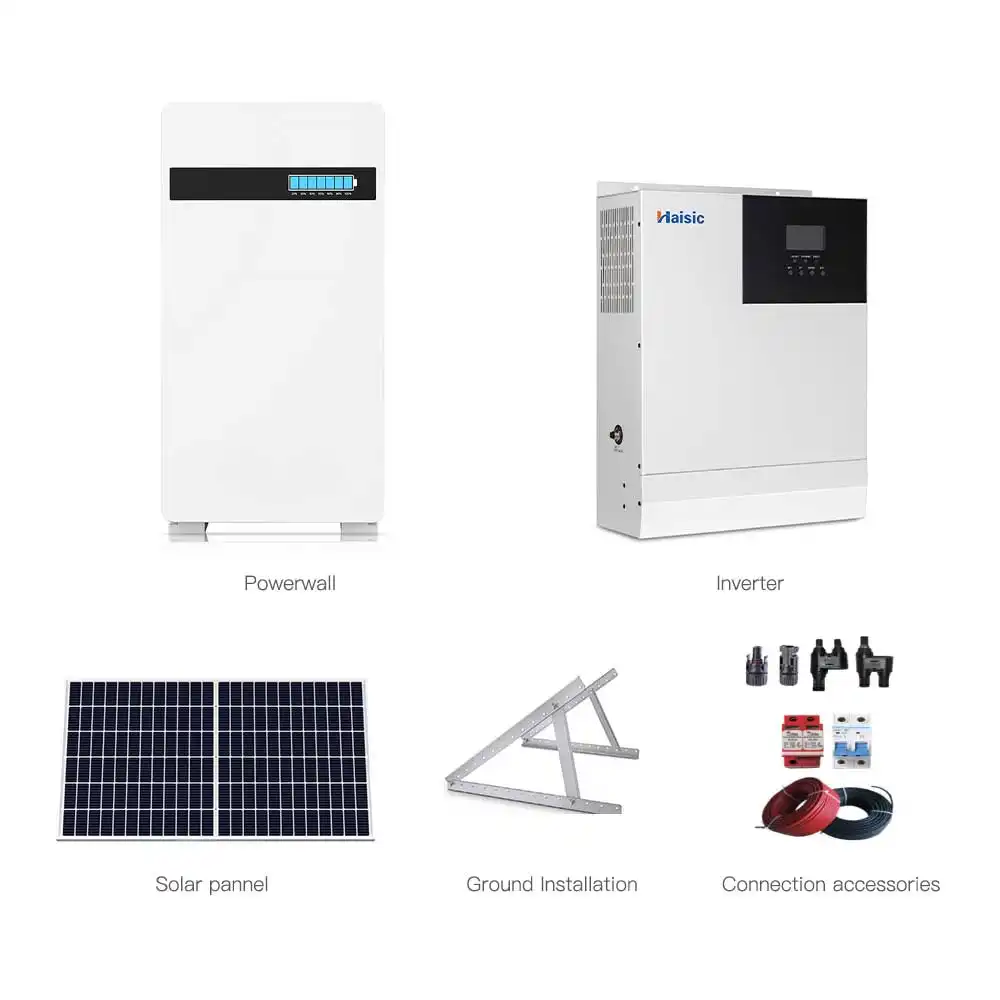
For those ready to take control of their power usage, our touchscreen 20480Wh home energy storage battery provides the intelligent management needed to balance backup reserves with daily cost savings.
Types of Battery Energy Storage Solutions
When we talk about a battery energy storage solution, one size definitely does not fit all. The market is segmented by capacity, application, and where the system sits relative to the utility meter. We generally categorize these systems into three main tiers to help you identify exactly what fits your project needs.
Utility-Scale and Grid-Scale Systems
These are the heavy hitters of the energy world. Grid-scale battery storage involves multi-megawatt (MW) deployments designed to support the main electrical grid. These massive installations act as giant reservoirs, storing excess renewable energy from solar or wind farms and releasing it when demand spikes. They are critical for frequency regulation and preventing blackouts on a regional level.
Commercial & Industrial (C&I) Solutions
For factories, office parks, and data centers, Commercial energy storage solutions offer a balance between power and footprint. We focus heavily on modular battery energy storage designs here, which allow businesses to scale up capacity as their operations grow.
These systems are often \”plug-and-play.\” For example, a 100kWh containerized battery energy storage system provides a robust, all-in-one outdoor solution that is easy to transport and install. For larger facilities with higher power demands, deploying a 200kW industrial and commercial energy storage battery ensures you have enough backup to keep critical machinery running during outages or to shave peak demand charges effectively.
Behind-the-Meter vs. Front-of-the-Meter
Understanding where the battery connects is vital for ROI:
- Behind-the-Meter (BTM): Installed on the customer\’s property. The primary goal is to lower electricity bills through peak shaving and to provide backup power. This includes residential units and most Industrial BESS setups.
- Front-of-the-Meter (FTM): Connected directly to the distribution network. These are utilized by utility companies to relieve congestion on the grid and defer expensive infrastructure upgrades.
Emerging Trends: Hybrid and Second-Life
The industry is moving fast. We are seeing a surge in hybrid systems that integrate solar inverters and battery storage into a single unit to reduce efficiency losses. Additionally, \”second-life\” applications are gaining traction, where retired EV batteries are repurposed for less demanding stationary storage roles, though new LiFePO4 cells remain the gold standard for safety and longevity.
Battery Chemistries and Technologies in 2026
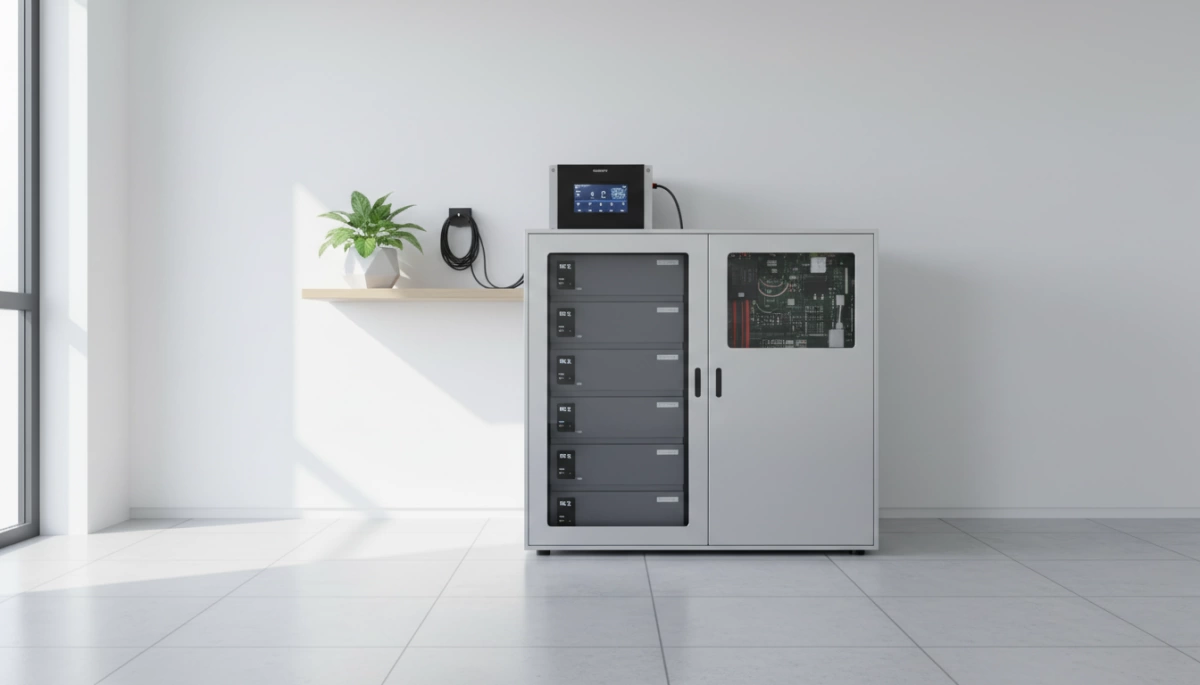
The effectiveness of any battery energy storage solution ultimately comes down to the chemistry inside the box. While early iterations of storage systems relied on older technologies like lead-acid, the market has matured significantly. As we look at the landscape in 2026, the industry has largely consolidated around lithium-ion technology, specifically diverging into two main paths based on the specific needs of the user: energy density versus longevity and safety.
Dominance of Lithium Iron Phosphate (LiFePO4)
Lithium Iron Phosphate (LFP) has emerged as the dominant chemistry for stationary energy storage. Unlike electric vehicles, where every kilogram counts, stationary storage systems installed in homes or businesses do not need to be ultra-lightweight. This allows us to prioritize durability and safety over raw energy density. LFP batteries are rapidly becoming the industry standard because they align perfectly with the daily cycling demands of solar self-consumption and peak shaving.
Comparing LiFePO4 vs. NMC and Sodium-ion
When selecting a battery energy storage solution, you will typically encounter two primary lithium-ion competitors: LFP and Nickel Manganese Cobalt (NMC).
- NMC (Nickel Manganese Cobalt): This chemistry is known for its high energy density. It packs a lot of power into a smaller, lighter physical footprint. This makes NMC the go-to for electric vehicles and portable electronics. However, in a stationary setting, the space-saving benefits are often outweighed by a shorter cycle life and a lower thermal runaway threshold compared to LFP.
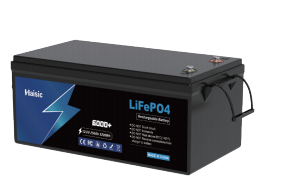
- LiFePO4 (Lithium Iron Phosphate): While LFP batteries are physically larger and heavier than their NMC counterparts for the same kWh capacity, they excel in operational lifespan. They can withstand significantly more charge and discharge cycles before degrading. For applications requiring reliable, long-term power, such as a 12V 70Ah LiFePO4 deep cycle lithium battery, this chemistry offers a better return on investment over the system\’s life.
- Sodium-ion: While still an emerging technology compared to the established lithium supply chain, Sodium-ion is gaining attention for its potential cost advantages and raw material abundance. However, for current commercial and residential deployments, lithium-based systems remain the proven, bankable choice.
Why LiFePO4 is the Top Choice for Safety and Stability
For most property owners, safety is the single most critical factor. LiFePO4 energy storage is inherently safer than NMC due to its chemical structure. LFP has a much higher temperature threshold for thermal runaway, meaning it is far less likely to catch fire or overheat under stress. This thermal stability is crucial for systems installed in residential garages or commercial utility rooms.
Furthermore, the longevity of LFP supports better financial outcomes. A battery that degrades slower maintains its capacity to store solar energy or provide backup power for more years. In a market where the average cost for a battery system hovers around $1,100 to $1,400 per kWh before incentives, choosing a chemistry that lasts longer is a direct way to protect that investment.
Essential Features to Look for in a BESS Provider
Selecting the right battery energy storage solution is a financial calculation, not just a hardware purchase. Since these systems often cost over $10,000 and are designed to last 10 to 15 years, you need to verify specific technical benchmarks before committing. A robust system balances efficiency, safety, and future scalability.
Performance and Efficiency Standards
The most critical metric for ROI is round-trip efficiency. This measures the percentage of electricity put into the battery that can be retrieved later. You should look for a Round-trip efficiency BESS rating of >90%. If a system has low efficiency, you are essentially paying for energy that gets lost as heat during the conversion process.
- High Efficiency: >90% (Standard for LFP and high-quality NMC).
- Low Degradation: Ensure the provider guarantees at least 70% capacity retention after 10 years or 4,000+ cycles.
Advanced Safety and Monitoring
The Battery Management System (BMS) is the brain of your storage unit. It is responsible for real-time monitoring of voltage, current, and temperature at the cell level. A high-quality BMS prevents thermal runaway—a critical safety feature for residential and commercial installations. We prioritize LFP chemistry because it offers superior thermal stability compared to older NMC iterations, making it the safer choice for indoor or garage installations.
Scalability and Integration
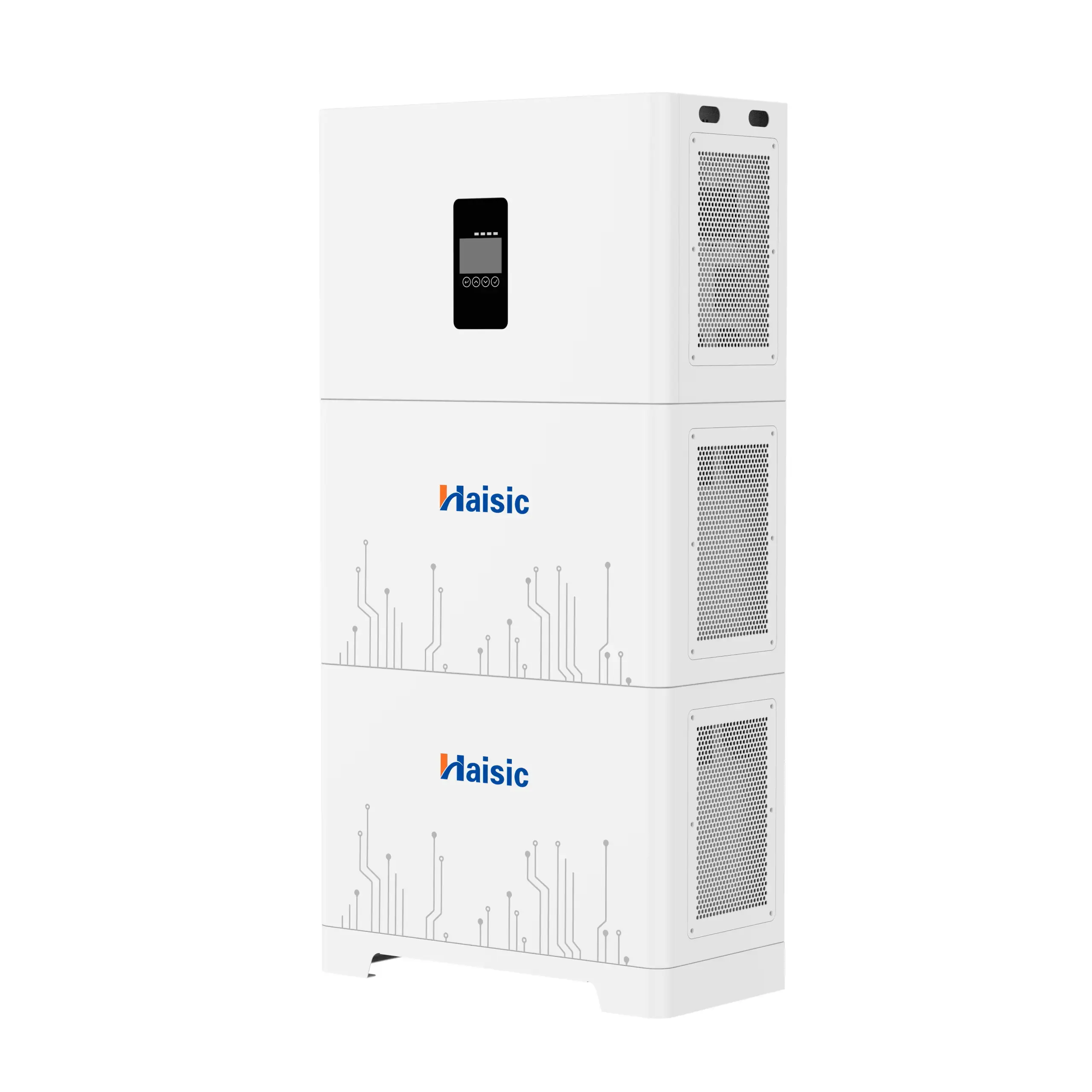
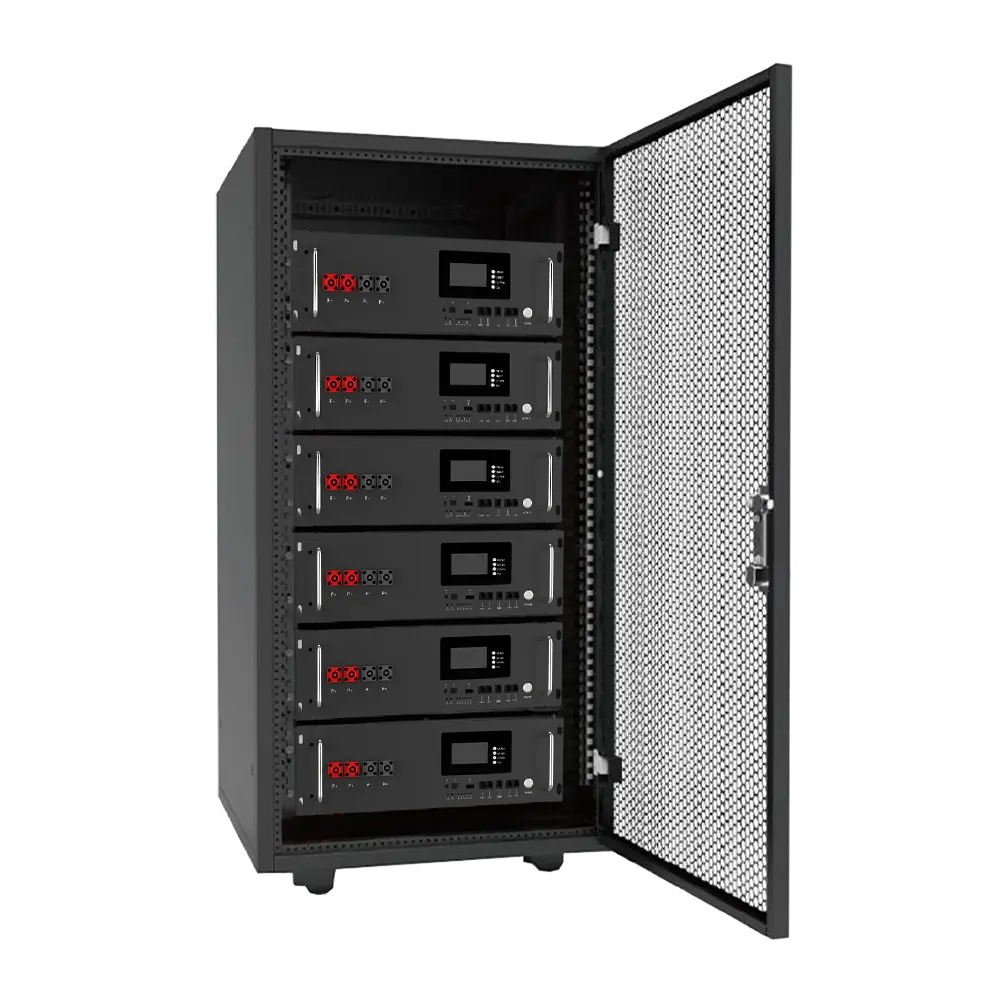
Your energy needs today might not match your needs in five years. A modular battery energy storage design allows you to start with a critical load backup (e.g., 10–15 kWh) and stack additional units later without replacing the entire system. Our high-voltage stacked 30kWh systems are designed specifically for this type of plug-and-play expansion.
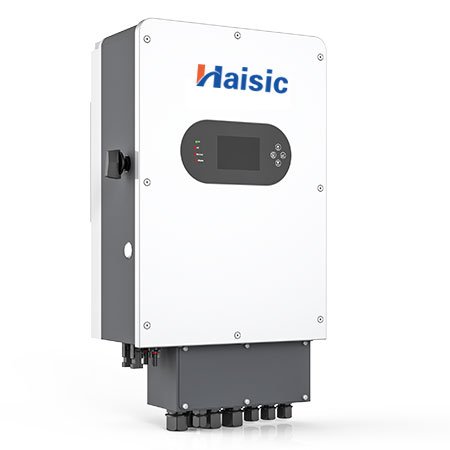
Furthermore, compatibility is key. The battery must communicate seamlessly with your power conversion hardware. Whether you are retrofitting or building new, the BESS must pair effectively with a 36kVA hybrid solar inverter to handle the DC-to-AC conversion efficiently and manage grid interactions.
| Feature | Requirement | Why It Matters |
|---|---|---|
| Round-Trip Efficiency | > 90% | Maximizes usable energy and speeds up ROI. |
| Chemistry | Lithium Iron Phosphate (LFP) | Longer cycle life and higher safety profile than NMC. |
| BMS Technology | Active Balancing & Thermal Monitoring | Prevents fire risks and optimizes cell longevity. |
| Inverter Compatibility | Agnostic or Hybrid-Integrated | Ensures the battery works with existing solar arrays. |
Haisic\’s Battery Energy Storage Solutions
At Haisic, we design our battery energy storage solution portfolio to meet the rigorous demands of modern energy infrastructure. Our focus is strictly on Lithium Iron Phosphate (LiFePO4) technology because it offers the best balance of safety and performance. We manufacture a diverse range of products, from modular low-voltage packs to high-voltage energy storage stacks and fully integrated containerized units.
Engineered for Longevity and Safety
We understand that energy storage is a long-term asset, not a disposable commodity. Our systems are built to deliver consistent performance with a focus on durability and smart management.
- Extended Cycle Life: Our LiFePO4 energy storage cells are rated for over 6,000 cycles at 80% Depth of Discharge (DoD), significantly outlasting traditional lead-acid and NMC alternatives.
- Intelligent Protection: Every unit features a robust Battery Management System (BMS). This system actively monitors cell voltage, current, and temperature to prevent thermal runaway and ensure safe operation.
- Cost-Effectiveness: By maximizing cycle life and efficiency, we lower the Levelized Cost of Storage (LCOS), making the transition to renewables financially viable.
Commercial and Industrial Applications
Our solutions are deployed globally to solve real-world energy challenges. For large-scale operations requiring massive capacity, our Haisic 1MWh ESS solar energy storage container system provides the necessary power for grid stabilization and peak shaving. These containerized units are plug-and-play, reducing installation time and complexity on-site.
We also support businesses looking to integrate storage with existing photovoltaic arrays. A properly sized commercial solar battery storage system allows facilities to store excess solar generation during the day and utilize it during expensive peak-tariff hours.
Customization and OEM/ODM Services
We know that a \”one-size-fits-all\” approach rarely works for complex energy projects. We offer comprehensive OEM and ODM capabilities, allowing us to tailor voltage, capacity, and form factors to your specific requirements. Whether you need a customized industrial BESS for a factory or a specific module design for a proprietary project, our engineering team adapts our core technology to fit your infrastructure.
Implementation Considerations and Best Practices
Deploying a successful battery energy storage solution requires more than just purchasing hardware; it demands a calculated approach to sizing, financing, and integration. Since this is a significant financial commitment—often costing over $10,000 for a standard residential system before incentives—getting the details right is critical for maximizing value.
Conducting a Strategic Site Assessment
Before installation, we must define the scope of the project. A Battery Energy Storage System (BESS) is not one-size-fits-all. You need to determine if the goal is partial backup for essential circuits (lights, WiFi, refrigerator) or a whole-home backup solution.
- Energy Audit: Analyze your monthly kWh usage. A typical home requires roughly 13.5 kWh to 30 kWh for meaningful backup, depending on whether you are running heavy appliances like HVAC systems.
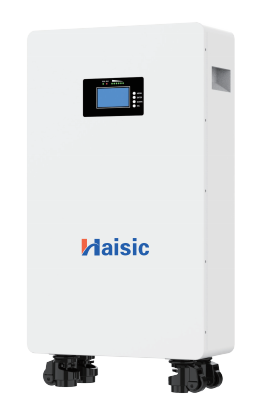
- Space & Location: Ensure you have adequate wall or floor space near the main electrical panel. Modern units, like our 10kWh wall-mounted home energy storage, are designed to save space, but they still require proper clearance for cooling and safety.
- Grid Connection: Verify your existing electrical service. Older homes often need a main panel upgrade or the installation of a critical load panel to separate backed-up circuits from the rest of the house.
Navigating Financing and Incentives
The financial viability of a battery energy storage solution often hinges on incentives. In the United States, the Federal Investment Tax Credit (ITC) is the primary driver, offering a 30% tax credit on the total cost of the system (equipment plus labor).
- Deadlines Matter: This 30% rate is currently locked in through December 31, 2026. Installing before this date is crucial for ROI.
- State-Level Stacking: Look for local programs like California’s SGIP or Connecticut’s Energy Storage Solutions program, which can be stacked on top of federal credits to significantly lower the net cost.
- Financing: Many homeowners roll the battery cost into their solar loan, though interest rates will impact the final payback period.
Installation, Commissioning, and Maintenance
Installation is complex and accounts for a significant portion of the total price. It involves high-voltage electrical work, permitting, and configuring the Battery Management System (BMS).
- Retrofitting vs. New Install: Adding a battery to an existing solar array (AC-coupled) is generally more expensive than installing a hybrid inverter system (DC-coupled) from the start.
- Commissioning: This step ensures the inverter communicates correctly with the grid and the battery. We verify that the system switches to island mode seamlessly during a blackout.
- Maintenance: Systems using Lithium Iron Phosphate (LFP) chemistry are virtually maintenance-free compared to older lead-acid or NMC types, offering higher safety and longer cycle life.
Measuring Success: ROI and Performance
To determine if your battery energy storage solution is performing, look beyond just backup peace of mind.
- Time-of-Use (TOU) Arbitrage: If your utility charges more for electricity in the evening, your system should discharge during those peak hours to lower your bill.
- Solar Self-Consumption: For homes with best battery storage for solar setups, success is measured by how little grid power you draw overnight.
- ROI Calculation: Calculate the payback period by factoring in the net system cost (after the 30% credit) against monthly bill savings and the avoided cost of spoilage or downtime during blackouts. While financial break-even can take 7–10 years depending on utility rates, the value of resilience during grid failures is immediate.
The Future of Battery Energy Storage Solutions
Looking toward the 2026-2030 horizon, the landscape for the battery energy storage solution is shifting rapidly from simple backup power to intelligent, grid-integrated assets. We are seeing a massive surge in demand driven not just by residential needs, but by the explosive growth of AI data centers requiring uninterruptible, high-density power. As the grid faces more volatility, the role of a robust Battery Energy Storage System (BESS) becomes non-negotiable for stability.
2026-2030 Outlook: AI and Policy Drivers
The next five years will be defined by smarter energy management and continued policy support. With incentives like the Federal Investment Tax Credit (ITC) remaining a key financial driver through 2032, the economics of storage are becoming undeniable.
- Data Center Demand: AI processing requires massive energy loads. Storage systems are evolving to provide the instant, high-capacity firming these facilities need to stay online.
- Grid Services: Utilities are increasingly paying system owners to dispatch power during peak times, turning a static asset into a revenue generator.
- Policy Stability: Long-term tax credits are fueling R&D, pushing costs down while capacity scales up.
Innovations in AI-Optimized BMS and Chemistry
The hardware is catching up to the software. We are moving away from older Nickel Manganese Cobalt (NMC) chemistries toward LiFePO4 energy storage as the standard. As noted in current market data, LFP offers superior safety and cycle life, which is critical for the heavy daily cycling required by modern grids.
Future systems will feature:
- AI-Driven BMS: Advanced algorithms that predict cell degradation and optimize thermal management in real-time, extending the lifespan of our home lithium battery storage systems.
- Hybrid Chemistries: Combining the fast response of supercapacitors with the longevity of LFP to handle immediate frequency regulation spikes.
- Predictive Maintenance: Software that identifies potential faults before they occur, ensuring maximum uptime for critical infrastructure.
Frequently Asked Questions About Battery Energy Storage
What is the lifespan of a commercial BESS?
The lifespan of a battery energy storage solution largely depends on the chemistry used and how strictly the system is managed. For modern systems utilizing LiFePO4 (Lithium Iron Phosphate) technology, you can typically expect a service life of 10 to 15 years, often exceeding 6,000 cycles before significant capacity degradation occurs. Unlike older lead-acid options or consumer-grade electronics, a robust ESS battery storage system is engineered for daily cycling. Factors like depth of discharge (DoD) and operating temperature play a massive role here—keeping the battery in a moderate temperature range ensures it hits those longevity targets.
How does peak shaving with battery storage save money?
Peak shaving is one of the most effective financial strategies for commercial operations. Utility companies often charge premiums—known as demand charges—based on your highest electricity usage during specific windows. A commercial BESS lowers these costs by discharging stored energy during those peak demand times, effectively flattening your usage curve on the grid. Instead of drawing expensive power when rates are highest, you rely on energy stored when rates were low. This arbitrage capability is a major factor when calculating the cost of solar battery storage and your overall return on investment.
Is LiFePO4 safer than other lithium-ion batteries for industrial use?
Yes, LiFePO4 is widely considered the safest lithium-ion chemistry available for industrial and residential applications today. Compared to Nickel Manganese Cobalt (NMC) batteries, which are known for higher power density but lower thermal thresholds, LFP chemistry is extremely stable. It has a much higher resistance to thermal runaway, meaning it is far less likely to overheat or catch fire under stress or puncture. For businesses prioritizing safety alongside performance, LFP is the standard choice for a reliable battery energy storage solution.