










Are you tired of dreading your monthly electricity bill?
Or maybe you’re worried about the next big storm leaving your family in the dark.
You aren’t alone.
In 2025, simply having solar panels isn\’t enough to guarantee energy independence. To truly beat rising rates and unpredictable power outages, you need the missing piece of the puzzle: battery storage.
But how do you choose the right system without overspending?
As experts at Haisic, we manufacture the advanced storage technology that powers these homes, so we know exactly what separates a reliable system from a waste of money.
In this guide, you’re going to learn everything you need to know about solar panels with battery storage for home.
From calculating your specific ROI to selecting the best LiFePO4 home battery for your needs, we’re covering it all.
Let’s take control of your energy.
How Solar Panels with Battery Storage Work
Ever worry about what happens when the grid goes down or why your electric bill keeps climbing despite the sun shining? That’s exactly why homeowners are moving toward a solar panel with battery storage for home. It’s not just about generating power anymore; it’s about keeping it.
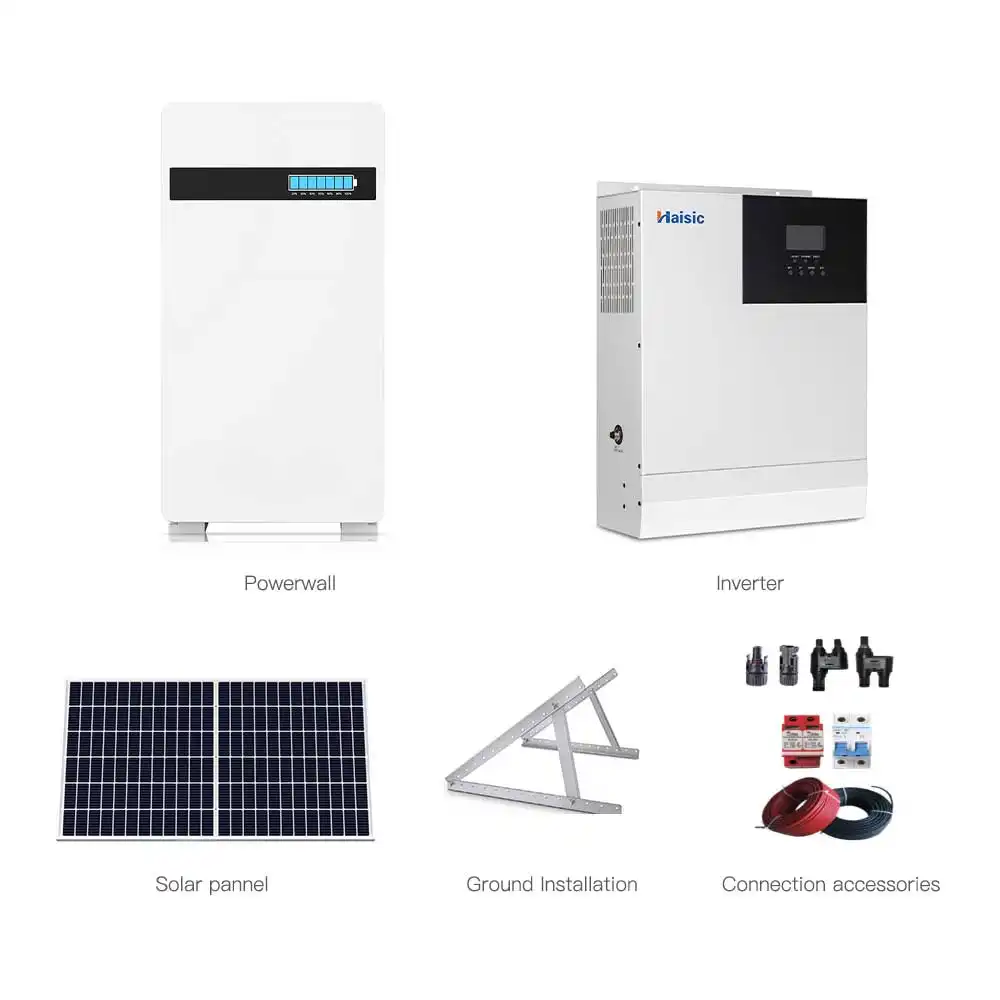
When we talk about a home solar panel and battery storage setup, we aren\’t just slapping panels on a roof. We are building a complete ecosystem. Here is the hardware that makes it happen:
- Solar Panels: These capture sunlight and convert it into DC electricity.
- Inverter: The \”brain\” that converts DC power into the AC electricity your appliances use.
- Battery Bank: The \”fuel tank.\” This stores excess energy for later use (this is where our high-performance LiFePO4 technology shines).
- Charge Controller: The regulator that prevents your batteries from overcharging.
The Energy Flow: Day vs. Night
Understanding the flow is key to maximizing your investment. During the day, your panels generate power.
- Direct Use: Your home consumes this power first (running the A/C, lights, fridge).
- Storage: Any excess storage flows into your battery bank rather than being lost to the grid.
- Nighttime/Off-Peak: When the sun sets, your system automatically switches to drawing power from the battery.
Grid-Tied vs. Hybrid vs. Off-Grid
Not all systems are built the same. Depending on your goal—whether it\’s total energy independence or just lowering bills—you have three main options:
| Configuration | Description | Best For |
|---|---|---|
| Grid-Tied | Connects to the utility grid. No battery backup. | Lowering bills only. |
| Off-Grid Solar System Home | Completely disconnected from the utility. | Remote locations & total independence. |
| Hybrid | Connected to the grid plus battery storage. | Backup power & bill savings (Most Popular). |
The Role of Modern Inverters
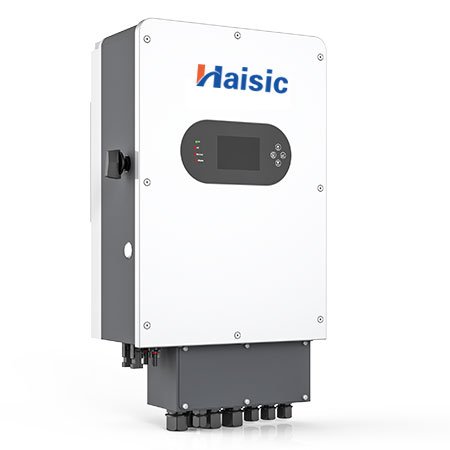
[Image of hybrid solar inverter]
In the past, switching to backup power was clunky. Today, a hybrid solar inverter battery setup handles this seamlessly. Modern inverters manage the traffic between the solar panels, the battery, and the grid instantly.
If the grid fails, a quality inverter isolates your house from the utility line (for safety) and taps into your solar backup power for outages so fast your digital clocks won\’t even reset. This is the peace of mind a home solar panel with battery storage provides.
Would you like me to detail the specific cost breakdown and potential ROI for a hybrid system like this?
Key Benefits of Home Solar Systems with Battery Storage
Installing a solar panel with battery storage for home isn\’t just about going green; it’s a strategic move for your wallet and your peace of mind. We have moved past the era where solar was just a novelty. Today, combining panels with a home solar battery storage unit is the only way to truly unlock the potential of renewable energy.
Here is why upgrading to a complete residential solar power kit is one of the smartest investments you can make for your property.
Financial Savings and Self-Consumption
The most immediate impact is on your utility bills. Without a battery, you are often forced to sell your excess daytime solar energy back to the grid at low rates, only to buy it back at night when prices peak.
By adding storage, you practice solar self-consumption optimization. You store that free solar energy generated at noon and use it to power your home in the evening. This drastically reduces your reliance on the grid and protects you from fluctuating utility rates.
Reliable Backup Power
Grid instability is a growing concern globally. A standard grid-tied solar system shuts down during a blackout for safety reasons, leaving you in the dark. However, a solar energy system with backup keeps your lights on.
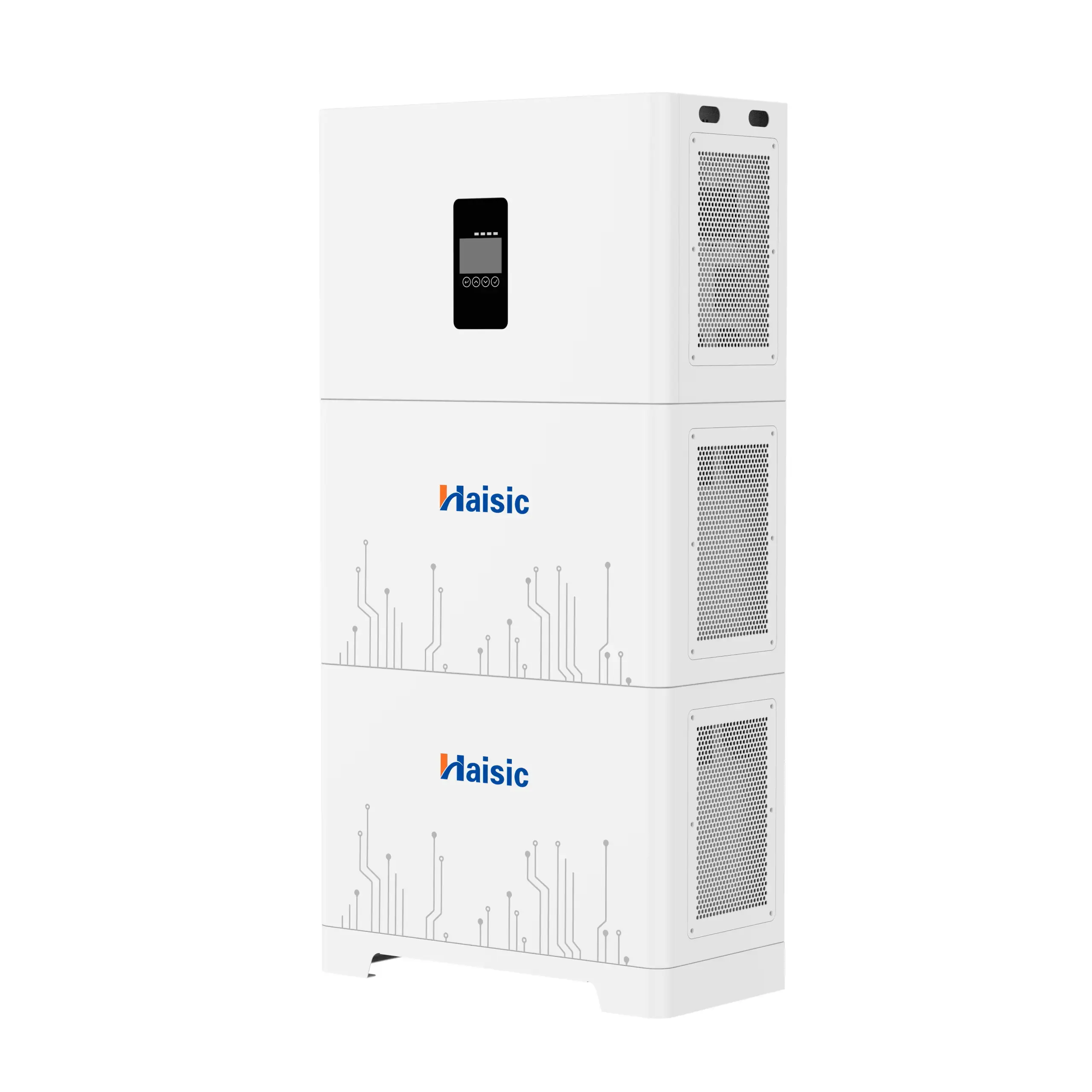
With a robust solution like the Haisic 32kWh all-in-one home energy storage system, you can keep essential appliances—like refrigerators, medical devices, and HVAC systems—running smoothly even when the neighborhood goes dark. This provides the security of an energy independence solar battery without the noise or fumes of a gas generator.
Impact Overview
| Benefit | Real-World Impact |
|---|---|
| Cost Reduction | Lower monthly bills by storing cheap solar power for expensive peak hours. |
| Energy Security | Solar backup power for outages ensures your home stays functional during storms. |
| Independence | Reduces reliance on aging utility infrastructure and volatile electricity prices. |
| Home Value | Homes with a solar panel inverter battery combo often sell faster and at a premium. |
| Environment | Maximizes your use of clean energy, significantly lowering your carbon footprint. |
Future-Proofing Your Home
Investments in best home energy storage 2026 technology also increase your property value. Buyers are increasingly looking for homes that are energy-efficient and resilient. A fully integrated system signals that a home is modern and prepared for the future.
Would you like me to help you compare the specific battery capacities needed for your daily energy consumption?
Types of Batteries for Home Solar Storage
Choosing the right chemistry and design is critical when configuring a solar panel with battery storage for home. Not all batteries are built the same, and the technology you choose impacts everything from safety to how many years your system lasts.
Lithium-ion (LiFePO4) vs. Lead-Acid
While lead-acid batteries are cheaper upfront, they are heavy, require maintenance, and have a shorter lifespan. For modern residential use, LiFePO4 home battery technology (Lithium Iron Phosphate) is the superior choice. We strictly recommend LiFePO4 because it offers:
- Higher Safety: Extremely stable chemistry with no risk of thermal runaway.
- Longer Lifespan: Lasts 10+ years compared to the 3-5 years typical of lead-acid.
- Better Efficiency: You can discharge them deeply without damaging the cells, maximizing your usable energy.
Modular vs. All-in-One Systems
Flexibility is key. A modular home battery system allows you to start with the capacity you can afford now and expand later.
- Modular: Stackable units that let you grow your storage as your energy needs increase.
- All-in-One: Pre-packaged units that are easier to install but often harder to upgrade.
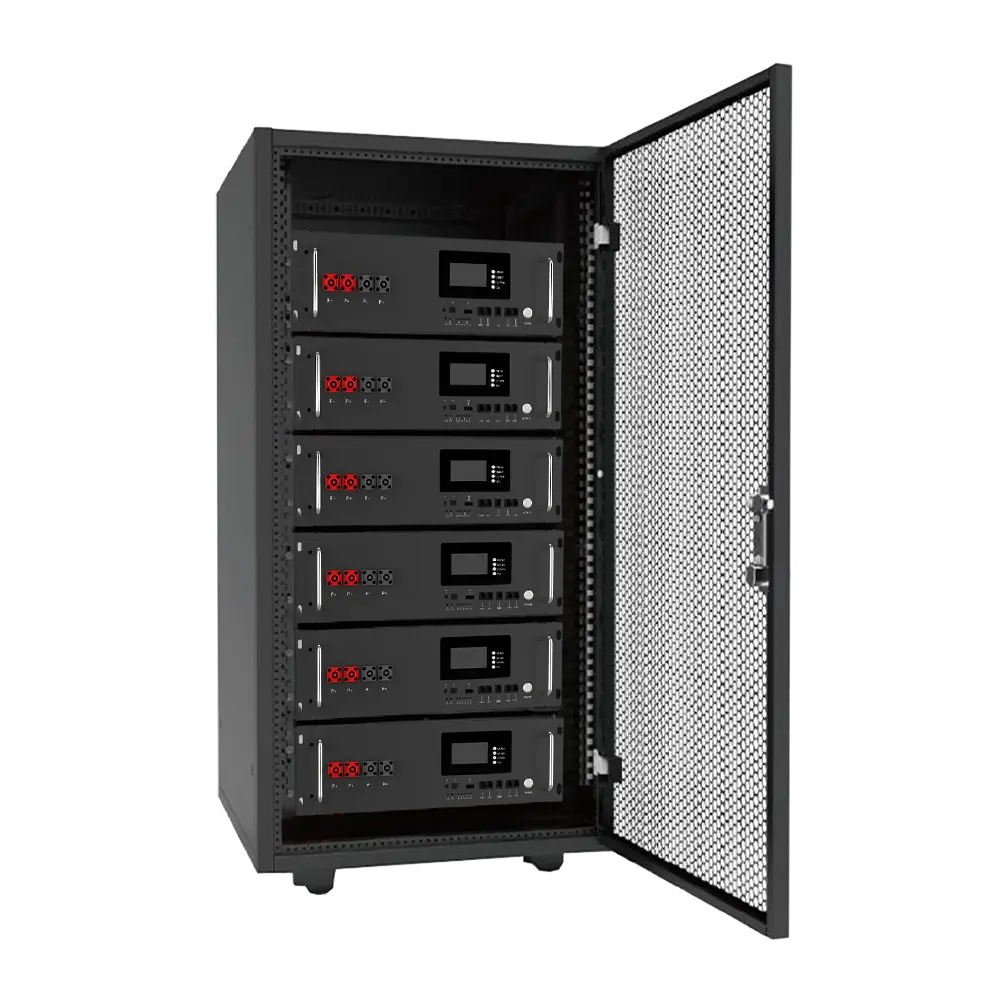
At Haisic, we engineer our solutions to handle the heavy lifting of daily cycling. For homeowners looking for robust capacity, our 128V LiFePO4 battery pack with 35.8kWh capacity provides the high-voltage efficiency needed for whole-home backup. Our advanced LiFePO4 cells are designed for superior cycle life, ensuring your investment pays off for decades, not just years.
Sizing Your System: What Capacity Do You Need?
Getting the sizing right is the single most important step when designing a solar panel with battery storage for home. If your battery bank is too small, you will run out of power during an outage; if it is too big, you are overspending on capacity you will rarely use. The goal is to balance your budget with your energy independence goals.
Assessing Your Daily Energy Consumption
Before looking at hardware, grab your latest electricity bill. You need to find your average daily consumption in kilowatt-hours (kWh).
- Low Usage: 10–15 kWh per day (Small homes, gas appliances).
- Medium Usage: 20–30 kWh per day (Average family home).
- High Usage: 40+ kWh per day (Large homes, electric heating/cooling, EVs).
Knowing this number helps us determine how much solar backup power for outages you actually require.
Common Storage Sizes: Partial vs. Whole Home
Most homeowners fall into two categories: those who just want to keep the essentials running, and those who want life to continue as normal off-grid.
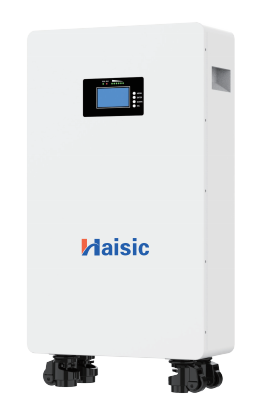
- Partial Backup (10–15 kWh): This is the most common entry point. A single battery unit can keep \”critical loads\” like your refrigerator, lights, Wi-Fi, and laptop chargers running through the night. Our 10kWh wall-mounted home energy storage is specifically designed for this application, offering a sleek form factor that integrates easily into residential garages or utility rooms.
- Whole Home Solar Storage (20–40 kWh): If you need to power heavy loads like central air conditioning, well pumps, or electric stoves, you will need to stack multiple batteries. A modular home battery system allows you to scale up to this capacity without buying everything at once.
Critical Sizing Factors
When calculating your needs, don\’t just look at the total kWh; consider the surge power and duration.
- Essential Loads: List the appliances you must run.
- Peak Power: Ensure the battery inverter can handle the startup surge of motors (like your fridge or HVAC compressor).
- Sun Exposure: If you live in a cloudy region, you need a larger battery bank to ride through days with low solar production.
Quick Calculation Guide
To get a rough estimate of the best home energy storage 2026 size for your needs, use this simple formula:
(Total Wattage of Essential Appliances) × (Hours of Runtime Needed) ÷ 1000 = Minimum kWh Capacity
Example: If your essential load is 1000W and you need it to run for 10 hours overnight, you need at least 10 kWh of usable capacity. Always add a 20% buffer to ensure you don\’t drain the battery completely, which preserves its longevity.
Costs and Return on Investment in 2026
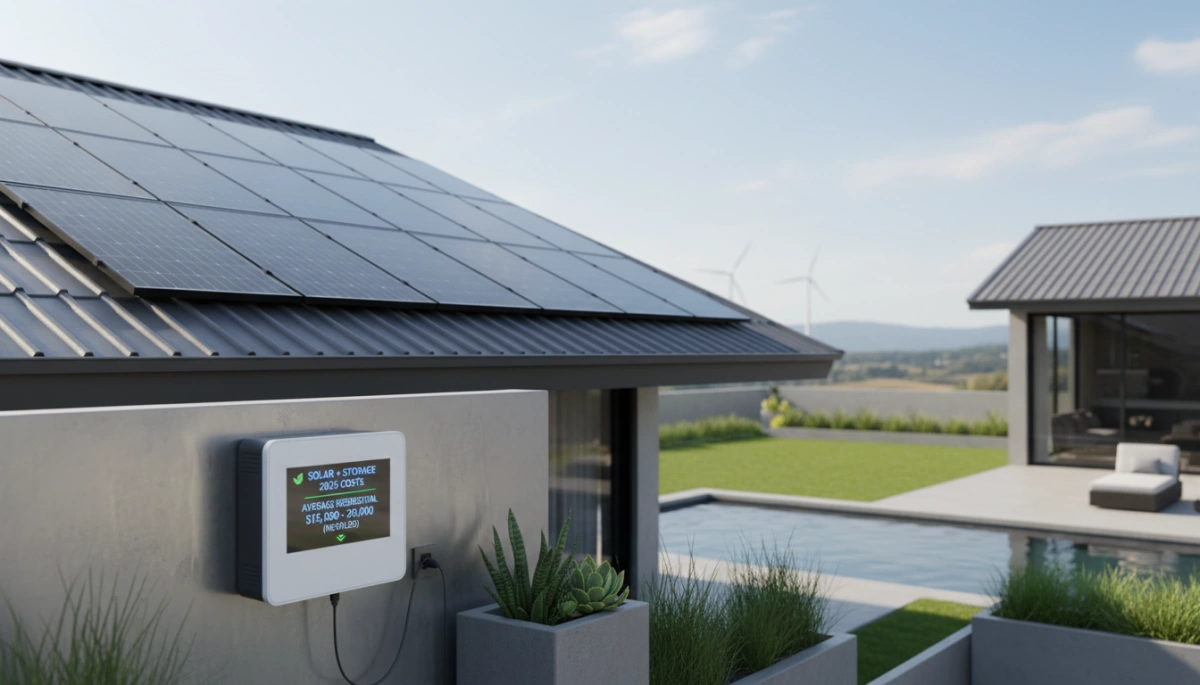
Let’s talk numbers. Investing in a solar panel with battery storage for home is a significant financial decision, but in 2026, the return on investment (ROI) is clearer than ever. While the upfront price tag might seem high, the long-term savings on utility bills often outweigh the initial expense. When you analyze the cost of solar panels and battery systems, you are paying for three main things: the hardware (panels and batteries), the inverter, and the professional installation.
While panel prices have stabilized, battery costs are becoming more competitive as technology improves. If you want to dive deeper into budgeting, looking at a detailed breakdown of the cost of solar battery storage can help you see exactly where your money goes, from capacity to battery chemistry.
Key ROI Factors
To understand the real value, you have to look beyond the sticker price. Here is what drives your financial return:
- Federal Tax Credit Solar Storage: The urgency here is real. The 30% Investment Tax Credit (ITC) significantly slashes your net cost, shortening the payback period by years.
- Avoiding Peak Rates: By storing cheap solar energy during the day and using it when grid rates are highest, you maximize your savings.
- System Longevity: This is where we come in. Haisic’s durable, high-efficiency LiFePO4 batteries are designed for a high cycle life. A battery that lasts longer means better ROI because you aren\’t spending money on early replacements.
It is also smart to factor in maintenance costs and annual budgets to get a true picture of your total cost of ownership. Ultimately, a quality system pays for itself by shielding you from rising energy costs and unreliable grid power.
Choosing the Right System
Selecting the ideal home solar panel with battery storage setup isn\’t just about picking the biggest battery; it\’s about finding a system that balances performance, longevity, and your specific energy goals. When evaluating options, prioritize round-trip efficiency—how much energy you actually get back after storing it. A higher efficiency rating means less power is lost during the conversion process, directly improving your solar self-consumption optimization.
You also need to look closely at the warranty and scalability. A solid warranty protects your investment, while a modular design allows you to expand your storage capacity later if your family grows or you add an electric vehicle. Smart monitoring capabilities are equally crucial; modern solar panel inverter battery combo systems should come with an app that lets you track generation, usage, and battery health in real-time.
Compatibility is another major factor. Your battery must integrate seamlessly with your existing or planned hybrid solar inverter battery setup. This is where specialized manufacturers stand out. Instead of generic solutions, choosing a dedicated provider ensures you get high-quality components designed to work together. For instance, opting for a system like the Haisic 51.2V 100Ah LiFePO4 stackable energy storage battery offers the flexibility of a stackable design, making it easier to customize the capacity to your home\’s exact needs without overspending on unnecessary bulk.
Key Features Checklist
- Chemistry: Look for LiFePO4 home battery technology for safety and a longer lifespan compared to older lead-acid types.
- Scalability: Can you add more modules later?
- Depth of Discharge (DoD): Higher DoD means you can use more of the battery\’s total capacity.
- Brand Reputation: Manufacturers like Haisic focus strictly on storage solutions, ensuring higher reliability than generalist brands.
Ultimately, the goal is energy independence. By selecting a system with the right mix of efficiency, smarts, and durability, you ensure your solar backup power for outages is ready exactly when you need it.
Installation and Maintenance for Your Home Solar Battery System
Getting a solar panel with battery storage for home set up isn\’t a weekend DIY project. It involves high-voltage electricity and complex integration with your local grid. Here is what you need to know to get your system running safely and efficiently.
Professional Installation Process and Timeline
We always recommend working with certified installers. They understand the nuances of wiring a solar panel inverter battery combo to ensure seamless operation. While the physical installation typically takes 1 to 3 days, the entire project timeline looks like this:
- Site Assessment: Evaluating your roof and electrical panel.
- Permitting: Submitting plans to the city and utility company (often the longest phase, taking 2-8 weeks).
- Installation: Mounting panels, setting up the inverter, and connecting the battery bank.
- Inspection and PTO: safety check and getting \”Permission to Operate\” from the utility.
Permits and Incentives
Never skip the paperwork. Proper permitting ensures your solar backup power for outages is safe and legal. Furthermore, compliance is usually required to claim financial incentives.
- Federal Tax Credit: In the US, the federal tax credit solar storage allows you to deduct 30% of the installation cost from your taxes.
- Local Rebates: Many local utilities offer cash rebates for installing best home energy storage 2026 compliant systems that help stabilize the grid.
Simple Maintenance and Safety Tips
One of the reasons we use LiFePO4 technology at Haisic is that it requires almost zero maintenance compared to older lead-acid setups. To keep your system optimized for energy independence solar battery performance, follow these guidelines:
- Monitor via App: Check your system performance regularly to spot any drops in efficiency.
- Temperature Control: Ensure your batteries are installed in a cool, dry place. Extreme heat or cold can impact lifespan.
- Keep it Clean: Keep the area around the battery bank free of dust and debris.
- Professional Check-ups: Schedule a system audit every 3-5 years.
Reliable home lithium battery storage solutions are designed to be \”set and forget,\” but keeping an eye on your diagnostics ensures you always have power when you need it most.
Would you like me to create a comparison table of the top 5 solar battery brands to help visualize market options?
Real-World Scenarios: Solar Panel with Battery Storage for Home
Seeing is believing. It helps to look at how actual setups work in the real world to decide if you need just the essentials or the full package. When configuring a solar panel with battery storage for home, the difference usually comes down to what you want to keep running when the grid goes down.
Partial Backup: The Essentials Only
For many families, keeping the lights on and the food cold is enough. In this scenario, we often see a targeted solar backup power for outages setup.
- The Goal: Survival mode during blackouts.
- The Load: Refrigerator, Wi-Fi router, LED lights, and charging phones.
- The Result: You ride out the storm comfortably without draining your bank account on massive capacity.
Full Backup: Business as Usual
On the other hand, some homeowners want whole home solar storage where life doesn\’t skip a beat. This requires a more robust system capable of handling heavy loads like HVAC systems or electric stoves.
We recently helped a client achieve total energy independence using our high-capacity 51.2V 305Ah touchscreen home energy battery. With this level of storage, they run their entire household through the night, effectively ignoring peak grid rates and power failures alike.
Reliable Systems Powered by Haisic
Whether you are building a simple solar panel inverter battery combo or a complex off-grid solution, reliability is non-negotiable. Our customers report that switching to our LiFePO4 systems stabilized their energy flow immediately.
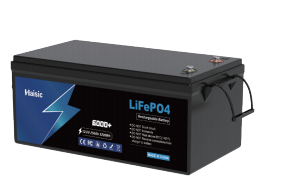
By choosing a dedicated 25.6V 200Ah lithium battery for home energy storage, users move away from the maintenance headaches of older lead-acid tech. instead, they get a scalable system designed to last over a decade, ensuring their home solar battery storage investment pays off every single day.
Would you like me to help you compare the specific warranty terms and cycle life of Haisic batteries against standard market options?