










Why Solar Power Storage Systems Are Essential in 2026
Is your solar investment feeling a little less powerful lately? You aren\’t alone. We have reached a point where simply having panels on the roof is no longer the \”set it and forget it\” solution it used to be. In 2026, the conversation has shifted from just generating energy to effectively managing it. If you want true energy independence, a solar power storage system is no longer a luxury—it is a necessity.
The Solar Supply-Demand Mismatch
The core issue we face is timing. Solar panels produce the most energy around noon when the sun is highest, but that is typically when our home energy consumption is lowest. Conversely, our demand spikes in the evening—right when solar production drops to zero.
This disconnect creates what experts call the \”duck curve.\” Without storage, we are forced to sell our clean energy to the grid for pennies during the day and buy it back at a premium at night. A home solar battery storage unit solves this by capturing that midday surplus so we can use it when we actually need it.
Navigating NEM 3.0 and Export Value Drops
Gone are the days when the electrical grid acted as a free battery. With policy changes like NEM 3.0 in California and similar adjustments rolling out globally, the value of sending excess power back to the utility company has plummeted.
- Old Model: Net metering often credited homeowners at the full retail rate.
- New Reality: Export rates have been slashed, meaning you might sell power for $0.05/kWh but buy it back a few hours later for $0.35/kWh.
This creates a massive financial leak in the traditional solar-only setup. The only way to retain the value of the energy you generate is to keep it onsite with a solar energy storage battery.
Rising Utility Rates and Time-of-Use Pricing
Utility companies are increasingly adopting Time-of-Use (TOU) pricing structures. This means electricity is most expensive during \”peak hours\” (usually 4 PM to 9 PM)—exactly when families are cooking dinner, running A/C, and using electronics.
By integrating a solar power storage system, we can engage in time-of-use solar optimization. We charge the battery with free solar power during the day and discharge it during peak hours to avoid expensive grid rates. This strategy, known as energy arbitrage, drastically improves the ROI of the entire system.
Real-World Benefits: More Than Just Savings
Beyond the financial math, adding storage transforms the functionality of your home.
- Backup Power: Grid reliability is declining. A battery energy storage system keeps the lights and Wi-Fi on during blackouts.
- Reduced Peak Charges: Avoid demand charges that punish high usage during specific windows.
- Environmental Impact: Using stored solar reduces reliance on fossil-fuel peaker plants that fire up when grid demand is high.
How Solar Power Storage Systems Work

Understanding the mechanics behind a solar power storage system helps you make smarter buying decisions. It isn\’t magic; it is simply about capturing energy when the sun is shining and holding onto it for when it isn\’t. At its core, the system acts as a bank, depositing energy during the day to withdraw at night or during a blackout.
Core Components of a Residential Solar Storage Setup
To get a home solar battery storage setup running efficiently, you need three main pieces of hardware working in harmony.
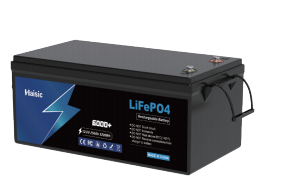
- Batteries (The Tank): This is where the chemical energy is stored. Most modern systems use Lithium Iron Phosphate (LFP) chemistry because it offers safety and a long cycle life.
- Inverters (The Translator): Solar panels and batteries produce Direct Current (DC), but your home runs on Alternating Current (AC). The inverter converts this electricity so your appliances can actually use it.
- Charge Controllers (The Traffic Cop): These regulate the voltage and current coming from the PV panels to the battery. They prevent overcharging and ensure the battery bank doesn\’t drain in reverse at night.
AC vs. DC Coupling: What Homeowners Need to Know
When setting up a solar panel battery backup, you will hear about AC and DC coupling. The difference determines how efficient your system is and how easy it is to install.
- DC-Coupled Systems: The solar panels connect directly to the battery before converting to AC. This is highly efficient because there is less energy loss in conversion. It is usually the standard choice for new installations.
- AC-Coupled Systems: These are generally used for retrofitting. If you already have solar panels installed, we often add a separate battery inverter to the existing setup. It’s slightly less efficient but much easier to integrate into a current system.
Comparing System Configurations
Choosing between hybrid, off-grid, and grid-tied systems depends entirely on your energy independence goals. Here is a quick breakdown of how these architectures differ:
| Feature | Grid-Tied System | Hybrid Solar Storage System | Off-Grid System |
|---|---|---|---|
| Grid Connection | Always connected | Connected but can run independently | Completely disconnected |
| Battery Backup | Rare (shuts down in outages) | Yes (essential feature) | Yes (mandatory) |
| Best For | Lowering bills only | Flexibility and backup power | Remote locations & total independence |
| Cost | Low | Medium | High (requires larger capacity) |
For those looking to cut the cord entirely, a robust 10kW off-grid solar power system is necessary to handle heavy loads without relying on utility companies. However, if you want the security of the grid with the savings of storage, a versatile 5kW power energy storage solar system for home use is often the sweet spot for average-sized households.
Integration with Existing Solar Setups
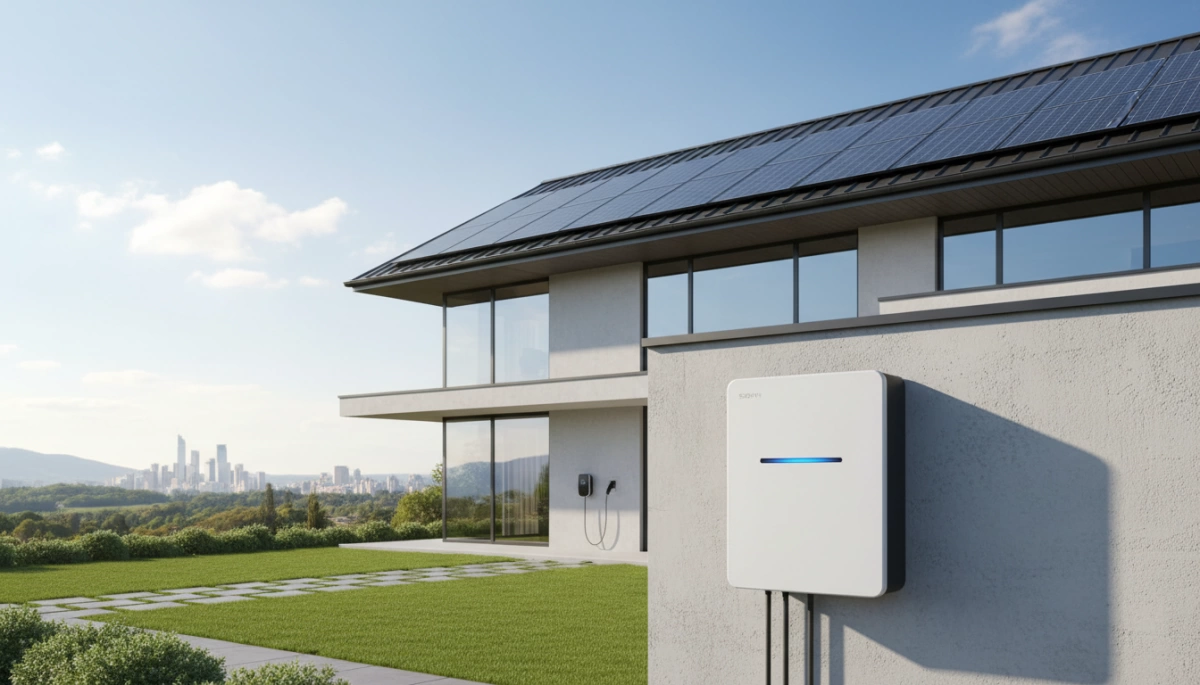
If you already have panels on your roof, you don\’t need to rip them down to add solar energy storage battery capacity. We can integrate a battery energy storage system by installing a hybrid inverter that replaces your old string inverter, or by using the AC coupling method mentioned earlier. The goal is to create a seamless energy loop where your solar production charges the battery first, powers the home second, and only exports to the grid when your storage is full.
Would you like me to help you calculate the specific battery capacity needed based on your daily kilowatt-hour usage?
Types of Solar Energy Storage Technologies
When you are investing in a solar power storage system, the chemistry inside the box matters far more than the brand logo on the outside. While lead-acid batteries are a thing of the past for modern homes, the current market is dominated by Lithium-ion technology. However, not all Lithium batteries are created equal.
Lithium-ion: The Battle of Chemistry (NMC vs. LFP)
For years, Nickel Manganese Cobalt (NMC) was the standard because it is energy-dense and lightweight—perfect for electric vehicles. But for home solar battery storage, weight doesn\’t matter; safety and longevity do.
This is where the Lithium iron phosphate battery (LFP) takes the lead. LFP chemistry is chemically stable and practically immune to thermal runaway (catching fire), making it the safest option for residential installation.
Comparison of Dominant Technologies:
| Feature | NMC (Nickel Manganese Cobalt) | LFP (Lithium Iron Phosphate) |
|---|---|---|
| Safety | Moderate (Risk of thermal runaway) | High (extremely stable) |
| Lifespan | 800 – 2,000 Cycles | 4,000 – 6,000+ Cycles |
| Degradation | Faster capacity loss | Minimal loss over time |
| Best Use | Electric Vehicles | Solar energy storage battery |
Emerging Alternatives: Flow and Saltwater
You might hear buzz about alternatives like flow batteries or saltwater mechanical storage. While the concept of using liquid electrolytes or non-toxic saltwater is appealing, the technology isn\’t fully mature for the average homeowner yet. These systems are often physically massive, expensive to install, and lack the compact modularity of a modern LFP solar battery.
Why LFP is the 2026 Standard for Home Systems
The shift is undeniable. As a specialized battery energy storage system company, we have seen the industry standard move decisively toward LFP.
The reasoning is simple: ROI and Safety.
- Longevity: An LFP system lasts 10-15 years, matching the lifespan of your solar inverters.
- Depth of Discharge: You can use more of the stored energy (up to 100%) without damaging the battery.
- Peace of Mind: The chemical structure effectively eliminates the risk of fire, which is the number one concern for indoor installations.
For any homeowner looking for a reliable solar panel battery backup in 2026, LFP is no longer just an option—it is the baseline requirement for a quality system.
Next Step
Would you like me to calculate the specific battery capacity needed for your home based on your daily kilowatt-hour usage?
Key Factors to Consider When Choosing a Solar Power Storage System
Selecting the right battery isn\’t just about picking the biggest box; it is about matching the system to your specific energy habits. When I talk to homeowners about home solar battery storage, I always tell them to look beyond the price tag and focus on the metrics that actually impact daily life and long-term value.
Determining Capacity and Power Output Needs
You need to understand the difference between capacity (kWh) and power rating (kW). Think of capacity as the size of your fuel tank—how long can you run your house during an outage? Power rating, on the other hand, is like the size of the engine—how many appliances can you run simultaneously?
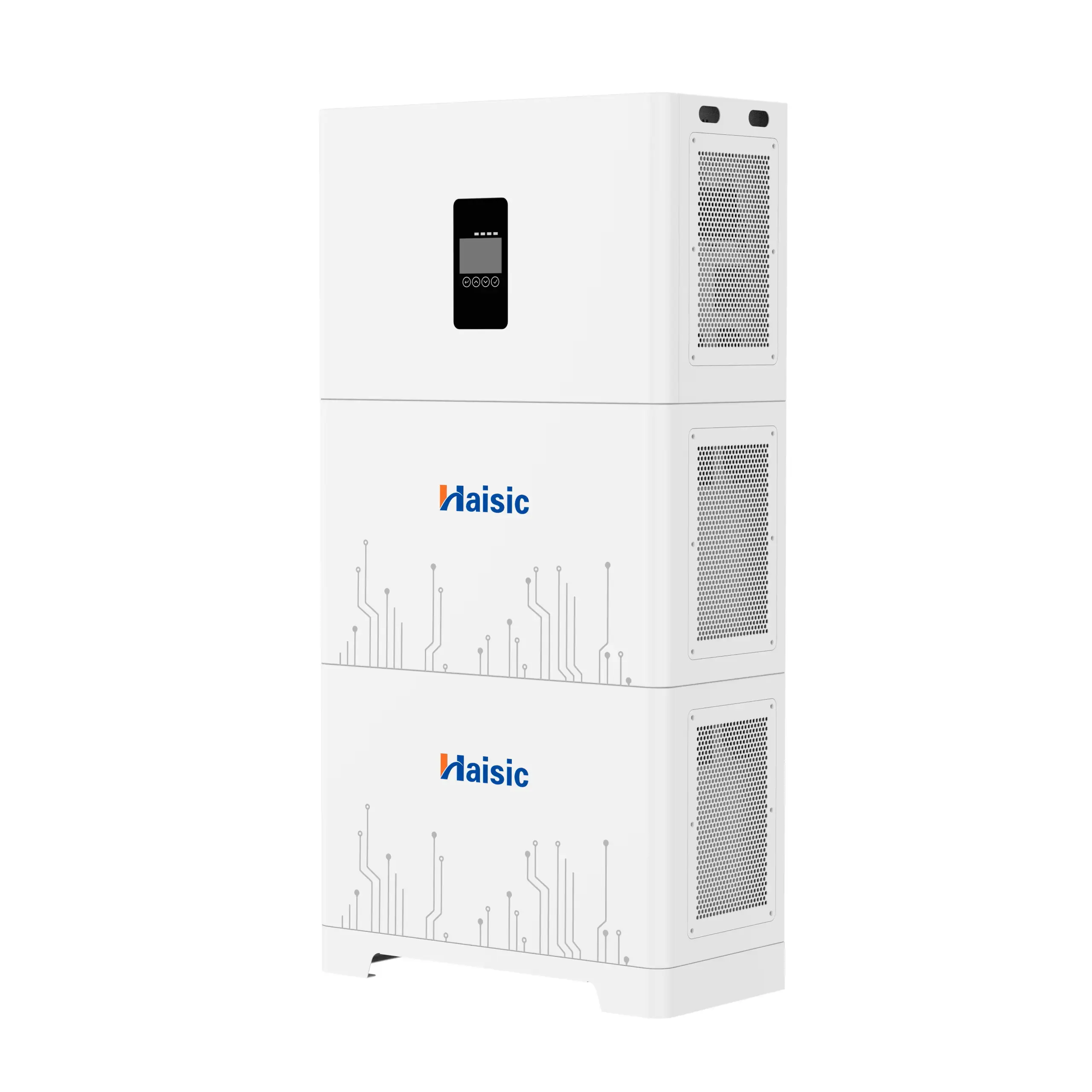
- Capacity (kWh): If you need to keep a large home running overnight, you will require a system with substantial energy reserves, such as the Haisic 26.88kWh high voltage LiFePO4 home energy storage system.
- Power Output (kW): Ensure the battery can handle the surge of starting an AC unit or a well pump.
Efficiency, Cycle Life, and Warranty
Not all batteries age the same way. The best solar energy storage battery options in 2026 use Lithium iron phosphate battery (LFP) chemistry because it offers a superior cycle life—often lasting over 6,000 cycles.
- Depth of Discharge (DoD): Look for a DoD of 90% or higher. This means you can use almost all the stored energy without damaging the battery.
- Round-Trip Efficiency: A higher efficiency rating means less energy is lost during the charging and discharging process.
- Warranty: Always check for a 10-year performance warranty that guarantees at least 70% capacity retention.
Critical Safety Features: BMS and Thermal Management
Safety is non-negotiable. A reliable battery energy storage system must have a robust Battery Management System (BMS). The BMS is the brain of the battery; it monitors temperature, voltage, and current to prevent overheating or overcharging. Advanced thermal management ensures your system operates safely even in extreme climates, protecting your home and your investment.
Scalability and Modularity
Your energy needs today might not be your needs five years from now. I always recommend a solar power storage system that is modular. This allows you to start with a manageable size and stack more units later if you buy an EV or build an addition. Systems like the Haisic 21.5kWh high voltage home energy storage system offer excellent scalability, ensuring your residential solar storage can grow alongside your family’s power demands.
Top Solar Battery Options and Comparisons in 2026
As we move through 2026, the landscape of the solar power storage system market has shifted definitively toward safer, longer-lasting chemistries. While early adopters had to settle for bulky lead-acid or volatile NMC (Nickel Manganese Cobalt) batteries, today\’s standard for residential solar storage is almost exclusively Lithium Iron Phosphate (LFP).
When evaluating options this year, the benchmarks have changed. We aren\’t just looking at capacity anymore; we are looking at round-trip efficiency, thermal stability, and usable lifespan.
Leading Battery Technologies Benchmarked
To help you understand where the market stands, here is a quick comparison of the dominant technologies available for home solar battery storage right now:
| Feature | LFP (Lithium Iron Phosphate) | NMC (Nickel Manganese Cobalt) | Lead-Acid (AGM/Gel) |
|---|---|---|---|
| Safety | High (Thermal runaway is rare) | Moderate (Requires strict cooling) | High (No fire risk, but off-gassing) |
| Cycle Life | 6,000 – 10,000+ Cycles | 2,000 – 4,000 Cycles | 500 – 1,000 Cycles |
| Depth of Discharge | 90% – 100% | 80% – 90% | 50% |
| Lifespan | 15+ Years | 7–10 Years | 3–5 Years |
Focusing on Safe, Long-Lasting LFP Systems
You will notice that LFP solar battery technology wins on almost every metric that matters to a homeowner. We prioritize LFP because it offers the best return on investment. Unlike NMC batteries, which were common in early electric vehicles and first-gen home batteries, LFP does not contain cobalt. This makes them ethically easier to source and chemically much more stable.
For a solar energy storage battery, safety is non-negotiable. LFP cells have a much higher temperature threshold for thermal runaway. Essentially, they don\’t catch fire easily, even if punctured or stressed. This is why we treat LFP as the 2026 standard for any serious solar panel battery backup installation.
Highlighting Haisic Energy Storage Quality
At Haisic, we don\’t just assemble batteries; we engineer energy independence. We have seen too many generic systems fail early due to poor Battery Management Systems (BMS) or cheap cell manufacturing. Our approach is different. We build our systems to withstand the rigors of daily cycling—charging up from your solar panels during the day and discharging all night.
Our build quality focuses on:
- Grade A Cells: We only use top-tier cells to ensure consistent voltage and capacity.
- Intelligent BMS: Our proprietary management system actively balances cells to prevent overcharging and overheating, significantly extending the system\’s life.
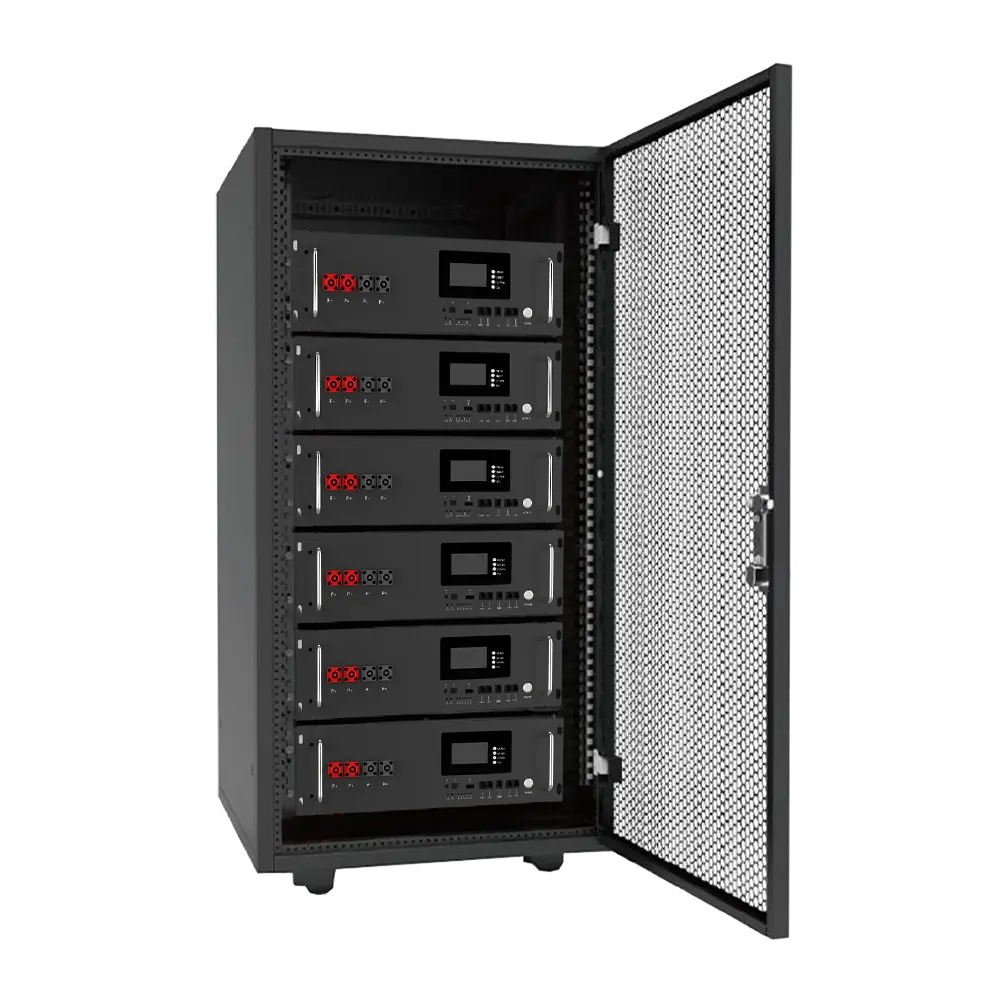
- Modularity: We know energy needs grow. That’s why we designed solutions like our 51.2V 100Ah LiFePO4 stackable energy storage battery, which allows you to easily expand your storage capacity without replacing your entire inverter setup.
When you choose a Haisic energy storage battery, you are choosing a system rated for over 6,000 cycles at 80% depth of discharge. In real-world terms, that means reliable power for over 15 years, backed by support that actually understands the global grid environment.
Would you like me to help you calculate the exact battery capacity needed for your specific daily energy consumption?
Costs, Savings, and Return on Investment for Solar Power Storage Systems
Let’s get straight to the numbers. In 2026, investing in a solar power storage system is a significant financial commitment, but the economics have shifted drastically in favor of the homeowner. We typically see the average cost for a fully installed residential system landing between $12,000 and $22,000. This price range depends heavily on the battery chemistry (LFP vs. NMC), capacity, and whether you are retrofitting a home solar storage system or installing a brand-new hybrid setup.
Breakdown of Savings and Energy Arbitrage
The sticker price is only half the story. The real value of home solar battery storage comes from how it manages your energy bill. We are moving past simple backup power; this is about financial optimization.
- Energy Arbitrage: You charge your solar energy storage battery when rates are low (or free from your panels) and discharge it when utility rates spike in the evening.
- Self-Consumption: Instead of exporting excess power to the grid for pennies, you store it. A robust Haisic 51.2V 20kWh LiFePO4 energy storage system maximizes this self-consumption, ensuring you use every watt you generate.
- Peak Shaving: By reducing your draw from the grid during peak demand times, you avoid expensive demand charges often found in modern time-of-use plans.
Payback Period and Solar Plus Storage ROI
Calculating the solar plus storage ROI requires looking at the \”duck curve\” and policy shifts like NEM 3.0. Without a battery, solar payback periods are extending because export rates have plummeted. However, adding a solar panel battery storage unit stabilizes this.
- With Storage: You retain the value of your energy. Payback periods for optimized systems are often hitting the 6–9 year mark, depending on local electricity rates.
- Without Storage: You rely on the utility\’s buy-back rate, which is becoming increasingly unfavorable.
Federal Tax Credits and Incentives
To offset the initial solar battery cost 2026, you must leverage available incentives immediately. The Federal Investment Tax Credit (ITC) currently covers 30% of the cost of the solar power storage battery and installation. Additionally, many local regions offer specific rebates for residential solar storage that provides grid services. These incentives are time-sensitive, making 2026 a critical year to lock in your home energy independence.
Installation, Maintenance, and Best Practices for Solar Power Storage Systems
Getting a solar power storage system up and running is a significant step toward energy independence. While the technology inside is complex, the user experience should be seamless. Here is how we ensure your system is installed correctly and stays healthy for the long haul.
Professional Installation Requirements
Let’s be clear: installing a battery energy storage system is not a weekend DIY project. You are dealing with high-voltage DC electricity, heavy components, and complex grid interconnections.
- Certified Installers: Always use a licensed electrician or certified solar installer. We ensure compliance with local building codes and fire safety regulations.
- Timeline: The physical installation typically takes 1 to 2 days. However, permitting and utility interconnection approval can take a few weeks depending on your local government.
- Electrical Upgrades: Some older homes may require a main service panel upgrade to handle the additional load of a residential solar storage setup.
Space Considerations: Wall-Mounted vs. Floor-Mounted
Where you put your battery matters. Most home solar battery storage units are rated for both indoor and outdoor use, but I always recommend a temperature-controlled environment like a garage or basement. Extreme heat or freezing cold can impact efficiency.
Choosing the right form factor depends on your available space:
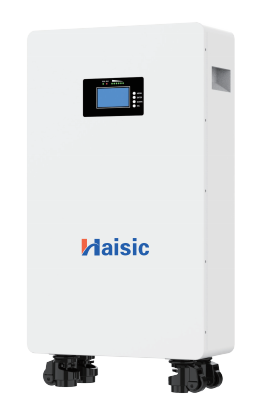
- Wall-Mounted: Perfect for keeping your floor clear. If you have limited square footage, a sleek 10kWh wall-mounted home energy storage unit mounts flush against the wall, looking clean and modern.
- Floor-Mounted: These are often easier to install because they don\’t require structural reinforcement of your walls. For larger energy needs, a robust 51.2V floor-mounted home energy storage system provides stability and easy access for maintenance.
Maintenance Tips for System Longevity
Modern LFP solar battery systems are designed to be virtually maintenance-free, but \”set it and forget it\” doesn\’t mean \”ignore it completely.\” A little attention ensures your ROI stays high.
- Temperature Check: Ensure the area around the battery stays ventilated. Do not stack boxes or debris against the cooling vents.
- Visual Inspection: Once a month, check for any physical damage or loose connections.
- State of Charge: For long-term health, try not to leave the battery at 0% or 100% for weeks at a time if you are away.
Smart Monitoring and Energy Management
The \”brain\” of your solar panel battery backup is the software. Most modern systems come with a mobile app that gives you real-time data.
- Track Real-Time Usage: See exactly how much power your home is drawing versus what your solar panels are producing.
- Control Modes: Switch easily between \”Self-Consumption\” mode to save money or \”Backup Mode\” if a storm is coming.
- Health Alerts: The Battery Management System (BMS) will notify you instantly if there is a cell imbalance or temperature issue.
Would you like me to create a comparison table for the next section detailing the specific costs and savings of these different installation types?
Real-World Applications and Case Studies
Theory is great, but seeing a solar power storage system in action is where the real value lies. We design our systems to handle everything from sudden blackouts to daily energy management, ensuring your home keeps running smoothly without manual intervention.
Residential Backup During Grid Outages
The most immediate benefit is security. When the local grid fails, a backup power solar system kicks in instantly. You aren\’t left fumbling for flashlights or worrying about the food in your fridge spoiling. With a robust home solar battery storage setup, your essential appliances—lights, internet, and refrigeration—keep running, providing unmatched peace of mind during storms or infrastructure failures.
Time-of-Use Solar Optimization
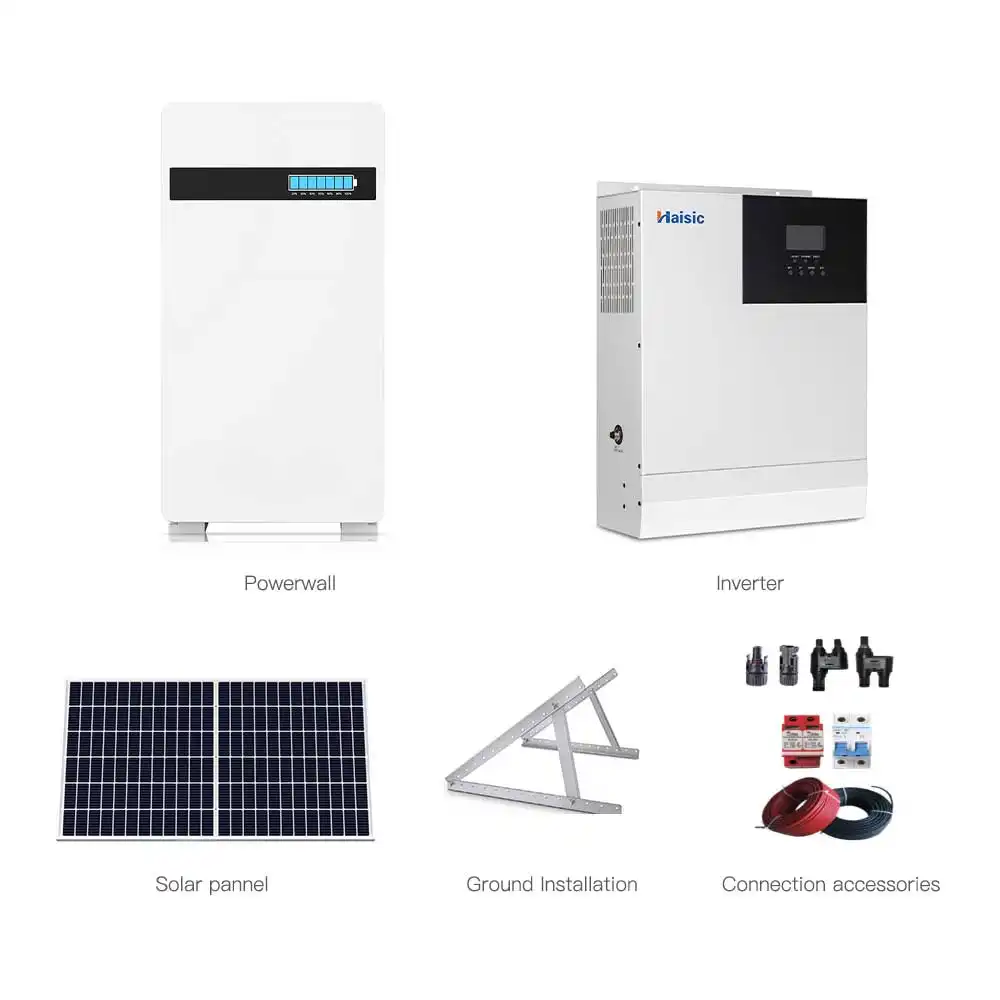
Beyond emergencies, there is the financial advantage. Utility rates often spike in the evening when demand is high. By pairing our 51.2V 100Ah Powerwall energy storage with your panels, you can store cheap solar energy generated during the day and discharge it during these peak hours. This time-of-use solar optimization drastically reduces what you owe the power company, maximizing your solar plus storage ROI.
Off-Grid and Hybrid Setup Examples
Whether you are in a remote cabin or a suburban home looking for independence, flexibility is non-negotiable.
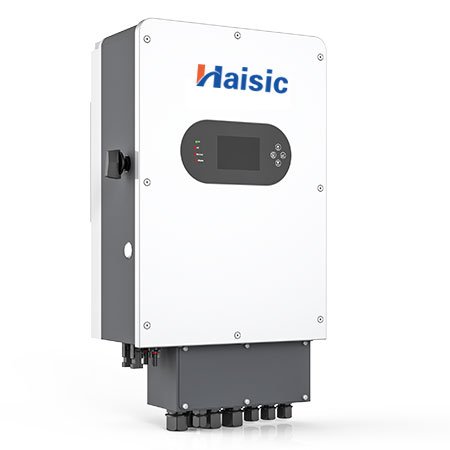
- Hybrid Systems: A hybrid solar storage system keeps you connected to the grid for backup while maximizing self-consumption. Our 6kW-12kW hybrid solar inverters are built to manage this balance perfectly, seamlessly switching between solar, battery, and grid power.
- Off-Grid: For complete home energy independence, an off-grid solar battery setup ensures you aren\’t reliant on utility infrastructure at all.
We have seen Haisic systems deliver consistent results across these scenarios, proving that reliable energy storage is a practical necessity for modern energy needs, not just a luxury.
Would you like me to help you calculate the ideal battery capacity for your specific daily energy usage to ensure you have enough backup power?