










Are you tired of relying on an unstable grid or watching your solar energy go to waste when the sun goes down? finding the best battery for solar power storage is the missing link to true energy independence.
As an industry expert, I know the market is flooded with confusing specs and overpriced options. But choosing the right home energy storage system isn\’t just about backup power—it\’s about maximizing your solar ROI and securing your home against rising costs.
In this guide, I’m cutting through the noise. You’ll discover why LiFePO4 solar batteries are dominating the market, which top-rated models actually deliver on their promises, and how to size your system perfectly for whole home backup.
Ready to take control of your power? Let’s dive in.
Why Solar Power Storage Matters in 2026
If you are searching for the best battery for solar power storage, you likely realize that solar panels alone just don\’t cut it anymore. In 2026, the conversation has shifted from simple power generation to true energy independence storage. I have watched the industry evolve rapidly; homeowners are no longer just looking to go green—they are looking to secure their homes against grid instability and rising costs.
The Real Value of Storage
investing in a battery for solar power storage is not just a luxury; it is a strategic financial move. Here is why adding storage is the smartest upgrade you can make this year:
- Energy Independence: Cut ties with reliance on the grid and use your own clean power day and night.
- Outage Protection: When the neighborhood goes dark, reliable home energy storage ensures your lights and internet stay on.
- Bill Reduction: Smart batteries discharge during expensive peak hours (Time-of-Use rates), saving you significant money on monthly bills.
Current Trends & Financial Incentives
The technology behind the best battery storage for solar power is smarter and more accessible than ever. We are moving away from bulky, one-size-fits-all units toward flexible solutions. Plus, with robust government support, the Return on Investment (ROI) has never been faster.
| Trend / Incentive | Why It Matters |
|---|---|
| Modular Systems | Stackable solar batteries let you start small and expand capacity later as your needs grow. |
| Virtual Power Plants (VPP) | You can now get paid to support the grid by sharing stored energy during peak demand. |
| Federal Tax Credits | The ITC allows you to claim a 30% credit on the total cost of your battery system. |
| State Rebates | Local programs can stack on top of federal incentives, drastically shortening the payback timeline. |
The market is flooded with options, but understanding these shifts is the first step to finding the right solution for your home.
Types of Solar Batteries – Which Chemistry is Best?
Choosing the best battery for solar power storage isn\’t just about picking a brand name; it\’s about understanding what\’s inside the box. The chemical composition of your battery dictates everything from how long it lasts to how safe it is sitting in your garage. As someone deeply involved in the energy industry, I\’ve seen the market shift dramatically. Here is a breakdown of the chemistry options powering home energy storage today.
Lead-Acid Batteries: The Old Guard
For decades, off-grid solar storage relied heavily on lead-acid batteries. They are the same technology used in traditional car batteries.
- Pros: They have the lowest upfront price tag, making them accessible for DIY projects or remote cabins.
- Cons: They are heavy, bulky, and require regular maintenance (like topping up water). More importantly, they have a short lifespan and a poor Depth of Discharge (DoD). You can usually only use about 50% of their capacity before risking damage.
If you are looking for a \”set it and forget it\” solution, this usually isn\’t it. However, for budget-constrained projects where cycle life isn\’t the priority, they still have a niche.
Lithium-Ion (NMC): High Density, High Stakes
Nickel Manganese Cobalt (NMC) batteries are what you typically find in electric vehicles and some popular residential batteries like the earlier Tesla Powerwalls.
- Pros: They are incredibly energy-dense, meaning they store a lot of power in a small physical space.
- Cons: They are sensitive to heat. While rare, thermal runaway (catching fire) is a known risk if the system isn\’t managed perfectly. They also tend to degrade faster than newer chemistries when cycled daily.
Lithium Iron Phosphate (LiFePO4/LFP): The Gold Standard
In 2026, the LiFePO4 solar battery is widely considered the superior choice for residential stationary storage. This is the chemistry I trust most for long-term reliability.
- Pros: LFP batteries are virtually incombustible, making them the safest option for your home. They offer massive longevity—often rated for 6000+ cycles (compared to 500-1000 for lead-acid). You can discharge them deeply (up to 90-100%) without hurting the battery.
- Cons: They are slightly heavier and bulkier than NMC batteries, but for a stationary house battery, weight rarely matters.
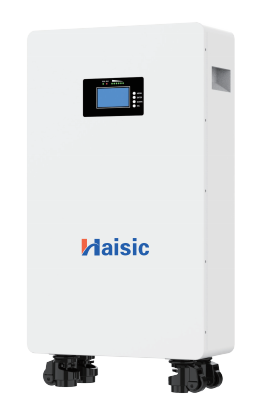
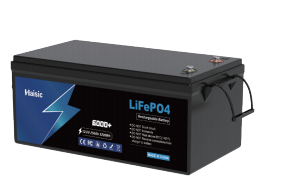
If you are looking for a robust solution, systems like the Haisic 128V LiFePO4 battery pack demonstrate why this chemistry is dominating the market—offering high capacity and safety that justifies the investment.
Emerging Technologies: Flow and Sodium-Ion
We are also seeing new contenders. Flow batteries are excellent for large-scale industrial storage due to their infinite cycle life, but they are too complex and expensive for most homes. Sodium-ion is emerging as a budget-friendly alternative to lithium, but it hasn\’t quite reached mass-market maturity for residential use yet.
Chemistry Comparison: The Metrics That Matter
To help you visualize the solar battery comparison, here is how the top contenders stack up against each other.
| Feature | Lead-Acid (Flooded/AGM) | Lithium-Ion (NMC) | LiFePO4 (LFP) |
|---|---|---|---|
| Lifespan (Cycles) | 500 – 1,000 | 2,000 – 4,000 | 6,000+ |
| Safety | Gas venting risks | Thermal runaway risk | Extremely Stable |
| Round-Trip Efficiency | ~80% | ~90% | 95%+ |
| Depth of Discharge (DoD) | ~50% | ~80% | 90-100% |
| Cost over Lifetime | High (frequent replacement) | Moderate | Lowest |
While lead-acid looks cheaper on day one, the frequent replacements mean the long-term cost of solar battery storage is often much lower with LFP technology. When you factor in the solar battery lifespan, LFP is almost always the smartest financial move for a daily-use system.
Would you like me to detail the \”Key Factors to Consider When Choosing the Best Solar Battery\” next, specifically focusing on sizing and power output?
Key Factors to Consider When Choosing the Best Solar Battery
Selecting the best battery for solar power storage isn\’t just about picking the cheapest option; it\’s about matching the specs to your specific energy needs. You don\’t want to be left in the dark because you underestimated your load, nor do you want to overpay for capacity you\’ll never use.
Capacity (kWh) vs. Power Output (kW)
Many homeowners confuse these two. Capacity (kWh) is the total amount of energy the battery can store—think of it as the size of your fuel tank. Power Output (kW) is how much electricity can be released at once—think of this as the size of the pipe.
- High Capacity, Low Power: You can run small devices (lights, fridge) for a long time.
- High Power: You can run heavy loads (AC, well pumps) simultaneously, even if just for a shorter duration.
Efficiency and Depth of Discharge (DoD)
To get the most out of your home energy storage, look closely at the Depth of Discharge (DoD). This indicates the percentage of the battery that can be discharged relative to its overall capacity without damaging the unit.
- Lead-Acid: Typically ~50% DoD.
- LiFePO4: Typically 90-100% DoD.
You also need a high round-trip efficiency battery. This measures the energy lost during the charging and discharging process. A rating of 90% or higher means you keep more of the solar energy you produce.
Coupling, Scalability, and Compatibility
Deciding between AC coupled vs DC coupled systems depends on your current setup. AC-coupled batteries are easier for retrofitting existing solar arrays, while DC-coupled systems are more efficient for new installations.
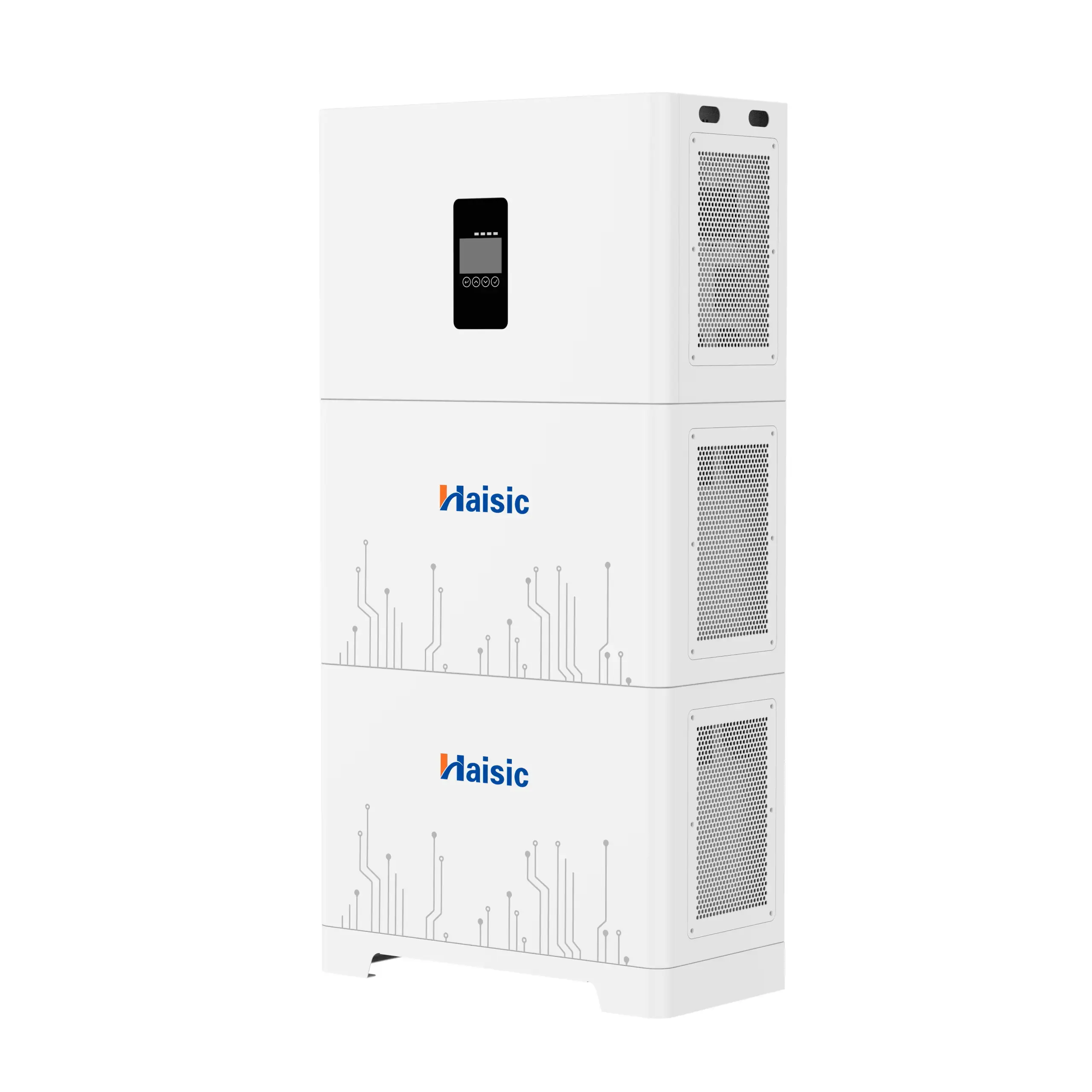
Crucially, ensure the system is modular. Stackable designs allow you to start small and expand later. For large homes requiring robust backup, our Haisic 26.88kWh high-voltage LiFePO4 home energy storage system offers the massive capacity and scalability needed for true energy independence.
of Critical Specs
Here is a quick breakdown of other non-negotiable factors:
| Factor | What to Look For | Why It Matters |
|---|---|---|
| Solar Battery Warranty | 10–15 years; 70% capacity retention | guarantees your investment lasts as long as your solar panels. |
| Safety Features | Thermal management & BMS | Prevents overheating and protects against voltage spikes. |
| Installation | IP65 Rating (if outdoor) | Ensures the unit survives rain, dust, and temperature swings. |
| Total Cost | Cost per cycle, not just upfront price | LiFePO4 often has a higher sticker price but a lower long-term cost due to longevity. |
Would you like me to analyze your estimated daily energy usage to recommend the specific battery capacity (kWh) you need?
Top Solar Batteries for 2026 – Ranked by Use Case
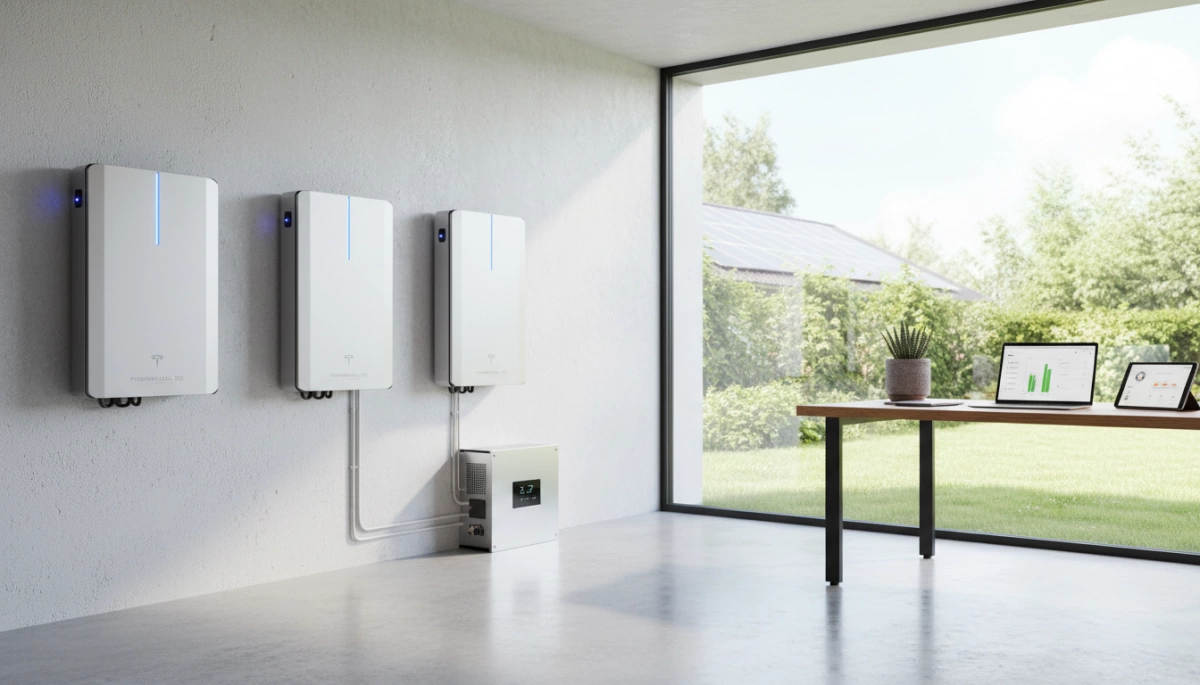
Navigating the market to find the best battery for solar power storage can feel overwhelming with so many specs and chemistries flying around. In 2026, the focus has shifted entirely toward reliability, safety, and modularity. Whether you are looking to go completely off-grid or just want to keep the lights on during a blackout, there is a specific solution tailored to your needs.
Here is how the top contenders stack up this year based on real-world applications.
Best Overall: High-Performance Integrated Systems
For most homeowners, the \”best\” system is one they don\’t have to think about. Integrated systems that combine the battery and inverter into a single unit are taking the top spot. These all-in-one units simplify installation and offer seamless communication between your solar panels and storage. They usually feature smart software that automatically manages energy flow to maximize savings under time-of-use rates.
Best for Whole-Home Backup: High-Power Critical Load Management
If your goal is to run everything—AC, well pumps, and electric stoves—during an outage, standard batteries won\’t cut it. You need a whole home backup battery with high continuous power output. These systems are designed to handle massive surge currents without tripping, ensuring your lifestyle doesn\’t change just because the grid goes down. We are seeing a move toward high-voltage architectures here, which improves efficiency and reduces energy loss during those heavy loads.
Best Value/Modular: Scalable LiFePO4 Systems
Flexibility is king. Many users don\’t want to buy a massive system upfront. The best home solar battery for value is a modular one. These allow you to start with a smaller capacity, say 5kWh, and add more modules as your budget allows or your energy needs grow. Our 51.2V 100Ah stackable energy storage battery is designed exactly for this purpose, letting you physically stack units to increase capacity without complicated rewiring. This \”grow-as-you-go\” approach is the smartest way to manage upfront costs.
Best for Retrofit: AC-Coupled Batteries
If you already have solar panels installed, ripping out your old inverter to add a battery is a headache. That is where AC coupled systems shine. They sit alongside your existing solar setup, charging from the excess AC power your current inverter produces. It is the path of least resistance for adding storage to an older array, and it works independently of your solar inverter brand.
Best Budget/Off-Grid: Reliable Server-Rack LiFePO4
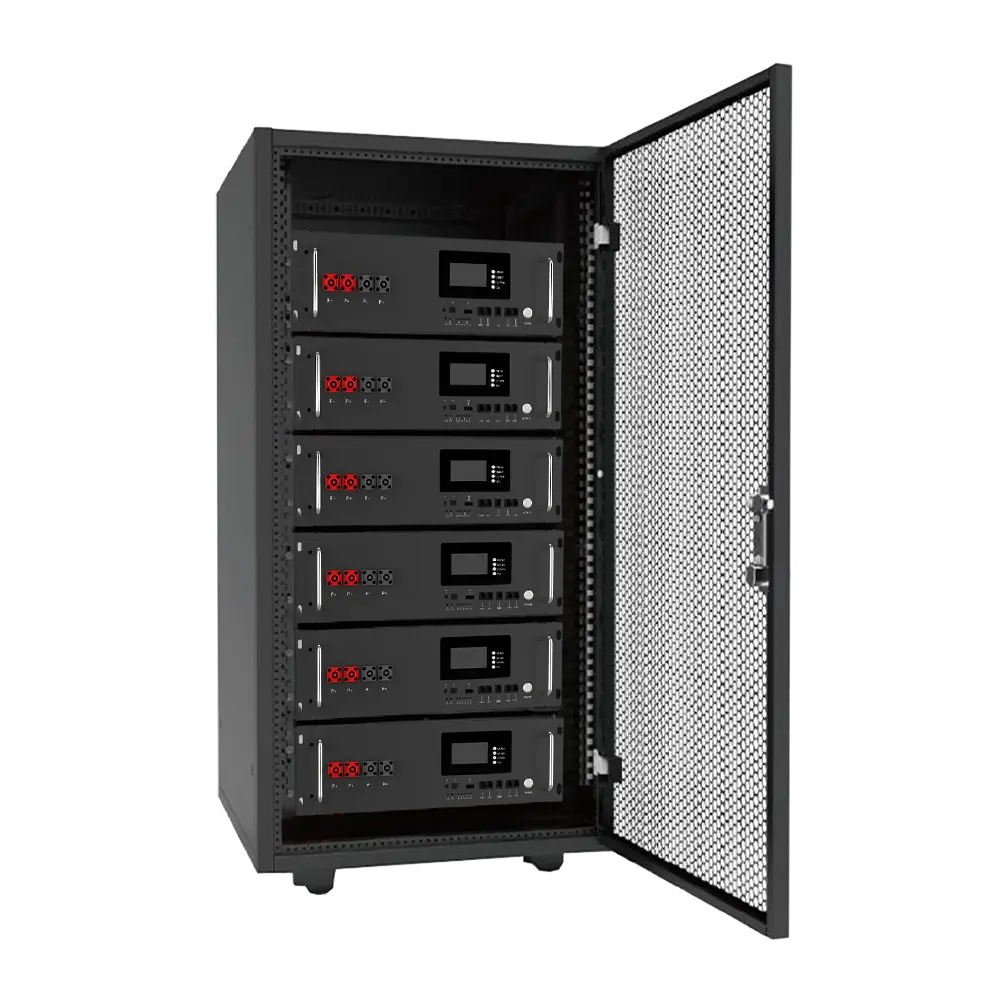
For the DIY enthusiasts and off-grid cabin owners, server-rack style batteries remain the undisputed champion of value. These are stripped-down, no-nonsense LiFePO4 solar battery units that slide into standard server racks. They offer the lowest cost per kWh because you aren\’t paying for fancy aesthetic enclosures—just raw, reliable storage power.
Spotlight on Haisic Energy Storage Solutions
At Haisic, we focus on where the industry is heading: Lithium Iron Phosphate (LiFePO4). We prioritize this chemistry because it simply outlasts everything else, offering superior safety and a longer cycle life.
We don\’t just assemble cells; we engineer the entire power ecosystem. Our systems feature advanced Battery Management Systems (BMS) that actively monitor cell voltage and temperature to prevent degradation. For homeowners looking for a robust, pre-packaged solution, our 20kWh LiFePO4 energy storage system delivers industrial-grade reliability in a residential form factor. By cutting out the middleman and manufacturing directly, we provide competitive pricing without sacrificing the durability required for a 15+ year investment.
Why we stand out:
- Durable Chemistry: We strictly use LFP for safety and longevity.
- Advanced BMS: Intelligent protection against overcharging and thermal runaway.
- Factory Direct: You get premium tech without the massive markup.
Would you like me to help you calculate the exact battery capacity you need based on your monthly electricity bill?
LiFePO4 vs. Other Chemistries – Why LFP Dominates Solar Storage
When determining the best battery for solar power storage in 2026, the industry has largely shifted toward Lithium Iron Phosphate (LiFePO4 or LFP). While traditional lead-acid batteries and the NMC (Nickel Manganese Cobalt) chemistries found in electric vehicles have their uses, LFP is currently the superior choice for stationary home energy storage.
Here is why LiFePO4 solar battery technology is outpacing the competition:
Solar Battery Comparison: Chemistry Breakdown
To understand why LFP dominates, we need to look at the numbers. I\’ve broken down the key differences between the three main contenders below.
| Feature | Lead-Acid (AGM/Gel) | Lithium Ion (NMC) | LiFePO4 (LFP) |
|---|---|---|---|
| Cycle Life | 300 – 500 cycles | 1,000 – 2,000 cycles | 4,000 – 6,000+ cycles |
| Safety | High (but vents gas) | Moderate (Thermal Runaway risk) | Excellent (Non-combustible) |
| Depth of Discharge | 50% recommended | 80-90% | 95-100% |
| Lifespan | 3 – 5 years | 7 – 10 years | 10 – 15+ years |
Safety and Temperature Performance
Safety is my top priority when recommending storage solutions. Unlike NMC batteries, which are prone to thermal runaway if damaged or overheated, the lithium iron phosphate battery structure is chemically stable. It can handle higher temperatures without catching fire, making it much safer for residential installation.
Furthermore, LFP batteries operate efficiently across a wider temperature range. While extreme cold affects all batteries, LFP degrades significantly slower than lead-acid when exposed to heat, ensuring your system remains reliable during summer peak usage.
ROI Case Study: Lifetime Value vs. Upfront Cost
Many homeowners hesitate at the sticker price of LFP. However, when you analyze the solar battery lifespan and total cost of ownership, LFP is actually the cheapest option.
- Lead-Acid Scenario: You might pay less initially, but you cannot discharge them past 50% without damage, and you will likely replace the bank 3 to 4 times over a 15-year period.
- LFP Scenario: A quality system, such as our large-capacity 15kWh LiFePO4 solar battery packs, allows for deep cycling every single day for over a decade with zero maintenance.
By the time you factor in replacement costs and usable capacity, the best battery storage for solar power is the one that you only have to buy once. LFP delivers a lower cost per kWh over its lifetime, offering a much faster return on investment for off-grid and hybrid systems alike.
Next Step
If you are currently relying on older battery technology or planning a new install, calculate your daily kWh usage. Does your current storage allow for 100% depth of discharge? If not, you are leaving capacity on the table.
Sizing Your Solar Battery System
Finding the best battery for solar power storage boils down to one simple question: does it fit your actual energy needs? You wouldn\’t buy shoes without checking the size, and you definitely shouldn\’t invest in a storage system without doing the math. If you get this wrong, you either overspend on capacity you\’ll never use or, worse, end up in the dark when you need power the most.
Step-by-Step Guide to Assessing Needs
To size your system correctly, we need to look at real numbers, not guesses. Here is how I approach it:
- Analyze Your Average Daily Consumption: Check your electricity bill for your kilowatt-hour (kWh) usage. If you use 30 kWh a day, a 5 kWh battery won\’t get you very far off-grid.
- Identify Critical Loads: Do you need a whole home backup battery to run the A/C and pool pump, or just enough juice for the fridge, Wi-Fi, and lights? Separating \”critical loads\” from \”luxury loads\” drastically changes the size you need.
- Check Your Solar Production: A massive battery is useless if your existing solar panels can\’t generate enough power to recharge it fully during the day. Your array size and the battery capacity must be balanced.
For those with significant energy demands, such as commercial facilities or large estates requiring absolute energy security, looking into a 1MWh ESS all-in-one solar energy storage system ensures you never run dry, regardless of grid conditions.
Recommended Tools and Professional Assessments
While back-of-the-napkin math helps, I always recommend using data-driven tools. Many inverter manufacturers offer online sizing calculators that simulate your home’s energy profile. However, for the most accurate results, a professional energy audit is unbeatable. We look at your peak power draw (surge) and your sustained energy draw to ensure the battery inverter can handle the startup spike of appliances like well pumps or HVAC systems.
Common Sizing Mistakes to Avoid
Even smart homeowners make mistakes when configuring home energy storage. Here are the pitfalls I see most often:
- Undersizing for Outages: People often calculate for average use but forget that winter days have less sun for recharging. Always add a buffer (usually 20-30%) for those low-production days.
- Ignoring Future Expansion: Energy usage tends to grow. If you plan to buy an EV or add a heat pump later, buying a non-expandable system now is a waste. Look for stackable solar batteries that allow you to add more modules later.
- Overlooking Surge Ratings: A battery might have enough capacity (kWh) to run your house for hours, but lack the power output (kW) to start your air conditioner. Always check the continuous vs. peak power ratings.
Installation, Maintenance, and Safety Tips
Even the best battery for solar power storage requires proper installation and care to deliver its promised ROI. Getting this part right ensures your system operates safely and qualifies for warranty coverage.
Professional vs. DIY Installation
For most homeowners, professional installation is the safest route. High-voltage DC systems can be dangerous, and certified installers ensure your setup meets local building codes. Crucially, many manufacturers will void the solar battery warranty if the unit isn\’t installed by a licensed expert.
However, for smaller off-grid cabins or modular upgrades, DIY is feasible if you have electrical knowledge. If you are building a custom bank, using components like our 12.8V 280Ah BMS battery simplifies the process with integrated safety management, though we still recommend a professional sign-off for safety.
Key considerations:
- Permits: Professionals handle the paperwork required by local utilities.
- Safety: Pros have the gear to handle high-voltage connections safely.
- Optimization: An expert can site the battery for optimal temperature regulation.
Smart Monitoring and Optimization
Modern home energy storage systems come with intelligent apps that do the heavy lifting for you. Don\’t ignore these tools. They allow you to monitor state of charge (SoC), track solar production, and automate load shifting to avoid peak utility rates.
What to look for in monitoring software:
- Real-time power flow visualization.
- Weather alerts that automatically charge the battery before a storm.
- Health reports on individual cell performance.
Long-Term Maintenance for Lifespan
While LiFePO4 batteries are largely \”maintenance-free\” compared to lead-acid, a few best practices will ensure they hit that 15-year mark. When installing our comprehensive home lithium battery storage solutions, keep these tips in mind:
- Temperature Control: Install batteries in a garage or shaded area. Extreme heat degrades chemistry, while extreme cold reduces efficiency.
- Avoid 100% Constant Charge: If the battery sits idle, keeping it at 100% charge for months can stress the cells.
- Regular Updates: Keep the firmware of your inverter and battery management system (BMS) updated to fix bugs and improve efficiency.
Frequently Asked Questions About Solar Power Storage
Navigating the world of home energy storage can spark a lot of questions. Here are the plain answers to the most common queries we get about finding the best battery for solar power storage and how to get the most out of your system.
What is the best battery type for residential solar storage?
For most homeowners in 2026, Lithium Iron Phosphate (LiFePO4) is hands down the best choice. While older lead-acid batteries are cheap and NMC lithium batteries are compact, LiFePO4 offers the perfect balance of safety, longevity, and performance. They don\’t overheat easily, and they last for thousands of cycles—meaning you won\’t be replacing them anytime soon. If you want a solar battery storage solution that you can install and essentially forget about, LFP is the way to go.
Current cost estimates for solar batteries in 2026
Prices have become much more competitive this year.
- Modular/Server Rack Batteries: You might pay as low as $250 to $400 per kWh for the battery blocks themselves.
- All-in-One Systems: Fully integrated units (battery + inverter + management) typically range from $800 to $1,000 per kWh installed.
While the upfront sticker price might seem high, the drop in per-kWh costs makes best battery storage for solar power more accessible than ever for average households.
Real-world expectations for solar battery lifespan
Don\’t just look at the warranty paper; look at the cycle life. A high-quality LiFePO4 solar battery is rated for 6,000+ cycles. In real-world terms, if you cycle it once a day, that is over 15 years of reliable service. Even after that, the battery doesn\’t just die; it simply holds less charge (usually around 80% of its original capacity).
Feasibility of adding batteries to existing solar systems
Adding storage to an existing array is very common and usually straightforward. You have two main routes:
- AC-Coupling: Add a battery with its own inverter alongside your current solar setup.
- DC-Coupling: Replace your old string inverter with a modern hybrid unit.
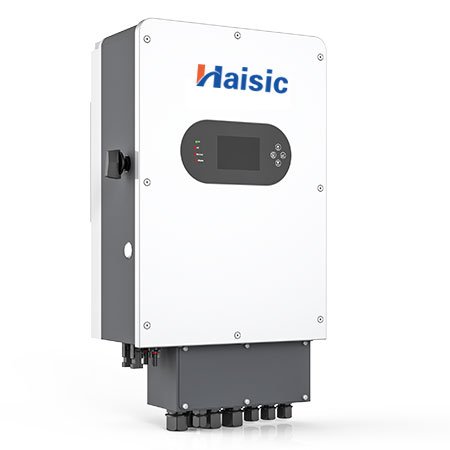
If you are looking to streamline your energy management during a retrofit, upgrading to a versatile Haisic 3kW-6kW hybrid solar inverter allows you to efficiently manage both solar production and battery charging in one device.
Are solar batteries worth the investment without incentives?
Yes, but the ROI depends on how you use energy. Even without tax credits, a battery for solar power storage makes financial sense if:
- You face frequent outages: The value of keeping the lights and fridge on is hard to price but crucial for peace of mind.
- You have Time-of-Use (TOU) rates: Storing cheap solar power to use during expensive evening peak hours can save you significantly on monthly bills.
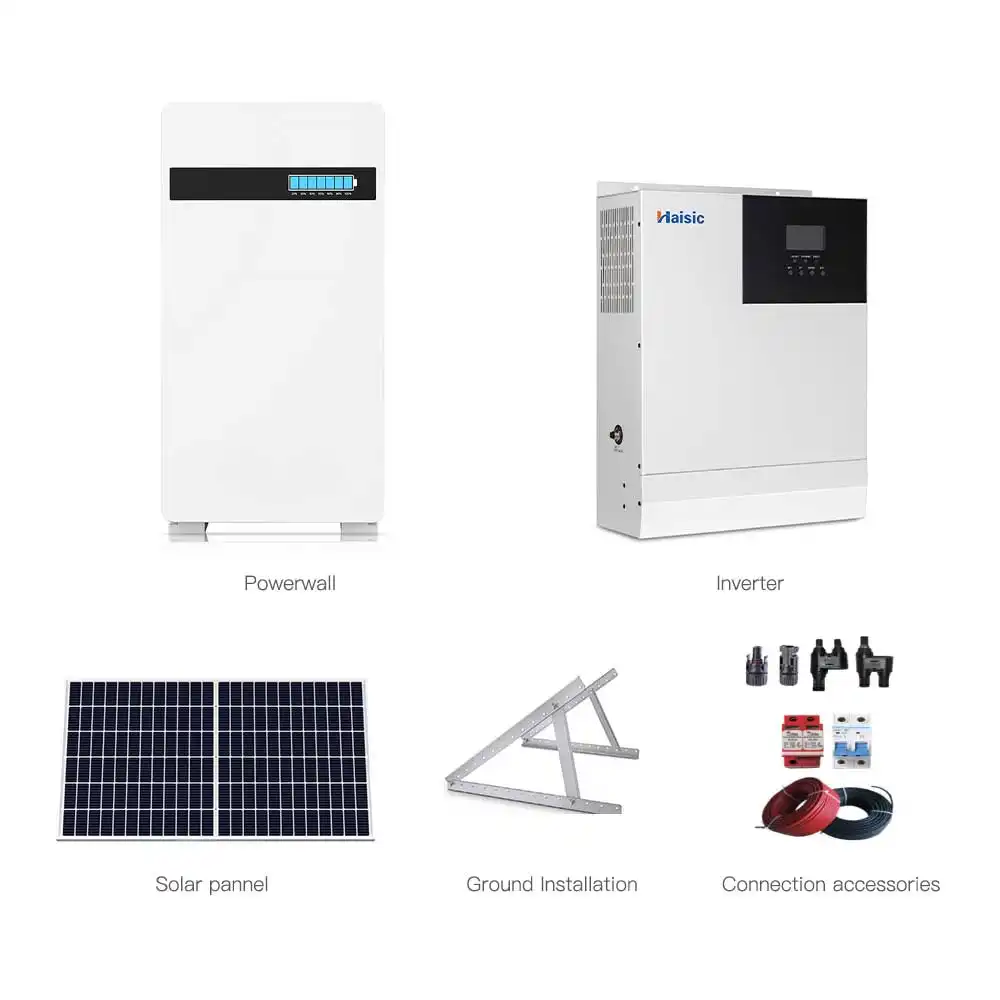
- You want energy independence: For those building a robust 10kW off-grid solar power system, batteries aren\’t just an option—they are a necessity.
Next Step: Still unsure which battery capacity fits your home? I can help you calculate your critical load requirements to find the perfect battery size for your needs.