











Current Lithium Golf Cart Battery Prices in 2026
If you’re asking “how much are lithium battery for golf cart in 2026?”, the honest answer is: it depends on voltage, capacity, and brand. But there are clear price ranges you can use to budget.
Typical Price Range in 2026
For a full lithium golf cart battery pack (LiFePO4) in 2026:
- Overall range (most carts):
$900 – $3,500 per cart - Budget golf cart lithium conversion kits:
$900 – $1,500 - Mid-range 48V lithium golf cart battery packs:
$1,500 – $2,400 - Premium high-capacity / smart packs (Bluetooth, heating, etc.):
$2,400 – $3,500+
These numbers are for complete packs, not single 12V batteries.
Price Range – 36V Lithium Golf Cart Battery
36V lithium golf cart battery packs are common on older carts and some basic fleet vehicles.
Typical 2026 price range:
- 36V 60Ah LiFePO4 pack: about $900 – $1,300
- 36V 100Ah pack: about $1,200 – $1,800
- 36V 160Ah+ pack: about $1,800 – $2,600
Good for:
- Flat courses
- Light use communities
- Stock-speed 36V Club Car / EZGO / Yamaha
Price Range – 48V Lithium Golf Cart Battery
The 48V lithium golf cart battery is the sweet spot in 2026 and the most popular upgrade.
Typical 2026 price range:
- 48V 60Ah pack: about $1,100 – $1,600
- 48V 100–105Ah pack: about $1,600 – $2,400
- 48V 160Ah+ pack: about $2,400 – $3,200+
This is where most Club Car, EZGO, and Yamaha upgrades land.
A standard 48V 100Ah lithium golf cart battery is usually around $1,700 – $2,200 depending on brand, BMS, and warranty.
Price Range – 72V Lithium Golf Cart Battery
If you’re running a high‑performance or lifted cart, a 72V lithium golf cart battery is a premium option.
Typical 2026 price range:
- 72V 60–70Ah pack: about $2,000 – $2,800
- 72V 100Ah+ pack: about $2,800 – $3,800+
These setups are for:
- Speed-focused builds
- Heavy loads / off‑road carts
- Custom performance controllers
Cost Breakdown by Capacity (Ah)
Capacity (Ah) is the main driver of golf cart battery replacement cost in lithium:
60Ah lithium pack (36V/48V)
- Range: roughly 20–30 miles on flat ground
- Cost: $900 – $1,600
- Best for: light use, short neighborhood runs
100–105Ah lithium pack (36V/48V/72V)
- Range: roughly 30–45 miles depending on terrain
- Cost: $1,600 – $2,600
- This is the most common choice for everyday golf & community carts
160Ah+ lithium pack
- Range: 50+ miles per charge
- Cost: $2,400 – $3,500+
- Best for: commercial fleets, resorts, or users who hate charging
Higher Ah = more range, more weight, and more money up front.
Example Pricing for Common Golf Cart Setups
To make “how much is a lithium battery for a golf cart?” more concrete, here are realistic 2026 examples:
Standard 48V golf cart (Club Car / EZGO / Yamaha)
- Use: golf + neighborhood
- Pack: 48V 100Ah LiFePO4
- Typical price: $1,700 – $2,200 for the battery pack alone
Light-use 36V fleet cart
- Use: short-range course only
- Pack: 36V 60Ah
- Typical price: $900 – $1,300
Long-range 48V community cart with hills
- Use: daily driving, passengers, some inclines
- Pack: 48V 160Ah LiFePO4 with smart BMS
- Typical price: $2,400 – $3,000
Performance 72V lifted cart
- Use: off-road, speed, heavy accessories
- Pack: 72V 100Ah+
- Typical price: $2,800 – $3,800+
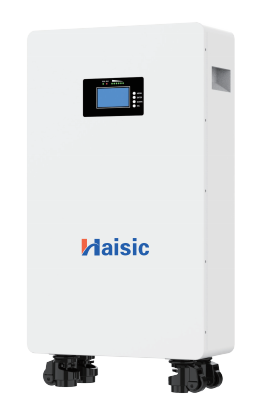
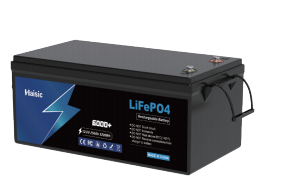
Brands using LiFePO4 chemistry with solid BMS, like Haisic and other global lithium golf cart battery brands, tend to sit in the mid to upper part of these ranges because of better cycle life, safety features, and stronger warranties.
This is the real 2026 landscape for lithium golf cart battery price, so you can quickly estimate how much do lithium golf cart battery cost for your own cart before you dive deeper.
Key factors that affect lithium golf cart battery cost
When people ask “how much are lithium batteries for a golf cart?”, the honest answer is: it depends on a few core specs and features. Here’s what actually moves the price.
1. Voltage: 36V vs 48V vs 72V
Voltage is one of the biggest drivers of lithium golf cart battery price in 2026.
- 36V lithium golf cart battery
- Entry-level for older or lighter carts
- Usually the cheapest option
- 48V lithium golf cart battery
- Most common on Club Car, EZGO, Yamaha
- Sweet spot of performance vs cost
- 72V lithium golf cart battery
- High-performance setups, lifted carts, hilly areas
- Most expensive because you’re paying for higher power electronics and more cells
Higher voltage usually means more power and speed, and that always comes with a higher upfront cost.
2. Capacity (Ah): Range vs price
Capacity (Ah) is basically your fuel tank size.
- 60Ah – Short trips, flat communities, occasional use
- 100–105Ah – Most popular, great for daily use and mixed terrain
- 160Ah+ – Long-range, heavy loads, or commercial use
The more Ah you buy, the more a lithium golf cart battery costs. But you also get more range per charge and fewer “range anxiety” moments. If you see a 48V 100Ah lithium golf cart battery priced higher than a 48V 60Ah, that’s exactly why.
3. Brand, build quality & warranty
Price also follows trust:
- Well-known lithium golf cart battery brands with strong warranties (8–10 years) charge more, but you’re paying for:
- Better quality cells (often Grade A LiFePO4)
- Tighter quality control
- Real support if something fails
- Unknown or ultra-cheap brands may save money up front but can cost more over time if performance drops early or warranty support is weak.
For example, a solid LiFePO4 golf cart battery with a real multi‑year warranty will always cost more than a no‑name pack with a vague return policy.
4. BMS and smart features
Every lithium golf cart battery pack needs a Battery Management System (BMS). The BMS alone can change price a lot:
- Basic BMS – Protects against overcharge, over‑discharge, short circuits
- Smart BMS – Adds:
- Cell balancing for longer life
- Better current handling (important for high‑power carts)
- More accurate state‑of‑charge readings
If you step up to a pack like a 25.6V 100Ah lithium golf cart battery with an advanced BMS (similar to what we use in our Haisic 25.6V 100Ah lithium golf cart battery), you’re paying for safer operation, longer cycle life, and better performance under heavy loads.
5. Bluetooth, heating & safety tech
Extra features add extra cost, but they can be worth it:
- Bluetooth lithium golf cart battery
- Lets you check SOC, voltage, cycles, and temperature from your phone
- Self‑heating or low‑temperature protection
- Important for cold climates so you can charge safely in winter
- Enhanced safety features
- Multi‑layer protection, fire‑retardant casing, better cell spacing
These are “nice to have” for some users, but essential if you drive in extreme temps or use your cart for commercial or rental fleets.
6. Market trends: raw materials & production
Global market conditions also hit lithium golf cart battery prices:
- Lithium raw material costs – When lithium carbonate prices rise, pack prices follow
- Supply chain & shipping – Import duties, freight, and logistics can change prices by region
- Manufacturing scale – High‑volume producers can offer better pricing, especially on standard packs and drop‑in lithium golf cart battery kits
That’s why you’ll sometimes see the same Ah and voltage pack priced differently in different countries or at different times of year.
Bottom line: how much are lithium batteries for a golf cart depends mainly on voltage, capacity, brand quality, BMS level, smart features, and what’s happening in the global lithium market. If you’re clear on how far you drive, how fast you want to go, and how long you plan to keep the cart, you can quickly decide which features are worth paying for and which ones you can skip.
Lithium vs lead-acid golf cart batteries cost comparison
When people ask “how much are lithium battery for golf cart vs lead-acid?”, the real answer is about total cost of ownership, not just the sticker price.
Upfront price: lithium vs lead-acid
- Lead-acid (flooded/AGM)
- 36V / 48V pack: $700–$1,400 installed
- Lithium (LiFePO4 golf cart battery packs)
- 36V / 48V pack: $1,800–$4,000+ depending on Ah and brand
So yes, lithium golf cart batteries cost 2–3× more upfront than basic lead-acid.
Cycle life & lifespan in real use
- Lead-acid golf cart batteries
- 500–800 cycles in real life if maintained
- 3–5 years for most users
- Lithium (LiFePO4)
- 3,000–5,000+ cycles to 80% capacity
- 8–12 years is realistic for regular golf cart use
You’ll usually burn through 2–3 sets of lead-acid in the time one good lithium pack lasts.
Maintenance & hidden ownership costs
Lead-acid:
- Regular watering, cleaning corrosion, checking cables
- Performance drops as they age and as charge goes down
- Higher risk of sulfation if left discharged
- Extra cost: maintenance time, service calls, early replacements
Lithium (LiFePO4):
- Maintenance-free – no watering, no acid, no corrosion
- Stable voltage and power right down to low state of charge
- Fewer service visits and less downtime
Charging efficiency & electricity cost
- Lead-acid: 70–80% efficient; more power lost as heat
- Lithium: 90–95% efficient; more of what you pay for actually goes into the pack
Lithium also charges faster, so you can run more rounds per day with the same cart, which matters a lot for courses, resorts, and rentals.
Total cost of ownership over 5–10 years
If you look at cost per year instead of “how much is a lithium golf cart battery today?”:
- Lead-acid:
- $900 pack × 2–3 replacements in 10 years = $1,800–$2,700+
- Add maintenance, service calls, and downtime
- Lithium:
- $2,500 pack lasting 8–10+ years = $250–$310/year
- Minimal maintenance and less energy waste
Over 5–10 years, a quality lithium golf cart battery pack is usually cheaper overall than staying with lead-acid, especially if you’re using the cart hard and often.
Real-world savings for frequent users
For heavy users (golf courses, communities, fleets, RV parks, resorts, large properties):
- Fewer battery changes = less labor and less cart downtime
- Lower maintenance = no acid spills, no watering routines, fewer service tickets
- Better efficiency = lower power bills over thousands of charges
- Strong resale value: carts with lithium sell faster and for more money
If you’re running carts every day, the golf cart lithium conversion cost typically pays for itself in 3–6 years just from reduced replacements and maintenance. That’s why most serious operators are switching to LiFePO4 golf cart batteries and integrated smart-BMS packs similar to our high-voltage lithium systems.
Benefits of Paying More for Lithium Golf Cart Batteries
Upfront, lithium looks expensive. Over a few seasons, it usually pays for itself. Here’s why I still push lithium golf cart batteries for most serious users.
Longer Driving Range & Consistent Power
Lithium golf cart batteries deliver strong, stable power from 100% down to low state of charge. No sluggish feel at the end of a round.
What you actually feel:
- Longer range per charge (often 25–50% more vs lead-acid)
- Hill climbing stays strong even when the pack is low
- Less “range anxiety” on big properties or resort fleets
| Battery Type | Power at Low Charge | Typical Feel on Hills |
|---|---|---|
| Lead-acid | Drops off quickly | Slow, bogged down |
| Lithium (LiFePO4) | Stays consistent | Responsive, strong pull |
Faster Charging & Better Daily Usability
Lithium golf cart batteries charge much faster, which matters if your cart is used daily or by multiple drivers.
- 80–100% charge in 2–4 hours (with a proper lithium charger)
- Partial charges don’t hurt lifespan
- Easy to top up during lunch or between rounds
That’s why most modern upgrade kits and packs (like a 48V 100Ah LiFePO4 setup) are designed for quick-turn daily use.
Lightweight Design & Better Cart Performance
Lithium packs are 50–70% lighter than flooded lead-acid.
What that does for you:
- Better acceleration and braking
- Less strain on suspension, frame, and tires
- Quieter ride and less rattling on rough paths
- Higher payload for passengers or gear instead of battery weight
| Pack Type | Approx. Weight (48V) |
|---|---|
| Lead-acid (8 x 6V) | 280–320 kg |
| Lithium LiFePO4 (48V 100Ah) | 80–120 kg |
Zero-Maintenance, No Watering, No Corrosion
Lithium golf cart batteries are maintenance-free:
- No distilled water to add
- No acid spills or corrosion on trays and cables
- No monthly “battery babysitting” for fleets or rentals
You basically install a good lithium pack and just charge and drive. That alone sells it to most commercial operators.
Safety, Stability & LiFePO4 Chemistry Advantages
For golf carts, LiFePO4 (Lithium Iron Phosphate) is the sweet spot:
- Very stable chemistry – low fire risk vs older lithium types
- Integrated Battery Management System (BMS) handles:
- Overcharge / over-discharge protection
- Short-circuit protection
- Temperature protection and cell balancing
When I spec packs, I always prefer LiFePO4 over generic “lithium-ion” for golf cart use, especially in hot climates.
If you’re looking at a premium 48V LiFePO4 solution with serious safety features and deep cycle life, a pack like this 51.2V 100Ah LiFePO4 battery is a good example of the kind of build and BMS quality I aim for.
Environmental Impact & Resale Value
Paying more for a lithium golf cart battery also has long-term value:
- Longer lifespan → fewer packs manufactured and scrapped
- No acid contamination, less corrosion waste
- Higher resale value for your cart:
- Buyers actively look for “cart with new lithium pack”
- Fleet operators can rotate carts longer before replacement
If you plan to keep your cart for years or later sell it at a premium, a well-built LiFePO4 lithium golf cart battery pack is one of the few upgrades that actually returns money over time, not just comfort.
Cost to convert a golf cart to lithium in 2026
Converting a golf cart to lithium isn’t cheap up front, but it usually pays off over a few seasons if you drive a lot.
Price of a complete lithium battery pack for conversion
In 2026, here’s what you’re typically looking at for a lithium golf cart battery pack (LiFePO4, with BMS):
- 36V lithium golf cart battery pack: $1,800–$2,500
- 48V lithium golf cart battery pack (most common):
- Budget 48V 60–70Ah: $1,500–$1,900
- Mid‑range 48V 100Ah: $1,900–$2,600
- Premium 48V 100–105Ah+: $2,600–$3,500+
- 72V lithium golf cart battery pack: $3,000–$4,500+ (for lifted carts, high‑torque builds, or speed upgrades)
If you’re comparing specs or building a custom pack, looking at a 48V 100Ah LiFePO4 pack like this 48V 100Ah rack‑mounted lithium battery gives you a good reference point on quality and pricing.
Extra parts you may need for a lithium conversion
Beyond the battery pack itself, plan for:
- Lithium‑compatible charger
- New 36V/48V smart charger: $200–$500
- Wiring & accessories
- Heavy‑gauge cables, lugs, fuses, main breaker: $80–$250
- Mounting hardware / brackets / trays
- Simple brackets or trays: $50–$200
- Optional upgrades
- Voltage reducer (for 12V accessories): $60–$150
- On/Off switch, SOC gauge, or Bluetooth monitor: $50–$200
Some “drop‑in” lithium golf cart battery kits include charger + cables; others are battery‑only, so read the kit list carefully.
Labor and installation cost: DIY vs professional install
You can go either DIY or pro install:
DIY lithium conversion
- Cost: $0 in labor, just your time
- Good if you’re comfortable with:
- Basic 12V/48V wiring
- Crimping cables
- Following torque and safety specs
- You still need proper tools and safety gear.
Professional install
- Typical labor: $300–$800 in most markets
- Can go higher for:
- Custom brackets/relocation
- Complex wiring or 72V performance builds
- Worth it if you’re not confident with electrical work or you want warranty‑backed installation from a dealer.
Typical total conversion cost (Club Car, EZGO, Yamaha)
For common carts (Club Car, EZGO, Yamaha), the full lithium conversion cost in 2026 usually lands here:
- Basic 36V lithium conversion
- Total: $2,200–$3,200 (parts + optional labor)
- Standard 48V lithium conversion (most popular)
- Total: $2,500–$3,800
- This covers a 48V lithium golf cart battery pack, charger, cables, brackets, and either DIY or basic pro install.
- High‑performance 72V build
- Total: $3,800–$5,500+ depending on pack size and controller/motor upgrades.
If you’re running a fleet or multiple carts, buying multiple packs together often brings bundle discounts.
How to estimate your full lithium conversion budget
Use this simple checklist to build a realistic budget:
- Confirm your system voltage
- 36V, 48V, or 72V? Check your cart’s sticker, controller, or manual.
- Define your range target
- Light use (9–18 holes, flat): 48V 60–80Ah
- Regular use (18–36 holes): 48V 100Ah
- Heavy use / hilly / lifted carts: 48V 120Ah+ or 72V systems
- Price the core items
- Lithium pack: $1,500–$3,500+ depending on voltage and Ah
- Charger: $200–$500
- Cables, fuses, brackets, reducer: $150–$400
- Decide DIY or pro
- Add $300–$800 if using a shop or golf cart dealer.
- Add a safety buffer
- Add 10–15% for unexpected hardware or upgrades.
For more complex storage or if you’re looking at higher‑voltage packs similar to EV‑grade systems, packs like this 256V 280Ah LiFePO4 battery show how industrial‑level lithium is put together, which is useful if you’re planning custom or commercial applications.
In short, most lithium golf cart conversions end up around $2,500–$4,000 all‑in for a 48V cart, depending on how far you drive, how fast you want to go, and whether you pay for installation or do it yourself.
How to pick the right lithium battery for your golf cart

When people ask “how much are lithium batteries for a golf cart,” the honest answer is: it depends on choosing the right pack, not just the cheapest. Here’s how I’d pick a lithium golf cart battery step by step.
1. Figure out your cart voltage & controller limits
Before you look at price:
- Check system voltage:
- Most carts are 36V, 48V, or 72V
- Look at your existing battery setup or manual
- Check controller specs:
- Max voltage and max current (amps)
- Make sure the lithium pack and BMS can safely handle your controller’s peak draw
- Match chemistry:
- For golf carts, stick with LiFePO4 golf cart batteries – safer and longer life than other lithium chemistries
If your cart is 48V, search directly for a 48V lithium golf cart battery pack that matches your controller limits.
2. Match capacity (Ah) to how you drive
Capacity (Ah) affects both range and cost:
- Light use / flat courses
- 48V 60–70Ah – short trips, community driving, occasional golf
- Typical golf + community use
- 48V 100–105Ah – sweet spot for most users, solid range per charge
- Heavy use / hilly / lifted carts / 4–6 passengers
- 48V 160Ah+ – long days, rental carts, or commercial use
Ask yourself:
- How many miles / hours do I drive per day?
- Is my terrain flat, mixed, or hilly?
- Do I carry 2 or 4–6 people regularly?
More Ah = more range and higher lithium golf cart battery price, but often cheaper per mile in the long run.
3. Budget vs mid-range vs premium
“How much is a lithium battery for a golf cart?” usually comes down to which tier you choose:
Budget packs
- Lowest upfront cost
- Shorter warranty, basic BMS, no extras
- Fine for light personal use if you’re price-sensitive
Mid-range packs
- Best balance of price, performance, and warranty
- Often include Bluetooth monitoring and good cycle life
- Ideal for most daily drivers and golf users
Premium packs
- Higher cycle life, stronger BMS, better low-temp performance
- Longer warranties (often 8–10 years)
- Worth it for fleets, rentals, resorts, or heavy users
If you drive a lot, a premium or solid mid-range pack usually beats cheap options on total cost of ownership.
4. Key questions to ask suppliers/installers
When you talk to battery brands or golf cart shops, ask:
- What is the exact usable capacity (Ah and kWh)?
- How many cycles at 80% depth of discharge?
- What is the continuous and peak discharge current of the BMS?
- Is the pack drop-in for my cart (Club Car, EZGO, Yamaha)?
- Do I need a new lithium charger, or can I use my old one?
- What is the warranty length and what voids it?
- Is tech support local, regional, or overseas? How do I claim service?
These answers matter more than just “how much do lithium batteries cost for a golf cart.”
5. What to look for in warranties & certifications
Strong warranty = more value for the higher lithium golf cart battery cost:
- Warranty length:
- Aim for 5–10 years on LiFePO4 golf cart batteries
- Clear terms:
- Is it full replacement or pro-rated?
- Any restrictions on chargers or installation?
- Certifications:
- Look for UL, CE, UN38.3, and proper MSDS
- Support:
- Real technical support, not just a sales hotline
This is where premium and serious mid-range brands pull away from cheap, no-name packs.
6. Spotlight: LiFePO4 options like Haisic for golf carts
For carts, I strongly favor LiFePO4 because of its safety, long cycle life, and stable performance. As a manufacturer, I focus on:
- High cycle life (often 4,000–6,000 cycles+ under proper use)
- Smart BMS with protection for overcharge, over-discharge, short circuit, and temperature
- Options with stackable or modular LiFePO4 packs, similar to our higher-voltage stackable 51.2V 100Ah LiFePO4 energy storage batteries, which use the same core technology—just tuned differently for stationary vs mobility applications
- Robust build quality and safety-tested cells, like in our 12.8V 280Ah LiFePO4 battery packs that share the same long-life chemistry we use in cart systems
When you compare how much a lithium golf cart battery costs, don’t just chase the lowest price. Match voltage, capacity, BMS, warranty, and support to how you actually use your cart, and you’ll get a pack that pays you back for years.
Where to buy lithium golf cart batteries and actually save money
When people ask “how much are lithium battery for golf cart,” where you buy matters almost as much as what you buy. Here’s how I’d shop if I wanted the best value, not just the lowest sticker price.
Buying direct vs local dealers
Direct from manufacturers (online):
- Usually the lowest per‑Ah price for lithium golf cart battery packs.
- Better for bulk orders, fleets, or if you’re comfortable checking specs yourself.
- Some manufacturers (including us on the energy storage side, like our battery energy storage system solutions) offer stronger tech support and customization than generic resellers.
Local golf cart dealers/shops:
- Higher price, but you get:
- Help picking the right 36V / 48V / 72V lithium golf cart battery
- Professional installation and warranty handling
- Local support if something goes wrong
- Worth it if you’re not a DIY person or you’re upgrading a Club Car, EZGO, or Yamaha that you depend on daily.
Online stores, distributors, and golf cart shops
You’ll find lithium golf cart batteries at:
- Brand websites (best for warranty clarity and tech info)
- Major e‑commerce platforms (watch for third‑party sellers and fake reviews)
- Specialty distributors & golf cart shops (often sell curated kits with chargers and brackets)
I always suggest:
- Stick to known lithium golf cart battery brands
- Check support channels (phone/email/chat) before you buy
How to read spec sheets and avoid mismatches
To avoid expensive mistakes and blown controllers, match your system first:
- Voltage: 36V, 48V, or 72V lithium golf cart battery must match your cart system
- Capacity (Ah):
- 60Ah = light use / flat neighborhoods
- 100Ah = most users
- 160Ah+ = hilly terrain, heavy loads, long days
- Continuous discharge current: Must meet or exceed your controller/ motor draw
- BMS features: Over‑current, over‑charge, low‑temperature protection, and ideally Bluetooth monitoring
- Size & weight: Check dimensions so your drop‑in lithium golf cart battery actually fits the tray
If the spec sheet is vague or looks copy‑pasted, I walk away.
Seasonal promos, bundles, and bulk discounts
To cut the cost of lithium battery for golf cart, look for:
- Off‑season sales (late fall/winter in most regions)
- Bundle deals: battery + lithium golf cart charger + wiring kit
- Fleet / bulk discounts: If you’re upgrading multiple carts, ask for a custom quote
- Free shipping or installation promos: Can save a surprising amount on heavy packs
Sign up for brand email lists; serious suppliers often send launch discounts on new LiFePO4 golf cart battery lines.
Red flags and common mistakes
When people ask “how much do lithium golf cart battery cost,” they often overlook hidden traps. Watch out for:
- No clear warranty (you want at least 5 years on lithium golf cart packs)
- Unbranded cells, no BMS details, or no mention of LiFePO4 chemistry
- “Universal fit” claims with no real voltage/current specs
- Prices that are way below market for a 48V 100Ah lithium golf cart battery – usually corners are being cut
- Skipping a compatible charger and trying to reuse an old lead‑acid charger (bad idea unless the manufacturer explicitly supports it)
The goal isn’t just to find the cheapest pack, but the right lithium golf cart battery that fits your cart, your range needs, and your budget without surprise costs later.
FAQs about lithium golf cart battery pricing
Average cost of a 48V lithium golf cart battery pack
In 2026, a 48V lithium golf cart battery pack typically runs about:
- $1,800–$2,500 for a quality 48V 100Ah LiFePO4 pack
- $2,500–$3,500+ for higher capacity or premium brands (smart BMS, better warranty)
Entry-level “drop-in” packs can be a bit cheaper, but I don’t recommend going too cheap on lithium—it usually means weaker cells, low-end BMS, and short warranty.
Are lithium golf cart batteries worth the extra money?
For most daily or heavy users, yes, lithium is worth the extra upfront cost. You pay more at the start, but you get:
- 3–5x more cycle life than lead acid
- Zero maintenance (no watering, no acid, no corrosion cleanup)
- Stronger, more consistent power all the way until low state of charge
- Lighter weight – better acceleration, range, and less wear on the cart
Over 5–10 years, the total cost of ownership for a lithium golf cart battery pack is usually lower than replacing lead-acid packs multiple times.
Typical lifespan and warranty expectations
For a modern LiFePO4 golf cart battery in 2026:
- Cycle life: ~3,000–5,000 cycles at 80% depth of discharge
- Real-world lifespan: 8–12 years for regular golf / community use
- Warranty:
- Budget brands: 3–5 years
- Better brands: 5–8 years
- Premium packs with strong BMS and high-quality cells: up to 10 years
When I build or choose packs, I always balance cost with cycle life per dollar, not just sticker price.
Can you install lithium batteries in a golf cart by yourself?
Yes, many drop-in lithium golf cart battery kits are DIY-friendly, but only if you’re comfortable with basic wiring and safety. You’ll need to:
- Match the voltage (36V / 48V / 72V) to your cart
- Install or reprogram a compatible lithium charger
- Secure the pack properly and follow BMS wiring instructions
If you’re unsure, I always recommend paying a local installer; a bad install can void warranties or damage your controller.
Extra costs to plan for beyond the batteries
When you budget the cost of lithium battery for golf cart, don’t forget:
- Lithium charger: $200–$500
- Cables, lugs, brackets, mounts: $50–$200
- Labor (if not DIY): $200–$600+ depending on shop and cart
- Optional monitor / SOC display or Bluetooth app
- Possible controller or firmware updates on some carts
If you’re looking at higher-voltage systems or considering future upgrades, it’s worth studying larger LiFePO4 battery packs like a modular 12.8V 100Ah LiFePO4 battery platform to understand how scalable systems are priced and built.
Overall, when someone asks “how much are lithium batteries for a golf cart?”, the honest answer is: expect to invest $1,500–$3,500+ all-in, but plan it smartly so you only pay once for a system that lasts close to a decade.