












Current Solar Battery Prices in 2026
Solar battery prices in 2026 are more affordable and predictable than ever, especially for homeowners adding storage to rooftop solar. The key metric you should watch is cost per usable kWh.
Average Cost Per Usable kWh (2026)
For home solar energy storage in 2026:
- Lithium-ion (LiFePO4) solar batteries:
$500 – $900 per usable kWh (before incentives) - Installed home solar battery systems:
Typically $8,000 – $18,000 total depending on size and brand
These numbers include common home-use products and reflect typical solar battery installation cost, not just the battery hardware.
System Prices by Capacity
Most homes fall into three common backup sizes:
| Usable Capacity | Typical Installed Price (Before Incentives) | Typical Use Case |
|---|---|---|
| 5–10 kWh | $5,000 – $10,000 | Essential loads backup (fridge, lights, Wi‑Fi) |
| 10–15 kWh | $9,000 – $14,000 | Average home evening usage + short outages |
| 20+ kWh | $15,000 – $25,000+ | Whole‑home backup, longer outages, larger homes |
If you’re asking “how much do batteries for solar panels cost?”, most homeowners land in the 10–15 kWh range.
Price Per kWh Trends in 2026
- LiFePO4 battery price per kWh has dropped 20–35% over the last few years.
- Premium brands still sit at the high end of the range.
- Value-driven manufacturers like Haisic now offer reliable lithium solar batteries at the lower end of the price spectrum, helping push the average cost of solar batteries down globally.
Typical solar storage system pricing in 2026:
| Battery Type | Approx. Price per Usable kWh (Installed) |
|---|---|
| Premium lithium-ion | $800 – $1,200 |
| Value LiFePO4 | $500 – $800 |
| Lead-acid | $300 – $500 (lower cost, shorter life) |
For most homes, a modern LiFePO4 solar battery from a value-focused brand like Haisic gives the best balance of cost, lifespan, and performance in 2026.
Factors That Influence Solar Battery Costs
When people ask “how much do battery for solar panel cost,” these are the levers that actually move the price:
1. Battery Type & Chemistry
- Lithium-ion (especially LiFePO4): Higher upfront cost, but longer life, better efficiency, and lower cost per kWh over time.
- Lead-acid: Cheaper to buy, shorter lifespan, more maintenance, lower depth of discharge.
- Flow batteries: Still niche for homes, higher cost but long cycle life in some cases.
For most home solar energy storage, LiFePO4 solar batteries now give the best value per usable kWh.
2. Capacity & Power Output
- The bigger the capacity (kWh), the higher the price – but cost per kWh usually drops with size.
- Power rating (kW) also matters: batteries that can run more appliances at once cost more.
- Whole-home backup systems naturally sit at the higher end of solar storage system pricing.
3. Brand, Features & Warranty
- Well-known brands and premium lithium ion solar batteries charge more for:
- Longer warranties (e.g., 10+ years / 6,000+ cycles)
- Smarter battery management systems (BMS)
- App monitoring, integration with inverters, safety certifications
- Value-focused manufacturers like Haisic focus on high cycle life and LiFePO4 safety without luxury pricing, which helps lower the average cost of solar batteries for homeowners.
4. Installation Complexity
- Retrofits (adding battery to existing solar system) usually cost more than integrating storage from day one.
- Extra work like panel upgrades, rewiring, or backup sub-panels add to your solar battery installation cost.
- Wall-mounted indoor installs are often cheaper than difficult outdoor or tight-space installs.
5. Location & Labor Rates
- Labor rates and permit fees vary a lot by region.
- Urban areas with high electrician rates push up the total home solar energy storage cost.
- Some regions require extra inspection steps, which also adds soft costs.
6. Additional Components Required
You don’t just pay for the battery. A complete system may also need:
- Hybrid or battery-ready inverter
- Disconnects, breakers, cabling, enclosures
- Smart meters or backup gateways
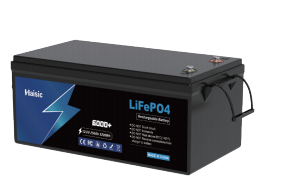
With modular LiFePO4 packs like the Haisic 12.8V 280Ah 3.58kWh battery pack, you can scale capacity and control your overall lithium ion solar battery price more precisely, instead of overpaying for oversized one-piece units.
Popular Solar Battery Types and Price Comparisons (2026)

When people ask “how much do battery for solar panel cost”, the first thing I explain is: the battery type drives most of the price and performance.
1. Lithium-ion (LiFePO4) Solar Battery Price
For homes in 2026, LiFePO4 lithium batteries are the standard:
- High safety, long life (6,000+ cycles common)
- Compact size, high efficiency
- Best balance of cost vs. performance
Typical 2026 LiFePO4 price range (retail, battery only):
| Usable Capacity | Typical Price (USD) | Approx. Cost per Usable kWh |
|---|---|---|
| 5 kWh | $2,500 – $4,000 | $500 – $800 / kWh |
| 10 kWh | $4,000 – $7,000 | $400 – $700 / kWh |
| 15–20 kWh | $6,000 – $10,000 | $350 – $600 / kWh |
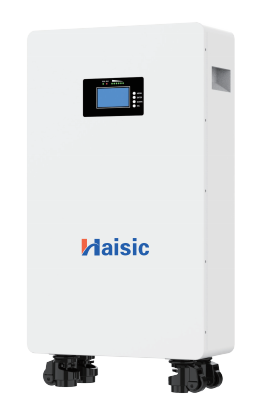
For example, a 51.2V 100Ah (5.12 kWh) floor-mounted home battery like our 51.2V 100Ah home energy storage unit sits right in this range and is aimed at homeowners wanting reliable whole-home or partial backup.
2. Lead‑Acid & Flow Battery Costs (Quick View)
These are cheaper upfront but usually not ideal for modern home solar storage.
| Type | Typical Use Case | Price per kWh (2026) | Pros | Cons |
|---|---|---|---|---|
| Lead-acid | Small backup, low budget | ~$200 – $400 / kWh | Very low upfront price | Short lifespan, low depth of discharge |
| Flow | Large commercial/industrial | Highly project-based | Long life, deep discharge | High system cost, complex installation |
For home solar battery prices in 2026, lithium-ion (LiFePO4) almost always beats lead‑acid on lifetime cost per kWh.
3. Brand Examples & 2026 Price Ranges
Typical lithium ion solar battery prices by brand segment (battery only, not installed):
| Brand Type | Usable Capacity | Price Range (USD) | Notes |
|---|---|---|---|
| Premium global brands | 10–13 kWh | $8,000 – $13,000 | Strong brand, app ecosystem |
| Mid-range international | 10–20 kWh | $5,000 – $9,000 | Good specs, better value |
| Value-focused (Haisic etc.) | 5–20+ kWh | $2,000 – $7,000 | Lower $/kWh, solid performance |
If you’re comparing cheap solar batteries for home with solid specs, this is where value-focused manufacturers like Haisic come in.
- We design LiFePO4 home batteries to hit aggressive cost per kWh without cutting corners on cells or BMS.
- For larger needs (villas, farms, small businesses), our 50–100 kWh containerized storage systems offer utility-level storage at a sharper price point than most big brands. You can see an example in our 50–100 kWh containerized energy storage system.
4. Quick Takeaway on Cost vs. Type
- Best overall for homes: LiFePO4 lithium-ion
- Cheapest upfront: Lead-acid, but higher long-term cost and hassle
- Best for large sites: LiFePO4 or flow batteries, depending on project size
If you’re trying to pin down how much a battery for your solar panels will cost, first pick the battery type (almost always LiFePO4 in 2026), then size, then brand/value level.
Incentives and Ways to Reduce Solar Battery Costs in 2026
If you’re asking “how much do batteries for solar panels cost?” in 2026, you also need to ask: “how much can I save with incentives?” The gap is huge.
Federal 30% Investment Tax Credit (ITC)
In the US, most home solar battery prices in 2026 qualify for the 30% Federal Investment Tax Credit when the battery is paired with solar (and in many cases even when added later).
- You can deduct 30% of the total solar battery installation cost (battery + inverter + labor + wiring) from your federal tax bill.
- Example: A $10,000 solar battery system effectively drops to $7,000 after the ITC.
- This directly cuts your home solar energy storage cost and improves your solar battery payback period.
State Rebates and Local Programs
On top of the federal credit, many regions add their own incentives:
- State rebates: Some states offer cash-back per kWh of storage, further lowering your average cost of solar batteries.
- Utility programs: Time-of-use credits or battery programs that pay you to let them use part of your stored energy during peak times.
- Low-income or resilience programs: Extra support if you’re in outage-prone or vulnerable areas.
These can turn a mid-range lithium ion solar battery price from “nice to have” into “no-brainer.”
Financing Options: Loans and Leases
If upfront cash is the problem, financing can make a whole home solar backup battery feel like a monthly utility swap instead of a big purchase.
Common options:
- Solar + battery loans: Spread the cost over 5–20 years. Often, the monthly payment can be close to or lower than your old power bill, especially with high grid rates.
- Leases and PPAs: You pay a fixed monthly fee for the system instead of owning it. Less long-term upside, but minimal upfront cost.
- Home equity or green loans: Sometimes the lowest interest rates for larger solar storage system pricing.
This is how many customers manage the solar battery installation cost without draining savings.
Net Impact on Effective Cost
When you stack everything together:
- 30% ITC
- State rebates
- Utility or local incentives
- Smart financing
…the effective cost per usable kWh and the total home solar energy storage cost can drop by 30–50% compared with the sticker price.
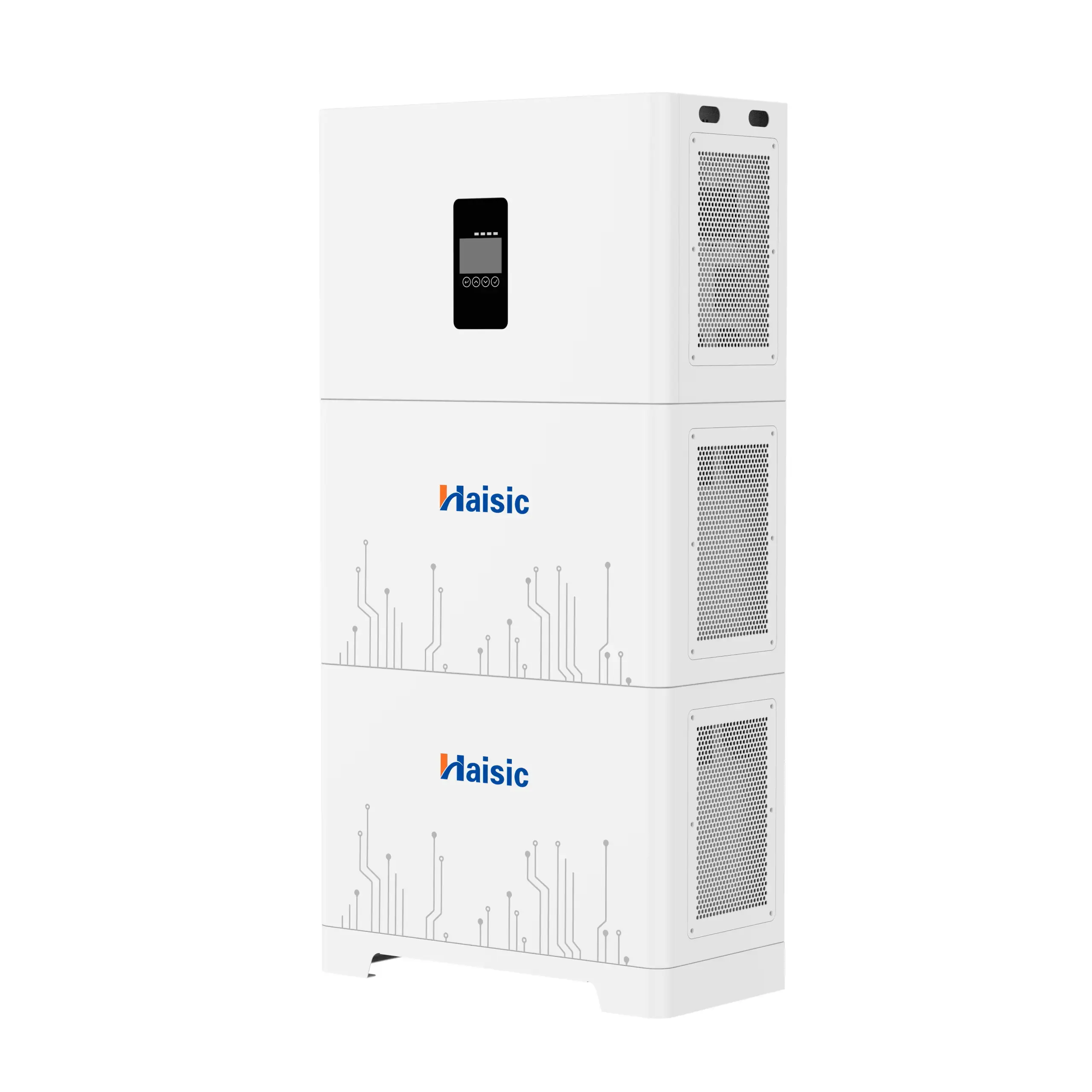
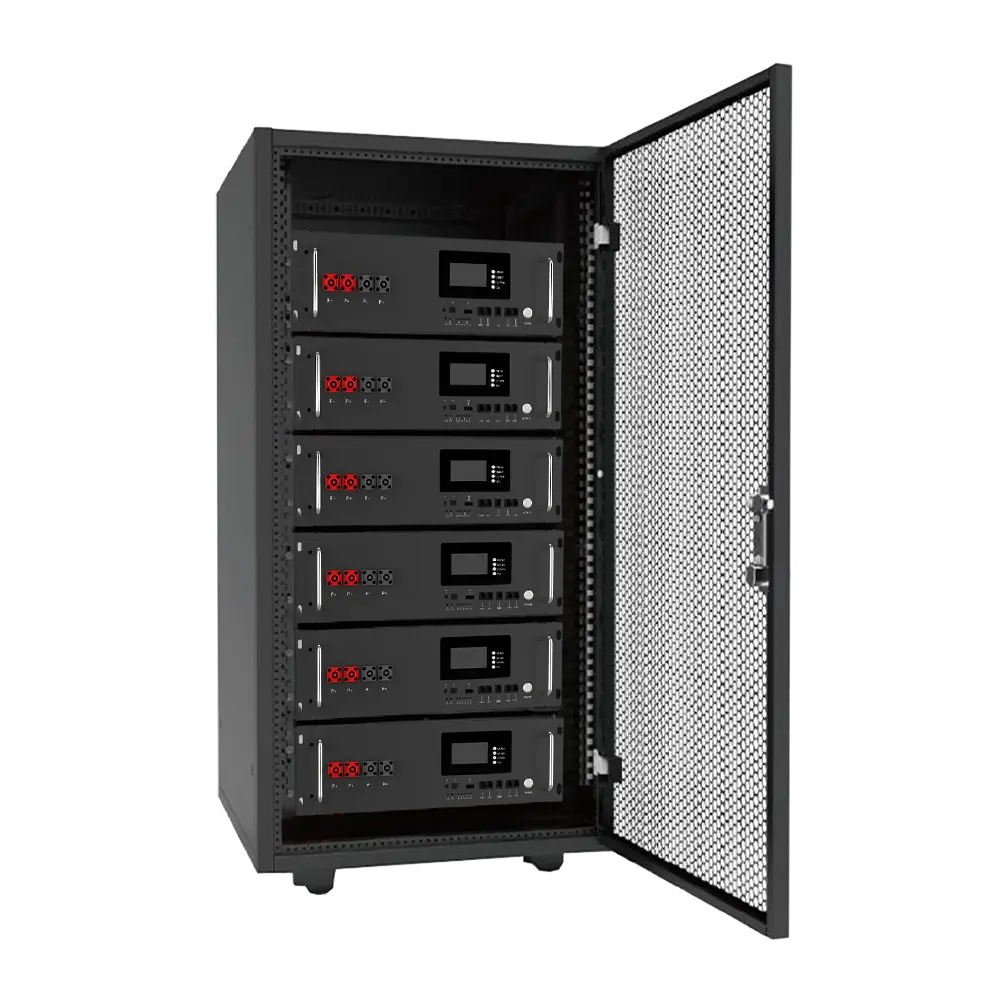
For example, pairing a high-capacity system like a 20kWh high-voltage stacked battery with incentives often makes the LiFePO4 battery price per kWh extremely competitive vs. grid power over the system life.
Urgency: Some Credits Won’t Last Forever
Incentives are changing fast:
- The 30% Federal Tax Credit is locked in for now, but it’s on a timeline and may step down in future years.
- Some state rebates have limited budgets and close once funds run out.
- Utility battery programs often shrink as adoption grows.
If you’re serious about adding a battery to an existing solar system or planning a new solar + storage setup, 2026 is a strong year to act. The combination of high grid prices and generous solar battery incentives 2026 makes this one of the best windows to lock in lower costs.
Is a Solar Battery Worth the Investment in 2026?
Whether a solar battery is worth it comes down to your tariffs, outages, and goals. I’ll keep it straight and numbers-based.
Typical Solar Battery Payback Periods
Average payback in 2026 (home systems):
| Scenario | Typical Payback Period |
|---|---|
| High prices + time-of-use tariffs | ~6–9 years |
| Moderate prices, no TOU | ~9–12 years |
| Cheap grid power, no incentives | 12+ years or not viable |
| Heavy backup-only use (rare outages) | Payback mostly “non-financial” |
Most home solar energy storage costs are paid back through:
- Self-consumption (use more of your own solar)
- Time-of-use shifting (charge mid-day, discharge in peak evening)
- Backup value (power during blackouts – harder to put a price on)
Key Benefits: Why People Still Buy Batteries
Backup power / whole-home backup
- Keeps lights, internet, fridge, and sometimes AC running during outages
- For areas with unstable grids, this is often the #1 reason to add storage
Energy independence
- Less reliance on utilities and changing tariffs
- Pairs well with LiFePO4 solar batteries that can cycle daily for years
Bill savings
- Time-of-use and demand charges are where batteries shine
- In many markets, the average cost of solar batteries is now low enough that savings + incentives make the math work
When a Solar Battery Is a Good Investment
You should seriously consider a battery if:
- You have time-of-use pricing or demand charges
- Your region gets frequent or long power outages
- You’re planning a new solar + battery system, not just adding later
- You can claim the 30% federal tax credit on solar batteries and local rebates
- You want whole-home solar backup battery coverage for critical loads
In this case, a lithium-ion solar battery price in the mid-range can deliver strong value, especially with long-cycle LiFePO4 packs.
When You Might Skip the Battery
A battery might not pencil out if:
- Grid power is very cheap and stable
- You don’t have TOU tariffs or extra charges
- You mainly want it for “just in case” backup in an area with almost no outages
- You can get a simple generator that covers rare emergencies at lower upfront cost
In those cases, sticking with solar only and revisiting storage later can be smarter.
Bottom line: in 2026, solar battery prices and incentives make storage a solid investment in many markets, especially where electricity is expensive or unreliable. Where the grid is cheap and stable, the value is more about comfort and independence than pure payback.
How to Choose the Right Solar Battery for Your Needs
1. Start with your energy goals
Before you look at prices, be clear on what you want the solar battery to do:
- Backup only: Keep lights, Wi‑Fi, fridge, and a few outlets running during outages.
- Bill savings: Charge from solar by day, use at night to cut grid usage and demand charges.
- Whole‑home backup: Run almost everything during blackouts (needs higher capacity and power).
- Off‑grid: Fully independent system with larger storage and solid backup planning.
Track your daily kWh usage from your utility bill and list your must‑run appliances in an outage.
2. Key specs to compare (simple and critical)
| Spec | What it means | What to look for (2026) |
|---|---|---|
| Capacity (kWh) | How much energy it stores | 5–15 kWh for most homes, more if off‑grid |
| Power (kW) | How many devices it can run at once | 3–10 kW for typical home backup |
| Round‑trip efficiency | How much energy you get back (%) | ≥90% for lithium solar batteries |
| Cycle life | How many charge/discharge cycles | 6,000–10,000+ cycles is strong |
| Warranty | Years + cycles + retained capacity | 10+ years and ≥60–70% capacity保証 |
Search these specs when comparing solar battery prices 2026 and check the LiFePO4 battery price per kWh, not just the sticker price.
3. Sizing tips (don’t overspend, don’t undersize)
Simple rules of thumb:
- For backup only:
- Size for 1 day of critical loads (often 5–10 kWh).
- For bill savings + partial backup:
- Aim for 50–80% of your daily usage (8–15 kWh for many homes).
- For off‑grid or long outages:
- Start from 1.5–3 days of usage, plus generator or extra solar.
Always check:
- Your inverter compatibility (hybrid or battery‑ready is ideal).
- Local solar battery installation cost and permit requirements.
4. Why I favor LiFePO4 solar batteries
For home solar energy storage in 2026, LiFePO4 (lithium iron phosphate) is the sweet spot:
- Higher cycle life than most NMC lithium or lead‑acid
- Stable chemistry and better safety
- Fast discharge and charge, ideal for whole home solar backup battery use
- Lower cost per usable kWh over its lifetime
If you want a compact residential unit, check solutions like Haisic’s 25.6V 280Ah residential ESS battery as a baseline for LiFePO4 specs and pricing.
5. Get professional sizing and a real quote
Even if you research on your own, have a pro verify:
- Load calculations and backup priorities
- Panel, inverter, and battery matching
- Code, safety, and warranty compliance
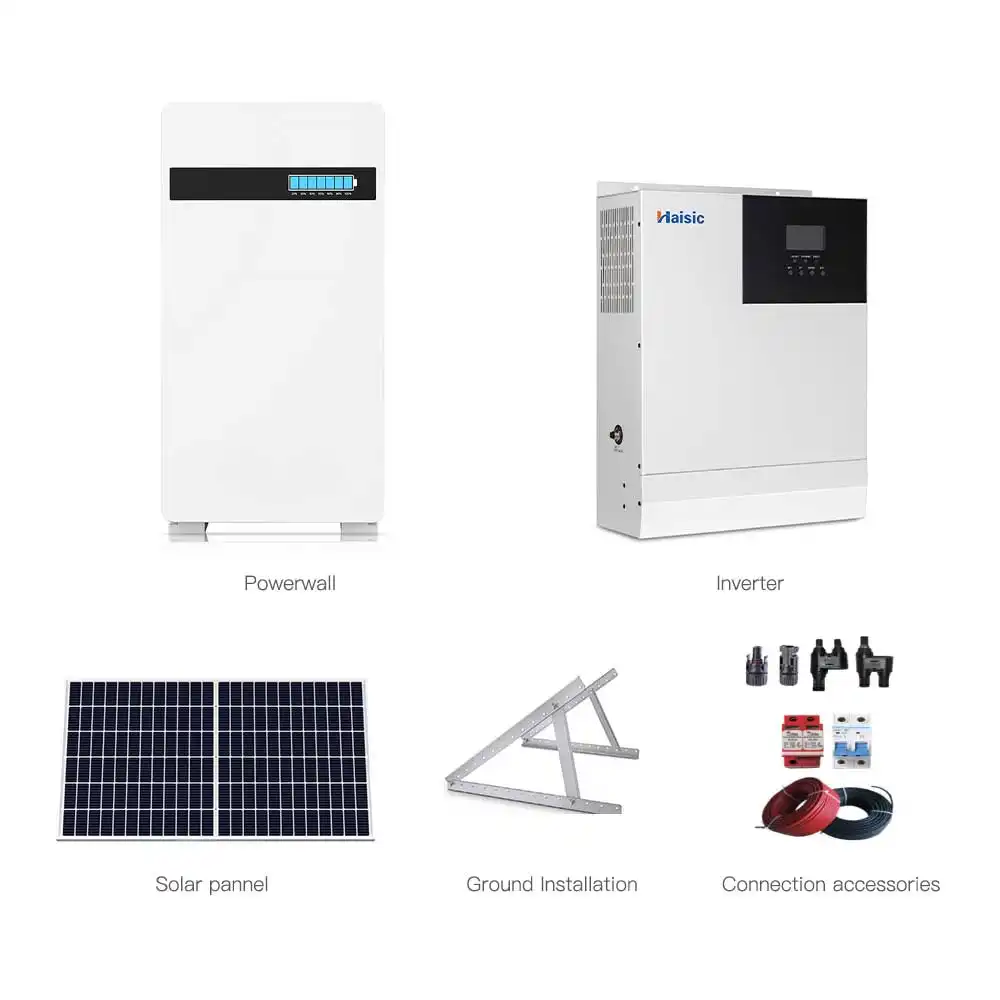
You can request system‑level pricing from energy storage manufacturers like Haisic through their quote request page to get a clear solar storage system pricing breakdown (battery, inverter, install, accessories).
6. Quick checklist before you buy
- [ ] Clear goal: backup, savings, off‑grid, or mix
- [ ] Daily kWh and critical loads calculated
- [ ] Capacity and power sized correctly
- [ ] Efficiency, cycle life, and warranty compared
- [ ] Compatible with your current or planned solar system
- [ ] Total home solar energy storage cost and payback evaluated
Once these boxes are ticked, choosing the best solar battery cost vs. performance becomes a straightforward decision instead of a gamble.
Future Outlook: Solar Battery Price Trends Beyond 2026
Solar battery prices in 2026 are already far lower than they were a few years ago, and I expect costs per usable kWh to keep dropping steadily over the next 5–10 years.
Expected Price Declines
Most analysts see lithium-ion and LiFePO4 solar battery prices falling another 20–35% by 2030, driven by:
- Larger global production of EV and home storage batteries
- Better energy density (more kWh in the same space)
- Longer cycle life, which cuts the cost per kWh over the battery’s lifetime
For homeowners, that means:
- Smaller systems (5–10 kWh): moving closer to $500–$700 per usable kWh
- Larger systems (15–30+ kWh): even better pricing thanks to scale
Emerging Technologies and Market Growth
Beyond 2026, we’ll see more:
- Advanced LiFePO4 packs with higher efficiency and 10,000+ cycle life
- Hybrid inverters + battery bundles that reduce total solar storage system pricing
- Growth in virtual power plants (VPPs) and grid services, where utilities pay you to let them use your stored energy
Manufacturers that focus on value and reliability, like newer LiFePO4 suppliers following strict quality and data protection standards similar to those outlined in the Haisic privacy and policy framework, are well-positioned as demand grows globally.
If you’re planning a home solar energy storage system, this trend means two things: prices will keep improving, but generous solar battery incentives and tax credits available now might not last forever.