












If you’re storing batteries in a toolbox, drawer, or warehouse shelf, you’re taking a bigger risk than you think.
A single damaged lithium‑ion cell in the wrong place can start a fire that’s almost impossible to stop.
That’s where a purpose‑built battery storage container comes in.
In this guide, you’ll see exactly:
- What separates a safe battery storage container from a cheap plastic box
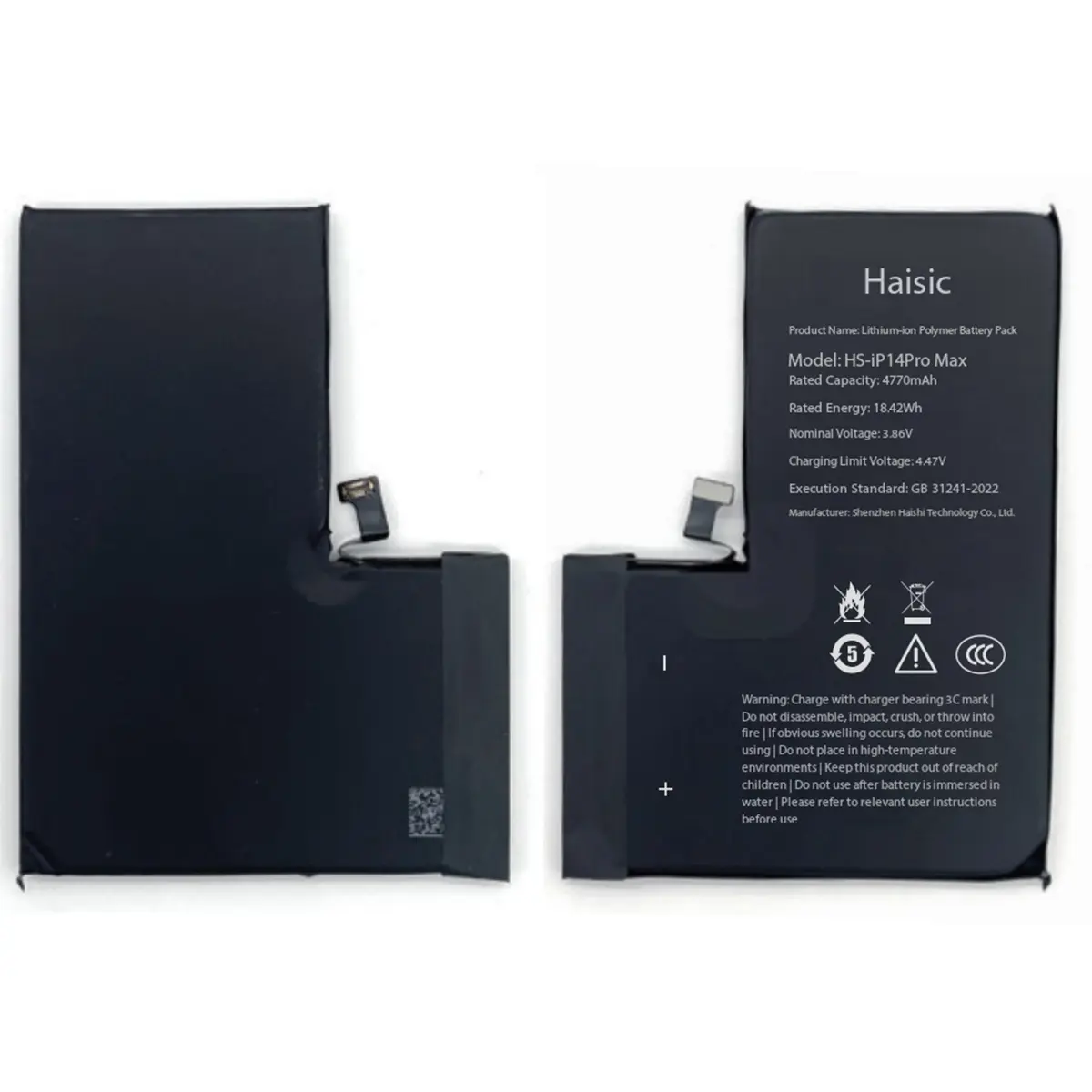
- How to match containers to different battery types (from AA/AAA to high‑capacity ESS packs)
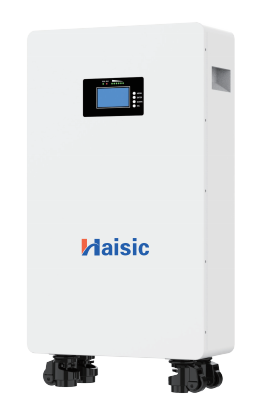
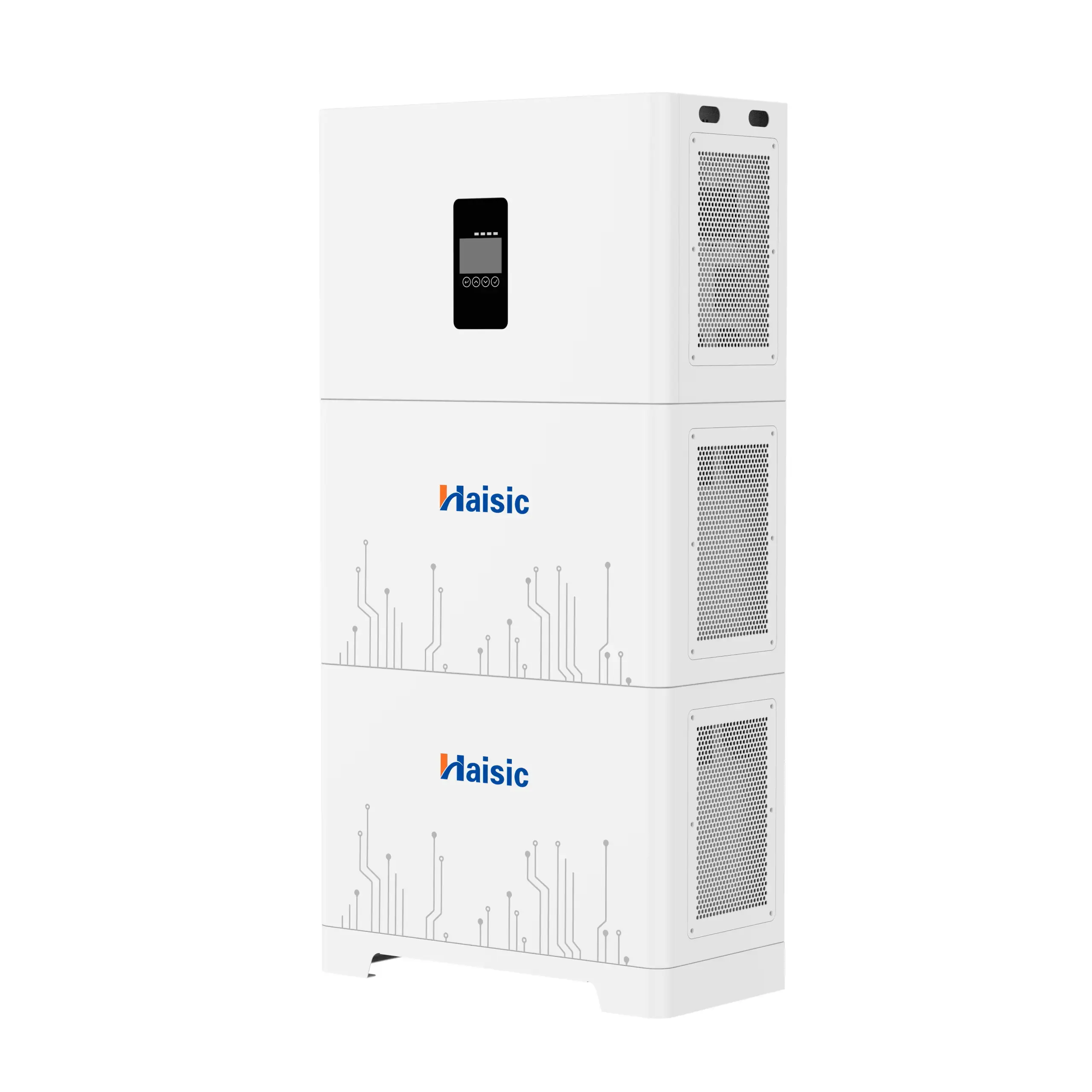
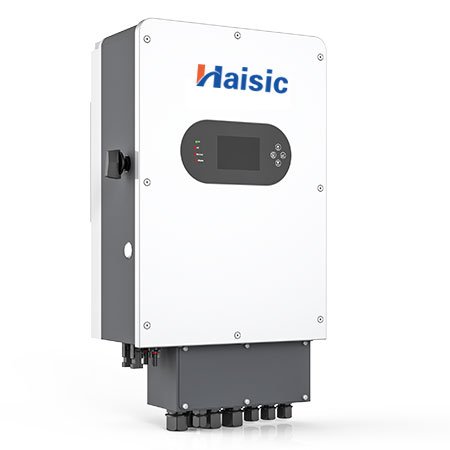
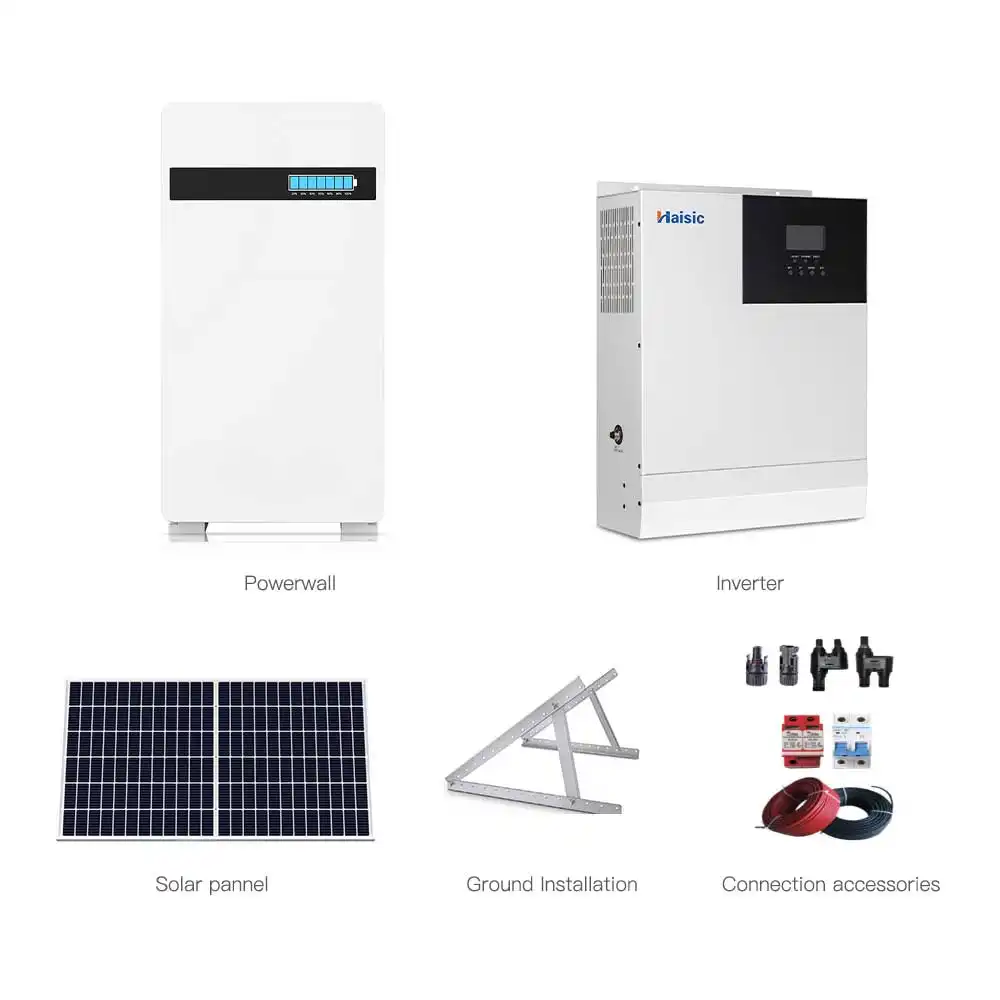
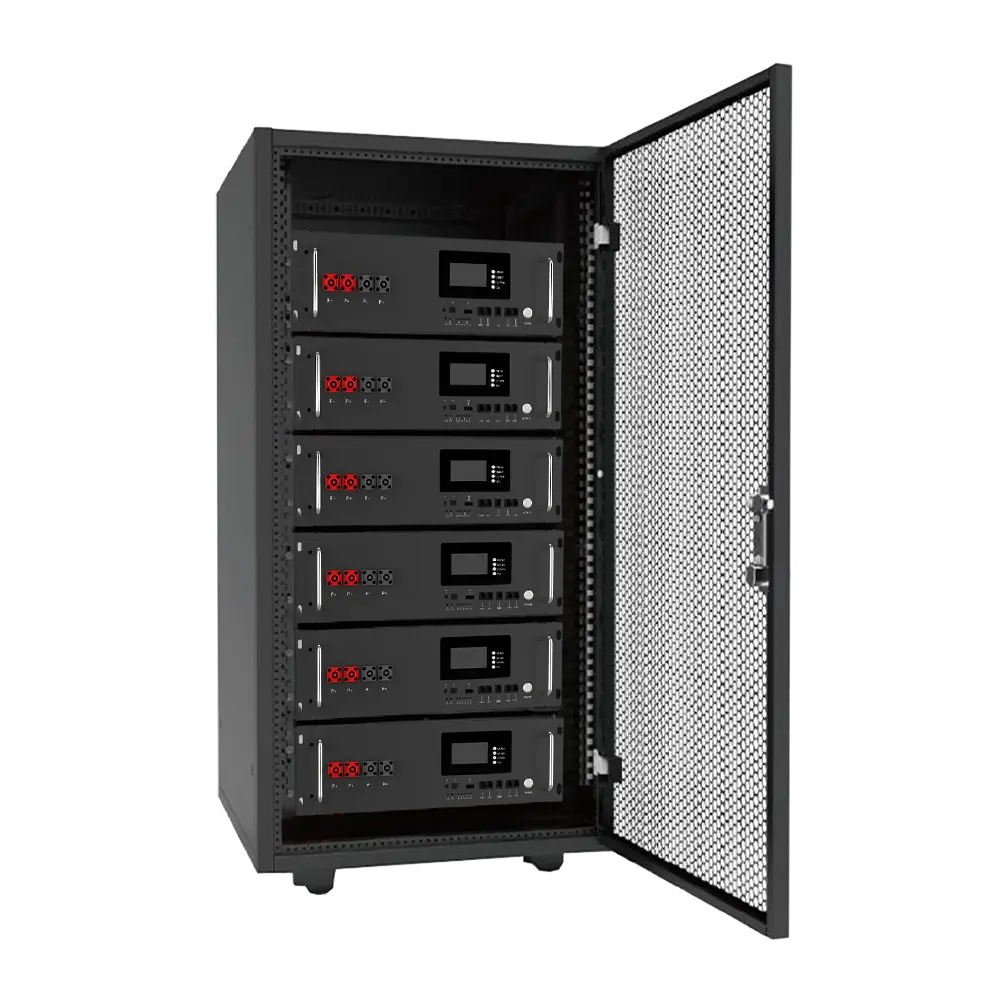
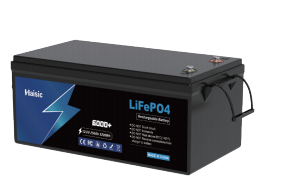
- What to look for in fireproof, industrial, and solar energy storage containers—with real examples from Haisic solutions
Whether you’re organizing a few household batteries or managing a megawatt‑scale system, you’ll learn how to store them safely, efficiently, and compliantly.
Let’s get straight into it.
What Is a Battery Storage Container?
If you have loose batteries in drawers, hot garages, or lying around your workshop, you’re taking risks you don’t need to. A battery storage container is a dedicated box or enclosure designed to store batteries safely, keep them organized, and help them last longer.
At the simplest level, it’s:
- A body (plastic or metal)
- A lid with hinges or removable design
- Seals (for dust, moisture, and sometimes gas management)
- Vents (for heat and gas release, especially with lithium)
- Latches/locks (to keep it closed, tamper-resistant, and child-safe)
The container keeps batteries separated, dry, cool, and protected from impact or short circuits (for example, when two terminals accidentally touch metal tools).
How a Battery Storage Container Works
A good battery container quietly does three core jobs:
Safety
- Prevents terminals from touching and shorting
- Controls heat buildup with ventilation or thermal design
- Adds a barrier between batteries and your home, office, or plant
Organization
- Keeps different sizes and chemistries (AA, AAA, Li-ion, lead-acid, etc.) in proper sections
- Makes it easy to see what you have and what’s used or dead
Battery Life Extension
- Shields from temperature swings, moisture, dust, and physical damage
- Reduces self-discharge and corrosion by giving batteries a stable environment
Battery Box vs Engineered Storage Container
Not all “battery boxes” are equal. Here’s the key difference:
| Feature | Simple Battery Box | Engineered Battery Storage Container |
|---|---|---|
| Typical Use | Loose AA/AAA at home | Lithium packs, solar banks, industrial systems |
| Material | Basic plastic | Heavy-duty plastic, steel, or aluminum |
| Fire / Heat Management | Usually none | Fire-resistant, vented, sometimes insulated |
| Sealing | Minimal, often not airtight or weatherproof | Gaskets, seals, IP-rated, weatherproof or waterproof |
| Safety Features | Simple dividers | Venting, separation, locking, grounding, certifications |
A simple battery box is fine for basic household use.
An engineered battery storage container is built as part of a safety system, especially for lithium-ion (Li-ion) and LiPo batteries, home energy storage, and industrial ESS (Energy Storage System) installations.
Why Containers Matter More for Lithium-Ion and LiPo
Lithium-based batteries are powerful and compact, but they’re less forgiving if something goes wrong.
You should use a proper lithium battery storage container or LiPo battery storage container when you:
- Store high-capacity lithium packs (power tools, drones, e-bikes, EV modules)
- Run solar or backup power systems with lithium batteries
- Keep large quantities of lithium cells in one place
Key reasons:
- Thermal runaway risk: If one cell fails and overheats, it can trigger others. Containers with fire-resistant materials, venting, and internal separation reduce the hazard.
- Gas and pressure: Some lithium failures release flammable gases. A well-designed container manages vent paths instead of trapping pressure.
- Regulations and insurance: Many commercial and industrial sites must use certified enclosures (e.g., UL certified battery enclosure) for lithium storage.
In short, any time you’re dealing with lithium-ion or LiPo in volume or high capacity, a properly engineered battery storage container is not just a convenience—it’s a safety requirement.