










How Cold Weather Affects Lithium Batteries
When winter hits, a lot of people suddenly notice their phone dying at 30%, their EV losing range, or their RV and solar system batteries not lasting overnight. That’s not your imagination—lithium battery cold weather performance really does change as temperatures drop.
Basic Lithium Battery Chemistry in Low Temperatures
Lithium batteries work by moving lithium ions between the cathode and anode through an electrolyte. In cold weather:
- The electrolyte thickens and flows less easily
- Ion movement slows down, so the battery can’t deliver energy as fast
- Internal resistance increases, meaning more voltage drop and heat loss
The result: the battery still contains the same energy, but it can’t release it quickly or efficiently in low temperatures.
Internal Resistance, Ion Flow, and Electrolyte Thickening
In cold conditions (around 0°C / 32°F and below):
- Internal resistance rises → voltage sags under load
- Ion flow is restricted → the battery “feels weaker”
- Electrolyte viscosity increases → ions have a harder time moving between electrodes
This is why a lithium ion battery cold weather discharge feels sluggish, and tools or devices may shut off early even though the battery isn’t truly empty.
How Cold Weather Reduces Usable Capacity and Runtime
Cold weather doesn’t destroy capacity instantly—it hides it:
- At around 0°C (32°F), many lithium-ion and LiFePO4 batteries can lose 15–30% usable capacity
- Below -10°C (14°F), effective runtime can drop 30–50% or more, depending on the chemistry and discharge rate
- High current loads (power tools, EV acceleration, inverters) suffer the most
You’ll see this as:
- Shorter runtime on each charge
- Earlier “low battery” shutdowns
- Slower performance at the same state of charge
Typical Temperature Ranges and Performance Loss
A practical rule of thumb for lithium battery performance in cold weather:
| Temperature (°C / °F) | Typical Effect on Usable Capacity* |
|---|---|
| +25°C / 77°F | 100% (rated, ideal) |
| 0°C / 32°F | ~70–85% of normal |
| -10°C / 14°F | ~50–70% of normal |
| -20°C / -4°F | Can drop below 50% |
*Actual values depend on chemistry, BMS settings, and load current.
Real-World Examples in Winter
You see cold weather lithium battery behavior everywhere:
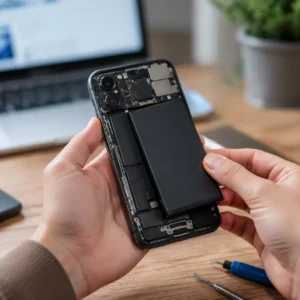
- Phones: shut off suddenly outdoors in the cold; recover charge when warmed up
- EVs: reduced range, slower fast-charging, stronger regen limits in winter
- RVs & off‑grid solar: overnight capacity feels lower; inverters may cut off early
- Power tools: lose torque and stall more easily when packs are cold
- Portable power stations: display remaining runtime dropping faster than usual
All of this comes from the same root cause: slower lithium ion movement and higher resistance at low temperatures.
Common Myths About Lithium Batteries “Freezing”
There’s a lot of confusion around lithium batteries and cold weather:
Myth: “Lithium batteries physically freeze like water at 0°C (32°F).”
- Reality: The electrolyte does not turn to solid ice at 0°C. Performance drops, but the battery isn’t literally frozen.
Myth: “Cold always permanently damages lithium batteries.”
- Reality: Cold storage (within spec, usually down to about -20°C / -4°F) is generally safe. The real danger is charging lithium batteries below freezing, not simply having them cold.
Myth: “Lithium batteries don’t work at all in winter.”
- Reality: Properly designed cold weather lithium battery systems (with BMS protections, insulation, or self-heating) work very well in winter—just with reduced capacity and power.
The key is understanding that low temperature mainly affects performance and safe charging behavior, not instant catastrophic failure. If we respect those limits, lithium-ion battery cold weather performance can be predictable, manageable, and reliable.
Charging Lithium Batteries in Cold Weather
Why charging lithium batteries below freezing is risky
Charging any lithium battery in cold weather (0°C / 32°F or below) is where things get dangerous. The electrolyte gets thick, lithium ions move slowly, and the cell can’t accept charge normally. If you keep pushing current into a cold cell, the voltage rises fast while the inside of the battery is still “stuck in the cold” — that’s where long‑term damage starts.
Lithium plating and why it ruins batteries
When you charge a lithium battery below freezing, instead of soaking into the graphite safely, lithium can plate onto the anode surface as metallic lithium. That’s called lithium plating, and it:
- Permanently reduces capacity (you lose usable Ah)
- Increases internal resistance (voltage sag and weaker performance)
- Raises the risk of internal short circuits over time
Once plating happens, you can’t reverse it. The battery might still “work,” but the lifespan and safety margin are both cut down.
Safe charging temperature ranges
For most lithium-ion and LiFePO₄ batteries, a good rule of thumb:
- Ideal charging range: 10°C to 30°C (50°F to 86°F)
- Acceptable slow charging: 0°C to 10°C (32°F to 50°F), only at reduced current
- Do NOT charge: Below 0°C (32°F) unless the battery is specifically designed and rated for low‑temperature charging and has active heating
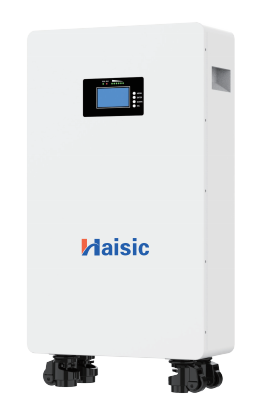
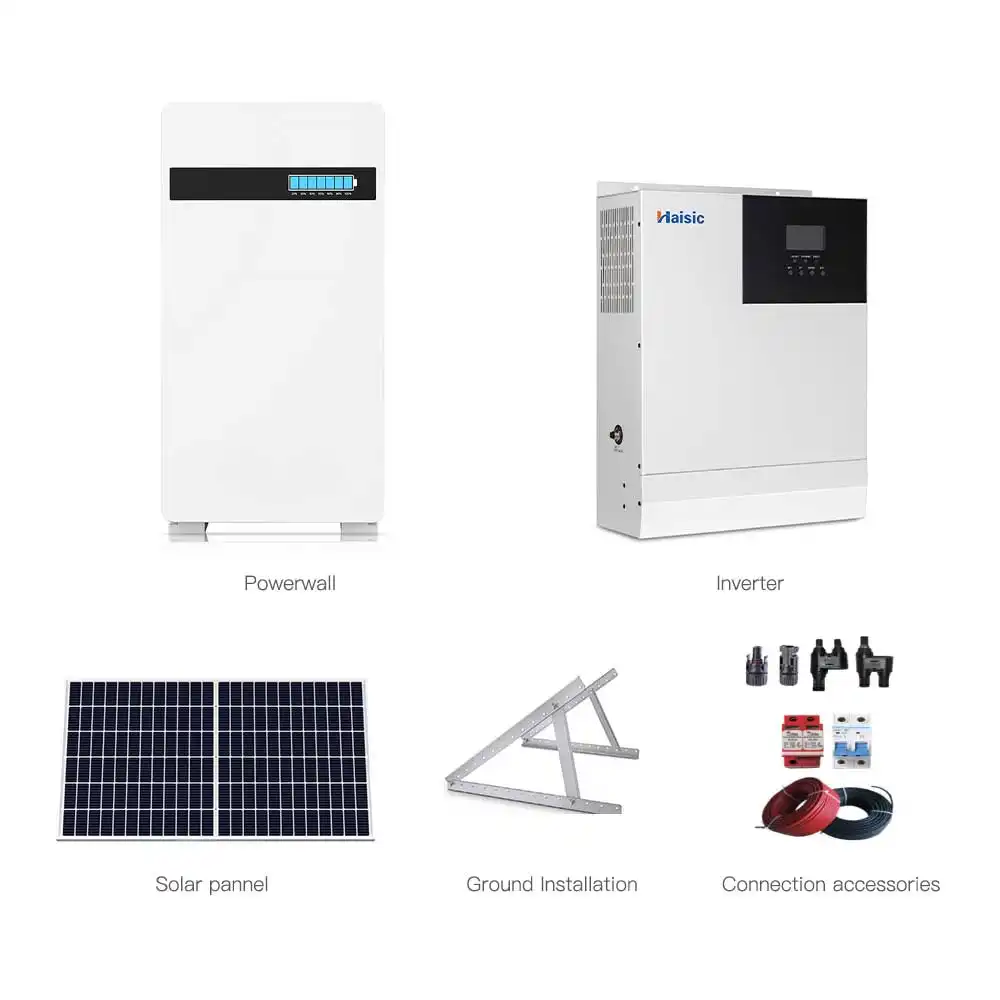
Cold-climate packs like some LiFePO₄ home storage batteries are often built with low‑temp protection and heating so they can safely charge around freezing. For example, a well‑designed system like a home lithium battery storage setup integrates BMS logic and heating to manage this automatically.
Recommended charging currents in cold conditions
If you must charge in cool but above-freezing conditions:
- Between 0–10°C (32–50°F):
- Limit to 0.1C–0.2C (10–20% of rated capacity)
- Example: a 100Ah battery → 10–20A max
- Above 10°C (50°F):
- You can usually charge at the manufacturer’s normal rated current
Always follow the exact spec sheet of the battery you’re using — low‑temp limits vary between EV packs, RV LiFePO₄, and power tool packs.
How the BMS protects charging in low temps
A good Battery Management System (BMS) is non‑negotiable in cold climates. It typically:
- Monitors cell temperature with internal sensors
- Blocks or limits charge below a preset temperature (often around 0–5°C / 32–41°F)
- Reduces charging current when cells are cold
- Coordinates with built‑in heaters or external heating pads to warm the pack before allowing full charge
In quality cold‑weather batteries (like a 72V 100Ah LiFePO₄ pack for e‑mobility or energy storage), the BMS is tuned to protect the cells first, even if that means slower charging.
You should never bypass or hack the BMS just to “force charge” in winter — that’s how batteries get ruined.
Warning signs of cold‑related charging damage
If you’ve been charging lithium batteries in freezing conditions, watch for:
- Noticeable capacity loss after winter (battery “dies” much faster)
- Higher voltage sag under load, even at mild temperatures
- The pack gets warmer than usual at the end of charge, even at low currents
- Cells drifting out of balance more often, BMS cutting off earlier
- Sudden BMS shutdowns during normal use
If you see these, stop fast charging in the cold and tighten up your charging strategy: warm the battery first, reduce current, and let the BMS do its job. In real winter use — EVs, RVs, off‑grid solar, and power tools — safe cold‑weather charging is less about “Can I?” and more about “How do I protect the pack so it lasts for years?”
Lithium Batteries vs Lead-Acid in Cold Weather
Discharge performance in low temperatures
In real-world cold weather, lithium batteries keep more usable power than lead-acid.
- At around 0°C / 32°F, a good LiFePO4 pack might still deliver 70–80% of its rated capacity.
- A typical lead-acid battery at the same temperature often drops to 50% or less usable capacity.
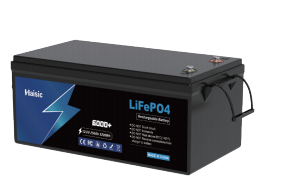
For RVs, off‑grid cabins, golf carts, and marine setups, that means a lithium bank the size of a 12V 70Ah LiFePO4 deep cycle battery can often replace a much larger and heavier lead-acid bank in winter and still feel stronger.
Cold weather charging: lithium vs lead-acid
- Lithium:
- Below 0°C (32°F), charging gets risky due to lithium plating.
- You need a BMS with low‑temp cutoff or a built‑in heater, or you must warm the battery before charging.
- Lead-acid:
- Can be charged below freezing at reduced current, but charge efficiency drops, they sulfate faster, and they still perform poorly.
So: lead-acid is more “forgiving” to charge in the cold, but you pay with weak performance and shorter life.
Efficiency, weight, and cycle life in winter
- Efficiency: Lithium stays around 95–98% efficient even in chilly weather; lead-acid wastes much more as heat when charging.
- Weight: Lithium gives about 2–3x the energy per kg, which really matters for RVs, golf carts and mobile power setups. A compact 12V 23Ah LiFePO4 golf cart battery can replace a bulky lead-acid while still feeling lighter and punchier.
- Cycle life: Quality LiFePO4 can deliver 3,000–6,000 cycles, even with winter use done right; lead-acid often taps out in a few hundred–1,000 real cycles, especially if regularly discharged deep in cold weather.
When lithium batteries are the better choice
Go lithium in cold climates if you:
- Need strong power and long runtime for RVs, off‑grid solar, golf carts, fishing boats, or work vans.
- Care about weight, space, and long service life.
- Can provide basic protection: insulated box, simple heating pad or internal heater, and a proper BMS.
- Want fast, efficient charging from solar, alternators, or inverters even in winter daylight windows.
When lead-acid still makes sense
Lead-acid can still be the right call when:
- The system sits in very harsh, unmanaged environments (e.g., remote pump houses) and nobody will monitor temperature or charging.
- Upfront budget is ultra tight and you’re okay with shorter lifespan and heavier weight.
- You only need occasional backup power (e.g., emergency-only use) and don’t mind the winter performance hit.
In steady, daily winter use where performance and long-term cost matter, lithium wins. In rough, low‑attention, ultra‑low‑budget setups, lead-acid can still be “good enough.”
Best Practices for Using Lithium Batteries in Winter

Using a lithium battery in cold weather is totally doable, but you need to treat it right if you want full performance and long life.
How to warm up lithium batteries before use
- Bring them indoors for a while (room temperature is ideal) before heavy use or charging.
- In vehicles, RVs, or off‑grid systems, keep batteries in an insulated box or interior compartment, not exposed outside.
- Light use (small discharge) can self‑warm the battery over 10–20 minutes before you pull big loads like inverters or power tools.
- For serious cold (below -10°C / 14°F), use battery heaters or self‑heating lithium packs so the cells stay in a safe operating window.
Safe discharge limits in sub‑zero temperatures
- Most LiFePO4 and lithium‑ion batteries can discharge down to about -20°C / -4°F, but with reduced capacity.
- In deep cold, try to:
- Keep discharge below 0.5C (50A from a 100Ah battery) if possible.
- Avoid running to 0% – stop at 20–30% state of charge to protect lifespan.
- If voltage suddenly dives hard under load, the battery is probably too cold or too depleted – back off the load and let it warm up.
Cold weather charging strategies and precautions
- Do not charge lithium below 0°C / 32°F unless the battery is specifically rated for low‑temperature charging with built‑in heating.
- If your BMS allows charging in light cold (0–5°C / 32–41°F), use:
- Lower charge current (0.1–0.3C instead of 0.5–1C).
- A reduced charge voltage, recommended by the battery manufacturer.
- For solar, RV, or home systems, use a solar battery setup that supports temperature sensors and low‑temp cut‑off; for example, pairing lithium batteries with a smart home energy storage system makes cold‑weather management much easier.
Winter storage tips for lithium batteries
- Store around 40–60% state of charge, not full, not empty.
- Keep them in a dry place above freezing (ideally 5–25°C / 41–77°F).
- Disconnect inverters and DC loads so there’s no slow parasitic drain.
- Check state of charge every 2–3 months; recharge lightly if it falls near 20–30%.
Simple winter maintenance routines
- Do a quick visual check: no swelling, cracks, loose terminals, or moisture.
- Keep terminals clean and tight; corrosion is rare on lithium but connections still matter in the cold.
- Log key data monthly: voltage, SOC, max/min temps, cycle count – this helps you catch issues early.
- If you run a full battery bank for solar or backup, review your settings (charge limits, temp cutoffs) at the start of each winter; adjust as your usage changes. Smart battery storage systems for solar usually make this easy through the inverter app.
Using monitoring tools and apps in winter
- Use a BMS app, shunt monitor, or inverter app to track:
- Battery temperature
- Charge/discharge current
- State of charge and voltage
- Set alerts for:
- Low temperature charging attempts
- Over‑discharge in cold nights
- Abnormal voltage sag under normal loads
- For EVs, RVs, and off‑grid cabins, keep an eye on overnight temps and SOC so you don’t wake up with a cold, exhausted battery and no margin to warm it up safely.
Stick to these cold weather lithium battery habits and you’ll get reliable runtime, safe charging, and a long service life even in harsh winters.
Advanced Cold Weather Lithium Battery Solutions
Lithium batteries with built‑in self‑heating
Cold weather lithium battery packs with integrated heaters solve the “can’t charge below 0°C (32°F)” problem by warming the cells before charging. A smart BMS routes charge current to the heating film or wires first, then to the cells once they’re in the safe zone.
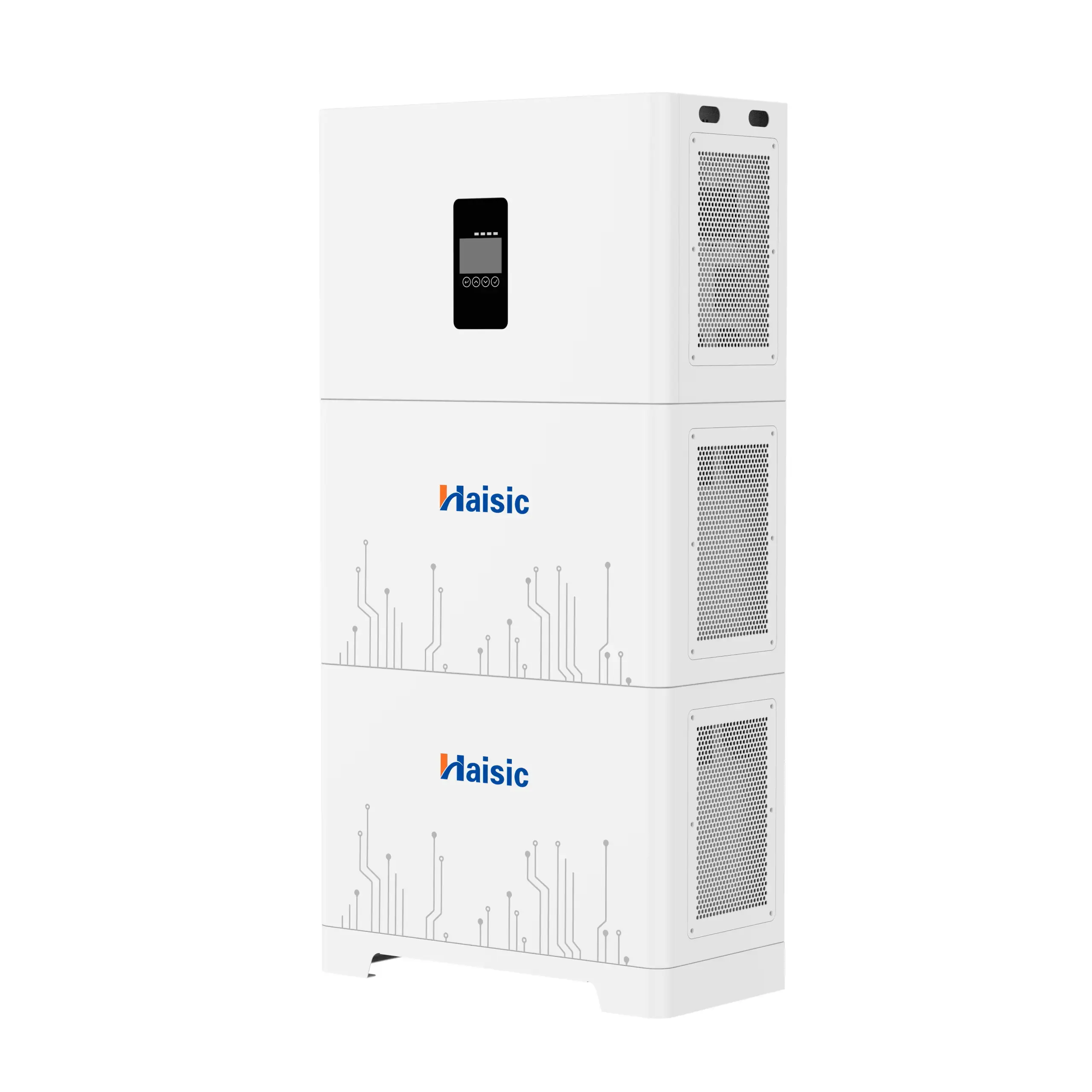
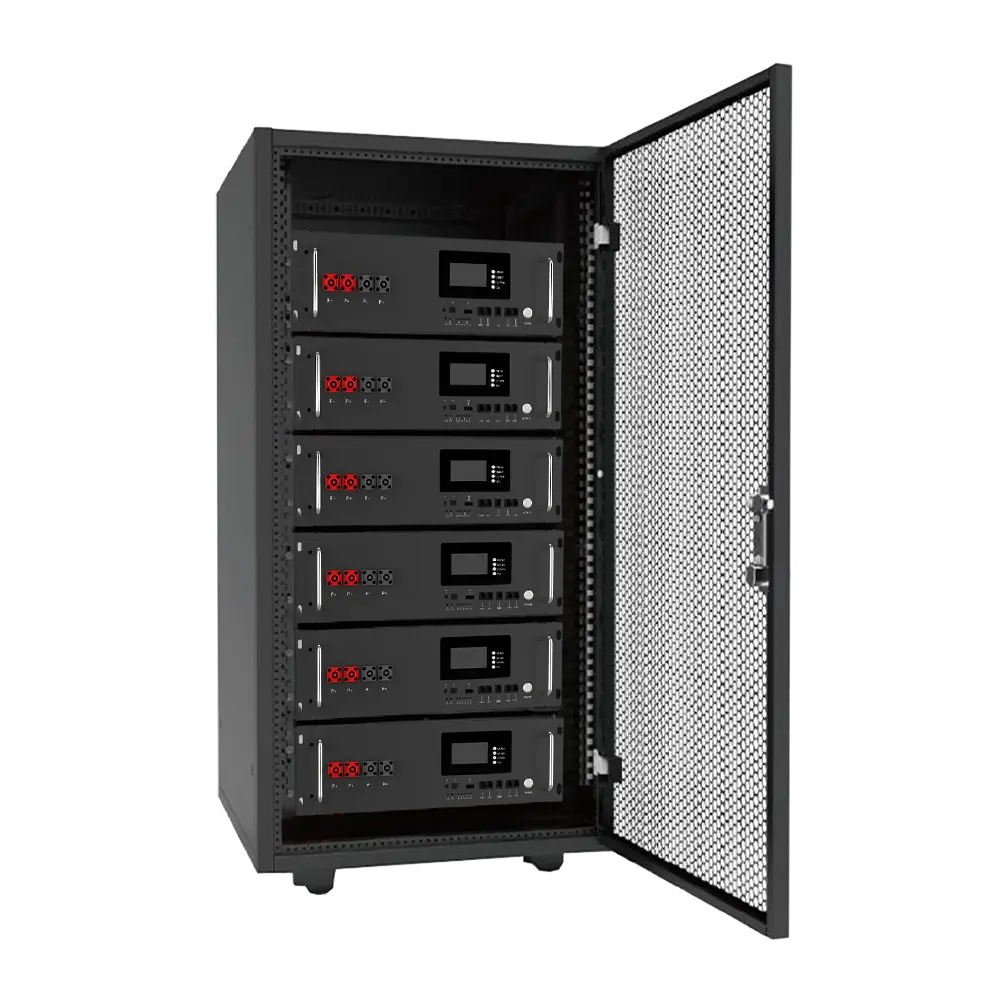
This is ideal for RVs, off‑grid cabins, and commercial energy storage where winter charging is non‑negotiable. For example, a high‑capacity system like our high‑voltage commercial LiFePO4 ESS can be paired with heating and controls to stay productive in sub‑zero environments.
Low‑temperature lithium and LiFePO4 chemistries
Not all lithium chemistries behave the same in the cold. Modern low‑temperature LiFePO4 cells are tuned for:
- Better discharge at –20°C and below
- Reduced internal resistance drop‑off
- Safer behavior under abuse compared to standard Li‑ion
A well‑built 51.2V LiFePO4 battery with robust cells and BMS, such as our 51.2V 100Ah LiFePO4 pack, will hold voltage better in winter than basic lithium or lead‑acid options.
Cold‑weather optimized electrolytes and cell design
Cold weather lithium battery performance comes down to chemistry and structure:
- Electrolytes blended for low‑temperature ion flow
- Thinner electrodes to reduce diffusion distance
- Cell formats designed to manage expansion and contraction
These tweaks mean more usable runtime, less voltage sag, and fewer “dead” feeling batteries in freezing conditions.
Insulated battery boxes and winter enclosures
Even the best cold weather lithium battery needs protection from wind chill and ice. Use:
- Insulated battery boxes or cabinets
- Simple foam or rigid insulation around packs
- Enclosures placed indoors or in semi‑heated spaces
This lets the battery’s own waste heat keep temps higher, stabilizing performance and protecting cycle life.
Choosing lithium batteries for extreme cold
When you’re buying lithium battery for cold weather use, focus on:
- Rated operating temperature (especially charging)
- Built‑in heating and smart BMS low‑temp cutoffs
- True LiFePO4 cells with proven low‑temperature specs
- A realistic warranty that covers cold‑climate operation
If winter is part of your daily life—EVs, RVs, off‑grid solar, or industrial backup—invest in lithium batteries engineered from day one for extreme cold, not just “standard” packs with a different label.
FAQs About Lithium Batteries in Cold Weather
Do lithium batteries work in cold weather?
Yes. Lithium batteries work in cold weather, but you’ll see:
- Less capacity and shorter runtime
- Lower power output, especially below 0°C (32°F)
They’re still very usable for EVs, RVs, solar systems, and home backup, especially when paired with a good BMS and basic insulation.
Can I charge lithium batteries below freezing?
You should not charge most lithium batteries below 0°C (32°F). Charging when cells are too cold can cause lithium plating, which permanently damages the battery and cuts its lifespan.
If you run home backup or off‑grid systems, look for batteries with BMS low‑temperature cutoff or self‑heating, like high‑capacity units used in home energy storage battery systems.
How much capacity do lithium batteries lose in the cold?
Rough averages (varies by brand and chemistry):
- Around 0°C / 32°F: ~10–30% capacity loss
- Around ‑10°C / 14°F: ~20–40% capacity loss
- Below ‑20°C / ‑4°F: loss can exceed 40%, and voltage sag is much more noticeable
Are lithium batteries better than lead-acid in winter?
For most modern setups, yes:
- Better discharge performance in the cold
- Higher efficiency (less energy wasted as heat)
- Lighter weight and far longer cycle life
Lead‑acid can still make sense for very harsh, unattended outdoor installs, but for RVs, cabins, and home storage, lithium is usually the smarter long‑term play. If you’re designing a winter‑ready home system, pairing lithium with a smart battery storage for home solution gives you much more usable energy in cold months.
What temperature is too cold for lithium batteries?
General rules (always check your specific battery’s datasheet):
- Discharge: often allowed down to about ‑20°C to ‑30°C (‑4°F to ‑22°F)
- Charging: avoid charging below 0°C (32°F) unless the battery is specifically rated for low‑temperature charging or has a built‑in heater
If your pack feels ice‑cold, warm it up to at least above freezing before charging to protect its health and lifespan.