









What “Private Label Energy Storage System” Really Means in 2026
In 2026, a private label Energy Storage System (ESS) is no longer just “slap your logo on a battery.” It means a technically serious product platform that you control as a brand, while an experienced OEM/ODM energy storage system manufacturer handles engineering, certification, and production in the background.
Full Customization Scope for Private Label ESS
A modern private label Energy Storage System manufacturer can customize almost every layer of the product:
| Layer | What You Can Private Label | Typical Options |
|---|---|---|
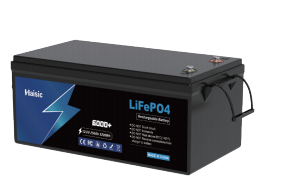
| Chemistry | Battery type | LFP (LiFePO₄) for residential & C&I, NMC for high‑power niche |
| Capacity | kWh & kW | 5–15 kWh (home), 20–100 kWh (small C&I), 100 kWh+ (containers) |
| Electrical Design | Voltage & topology | 48 V, 100 V+, HV packs, modular stackable designs |
| BMS | Hardware & logic | Custom protections, communications (CAN, RS485, Modbus), protocols |
| Inverter/Hybrid | Integration | All‑in‑one hybrid inverter with private label options |
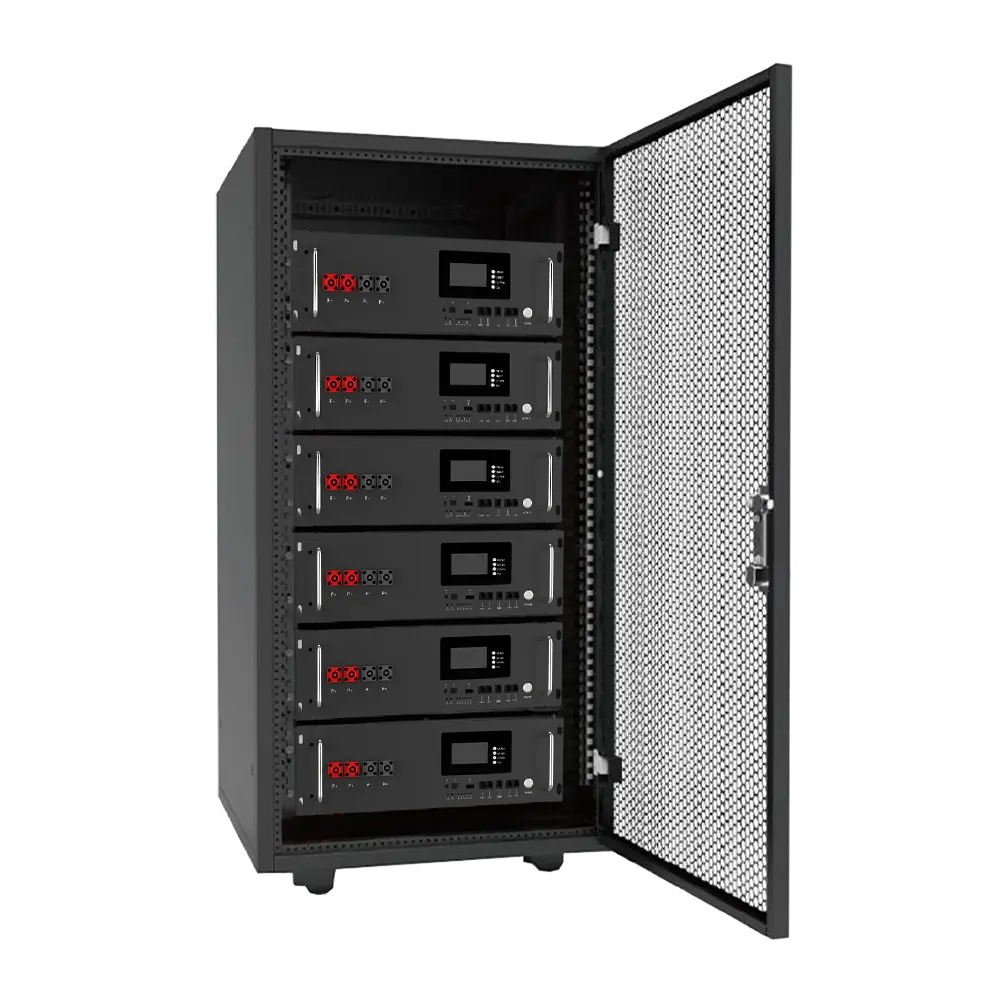
| Enclosure | Look & feel | Wall‑mounted, rack, cabinet, IP54–IP65, colors, branding panels |
| Software/App | User experience | Branded app, custom dashboards, OEM cloud, API integration |
| Packaging | Unboxing & logistics | Custom cartons, labels, manuals, quick‑start guides, QR codes |
A good private label ESS factory lets you decide how deep you want to go, from basic visuals to deep technical customization.
Levels of Private Labeling: From Logo to Firmware
Not every project needs full engineering. I usually see four levels:
| Level | Description | Ideal For |
|---|---|---|
| 1. Logo & Box | Logo on battery, box, and documents; standard hardware & firmware | Fast launch, test market |
| 2. Cosmetic Custom | Custom color, enclosure trim, labels, brand style manuals | Installers & distributors building a brand identity |
| 3. Feature Custom | Tailored BMS parameters, communication protocols, UI tweaks | Solar EPCs, C&I integrators, serious Amazon brands |
| 4. Deep Tech Private Label | Firmware, UI, app, cloud, API all branded and tuned to your use case | Energy startups, SaaS + hardware platforms, VPP players |
When you speak with ESS OEM/ODM suppliers, be clear which level you need. It saves months.
OEM vs ODM vs White Label vs True Private Label
These terms get abused in battery storage. Here is how I define them when I source from China energy storage system OEMs:
| Term | What It Really Means in ESS |
|---|---|
| OEM (Original Equipment Manufacturer) | Factory builds hardware to your design/spec. You own most of the IP and roadmap. |
| ODM (Original Design Manufacturer) | Factory already has a design. You customize some specs and branding on top of that. |
| White Label | Minimal change: standard product, simple logo or sticker, generic app/manual. Lowest entry bar. |
| True Private Label ESS | Integrated solution with custom branding across hardware, firmware, app, documentation, possibly unique SKUs and certifications under your company. |
Most “private label” offers online are actually white label. True private label requires BMS, firmware, and software flexibility, not just silk‑screened logos.
Core Use Cases for Private Label ESS
Private label storage works when you tailor the system to specific, repeatable applications:
- Residential backup & self‑consumption
- 5–15 kWh wall‑mounted or stackable home battery
- Paired with existing string inverters or hybrid inverters
- Off‑grid cabins and remote loads
- 5–30 kWh, often 48 V, robust LFP, good low‑temperature performance
- Small commercial & industrial (C&I)
- 20–200 kWh cabinets or rack systems for peak‑shaving, backup, load shifting
- EV charging support
- 50–500 kWh container or cabinet ESS to support DC fast chargers, grid‑constrained sites
A solid private label lithium battery pack factory will already have reference designs in each segment so you don’t start from zero.
Who Actually Uses Private Label ESS Today?
The main buyers I see for private label home battery storage and C&I systems:
- Amazon and e‑commerce brands
- Competing with “Powerwall alternatives” and portable power stations
- Solar EPCs and installers
- Want a stable, branded ESS line to bundle with PV and service contracts
- Wholesalers and distributors
- Regional brands in US/EU/AU offering branded residential and commercial ESS to installer networks
- Energy and software startups
- Building VPP, microgrid, or EMS platforms on top of contract manufacturing lithium‑ion battery storage
- Utility and telecom integrators
- Need B2B energy storage contract manufacturing with custom cabinets and SCADA integration
If you sell solar, EV charging, or backup power, a private label ESS is often the missing piece in your product stack.
Why Private Label ESS Beats Building Your Own Factory
Building a battery factory from scratch is capital‑intensive, slow, and risky. Working with a private label Energy Storage System manufacturer in China or other hubs gives you:
| Path | Time to Market | Capex | Risk | Control |
|---|---|---|---|---|
| Own Factory | 3–5 years | $20M–$100M+ | Very high | Max technical control, but slow |
| Private Label ESS OEM/ODM | 6–18 months | Low–medium (mainly tooling, certs, inventory) | Moderate, shared with factory | High brand & product control without running lines |
Key benefits of private label vs building your own plant:
- Speed: Launch a private label backup power system in months, not years.
- Lower capital: No need to invest in cell lines, formation equipment, safety labs.
- Proven tech: Start from platforms already running in US/EU/AU with UL9540, IEC62619, UN38.3 and more.
- Scalability: Grow from low MOQ energy storage supplier (samples, 50–100 pcs) to thousands of units with the same partner.
- Focus: You focus on market, channels, software, and service; the ESS OEM factory focuses on manufacturing and quality.
If your goal is to own the brand and customer relationship—not the welders and test chambers—a well‑chosen private label Energy Storage System manufacturer is usually the smarter move in 2026.
Top Criteria to Judge a Private Label Energy Storage System Manufacturer
When I choose a private label Energy Storage System manufacturer, I treat them like a long‑term business partner, not just a cheap OEM. Here’s what I look at first.
1. Real Factory, Real Capacity
A serious private label Energy Storage System factory should prove:
- Actual factory ownership (business license, utility bills, lease or land docs)
- Clear location (Google Maps pin, full address, easy to visit or video‑tour)
- Production capacity in MWh/GWh per year for packs and ESS, not just cells
If they’re vague, they’re likely a trading company, not a real private label Energy Storage System supplier.
2. Cell Sourcing From Tier‑1 Partners
Your brand is only as good as the cells inside:
- Ask which cell brands they use: CATL, BYD, EVE, Lishen or other Tier‑1
- Check if they have long‑term allocation agreements, not spot‑buying from brokers
- Confirm traceability: cell batch, factory, and date codes logged in their system
For serious residential and C&I ESS OEM projects, Tier‑1 LFP cells are non‑negotiable.
3. In‑House BMS & Firmware Capability
A private label ESS without a strong BMS is a risk:
- Do they have an in‑house BMS design team (hardware + software)?
- Can they customize firmware (charge curves, communication protocols, CAN/RS485, modbus) for your inverters?
- Do they support customized alarms, SOC algorithms, and cloud integration?
You want a private label Energy Storage System OEM factory that can actually tune performance, not just resell a generic protection board.
4. Certifications for Target Markets
If it’s not certified, you’ll get blocked by installers, regulators, or insurers:
- For North America: UL9540, UL9540A, UL1973, UL1741, UN38.3
- For EU/UK: IEC62619, IEC61000, CE, UKCA, UN38.3, often TUV or Intertek marks
- For AU/NZ and Japan: AS/NZS, JET, CQC, and local grid codes
Ask for full test reports and certificates, not just logos on a datasheet. A good private label Energy Storage System company will have a ready portfolio and clear roadmap for upcoming markets.
5. R&D Depth and Roadmap
You’re not just buying today’s product; you’re buying a 5‑year roadmap:
- How many R&D engineers (electrical, mechanical, software, test)?
- What lab equipment: environmental chambers, cycle testers, abuse test rigs?
- Any patents or published innovations in BMS, thermal design, or modular ESS?
- A visible product roadmap (higher voltage racks, new chemistries, VPP features)?
A real private label Energy Storage System producer keeps you competitive without you having to build your own lab.
6. MOQ Flexibility
For a new brand, flexible MOQ is critical:
- Can they do 1–5 sample units with your logo?
- What’s the entry MOQ: 50 pcs, 100 pcs, or only 1000+ pcs?
- Can they support mixed models in one batch for pilot testing?
I prefer a private label Energy Storage System manufacturer that lets us prove the market before going big.
7. Customization Speed & Timelines
Time‑to‑market kills or makes your launch:
- Sample lead time: how many weeks from PO to ready‑to‑ship?
- Artwork and label approval: how structured is their process?
- Mass production lead time (MP): standard vs busy season
You want clear project milestones and a responsive project manager on the factory side.
8. Supply Chain Resilience
In energy storage, cell shortages hurt margins and reputation:
- Do they keep a buffer stock of critical materials?
- Do they have multi‑supplier strategies for cells, BMS chips, and key components?
- Any priority allocation from top cell makers?
Ask how they performed during past supply crunches. Good private label Energy Storage System vendors will have hard examples.
9. After‑Sales & Warranty Clarity
A long warranty with weak support is useless:
- Warranty length: 5–10–15 years, and what’s actually covered
- Availability of remote diagnostics and log export (for installers and end users)
- Clear RMA process, replacement timelines, and local service partners (if any)
A mature private label Energy Storage System distributor or OEM should help you design a support model you can actually afford to run.
10. ESG, Compliance & Audit Readiness
Global customers now care how and where products are made:
- Certifications: ISO9001, ISO14001, ISO45001, BSCI, SEDEX
- Ability to provide carbon footprint reports or ESG statements
- Clean, safe working conditions and documented EHS policies
If you sell into EU, UK, or large corporate channels, this can be a deal‑breaker.
11. Track Record in US/EU/AU
I always ask for proof, not promises:
- Existing private label cases (brands can be anonymized)
- Project sizes: home ESS, small C&I, container BESS
- Any case studies or references from installers, EPCs, and wholesalers
A serious private label Energy Storage System exporter will have real projects in at least one of these mature markets.
12. Transparent Pricing & Terms
Cheap quotes often hide extra costs:
- Clear EXW/FOB/CIF pricing and shipping terms
- Payment terms for first orders vs repeat orders
- List of any hidden costs: certification sharing, tooling, custom packaging, labels, app customization
You want a private label Energy Storage System wholesaler who quotes in a way you can put straight into your P&L.
13. Factory Quality Systems
This is where you separate proper ESS OEMs from pack‑assemblers:
- Incoming inspection for cells and electronics
- Routine aging tests, full charge‑discharge cycling, and high/low temperature tests
- Serial number traceability from cell to complete system
- Documented standard operating procedures (SOPs) and final QC checklists
A good example is a battery energy storage system company that can show you their full QC flow and traceability down to cell batch; you can see how this works in practice in Haisic’s battery energy storage system manufacturing overview.
14. Packaging, Branding & Documentation
For private label, the “outside” matters as much as the inside:
- Retail‑ready packaging or installer‑friendly crates, with your logo and color scheme
- Branded user manuals, datasheets, and installation guides in local languages
- Support for custom product labels, QR codes, and quick‑start guides
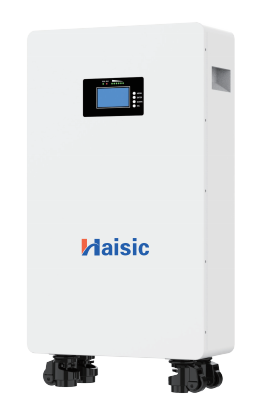
Some private label Energy Storage System factories can even co‑develop your branded ESS product line (for example, a wall‑mounted unit similar to this 10.24 kWh touchscreen energy storage system) so your catalog looks unified and premium.
When a private label Energy Storage System manufacturer checks all these boxes, I know I can build a scalable, profitable ESS brand on top of their platform without having to own a factory myself.
Why China Dominates Private Label Energy Storage System Manufacturing
China is where most serious buyers end up when they look for a private label Energy Storage System manufacturer. Cost, scale, and engineering speed are simply hard to match if you need branded residential or commercial ESS with global certifications.
Cost and Industrial Clusters
Compared with the USA, Europe, Korea, or Southeast Asia, a China energy storage system OEM can usually offer:
- Lower $/kWh thanks to local cell supply, labor efficiency, and automation
- Shorter supply chains inside battery hubs like Guangdong, Jiangsu, Zhejiang, Hunan, and Anhui
- Better price/performance for wall‑mounted, rack, and container ESS because everything is sourced within a few hours’ drive
These clusters are why we can build complex systems like a 2.15 MWh 100 kW commercial container ESS at competitive prices while keeping quality consistent.
Vertical Integration and Engineering Speed
A strong private label Energy Storage System factory in China usually has:
- Cells, packs, BMS, inverters, metalwork, wiring, and logistics under one umbrella
- In‑house BMS and firmware teams to support real custom work (not just logo printing)
- Fast engineering changes: we can tweak capacity, CAN/RS485 protocols, enclosure, and labels in weeks, not months
This is why many brands choose a China‑based private label Energy Storage System OEM factory instead of spreading the project across multiple vendors.
Scale, Automation, and Export Experience
Top private label Energy Storage System manufacturers in China now run at GWh‑level capacity with:
- Automated cell sorting, laser welding, and aging lines that push down unit cost
- Stable lead times even on larger C&I or container projects, such as our 1.075 MWh 100 kW industrial container ESS
- Deep export experience with UL, IEC, CE, UN38.3 and other test regimes already in place
For global brands, this matters more than pure price: you get repeatable quality and documentation that passes local compliance checks.
Communication and Project Management
The better ESS OEM ODM services providers in China now work like international engineering houses:
- English‑speaking sales and technical teams that understand installer use cases and channel needs
- Clear project owners, regular update calls, and structured timelines from sample to MP
- Digital tools for BOM tracking, change logs, and remote debugging of private label home battery storage and C&I systems
Risks of Sourcing Outside China
You can, of course, source from other regions—but you need to accept trade‑offs:
- Higher cost per kWh and tighter capacity when demand spikes
- Longer development cycles and fewer ready‑made platform options for custom branded residential ESS
- Gaps in certifications, slower after‑sales support, and less experience with private label Energy Storage System distributors, wholesalers, and installers
For most brands I work with, a well‑audited private label Energy Storage System manufacturer China side still gives the best mix of cost, flexibility, and speed to market.
Top Private Label Energy Storage System Manufacturers Shortlist and Comparison
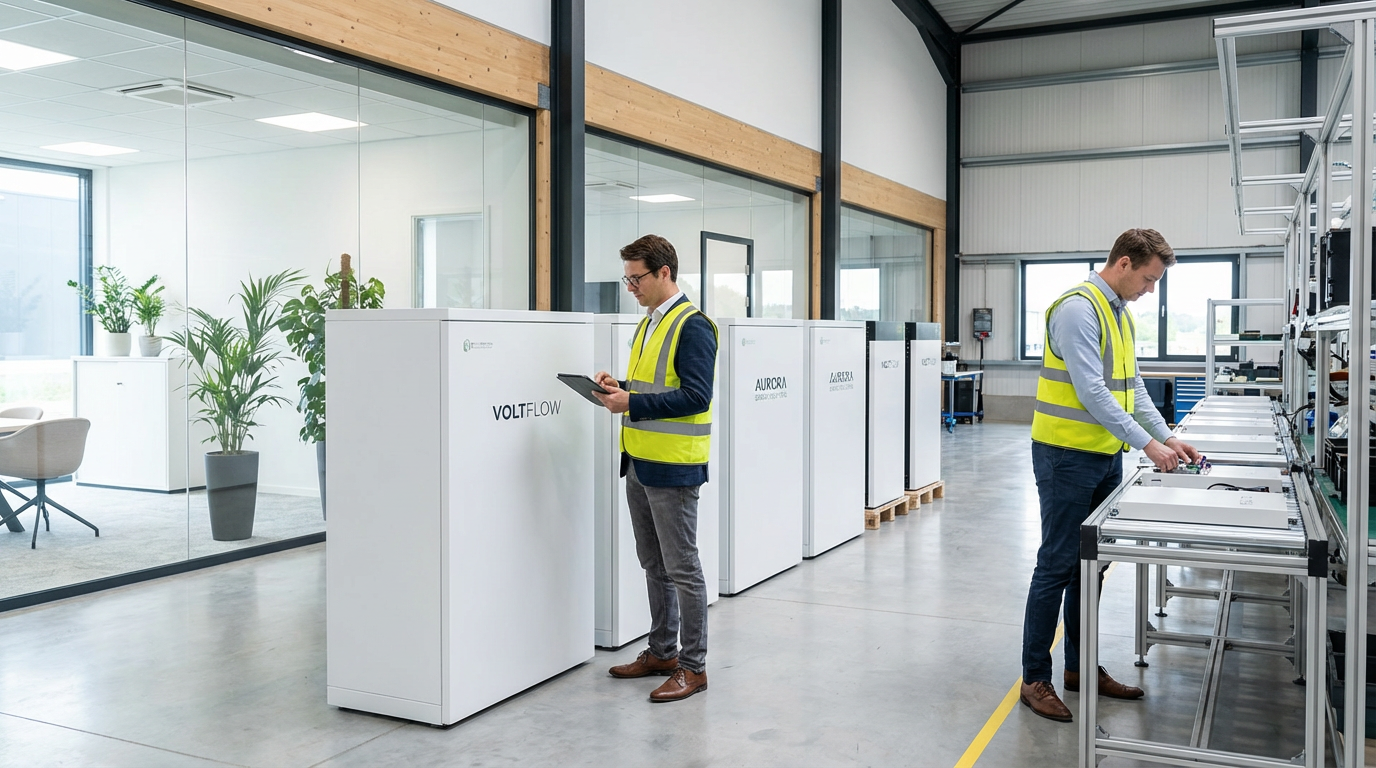
When I build a shortlist of private label Energy Storage System manufacturers, I split them into three clear groups: Tier‑1 giants, Tier‑2 specialist OEMs, and niche innovators. Each type fits a different business model, budget, and risk level.
Categories of private label ESS partners
1) Tier‑1 ESS OEM partners
These are large, often semi‑international OEM energy storage system manufacturers with GWh‑level output.
Typical traits:
- Very strong certifications and compliance teams
- Stable supply of Tier‑1 LFP cells and inverters
- Clear processes, clean factories, strong QA systems
- Best for large brands, utilities, and big solar EPC groups
Trade‑offs:
- Higher MOQ and slower customization
- Less flexible on special industrial design or “crazy” features
2) Tier‑2 specialist private label ESS factories
These are focused ESS OEM/ODM partners that live and breathe private label manufacturing.
Typical traits:
- Strong on custom branded residential ESS and small C&I systems
- Open to meaningful customization (mechanical design, BMS, app skin)
- More flexible MOQ and faster decision‑making
- Ideal for installers, wholesalers, Amazon/online brands, regional distributors
For example, a Tier‑2 LFP battery private label supplier may offer ready‑to‑brand 10–15 kWh wall units similar to a 10kWh wall‑mounted home energy storage system with your logo, colors, and packaging.
3) Niche innovators and small ODM home battery storage makers
These are compact teams that move fast on new tech or special use cases.
Typical traits:
- Very quick engineering iteration and special features
- Focus on stackable home batteries, all‑in‑one hybrid inverter ESS, or container BESS niches
- Better suited for pilots, new concepts, or regional micro‑grids
Trade‑offs:
- Limited capacity and sometimes narrower certification coverage
- You depend more on their future funding and stability
Quick comparison: manufacturer types
| Category | Strengths | Risks / Limits | Best For |
|---|---|---|---|
| Tier‑1 ESS OEM partners | Top‑tier QA, wide certs, strong supply chain | High MOQ, slower changes | Utility projects, national brands, big box retail |
| Tier‑2 specialist private label ESS OEM | Flexible MOQ, real customization, balanced pricing | Not always a famous brand | Installers, EPCs, wholesalers, online brands |
| Niche innovator ODM factories | Unique designs, fast R&D, special applications | Smaller scale, limited SKUs | Startups, pilots, niche markets |
Rising OEM/ODM factories for home and C&I storage
The sweet spot for most private label Energy Storage System brands is a Tier‑2 OEM/ODM factory in China that:
- Offers both private label home battery storage and small commercial ESS
- Has its own BMS and firmware team (not just off‑the‑shelf boards)
- Can deliver full bundles: hybrid inverter and battery bundle private label
- Supports 5–15 kWh wall‑mounted systems, stackable modules, and rack batteries
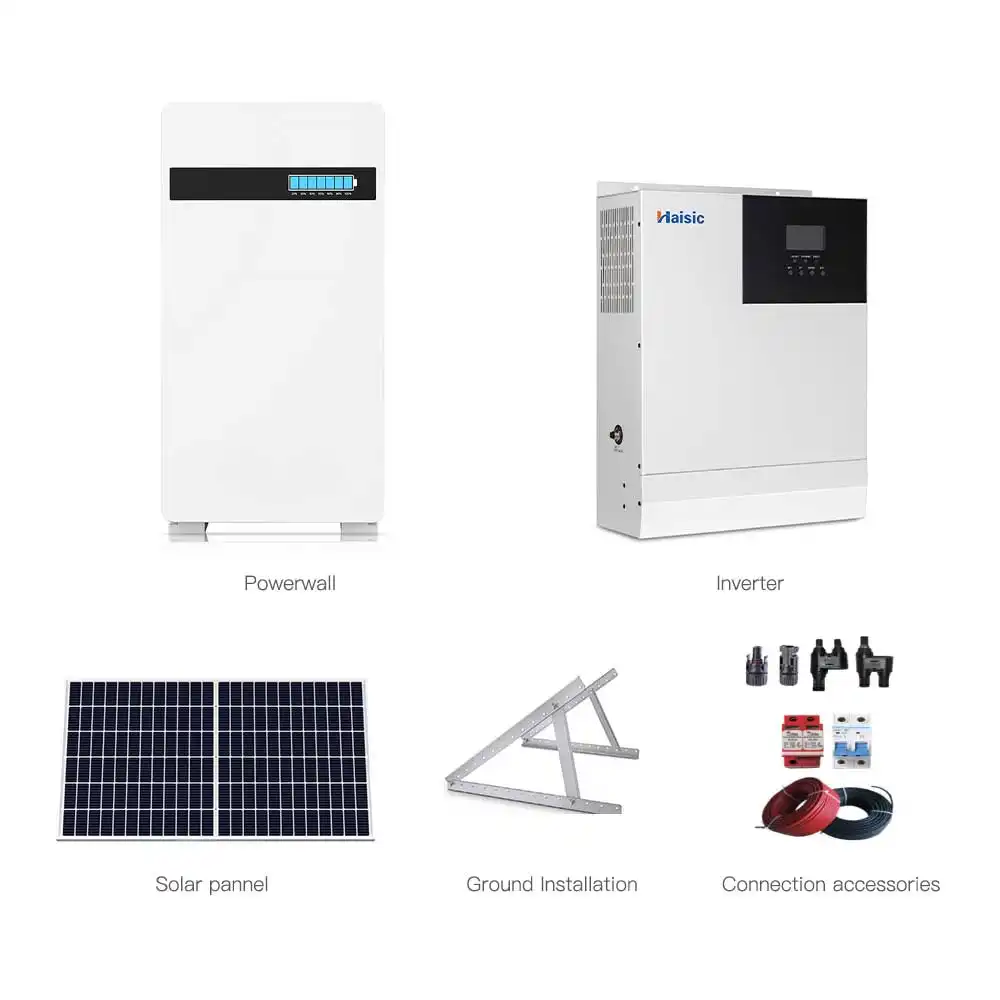
If you want to sell a complete residential kit, look for a private label Energy Storage System supplier that can provide a 5–10 kW hybrid inverter plus a 10–20 kWh battery set similar to a 5 kW power energy storage solar system for home.
How to read spec sheets and profiles without getting misled
When I review a private label lithium battery pack factory, I ignore the marketing first and go straight to:
- Chemistry: LFP (LiFePO4) for home storage; avoid NMC for most residential backup
- Cycle life claims: Anything like “8000+ cycles” must show test method and conditions
- C‑rate: Check both continuous and peak charge/discharge; compare with your load profile
- Certifications: UL9540, UL1973, IEC62619, UN38.3, CE, etc. Ask for full test reports, not just logos
- Warranty: Years + cycles + throughput; look for clear written conditions
On the corporate profile side, I watch for:
- Legal company name, factory address, and ownership structure
- Real photos and videos of the assembly plant, not stock images
- Mention of key markets (US/EU/AU) and specific reference projects
Comparison framework to filter your shortlist
Before I rank private label Energy Storage System factories, I score them across these axes:
- Capacity range: 5–20 kWh wall‑mount, 10–100 kWh rack, 100 kWh–MWh containers
- Chemistry & form factor: LFP prismatic vs pouch, stackable vs cabinet vs container
- Supported inverters: Compatibility with mainstream brands in your market
- Customization depth: Logo only, housing color, custom BMS, custom app, full ODM
- Certs & markets: Which certifications they already hold for your target country
- Lead times: Sample build, pilot batch, and mass production
Example comparison table (MOQ, customization, certs, lead time)
Below is a simple way I map private label Energy Storage System manufacturers:
| Manufacturer Type | MOQ (per model) | Customization Depth | Key Certifications* | Sample Lead Time | Mass Production Lead Time |
|---|---|---|---|---|---|
| Tier‑1 ESS OEM factory | 200–500 units | Logo + color, limited firmware changes | UL, IEC, CE, UN38.3, country‑specific | 8–12 weeks | 12–20 weeks |
| Tier‑2 private label ESS supplier | 50–200 units | Logo, housing, BMS config, app branding | Mix of UL/IEC/CE/UN38.3 | 4–8 weeks | 8–12 weeks |
| Niche ODM home storage maker | 10–50 units | Deep mechanical + firmware customization | Select IEC/CE, sometimes pending UL | 6–10 weeks | 10–16 weeks |
*Always verify actual certificates and test reports for each product.
Typical price bands for private label ESS
These are rough ex‑factory ranges for a serious private label Energy Storage System distributor or wholesaler (LFP, decent quality, mid volume):
- Wall‑mounted ESS (5–15 kWh): ~USD 280–450 per kWh
- Stackable home batteries (modular 5 kWh blocks): ~USD 260–420 per kWh
- Rack batteries (48/51.2/100V systems): ~USD 220–380 per kWh
- Container ESS (100 kWh+): pricing by project; focus on full turnkey private label BESS solution, not just $/kWh
Ultra‑low quotes usually mean:
- No or weak certifications
- Low‑grade cells or recycled material
- Hidden costs for tooling, extra labels, and cert extensions
How I cut to a shortlist of 3–5 private label ESS factories
From longlists on Alibaba, exhibitions, and referrals, I use a simple step‑by‑step filter:
- Hard filters first
- Must be a real private label Energy Storage System manufacturer, not just a trading company
- Must offer LFP and have at least UN38.3 and IEC/CE for export
- Must show factory photos, basic QA process, and test equipment
- Fit for my segment
- Does their existing portfolio match my target (residential, small C&I, EV charging support)?
- Do they already ship to my region (US/EU/UK/AU/Asia)?
- Project fit checks
- Can their standard units match my key SKUs (e.g. 10–15 kWh wall‑mount, 20–50 kWh racks)?
- Are their MOQs realistic for my launch volumes?
- Deep dive with 5–8 candidates
- Request detailed datasheets, certification lists, and factory intro deck
- Ask for reference brands or projects in my target markets
- Do one video call with engineering / sales to check communication quality
- Narrow down to 3–5
- Score each private label Energy Storage System vendor on tech fit, pricing, lead time, and support
- Move the top 3–5 into NDA + sample quoting stage
This process cuts noise fast and keeps me focused on serious private label Energy Storage System suppliers, not casual resellers.
Haisic As Your Private Label Energy Storage System Manufacturer
I run Haisic as a focused private label Energy Storage System manufacturer and supplier, built around one simple goal: give global brands a fast, safe way to launch their own ESS line without building a factory.
Company And Factory Capabilities
We come from years of lithium battery pack and ESS contract manufacturing, and now focus on OEM / ODM home and C&I storage for installers, wholesalers, and energy startups. Our factory runs highly automated pack lines with GWh‑level annual output, so we can handle both low‑MOQ pilots and full container orders under your brand.
Core Private Label Strengths
We keep the critical know‑how in‑house:
- Custom BMS design, firmware, and communication protocols (CAN, RS485, Wi‑Fi, LAN)
- Electrical design for safe LFP packs, hybrid systems, and grid/off‑grid use
- Full private label support: logo, color, labels, manuals, and packaging
This lets us act as a private label Energy Storage System OEM factory, not just a simple assembler.
Product Lineup For Private Label Brands
You can build a complete portfolio with us:
- Wall‑mounted home ESS and Powerwall‑style units
- Stackable home batteries and floor‑standing cabinets
- Rack batteries for small C&I and micro‑data centers
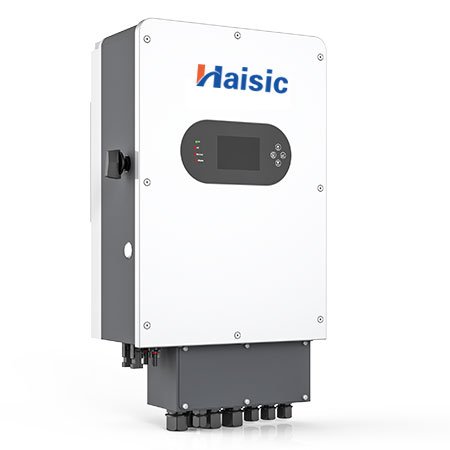
- All‑in‑one hybrid inverter + battery systems
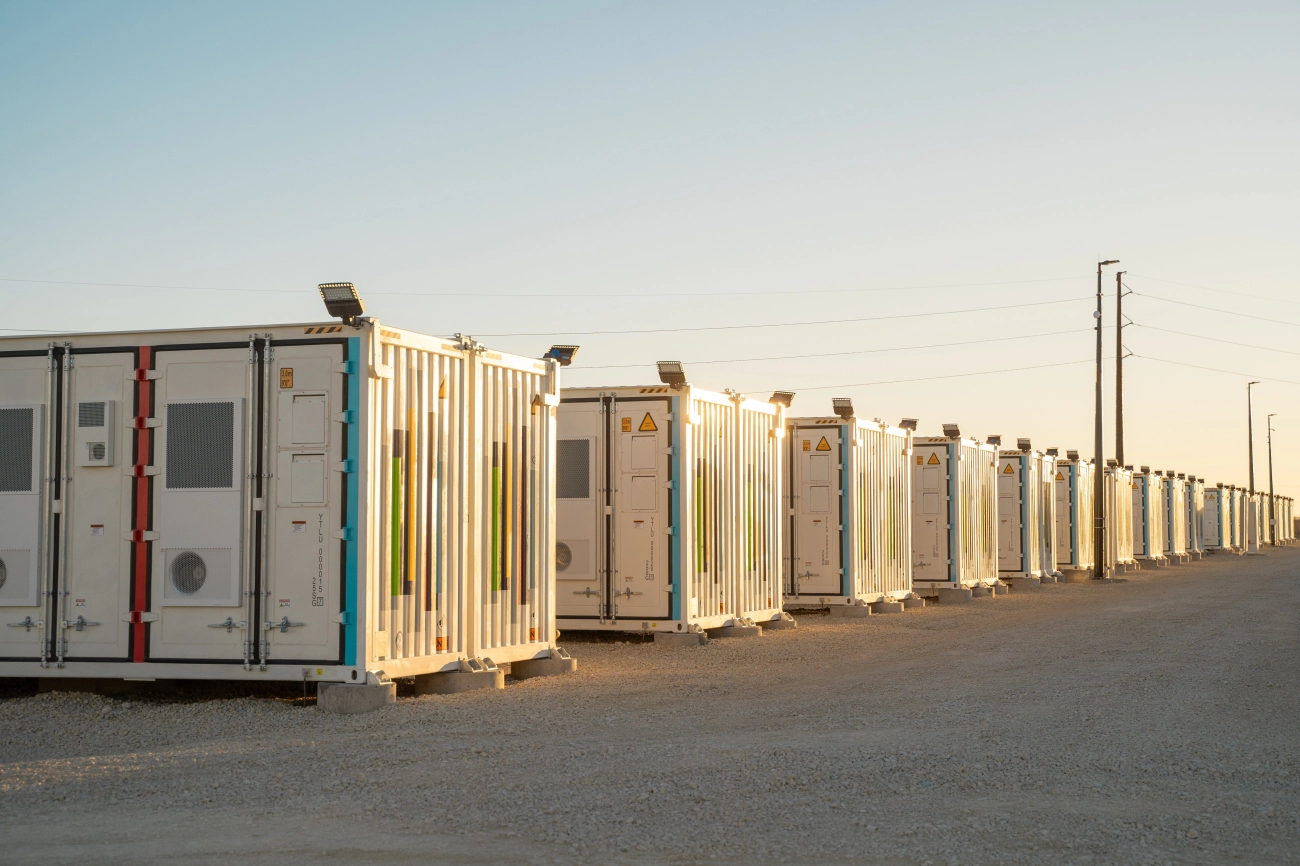
- Containerized BESS for larger commercial projects
For residential brands, we usually start from our proven home lithium battery storage systems and customize capacity, enclosure, and branding to match local demand. Our broader battery storage for home portfolio covers typical 5–30 kWh setups used by solar installers worldwide.
Design, Software, And Cloud
We don’t just re‑sticker products:
- Mechanical / industrial design team for custom housings, colors, and mounting
- App and cloud team for custom branded monitoring apps, web portals, and OEM APIs
- Support for OEM dashboards so installers and distributors can manage fleets remotely
This makes Haisic a custom BMS development manufacturer and a true turnkey private label ESS partner.
Certification And Markets
We design for compliance in the US, EU, UK, AU, and key Asian markets, and support projects targeting:
- Safety and performance standards (e.g. UL9540, UL1973, IEC62619, UN38.3)
- Regional compliance (CE, UKCA, and other local requirements)
Our team works with accredited labs and certification partners so your private label home battery storage can enter new markets with a clear roadmap.
Real Projects And Service Model
We already supply private label Energy Storage System companies in the US, Europe, and Australia, ranging from Amazon‑first brands to regional solar EPCs and wholesale distributors. Typical projects include:
- Residential solar + storage bundles (5–20 kWh per home)
- Small C&I backup systems and EV‑ready sites
- Branded ESS lines for national installer networks
Our service model is straightforward:
- Early project consultation and technical proposal
- Sampling and pilot runs with engineering support
- Long‑term cooperation with clear pricing, warranty terms, and roadmap planning
If you’re looking for a private label Energy Storage System supplier that can handle both the hardware and the branding side, Haisic is set up to be your behind‑the‑scenes factory.
How to Start Your Own Private Label Energy Storage System Brand (Step by Step)
1. Define your market and system size
Start with who you serve and what problems you solve. Typical private label Energy Storage System segments:
- Residential backup / self‑consumption: 5–15 kWh, wall‑mounted “Powerwall‑style” or stackable batteries
- Light C&I / small businesses: 20–50 kWh, rack or cabinet systems
- Larger C&I / microgrids: 100+ kWh, cabinets or containerized BESS
Be clear on:
- Grid‑tied vs off‑grid
- Backup only vs daily cycling
- Typical load: lights + fridge, whole‑home, three‑phase equipment, EV charger, etc.
2. Lock in core technical specs
With your private label Energy Storage System manufacturer, decide:
- Chemistry: almost always LFP for safety and cycle life
- Voltage platform: 48 V, 100+ V, or high‑voltage stack depending on inverter brand
- Form factor: wall‑mounted, stackable tower, rackmount, or all‑in‑one hybrid
- Modularity: single 5–10 kWh units that can be paralleled vs fixed large blocks
- Installation environment: indoor only vs IP65 outdoor rating, floor vs wall mounting
If you’re targeting residential, start with a standard 48V wall‑mount system such as a 51.2V 100Ah Powerwall‑type ESS to hit most markets; see Haisic’s wall‑mounted home energy storage batteries as a reference for typical specs.
3. Clarify certifications and compliance
Before any design work, define required standards for your target markets:
- US / Canada: UL9540, UL1973, UL1741 (for inverter), UN38.3, FCC
- EU / UK: IEC62619, IEC61000, CE, UKCA, UN38.3
- AU / NZ: IEC62619, AS/NZS 5139 compliance path, CEC listing (via inverter)
- Others: local grid codes, import rules, fire codes
Share your country list and sales channels (online, installers, utilities) with the ESS OEM so they can design to the correct compliance level.
4. Build a clear brand identity
Private label only works if your brand looks and feels consistent:
- Logo & color palette that works on housings, apps, and packaging
- Naming system for models (e.g., “Home 10”, “Home 20”)
- Packaging concept: retail‑style for e‑commerce vs plain export cartons for B2B
- User experience: clean app, simple manual, installer‑friendly wiring layout
Give your private label Energy Storage System factory a basic brand book so every touchpoint matches.
5. Request quotes from multiple ESS OEM/ODM partners
Shortlist 3–5 private label Energy Storage System manufacturers in China or your preferred region and ask for:
- System spec proposal (capacity, voltage, dimensions, weight)
- Supported inverter brands (e.g., Growatt, Deye, GoodWe, Solis, SMA, etc.)
- Certification status and roadmap
- MOQ, lead time, and customization options (shell color, app branding, labels)
- Warranty terms and after‑sales process
Compare OEM / ODM energy storage system offers side by side before committing.
6. Share clear technical and business requirements
Make it easy for the OEM/ODM to design the right solution. Provide:
- Load profiles: daily kWh, peak kW, backup duration target
- Inverter brand and model you want to pair with
- Preferred form factor: wall‑mount, stackable, rack, cabinet, or all‑in‑one hybrid
- Budget range: target ex‑works price band per kWh
- Any special needs: low‑temperature performance, off‑grid only, VPP‑ready, etc.
The more precise your brief, the less back‑and‑forth and the fewer surprises later.
7. Samples and technical validation
A normal private label ESS sampling flow looks like this:
- NDA signed + technical call
- Finalized spec sheet and drawing confirmation
- Sample PI and down payment
- Factory builds sample(s) with your logo and configuration
- Your internal testing: capacity, compatibility with inverters, app performance, noise, thermal behavior
Use a simple testing checklist so all decision makers review the same criteria.
8. Design approval workflow
Before mass production, lock all visuals and mechanics:
- 3D renderings of enclosure with your logo and color
- Mechanical drawings (mounting holes, cable entries, clearances)
- Label artwork: rating label, compliance marks, QR code, serial format
- UI mockups: app login screens, dashboard colors, brand name, domain
Sign off everything in writing; any change after this point affects cost and lead time.
9. Plan your pilot run
Run a small batch before full scale:
- Typical pilot size: 20–100 units depending on project volume
- Send part of the batch to a third‑party lab for safety and performance testing
- Deploy units with trusted installers or key customers for field trials
- Collect data on failure rates, installer feedback, end‑user experience
Use this to fine‑tune manuals, packaging, and installer training.
10. Ramp to mass production with quality control
Once the pilot is stable, agree with your private label ESS supplier on:
- Production schedule and monthly capacity reservation
- Quality control plan: incoming cell inspection, aging tests, full function tests
- AQL levels and what happens if batches fail
- FAT/SAT: Factory Acceptance Tests and, for big projects, Site Acceptance Tests
Keep batch‑level traceability and SN tracking from day one.
11. Sort out logistics and dangerous goods shipping
Work out the logistics with your manufacturer:
- Incoterms: EXW, FOB, CIF depending on how much you want them to handle
- Transport: sea (cheapest), rail (EU), or air (urgent only, very costly)
- Dangerous goods: UN38.3 reports, MSDS, and DG packaging for lithium batteries
Agree on carton design, palletization, and container loading plans so your goods pass customs smoothly.
12. Build after‑sales and installer support
A private label Energy Storage System brand lives or dies on support:
- Local warranty policy: years, cycles, and conditions (5–15 years typical)
- RMA flow and spare part stocking in your country
- Installer onboarding: wiring diagrams, commissioning steps, video guides
- Remote diagnostics tools from your OEM (cloud portal, data export, API)
Make sure your ESS OEM partner can support you with training materials and troubleshooting guidelines.
13. Launch and positioning
For your marketing launch, position your brand clearly:
- As a Tesla Powerwall alternative with better local support or pricing
- As an installer‑first brand with simple wiring and fast warranty handling
- As a performance brand: higher usable capacity, better cycle life, or VPP readiness
Use real pilot case studies, installer testimonials, and clear side‑by‑side comparisons vs local competitors to build trust quickly.
Red flags with a private label Energy Storage System manufacturer
When I screen a private label Energy Storage System manufacturer or supplier, I watch for a few hard red flags that instantly kill the deal.
1. Fake “factory” and zero transparency
- A trading company posing as a private label Energy Storage System factory will dodge questions about production lines, engineers, or GWh capacity.
- If they refuse to share a business license, real factory address, floor plan, photos, or third‑party audit reports, I walk away.
- I always verify on video: real SMT lines, pack lines, aging racks, and warehouse space, not just a “sample room.”
2. Weak technology and unsafe batteries
- For home and small C&I storage, any private label Energy Storage System OEM factory still pushing NMC cells or unknown brands instead of LFP from Tier‑1 partners is a risk.
- No in‑house BMS R&D (only generic protection boards) means poor control of safety, cycle life, and customization.
- Missing or suspicious UL9540, IEC62619, UN38.3, and CE reports is a deal breaker; serious ESS OEM/ODM services will show test reports tied to specific models, like their 51.2 V LFP home storage products and other UL‑ready systems.
3. Shady offers and poor support
- Over‑promised specs (10,000+ cycles, high C‑rate, 15‑year warranty) with ultra‑low prices usually hide extra “fees” for tooling, labels, or certifications.
- Slow replies, no clear project owner, or refusal to define after‑sales, RMA flow, and warranty terms in writing are classic signs of a bad private label Energy Storage System vendor.
- During factory visits or video tours, I avoid plants with messy lines, manual rework everywhere, poor ESD control, and no traceability labels on modules and packs.
Future Trends in Private Label Energy Storage 2026–2030
VPP‑Ready and Grid‑Service Private Label ESS
From 2026 on, any serious private label energy storage system manufacturer will need to deliver VPP‑ready products by default. Your branded ESS must be able to:
- Connect to aggregators and utilities via open protocols (Modbus, Sunspec, OCPP, REST APIs).
- Run smart charge/discharge schedules for peak‑shaving, demand response, and frequency regulation.
- Support fleet‑level control, so thousands of home or C&I systems operate like one big virtual power plant.
If you’re planning a private label Powerwall alternative, make sure your OEM offers cloud control and VPP integrations from day one, not as a “future add‑on”.
Deep Integration: Smart Home, EV Chargers, EMS
By 2030, stand‑alone batteries will be the exception. The norm will be integrated energy ecosystems:
- Smart home: Works with Home Assistant, Matter, Alexa, Google, etc.
- EV chargers: Priority charging, solar‑only modes, and dynamic load management.
- Energy management systems (EMS): One app to manage PV, ESS, EV, and key loads.
This is where hybrid systems and stackable home batteries that pair smoothly with PV inverters and wallbox chargers will win. If you’re targeting residential customers, design your private label ESS for simple app control and fast installer setup.
Second‑Life and Circular Private Label ESS
Global buyers are moving hard toward circular economy models. Expect to see:
- Second‑life LFP and EV cells repurposed into lower‑cost storage for off‑grid, backup, or low‑cycle applications.
- Take‑back programs and refurbishment for your branded ESS instead of pure “sell and forget”.
- Clear end‑of‑life recycling channels baked into contracts.
If you build a brand now, plan how you’ll talk about lifecycle, reuse, and recycling — it will be a key sales and compliance point, especially in EU and UK markets.
New Chemistries: Sodium‑Ion and Beyond
LFP will stay dominant for home and C&I ESS, but sodium‑ion and other chemistries are coming fast for budget‑sensitive projects:
- Sodium‑ion: Lower cost, better low‑temperature performance, slightly lower energy density.
- LFP evolutions: Higher cycle life, better safety, and more compact residential units.
- Niche chemistries for long‑duration applications (4–12+ hours).
As a brand owner, you don’t need to bet on every chemistry. What you do need is an OEM/ODM partner with a clear roadmap so your private label lineup can move with the market instead of being stuck on outdated tech.
Stricter Regulations and Safety Standards
Between 2026 and 2030, regulations will tighten almost everywhere:
- More mandatory standards: UL9540, UL9540A, UL1973, IEC62619, UN38.3, CE/UKCA, and local fire codes.
- Tougher grid‑connection rules for residential and C&I ESS.
- Deeper documentation: test reports, traceability, and detailed installation manuals.
If your private label energy storage system supplier can’t show a strong certification portfolio and an internal compliance team, your products will get blocked by inspectors, utilities, or marketplaces.
Low‑Carbon and ESG Demands from B2B Buyers
Installers, EPCs, and distributors are now asking how batteries are made, not just what they cost:
- Factory energy mix (renewables vs grid).
- Carbon footprint per kWh of storage.
- ESG audits (BSCI, SEDEX) and ISO certifications (ISO9001, ISO14001).
Position your private label ESS brand with clear ESG claims backed by your OEM’s data. Many B2B tenders will include carbon and ethics scoring, not just price.
New Business Models: ESS‑as‑a‑Service
Selling boxes is only one way to win. The next wave is about recurring revenue:
- ESS‑as‑a‑Service for SMEs and C&I users: subscription instead of CAPEX.
- Leasing and PPAs where the end user pays from savings on their energy bill.
- Revenue‑sharing with VPP operators: your battery fleet earns from grid services.
When you discuss terms with a private label energy storage system manufacturer, think beyond hardware: ask about remote monitoring, API access, and fleet management tools so you can build service models on top.
Why Early Movers Have a Big Advantage
If you move early in private label Energy Storage System (ESS), you can:
- Lock in cell allocation and stable pricing while capacity is still available.
- Co‑develop exclusive designs (stackable modules, all‑in‑one hybrids) tailored to your market.
- Secure territory or channel exclusivity with your OEM in key regions.
- Build brand trust while competitors are still testing the water.
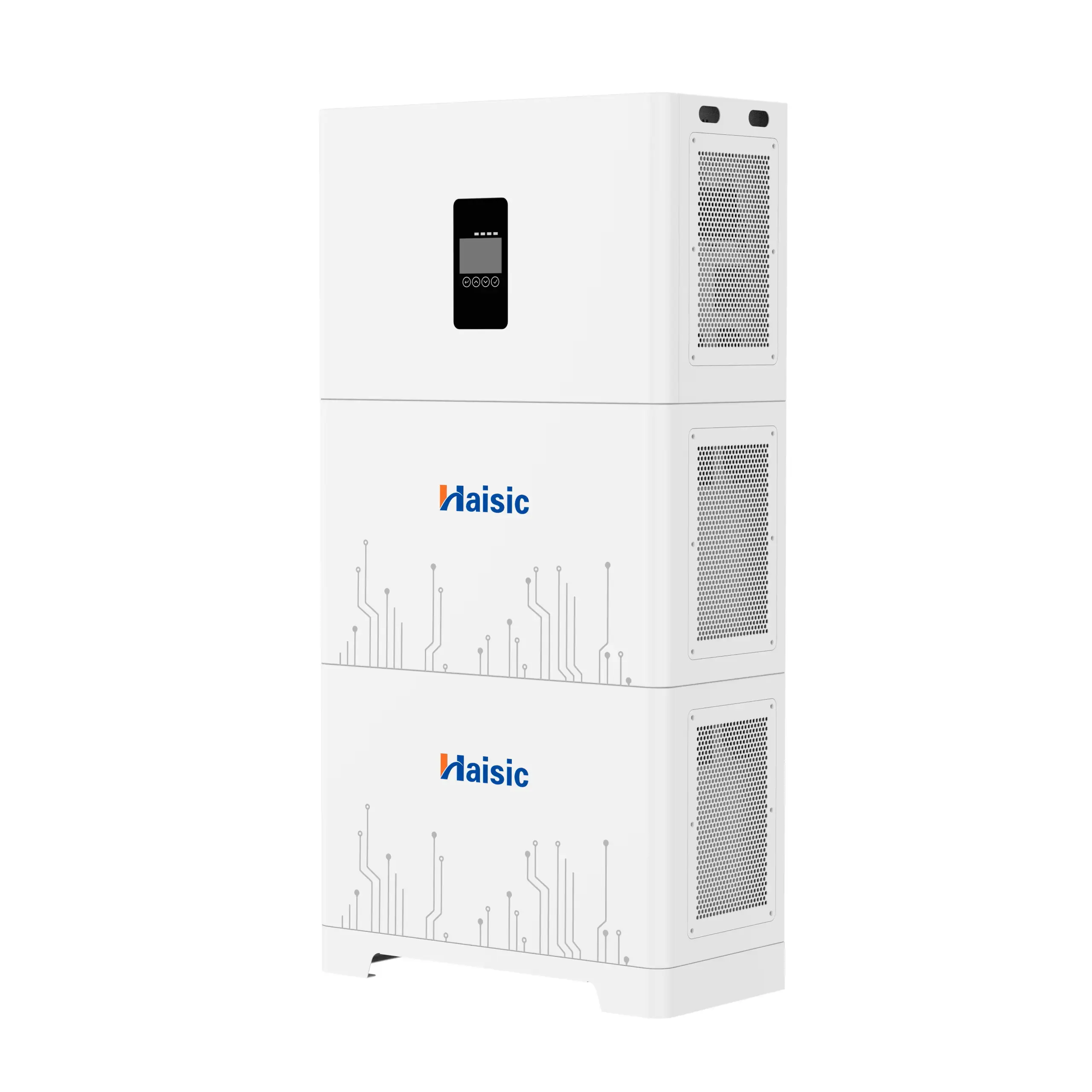
The brands that partner now with serious ESS OEM/ODM factories — those with strong in‑house BMS teams and proven home storage platforms like advanced stackable power energy storage systems — will be the ones shaping price, technology expectations, and service standards between 2026 and 2030.