










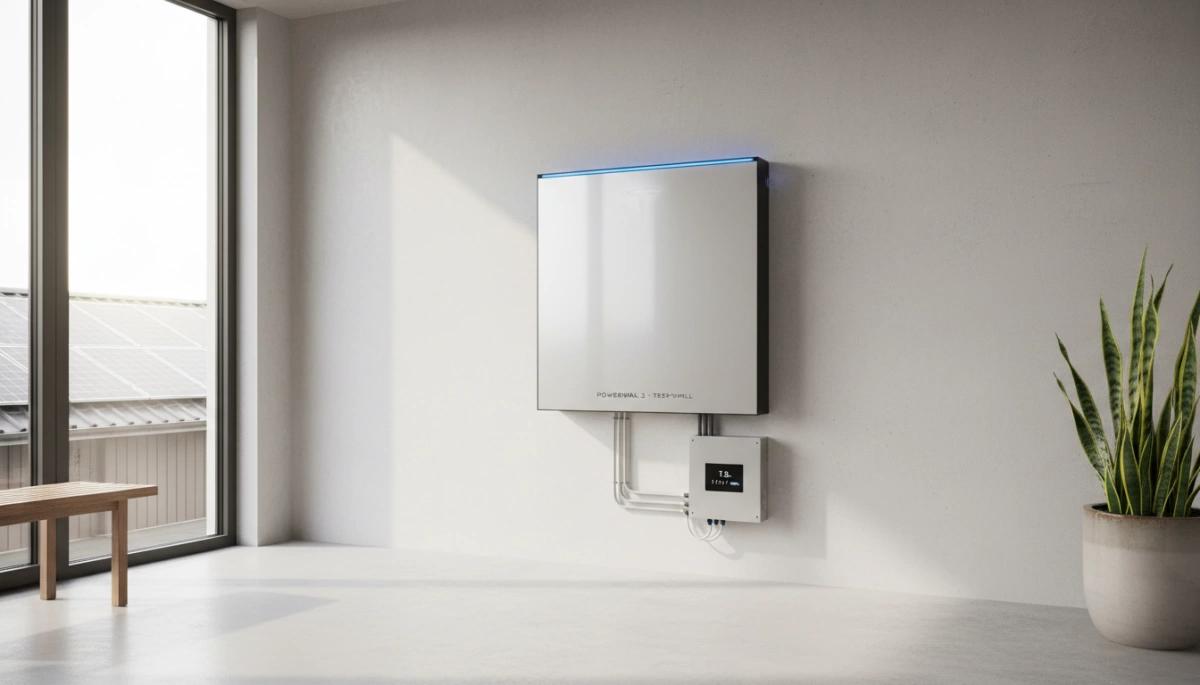
Understanding Solar Battery Storage
How Home Solar Battery Storage Works
Home solar panels make DC (direct current) power, but your home runs on AC (alternating current). A battery energy storage system for solar sits between your solar and your appliances and does three simple things:
- Solar panels → Inverter → Battery
- DC from panels is converted to AC for your home
- Extra energy is converted back to DC and stored in the battery
- Battery → Inverter → Home / Grid
- When you need it, stored DC is converted to AC to run your home or support the grid
There are two main setups:
- DC-coupled systems
- Panels and battery share the same inverter
- Fewer conversions = higher efficiency, ideal for new solar installs
- AC-coupled systems
- Battery has its own inverter
- Great for adding battery storage for home to an existing solar system
Either way, the goal is simple: capture your extra solar and use it when it’s worth the most.
Daily Energy Flow in a Solar Home
A well-designed home solar power battery storage system follows a clear daily pattern:
- Daytime (Sunny hours)
- Solar powers your home first
- Extra energy charges the battery
- Evening / Peak hours
- Battery discharges to cover your usage when utility rates are highest
- You avoid expensive time-of-use pricing and reduce grid reliance
- Night / Outages
- Battery keeps essentials running: lights, Wi-Fi, fridge, medical devices
- Integrated with smart home systems, you can prioritize critical loads automatically
With the right app and smart controls, your battery storage home system
Types of Batteries for Solar: Which Chemistry Wins?
When we talk about the best battery storage for solar, it really comes down to chemistry. Each battery type has its place, but they’re not equal in performance, safety, or long‑term cost.
Lead-Acid Solar Batteries
Lead-acid is the old-school option.
Pros:
- Low upfront cost
- Simple tech, easy to source
- Works for small off-grid cabins or backup-only setups
Cons:
- Short lifespan (often 3–5 years in real use)
- Low Depth of Discharge (you usually can’t use more than ~50% without killing lifespan)
- Heavy, bulky, and needs ventilation and regular checks
Best fit: Tight budget, basic off-grid, where you accept more maintenance and earlier replacement.
Lithium-Ion Solar Batteries (NMC vs. LFP)
Most home solar battery storage today is lithium-ion, but there are two main chemistries you’ll see:
NMC (Nickel Manganese Cobalt)
- High energy density (more energy in less space)
- Common in EVs and some home batteries (e.g., many earlier systems)
But:
- Runs hotter and is more sensitive to abuse
- Uses cobalt (costly and less sustainable)
LFP / LiFePO₄ (Lithium Iron Phosphate)
This is what I focus on for home solar power battery storage.
Key advantages:
- Long lifespan: Typically 6,000+ cycles when managed well
- High safety: Very stable, low fire risk, better thermal behavior
- Usable capacity: You can regularly use 80–90% of the battery without killing it
- Stable performance: Handles daily charge/discharge for 10+ years
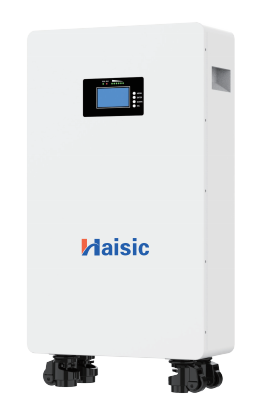
That’s why our own LFP battery energy storage systems for home are designed around LiFePO₄ cells, such as our modular 10kWh 5000W LiFePO₄ solar battery system, which is built specifically for residential solar and backup.
Emerging Options: Flow and Saltwater Batteries
You’ll hear about flow batteries and saltwater batteries as “green” or next-gen solutions.
- Flow batteries: Great for large commercial or utility projects, super long life, but too big and expensive for most homes.
- Saltwater batteries: Non-toxic and eco-friendly, but lower efficiency, limited availability, and weaker performance compared to quality LFP packs.
For now, they’re more niche than mainstream for battery storage home use.
Why Lithium-Ion LFP Is the Best Pick for Most Homes
If you want the best home battery backup in terms of real-world value, LFP lithium-ion wins over other chemistries:
- Best balance of cost per kWh over the lifespan
- High efficiency (less energy lost in charging/discharging)
- Low maintenance, app monitoring, and clean integration with solar inverters
- Strong safety profile for use inside or near living spaces
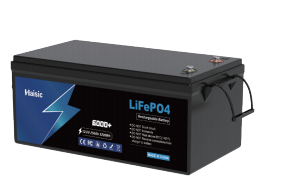
That’s exactly why I build our battery energy storage systems for home around LFP modules, like our 25.6V 200Ah home energy storage battery: scalable, safe, and optimized for daily cycling with solar.
If you’re serious about long-term energy independence with batteries, LFP is the chemistry that makes the most sense for 99% of homeowners.
Key Factors to Evaluate When Choosing the Best Battery Storage for Solar

When I choose a home battery energy storage system, I look at a few non‑negotiables. If you get these right, your solar + battery setup will actually match your lifestyle and bills, not just look good on paper.
1. Capacity & Power Output
- Capacity (kWh) = how much energy the battery can store.
- 5–10 kWh: small homes or backup for essentials
- 10–20 kWh: typical family home
- 20 kWh+: larger homes, heavy AC use, or partial off‑grid
- Power (kW) = how much energy it can deliver at once.
- 3–5 kW: lights, fridge, Wi‑Fi, a few plugs
- 5–10 kW: AC, pumps, more appliances at the same time
Look for stackable systems that let you start small and add more later. For example, a modular setup like a 51.2V 100Ah Powerwall-style energy storage can be expanded as your usage grows.
2. Depth of Discharge & Battery Efficiency
Two specs matter a lot for real‑world savings:
- Depth of Discharge (DoD)
- Lead-acid: usable ~50%
- Lithium LFP: usable 90–95%
A 10 kWh LFP battery at 90% DoD gives ~9 kWh usable every day.
- Round-trip efficiency
- 85% vs. 96% doesn’t sound huge, but over a year it’s a lot of lost energy.
- At 96% efficiency, only 4% of what you store is lost as heat or conversion.
Higher DoD + higher efficiency = less waste and a faster payback.
3. Lifespan & Warranty
- Cycle life
- Lead-acid: ~1,000–2,000 cycles
- Quality LFP: 6,000–10,000+ cycles at 80% capacity remaining
- Warranty terms
- Look for 10+ years, with clear wording on:
- Minimum capacity at year 10
- Max cycles or annual throughput
- Coverage on both battery and BMS (battery management system)
- Look for 10+ years, with clear wording on:
If you cycle the battery daily, a long-cycle LFP pack will realistically last 10–15 years.
4. Costs, Incentives & Payback
- Upfront cost depends on chemistry, size, and brand.
- LFP systems cost more than lead-acid but win on lifespan and total cost per kWh delivered.
- Incentives
- Check federal tax credits, state rebates, and utility programs (demand response, peak-shaving rewards).
- Payback drivers
- High time-of-use rates
- Weak net metering
- Frequent power outages
In regions with high evening tariffs, the best battery storage for solar can cut bills enough to pay for itself in 5–10 years.
5. Installation & Compatibility
- Retrofit vs. new build
- Existing solar? You need a battery that can work with your current inverter (AC-coupled) or a hybrid inverter upgrade (DC-coupled).
- New system? Go hybrid from day one to keep it simple and efficient.
- Check compatibility
- Inverter brand and model
- Grid codes and local regulations
- Monitor and control via app / smart home
For most homes, a clean wall‑mounted system like a compact home battery storage unit with a matching hybrid inverter is the easiest long-term setup.
6. Environmental & Safety Factors
- Chemistry choice
- LFP (lithium iron phosphate) is currently the safest mainstream choice:
- Better thermal stability
- Lower fire risk
- Longer life = less waste
- LFP (lithium iron phosphate) is currently the safest mainstream choice:
- Certifications
- Look for IEC/UL safety approvals and grid-compliance certificates for your region.
- Recyclability & production
- I focus on suppliers that use LFP cells with low-cobalt, low‑toxic materials and invest in recycling pipelines and cleaner manufacturing.
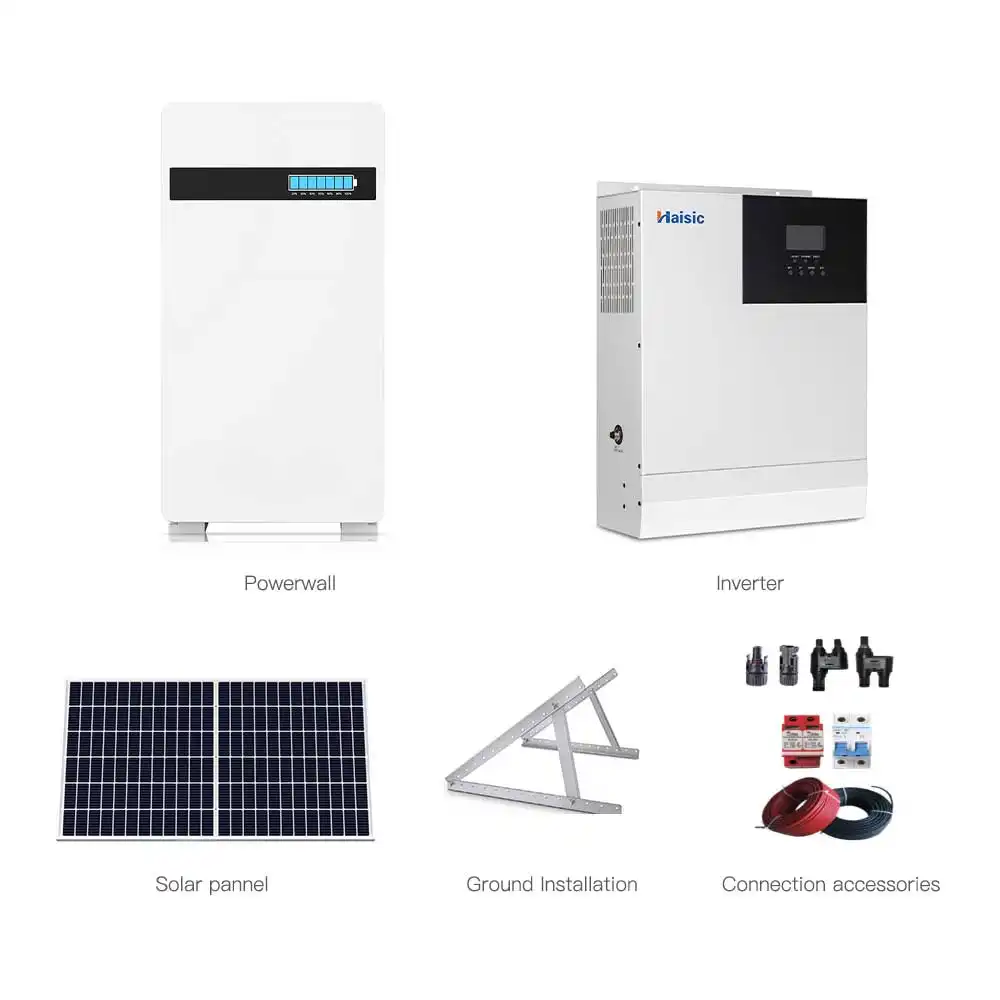
If you want a plug-and-play battery energy storage system for home that balances safety, lifespan, and ROI, a modern LFP unit in the 5–10 kW range (like a complete 5kW home solar power battery storage system) is the sweet spot for most homeowners today.
Top Battery Storage for Solar in 2026
When people search “best battery storage for solar,” they usually want three things: reliability, solid payback, and low headache. Here’s how the leading home solar battery storage systems stack up in 2026.
Big-Name Home Solar Battery Storage Options
Tesla Powerwall 3 (best-known all‑rounder)
- Integrated hybrid inverter, easy for new installs
- Good app, solid ecosystem
- AC or DC-coupled options depending on region
- Cons: Limited flexibility for some retrofit jobs, pricing can be opaque via installers
Enphase IQ Battery 5P (modular microinverter system)
- Great for homes already using Enphase microinverters
- Highly modular (add in 5 kWh steps)
- Strong monitoring and reliability record
- Cons: Cost per kWh can run higher than some LFP rivals
Franklin aPower 2 (backup-focused option)
- Strong whole-home backup capabilities
- Good for areas with frequent grid outages
- LFP chemistry for safer, cooler operation
- Cons: Less globally available than Tesla/Enphase in some markets
Spotlight: Haisic LFP Home Battery Storage (My Pick for Most Homeowners)
For most homeowners who want a long-life, safe, and scalable battery energy storage system for home, I lean toward LFP (lithium iron phosphate) over NMC. That’s where Haisic’s systems hit the sweet spot:
Key strengths of Haisic LFP home solar power battery storage:
- Safety first: LFP chemistry is more thermally stable than NMC, ideal for hot climates and indoor installs.
- Long lifespan: High cycle life, designed for daily use across 10+ years.
- High efficiency: Strong round‑trip efficiency, meaning less energy lost between charging and discharging.
- Scalable designs:
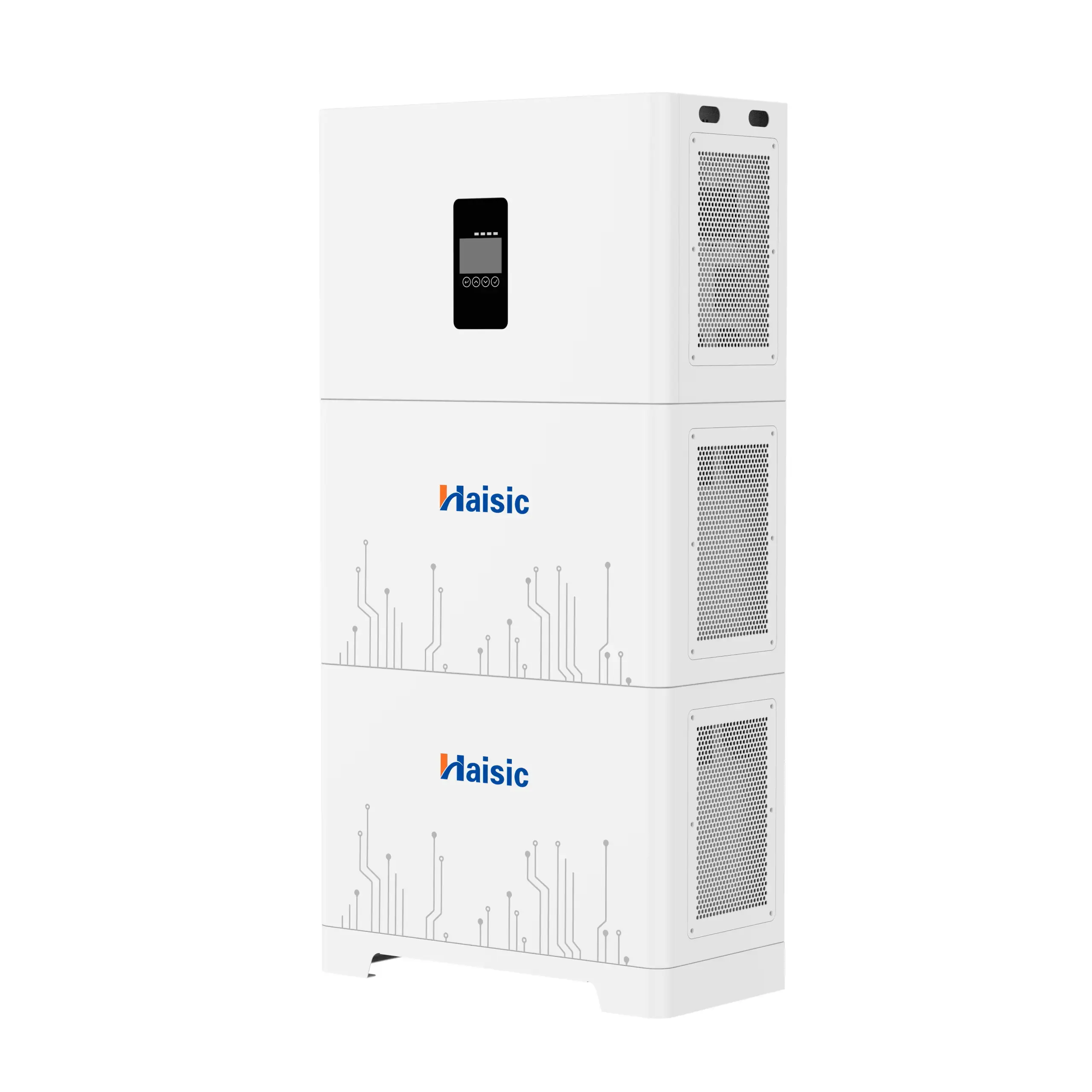
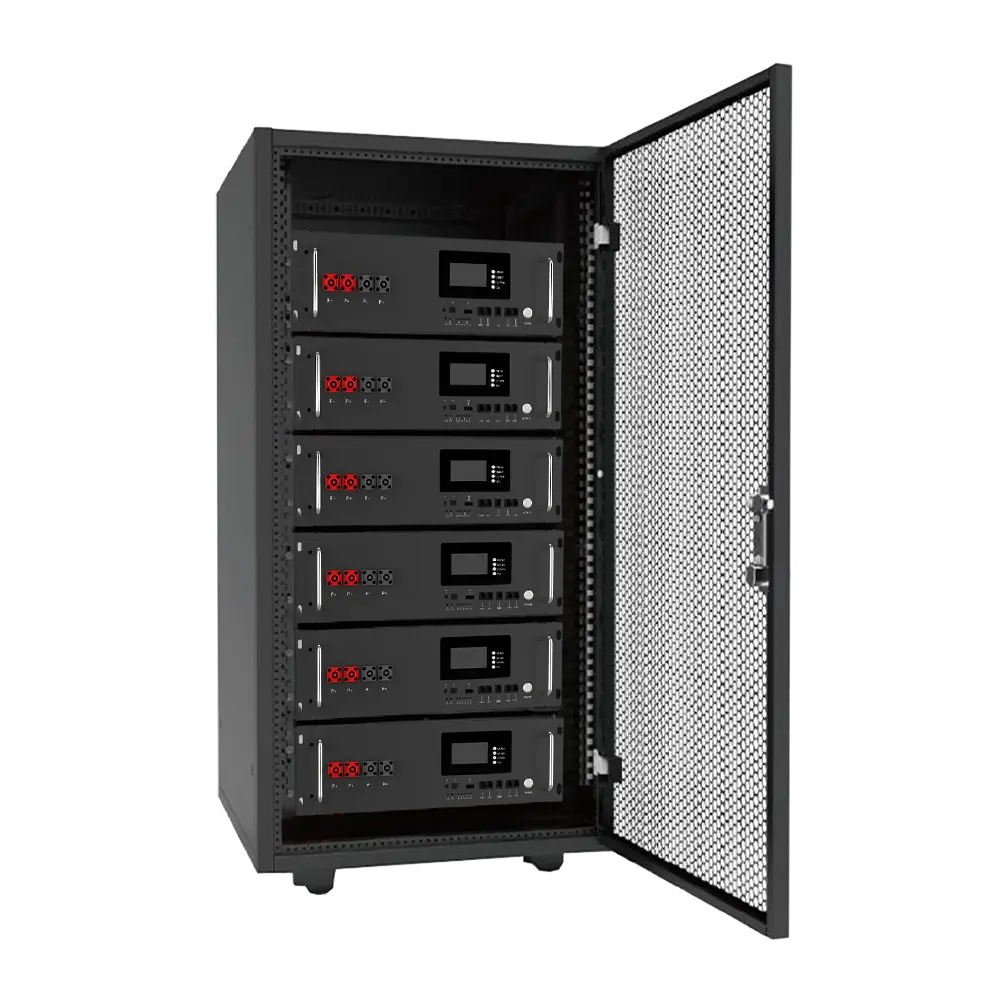
- Mid-size homes: the 10.24 kWh touchscreen energy storage system fits most typical daily use plus evening peak shaving.
- Larger loads / partial off‑grid: the 20.48 kWh home energy storage battery works well for bigger houses, home offices, or small businesses.
Real-world use case (global customer profile):
- 4–5 person household, ~20–25 kWh/day usage
- 8–12 kW rooftop solar
- Haisic 20.48 kWh LFP system + hybrid inverter
- Results we typically see:
- 60–80% bill reduction in time-of-use markets
- Overnight backup for essentials during outages
- Enough headroom to later add an EV or more loads without swapping the whole system
Quick Comparison: Best Home Battery Backup Options
| Model / System | Chemistry | Usable Capacity (typical module) | Key Strength | Ideal User |
|---|---|---|---|---|
| Tesla Powerwall 3 | NMC | ~13.5 kWh | Brand, ecosystem, app | New installs, Tesla fans |
| Enphase IQ Battery 5P | LFP | 5 kWh per unit | Microinverter integration | Enphase solar owners |
| Franklin aPower 2 | LFP | ~13.6 kWh | Backup power performance | Outage-prone regions |
| Haisic 10.24 kWh Touchscreen ESS | LFP | 10.24 kWh | High value, smart control | Average-size homes |
| Haisic 20.48 kWh Home Energy Storage | LFP | 20.48 kWh | Larger loads / semi off-grid | Bigger homes, small offices |
Niche Picks: Budget, Premium, and Portable
- Budget hybrids: Smaller LFP units paired with hybrid inverters for price-sensitive installs that still want reliable battery storage home solutions.
- Premium LFP setups: Stacked Haisic LFP packs for villas, light commercial sites, and high-consumption homes wanting near energy independence with batteries.
- Portable options: Compact lithium-ion solar batteries for RVs, cabins, and temporary job sites; good where full residential energy storage costs can’t be justified yet.
If you want the best battery storage for solar that balances cost, safety, and lifespan, a quality LFP battery for solar like Haisic’s is where I’d start, then size up or down based on your actual daily kWh and backup needs.
Calculating Your Solar Battery Needs: A Simple Sizing Guide
When we talk about the best battery storage for solar, the first step is sizing it right. Too small and you’ll still rely on the grid. Too big and you overspend. Here’s a quick, no-nonsense way to dial it in.
1. Track Your Energy Use (Daily kWh)
Start with your real numbers, not guesses.
- Open your power bill and find average daily usage (kWh/day)
- If it’s not shown, divide your monthly kWh by 30
- Example: 900 kWh/month ÷ 30 ≈ 30 kWh/day
Now decide: do you want to back up:
- Essentials only (fridge, lights, Wi‑Fi, a few plugs) → usually 5–10 kWh
- Most of the home (plus AC/heat, more sockets) → often 10–20 kWh
- Full home backup → typically 20 kWh+
2. Prioritize Essential Loads
List what must stay on during an outage and estimate hours per day:
| Device | Watts | Hours/day | Wh/day |
|---|---|---|---|
| Fridge | 150 | 10 | 1,500 |
| Wi‑Fi + router | 30 | 12 | 360 |
| Lights (LED) | 80 | 5 | 400 |
| Laptop/phones | 100 | 4 | 400 |
Total: ~2.7 kWh/day essentials
If you want 2 days of backup, you’d target around 5.5–6 kWh usable just for essentials.
3. Use a Simple kWh Battery Size Formula
A quick way to size home solar battery storage is:
Battery size (kWh) = Daily kWh you want to cover × Days of backup ÷ 0.9
(0.9 roughly accounts for battery efficiency losses.)
Example:
- You want to cover 12 kWh/day for 1.5 days
- 12 × 1.5 ÷ 0.9 ≈ 20 kWh battery
That’s why systems in the 10–20 kWh range, like a 10 kWh wall-mounted home energy storage unit, fit most homes well.
4. Use Tools and Online Assessors
If you don’t want to crunch numbers:
- Track usage with your utility app or a smart meter
- Use a simple kWh calculator or an online battery sizing tool
- Many customers start with a 10–20 kWh LFP pack such as our 10 kWh wall-mounted home storage system and add more capacity later if needed
5. Decide Your Main Goal: Bills vs. Backup
Your ideal battery energy storage system for home depends on what you care about most:
- Bill savings only (time-of-use shifting)
- Size to cover evening + night usage (often 30–60% of daily kWh)
- Outage protection
- Size for essential loads for 1–3 days
- Energy independence / off‑grid
- Size for 100% of daily use + 1–3 days autonomy, plus a bit extra for cloudy days
6. Oversize by 20% for Future Needs
Most people underestimate future loads. I strongly suggest you:
- Add +20% capacity for:
- Future EV charging
- Adding more AC or heat pumps
- Working from home more
- Example: If your calculation says 16 kWh, target ~20 kWh
Oversizing a modular LFP battery for solar, like a 51.2V 400Ah (20.48 kWh) LiFePO4 pack, gives you room to grow without replacing the whole system.
If you know your daily kWh and how many days of backup you want, you’re 80% done. From there, it’s just matching the numbers to the right battery storage for home and leaving some headroom for where your lifestyle is heading, not just where it is today.
Installation, Maintenance, and Maximizing ROI for Home Battery Storage
DIY vs. Professional Installation
For most home solar battery storage systems, I always recommend professional installation over DIY:
- Permits & codes: A certified installer handles electrical codes, fire regulations, and utility approvals for you. This is critical for grid-tied systems and whole‑home backup.
- Warranty protection: Many lithium-ion solar batteries, including LFP systems like ours at Haisic, require licensed installation to keep the product and performance warranty valid.
- System performance: Pros size cables, breakers, and inverter settings correctly, so your battery efficiency for solar isn’t wasted on wiring losses or poor configuration.
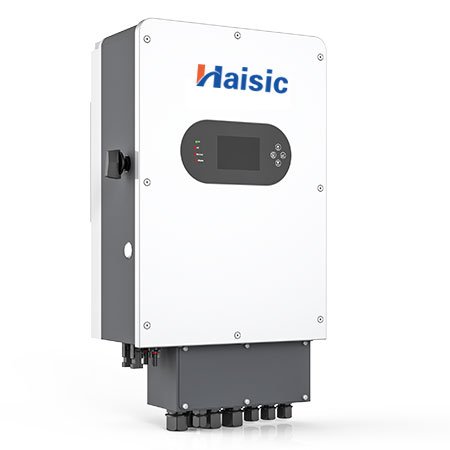
If you’re adding a battery energy storage system to an existing array, make sure the installer knows solar inverter battery compatibility inside out (AC vs. DC coupling, hybrid inverters, backup circuits).
Maintenance Essentials for Solar Battery Storage
Modern home solar battery storage systems are low‑maintenance, but not zero‑maintenance. To keep performance and safety on point:
- Firmware updates: Keep the battery and inverter firmware up to date. Updates often improve charging logic, backup behavior, and time-of-use optimization.
- Temperature control: LFP batteries perform best in moderate temperatures. Aim for a cool, dry location (garage, utility room, dedicated battery space) and avoid direct sunlight or freezing conditions.
- Annual checks: Once a year, confirm:
- No corrosion or visible damage on cables and terminals
- Proper ventilation and clearances
- System logs show normal state of health and capacity
A well‑installed LFP system can run for years with just basic monitoring through the app.
ROI Strategies: How to Make the Battery Pay for Itself
If you want the best battery storage for solar to actually earn its keep, you need smart operation, not just good hardware:
- Net metering & time-of-use:
- Charge from solar during the day.
- Discharge during evening peak rates to avoid expensive grid power.
- Demand response programs: In some regions, utilities pay you to let them briefly discharge or control your battery during grid peaks. That’s extra revenue without hurting day‑to‑day use.
- Smart scheduling: With tools like the Haisic app, you can:
- Prioritize backup reserve vs. bill savings
- Set charge/discharge windows around your local tariff
- Lock in capacity before storms or planned outages
Used correctly, a home battery backup can cut evening bills, protect you during outages, and shorten the payback period by several years.
Financing Options: Lowering the Upfront Cost
Residential energy storage costs have dropped, but a quality LFP battery for solar is still a big purchase. To make it easier:
- Loans: Spread the cost over 5–15 years while capturing bill savings and backup value right away.
- Leases & PPAs: In some markets, you can pair solar + storage with low upfront or zero‑down offers, trading ownership for simplicity.
- Rebates & tax credits:
- Federal and local incentives can cover a big portion of the system cost.
- Some utilities offer direct battery rebates or performance-based payments.
If you’re comparing total cost of ownership, it helps to run the numbers with a clear calculator. When you’re ready for specifics, check our latest Haisic LFP home storage systems and specs on the Haisic energy storage products page, then get a tailored payback estimate through our online quote and ROI review on the Haisic quote request page.
The Future of Solar Battery Storage: Trends and Innovations
Solar battery storage is about to get a lot smarter, safer, and more profitable for homeowners.
Emerging tech: smarter, denser, safer
- Solid-state batteries
Higher energy density, better safety, and longer life than today’s lithium-ion solar batteries. They’re not mainstream yet, but they point clearly to smaller, more powerful home solar battery storage systems in the next decade. - AI-optimized discharge
Expect battery energy storage systems for home to:- Learn your usage patterns
- Predict price spikes and outages
- Charge when power is cheapest or sunniest
- Discharge during peak utility rates automatically
This turns a “home solar power battery storage” setup into a real energy management system, not just a backup box.
Policy shifts: more incentives, more pressure
- Governments are pushing energy independence with batteries, especially in the U.S. and Europe.
- Updated incentive packages (like IRA-style policies and state-level mandates) are:
- Paying bonuses for solar energy storage systems
- Rewarding homes that support the grid during peak demand
- Making residential energy storage costs easier to swallow with tax credits and rebates
If you want the best home battery backup, policy is moving in your favor, not against you.
Haisic’s roadmap: better LFP, better for the grid
As a manufacturer, I’m doubling down on LFP battery for solar because it simply fits what most homeowners need:
- Recyclable LFP designs so battery storage for home can be upgraded and recycled instead of trashed
- Grid-support features so your system can:
- Feed energy back during grid stress
- Join virtual power plants (VPPs)
- Earn bill credits or cash while just sitting at home
We’re building stackable, modular systems like our floor-mounted 51.2V LFP home energy storage that are ready for both backup power and future grid services.
The vision: resilient, zero-emission homes
Where this is all heading:
- Every modern home has best battery storage for solar as normal as a router
- Solar + battery becomes the default, not the upgrade
- Homes earn money and support the grid, instead of just paying the bill
- Outages become a non-event, even in unstable regions
If you plan a system today with smart LFP storage, high efficiency, and grid-ready features, you’re not just buying backup power—you’re positioning your home for a resilient, low-carbon, zero-emission future.