

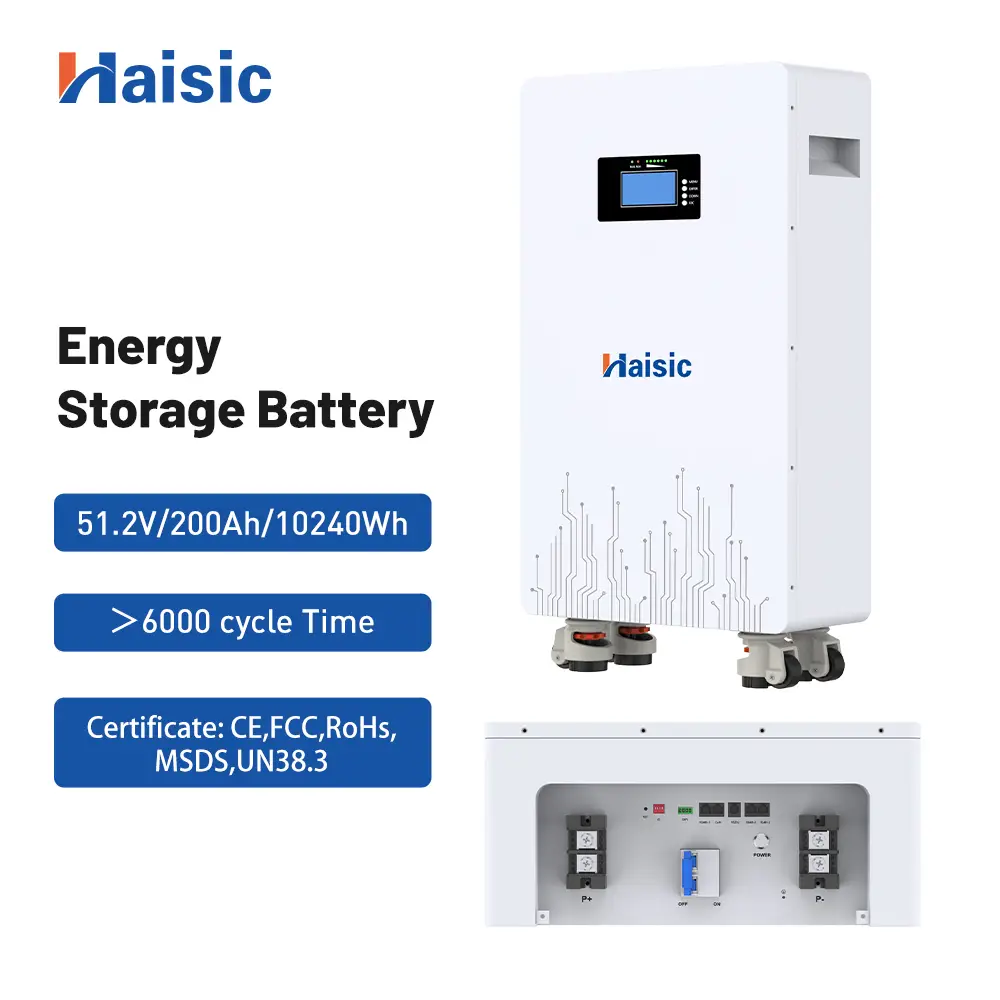
What Is a 10kW Solar Battery?
If you’re looking up 10kW solar battery price, you’re probably wondering:
“How big is 10kW really, and is it enough for my home?”
Let’s break it down simply.
10kW vs 10kWh – What It Really Means
People mix these up all the time:
-
kW (kilowatts) = power
- How much power the battery can deliver at one moment
- Example: running many appliances at once during an outage
-
kWh (kilowatt-hours) = energy
- How much electricity the battery can store in total
- Example: how many hours it can keep your home running
When people say “10kW solar battery”, they usually mean a home battery with about 10kWh of usable storage and around 5–10kW of output power.
In everyday terms, that’s a mid-sized home battery for typical households.
Simple Definition of a 10kWh Home Solar Battery
A 10kWh home solar battery is:
- A lithium solar battery (often LiFePO4) that:
- Stores excess energy from your solar panels
- Runs your home when:
- Solar isn’t producing (night, cloudy days)
- The grid goes down (backup power)
- Works with a solar inverter or hybrid inverter
Think of it as your home energy storage bank, ready to use when you need it.
How a 10kW Solar Battery Fits into a Home Solar System
In a typical 10kW home battery system, you’ll have:
- Solar panels producing power during the day
- A hybrid inverter that:
- Manages solar, grid, and battery power
- Charges the 10kWh solar battery
- The battery that:
- Stores daytime surplus
- Powers your home at night or during peak-rate hours
This setup helps you:
- Use more of your own solar power
- Cut your electricity bill and time-of-use charges
- Keep key loads running during outages
Who Actually Needs a 10kW Solar Battery?
A 10kW / 10kWh solar battery is a good fit if:
- Your home uses around 15–30 kWh per day
- You want overnight coverage for:
- Lights, Wi-Fi, fridge, some plugs, maybe a small A/C
- You live in an area with:
- Time-of-use rates or high evening prices
- Frequent blackouts or unstable grid
- You want a balanced option:
- Bigger than “tiny backup” systems
- Smaller (and cheaper) than large off-grid banks
Who might need more than 10kWh?
- Large homes with heavy A/C or electric heating
- Full off-grid or remote properties
- Homes with EV charging plus other big loads
Who might go smaller?
- Small apartments or very efficient homes
- Households only needing basic backup power
In short, a 10kW solar battery is a sweet spot for many homeowners who want real backup power and bill savings without going overboard on cost or size.
10kW solar battery price in 2026
Average 10kW solar battery price range in 2026
In 2026, a 10kW / 10kWh solar battery sits in a clear price
Main factors that change a 10kW solar battery price
When you look at 10kW solar battery price or 10kWh solar battery cost, the gap between “cheap” and “premium” is usually driven by a few core factors:
1. Battery chemistry: LiFePO4 vs other lithium‑ion
- LiFePO4 (LFP) batteries usually cost a bit more upfront than basic NMC lithium, but they win on:
- Longer cycle life (more years of use)
- Better thermal stability and safety
- More usable capacity per cycle
- For home energy storage, a LiFePO4 battery 10kW system often works out cheaper per kWh over its lifetime, even if the sticker price is higher.
2. Brand, warranty, and support
- Top brands with 10+ year warranties, strong local support, and proven performance usually charge more.
- Unknown brands may advertise a lower 10kW lithium solar battery price but cut corners on:
- Real usable capacity
- Warranty clarity
- After‑sales service and parts availability
3. Battery capacity, scalability, and stackable design
- A “10kW” label can be misleading – what matters is usable kWh and whether the system is stackable.
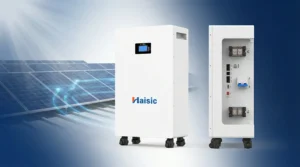
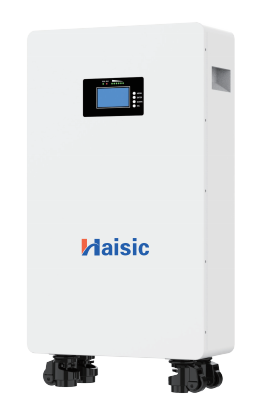
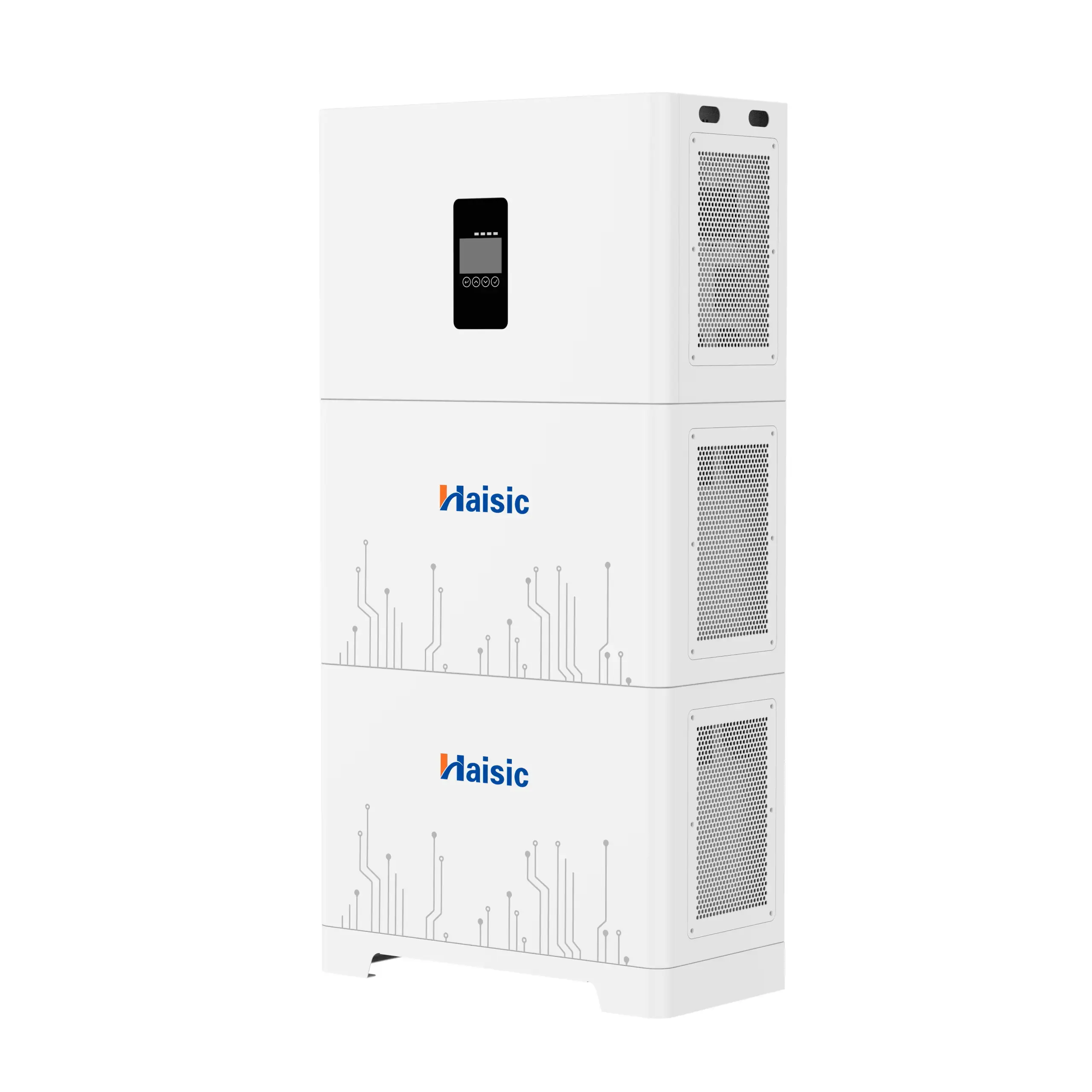
- Modular systems like a stackable LiFePO4 home battery (for example, a 51.2V 100Ah stackable Haisic unit that can be expanded over time) usually cost more per module but save money if you plan to grow from 10kWh to 20–30kWh later.
- More capacity and better expansion options = higher upfront price, better long‑term flexibility.
Example: A modular 51.2V 100Ah LiFePO4 stackable energy storage battery lets you start small and scale your 10kW home battery system without replacing everything.
4. Installation complexity, labor, and extra hardware
Even if the home energy storage price for the battery itself looks good, total cost changes with:
- Need for a 10kW hybrid inverter battery setup vs battery‑only
- Panel upgrades, breakers, wiring, conduits
- Wall‑mount vs floor‑standing, indoor vs outdoor installs
- Local labor rates, travel costs, and inspection requirements
A simple install in a modern home can be hundreds cheaper than a complex retrofit.
5. Market trends and falling battery prices
- Solar battery storage 2026 is cheaper per kWh than just a few years ago thanks to:
- Lower lithium material costs
- Mass production and better supply chains
- At the same time, shipping, regulation, and labor costs can offset some of that drop.
Overall, the trend for lithium solar battery price per kWh is still slowly falling, but the best solar battery for home isn’t always the cheapest – it’s the one that balances chemistry, brand, warranty, and install quality for your usage and grid conditions.
10kW solar battery options and brand comparisons
When you compare 10kW solar battery brands, don’t just look at the price tag. Focus on these points first:
- Usable capacity (kWh) – how much energy you can actually use
- Continuous / peak power (kW) – what the battery can run at once
- Cycle life & warranty – years covered, cycles, and guaranteed capacity (e.g. 60–70% after 10 years)
- Battery chemistry – LiFePO4 vs NMC and other lithium chemistries
- Supported inverters – hybrid inverter compatibility and communication
- Support & after‑sales – response time, spare parts, and remote diagnostics
Well-known brands (Tesla Powerwall, BYD, Pylontech, etc.) compete mostly on warranty, ecosystem, and brand name. As a manufacturer, we focus on hard specs, safety, and total cost over the full life of the system.
10kW LiFePO4 solar battery features and benefits
For a 10kW home battery system, LiFePO4 is usually the best choice:
- Safer chemistry – more thermally stable and lower fire risk than many NMC batteries
- Longer cycle life – typically 6,000+ cycles, ideal for daily cycling
- Better usable capacity – can safely use a deeper depth of discharge
- Lower lifetime cost – higher upfront vs lead‑acid, but far cheaper per kWh over the years
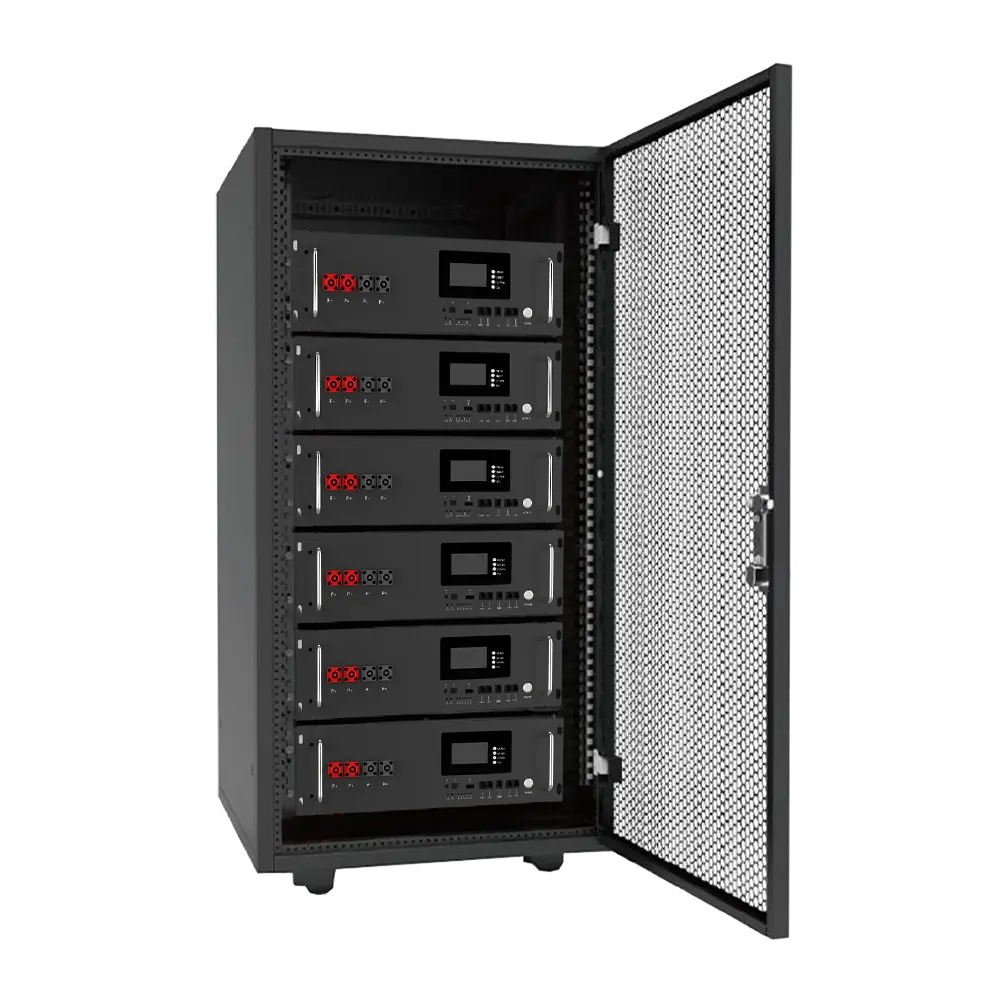
Our rack-mounted LiFePO4 battery packs (like the 48V 100Ah rackmounted LiFePO4 battery) are built around this chemistry so you get stable performance, even in hot climates and heavy use.
Value-focused vs premium 10kW battery systems
Most 10kW lithium solar battery options fall into two camps:
Value-focused systems
- Lower upfront price
- Solid core specs, fewer “smart home” extras
- Great fit if you care more about ROI and reliability than fancy apps
Premium systems
- Higher price, strong brand marketing
- Polished apps, tight integration with specific inverters and EV chargers
- Good if you want a fully branded ecosystem and don’t mind paying extra
We position our 10kW home battery systems in the value‑plus space: premium-grade LiFePO4 cells and long warranties, without loading the price with unnecessary ecosystem costs.
How Haisic compares to other popular brands
Compared to big retail brands, our 10kW solar battery solutions focus on:
- Higher flexibility – modular, stackable designs (48V and high‑voltage options) so you can start at ~10kWh and scale up
- Industrial‑grade build – we use the same LiFePO4 tech across our residential packs and our high‑voltage commercial ESS systems, so durability is proven in tougher environments
- Strong cost per kWh – often below the “big name” batteries with similar or better specs
- Straightforward support – direct manufacturer backing, clear warranty terms, and technical engineering support for installers
If you want a 10kW solar battery price that makes sense and a system that can grow with your home or business, a Haisic LiFePO4 setup is usually a better long‑term value than most retail Powerwall‑style alternatives.
10kW solar battery cost breakdown

When you see a “10kW solar battery price” or “10kWh solar battery cost” on a quote, it’s rarely just the battery. Here’s how the total price usually breaks down and where your money actually goes.
Battery pack and cells (40–60% of total)
The battery pack is the biggest line item in a 10kW home battery system.
- LiFePO4 cells (lithium iron phosphate): safer, longer cycle life, slightly higher upfront cost but lower cost per kWh over the lifespan.
- Battery management system (BMS): protects the cells, manages charge/discharge, and directly affects safety and lifespan.
- Enclosure & IP rating: outdoor‑rated, wall‑mount, or floor cabinets change cost.
For most 10kW lithium solar batteries, expect the pack itself to be roughly 40–60% of the installed price.
Hybrid inverter and control system (15–25%)
If you don’t already have a
Is a 10kW Solar Battery Worth the Price?
For most homes with decent solar production and medium–high power bills, a 10kW solar battery can absolutely be worth the price – if your usage pattern and tariffs match what the battery can do.
How a 10kW Solar Battery Cuts Your Power Bill
A 10kW / 10kWh home solar battery helps you:
- Store excess solar instead of exporting it cheap
- Day: panels power the home + charge the battery
- Night: battery powers the home instead of grid
- Avoid expensive peak rates (TOU tariffs)
- Charge when power is cheap (or free from solar)
- Discharge when grid prices spike
- Reduce demand charges
- Battery covers short, high-power loads (AC, ovens, pumps)
- Maximize self-consumption
- In many markets, you save more by using your own solar than by selling it back to the grid
On typical TOU tariffs, that combo can cut 20–60% of the grid portion of your bill, depending on how much solar you have and how you use power.
Typical Payback Period for a 10kW Solar Battery
In 2026, a realistic payback period for a 10kW solar battery system looks like:
- With TOU rates + good solar production: ~6–10 years
- Flat tariff, cheap grid power: 10+ years or not economical
- High prices + frequent outages: value is part bill savings, part backup security
Payback depends on:
- Local kWh prices and TOU spread (off-peak vs peak)
- How often you cycle the battery each day
- System size (solar kW vs battery kWh)
- Total installed cost after incentives
How Incentives and Rebates Change the Math
In some countries and states, battery incentives radically improve ROI:
- Tax credits (e.g., % of system cost back at tax time)
- Upfront rebates based on kWh capacity installed
- Virtual power plant (VPP) programs that pay you for letting the utility use part of your storage
- Low-interest “green” loans that smooth cash flow
These can cut your effective 10kWh solar battery cost by 20–50%, often turning a 10+ year payback into something closer to 5–7 years.
If you’re unsure whether a battery fits your situation, I’d start by checking your usage and tariff structure, then running some savings scenarios — the kind of assessment we outline for homeowners in our home lithium battery storage guide.
Real-World Savings and Outage Protection
A few simplified examples for a 10kW home battery system:
-
On-grid, TOU tariff
- Peak: $0.30–0.45/kWh; Off-peak: $0.10–0.15/kWh
- Battery shifts ~8–10kWh/day from off-peak/solar to peak
- Annual savings: often $400–900+ just from rate arbitrage and higher solar self-use
-
High solar export, low feed-in tariff
- Export pays $0.03–0.06/kWh, import costs $0.20–0.35/kWh
- Using stored solar instead of buying at night often doubles or triples the value of each kWh you produce
-
Outage protection
- A 10kW lithium solar battery paired with a decent inverter can keep lights, internet, fridge, and key outlets running during blackouts
- Financial payback is one thing; not losing freezers full of food or keeping your business running is a different kind of ROI most people only appreciate after the first big outage
In short: a 10kW solar battery is “worth it” when your tariffs are high, solar is strong, and outages matter to you. If your power is cheap, stable, and you don’t have TOU pricing, the value is more about resilience than pure financial return.
How to choose the right 10kW solar battery
1. Start with your real energy usage
Before you buy any 10kW solar battery, match it to how you actually live:
- Check your daily kWh on your power bill (12‑month average is best).
- If you use 10–20 kWh/day, a 10kWh solar battery can cover your night use.
- If you’re 25–40 kWh/day, you may need a stackable 10kW lithium solar battery setup.
- Look at peak power (kW), not just kWh:
- Electric ovens, AC, pumps, EV chargers all pull high watts at the same time.
- Make sure the battery’s continuous and peak output (kW) can handle your typical “all on” moments.
2. Key specs to look for in a 10kW solar battery
When I compare 10kW home battery systems, I focus on these specs first:
- Usable capacity (kWh) – Ignore “gross” capacity. You want the usable kWh.
- Continuous output (kW) – For most homes, 5–10 kW continuous is ideal.
- Peak output (kW) – Short bursts for motor start-up (fridge, pumps).
- Battery chemistry – For home storage in 2026, LiFePO4 10kW solar batteries are the sweet spot:
- Safer, more stable
- Higher cycle life
- Better for hot climates
- Cycle life @ certain DoD – Look for ≥6,000 cycles @ 80% DoD as a baseline.
- Scalability – Can you stack modules to 20kWh, 30kWh, 40kWh+ later?
- Hybrid inverter compatibility – Check that it works cleanly with your 10kW hybrid inverter battery setup, or choose an all‑in‑one unit like our home energy storage battery with touchscreen and smart control.
3. Safety, certifications, and warranty terms
Don’t compromise here. A cheap battery without proper safety is not worth any “deal.”
- Safety standards to look for:
- CE, UL, IEC 62619/62133, UN38.3 for lithium solar batteries
- Built‑in protection:
- BMS with over‑charge, over‑discharge, short‑circuit, temperature protection
- Fire‑safe LiFePO4 chemistry where possible
- Warranty:
- At least 10 years or a clear throughput guarantee (MWh delivered)
- Clear statement on capacity retention (e.g. 70–80% after 10 years)
- Local or regional service network, not just email support
If you want a reference point, our LiFePO4 51.2V battery modules are designed with long cycle life, strong BMS, and strict testing for residential use, similar to what we use in our battery storage for home systems.
4. Common mistakes to avoid when buying a 10kW solar battery
I see people lose money on the same issues over and over. Avoid these:
- Choosing by price per kWh only
- A “cheap” 10kWh solar battery with low cycle life is actually more expensive over time.
- Ignoring inverter compatibility
- Not every battery talks nicely with every inverter. Confirm protocols and settings before you buy.
- Undersizing the battery
- If you regularly drain to 0%, you’ll kill the battery early. Size it to discharge 50–80% most days.
- No plan for future expansion
- If you know you’ll add more solar or an EV later, pick a stackable solar battery system now.
- Skipping local regulations
- Some regions have rules on where and how a residential solar storage system can be installed. Check before you sign.
If you stay focused on real kWh usage, LiFePO4 chemistry, solid safety certifications, and a clean warranty, you’ll end up with a 10kW solar battery that actually delivers value, not just a spec sheet that looks good on paper.
10kW solar battery for different use cases
A 10kW solar battery hits a sweet spot for a lot of real-world setups. It’s big enough to actually change your power bill and ride through outages, but still compact and cost‑effective.
On‑grid homes with time‑of‑use (TOU) rates
If your utility charges more in the evening, a 10kW home solar battery lets you:
- Charge from solar at midday when power is cheap or free
- Discharge in peak hours to avoid high TOU rates
- Reduce grid dependence and smooth out your daily usage
You get a better energy storage ROI because every stored kWh replaces expensive grid power.
Off‑grid cabins and remote homes
For off‑grid users, a 10kWh solar battery is often the core of the system:
- Stores daytime solar to run lights, fridges, pumps, and electronics at night
- Works with a 10kW hybrid inverter battery setup to handle tools and appliances
- LiFePO4 chemistry gives long cycle life and low maintenance, ideal for remote sites
Stackable LiFePO4 battery 10kW units let you grow storage as your cabin or homestead expands.
Backup power for outages and emergencies
A 10kW lithium solar battery is strong enough to:
- Keep essentials running: lights, Wi‑Fi, fridge, medical devices, key outlets
- Cover short to medium outages without a noisy generator
- Pair with rooftop solar so you can recharge during long blackouts
Many customers use a solar backup battery system as insurance against storms and grid instability.
Small businesses using 10kW storage
For small shops, clinics, offices, and workshops, a 10kW solar battery storage setup can:
- Shave peak demand charges and lower operating costs
- Protect POS systems, servers, and critical equipment from outages
- Support “open for business” even when the grid goes down
If you need more flexibility, we usually start clients with a 10kWh wall‑mounted home energy storage unit and scale up in parallel strings as their load grows, similar to how we design our wall‑mounted 10kWh LiFePO4 systems.
Used right, a 10kW solar battery isn’t just a gadget—it’s a practical tool to cut bills, stabilize power, and keep homes and small businesses running when the grid doesn’t.
Why pick a Haisic 10kW solar battery?
If you’re comparing 10kW solar battery price, Haisic is built for people who care about long-term value, not just the sticker cost.
What makes Haisic LiFePO4 batteries different
We design our own LiFePO4 packs from the cell level up, so we control:
- Grade-A cells only – no recycled or mixed batches
- Stable voltage and output – clean power for sensitive home loads
- Real capacity – usable kWh that matches what’s on the spec sheet
Our high-voltage products, like the 128V LiFePO4 battery pack with 6,000+ cycles are built for serious residential and small business storage where reliability matters more than branding hype. You can see this approach in our 128V 280Ah LiFePO4 battery pack (35.84kWh), which uses the same design logic we apply to 10kW home systems.
Performance, safety, and cycle life advantages
Haisic 10kW lithium solar batteries are tuned for daily use:
- High cycle life (up to 6,000+ cycles @ 80% DOD)
- Built-in BMS for over-voltage, over-current, short-circuit, and temperature protection
- LiFePO4 chemistry – naturally safer, low fire risk, stable at high temperatures
- Consistent power output for heavy loads like pumps, ACs, and tools
That’s why they work well as a solar backup battery system, off-grid storage, or grid-tied home energy storage.
Warranty, support, and long-term value
When you look past the upfront 10kWh solar battery cost, the real question is: What will it cost you per kWh over its lifetime?
With Haisic you get:
- Long warranty terms (backed by an actual manufacturer, not a reseller)
- Fast technical support for installers and end users
- Stable supply and matching components (packs, BMS, hybrid inverters)
- Low cost per kWh over the system life, thanks to long cycle life and low failure rate
If you want a 10kW home battery system that’s safe, scalable, and doesn’t quietly lose performance after a few years, a Haisic LiFePO4 10kW battery is built to be that “buy once, use for a decade+” option—not a short-term fix.
10kW solar battery FAQs
How much does 10kW battery installation add?
For a 10kW home battery system, installation usually adds around 20–40% on top of the battery price.
Typical extras include:
- Electrical labor and wiring
- Hybrid inverter setup and programming
- Switchboard / backup circuit upgrades
- Permits, inspections, and commissioning
As a rough global guide in 2026:
- Battery-only 10kW solar battery price: USD $4,000–$8,000 (LiFePO4)
- Installed 10kW home battery system: USD $6,000–$11,000+ depending on country, labor rates, and complexity
If you’re pairing a 10kW lithium solar battery with an existing solar system and modern inverter, installation cost can be a bit lower. New-build, off‑grid, or backup-critical setups usually sit at the higher end.
Can I expand a 10kW battery system later?
Yes, most modern 10kW LiFePO4 solar batteries are stackable and designed to grow with your usage. Look for:
- Modular / stackable design (rack, wall-mount, or cabinet)
- Parallel connection support (e.g., 4–16 identical packs)
- Clear maximum capacity per inverter (e.g., up to 40kWh / 60kWh)
- A battery management system (BMS) that supports expansion
Best practice:
- Plan the final target capacity early (for example, 10kWh now, 20–30kWh later).
- Try to add the same model and brand within 1–2 years for best performance and warranty support.
Modular systems like a 51.2V LiFePO4 battery pack can be paralleled to build larger banks once your needs grow.
10kW vs smaller and larger battery sizes
When comparing 10kW solar battery price to other sizes, think in cost per kWh and how you actually use power.
10kW / 10kWh is ideal if you:
- Have a small to medium home
- Want night-time self-consumption and short backup
- Live with time-of-use tariffs and want to shift usage
Smaller batteries (5–7kWh):
- Lower upfront cost
- Better for apartments, low usage homes, or light backup
- May not cover full-house backup or long outages
Larger batteries (15–30kWh+):
- More expensive upfront but often lower cost per kWh
- Better for high-consumption homes, off-grid setups, and small businesses
- Reduce generator runtime and offer deeper backup coverage
For many homes, 10kW is a sweet spot between price, usable storage, and payback.
Maintenance needs and expected lifespan
A quality 10kW LiFePO4 solar battery is almost maintenance‑free if installed correctly.
Typical maintenance:
- Keep the battery area clean, dry, and well‑ventilated
- Update firmware / monitoring apps when needed
- Visually check cables and breakers once or twice a year
- Avoid blocking airflow or exposing the unit to heat and moisture
Expected lifespan (LiFePO4 10kW solar battery):
- 6,000–10,000 cycles is common for good LiFePO4 chemistry
- That’s roughly 10–15+ years of daily use
- Most brands offer 8–12 year warranties, sometimes with cycle or throughput guarantees
If you manage depth of discharge, temperature, and proper installation, a 10kW home battery system can deliver strong performance and ROI through its full life.