

What Is an Energy Storage System (ESS)?
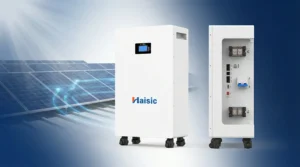
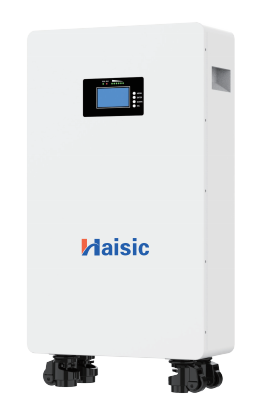
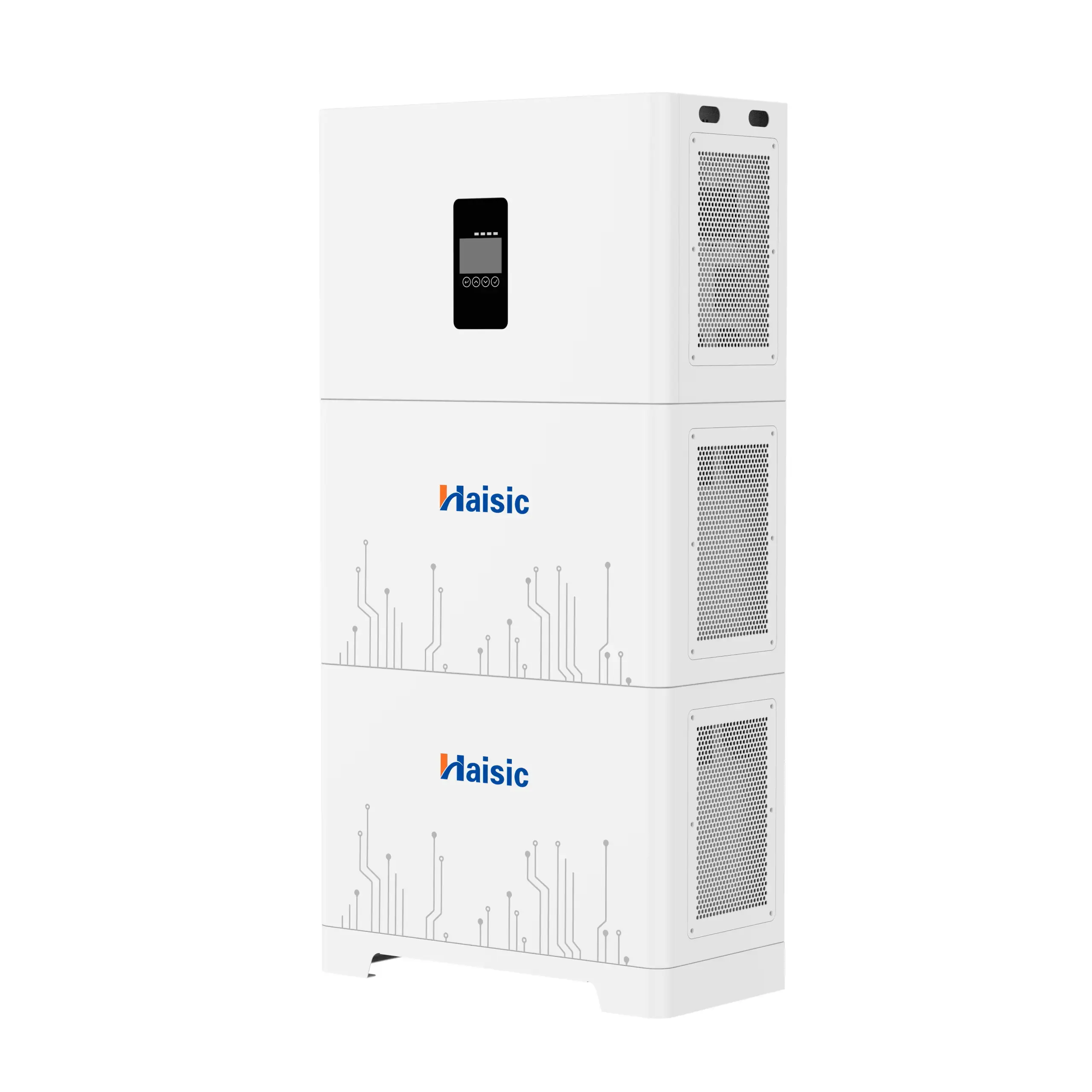
When I talk with serious buyers and project developers, we always start here: an Energy Storage System (ESS) is a complete solution that stores electrical energy and releases it when you need it. A wholesale Energy Storage System manufacturer designs and builds these systems as integrated, ready‑to‑deploy assets for residential, commercial, industrial, and utility projects.
At its core, an ESS does four things:
- Stores electricity (usually from the grid or renewables like solar and wind)
- Manages charging and discharging intelligently
- Protects the battery and connected equipment
- Delivers stable, usable power (often AC) to the load or the grid
For B2B buyers, a modern ESS is not just a battery box – it’s a grid‑interactive asset built for performance, safety, and long‑term ROI.
Core Components of a Modern ESS
Every serious wholesale Energy Storage System supplier builds around the same core blocks:
-
Battery Packs (LiFePO4 / Lithium‑Ion)
- High‑cycle‑life cells (often LiFePO4 for safety and durability)
- Configured in modules, racks, or containers for scalable capacity
- Designed for bulk lithium battery pack sourcing at competitive kWh cost
-
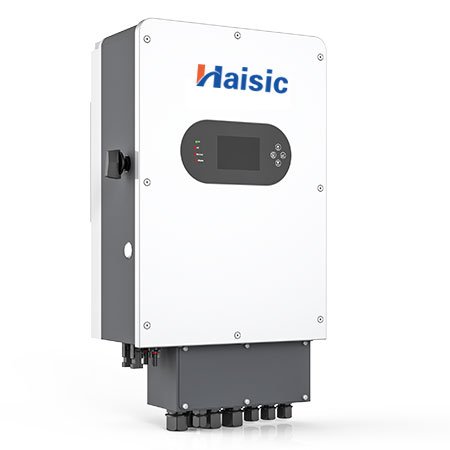
Inverter / PCS (Power Conversion System)
- Converts DC from the batteries to AC for loads or the grid
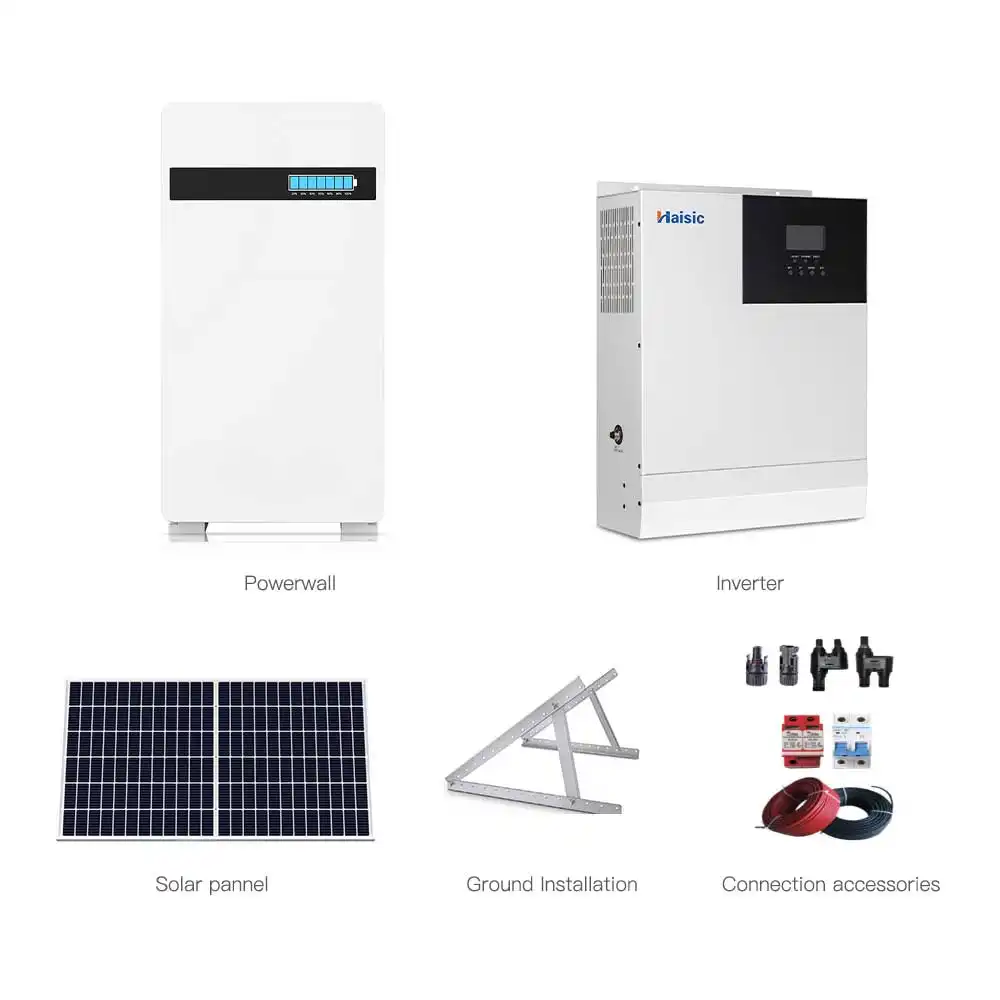
- Can be a hybrid inverter compatible system for solar plus storage wholesale
- Handles grid‑tied, off‑grid, and backup modes depending on the application
-
BMS (Battery Management System)
- Monitors voltage, current, temperature, SOC, SOH
- Balances cells and prevents over‑charge, over‑discharge, and short circuits
- Advanced BMS technology enables high safety, longer cycle life, and remote monitoring
-
Enclosure / Cabinet / Container
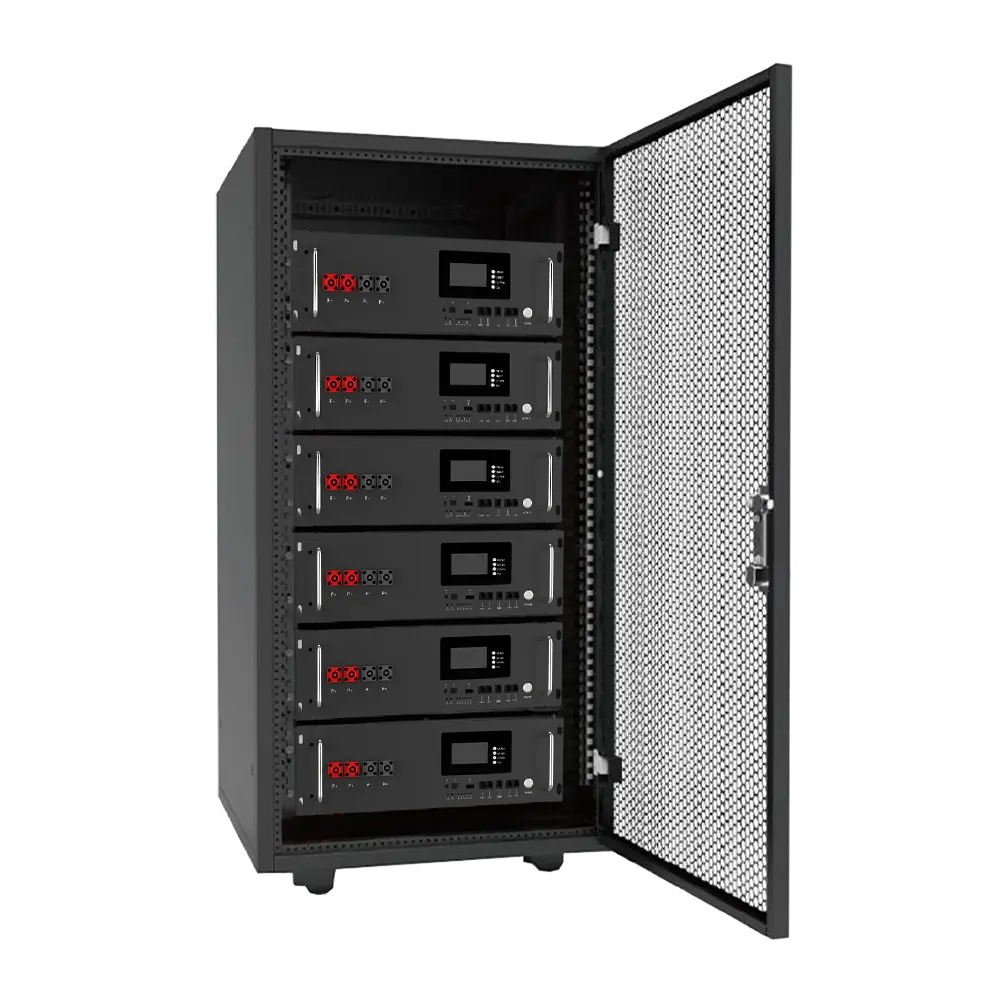
- Indoor rack mounted battery storage system or outdoor containerized BESS
- Includes fire protection, HVAC or liquid cooling, cable management, and access control
- Designed to meet export standards (CE, UL, IEC) and utility safety requirements
A reliable wholesale Energy Storage System factory focuses on integrating these components into a stable, serviceable, and compliant system rather than just selling loose batteries.
Main Types of ESS: Residential, C&I, Utility, Hybrid
As a battery energy storage system manufacturer, I typically classify ESS into four practical categories:
-
Residential ESS
- 5–30 kWh capacity, single‑phase or small three‑phase
- Wall‑mounted or floor‑standing cabinets
- Optimized for home solar storage, backup power, and time‑of‑use shifting
-
Commercial & Industrial (C&I) ESS
- 50 kWh to multi‑MWh systems
- Three‑phase, often modular rack or cabinet design
- Targets peak shaving, demand charge reduction, and industrial backup power storage systems
-
Utility‑Scale / Grid‑Scale ESS
- Multi‑MWh to GWh, containerized BESS or building‑integrated
- Used by utilities and IPPs as grid scale energy storage solutions
- Supports frequency regulation, capacity support, and renewable integration
-
Hybrid Systems (Solar + Storage, Microgrids, EV + ESS)
- Direct integration with PV inverters, hybrid inverters, and EV charging
- Used in microgrids, off‑grid sites, islands, and remote industrial loads
- Designed for long duration battery storage solutions and high reliability
Leading wholesale Energy Storage System manufacturers design product lines to cover all four segments so distributors, EPCs, and developers can build a consistent portfolio.
Common ESS Applications for B2B Buyers
When you work with a wholesale Energy Storage System vendor or ESS OEM factory, you’re usually targeting one or more of these high‑value use cases:
-
Solar Energy Storage (Solar Plus Storage Wholesale)
- Store excess PV generation for evening and night use
- Stabilize output and improve self‑consumption rates
- Critical for commercial solar battery storage wholesale projects
-
Peak Shaving and Demand Management
- Discharge during peak tariff windows to cut demand charges
- Smooth factory or building load profiles
- Especially attractive for commercial and industrial ESS solutions
-
Backup Power and Resilience
- Provide seamless backup during grid outages
- Replace or complement diesel generators
- Ideal for data centers, manufacturing, cold storage, and critical infrastructure
-
Grid Services and Ancillary Markets
- Frequency regulation, voltage support, and spinning reserve
- Capacity markets and energy arbitrage for utilities and large IPPs
- Common use for utility scale battery storage manufacturers and project developers
A strong wholesale Energy Storage System company designs its ESS portfolio to perform across these applications, with scalable hardware, robust BMS, and flexible integration paths so you can capture multiple revenue streams from each deployed system.
Why Work With a Wholesale Energy Storage System Manufacturer?
Partnering directly with a wholesale Energy Storage System manufacturer (instead of a trader or retailer) is the fastest way to protect your margins, control quality, and scale your ESS business globally.
Wholesale vs retail ESS: cost & margin
When you buy from wholesale ESS factories or BESS manufacturers instead of retail channels, you cut out multiple layers of markup.
| Buying Channel | Typical Cost Level | Who It Fits |
|---|---|---|
| Retail / small traders | Highest price, lowest margin | Small, one-off buyers |
| Distributor only | Medium price | Local installers |
| Wholesale ESS manufacturer | Lowest landed cost, best margin | Distributors, EPCs, project developers |
Direct wholesale gives you:
- Better price per kWh
- Stable pricing for long‑term projects
- Stronger negotiation power on payment terms and support
OEM/ODM & private label ESS benefits
A real wholesale Energy Storage System OEM factory lets you build your own brand instead of selling generic boxes.
You can:
- Put your logo and brand on cabinets and UI (private label)
- Customize capacity, voltage, enclosure size, color
- Match systems to regional grid codes, local standards, and preferred inverter brands
- Offer differentiated commercial and industrial ESS solutions and solar plus storage wholesale packages under your own name
This is how we help partners build full product lines, from rack‑mounted LiFePO4 ESS to containerized BESS.
Lead time & quality control advantages
A serious wholesale Energy Storage System factory controls the entire chain: cells, packs, BMS, assembly, testing, and packing. That gives you:
- Predictable lead times for large orders
- Batch‑level testing and traceability
- Unified standards across residential, C&I, and utility‑scale systems
- Easier after‑sales diagnostics because we know the full stack (cells + BMS + cabinet + firmware)
Risks of middlemen & unreliable traders
Working through random traders or “one‑product” vendors is risky, especially for bulk lithium battery pack sourcing:
- No real factory behind them → no control over cells and BMS
- Unclear or fake CE / UL / UN38.3 / IEC claims
- No long‑term spare parts plan
- Disappearing support when there’s a field issue or warranty claim
For long‑life LiFePO4 energy storage wholesale projects, cutting corners on the supplier side can cost far more than any short‑term price discount.
If you’re evaluating containerized ESS for C&I or utility scale, you can see how a true manufacturer builds systems in solutions like our 1MWh all‑in‑one solar energy storage container system, where design, BMS, and cabinet are all engineered in‑house for performance and safety.
Key Factors When Choosing a Wholesale Energy Storage System Manufacturer
Picking the right wholesale Energy Storage System manufacturer (or ESS/BESS factory) is the difference between smooth projects and constant fires. Here’s what I always look at before locking in a long‑term ESS supplier.
1. Production Capacity & Delivery Timelines
Your wholesale ESS partner must match your growth plan:
- Check factory scale, automation level, and annual MWh/GWh output
- Confirm realistic lead times for peak season and rush orders
- Make sure they can ramp from sample → pilot → bulk without delays
If you’re doing C&I or utility projects, ask for proof of on‑time delivery for containerized systems similar to a 100kW–100kWh class commercial container ESS.
2. Battery Chemistry & Safety Focus
A serious wholesale Energy Storage System supplier needs deep cell and pack know‑how:
- Strong experience in LiFePO4 energy storage wholesale and mainstream lithium‑ion
- Clear safety design: LFP cells, fused busbars, short‑circuit protection, fire isolation
- Compliance with local fire codes (NFPA, GB, etc.) and grid connection rules
Insist on LiFePO4 (LFP) for most residential, commercial, and industrial ESS solutions if you care about high cycle life + stability.
3. Certifications for ESS & BESS Exports
For global projects, certification is non‑negotiable. Your battery energy storage system manufacturer should be able to provide:
- CE (Europe), UL 1973 / UL 9540 / UL 9540A (North America)
- TÜV / IEC 62619 / IEC 62477 / IEC 62109 where needed
- UN38.3 for lithium battery transport
- Full test reports with traceable model numbers
No certificates, no deal. This is key if you’re building a brand as a wholesale Energy Storage System distributor or dealer.
4. R&D Strength & Product Roadmap
You don’t want a factory that just copies others:
- In‑house R&D team for ESS hardware, BMS, and software
- Clear roadmap for higher energy density, longer cycle life, better BMS, and hybrid inverter compatibility
- Ability to support OEM/ODM ESS and private label product development
This is what keeps your product line competitive for the next 3–5 years.
5. Supply Chain & Global Logistics
A reliable wholesale Energy Storage System factory needs a stable backend:
- Long‑term partnerships with tier‑1 or tier‑2 cell suppliers
- Backup sources for key components (BMS, inverters, breakers, cabinets)
- Experience with global ESS logistics, DG shipping, and customs for your regions
Ask for delivery records to your target markets (EU, US, LATAM, Africa, Southeast Asia, etc.).
6. Warranty, After‑Sales & Technical Support
For commercial and industrial ESS solutions, after‑sales is where most margins are lost if you choose wrong:
- Clear warranty terms (years + cycle life + remaining capacity)
- Defined response time for remote diagnostics and on‑site service
- Spare parts policy and technical training for your team and installers
You want a wholesale Energy Storage System company that stays with you after the shipment leaves the port.
7. Pricing
Top Considerations for Wholesale Energy Storage System Buyers
When you’re buying from a wholesale Energy Storage System manufacturer, the deal isn’t just about price. The real value comes from flexibility, compatibility, and long‑term reliability. Here’s what I focus on when sourcing from wholesale ESS factories and suppliers.
Typical MOQ and Flexible Scaling
Most wholesale Energy Storage System manufacturers work with:
- Residential ESS: MOQ from 10–50 sets
- C&I rack‑mounted systems: MOQ from 1 full pallet or 1–5 racks
- Containerized BESS: Usually 1 full container as MOQ
Push for:
- Step‑by‑step scaling: start with a small batch, then ramp up once you validate performance.
- Tiered pricing: clear breaks at 20/50/100+ units for better margins.
- Mixed models in one order where possible (e.g., different capacities for different markets).
If a wholesale ESS supplier insists on huge MOQs with no flexibility, I treat that as a warning sign.
OEM / ODM Customization (Branding, Specs, Design)
As a distributor or EPC, your edge is differentiation. A serious wholesale Energy Storage System OEM factory should support:
- Branding: custom logo, label, packaging, and manuals under your own brand.
- Capacity and voltage options: 48V residential, high‑voltage C&I stacks, or custom kWh modules.
- Cabinet / rack design: color, display layout, breaker configuration, cable entry positions.
- Communication protocols: Modbus, CAN, RS485 ready for integration with your platforms.
This kind of ESS OEM/ODM customization service lets you build your own product line instead of reselling generic boxes.
Containerized vs Rack‑Mounted ESS
You’ll see two core formats from wholesale Energy Storage System factories:
Containerized ESS (20ft / 40ft) – from a containerized BESS manufacturer
Best for:
- Utility‑scale and large C&I projects
- Fast deployment and easy transport
- Integrated solution (battery, PCS, HVAC, fire system in one unit)
Rack‑mounted battery storage systems
Best for:
- Commercial rooms, industrial backup power storage systems
- Retrofits where you already have an electrical room
- Modular expansion over time
In many markets, I use containerized for outdoor, MW‑scale projects and rack‑mounted for indoor C&I and microgrids.
Inverter and Hybrid Inverter Compatibility
A good wholesale Energy Storage System supplier must prove compatibility with leading inverter brands and hybrid inverters. I always ask for:
- Test reports and success cases with top hybrid inverter brands.
- Communication compatibility: CAN/RS485 mapping lists, preset profiles.
- Preset curves for working with solar plus storage setups.
For example, if you’re selling to rooftop solar installers, pairing ESS with a reliable hybrid solar inverter is critical. Systems like our 3–6kW single‑phase hybrid solar inverters with MPPT or larger 6–12kW IP65 hybrid solar inverters are designed to work smoothly with high‑cycle LiFePO4 ESS.
Sustainability and Eco‑Friendly ESS Design
More global customers now demand sustainable, recyclable Energy Storage Systems. When I select a wholesale Energy Storage System company, I check:
- LiFePO4 chemistry for long life, stable performance, and safer operation.
- Recyclable materials: clear plan for cell and pack recycling, less hazardous content.
- Energy‑efficient BMS and thermal design to cut standby losses.
- Compliance with environmental standards in target markets.
A renewable energy storage system supplier that invests in sustainability helps you win tenders, meet ESG goals, and protect your brand long‑term.
In short, if a wholesale Energy Storage System manufacturer can’t support flexible MOQs, real OEM/ODM, the right system format, strong inverter compatibility, and serious sustainability practices, I keep looking.
How to Source Wholesale Energy Storage Systems
Sourcing from a reliable wholesale Energy Storage System manufacturer is all about using the right channels, asking hard questions, and validating quality before you scale.
Best Channels to Find ESS Manufacturers
I usually focus on these to find serious wholesale Energy Storage System suppliers and BESS factories in China or Asia:
- Industry trade shows: Intersolar, ees Europe, RE+ (US), SNEC (Shanghai) – best place to meet real factories face‑to‑face.
- B2B platforms: Alibaba, Made‑in‑China, Global Sources – good for initial screening, then move off‑platform to verify.
- Direct manufacturer sites: Look for clear factory info, certifications, and ESS case studies. A good example is Haisic’s profile as a dedicated battery energy storage system company.
- Referrals and EPC networks: Ask local EPCs, solar installers, and distributors who already buy commercial and industrial ESS solutions.
- LinkedIn and industry groups: Useful to find Asian energy storage system manufacturers and check their team and activity.
Key Questions to Ask a Wholesale ESS Manufacturer
When I talk to a wholesale Energy Storage System factory, I always pin down:
- What’s your battery chemistry (LiFePO4 vs NMC) and typical cycle life / DoD?
- What certifications do your ESS and BESS have (CE, UL, IEC, UN38.3, TÜV)?
- What’s your production capacity and standard lead time per order size?
- Do you support OEM/ODM energy storage system projects and private label branding?
- What’s your standard warranty (years + throughput), and how is after‑sales service handled globally?
- Can you share reference projects for C&I, utility‑scale, or microgrid systems in my target market?
- How do you manage quality control (incoming cell inspection, aging tests, final test reports)?
If they can’t answer these clearly, I move on.
Red Flags When Evaluating Battery Storage Suppliers
Some common warning signs with wholesale Energy Storage System vendors:
- No real factory photos, only stock images or mixed product categories (from toys to batteries).
- Inconsistent specs across documents, or over‑promised numbers (very high kWh, ultra‑low price, unrealistic cycle life).
- Avoiding questions on BMS technology, safety, or thermal management.
- Refusal to share test reports, certifications, or BOM details for critical components.
- Only trading company structure, but claiming to be a wholesale Energy Storage System manufacturer with “many factories”.
- Very short lead times with no explanation of inventory or capacity.
One or two of these is enough for me to slow down or walk away.
Step‑by‑Step Sourcing Process: From Inquiry to Mass Production
Here’s a simple process I follow for wholesale ESS:
-
Initial screening
- Shortlist 3–5 wholesale Energy Storage System companies based on product fit (residential / C&I / utility).
- Request catalogs, datasheets, certifications, and typical FOB prices.
-
Technical & commercial alignment
- Confirm system voltage, capacity, rack/container format, and inverter compatibility.
- Align on target price range, MOQ, delivery terms, and warranty conditions.
-
Sampling / demo unit
- Order sample units or a small pilot batch (e.g., 1–3 racks or a 50–100 kWh system).
- Sign a basic contract covering specs, test methods, and DOA/replacement rules.
-
Pilot deployment
- Install the ESS in a real environment (solar plus storage, C&I peak shaving, or backup system).
- Monitor performance, BMS data, temperature, and efficiency for a defined period.
-
Factory audit (remote or on‑site)
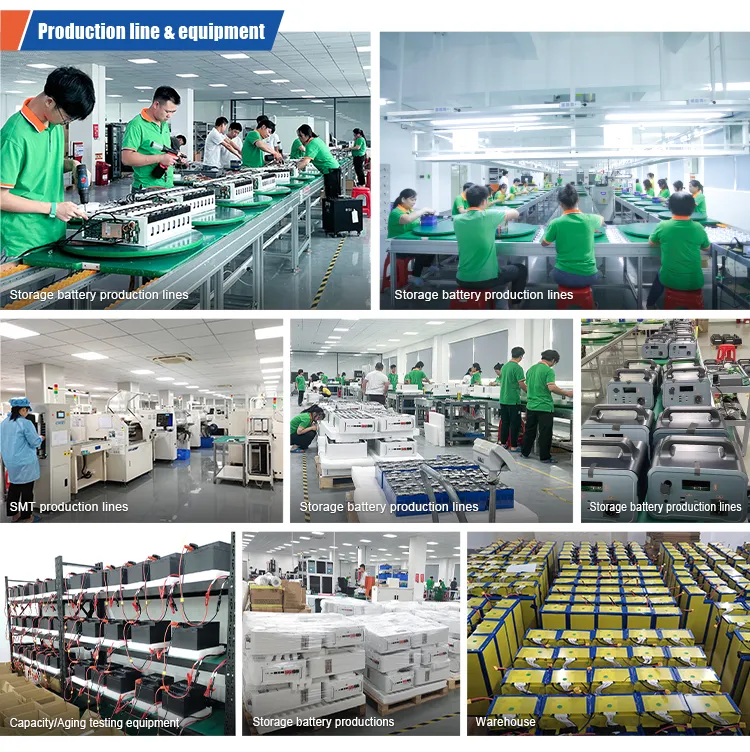
- Review production line, assembly flow, test equipment, and quality procedures.
- Confirm they are a real wholesale Energy Storage System factory or OEM, not just a broker.
-
Contract & mass production
- Lock in specs, price, Incoterms, payment terms, and acceptance criteria.
- Start with a moderate first PO, then ramp up once delivery and quality are proven.
How to Run Sample Tests, Pilot Projects, and Factory Audits
To avoid expensive mistakes with bulk lithium battery pack sourcing, I always:
-
Sample tests
- Verify actual capacity, voltage window, round‑trip efficiency, and communication protocols (CAN/RS485).
- Stress test under different loads and temperatures.
-
Pilot projects
- Deploy in 1–3 real‑world sites (e.g., commercial solar battery storage, microgrid, or EV‑charging‑plus‑storage).
- Track performance for several weeks to months, including grid interaction and backup behavior.
-
Factory audits
- Check cell warehousing conditions, traceability, and aging/testing stations.
- Confirm they build both rack‑mounted battery storage systems and, if needed, containerized BESS (like Haisic’s 100kWh containerized ESS solutions).
- Review their process for handling defects, replacements, and continuous improvement.
When a battery energy storage system manufacturer passes these steps, it’s much safer to scale into long‑term, high‑volume cooperation.
Evaluating Technology and Performance in Wholesale Energy Storage Systems

When you buy from a wholesale Energy Storage System manufacturer, the real difference is in the technology behind the hardware. Specs on paper look similar, but the engineering quality decides your profit, risk, and long‑term reputation.
Cycle Life, Depth of Discharge & Round‑Trip Efficiency
For serious wholesale buyers, these three metrics are non‑negotiable:
-
Cycle life
- Look for ≥6,000 cycles at 80% DoD for LiFePO4 wholesale ESS.
- For commercial and industrial ESS solutions or utility scale battery storage, 6,000–10,000 cycles is becoming the benchmark.
-
Depth of Discharge (DoD)
- A reliable wholesale energy storage system supplier should support 80–90% usable capacity without killing the battery early.
- Lower DoD = fewer usable kWh and weaker ROI for your end clients.
-
Round‑trip efficiency (RTE)
- Target ≥90% RTE for LiFePO4 energy storage wholesale.
- Poor efficiency means lost energy, higher bills, and unhappy EPCs and distributors.
High‑cycle LiFePO4 systems like a high‑voltage home ESS can be a reference benchmark; for example, a 512V 20kWh LiFePO4 energy storage system shows what modern high‑efficiency design looks like in practice.
BMS Technology Features You Should Demand
The BMS (Battery Management System) is the brain of any battery energy storage system manufacturer’s product. Wholesale buyers should insist on:
- Cell‑level monitoring (voltage, temperature, current)
- Active or passive balancing to keep packs aligned and extend cycle life
- Multiple protection layers: over/under‑voltage, over‑current, short‑circuit, over‑temperature
- Remote monitoring & upgrade (CAN/RS485/Modbus, cloud platform, OTA firmware)
- Open protocol compatibility with leading hybrid inverter brands
If a wholesale Energy Storage System factory cannot clearly explain their BMS architecture and protections, that’s a red flag.
Thermal Management, Fire Safety & System Protection
For containerized BESS manufacturers, rack mounted battery storage system suppliers, and C&I projects, safety is critical:
-
Thermal management
- Forced‑air or liquid cooling for high‑power or hot‑climate installs
- Temperature uniformity across cells and racks
-
Fire safety
- LiFePO4 chemistry (inherently more stable)
- Early fault detection, smoke/temperature sensors, and optional fire suppression systems in cabinets/containers
-
System‑level protection
- DC/AC breakers, contactors, surge protection (SPD), isolation
- Certified enclosures with proper IP rating for outdoor ESS
Wholesale Energy Storage System manufacturers that invest in advanced BMS plus robust thermal design usually have lower field failure rates and fewer warranty disputes.
Integration with Solar, EV Charging & Microgrids
Your wholesale Energy Storage System supplier must understand real‑world integration, not just sell batteries:
-
Solar plus storage wholesale
- Wide DC voltage range to match mainstream string and hybrid inverters
- Communication compatibility with brands your market actually uses
-
EV charging and industrial backup
- High power output, stable voltage, and fast response for load spikes
- Support for demand response, peak shaving, and time‑of‑use strategies
-
Microgrids & off‑grid
- Black‑start capability
- Smooth coordination with diesel gensets, PV, and loads
- Modular capacity scaling for remote or island projects
Good wholesale ESS vendors design their systems to plug into real project scenarios—residential, C&I, or grid‑scale—without painful custom engineering on every job.
Wholesale Pricing, Terms, and Risk Management
When you buy from a wholesale Energy Storage System manufacturer, price is more than just a number on a quote. It’s a structure. If you understand that structure, you can control your margins and your risk.
How wholesale ESS pricing is built
A serious wholesale Energy Storage System supplier will break pricing down clearly. At a high level, total ESS cost usually comes from:
- Battery cells & packs – This is the biggest cost block. Cell chemistry (usually LiFePO4 for ESS), brand, and grade (A vs B cells) drive price. High‑cycle‑life, low‑degradation cells cost more but reduce long‑term $/kWh.
- BMS, inverter interface & electronics – Advanced BMS, comms (CAN/RS485), smart monitoring, and protections add cost but are non‑negotiable if you want a safe system that integrators can trust.
- Cabinets / containers / racks – Enclosures, cooling, fire protection, wiring, and assembly work are priced per kWh or per cabinet. A rack‑mounted LiFePO4 ESS (for example, a 48V 100Ah rack battery module) is cheaper per unit than a full containerized BESS with HVAC and fire systems.
- Engineering & labor – Pack design, testing, integration engineering, assembly, and factory commissioning are built into your ESS price.
- Logistics & packaging – Dangerous goods packaging, inland trucking, ocean/air freight, and insurance. Some BESS factories in China will quote EXW/FOB and let you manage freight; others can package it all in a CIF/DAP price.
For serious wholesale deals, always ask your ESS manufacturer for a cost breakdown by major modules (cells, packs, enclosures, electronics, logistics). It makes negotiations cleaner and avoids “mystery” surcharges later.
Negotiating Incoterms, deposits, and payment schedules
With wholesale Energy Storage System manufacturers, terms matter as much as unit price:
- Common Incoterms
- FOB (port in Asia) – You handle freight and insurance; good if you already have a strong forwarder.
- CIF / CFR – Supplier books freight; you take risk after arrival port.
- DAP / DDP – Door delivery (and sometimes duties) handled by the supplier; higher price, but simpler for new importers.
- Deposits & payment terms
- Typical: 30% deposit, 70% before shipment for first orders.
- For ongoing partners or large projects: you can push for 20/80, or partial LC (Letter of Credit), or milestone payments tied to inspections.
- Contract details to lock in upfront
- Clear lead times and penalty clauses for excessive delays.
- Whether price is fixed or adjustable if cell costs move.
- Who pays demurrage, storage, and port extra fees if there’s a customs hold.
Good wholesale ESS distributors and dealers always negotiate Incoterms and payment terms together with price, not after.
Managing currency risk, shipping delays, and policy changes
Buying from Asian energy storage system manufacturers means you’re exposed to FX, logistics, and regulation. You can’t remove risk, but you can manage it:
- Currency risk
- Ask for quotes in USD and set a validity period (e.g., 7–15 days).
- For large projects, hedge using forward contracts or agree on a FX adjustment formula beyond a certain threshold (e.g., if USD/CNY moves more than 3%).
- Shipping delays & logistics risk
- Build buffer time into your project schedule; don’t promise your client a delivery date based solely on the factory’s “best case” lead time.
- Split orders: partial shipment for urgent sites, balance later.
- Confirm who handles DG (dangerous goods) documentation for lithium batteries.
- Policy and import changes
- Check local regulations for ESS safety codes and customs HS codes before contracting.
- Confirm that your battery energy storage system manufacturer can adapt test reports or documentation if your market’s rules change mid‑project.
Quality inspection, third‑party testing, and acceptance criteria
For bulk orders, you need a clear quality gate before money and product move:
- Pre‑shipment inspection (PSI)
- Use third‑party inspectors (SGS, TÜV, Intertek, or local agents) or your own engineer.
- Inspect: visual quality, labels/serial numbers, pack voltage, insulation resistance, packing, and random function tests.
- Factory test reports & standards
- Request full test records: capacity test, high/low temperature test, safety tests.
- For higher‑voltage cabinets (e.g., 256V LiFePO4 battery packs), make sure the factory has type test reports and insulation/withstand voltage routine tests.
- Acceptance criteria in the contract
- Minimum delivered capacity (e.g., ≥ 100% of rated at first discharge).
- Allowed defect rate and response: DOA units, replacement rules, who pays freight.
- Clear, written claim procedure if a batch fails inspection.
A reliable wholesale Energy Storage System company will welcome structured inspections and third‑party testing because it protects both sides. It’s how serious ESS exporters, vendors, and distributors build long‑term business instead of one‑off deals.
Spotlight on Leading Wholesale Energy Storage System Manufacturing Regions
Why many buyers choose China and Asia for ESS manufacturing
When it comes to finding a wholesale Energy Storage System manufacturer, China and wider Asia are still the first stop for most buyers. The reasons are simple:
- Cost advantage: Cell production, pack assembly, cabinets, and labor are more cost‑effective, which matters a lot when you’re buying containerized ESS or large C&I systems by the megawatt-hour.
- Mature supply chain: Battery cells, BMS, inverters, cabinets, and accessories are often sourced within a few hours’ drive of the BESS factory in China, cutting lead times and logistics risk.
- Experience with exports: Asian energy storage system manufacturers handle CE, UL, TÜV, UN38.3, and IEC compliance every day, which is critical if you’re importing ESS into Europe, North America, or Australia.
- Scale: Many LiFePO4 energy storage wholesale producers run multiple production lines for both rack mounted battery storage systems and containerized BESS, so scaling from small trial orders to full projects is smoother.
Comparing regional strengths: cost, technology, certification
Different regions have different strengths for wholesale Energy Storage System suppliers:
-
China & Asia
- Best for: price, scale, OEM/ODM energy storage system factory options, private label energy storage batteries.
- Strong in: LiFePO4 ESS, hybrid inverter compatible battery storage, solar plus storage wholesale, utility scale battery storage manufacturer capabilities.
-
Europe
- Best for: close to EU projects, strong grid‑integration know‑how, easier communication for European EPCs and distributors.
- Strong in: certification familiarity, integration with grid services and microgrids, industrial backup power storage systems.
-
North America
- Best for: projects that must meet strict local codes and Buy‑American style policies.
- Strong in: UL standards, advanced software, and integration with EV charging and complex C&I solutions.
The sweet spot for a lot of global buyers is Asian manufacturing plus local engineering and integration, especially when pairing systems with residential storage or commercial solar projects where margins are tight and performance expectations are high.
For residential and small C&I projects, having a clear view of total lifetime cost is critical; that’s why many installers run numbers similar to those in a detailed solar battery storage cost breakdown before locking in a wholesale ESS partner.
Balancing price and reliability when sourcing globally
Going for the lowest quote from a wholesale Energy Storage System factory is risky. You need a balance:
- Check certifications and references: Only work with ESS export manufacturers that can show CE/UL/IEC test reports and real project cases.
- Audit quality control: Ask about cell suppliers, BMS technology, test procedures, and third‑party inspections before mass production.
- Evaluate support: A good wholesale Energy Storage System supplier offers clear warranties, spare parts, remote support, and global logistics options.
- Think total cost, not just ex‑works price: Delays, failures, or hidden re‑work will erase any “cheap” advantage very fast.
If you’re building a long‑term ESS business—whether as a distributor, EPC, or project developer—reliable wholesale Energy Storage System manufacturers in Asia can give you strong pricing, but only if they match it with solid engineering, safety, and after‑sales support.
Spotlight: Haisic as a Wholesale Energy Storage System Manufacturer
Haisic company profile & manufacturing capabilities
I run Haisic as a dedicated wholesale Energy Storage System manufacturer and supplier, focused on global distributors, EPCs, and project developers. We operate as a full-stack battery energy storage system manufacturer with our own ESS assembly plant and strict quality control from cell selection to final system testing. Our wholesale Energy Storage System factory in Asia supports high-volume orders, fast lead times, and stable production for both standard and customized ESS projects.
Haisic product lines: residential, C&I, utility‑scale BESS
We cover the full range of renewable energy storage system needs:
- Residential ESS – all‑in‑one and stackable LiFePO4 systems for homes, solar installers, and off‑grid projects, such as our 32kWh all‑in‑one home energy storage system.
- Commercial & industrial ESS solutions (C&I) – rack‑mounted and cabinet systems for businesses, data centers, and microgrids.
- Utility‑scale BESS – containerized grid‑scale energy storage solutions, including 50kWh–100kWh containerized ESS for solar plus storage, peak shaving, and grid services, like our containerized energy storage system.
Core strengths: BMS, cycle life & safety‑first
As a LiFePO4 energy storage wholesale maker, we design our systems around:
- Advanced BMS technology – multi‑level protection, remote monitoring, flexible CAN/RS485/Modbus communication, hybrid inverter compatibility.
- High cycle life LiFePO4 ESS – long lifetime, high depth of discharge, and stable performance for utility scale and industrial backup power storage systems.
- Safety‑first design – robust enclosures, thermal management, fire suppression options, full safety testing, and global export certifications focus.
OEM/ODM & private label ESS services
We act as an ESS OEM factory and ODM energy storage system manufacturer for partners who want to build or grow their own brand:
- OEM / private label batteries and ESS cabinets with your logo, packaging, and documentation.
- ODM customization of capacity, voltage, cabinet layout, communication protocols, and regional certification requirements.
- Support for bulk lithium battery pack sourcing and complete system design for solar, EV charging, and microgrid projects.
Example projects & application scenarios
As a wholesale Energy Storage System exporter, we’ve supplied:
- Residential solar plus storage solutions for installers and dealers in Europe, Australia, and North America.
- Commercial and industrial ESS solutions for factories, commercial buildings, and telecom backup.
- Containerized BESS for utility‑scale solar farms, peak shaving, and microgrid stabilization.
We adapt each project to local grid codes, climate conditions, and installation habits to keep deployments smooth and cost-effective.
How Haisic supports distributors, EPCs & developers
We work as a long‑term wholesale Energy Storage System partner rather than a one‑time vendor:
- Dedicated technical team for system selection, design review, and integration with leading hybrid inverters.
- Training materials and remote support for installers and service teams.
- Flexible MOQs and phased delivery for large projects.
- Marketing and pre‑sales support for wholesale ESS for solar installers, distributors, and developers entering new markets.
Whether you need a BESS factory in China, a wholesale Energy Storage System wholesaler, or a reliable ESS OEM/ODM customization service, Haisic is built to support scalable, bankable storage projects worldwide.
FAQ: Wholesale Energy Storage System Manufacturers
1. What are typical MOQs for wholesale ESS and BESS projects?
For a wholesale Energy Storage System manufacturer, MOQ usually depends on system size and customization level:
- Residential ESS / rack‑mounted packs: 10–50 units per model
- C&I battery cabinets: 1–5 complete systems
- Containerized BESS (0.5–5 MWh): 1 container per spec
- OEM/ODM private label ESS: higher MOQs, often from one full 20ft/40ft container of LiFePO4 packs
Most wholesale Energy Storage System suppliers will offer lower MOQs for first orders, sample runs, or pilot projects to help distributors and EPCs test the market.
2. Are commercial and industrial Energy Storage Systems safe?
Yes—if you work with a serious battery energy storage system manufacturer that treats safety as non‑negotiable. For C&I and utility‑scale projects, I always push for:
- LiFePO4 battery chemistry (inherently more stable than NMC)
- Advanced BMS technology with cell‑level monitoring, fault alarms, and remote shutdown
- Fire‑safe enclosure design: thermal insulation, gas vents, fire‑resistant materials
- Certified protection systems: fuses, breakers, DC switches, surge protection
A compliant wholesale Energy Storage System factory will provide full safety reports, test data, and on‑site commissioning support for commercial and industrial ESS solutions.
3. What are standard warranty periods and performance guarantees?
Most wholesale Energy Storage System manufacturers work with:
- Residential ESS: 5–10 years, 6,000–10,000 cycles @ 80%–70% capacity
- C&I and utility‑scale BESS: 5–10 years product warranty, plus performance guarantees (e.g. ≥70% capacity at year 10 under defined operating conditions)
When I negotiate, I always lock in:
- Clear cycle life definition (DoD, temperature, C‑rate)
- Throughput or MWh‑based warranty for heavy‑use projects
- On‑site or remote diagnosis process and maximum response time
4. Do manufacturers offer containerized ESS solutions?
Yes. A serious utility scale battery storage manufacturer will have containerized BESS as a standard product line:
- 20ft / 40ft containers from ~0.5 MWh up to 5+ MWh
- Pre‑integrated with battery racks, PCS/inverter, BMS, HVAC, fire system, EMS interface
- Designed for solar plus storage, microgrids, industrial backup, and grid‑scale energy storage solutions
Containerized ESS shortens installation time and is ideal for project developers, EPCs, and distributors who need plug‑and‑play bulk battery storage.
5. Which certifications must a reliable wholesale ESS partner have?
For a wholesale Energy Storage System exporter serving global markets, I treat these as must‑have:
- UN38.3 – lithium battery transport safety
- CE – for EU markets
- UL 1973 / UL 9540 / UL 9540A – for North America (system and safety)
- IEC 62619 / IEC 61000 / IEC 62109 – battery and inverter safety/EMC
- TÜV or equivalent lab reports for third‑party validation
If you’re targeting home and small business markets, look for products like a 51.2V 100Ah wall‑mounted ESS with CE and UN38.3 or 10 kWh+ home battery systems that already carry export‑ready certificates. For example, we build 51.2V 100Ah Powerwall‑style home energy storage specifically to pass common EU and global compliance checks.
Any wholesale Energy Storage System company that can’t show valid, up‑to‑date certificates for the exact models you’re buying is a risk to your project, your brand, and your import clearance.