

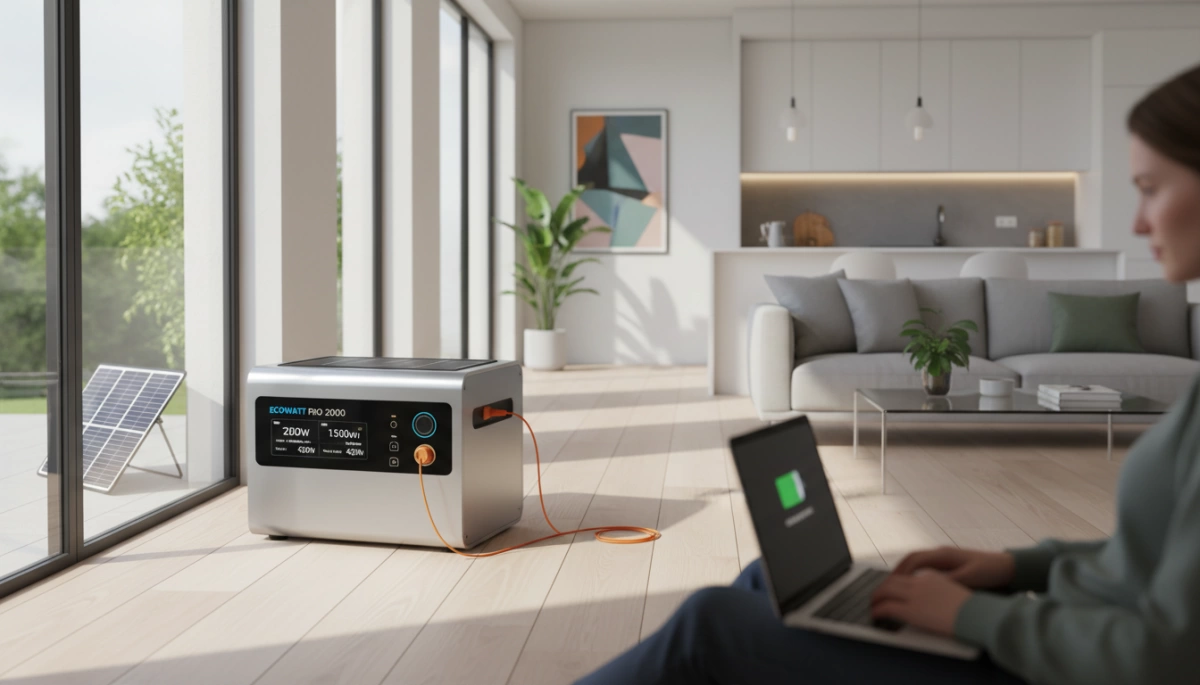
What Is the Best Solar Powered Generator?
If you’ve ever sat in the dark during a blackout, worried about your fridge, your phone battery, or a CPAP machine, you’ve probably searched “what is the best solar powered generator” or “best portable solar generator for home backup.” The truth is, there isn’t one “perfect” model for everyone—but there is a best solar generator for your situation.
When people say “solar generator,” they usually mean a portable power station with a battery, inverter, and solar panels you plug in to charge it. It’s not a gas generator with a solar panel stuck on top. It’s basically:
- A big, rechargeable battery (measured in watt-hours)
- An inverter that turns battery power into normal wall-style AC power
- Multiple ports (AC, USB, car socket) to run your devices
- One or more solar panels you connect to recharge it quietly, with no fuel
How a Solar Powered Generator Works (Plain Language)
Here’s the simple flow:
-
Solar in → battery
Solar panels capture sunlight and send DC power into the built-in battery. -
Battery → inverter → usable power
The inverter converts that stored DC power into AC power (what your home outlets use) plus USB and DC outputs. -
You plug in and use
You plug in your devices—fridge, laptop, phone, router, lights, CPAP, or even some power tools—and the system quietly powers them from the battery.
Most portable power stations can also charge from the wall or car, so you’re not limited to just solar. That’s why people use them as emergency solar backup power, for RV and van life, and for off-grid solar power setups.
Why 2026 Solar Generators Are Better
The best solar powered generator 2026 models are far more capable than older units. The main improvements:
-
LiFePO4 batteries
Newer LiFePO4 solar generators offer:- 3,000–6,000+ charge cycles (vs 500–800 on older lithium batteries)
- Better safety and thermal stability
- Slower capacity loss over time
-
Faster charging
- High-watt solar input for quicker recharging
- Fast AC charging from the wall—often 0–80% in about an hour
-
Higher output power
- More continuous watts and surge watts to start fridges, microwaves, and power tools
- Better for whole home solar backup generator style setups when expanded with extra batteries
-
Smart features
- App control, live monitoring, and solar charging time calculators
- UPS capability for near-instant backup when the grid goes out
Overall, 2026 units are more efficient, safer, quieter, and cheaper per watt-hour than older models, making them realistic options for serious home backup, not just phone charging.
Who Actually Needs a Solar Powered Generator (And Why)
You don’t need a solar generator if you never lose power and never leave the city. But if any of these sound like you, a quiet solar powered generator makes real sense:
-
Home backup for blackouts
- Keep refrigerators, lights, Wi-Fi, phones, and medical devices running
- No fumes, no noise, safe to use indoors
- Great as a solar battery generator for blackout situations
-
Camping, hiking, and outdoor life
- Clean power for phones, cameras, drones, lights, induction cookers, and small appliances
- Perfect solar generator for camping and hiking or a compact outdoor solar power station
-
RV and van life
- Run fridges, fans, laptops, and Starlink from a solar generator for RV and van life
- Pair with foldable solar panels for generators for true off-grid freedom
-
Off-grid cabins and tiny homes
- Start small with a high capacity solar generator and expand later
- Build an expandable solar generator system instead of a full custom solar install
-
People who hate gas generators
- No fuel storage, fumes, noise, or constant maintenance
- Ideal silent portable generator for indoors and neighborhoods with noise rules
If you want reliable backup power, less dependence on the grid, and a system that just works when you need it, a well-chosen solar power station is one of the most practical tools you can own.
Solar Powered Generator Basics
A solar powered generator (often called a portable power station) is basically a clean, quiet battery box that you recharge with solar panels, a wall outlet, or your car. No fuel, no fumes, no noise.
Key Parts of a Solar Powered Generator
Every good solar power station is built around a few core pieces:
-
Battery (watt-hours / Wh)
This is your fuel tank. The higher the Wh, the longer you can run things.- LiFePO4 batteries are the gold standard now: safer, last thousands of cycles, and ideal for daily use or serious backup.
-
Inverter (watts / W)
Converts battery DC power into AC power for normal plugs.- Continuous watts = what it can run non-stop
- Surge watts = short bursts for starting fridges, pumps, tools
-
Ports & Outlets
- AC outlets (110–240V depending on your region) for appliances
- DC and car socket for fridges and inflators
- USB-A / USB-C for phones, laptops, cameras, CPAP, etc.
-
Solar Panels
- Plug-in portable solar panel kit to recharge the battery
- Rigid panels for fixed setups, foldable panels for camping, RV, and van life
If you want a fixed off-grid setup later, you can scale up to a 10kW off-grid solar power system with a dedicated inverter and battery bank, like a modular off-grid solar power system.
Solar Generator vs Gas Generator vs Full Solar System
Solar powered generator (portable power station)
- Best for: home backup for essentials, camping, RV, van life, apartments
- Pros: silent, can be used indoors, low maintenance, fast to deploy
- Cons: limited runtime vs gas, works best when paired with enough solar
Gas generator
- Best for: long, heavy loads where fuel is easy to store
- Pros: high output, cheap upfront, can run big loads for long periods
- Cons: loud, fumes, can’t use indoors, needs fuel and regular maintenance
Full solar system (rooftop + inverter + battery)
- Best for: full or partial whole home solar backup and daily energy savings
- Pros: can power most of the house, long-term cost savings, fully integrated
- Cons: higher upfront cost, needs installation, not portable
A lot of people end up with a hybrid setup: a quiet solar powered generator for day-to-day and indoor backup, and a small gas generator for long grid outages.
Common Myths About Solar Powered Generators
Let me clear a few things up, because the marketing hype gets wild:
-
“Solar generators can power my whole house forever.”
Not true for most portable units. They’re great for fridges, Wi-Fi, lights, phones, laptops, CPAP, and some tools—but running central AC or electric heating nonstop needs a high-capacity expandable solar generator or a full solar inverter and battery system. -
“Solar generators charge super fast on any small panel.”
Charging time depends on solar input wattage, sun hours, and panel angle. A big battery on a small panel = very slow. Use a solar charging time calculator mindset: battery Wh ÷ input watts ≈ hours needed. -
“All solar generators are the same inside.”
Big difference:- LiFePO4 solar generator = much longer life, safer, better for daily off-grid use
- Cheaper chemistries = fewer cycles, more degradation over time
-
“They’re too weak for real emergencies.”
A properly sized solar battery generator for blackout can easily cover:- Fridge + lights + phones + router
- Medical devices like CPAP machines
- Work gear like laptops and monitors
The best solar powered generator 2026 models are now strong enough and smart enough (with app control, UPS function, and expansion options) to be a legit part of your emergency solar backup power strategy, not just a camping toy.
Key Things to Look For in the Best Solar Powered Generator

When you’re choosing the best solar powered generator 2026, focus on the stuff that actually affects your daily use, not just fancy marketing terms.
Battery Capacity & Runtime (Watt-Hours Made Simple)
- Battery capacity = tank size. It’s measured in watt-hours (Wh).
- As a simple rule:
- 500 Wh → phones, laptops, a fan, small lights
- 1,000–2,000 Wh → fridge, router, TV, basic home backup
- 3,000+ Wh → serious home emergencies, RV, off-grid use
- Rough estimate: Watt-hours ÷ device watts = hours of runtime (real runtime will be a bit less).
If you want to go deeper on storage and sizing, guides on the best battery storage for solar systems are worth a look.
Output Power, Surge Watts & What They Actually Run
- Rated (continuous) output (W) = what it can run non-stop.
- Surge/peak watts = short burst for starting motors (fridges, AC, pumps).
- Quick guide:
- 500–1,000 W: lights, laptop, TV, router
- 1,500–2,400 W: fridge, microwave, power tools
- 3,000+ W: multiple appliances at once, partial home backup
Charging Options & Speed
Look for a portable power station that gives you flexible, fast charging:
- Solar input (W) – higher is better (e.g., 400–2,000 W solar).
- Wall charging – aim for 1–2 hours full charge on mid/high-end models.
- Car charging – useful on road trips, but slower (think top-up, not main charge).
- Bonus: Support for dual charging (solar + wall) is a big win.
Portability, Weight & Build Quality
- Under 10 kg (22 lb) → best for camping, hiking, light travel.
- 10–25 kg → good balance for RV, van life, home backup.
- 25 kg+ → usually stay-in-place home or cabin units.
- Check for:
- Solid handles or wheels
- Sturdy housing
- Simple, clear screen and buttons
Battery Chemistry: LiFePO4 vs Others
If budget allows, go for a LiFePO4 solar generator:
- LiFePO4 (LFP):
- 3,000–6,000+ cycles
- Safer, runs cooler
- Better long-term value
- NMC / other lithium:
- Lighter, cheaper upfront
- Fewer cycles, wears out sooner
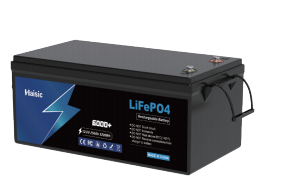
For long-life storage (golf carts, off-grid, or home backup), LiFePO4 batteries like those used in dedicated solutions (for example, long-life lithium storage batteries) show why this chemistry is the current standard.
Outlet Types & Number of Ports
Make sure it actually fits your gear:
- AC outlets (pure sine wave) for appliances
- USB-A & USB-C (ideally PD 60–100W) for phones/laptops
- 12V car/Anderson outputs for fridges and RV gear
- Enough ports to avoid constantly unplugging devices.
Smart Features: App, UPS & Expandability
The best 2026 solar generator for home backup or RV use usually offers:
- App control (Bluetooth/Wi-Fi) – monitor usage, turn ports on/off
- UPS mode – auto switchover in a blackout for routers, PCs, small loads
- Expandable batteries – stack more capacity later instead of buying a whole new unit
Durability, Warranty & Safety
Don’t skip basic safety and reliability:
- Warranty: aim for 5+ years on mid/high-end models
- Certifications: UL, CE, FCC, UN38.3, etc.
- Protection: over-voltage, over-current, over-temp, short-circuit built-in
Price, Value & Long-Term Cost
Look at cost per usable Wh and expected lifespan, not just sticker price:
- Cheaper unit + low cycle life = more expensive over the long run
- LiFePO4 with a good warranty often beats budget units over 5–10 years
- Pay more if you need:
- Reliable emergency backup
- Daily off-grid or RV use
- Quiet, indoor-safe backup power vs. a gas generator
If you want to truly optimize value, pair a solid solar generator with a well-sized solar battery storage setup based on transparent solar battery cost breakdowns so you’re not overbuying or underpowering your system.
How to Size the Best Solar Powered Generator for Your Needs
Getting the best solar powered generator starts with one thing: knowing your actual power needs. If you size it wrong, you either waste money or end up in the dark.
Step-by-Step: Calculate Your Power Needs (Simple Method)
-
List what you want to run
- Fridge, lights, Wi-Fi, laptop, phone
- CPAP, fan, TV, small heater, power tools
- RV gear, camping fridge, water pump, etc.
-
Check each item’s watts (W)
- It’s on the label or spec sheet.
- If it’s in amps (A), use:
Watts = Volts × Amps (for most homes, Volts = 110–120V).
-
Estimate hours per day
- Example:
- Fridge: 150W, runs ~8 hours total per day
- Laptop: 60W × 4 hours
- Lights: 10W × 5 bulbs × 5 hours
- Example:
-
Calculate watt-hours (Wh)
- Wh = Watts × Hours
- Add them all up for your daily total.
-
Add 20–30% buffer
- Real use is always messier than the math.
- Multiply your total Wh by 1.2–1.3 for a realistic number.
That final Wh number is the minimum battery capacity you should look for in a portable power station or solar battery generator.
Power Needs for Home Emergencies and Blackouts
For most households, the best portable solar generator for home backup covers critical loads, not your entire house.
Typical emergency essentials (per day):
| Appliance | Avg Watts | Hours/Day | Daily Wh |
|---|---|---|---|
| Fridge / Freezer | 120–180W | 8 | 1,000–1,500 Wh |
| Wi-Fi + Router | 10–20W | 10 | 100–200 Wh |
| LED Lights (5–8 bulbs) | 50–80W | 4–5 | 200–400 Wh |
| Phone Charging (2–4x) | 10–20W | 2 | 20–40 Wh |
| Laptop / Tablet | 40–80W | 3–4 | 120–320 Wh |
| CPAP (if needed) | 40–70W | 8 | 320–560 Wh |
- Light emergency use: 800–1,500 Wh solar generator
- Comfortable short blackout (1–2 days): 1,500–3,000 Wh
- Serious backup / almost whole-home support: 3,000–5,000+ Wh or a modular home energy storage system (for that, a dedicated setup like a 5kW residential solar energy storage system is usually smarter long term).
Power Needs for Camping, RV, and Van Life
Here’s how I size solar generators for people who travel or live on the road:
Light camping / hiking:
- Phone, camera, headlamps, small fan, maybe a small cooler
- Target: 300–600 Wh portable solar generator
- Pair with: 60–120W foldable solar panels
Weekend RV / van trips:
- 12V fridge, phone, laptop, lights, fan, water pump
- Target: 800–1,500 Wh + at least 200W solar
- Look for a quiet solar powered generator that’s easy to move and charges quickly from both solar and vehicle (12V car).
Full-time van life / off-grid RV:
- 12V fridge, lights, Starlink/Wi-Fi, laptops, fans, DC water pump, occasional induction cooktop or microwave
- Target: 2,000–4,000 Wh + 400–800W solar
- Go for LiFePO4 solar generator with good cycle life and expandable solar generator system options.
Power Needs for Off-Grid Cabins and Tiny Homes
If you’re off-grid, the “best solar generator 2026” for you is basically your mini power plant.
Weekend cabin:
- LED lights, small fridge, phone/laptop, water pump
- Target: 1,500–3,000 Wh + 400–800W solar
Tiny home / small off-grid house:
- Fridge, lights, router, laptops, washing machine, maybe occasional power tools
- Realistically you want:
- 3,000–5,000+ Wh usable storage
- 800–1,600W solar input or more
- Option to scale into a home battery storage system if you grow (a dedicated home battery storage setup often gives better long‑term value than stacking small portable units).
Quick Sizing Examples and Simple Watt-Hour Chart
Use this as a rough shortcut:
| Use Case | Recommended Capacity |
|---|---|
| Phone + lights + small devices (day trips) | 200–400 Wh |
| Basic camping, small cooler | 300–600 Wh |
| RV weekend, 12V fridge + devices | 800–1,500 Wh |
| Basic home blackout (fridge + lights + Wi-Fi) | 1,500–2,500 Wh |
| Comfortable multi-day home backup | 2,500–4,000 Wh |
| Van life / off-grid tiny home starter | 3,000–5,000 Wh |
| Serious off-grid living / full backup | 5,000 Wh+ or modular |
Simple rule of thumb:
- Add up your daily Wh,
- Add 30% buffer,
- Pick a solar powered generator with at least that many Wh, and make sure you have enough solar panel wattage to refill it in 4–8 hours of good sun.
This way, you’re not guessing. You size your solar power station based on real life, not marketing.
Best Solar Powered Generators in 2026: Top Picks
When people ask “what is the best solar powered generator?” in 2026, they usually fall into one of four camps: home backup, camping/RV, budget buyers, or those who want a high-capacity expandable system. I’ll break it down by real use-case so you’re not guessing from spec sheets alone.
Best Overall Solar Powered Generator (2026)
EcoFlow Delta Pro 3 (or latest Delta Pro series)
If I had to pick one “do-it-all” solar generator in 2026, it’s the EcoFlow Delta Pro line.
Why it’s the best overall:
- Balanced capacity & power: ~4 kWh+ base capacity with strong continuous output (good for fridges, freezers, tools, CPAP, electronics).
- Fast charging: Some of the fastest AC + solar charging in the solar generator market. Perfect when you only get a few hours of sun.
- Expandable: Add extra batteries and a smart home panel to power key home circuits.
- Smart app control: Easy to monitor usage, set limits, and prioritize solar vs grid charging.
Pros:
- High power output, runs most common home appliances
- Great mix of portability and home-backup capability
- Strong ecosystem: extra batteries, home panel, EV charging, etc.
Cons:
- Not cheap
- Still heavy for frequent car camping carry
If you’re in a mixed-use situation (home backup + road trips + occasional off-grid), the Delta Pro style unit is usually the most practical “best solar powered generator” in 2026.
Best Solar Generator for Home Backup
Bluetti AC500 + B300S (or newer AC-series)
For a home-first setup, Bluetti’s modular systems are extremely strong and pair well with larger solar arrays or even hybrid solar inverter systems if you later scale up.
Why it works so well for home backup:
- Modular capacity: Start with one battery, stack more (5–18 kWh+ total) as your budget allows.
- High output: Enough continuous wattage to power multiple big loads: fridge, freezer, lights, modem, well pump, and smaller AC units.
- 240V options: Can be combined to support more demanding home equipment (check your local voltage requirements).
Pros:
- Built around LiFePO4 batteries (longer life, safer chemistry)
- Great for power-hungry homes and frequent blackouts
- Good integration options with sub-panels and transfer switches
Cons:
- Heavier and less “portable” than compact units
- Overkill if you just want to power a laptop and a fan
If your main goal is emergency solar backup power for the house, a modular Bluetti-style system tends to beat smaller “portable power stations.”
Best Portable Solar Generator for Camping and RV
Jackery Explorer 1000 Plus / 2000 Plus (and similar RV-focused models)
For RVs, vans, and camping setups, you want a quiet solar powered generator that is light enough to move often but strong enough for fridges, lights, fans, and electronics.
Why it’s great for camping & RV:
- True portability: Compact footprint, carry handles, and manageable weight.
- Very quiet operation: Silent indoors, no fumes, safe in tents and vans (with good ventilation).
- Simple interface: Big screen, clear buttons, plug-and-play with portable solar panels.
Pros:
- Perfect for outdoor solar power station use
- Works really well with foldable solar panels and portable solar panel kits
- Good for CPAP, phones, laptops, cameras, and small appliances
Cons:
- Limited capacity for long cloudy stretches
- Not ideal as the only backup solution for a large home
RV and van life users usually combine this type of unit with 200–400W of foldable solar panels for a flexible off-grid solar power setup.
Best Budget Solar Powered Generator
Allpowers / Bluetti EB-Series / EcoFlow River Series (mid-range models)
If price is the main concern, look for 500–1,000 Wh LiFePO4 solar generators from reputable brands. These don’t have whole-home capability, but they’re amazing for blackouts, small apartments, and basic backup.
What makes a good budget pick:
- At least 500–700 Wh capacity so you can actually run something meaningful
- Pure sine wave inverter for safe use with electronics
- LiFePO4 battery chemistry for long cycle life (2,000+ cycles)
Pros:
- Affordable way to get started with solar generator tech
- Great for backup power for refrigerators for short periods, Wi-Fi, phones, and lights
- Light and easy to store
Cons:
- Limited runtime for large appliances
- Slower charging, fewer smart features in cheaper models
These are perfect if you want a budget solar powered generator for occasional outages or light camping without spending big.
Best High-Capacity and Expandable Solar Generator
High-capacity modular system (Bluetti AC300/500, EcoFlow Power Kits, or a hybrid inverter + battery setup)
If you want a whole home solar backup generator or serious off-grid capability, high-capacity and expandable systems are the way to go.
What “high capacity” really means:
- 10–30 kWh of usable battery storage (or more)
- Multiple kW output for heavy loads like well pumps, mini-split AC, power tools
- Compatible with large solar arrays (2–6 kW+), sometimes working alongside a three-phase hybrid solar inverter.
Pros:
- Real off-grid and whole-home potential
- Extremely quiet compared to gas generators
- Lower long-term cost per kWh if you use it frequently
Cons:
- Higher upfront cost
- Semi-permanent setup, not “grab-and-go” portable
If you’re serious about off-grid cabins, tiny homes, or full-time solar backup, this is where you should be looking.
Honorable Mentions & New Brands to Watch
- Anker PowerHouse series – Very polished, good efficiency, strong portable lineup and real-world performance that’s better than many spec sheets.
- Zendure SolarFlow & SuperBase – Interesting grid-tied and balcony solar storage options, plus mobile high-capacity units.
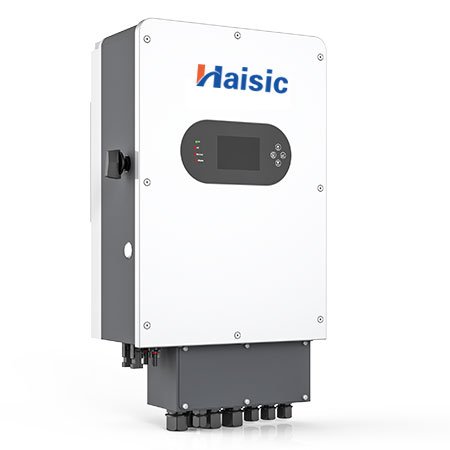
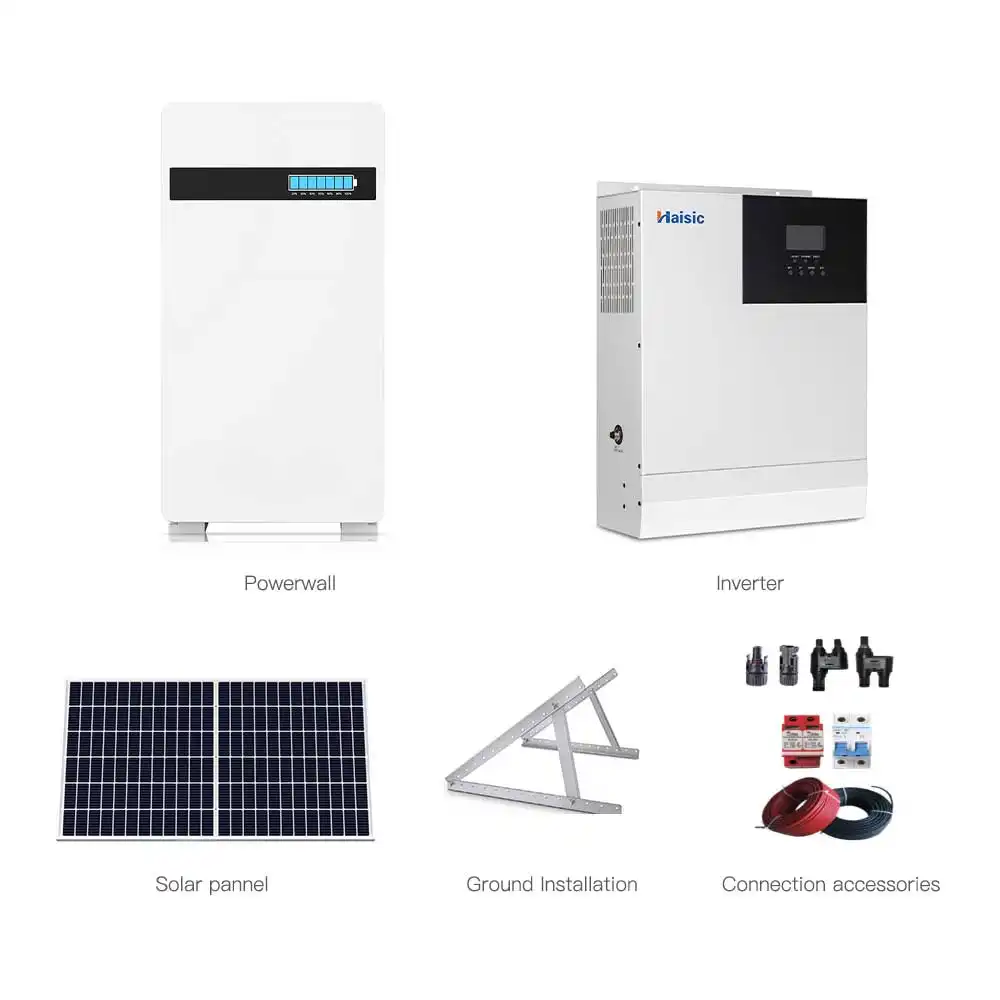
- Haisic hybrid storage solutions – For users growing beyond “solar generator” territory into full solar inverter and battery systems, Haisic’s IP65 and high-kVA hybrid inverters are worth watching in the global market.
These players are bringing smarter features (UPS, time-of-use optimization, better apps) and pushing prices down across the solar generator space.
Pros, Cons, and Real-World Performance ()
What the best solar powered generators do well:
- Silent, indoor-safe backup for blackouts
- Ideal for CPAP, fridges, routers, phones, laptops, and small AC units
- Easy plug-and-play solar panel compatible power stations
- Long battery life with modern LiFePO4 cells
Real-world limitations:
- Running resistive loads (electric heaters, kettles, big AC) drains batteries fast
- You must size your system correctly for runtime and solar charging speed
- High-capacity and expandable solar generator systems cost more upfront
In practice, the best solar powered generator in 2026 is the one that fits your usage:
- Delta Pro-style if you want an all-rounder.
- Bluetti AC-series if you’re home-backup focused.
- Jackery/portable units if you’re camping or RV-first.
- Modular or hybrid systems if you’re going serious off-grid or whole-home.
Pick based on how you actually live, not just the biggest number on the spec sheet.
Best Solar Panels to Pair With Your Solar Generator
How to Match Solar Panels to Your Solar Generator
To get the “best solar powered generator” setup, your panels and power station need to be a clean match:
- Check max solar input (W & V): If your solar generator supports 400W, feeding it 800W of panels won’t charge faster.
- Match voltage and connector: Most portable power stations use 12–48V input and MC4 or XT60 connectors. Use a proper adapter, not DIY hacks.
- Stay within the PV range: Never exceed the generator’s max PV voltage or you risk damage.
If you’re building a more permanent or higher-power setup later (for cabins or whole-home backup), step up to a hybrid solar inverter with built-in MPPT, like a 3kW–6kW pure sine wave hybrid inverter with MPPT that can integrate batteries and panels more efficiently than a standalone portable unit. A system like a 3kW–6kW hybrid solar inverter with MPPT controller is a natural upgrade path when your portable solar generator isn’t enough anymore.
Solar Panel Wattage, Efficiency, and Types
For most portable solar generators and home backup power stations, I stick with:
- 100–220W foldable panels: Best for camping, RV, van life.
- 200–450W rigid panels: Best for cabins, sheds, and semi-permanent installs.
Panel types:
- Monocrystalline (most common now): Best efficiency, smaller footprint, higher price but worth it.
- Polycrystalline: Cheaper, slightly less efficient, fine if you have space.
- Thin-film: Light and flexible, but usually low output. OK for niche use, not ideal for main solar generator charging.
Foldable vs Rigid Solar Panels
Foldable solar panels (portable solar panel kit):
- Perfect for camping, RV, overlanding, road trips
- Easy to carry, pack away, and angle to the sun
- Lower durability and usually higher price per watt
Rigid solar panels:
- Better for off-grid cabins, tiny homes, long-term setups
- Mount on roof, racks, or ground frames
- Higher output per dollar, more durable, less portable
If you mainly move around, go foldable. If you mostly stay put, go rigid.
How Many Solar Panels Do You Really Need?
Quick rule of thumb using solar generator watt-hours (Wh):
- Take your battery size in Wh (for example: 1000Wh).
- Divide by sun hours (use 4–5 hours/day for most regions).
- Add 20–30% loss for real-world conditions.
Example:
- 1000Wh battery / 4h sun ≈ 250W ideal
- Add losses → 300–400W of panels is a solid match
Simple guide:
- 300–500Wh generator: 100–200W solar
- 1000–1500Wh generator: 200–400W solar
- 2000–3000Wh generator: 400–800W solar
- Expandable high-capacity systems: Start at 800W+ and scale as needed
Recommended Panel and Generator Pairings
Here’s how I’d pair things in the real world:
-
Camping & hiking (small portable power station):
- 300–600Wh LiFePO4 solar generator
- 100–120W foldable panel (light, easy to carry)
-
RV and van life (quiet solar powered generator):
- 1000–2000Wh solar generator for fridge + laptop + fans
- 200–400W foldable or roof-mounted rigid panels
-
Home backup & blackout support (best portable solar generator for home backup):
- 2000–4000Wh+ expandable solar generator
- 400–800W rigid panels, roof or yard mounted
- For full-home or long outages, consider stepping up to a solar inverter and battery system (hybrid/ESS) instead of only a portable unit.
-
Off-grid cabins & tiny homes (off-grid solar power setup):
- High-capacity or expandable solar generator or ESS
- 800–2000W rigid panels depending on usage (fridge, lights, internet, tools)
The key is simple: don’t overspend on panels your generator can’t use, and don’t starve a high-capacity solar generator with tiny solar input. Match battery size, daily usage, and realistic sun hours, and your system will feel balanced instead of frustrating.
Pros and Cons of Solar Powered Generators
Main Advantages of Solar Generators
Solar powered generators (portable power stations with solar charging) solve a lot of everyday and emergency problems in a clean, simple way:
-
Silent and no fumes
You can run them indoors for home backup, CPAP, fridges, laptops, and routers with zero exhaust and almost no noise. Perfect for apartments and tight urban spaces where gas generators are a no-go. -
Low running cost
After the upfront cost, your “fuel” is free solar power. For areas with frequent outages or off‑grid setups, a LiFePO4 solar generator can pay off quickly compared to constantly buying gasoline. -
Safe and easy to use
Press a button, plug in, done. No pull-start, no fuel storage, no oil changes. Modern solar power stations have built‑in protection for overvoltage, short-circuit, and overheating. -
Portable and flexible
One unit can cover camping, RV, van life, outdoor work, and home emergency backup. Pair it with a portable solar panel kit and you’ve got power almost anywhere. -
Expandable systems
Some high‑capacity models let you add extra batteries or even integrate with a hybrid solar inverter and wall-mounted battery pack similar to a 15kWh LiFePO4 solar battery system, turning your “generator” into a small home energy storage setup.
Real Limitations and Trade-Offs
Solar generators are powerful, but they’re not magic. Here’s what they don’t do well:
-
Limited continuous power
Most portable units struggle with big loads like central AC, well pumps, electric water heaters, or full-house electric stoves. You need a high‑capacity or hybrid system for that. -
Weather and daylight dependent
Solar charging speed depends on sun, panel angle, and temperature. On cloudy days, expect slower charging and plan for it. -
High upfront cost
A good high capacity solar generator plus panels is not cheap. For short, rare outages, a basic gas generator might cost less upfront. -
Weight at higher capacity
Once you go above 2–3kWh, units can get heavy. “Portable” starts to mean moveable with effort, not something you casually carry on a hike.
When a Solar Generator Is Better Than Gas
Go solar first in these situations:
-
Indoor or apartment use
You can safely run a silent portable generator for indoors to power a fridge, Wi‑Fi, and a few lights during a blackout. Gas can’t do that safely. -
Frequent small-to-medium outages
If you’re dealing with regular grid instability, a home backup power station that charges from the wall and tops up with solar is more convenient than pulling out a gas unit every week. -
Camping, RV, and van life
For camping and RV, quiet and clean power matters. A solar generator keeps neighbors happy, lets you park in national parks where combustion generators are restricted, and gives you free energy during the day. -
Low-maintenance lifestyle
If you hate maintaining engines, storing fuel, and dealing with noise, a solar battery generator is simply a better fit.
When Gas or a Hybrid Setup Makes More Sense
Sometimes, solar alone isn’t the smartest choice:
-
Long blackouts with heavy loads
If you need to run large AC units, well pumps, or a whole home for multiple days, a gas or diesel generator can provide continuous high power as long as you have fuel. -
Limited roof or yard space for panels
If you can’t deploy enough solar panels, your charging speed will be the bottleneck. In that case, a hybrid setup (solar generator + gas generator) gives you both quiet daily operation and emergency high-power backup. -
Harsh industrial or farm use
If you’re running power tools all day or heavy machinery, a dedicated hybrid solar inverter system like a 6–10kW IP65 hybrid solar inverter with fixed batteries and/or a gas backup often beats a single portable station.
Bottom line:
- Choose a solar powered generator for quiet, clean, everyday and emergency use, especially indoors and on the road.
- Choose gas or a hybrid solar + gas setup when you need long-duration, whole‑home, or heavy-duty power that solar alone can’t reliably cover.
Maintenance and Safety Tips for the Best Solar Powered Generator
Keeping your solar powered generator in good shape is simple, but you have to be intentional. A little care goes a long way for reliability in blackouts, camping, or off‑grid use.
How to Store Your Solar Generator the Right Way
If you treat a portable power station like any other tool, it’ll let you down. Store it like a battery system, not a suitcase.
Basic storage rules:
- Keep it cool and dry – Ideal temp: 10–25°C (50–77°F).
Avoid hot garages, car trunks in summer, or damp basements. - Don’t store it empty – Keep the battery around 40–60% charge if you’re not using it for a while.
- Top it up regularly – Charge it to ~60–80% every 3–6 months to prevent deep discharge.
- Keep it dust‑free – Store in a case or on a shelf, away from metal objects that could short the ports.
If you ever move up from a portable generator to a stackable energy storage battery, design it with proper temperature control and placement from day one. Systems like a 51.2V 100Ah LiFePO4 stackable energy storage battery follow the same rules—just scaled up.
Battery Care for Long Life and Stable Performance
Most of the best solar powered generators in 2026 now use LiFePO4 batteries, which are safer and last longer than older lithium chemistries—but they still need basic care.
Good habits:
- Avoid 0% and 100% daily – For daily use, try to stay between 10–90% when possible.
- Don’t fast‑charge in extreme heat – High charge rates + heat = faster degradation.
- Don’t leave it on permanent 100% – If it’s just sitting for backup, store at partial charge, not fully topped off.
- Use the app or screen – Many LiFePO4 solar generators show cycle count, battery health, and detailed status. Use that data to spot issues early.
Safe Setup, Wiring, and Usage Basics
Even the best portable solar generator is only as safe as how you set it up. Power is power—treat it with respect.
Do this:
- Run indoors, panels outdoors – The generator can be indoors; solar panels should always be outside with proper ventilation.
- Use proper gauge cables – Stick with cables rated by the manufacturer for your solar input and DC loads.
- Avoid daisy‑chaining random power strips – Plug large loads directly into the AC outlets on the power station.
- Check ventilation – Don’t cover the vents; give it space so the inverter and battery can cool.
- Follow surge limits – Respect the rated watts and surge watts. Don’t expect a 1,000W unit to safely run a 1,500W heater.
When to Look at Scalable Battery and Energy Storage Solutions
If you’re constantly maxing out your solar generator—running fridges, well pumps, servers, or multi‑room loads—it’s time to think beyond a single portable unit.
You should look at a scalable battery energy storage system when:
- You want whole‑home or commercial backup, not just a few essentials.
- Your daily usage is consistently several kWh to tens of kWh.
- You need higher voltage systems (e.g., 48V and up) for better efficiency with inverters.
- You care more about long‑term cost per kWh than pure portability.
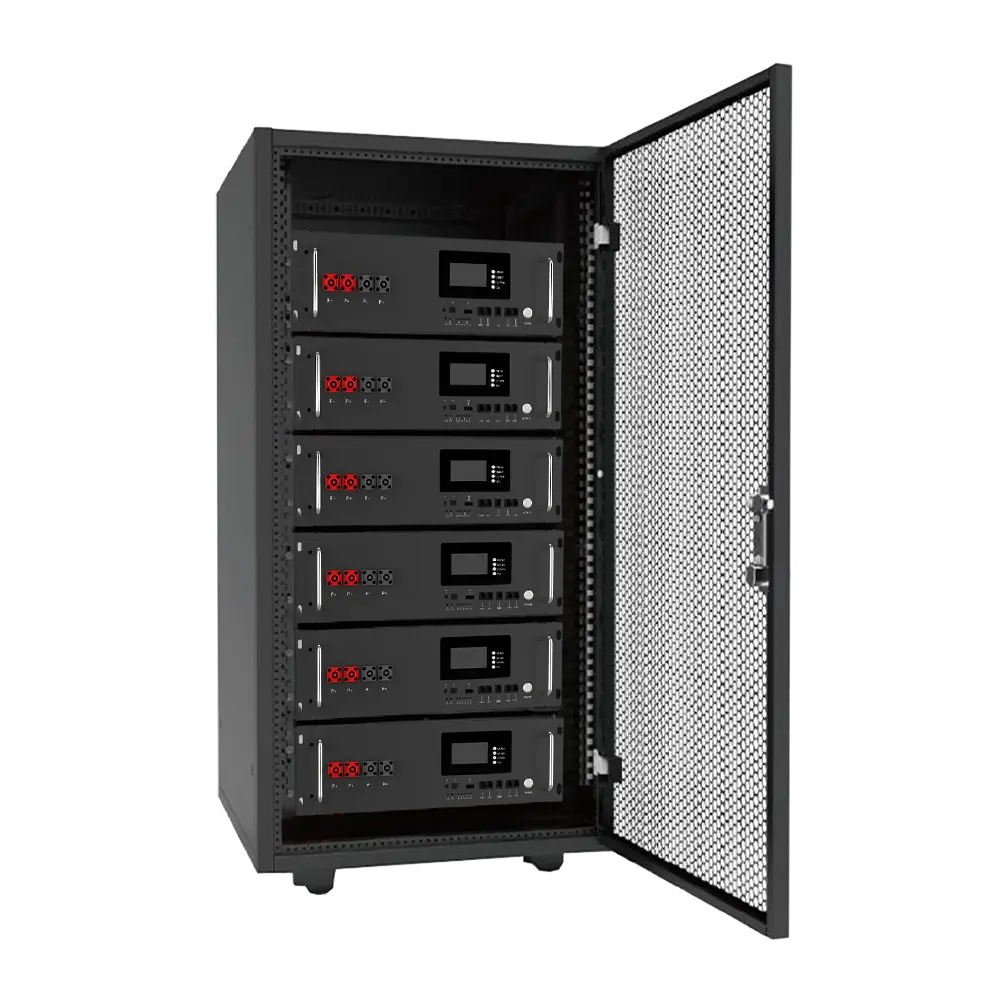
At that point, a modular battery energy storage system designed for expansion and integration with inverters and solar arrays will serve you better than just stacking multiple portable units. A dedicated battery energy storage system company can help you design a solution that grows with your home or business.
Handle your solar powered generator like a serious power tool, not a gadget, and it’ll be there for you when the grid isn’t.
FAQs About the Best Solar Powered Generator
How long can a solar powered generator run my appliances?
It all comes down to battery capacity (Wh) and appliance watts.
Quick rule of thumb:
Run time (hours) ≈ Battery Wh × 0.8 ÷ Appliance W
Examples with a 1,000Wh portable power station:
- Phone (10W): ~80 hours total charging time
- Wi‑Fi router (10–15W): 50–70 hours
- Laptop (60W): 12–13 hours
- CPAP machine (40W, all night): 15–18 hours (1–2 nights)
- Small fridge (60–80W, compressor cycles): 10–15 hours
- TV (100W): 7–8 hours
For whole‑home backup or long blackouts, you really need high‑capacity or stackable storage, similar to a 51.2V 100Ah home powerwall battery that can be paired with a solar inverter.
Solar generator vs gas generator: which is better for you?
Solar powered generator is better if you want:
- Indoor‑safe, silent backup power
- No fuel, no fumes, minimal maintenance
- Daily use for camping, RV, van life, and blackouts
- Reliable overnight power for CPAP, phones, laptops, routers, lights
Gas generator is better if you need:
- Very high continuous power (whole‑home HVAC, heavy tools)
- Multi‑day backup in areas with cheap, easy fuel
- Lowest upfront cost for large kW output (but higher running cost)
Many people end up with a hybrid setup: quiet solar for day‑to‑day and nighttime indoor use, gas for rare high‑load or long emergencies.
How do expandable solar generators work?
An expandable solar generator system lets you add more battery capacity later instead of buying a whole new unit:
- The main unit has inverter + BMS + ports
- You connect extra battery modules via a dedicated expansion port or bus
- The system acts as one big battery, increasing runtime but keeping the same AC output wattage
- Some setups scale all the way to home energy storage systems or container ESS for commercial users, like a modular stackable battery system with 2kW+ inverter and 7–16.8kWh storage.
If you see yourself using more power in 1–2 years, get an expandable solar generator from day one.
What affects solar charging time and performance?
Your solar charging time is mostly driven by:
- Solar input rating of the generator (e.g., max 400W, 800W, 1,200W)
- Total panel wattage actually connected
- Real sunlight conditions (clouds, angle, season, shading)
- Panel efficiency and temperature (hot panels = lower output)
Very rough estimate:
Charge hours ≈ Battery Wh ÷ (Solar Watts × 0.6)
That 0.6 factor accounts for real‑world losses.
Example: 1,000Wh battery with 400W solar:
- 1,000 ÷ (400 × 0.6) ≈ 4.1 hours of strong sun for a full charge.
Common mistakes people make when buying a solar generator
A lot of “solar generator regret” comes from the same few mistakes:
- Under‑sizing capacity (buying 500Wh when you really need 2,000Wh+)
- Only checking W (power) and ignoring Wh (runtime)
- Forgetting solar input limits, so charging is painfully slow
- Ignoring battery chemistry (LiFePO4 vs typical NMC) and cycle life
- Not planning future expansion (extra batteries, more panels, home tie‑in)
- Buying cheap units with weak warranties and no safety certifications
If you’re serious about emergency solar backup power, blackouts, or off‑grid use, always start with:
- Your daily watt‑hour needs
- How many hours/days you want to cover
- How fast you can recharge via solar in your local climate