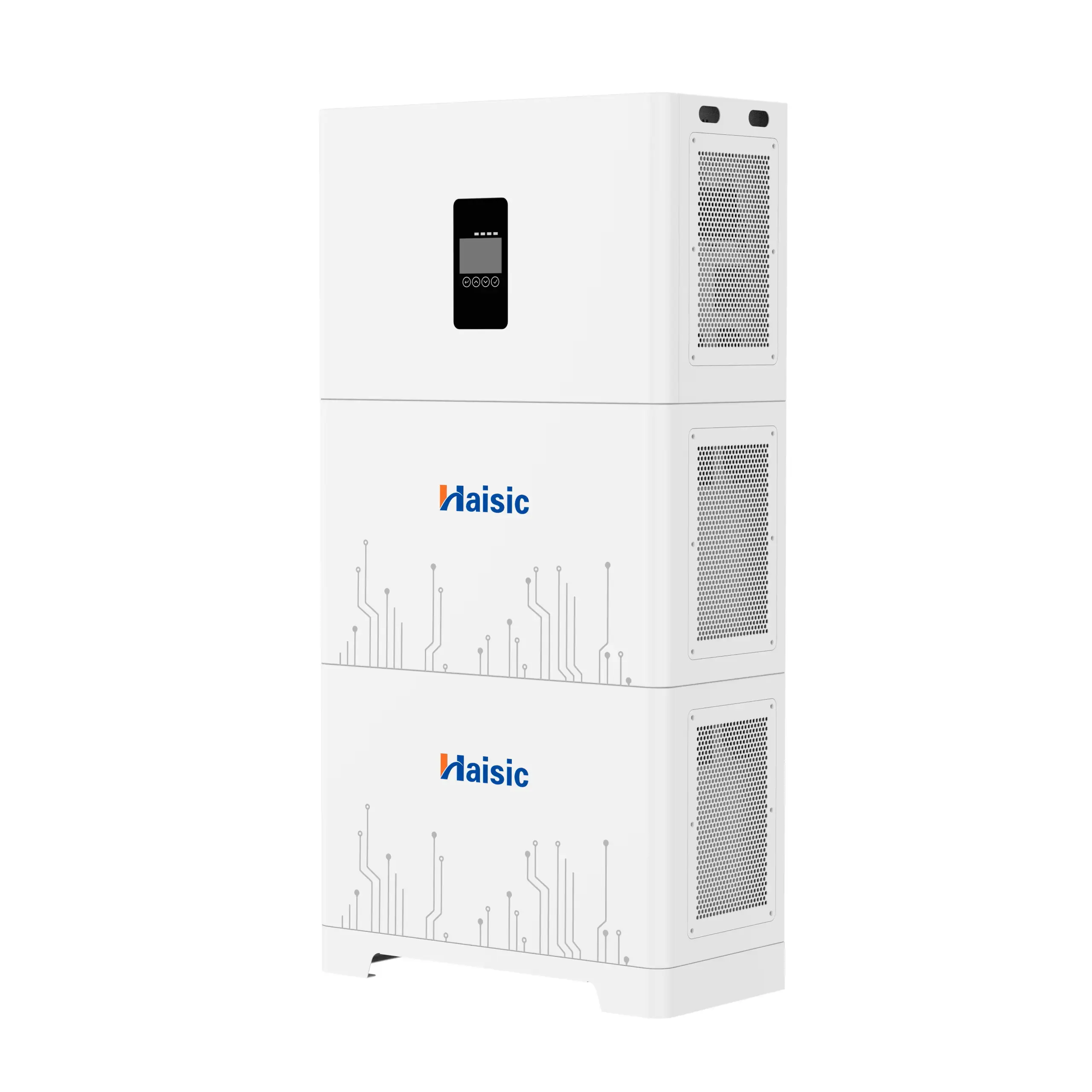
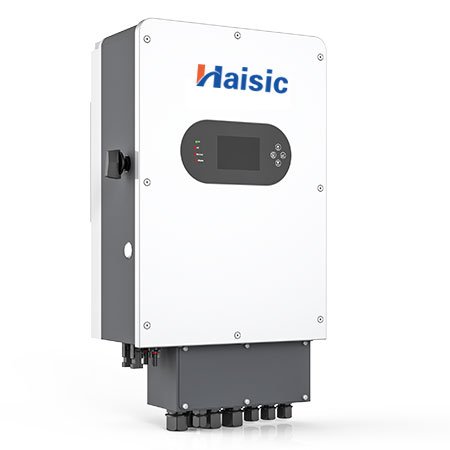
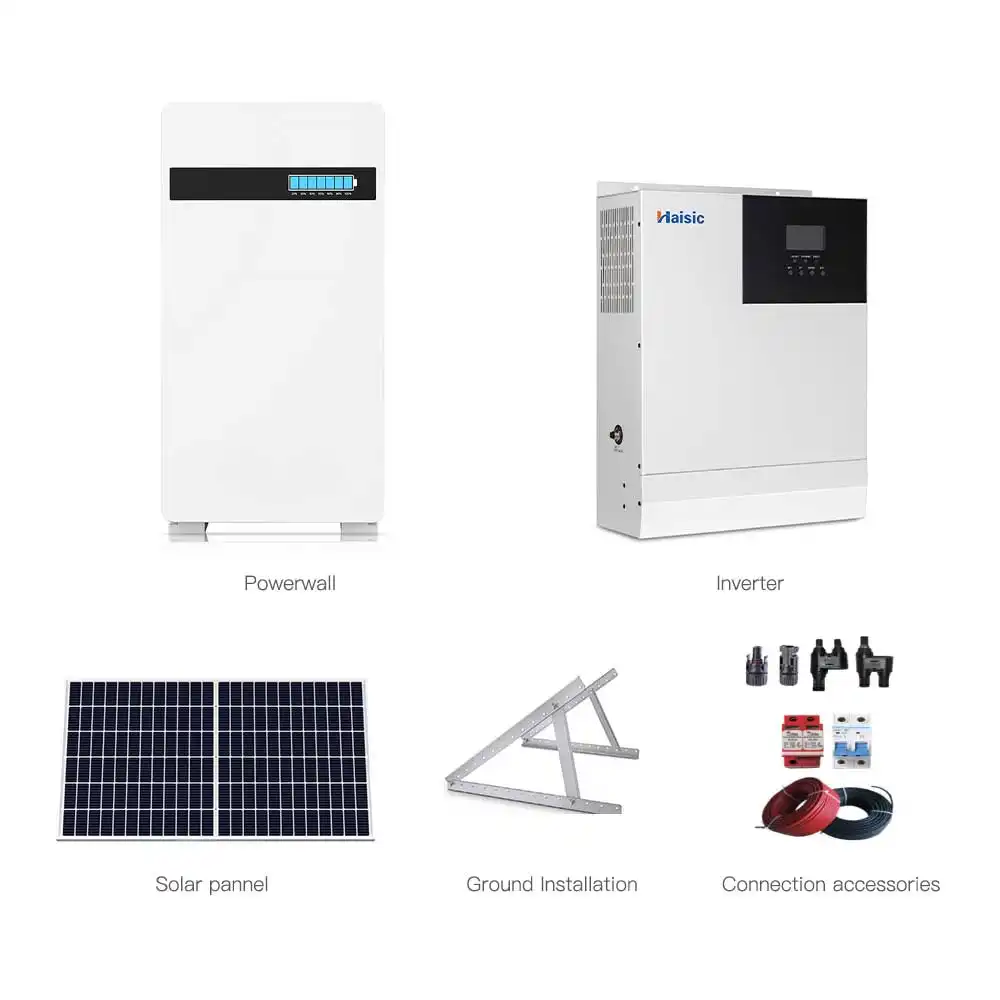
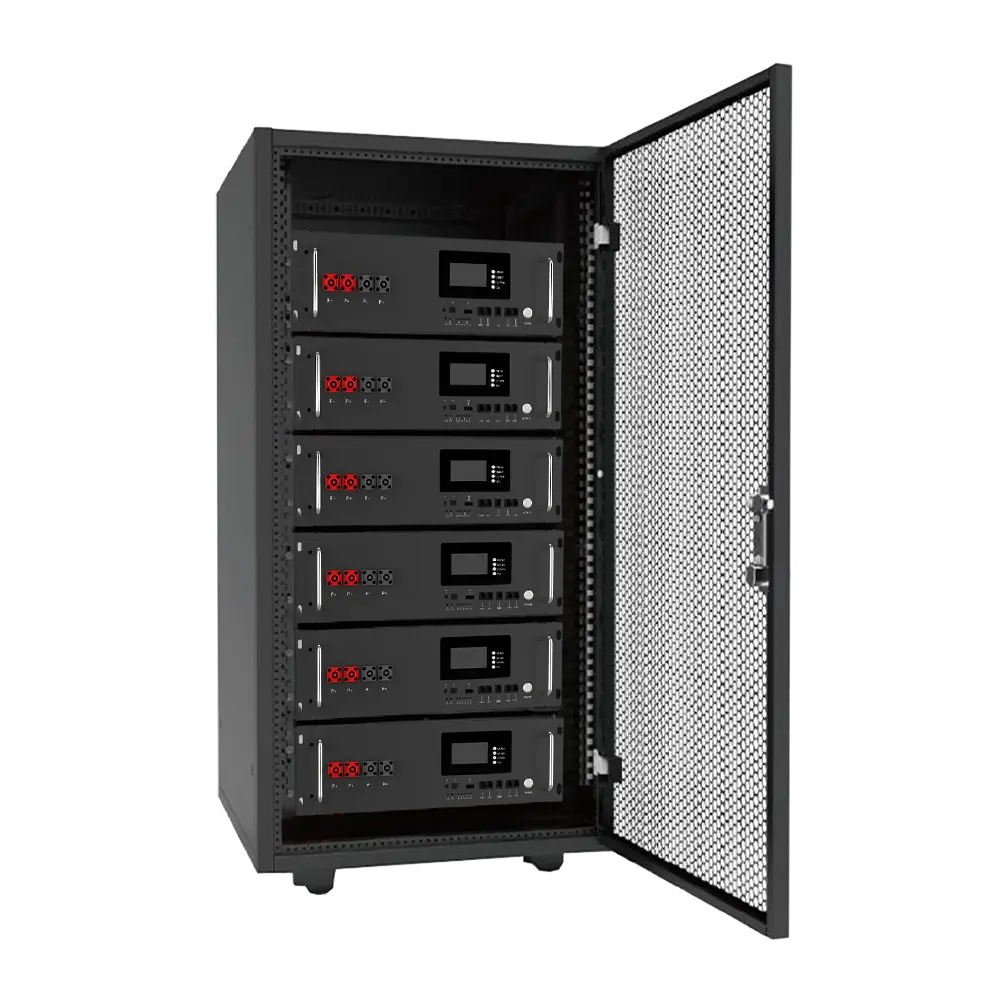


Are you overwhelmed by the sheer number of battery suppliers claiming to be \”industry leaders\”? Finding a truly Professional Energy Storage System manufacturer is the single most critical decision for the safety and profitability of your project.
As an industry insider, I know that a flashy brochure doesn\’t guarantee a bankable BESS solution. I’m going to share the specific criteria that separate risky assemblers from reliable, vertically integrated partners.
The right manufacturer delivers more than just batteries; they provide certified safety, proven scalability, and the technical backbone your grid or commercial facility demands.
In this guide, you’ll discover exactly how to evaluate production capabilities, verify compliance standards, and select a partner like Haisic that ensures your energy storage project succeeds for the long haul.
Let’s get started.
What Defines a Professional Energy Storage System Manufacturer Today?
In the rapidly evolving landscape of renewable energy, the term \”manufacturer\” is often used loosely. However, a truly professional Energy Storage System manufacturer is distinguished not just by assembly capabilities, but by deep technological ownership and systemic integration. Today, professionalism means moving beyond simple component aggregation to delivering engineered solutions that guarantee grid stability and long-term asset value.
The Core Attributes: In-House R&D and Vertical Integration
The most reliable manufacturers control their technology stack. We believe that vertical integration—from the cell chemistry to the final containerized solution—is the hallmark of a professional BESS supplier. When a manufacturer relies entirely on third-party components without understanding the underlying chemistry or the Battery Management System (BMS) logic, reliability gaps emerge.
Key differentiators of a top-tier manufacturer include:
- In-House R&D: Dedicated teams focused on thermal management, BMS algorithms, and power conversion efficiency.
- Source Control: Direct oversight of raw material sourcing, particularly for Lithium Iron Phosphate (LFP) cells, ensuring consistency across batches.
- Systemic Optimization: The ability to fine-tune the interaction between the inverter (PCS) and the battery rack, rather than forcing incompatible off-the-shelf parts to work together.
Residential vs. Utility-Grade: Knowing the Difference
A common pitfall for buyers is assuming that a company successful in residential storage can seamlessly transition to utility-scale projects. The engineering demands are fundamentally different.
| Feature | Residential Storage | Utility-Grade / Commercial BESS |
|---|---|---|
| Voltage Levels | Low Voltage (48V) or High Voltage (<400V) | High Voltage (1000V – 1500V DC) |
| Thermal Management | Passive or simple air cooling | Active liquid cooling or sophisticated HVAC |
| Cycle Life Demand | Daily cycling (low stress) | Continuous, high C-rate cycling (high stress) |
| Safety Standards | UL 9540 (Residential) | UL 9540A, NFPA 855, Grid Codes |
A professional Energy Storage System manufacturer specializing in commercial and industrial sectors understands that scaling up requires robust thermal engineering and high-voltage safety protocols that residential systems simply do not possess.
Why \”Professional\” Matters for Safety and Total Cost of Ownership
Choosing a partner is about risk mitigation. The initial capital expenditure (CAPEX) is only one part of the equation. A professional manufacturer focuses on the Total Cost of Ownership (TCO) and the safety of the asset over its 15-20 year lifespan.
When you work with a verified BESS supplier, you are investing in:
- Bankability: Financial institutions require proof that the technology is reliable before financing projects.
- Safety Assurance: Rigorous testing against thermal runaway ensures that your site meets strict fire codes and insurance requirements.
- Operational Efficiency: Higher round-trip efficiency and lower degradation rates directly translate to better ROI.
Ultimately, professionalism is the difference between a system that merely stores energy and a strategic asset that generates revenue safely and reliably.
Core Tech of a Professional Energy Storage System Manufacturer
As a professional Energy Storage System manufacturer, we focus on proven, scalable technologies. Our product range is specifically engineered to handle the heavy demands of modern grid and commercial applications without cutting corners on performance or safety.
Why LFP Chemistry Dominates the Market
Lithium iron phosphate (LFP) is the undisputed standard for stationary storage. We utilize lithium iron phosphate energy storage exclusively for our large-scale systems due to three non-negotiable advantages:
- Superior Thermal Stability: LFP chemistry practically eliminates the risk of thermal runaway, making it the safest choice for high-capacity sites.
- Maximum Cycle Life: Easily surpassing 6,000 to 8,000 cycles, LFP batteries guarantee a longer operational lifespan and a far better return on investment.
- Cobalt-Free Sourcing: Removing cobalt stabilizes the supply chain and significantly lowers the environmental impact of production.
Containerized BESS and Modular Rack Systems
Physical space and deployment speed dictate system design. As a dedicated containerized energy storage supplier, we build adaptable formats for different operational scales.
- Containerized BESS: Pre-wired, climate-controlled 20ft and 40ft units built for utility-scale deployments. These are true plug-and-play systems designed for rapid commissioning outdoors.
- Modular Rack Systems: High-voltage battery racks that stack easily in dedicated utility rooms. When managing solar energy for commercial buildings, these modular racks allow businesses to scale their storage capacity precisely as their peak shaving needs grow.
Hybrid Inverters and Power Conversion Systems (PCS)
Batteries store the energy, but the Power Conversion System (PCS) directs the traffic. We ensure tight integration between our battery racks and the power management hardware.
| Hardware | Primary Function in the BESS Ecosystem |
|---|---|
| Hybrid Inverters | Seamlessly routes and manages AC/DC power flows between solar arrays, the battery bank, and the local grid. |
| Utility PCS | Executes heavy-duty, bi-directional power conversion required for grid stabilization and frequency regulation. |
| Integrated BMS | Communicates directly with the PCS to throttle charge/discharge rates, extending the life of the battery cells. |
Custom OEM/ODM Capabilities for Unique Projects
Off-the-shelf solutions rarely fit specialized grid requirements. Operating as a custom energy storage OEM factory allows us to tailor the entire hardware and software architecture to your site parameters. Whether an EPC contractor requires specific localized grid certifications, unique footprint constraints, or white-labeled exterior branding, a reliable professional Energy Storage System manufacturer provides the engineering depth to deliver custom ODM and OEM builds without delaying project timelines.
Key Criteria for Selecting a Professional Energy Storage System Manufacturer
When you partner with a professional Energy Storage System manufacturer, you need more than just a slick sales pitch. You need verifiable production capabilities, strict safety standards, and long-term reliability. Here is exactly what to look for when evaluating a BESS supplier for your next project.
Auditing Facilities and QC Processes
Don\’t take production capacity at face value. You must verify if you are dealing with a genuine professional Energy Storage System factory or just a trading middleman.
- Site Audits: Always verify their actual assembly lines, R&D centers, and testing labs.
- Quality Control (QC): Look for automated cell sorting, rigorous aging tests, and multi-stage physical inspections. A true grid-scale BESS factory will have their entire QC process fully standardized and documented.
Must-Have Certifications
A reliable professional Energy Storage System supplier never cuts corners on compliance. For smooth global deployment, your hardware must meet strict regulatory and safety standards:
- Fire & Safety: UL 9540A, NFPA 855
- Performance & Transport: IEC, CE, UN38.3
Partnering with an IEC UL certified ESS producer ensures your project won\’t face costly delays during site inspections or grid connection.
BMS Sophistication and Thermal Runaway Prevention
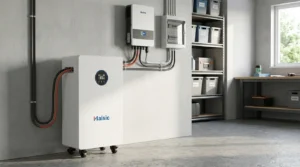
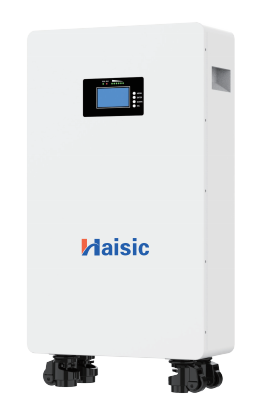
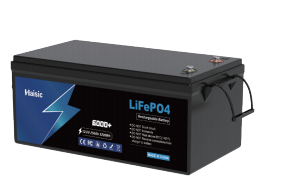
Hardware is only as safe as the software controlling it. Advanced battery management system integration is non-negotiable for fire-safe battery energy storage. The BMS must provide real-time cell balancing, rapid fault detection, and thermal runaway prevention. For high-voltage setups, systems like our Haisic 512V 20kWh LiFePO4 energy storage system rely on active multi-level BMS protection to guarantee absolute operational safety, even under maximum load conditions.
Cycle Life and Warranty Benchmarks
Commercial energy storage solutions are heavy investments, and you need guaranteed longevity to secure your ROI.
- Cycle Life: Expect 6,000 to 8,000 cycles minimum for standard LFP cells before dropping to 70% capacity.
- Warranties: Look for comprehensive 10-year performance warranties. A top-tier professional Energy Storage System company will confidently back their degradation curves with hard testing data.
Supply Chain Transparency and Raw Material Sourcing
ly, dig into their raw material sourcing. We ensure our supply chain is completely transparent, from raw lithium extraction to the finished battery packs. Knowing exactly where components originate protects you from sudden market shortages and proves that your Battery Energy Storage System manufacturer has the stability to meet tight delivery schedules year-round.
Safety, Reliability, and Compliance Standards
As a professional Energy Storage System manufacturer, we know that safety and long-term reliability are non-negotiable. Building trust in the global market means delivering systems that perform securely under any condition, every single day.
Fire Suppression and Multi-Layer Protection
Delivering fire-safe battery energy storage requires a rigorous defense-in-depth approach. We engineer protection at every structural level to prevent, detect, and isolate potential hazards.
- Cell-Level Safety: We utilize highly stable chemistries that inherently resist thermal runaway, keeping the core foundation secure.
- Pack-Level Control: Advanced Battery Management Systems (BMS) constantly monitor voltage, current, and temperature. For example, our Haisic 48V 100Ah LiFePO4 rack-mounted battery packs feature integrated thermal safeguards and active balancing to stop anomalies before they escalate.
- System-Level Suppression: Our commercial and utility systems are equipped with automated, fast-acting fire detection and suppression systems (such as clean agent gas or aerosol) to instantly neutralize risks and isolate compromised sectors.
Meeting Global Regulatory Expectations
Grid rules, fire codes, and safety mandates vary significantly across the US, EU, and APAC regions. We design our architectures to seamlessly adapt to these diverse regulatory landscapes. As a recognized IEC UL certified ESS producer, our equipment is built to pass local inspections without friction, ensuring you avoid costly deployment delays and compliance roadblocks.
Third-Party Testing Protocols
Failure prevention means validating our designs through brutal, independent verification. We put our hardware through strict third-party testing to guarantee real-world resilience:
- Thermal Runaway Propagation: Ensuring a localized cell failure cannot spread to neighboring modules.
- Environmental Stress Testing: Validating performance against extreme temperature swings, high humidity, and salt mist exposure.
- Mechanical Abuse: Conducting drop, crush, and heavy vibration tests to simulate harsh transit and installation conditions.
Partnering with a dedicated professional Energy Storage System factory ensures your high-voltage projects are protected by proven engineering and backed by documented safety metrics.
Scalability, Customization, and Project Delivery
Scaling Commercial to Utility Projects
Transitioning from mid-sized commercial energy storage solutions to massive utility-grade setups isn\’t just about throwing more batteries into a yard. As a professional Energy Storage System manufacturer, we design modular platforms that grow directly with your energy demands. Whether you are managing a localized microgrid or developing a massive grid-scale BESS factory deployment, our architecture makes capacity expansion seamless. By utilizing adaptable setups like our high-voltage stackable energy storage battery, project developers can easily scale up their energy reserves without overhauling their entire infrastructure.
Turnkey BESS Integration
Every project site has its own set of environmental and electrical challenges. A reliable professional Energy Storage System factory doesn\’t just ship hardware; we deliver full turnkey integration and site-specific engineering. We take on the complex design work to ensure the system fits your exact operational footprint and local grid requirements.
- Site-Specific Engineering: Designing custom layouts that optimize spatial footprints and thermal management for extreme climates.
- Seamless Hardware Sync: Ensuring flawless battery management system integration with your existing inverters and power conversion systems.
- Complete OEM Adaptability: Operating as your dedicated custom energy storage OEM factory to build a system that meets unique, non-standard project specifications.
Fast-Track Delivery & Commissioning
Project delays drain budgets, which is why a leading utility-scale energy storage provider must prioritize speed without sacrificing safety. We deploy fast-track delivery and commissioning models to get your power online rapidly. By handling the rigorous testing and integration inside our own professional Energy Storage System assembly plant, we heavily reduce the time spent troubleshooting in the field.
- Pre-Assembled Delivery: Containerized modular units arrive on-site fully integrated and ready to drop onto their concrete pads.
- Pre-Configured Software: Internal communications, inverters, and fire suppression systems are tuned before shipping to drastically speed up final commissioning.
- Predictable Global Logistics: Streamlined supply chains ensure that even high-volume orders hit your project milestones exactly on time.
The Haisic Advantage: Your Professional Energy Storage System Manufacturer
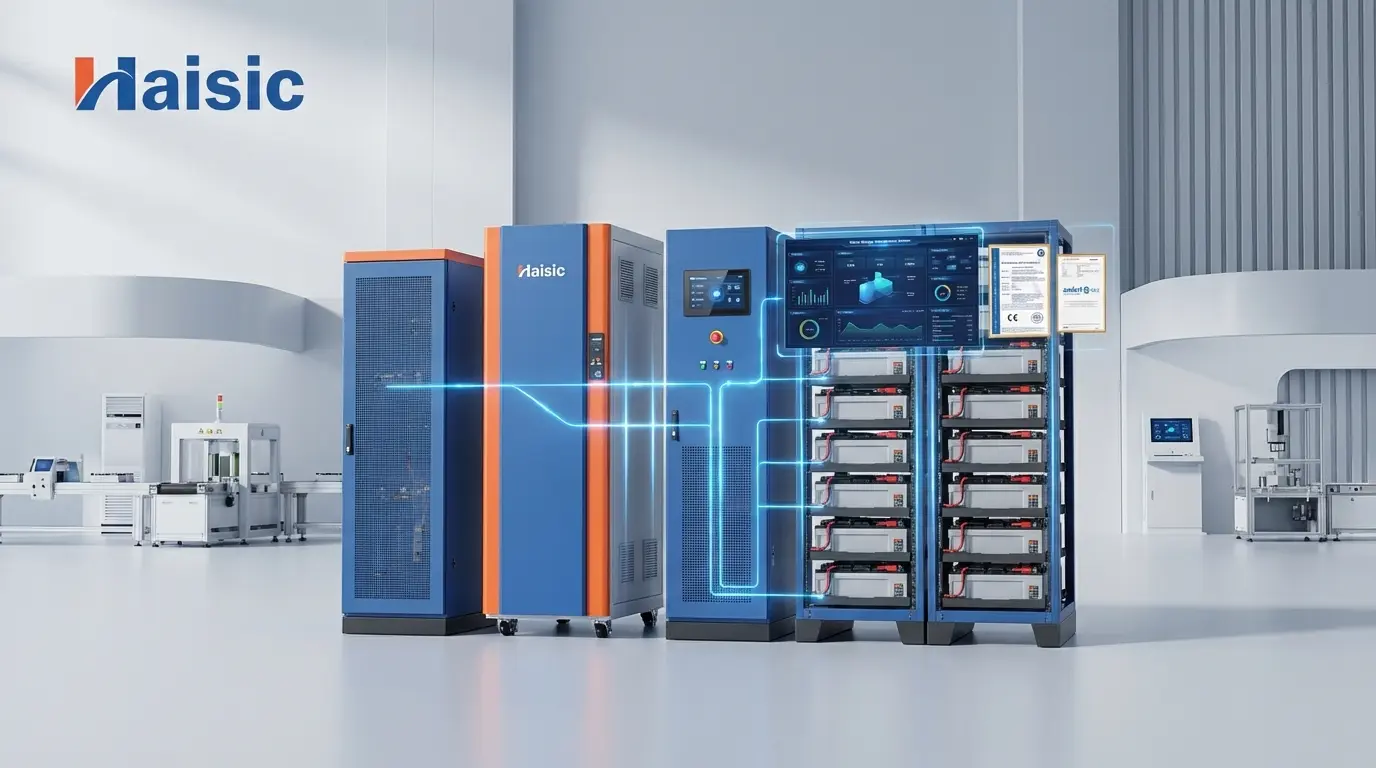
When you partner with us, you aren\’t just buying hardware. You are teaming up with a professional Energy Storage System manufacturer that controls every step of the process. We built Haisic to deliver reliable, high-voltage energy storage systems directly from our factory to your commercial or utility site, cutting out the guesswork.
Our Fully Owned Production Lines
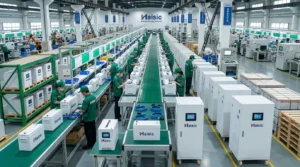
We operate our own state-of-the-art manufacturing facilities. This means no middlemen, no outsourced assembly shortcuts, and absolute control over production schedules. As a direct professional Energy Storage System supplier, we guarantee build quality right at the source, allowing us to scale production exactly to your project\’s demands.
LFP Cell-to-System Vertical Integration
We manage everything from the core lithium iron phosphate cells up to the complete battery management system integration. This vertical approach ensures that when you are sourcing the best battery for solar power storage, you get a highly synchronized unit where the hardware and software are engineered specifically for one another.
Rigorous In-House Testing Protocols
Our commercial energy storage solutions do not leave the floor until they pass brutal testing phases. We simulate extreme grid events, aggressive thermal stress, and heavy daily cycling in our own labs to make sure your containerized energy storage operates flawlessly in the real world.
Dedicated Technical Support and After-Sales Service
A reliable professional Energy Storage System factory stands by its products for the entire lifecycle. We do not disappear after commissioning. Our engineering team provides hands-on, rapid-response technical support. Knowing you have our direct backing is a crucial factor when evaluating your total long-term battery storage price and overall ROI.
Core Partnership Benefits
| Haisic Advantage | Project Impact |
|---|---|
| Direct Factory Ownership | Faster deployment, stricter quality control, and zero middleman markups. |
| Complete Vertical Integration | Flawless cell-to-system compatibility using proven, fire-safe LFP technology. |
| Extreme In-House Testing | Guaranteed reliability and compliance for demanding grid-scale applications. |
| Direct Engineering Support | Uninterrupted operational uptime with fast, direct-from-manufacturer troubleshooting. |
Real-World BESS Applications and Outcomes
As a professional Energy Storage System manufacturer, we know that hardware specs only matter if they perform in the field. Across the global market, our systems are put to the test daily to solve complex power challenges. Here is how our technology translates into actual results.
Utility Grid Stabilization
Grid operators require massive, dependable power to prevent blackouts and manage frequency drops.
- Rapid Response: Our containerized BESS units discharge in milliseconds to instantly balance grid supply and demand.
- Proven Success: Operating as a utility-scale energy storage provider, we have deployed large-scale systems that successfully keep regional grids stable during severe weather events and extreme usage spikes.
Industrial Peak Shaving
Heavy manufacturing plants face massive utility bills driven by peak demand charges. Executing a smart battery energy storage procurement strategy directly eliminates this financial drain.
- Cost Reduction: Industrial facilities draw power from the battery during expensive peak hours rather than pulling from the grid.
- Continuous Production: High-voltage energy storage systems guarantee that factory lines never stall during brief power sags, protecting revenue and equipment.
Commercial Microgrids
Businesses are taking ownership of their power relying on our commercial energy storage solutions.
- Renewable Firming: Solar generation fluctuates. Our LFP battery storage systems capture excess clean energy and release it consistently, transforming unpredictable renewables into firm, reliable power.
- True Independence: By integrating a dependable BESS with on-site solar, commercial properties operate fully independent microgrids, locking in long-term energy costs and completely avoiding grid outages.
Common Sourcing Pitfalls and Solutions
As a professional Energy Storage System manufacturer, we frequently see buyers make the same critical mistakes when selecting a BESS supplier. Sourcing complex energy infrastructure requires looking past the initial price tag to evaluate the actual reliability of the hardware and the company standing behind it. Here is how to navigate the most common traps in the market.
Spotting Hidden Quality Gaps
A low initial quote usually means cut corners. Many unverified BESS suppliers use B-grade LFP cells, outdated Battery Management Systems (BMS), or patch together mismatched components from third parties.
To spot these hidden defects:
- Inspect the cells: Demand cycle life data and factory testing logs to ensure you are getting A-grade, new lithium iron phosphate cells—not recycled stock.
- Check integration capabilities: A reliable professional Energy Storage System supplier handles cell-to-system integration in-house, ensuring the BMS and thermal management systems communicate flawlessly.
- Audit the factory: Verify whether you are dealing with a direct factory or just a trading company passing off standard products as custom energy storage OEM solutions.
Avoiding Certification Shortcuts
Compliance is never optional, especially for fire-safe battery energy storage. We often see vendors market their systems as \”designed to UL standards\” instead of actually holding the official certificates. That phrasing is a massive red flag.
- Demand hard proof: Always request the actual UL 9540A, IEC, CE, and UN38.3 test reports. Do not trust an unverified logo on a spec sheet.
- Verify system-level scope: Ensure the certification covers the complete, fully assembled unit—such as a 100kWh containerized battery energy storage system—rather than just the individual battery cells inside it.
Ensuring Long-Term Post-Sale Support
Commercial energy storage solutions are built to operate for 10 to 15 years. Buying from a white-label vendor or a short-term assembler often leaves you completely stranded when firmware needs updating, or a modular component fails in year three.
You need a partner, not just a vendor. Work directly with a grid-scale BESS factory that maintains a dedicated engineering team for fast troubleshooting. Make sure your contract includes a bankable warranty backed by actual manufacturing assets, transparent raw material sourcing, and a proven track record of long-term technical support.
Frequently Asked Questions
What certifications should a professional BESS manufacturer hold?
A reliable professional Energy Storage System manufacturer must maintain strict global safety and performance standards. Look for UL 9540A (thermal runaway testing), IEC 62619 (safety), CE for European markets, and UN38.3 for safe transportation. NFPA 855 compliance is also critical for US installations.
How long is the typical warranty on utility-grade systems?
For commercial and utility-scale projects, standard warranties range from 10 to 15 years. This usually includes a performance guarantee covering 6,000 to 8,000 cycles while retaining at least 70% of the original capacity.
Can manufacturers provide custom OEM/ODM solutions?
Absolutely. As a dedicated custom energy storage system manufacturer, we adapt enclosure designs, battery capacities, and software integration to fit specific site requirements. True professional energy storage system factories handle everything from white-labeling to full, ground-up engineering.
What is the difference between LFP and NMC for commercial projects?
LFP energy storage (Lithium Iron Phosphate) dominates the commercial market because it is inherently safer, highly resistant to thermal runaway, and offers a much longer cycle life. NMC (Nickel Manganese Cobalt) provides higher energy density but degrades faster and carries higher fire risks, making LFP the standard for grid-scale operations.
How do professional manufacturers ensure fire safety?
Leading BESS suppliers implement multi-layer safety architectures. This includes:
- Cell-level monitoring via advanced Battery Management Systems (BMS).
- Active liquid cooling for uniform temperature control.
- Integrated aerosol or water-based fire suppression systems.
- Physical isolation barriers between battery modules.
What lead times can be expected in 2026?
Standard commercial systems typically require 3 to 6 months for delivery. However, vertically integrated professional Energy Storage System producers that manufacture their own cells and enclosures can often fast-track orders and bypass typical supply chain bottlenecks.
How to verify a manufacturer’s real production capacity?
Never rely on a brochure alone. To confirm you are dealing with a real factory and not just a trading company, request a live virtual tour of their facility. Check their ISO 9001/14001 certifications, review their automated production lines, and ask for case studies detailing actual MWh or GWh deployments.