

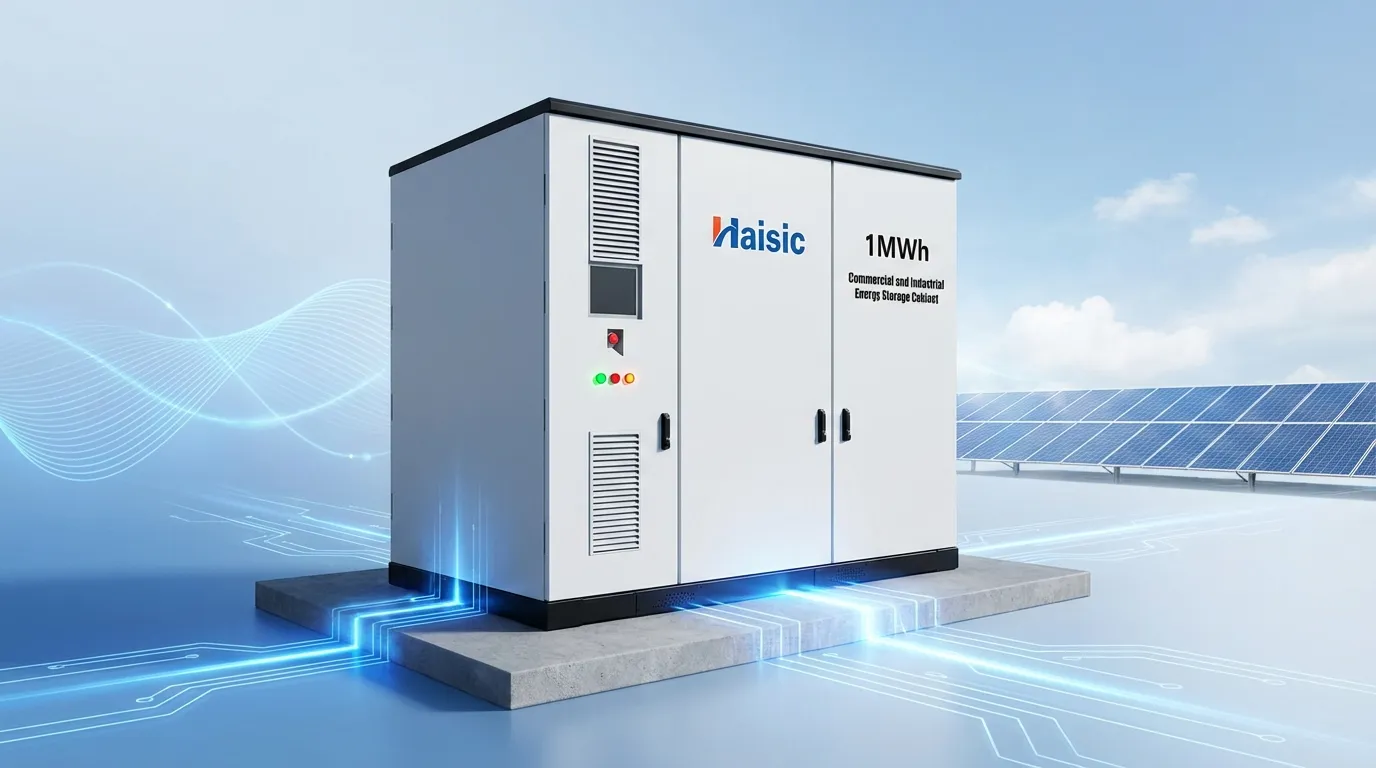
The Anatomy of a Utility-Scale BESS
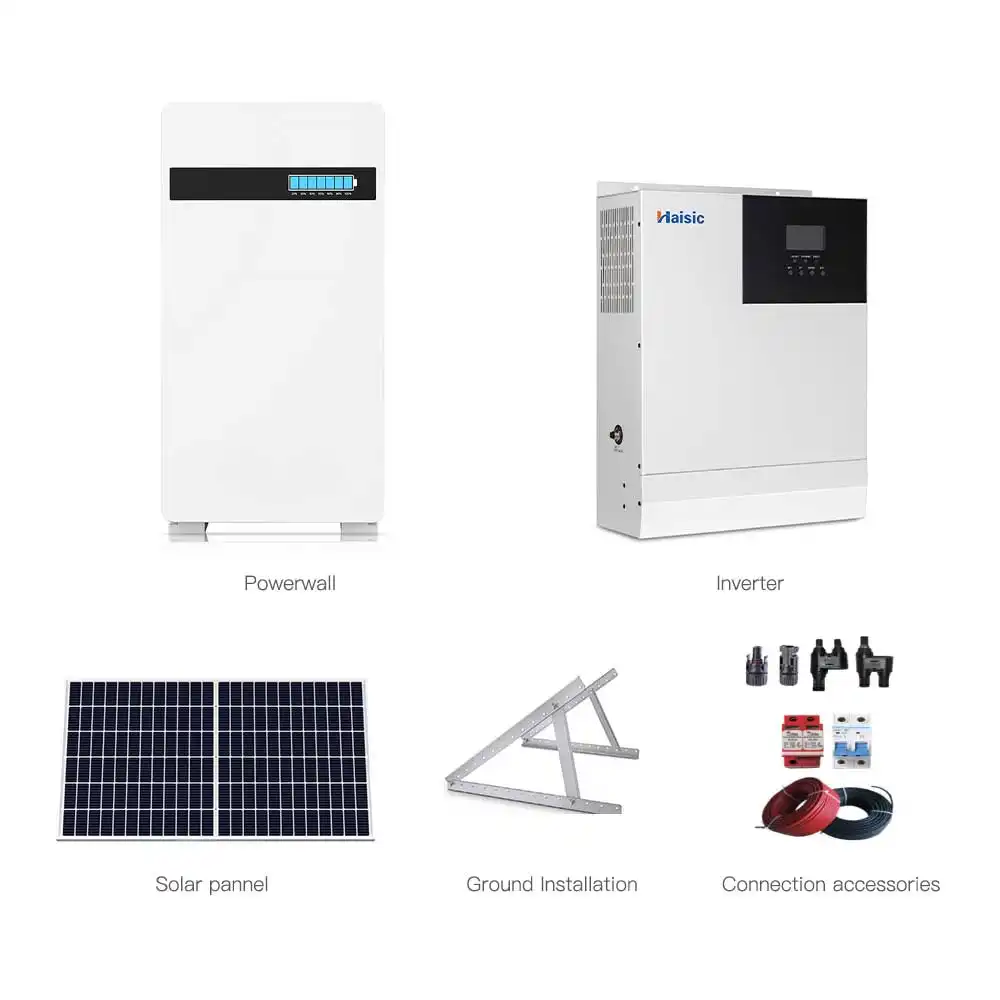
A large scale battery energy storage system is far more than just a collection of batteries in a box. It is a sophisticated, integrated ecosystem designed to handle massive power loads while maintaining grid stability. At Haisic, we engineer our systems by harmonizing four critical subsystems, ensuring that every kilowatt-hour stored is managed safely and deployed efficiently.
The Battery Cell & Chemistry: Why LFP Beats NMC
The core of any storage solution is the chemistry. While Nickel Manganese Cobalt (NMC) has high density, we prioritize Litowo-żelazowo-fosforanowy (LFP) for our utility-scale BESS architecture. LFP offers superior thermal stability, significantly reducing the risk of fire compared to other lithium-ion chemistries.
- Bezpieczeństwo: LFP is highly resistant to thermal runaway.
- Długowieczność: Delivers a longer cycle life (often exceeding 10-15 years) compared to NMC.
- Zrównoważony rozwój: Avoids the supply chain volatility associated with cobalt.
The Brain: Battery Management System (BMS)
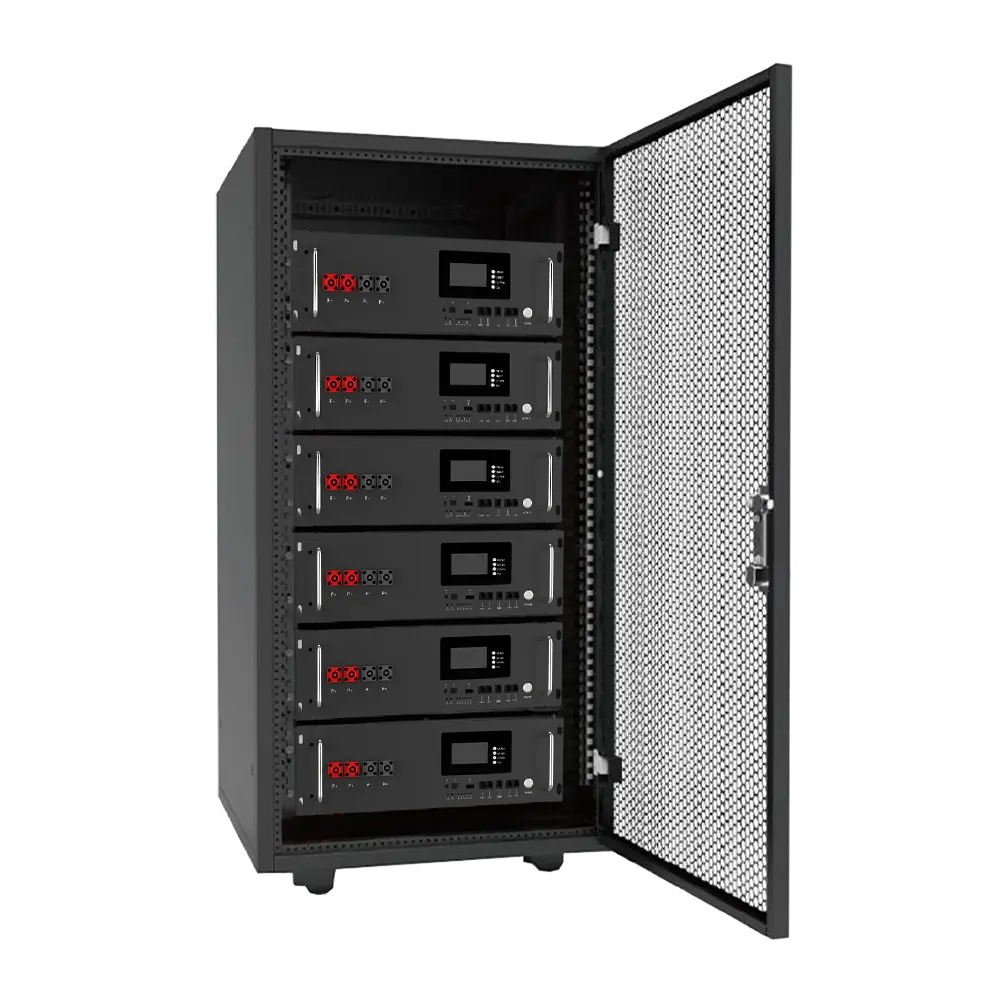
Ta System Zarządzania Akumulatorami (BMS) is the intelligence behind the operation. It provides continuous, cell-level monitoring to ensure the system operates within safe parameters.
- Real-time Monitoring: Tracks voltage, current, and temperature at the cell and module level.
- Balancing: Equalizes the charge across cells to maximize capacity and lifespan.
- Ochrona: Instantly isolates modules if it detects anomalies, preventing thermal events before they start.
The Muscle: Power Conversion System (PCS)
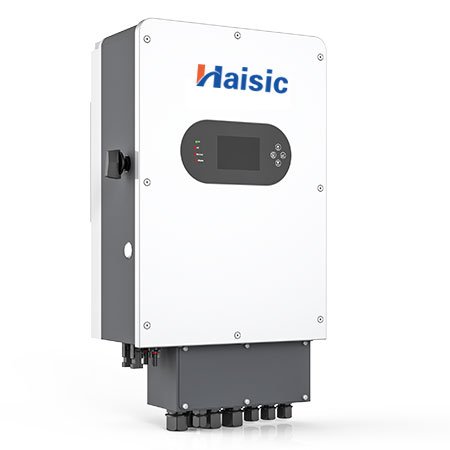
If the batteries are the heart, the System konwersji energii (PCS) is the muscle. This bidirectional inverter converts the Direct Current (DC) stored in the bankami baterii litowych into the Alternating Current (AC) required by the grid, and vice versa. Our high-performance inverters ensure seamless grid interaction, enabling functions like frequency regulation and voltage support.
Thermal Management Systems: Liquid vs. Air Cooling
Maintaining optimal operating temperatures is non-negotiable for performance and safety. We utilize advanced thermal management to dissipate heat generated during rapid charge and discharge cycles.
- Chłodzenie powietrzem: Effective for smaller systems but can struggle with high-density setups.
- Chłodzenie cieczą: Our preferred method for large scale battery energy storage systems. It offers superior heat transfer efficiency, keeping cells at a uniform temperature to extend battery life and ensure consistent power output.
Core Applications and Economic Use Cases
Inwestowanie w large scale battery energy storage system is rarely just about sustainability; for most of our clients, it is a strategic financial decision driven by ROI and operational security. These systems transform energy from a fixed cost into a manageable asset.
Kształtowanie szczytów zużycia i przesuwanie zapotrzebowania
Dla Commercial and Industrial (C&I) energy storage users, the most significant savings often come from managing demand charges. Utility companies charge premiums based on your highest usage interval. Strategie ograniczania szczytowego zużycia utilize the battery to discharge energy during these high-demand periods, effectively \”shaving\” the spike and lowering the bill.
Simultaneously, load shifting allows businesses to charge the batteries when electricity prices are low (off-peak) and discharge them when prices are high. Deploying a high-voltage komercyjny system magazynowania energii automates this arbitrage, maximizing the value of every kilowatt-hour.
Renewable Integration: Smoothing the Duck Curve
Solar power production peaks at noon, but energy consumption often peaks in the evening. This mismatch creates the \”Duck Curve.\” Renewable energy integration (Solar + Storage) cURL Too many subrequests.
cURL Too many subrequests.
cURL Too many subrequests.
- cURL Too many subrequests. cURL Too many subrequests.
- cURL Too many subrequests. cURL Too many subrequests.
cURL Too many subrequests.
cURL Too many subrequests. cURL Too many subrequests., cURL Too many subrequests. system zapasowego zasilania baterią litową cURL Too many subrequests.
cURL Too many subrequests.
cURL Too many subrequests. large scale battery energy storage system, cURL Too many subrequests.
cURL Too many subrequests.
cURL Too many subrequests. cURL Too many subrequests. cURL Too many subrequests.
- cURL Too many subrequests. cURL Too many subrequests.
- Zarządzanie termiczne cURL Too many subrequests.
- Gaszenie pożarów: cURL Too many subrequests. rozwiązania magazynowania energii w kontenerach cURL Too many subrequests.
cURL Too many subrequests.
cURL Too many subrequests. UL 9540, cURL Too many subrequests.
cURL Too many subrequests. 1MWh system kontenerowy magazynowania energii ESS zasilanego energią słoneczną cURL Too many subrequests.
cURL Too many subrequests.
Podczas inwestowania w large scale battery energy storage system, cURL Too many subrequests.
cURL Too many subrequests.
cURL Too many subrequests. rozwiązania magazynowania energii w kontenerach, cURL Too many subrequests.
- cURL Too many subrequests. cURL Too many subrequests.
- cURL Too many subrequests. cURL Too many subrequests.
- cURL Too many subrequests. cURL Too many subrequests. cURL Too many subrequests. cURL Too many subrequests.
Flexible Capacity and Expansion
Dla Commercial and Industrial (C&I) energy storage, future-proofing is essential. You might start with a system designed strictly for peak shaving, but eventually need to expand for backup power or increased renewable integration.
- Rack-Level Expansion: We can add individual battery modules or entire racks to existing containers without overhauling the main infrastructure.
- Scalable Architecture: This allows businesses to scale up their storage capacity as they understand the różnicy między systemem solarnym a systemem solarnym z magazynem energii and decide to increase their energy independence.
- Cost Efficiency: You only pay for the capacity you need today, retaining the option to upgrade tomorrow without wasted investment.
Selecting the Right Manufacturer
Podczas inwestowania w large scale battery energy storage system, the partner you choose is just as critical as the technology itself. We prioritize manufacturers who understand the entire energy ecosystem, ensuring that the hardware and software communicate seamlessly for maximum efficiency.
The Value of Vertical Integration
Supply chain control is a major indicator of reliability. A manufacturer that oversees the integration of the Battery Management System (BMS), Power Conversion System (PCS), and the battery packs ensures tighter quality control. This vertical approach minimizes compatibility issues between components and streamlines the deployment of our rozwiązań magazynowania energii na poziomie komercyjnym. When the \”brain\” (EMS) and the \”muscle\” (PCS) are built to work together from the start, system stability improves significantly.
Customization: Tailoring to Project Specs
One size rarely fits all in the energy sector. We look for partners who offer:
- Voltage and Capacity Flexibility: Systems must be tailored to meet specific load requirements, whether for peak shaving at a manufacturing plant or grid support for a utility.
- Architektura modułowa: The design should allow us to scale up racks and modules easily without a complete infrastructure overhaul.
Long-Term Support and O&M
With a typical system lifespan of 10 to 15 years, the relationship with the manufacturer is a long-term commitment. Robust warranty structures and reliable Operations & Maintenance (O&M) services are non-negotiable. We ensure the manufacturer stands behind the safety features, such as thermal management and fire suppression systems, guaranteeing performance and safety throughout the entire operational life of the project.
Frequently Asked Questions About Large Scale BESS
What is the typical ROI for a commercial battery energy storage system?
Return on investment varies depending on your local utility rates and how aggressively you manage your power. The biggest financial gains come from strategie redukcji szczytów zapotrzebowania and load shifting. By discharging stored energy during times of high demand—when electricity prices skyrocket—you can drastically reduce monthly demand charges. While the initial setup is an investment, the system pays for itself by optimizing your energy consumption and lowering operational costs over its 10 to 15-year lifespan.
How does LFP chemistry differ from NMC in utility applications?
Stawiamy na pierwszym miejscu cURL Too many subrequests. for large-scale projects because it offers a distinct advantage over NMC (Nickel Manganese Cobalt). LFP is known for superior thermal stability, meaning the risk of thermal runaway is significantly lower. Additionally, LFP batteries provide a longer cycle life, allowing for more frequent charging and discharging without rapid degradation. This makes domowego systemu magazynowania energii LiFePO4 technology the preferred choice for reliability and safety in stationary storage.
What maintenance is required for containerized energy storage?
Modern systems are designed to be low-touch. The Battery Management System (BMS) optimization acts as the brain, constantly monitoring cell health, voltage, and temperature to prevent issues before they happen. Routine maintenance is generally minimal and focuses on:
- Thermal Systems: Checking that cooling fans or liquid cooling loops are free of debris.
- Connection Integrity: Inspecting the System konwersji energii (PCS) and cabling.
- Safety Checks: Verifying that fire suppression systems and emergency shut-offs are fully operational.