

Understanding Cost Drivers: Why is Racking Expensive?
Odnalezienie cheapest ground mount solar racking system starts with understanding exactly where your money goes. It’s not just about buying metal bars; you are paying for durability against the elements. If you strip away the marketing, the price tag usually comes down to three main factors: raw materials, engineering safety, and how you stick it into the ground.
Material Volatility: Aluminum vs. Galvanized Steel
The biggest chunk of your budget is the metal itself. Prices fluctuate wildly based on global supply chains.
- cURL Too many subrequests. Lightweight and naturally corrosion-resistant. It’s easier to ship and install but often carries a higher price per pound.
- Galvanized Steel: The heavy-duty budget king. It is significantly cheaper and stronger than aluminum, making it ideal for large DIY solar ground mount plans, but it is heavier to transport and harder to cut on-site.
Structural Integrity: Engineering for Wind and Snow Load
You aren\’t just building a shelf; you are building a sail. Cheap racking fails because it ignores physics. A proper system must withstand:
- Wind Uplift: High winds try to rip panels off the ground.
- Snow Load: Heavy wet snow can crush under-engineered rails.
- Cost Impact: Higher safety ratings require thicker steel and deeper foundations, driving up the cost per watt of solar racking.
Foundation Types: Concrete Piers vs. Ground Screws vs. Driven Piles
The interface between your rack and the earth is a major hidden cost.
- cURL Too many subrequests. The classic DIY route. It’s labor-intensive (digging holes, mixing cement) but materials are cheap and locally available.
- Ground Screws: Faster than concrete but requires specialized equipment or expensive screws.
- Driven Piles: Standard for commercial farms. It involves pounding steel beams directly into the soil. It\’s fast but usually requires heavy machinery that kills the budget for small residential projects.
Tier 1: The DIY Pipe and Lumber Approach
For the absolute cheapest ground mount solar racking system, many builders turn to raw materials found at the local hardware store rather than buying a pre-packaged kit. This \”Tier 1\” approach is strictly for those willing to put in the sweat equity to design and build from scratch. It relies heavily on standard construction materials that are readily available globally, bypassing expensive shipping fees for specialized aluminum rails.
Using Schedule 40 Steel Pipe for Rigid Support
The backbone of most heavy-duty DIY racks is Schedule 40 steel pipe. Unlike thin-walled tubing, Schedule 40 is thick, rigid, and widely accepted by building codes for structural applications. It is the gold standard for a reason: it resists bending under heavy snow loads and high winds better than almost any other budget material.
When you source this locally, you avoid the massive freight charges associated with shipping 20-foot rails. You can often find galvanized steel solar structure components at local metal yards or plumbing suppliers. By using standard pipe sizes (usually 2-inch or 3-inch), you can also utilize generic pipe fittings and clamps rather than proprietary solar hardware, significantly lowering the cost per watt.
Pros and Cons of Pressure-Treated Lumber
cURL Too many subrequests.
- Zalety:
- cURL Too many subrequests.
- cURL Too many subrequests.
- cURL Too many subrequests.
- Wady:
- cURL Too many subrequests. cURL Too many subrequests.
- Utrzymanie: cURL Too many subrequests.
- cURL Too many subrequests. cURL Too many subrequests.
cURL Too many subrequests.
cURL Too many subrequests.
cURL Too many subrequests. baterii LiFePO4 do magazynowania energii słonecznej cURL Too many subrequests.
cURL Too many subrequests.
cURL Too many subrequests.
cURL Too many subrequests.
cURL Too many subrequests. cheapest ground mount solar racking system cURL Too many subrequests.
cURL Too many subrequests.
cURL Too many subrequests.
- cURL Too many subrequests. cURL Too many subrequests.
- cURL Too many subrequests. cURL Too many subrequests.
- cURL Too many subrequests. cURL Too many subrequests.
cURL Too many subrequests.
cURL Too many subrequests.
cURL Too many subrequests.
| Komponent | cURL Too many subrequests. | cURL Too many subrequests. |
|---|---|---|
| cURL Too many subrequests. | cURL Too many subrequests. | cURL Too many subrequests. |
| cURL Too many subrequests. | cURL Too many subrequests. | cURL Too many subrequests. |
| cURL Too many subrequests. | cURL Too many subrequests. | cURL Too many subrequests. |
| cURL Too many subrequests. | cURL Too many subrequests. | cURL Too many subrequests. |
cURL Too many subrequests.
cURL Too many subrequests.
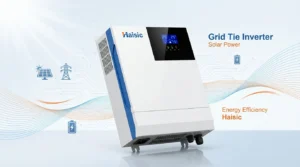
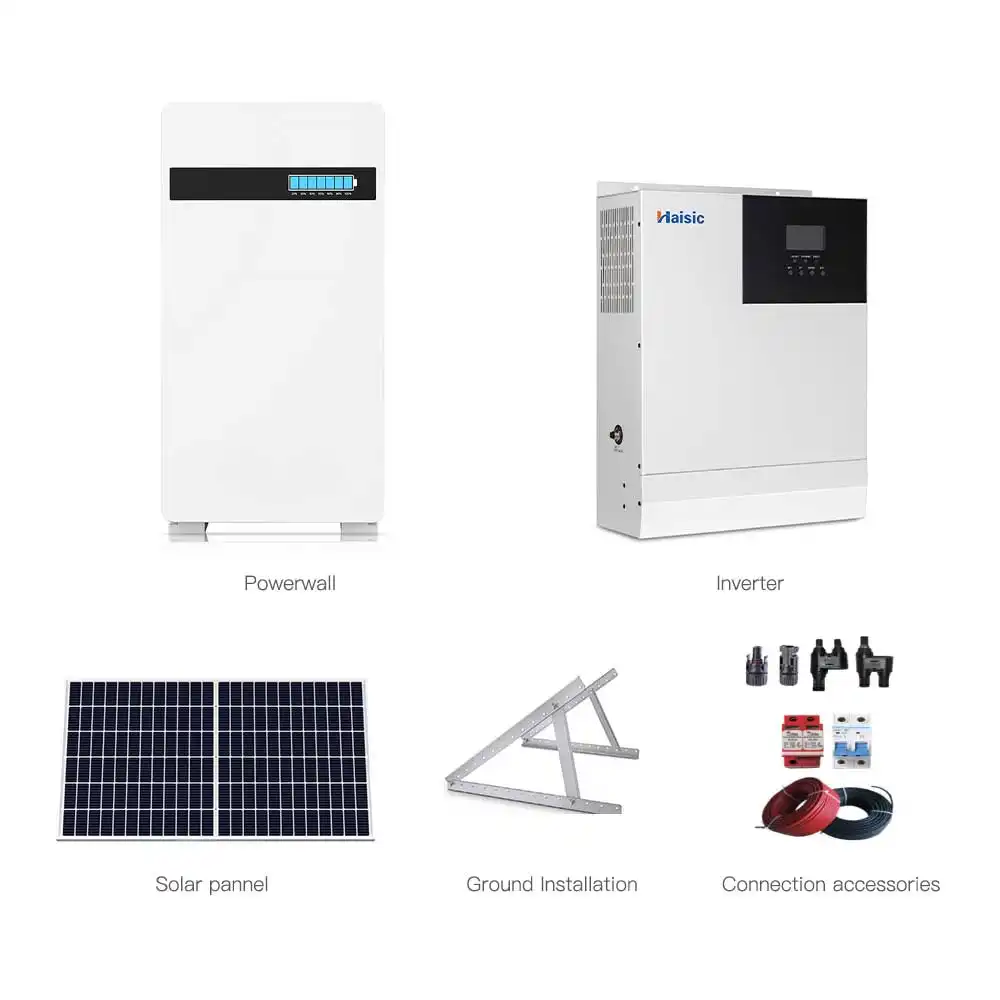
By utilizing a universal clamp system, you are only shipping the lightweight aluminum components and small hardware boxes. The heavy structural elements are sourced within driving distance of your installation site. This approach drastically cuts down on freight costs, making it a top contender for the cheapest ground mount solar racking system available today. Once you have saved on these structural costs, you might consider reinvesting those funds into a bulk energy storage system to maximize the utility of the power you generate.
Tier 3: Pre-Fabricated Budget Kits
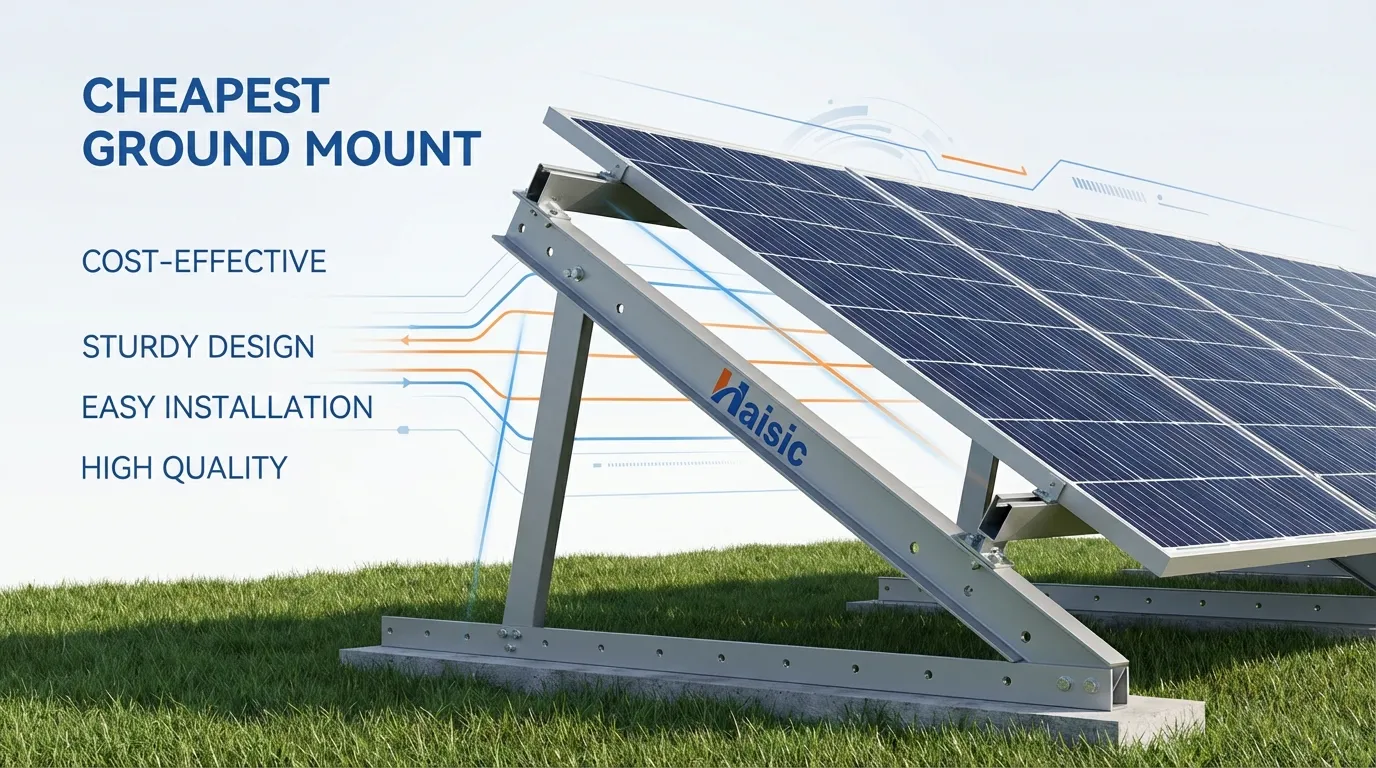
If you aren\’t interested in sourcing raw steel pipe or cutting lumber, pre-fabricated kits are often the most practical route to the cheapest ground mount solar racking system that still looks professional. These systems typically utilize aluminum A-frame structures that are pre-drilled and engineered to snap or bolt together quickly. Unlike the DIY pipe method, you don\’t need to be a fabrication expert; it is essentially the \”flat-pack furniture\” approach to solar infrastructure.
Low-Cost Imported Aluminum Structures
Many of these budget kits are imported, utilizing anodized aluminum rails and legs. This material choice offers a significant advantage over galvanized steel in terms of weight and ease of handling.
- Corrosion Resistance: Aluminum naturally resists rust without needing heavy galvanization.
- Ease of Assembly: One person can often lift and position the main beams, whereas steel usually requires two people or machinery.
- Integrated Hardware: Most kits come with the specific solar panel mounting brackets and grounding clips included, saving you trips to the hardware store.
The Hidden Costs of Freight Shipping
While the sticker price on these off-grid solar mounting kits can be incredibly low, the logistics can kill your budget. The primary issue is the length of the rails.
- Oversized Freight: Shipping 10-foot or 12-foot rails often triggers \”oversized\” freight charges that can cost as much as the racking itself.
- The Workaround: To keep this truly cheap, look for kits that use spliced rails (shorter sections joined together) or systems that allow you to source the long rails locally while shipping only the clamps and legs.
Best Value for Time-Sensitive Installations
If your time is worth money, these kits often beat the raw material approach. You are paying a slight premium for engineering convenience, but you save days of labor. There is no cutting, no drilling into thick steel pipe, and no guesswork regarding structural alignment. Once the frame is bolted down, you are ready to mount panels and connect your grid-tie solar inverter immediately. For projects where you need the array operational in a single weekend, a pre-fab aluminum kit provides the best balance of speed and cost.
Top Strategies to Slash Solar Racking Costs
Odnalezienie cheapest ground mount solar racking system isn\’t just about picking the lowest sticker price on a website; it\’s about smart procurement and strategic design choices. I\’ve seen projects go over budget simply because the installer bought everything as a pre-packaged kit rather than sourcing components intelligently. Here is how you can significantly reduce your overhead without compromising structural integrity.
Buying Steel Tubing from Local Metal Yards
One of the biggest hidden costs in solar racking is shipping heavy steel pipes. When you buy a complete kit online, you are paying a premium for the convenience of having standard lengths of pipe shipped to your door. Instead, you should source your Schedule 40 or Schedule 80 steel pipe from local metal yards or industrial plumbing suppliers.
Local suppliers often sell the exact same galvanized steel tubing used in high-end racking systems for a fraction of the cost because you aren\’t paying for cross-country freight. By purchasing the clamps and rail attachments online but getting the heavy structural pipe locally, you can cut your total hardware costs by 30-40%. This approach works perfectly with universal clamp systems that are designed to fit standard pipe diameters.
cURL Too many subrequests.
cURL Too many subrequests.
- cURL Too many subrequests. cURL Too many subrequests.
- cURL Too many subrequests. cURL Too many subrequests.
cURL Too many subrequests.
cURL Too many subrequests. cost per watt of solar racking. cURL Too many subrequests.
cURL Too many subrequests.
cURL Too many subrequests.
cURL Too many subrequests.
cURL Too many subrequests. cURL Too many subrequests. cURL Too many subrequests.
cURL Too many subrequests.
cURL Too many subrequests. cheapest ground mount solar racking system, cURL Too many subrequests.
cURL Too many subrequests.
cURL Too many subrequests.
- Galvanized Steel: cURL Too many subrequests.
- cURL Too many subrequests. cURL Too many subrequests.
- cURL Too many subrequests. cURL Too many subrequests.
cURL Too many subrequests.
cURL Too many subrequests.
cURL Too many subrequests.
- cURL Too many subrequests. cURL Too many subrequests.
- Snow Load: cURL Too many subrequests.
- cURL Too many subrequests. cURL Too many subrequests.
cURL Too many subrequests.
cURL Too many subrequests.
cURL Too many subrequests. bateria do domowego magazynowania energii cURL Too many subrequests.
| Funkcja | cURL Too many subrequests. | cURL Too many subrequests. | Dlaczego ma to znaczenie |
|---|---|---|---|
| cURL Too many subrequests. | cURL Too many subrequests. | cURL Too many subrequests. | cURL Too many subrequests. |
| cURL Too many subrequests. | \”Looks sturdy enough\” | PE Stamped / Rated for 100+ mph | Prevents catastrophic failure during storms. |
| Tilt | Fixed Angle | Seasonal Adjustability | Increases annual output by 5-10%, critical for off-grid. |
Maximizing Your ROI with Energy Storage
When you successfully navigate the market to find the cheapest ground mount solar racking system, you aren\’t just saving a few dollars on metal pipes and screws; you are unlocking capital that can be deployed where it matters most. The real return on investment (ROI) in a modern solar setup doesn\’t come from the aluminum holding the panels up—it comes from the ability to store and use that energy when the sun isn\’t shining.
Reinvesting Racking Savings into High-Capacity Batteries
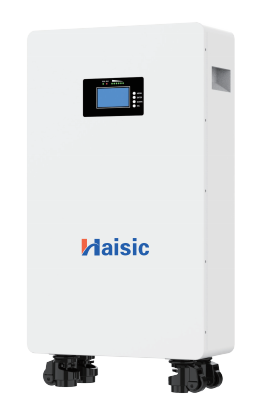
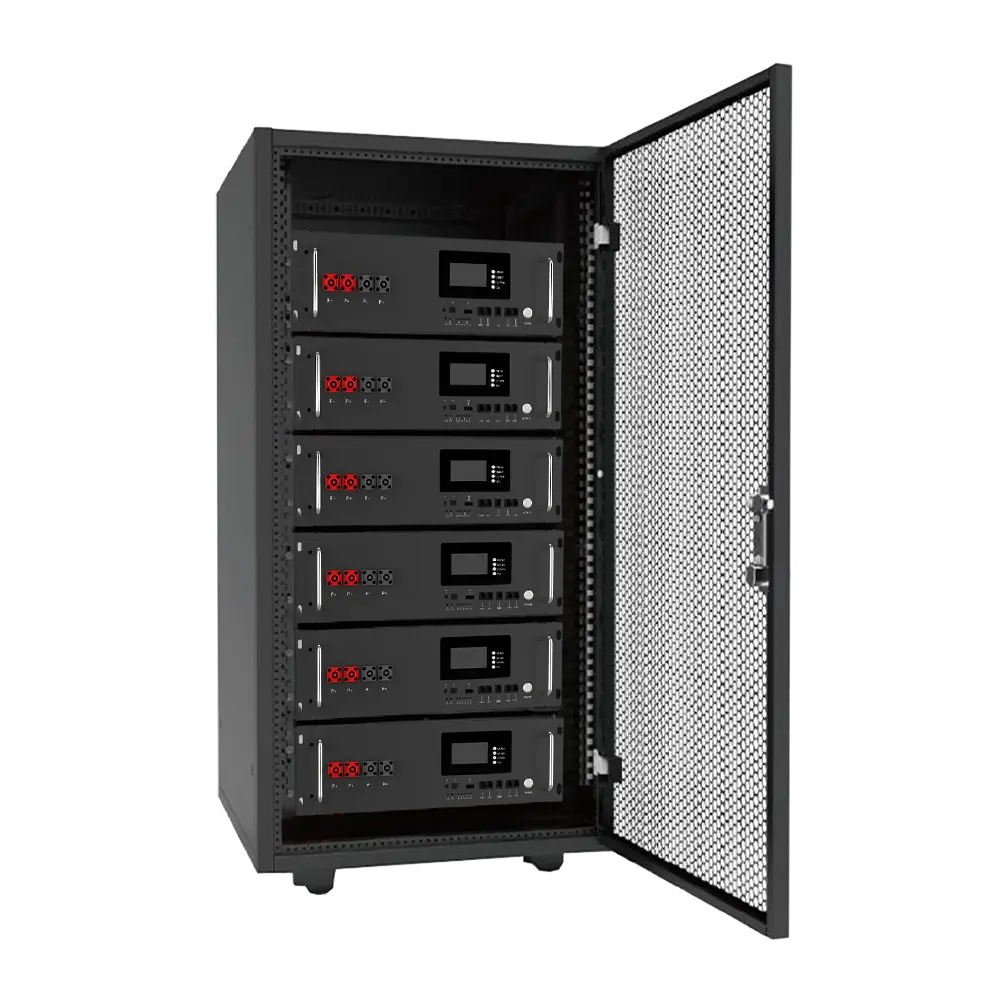
Every dollar saved on structural components is a dollar that can be shifted toward energy independence. If you manage to shave $1,000 or $2,000 off your installation costs by using Schedule 40 pipe and locally sourced materials, that budget can immediately upgrade your system\’s brain and muscle. Instead of overpaying for branded rails, you can invest in a 25.6V battery with 305Ah capacity to ensure your home keeps running after sunset.
This reallocation of funds transforms a simple grid-tie system into a resilient power station. High-capacity lithium batteries offer a far better long-term value proposition than premium racking aesthetics because they directly offset peak-hour electricity rates and provide security during grid failures.
How Storage Completes a Budget Ground Mount System
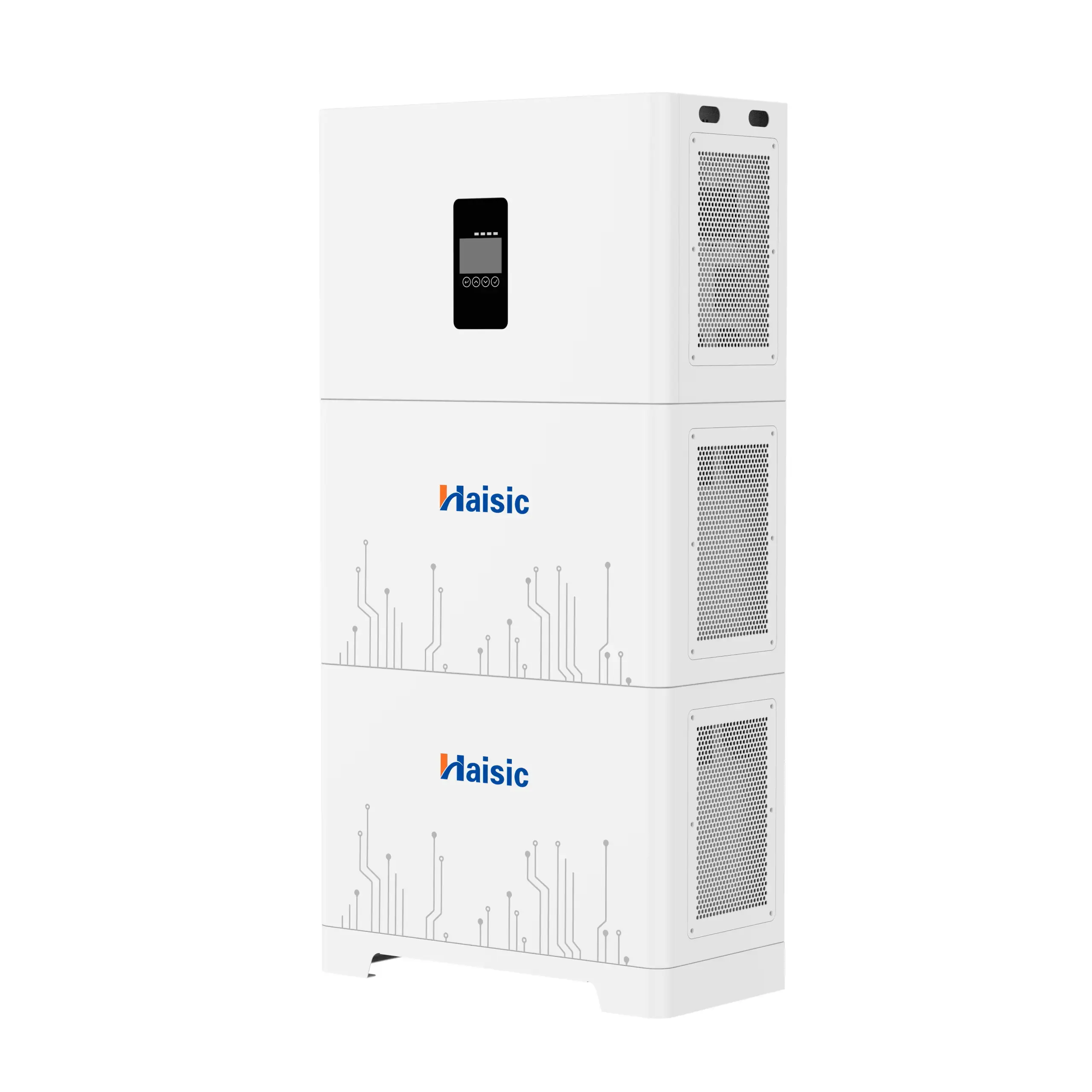
A budget ground mount system without storage is often just an expense that lowers your electric bill slightly. Adding storage turns it into an asset. Because ground mounts are often installed in rural or semi-rural areas where grid reliability can be spotty, pairing your cost-effective structure with a robust systemów magazynowania energii domowej is the logical next step.
Why storage maximizes the value of cheap racking:
- Samo-wykorzystanie: You capture the excess energy your large ground array produces during the day instead of selling it back to the utility for pennies.
- Niezależność od sieci: Cheap racking allows for larger arrays (more panels for the same price), which charges batteries faster, even on cloudy days.
- Zasilanie zapasowe: The money saved on concrete and steel buys you the peace of mind that comes with a reliable backup supply.
By focusing on functional, low-cost mounting, you prioritize the electrical performance of the system over its architectural appearance, ensuring your money goes toward actual energy production and retention.
FAQ: Budget-Friendly Ground Mount Solar Racking
When you are hunting for the cheapest ground mount solar racking system, a lot of questions pop up about safety, materials, and long-term risks. Here are the honest answers based on years of seeing what works and what fails in the field.
Is wood a safe material for solar mounts?
Wood is tempting because it is cheap and easy to work with, but it is rarely the best long-term choice. While pressure-treated lumber can last for decades in a deck, a solar array puts constant, specific stress on the structure. Wood warps, twists, and shrinks over time. This movement can stress the solar panel frames and even cause micro-cracks in the glass cells. If you must use wood to keep costs down, treat it strictly as the substructure (the posts and beams) and always transition to metal rails for the actual panel attachment points.
Can I build a ground mount using Unistrut?
Technically, yes, but proceed with caution. Unistrut (or generic strut channel) is fantastic for electrical conduit, but it isn\’t always engineered for the wind loads a large solar sail creates.
- The Problem: Standard steel strut can rust quickly if it isn\’t hot-dipped galvanized, and aluminum strut is often more expensive than purpose-built solar rail.
- The Verdict: It works for small, sheltered arrays, but for a full home system, the cost savings are often negligible compared to the structural risk.
How much can I save by building my own rack?
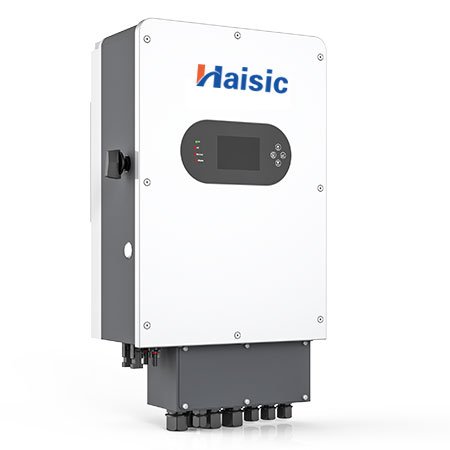
The savings can be massive. A turnkey, professionally installed ground mount often costs between $0.50 to $1.00 per watt just for the racking and installation labor. By sourcing your own Schedule 40 steel pipe locally and buying a rail-less clamp kit, you can often drop that cost to around $0.15 to $0.25 per watt. On a large 10kW system, that is thousands of dollars back in your pocket—money that could be better spent on a 12kW system solarny z magazynowaniem energii to maximize your energy independence.
Does DIY racking impact panel warranties?
This is the \”gotcha\” moment for many DIYers. Most major solar panel manufacturers require that their panels be mounted according to specific guidelines to maintain the warranty. This usually means clamping them at specific zones on the frame. If your homemade wooden rack or custom steel job causes the panel to flex too much or clamps it in the wrong spot, the manufacturer can void your warranty. Always read the installation manual for your specific panels before designing your custom rack.