

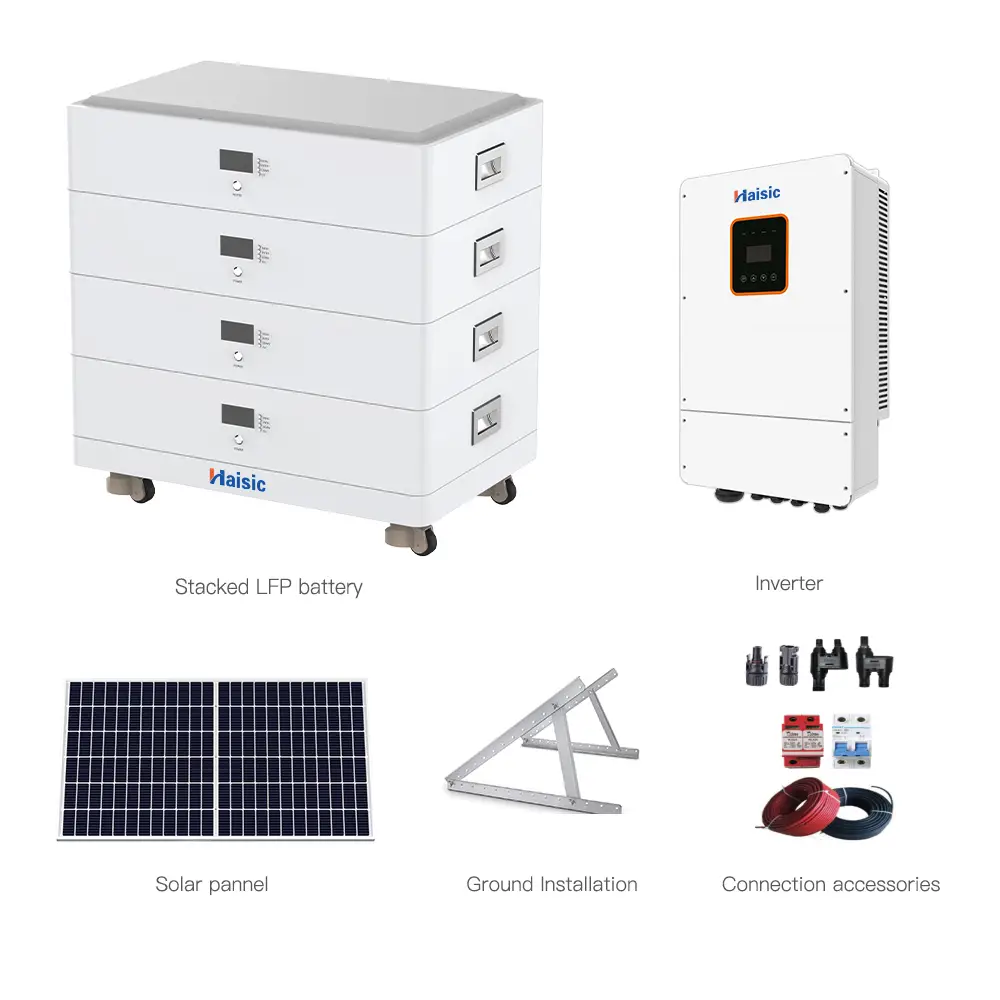
How Lithium-Ion Batteries Work in Solar Storage Systems
Real talk: your solar panels are powerful, but they have one major flaw—they only work when the sun is out. If you aren\’t using a lithium ion battery for solar storage, that excess energy is just flowing back to the grid, often for pennies. Without storage, you are still renting your power from the utility company the moment the sun goes down.
Core Principles of Solar Energy Storage Solutions
We design these systems to capture every drop of power you produce. It isn\’t just about having backup; it\’s about energy independence.
- Capturing Excess: When your panels overproduce at noon, the battery soaks it up instead of wasting it.
- Time-Shifting: You run your home on stored solar energy during the evening or peak rate hours.
- Backup Security: When the grid goes down, your home energy storage system creates a micro-grid, keeping your lights and fridge running.
AC-Coupled vs. DC-Coupled Efficiency
When choosing a lithium battery for solar energy storage, how it connects to your home matters.
- DC-Coupled Systems: These are the efficiency kings. Power flows directly from the panels to the battery without multiple conversions. This is my go-to recommendation for new installations.
- AC-Coupled Systems: These are perfect for retrofitting. If you already have solar panels, an AC-coupled battery is easier to install, though slightly less efficient due to converting DC to AC and back again.
The Critical Role of the Battery Management System (BMS)
Think of the BMS as the brain of your lithium ion battery for solar power storage. It is the non-negotiable safety guard. The BMS constantly monitors cell voltage, current, and temperature. It balances the cells to ensure you get the maximum lithium battery for solar storage lifespan and prevents dangerous issues like overcharging or thermal runaway. I never install a unit without a top-tier BMS—it is the difference between a reliable asset and a safety risk.
Lithium-Ion Chemistries: NMC vs. LiFePO4
When selecting a lithium ion battery for solar storage, you aren\’t just buying \”lithium\”; you are choosing a specific chemical composition that dictates performance and safety. In the past, Nickel Manganese Cobalt (NMC) was the standard. It is incredibly energy-dense, which is why it is still popular in electric vehicles where weight and space are critical. However, for stationary storage—where the battery sits in a garage or utility room—weight is less of a concern than safety and longevity.
Today, the LiFePO4 solar battery (Lithium Iron Phosphate) has become the superior choice for most solar applications. I always recommend LiFePO4 because it offers incredible thermal stability. Unlike NMC, which can be prone to thermal runaway if damaged or overheated, LiFePO4 chemistry is virtually incombustible. This safety factor is non-negotiable, especially when we are deploying a massive high voltage commercial energy storage system near inhabited buildings. Furthermore, LiFePO4 is cobalt-free and typically lasts twice as long as NMC alternatives.
Here is a quick breakdown of Lithium iron phosphate vs NMC to help you decide:
| Feature | NMC (Nickel Manganese Cobalt) | LiFePO4 (Lithium Iron Phosphate) |
|---|---|---|
| Energy Density | High (Good for limited space) | Moderate (Slightly larger footprint) |
| Cycle Life | 1,000 – 2,500 Cycles | 4,000 – 8,000+ Cycles |
| Safety | Moderate (Risk of thermal runaway) | Excellent (High thermal stability) |
| Lifespan | 7 – 10 Years | 10 – 20 Years |
| Cost | volatile (due to Cobalt/Nickel) | Stable (More cost-effective long term) |
Key Takeaways for Buyers
- Choose NMC only if physical space is your absolute primary constraint.
- Choose LiFePO4 for the best ROI, maximum safety, and a system that will last 15+ years.
Would you like me to detail the specific performance specifications, such as Depth of Discharge (DoD) and round-trip efficiency, in the next section?
Essential Specs: Evaluating a Lithium Ion Battery for Solar Storage
When choosing a lithium ion battery for solar storage, looking beyond the price tag is critical. You need to understand the technical specifications that dictate how the battery performs during a blackout or nightly use. Here is what matters most when reading the datasheet.
Usable Capacity vs. Depth of Discharge (DoD)
The total capacity listed on the box isn\’t always what you get to use. You must pay attention to the solar battery depth of discharge (DoD).
- Total Capacity: The total amount of energy the battery holds.
- Usable Capacity: The actual energy available to your home.
Most modern options, such as a high-performance 51.2V 100Ah LiFePO4 battery, allow for a DoD of 90% to 100%. This is a massive improvement over older lead-acid systems, which typically cap out at 50% usage to prevent damage.
Round-Trip Efficiency and Cycle Life
Round-trip efficiency solar storage refers to the effectiveness of your battery in storing and retrieving energy. It represents the ratio of energy you can pull out compared to what you put in.
- Goal: Look for efficiency ratings above 95%.
- Impact: Higher efficiency means you waste less solar energy as heat during the conversion process.
Regarding longevity, battery cycle life solar ratings tell you how many times the battery can be charged and discharged before it degrades significantly. A quality lithium battery should offer 6,000+ cycles, which translates to roughly 10–15 years of daily use.
Power Output: Continuous vs. Peak
Don\’t confuse energy (kWh) with power (kW). You need to know two numbers:
- Continuous Power: The amount of power the battery can supply steadily (e.g., running lights, WiFi, and a fridge).
- Peak Power: The maximum surge power it can provide for a few seconds (essential for starting heavy motors like pumps or air conditioners).
Quick Spec Comparison Table
| Specification | What It Means | Ideal Target Value |
|---|---|---|
| Depth of Discharge (DoD) | Usable energy percentage | 90% – 100% |
| Round-Trip Efficiency | Energy retained after storage | > 95% |
| Cycle Life | Lifespan in charge/discharge cycles | > 6,000 Cycles |
| Warranty | Manufacturer guarantee | 10 – 15 Years |
Temperature and Climate Performance
ly, check the operating temperature range. While lithium batteries are resilient, they have specific limits. Charging a lithium battery below freezing (0°C / 32°F) without protection can permanently damage the cells. If you live in a region with extreme winters, ensure your battery system has a built-in heater or is installed in a climate-controlled area.
Would you like me to help you calculate the specific kWh capacity needed for your daily household consumption?
Benefits of Lithium-Ion Solar Batteries Over Alternatives

When I evaluate current energy systems, the lithium ion battery for solar storage stands out as the definitive choice for modern homes. While other technologies exist, lithium-ion strikes the perfect balance between performance, longevity, and convenience. Let\’s break down why it leaves older and experimental technologies behind.
Lithium-Ion vs. Lead-Acid: A generational Leap
For decades, lead-acid (like AGM or Gel) was the go-to, but it simply cannot keep up with today\’s energy demands. The shift to lithium is driven by efficiency and \”usable\” power.
- Higher Depth of Discharge (DoD): With lead-acid, you can typically only use about 50% of the rated capacity without damaging the battery. A lithium ion battery for solar storage allows you to use 80% to 100% of its energy. You get more power from a smaller box.
- Zero Maintenance: Traditional batteries often require water top-ups and regular checks. In contrast, modern lithium systems are \”install and forget.\” This reliability significantly lowers the long-term home battery storage maintenance costs and annual budget, making ownership headache-free.
- Longer Lifespan: A quality LiFePO4 solar battery often lasts 3-4 times longer than lead-acid equivalents, enduring thousands of cycles before degrading.
Quick Comparison: Lithium-Ion vs. Alternatives
Here is a breakdown of how the best lithium battery for solar 2026 compares to the competition:
| Feature | Lead-Acid (AGM/Gel) | Lithium-Ion (LiFePO4) | Flow Batteries |
|---|---|---|---|
| Depth of Discharge | ~50% | 80% – 100% | 100% |
| Cycle Life | 300 – 1,000 cycles | 4,000 – 8,000+ cycles | 10,000+ cycles |
| Maintenance | High (Regular checks) | None (BMS managed) | Moderate (Pumps/fluids) |
| Size/Footprint | Bulky, Heavy | Compact, Wall-mountable | Very Large (Industrial) |
| Maturity | Very High | High (Standard) | Low (Niche) |
Vs. Emerging Technologies (Flow & Sodium-Ion)
I often get asked about new tech like flow batteries or sodium-ion. While promising, they aren\’t quite ready for widespread residential adoption.
- Maturity and Ecosystem: Solar energy storage solutions based on lithium are mature. You can easily find compatible hybrid inverters and certified installers anywhere in the world.
- Cost-Effectiveness: Sodium-ion is cheap on paper but lacks the mass manufacturing scale of lithium. Flow batteries require massive tanks and complex pumps, making them impractical for a standard garage. For now, lithium remains the most cost-effective and reliable route.
Environmental Considerations and Safety
Sustainability is a major factor in my recommendation of lithium solar battery systems. Modern chemistry has addressed many early environmental concerns.
- Cobalt-Free Design: The industry is moving heavily toward Lithium Iron Phosphate (LiFePO4). Unlike NMC batteries, these do not rely on cobalt, which has a problematic supply chain.
- Recyclability: As the market matures, recycling streams for lithium batteries are becoming standardized, recovering valuable materials like copper, aluminum, and lithium salts for reuse.
Next Step: Are you curious about the specific safety features that prevent thermal runaway in these batteries? I can explain the safety protocols next.
Safety Considerations and Best Practices
When bringing a lithium ion battery for solar storage into your home, safety isn\’t just a feature—it is the priority. While modern technology has made massive strides, understanding the risks and how we mitigate them is essential for peace of mind.
Understanding Thermal Runaway
The biggest buzzword in battery safety is \”thermal runaway.\” Simply put, this happens when a battery cell enters an uncontrollable self-heating cycle. In older chemistries, if a cell got too hot, it could trigger a chain reaction. However, modern safe lithium solar storage systems are designed with physical barriers and advanced cooling to stop this before it starts.
Why LiFePO4 Dramatically Reduces Risk
The shift toward LiFePO4 solar battery technology is a game-changer for safety. Unlike Nickel Manganese Cobalt (NMC) batteries, Lithium Iron Phosphate (LiFePO4) has an incredibly stable chemical structure.
- High Flashpoint: It is extremely difficult to ignite, even under duress.
- Thermal Stability: It does not break down and release oxygen at high temperatures, which starves potential fires of fuel.
- Durability: Robust construction handles physical stress better.
For residential setups requiring significant power, choosing a stable chemistry is vital. For example, our 51.2V 400Ah LiFePO4 battery takes full advantage of this superior thermal stability to provide high-capacity storage without the volatility associated with older cobalt-based cells.
The Importance of BMS and Certifications
A lithium battery for solar storage is only as good as its management system. The Battery Management System (BMS) acts as the brain, constantly monitoring voltage, current, and temperature. If any parameter goes out of safe range, the BMS shuts the system down instantly.
Best Practices for Installation:
- Check for Certifications: Always look for UL (Underwriters Laboratories) or IEC certifications. These confirm the battery has passed rigorous safety testing.
- Professional Installation: While smaller 12V systems might be DIY-friendly, high-voltage home backup systems require a certified electrician to ensure proper grounding and connection.
- Environment: Install batteries in a cool, dry place away from direct sunlight to minimize thermal stress.
Cost Analysis: Lithium Ion Battery for Solar Storage ROI
Let\’s get straight to the bottom line. Investing in a lithium ion battery for solar storage is a significant financial decision, but in 2026, the economics are making more sense than ever. We are finally seeing a stabilization in supply chains, which means better pricing for the end consumer compared to just a few years ago.
Typical Solar Battery Storage Cost in 2026
When we look at the numbers, the price per kWh for lithium-ion storage has become much more competitive. Generally, you can expect the installed cost for a residential solar battery backup to range between $800 and $1,300 per kWh. This varies depending on the chemistry (LFP is usually more affordable than NMC) and the brand premium.
Here is a quick breakdown of where your money actually goes:
- Battery Module: 40-50% of the total cost.
- Inverter & BMS: 20-30% (if not built-in).
- Installation & Labor: 20-30% (electrical work, permitting, mounting).
For a typical mid-sized home, investing in a 5kW power energy storage solar system for home often strikes the right balance between cost and essential backup capability.
Incentives and Solar Battery Incentives 2026
You should never pay the sticker price without checking for rebates first. In the United States, the Inflation Reduction Act extended the Federal Investment Tax Credit (ITC), allowing you to claim a 30% credit on the cost of your battery storage, even if it\’s installed separately from solar panels.
Globally, many local governments offer similar \”green energy\” rebates to reduce grid strain. These incentives can effectively drop your break-even point by several years.
Calculating Payback and ROI Factors
How fast will this system pay for itself? That depends on how you use it. If you are just keeping it fully charged for emergency backup, the financial ROI is low (though the peace of mind is high). To maximize value, you need to leverage the system daily.
Key factors that accelerate payback:
- Time-of-Use (TOU) Arbitrage: Charge your battery when rates are cheap (off-peak) and discharge it during expensive evening hours.
- Reduced Feed-in Tariffs: In areas where utilities pay peanuts for your excess solar, storing that energy to use yourself is far more valuable than selling it.
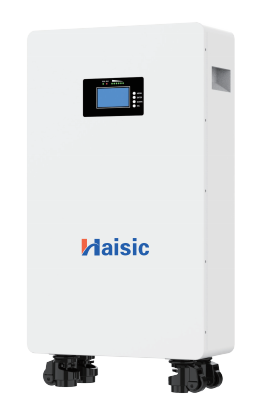
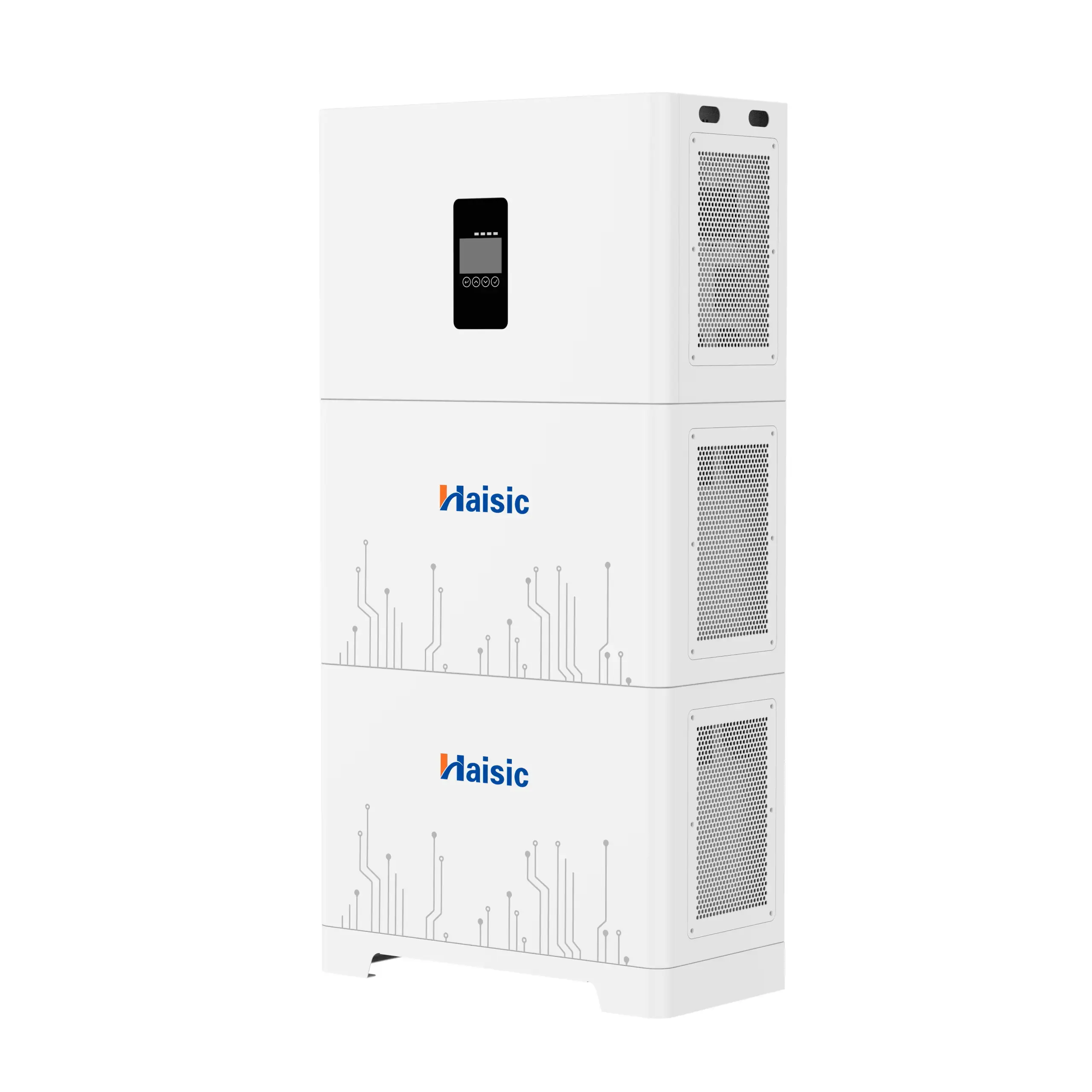
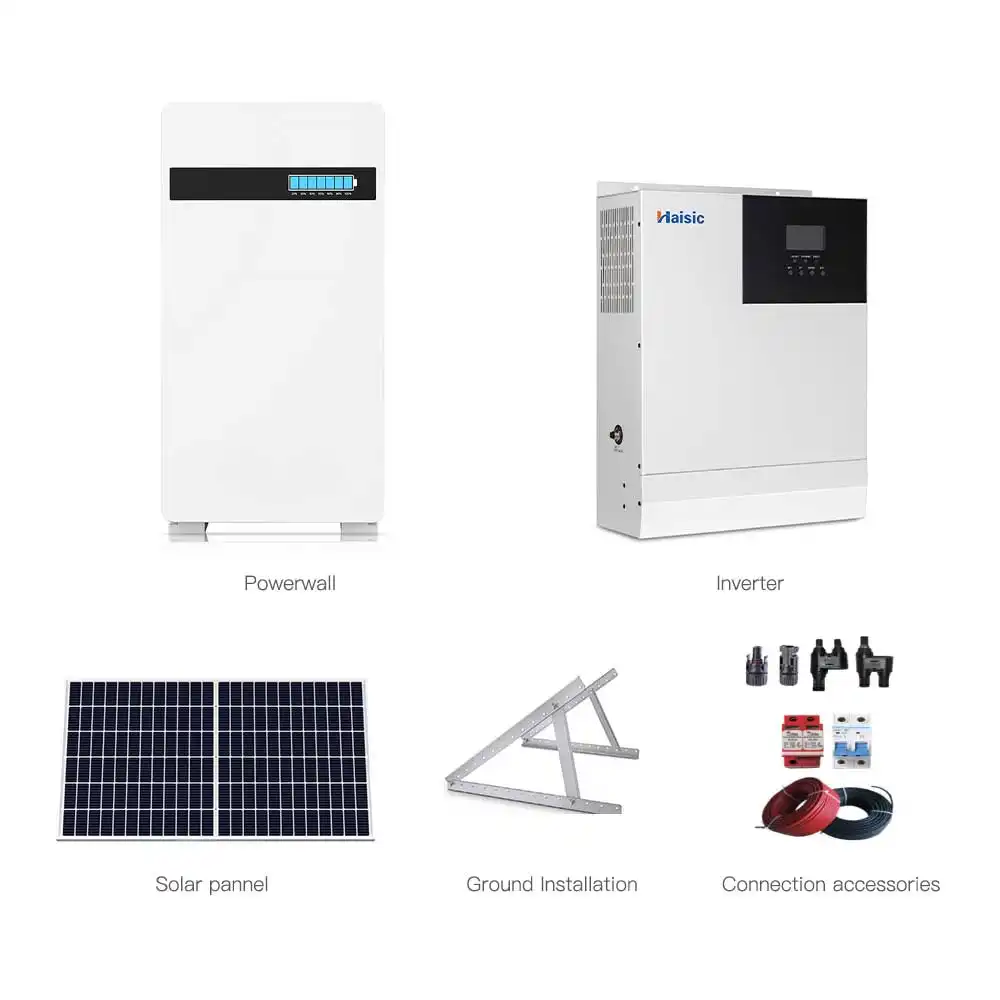
- Grid Independence: For larger properties, a robust Haisic 32kWh all-in-one home energy storage system can drastically cut reliance on the utility grid, insulating you from rising energy inflation.
When Solar Storage Delivers the Strongest ROI
A home energy storage system yields the best return if you live in an area with high electricity rates, frequent power outages, or aggressive time-of-use billing. If your utility company charges a premium for power between 4 PM and 9 PM, a battery isn\’t just a backup tool—it is a money-saving machine.
Would you like me to create a customized comparison table showing the estimated ROI for different battery sizes based on average global utility rates?
Top Lithium-Ion Solar Battery Recommendations for 2026
Choosing the right energy storage feels like a high-stakes gamble, but in 2026, the winners are clear. We have moved past the experimental phase; now, it is all about reliability, safety, and getting the best bang for your buck. As someone deeply invested in this industry, I have seen firsthand which systems stand up to daily abuse and which ones fold under pressure. Here is a breakdown of the top performers, categorized by how you actually use them.
Best Overall Value: High-Capacity LiFePO4 Powerhouses
For most homeowners looking for a lithium ion battery for solar storage, the sweet spot is a system that balances massive capacity with a reasonable price tag. You want enough juice to run the AC or heat pump overnight without draining your bank account.
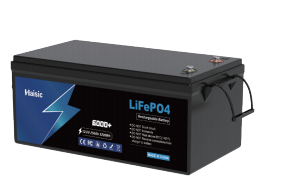
This is where our flagship models really shine. If you are looking for a heavy hitter, our 15kWh LiFePO4 solar battery pack is the gold standard for residential backup. We built this 51.2V 305Ah beast specifically for users who need serious autonomy. Unlike older NMC batteries, this unit uses Lithium Iron Phosphate chemistry, which means it runs cooler, lasts longer (6000+ cycles), and doesn\’t carry the same thermal runaway risks. It is the \”set it and forget it\” solution for whole-home backup.
Why it wins:
- Huge Capacity: 15kWh is often enough to cover a standard home’s evening energy needs plus backup reserve.
- Safety First: The LiFePO4 chemistry is inherently stable.
- Compatibility: Works seamlessly with most 48V/51.2V hybrid inverters on the market.
Modular Solar Battery Systems for Scalability
Not everyone needs a massive 15kWh block right out of the gate. Sometimes, you are working with limited space, or you want to start small and expand your home energy storage system later. Scalability is key here. You shouldn\’t be locked into a system that can\’t grow with your family or your energy consumption.
For a more flexible approach, I recommend looking at modular options like our 25.6V 200Ah lithium battery for home energy storage. These units are fantastic because they allow you to parallel multiple batteries to hit your exact voltage and capacity targets. If your budget is tight today, you buy one. If you buy an EV next year and need more storage, you just stack another unit on. It represents the best lithium battery for solar 2026 regarding flexibility, giving you a custom-fit solution without the custom-build headache.
Off-Grid and Extreme Climate Performers
If you are living off-grid, your battery isn\’t just an accessory; it is your lifeline. You need a LiFePO4 solar battery that can handle deep discharges day in and day out without degrading rapidly.
While major market players like the Tesla Powerwall (NMC chemistry) or the LG Chem RESU have dominated brand recognition, they often come with a premium price tag and strict installation requirements that don\’t always suit DIYers or remote installs. In contrast, our LiFePO4 solutions are designed for high-cycle endurance. They offer a 100% depth of discharge capability while maintaining a longer lifespan than many big-box competitors. For extreme climates, the thermal stability of our iron phosphate cells ensures they remain safe and operational even when the temperature swings, making them a superior choice for rugged, remote applications.
Quick Selection Guide:
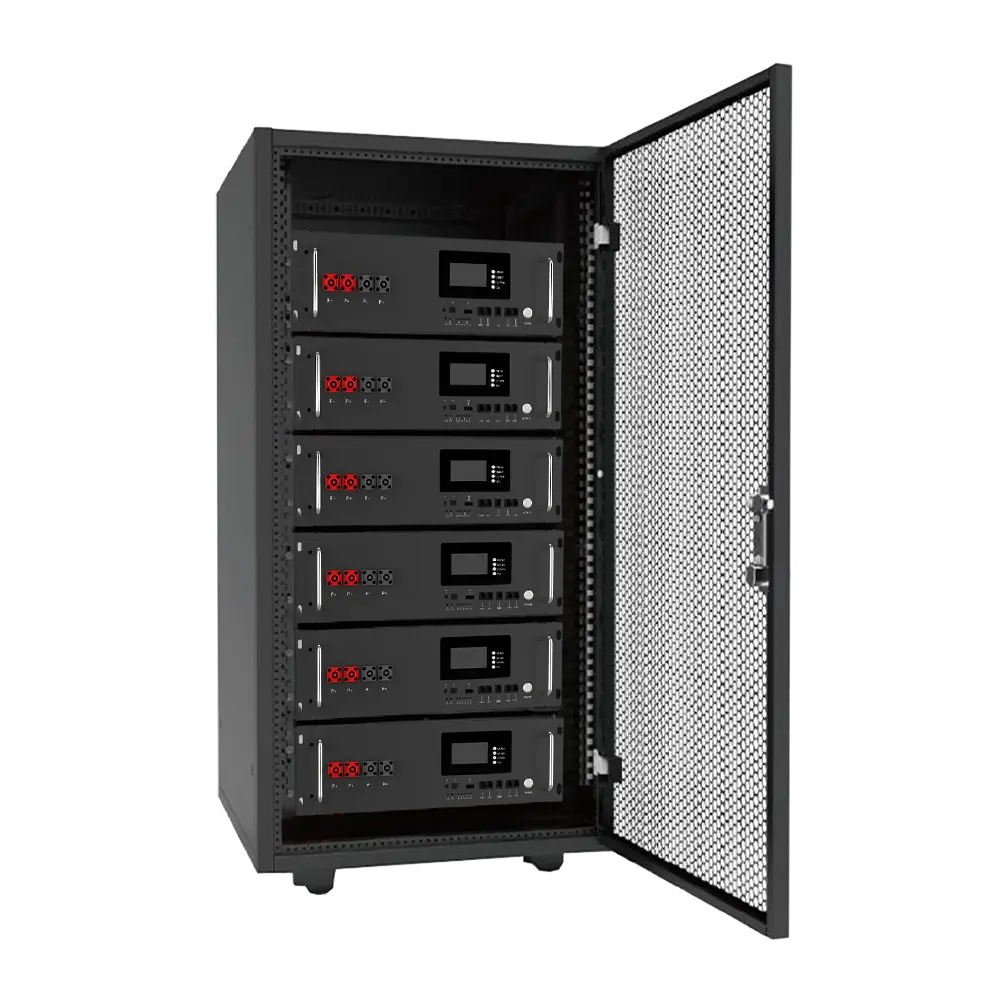
- Grid-Tied Home Backup: Go for the high-capacity 15kWh rack-mounted units.
- Tiny Homes / Expandable Systems: Stick to the 25.6V modular blocks.
- Strict Budgets: Focus on LiFePO4 over NMC to avoid replacement costs down the line.
Next Step
Are you unsure which battery voltage matches your current inverter setup? I can help you verify your inverter compatibility to ensure you choose the right battery module for your system.
Installation and Compatibility Guide
Setting up a lithium ion battery for solar storage isn\’t just about buying the biggest battery you can find; it’s about creating a cohesive ecosystem where every component talks to the other. If the voltage doesn\’t match or the communication protocols conflict, the system simply won\’t work.
Matching Battery Voltage and Inverter Requirements
The most critical technical check I perform is ensuring the nominal voltage of the battery bank matches the inverter\’s battery input window.
- Low Voltage (48V): Common for residential systems, offering safety and ease of handling.
- High Voltage (HV): Often used in larger or commercial setups for better efficiency.
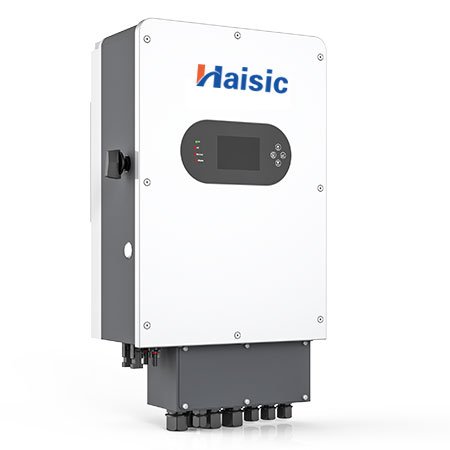
You cannot mix these. Furthermore, the inverter and battery BMS (Battery Management System) must speak the same language (typically CAN or RS485). Using a dedicated 3KW-6KW hybrid solar inverter solves many of these headaches because it is designed to manage the specific charging curves of modern lithium cells automatically.
Hybrid Inverters and Ecosystem Compatibility
For a seamless experience, I always recommend a hybrid solar inverter battery setup. Unlike old-school AC-coupled retrofits, hybrid inverters manage both the solar panels and the battery storage in one unit. This reduces conversion losses and simplifies wiring.
If you have a larger home or small business with three-phase power, you need to ensure your equipment supports that load type. A robust 8KW-12KW three-phase hybrid solar inverter allows you to balance loads across all phases while keeping your battery charged, ensuring your home energy storage system covers you completely during an outage.
Professional vs. DIY Considerations
While a modular solar battery system might look plug-and-play, installation involves high-current DC wiring.
- Professional Installation: Recommended for 90% of users. It ensures compliance with local fire codes, guarantees warranty coverage, and protects you from electrical hazards.
- DIY: feasible only for low-voltage, off-grid systems if you have electrical certification. However, messing up the grounding or polarity can destroy the BMS instantly.
Permitting and Utility Interconnection
Before bolting anything to the wall, check your local regulations. Most utility companies require an interconnection agreement for grid-tied storage. They need to know your system can isolate itself (island) during a blackout to prevent back-feeding electricity into the grid, which endangers line workers. Getting these permits sorted early prevents expensive delays later on.
Maintenance, Monitoring, and Long-Term Ownership
Owning a modern lithium ion battery for solar storage is vastly different from the maintenance-heavy battery banks of the past. For most homeowners, it is a \”set it and forget it\” experience, but knowing how to track performance ensures you get the most out of your investment over the next decade.
Zero-Hassle Maintenance
Unlike older lead-acid technology, a lithium ion battery for solar energy storage requires virtually no physical maintenance. You never need to top up water, equalize charges, or clean corroded terminals.
However, to ensure longevity, keep these simple best practices in mind:
- Temperature Control: Ensure the installation area (garage or utility room) stays within the recommended temperature range.
- Visual Inspection: Once a year, check for any physical damage or loose connections.
- Firmware Updates: Keep your system software up to date to optimize the BMS (Battery Management System).
Smart Monitoring at Your Fingertips
Visibility is key to energy independence. Most of our comprehensive battery storage for home systems come integrated with intuitive mobile apps. This allows you to monitor your home energy storage system in real-time from anywhere in the world.
Key metrics you should track include:
- State of Charge (SoC): How much energy is currently available.
- Solar Production vs. Consumption: See exactly how much power your panels are generating versus what your house is using.
- Grid Usage: Track when and how much you are pulling from the utility grid.
- Historical Data: Analyze daily, monthly, and yearly trends to adjust your usage habits for maximum savings.
Warranty and End-of-Life Recycling
Reliability is built into the cost. A standard lithium battery for solar storage typically comes with a 10-year warranty, often guaranteeing that the battery will retain at least 70% of its original capacity by the end of that period.
When the battery eventually reaches the end of its lifespan, responsible disposal is crucial. Modern lithium cells, especially LiFePO4, are highly recyclable. As you browse our range of energy storage products, you’ll find that we prioritize manufacturers who adhere to strict recycling standards, ensuring valuable materials are recovered and environmental impact is minimized.
Would you like me to help you compare the warranty terms of the top 3 battery models on your shortlist?