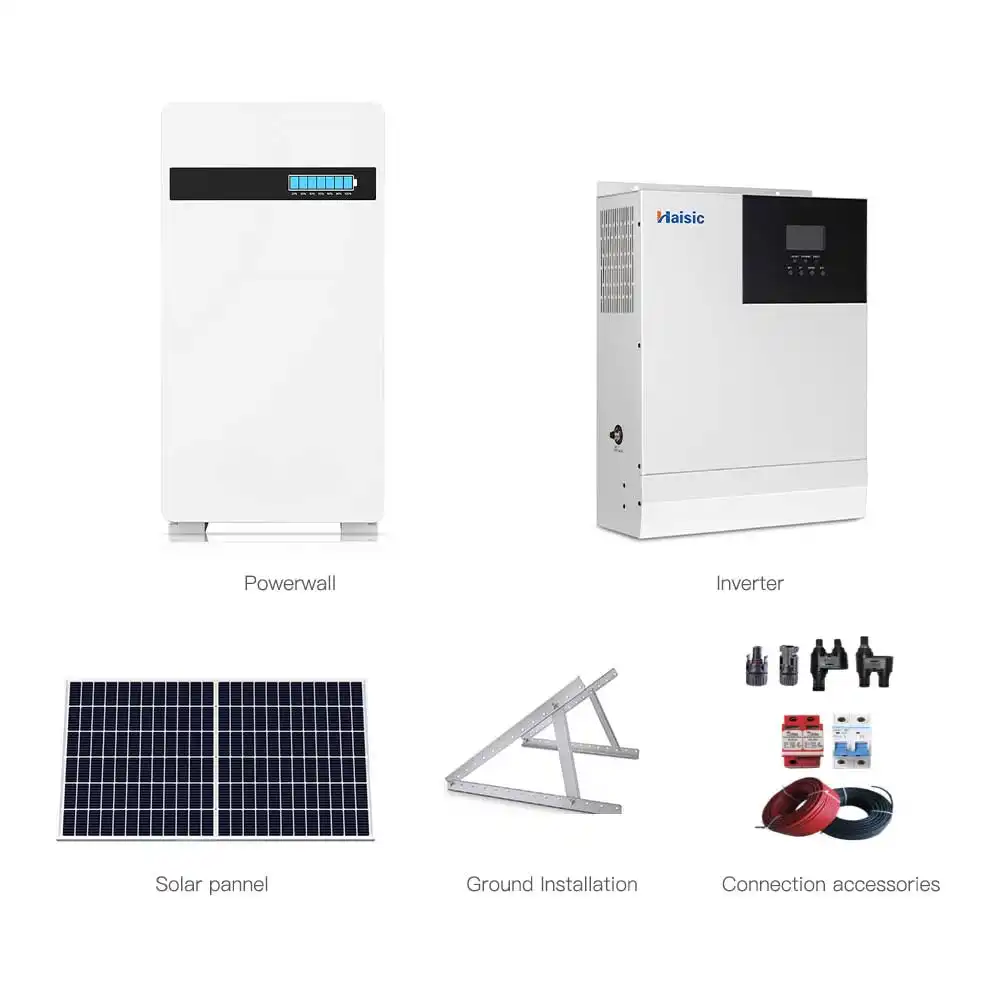

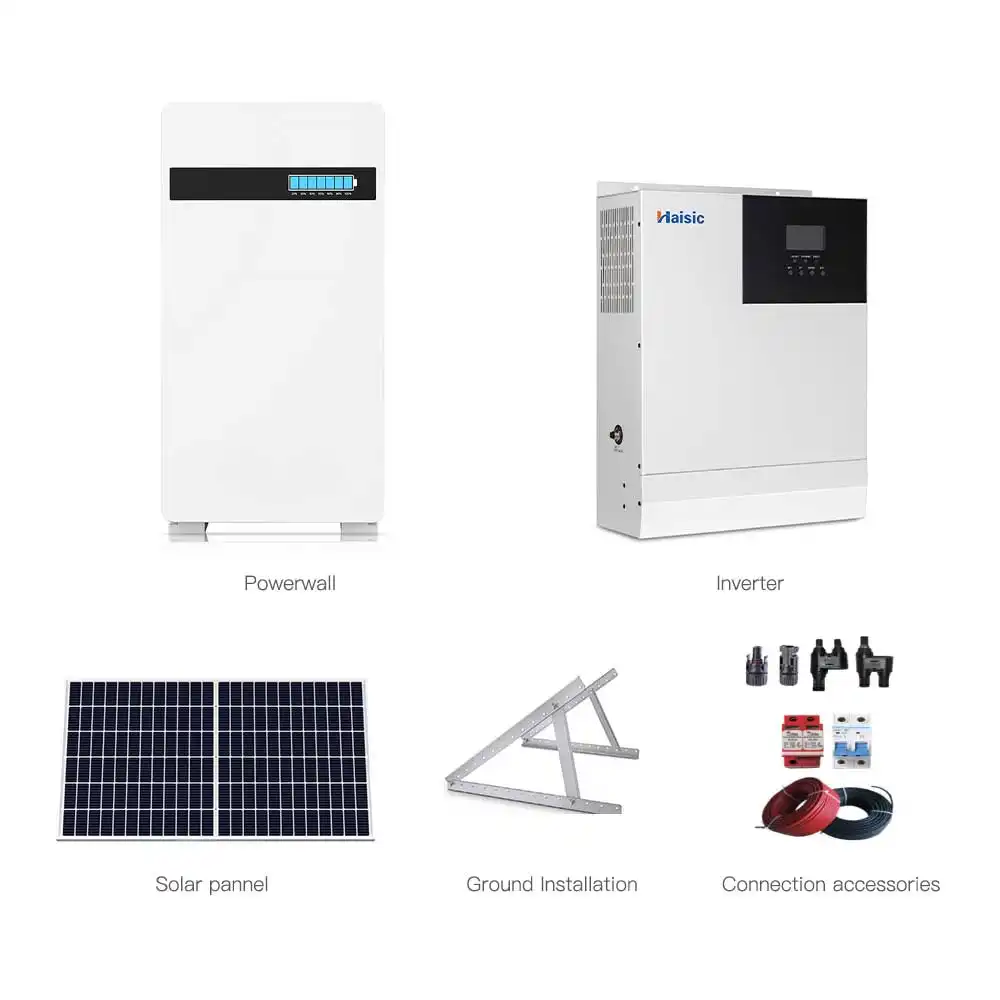
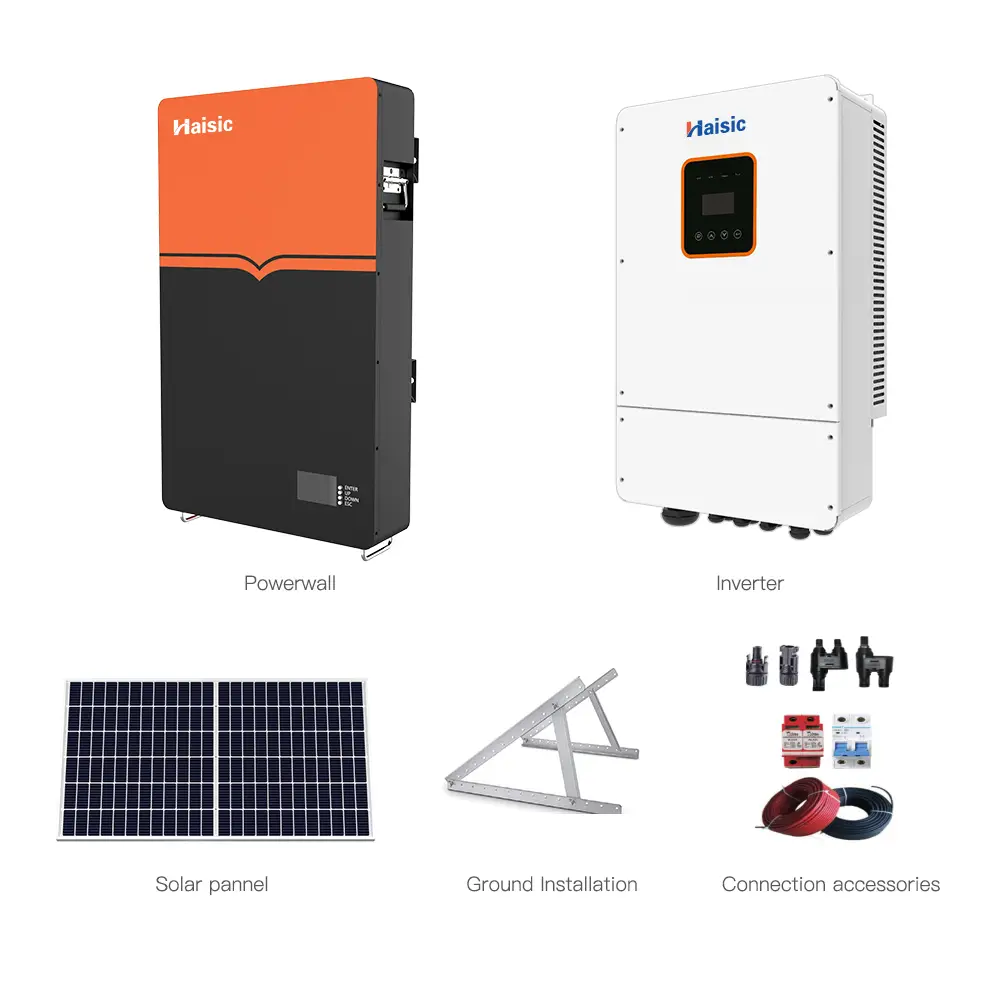
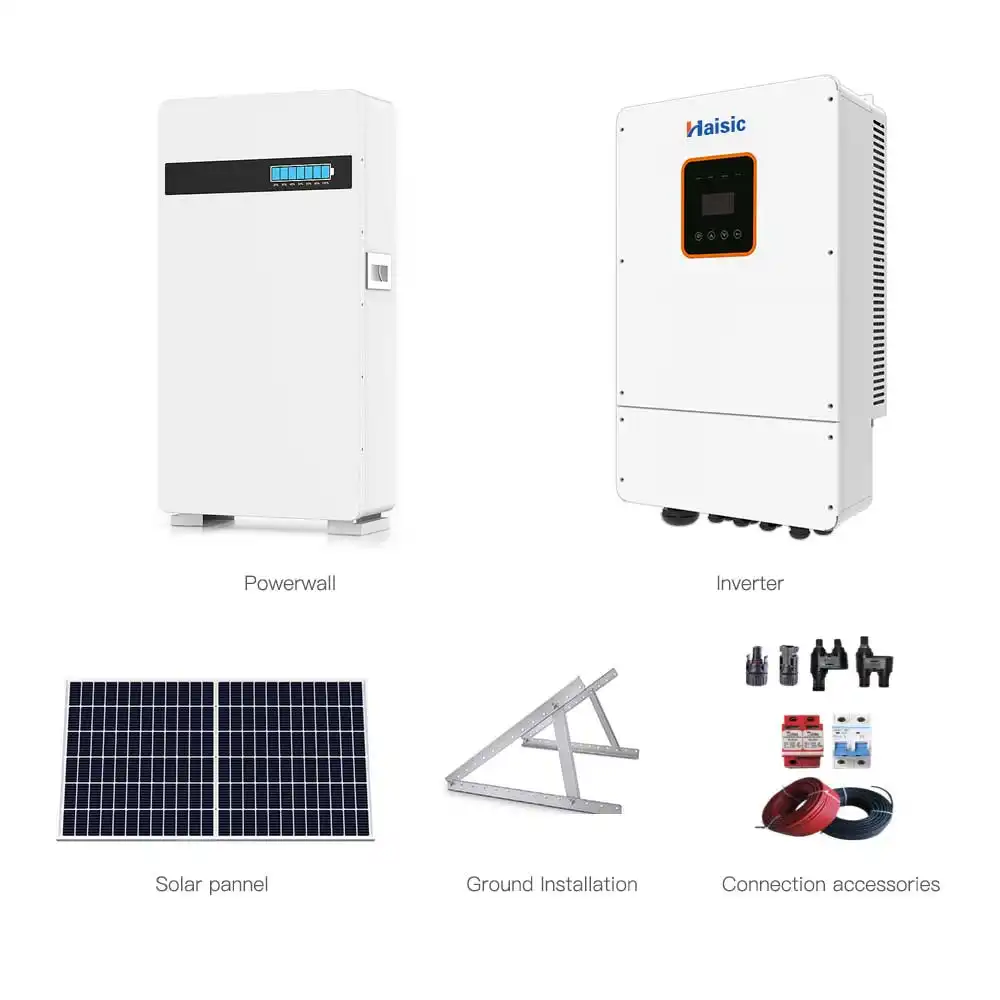

LiFePO4 Battery Solar System
High performance LiFePO4 battery solar system offering long lifespan efficient energy storage and reliable power for home or off grid use
Product successfully added to the quotation
LiFePO4 Battery Solar System Description
Introduction to LiFePO4 Batteries for Solar Systems
Bioenno Power provides high-performance LiFePO4 battery solar solutions engineered specifically for renewable energy applications. Designed to serve as a reliable power reservoir, these batteries are optimized for off-grid setups, portable kits, and robust backup systems. With a product range spanning from compact 12V 12Ah units to high-capacity 48V 50Ah blocks, our technology ensures consistent energy delivery for diverse solar requirements.
What is LiFePO4 (Lithium Iron Phosphate) Technology?
LiFePO4 (Lithium Iron Phosphate) represents an advanced battery chemistry that offers superior thermal and chemical stability compared to traditional lithium-ion or lead-acid chemistries. This stability is critical for solar controllers and storage systems that undergo frequent charge and discharge cycles. Bioenno Power utilizes this technology to create LFP batteries that are safe, durable, and chemically stable, minimizing the risk of thermal runaway.
Why LiFePO4 is the Preferred Choice for Solar Energy Storage
Solar applications demand reliability and safety. Bioenno Power lithium battery banks are the preferred choice due to the following engineered advantages:
- Integrated Safety: Every unit includes a built-in Battery Management System (BMS) that provides comprehensive protection against overcharging, over-discharging, and short circuits.
- Longevity: These batteries are designed for a long service life with high cycle counts, outlasting standard battery types.
- Portability: LiFePO4 technology is significantly lighter than lead-acid equivalents, making it ideal for portable solar configurations.
- Scalability: Options range from entry-level 12V models (starting at $115.00) to high-voltage 48V systems (up to $1,800.00), accommodating everything from small devices to large storage needs.
Key Differences Between LiFePO4 and Lead-Acid Batteries
Switching to a lifepo4 battery solar system offers distinct operational benefits over legacy lead-acid technology.
| Feature | LiFePO4 (Bioenno Power) | Traditional Lead-Acid |
|---|---|---|
| Weight | Lightweight and portable | Heavy and bulky |
| Safety | High thermal/chemical stability with built-in BMS | Prone to leakage and gassing |
| Cycle Life | High cycle count and long service life | Limited cycles, degrades faster |
| Efficiency | Consistent discharge performance | Voltage drops significantly under load |
| Maintenance | Maintenance-free operation | Requires regular maintenance |
Key Advantages of LiFePO4 Solar Batteries
Enhanced Safety and Thermal Stability
Safety is the absolute priority in any lifepo4 battery solar system. Unlike other lithium chemistries that can be volatile, Lithium Iron Phosphate (LiFePO4) is chemically and thermally stable. This stability significantly reduces the risk of overheating or thermal runaway, making these batteries ideal for residential and portable use. Furthermore, every unit we offer comes equipped with a built-in Battery Management System (BMS). This integrated circuit acts as a critical safeguard, constantly monitoring voltage and current to prevent overcharging, over-discharging, and short circuits. It ensures the battery operates strictly within safe parameters, providing peace of mind for your energy storage.
Long Cycle Life and Cost-Effectiveness
While the initial investment for LFP batteries is higher than traditional lead-acid options, the long-term value is undeniable. These batteries are engineered for a significantly longer service life, capable of enduring thousands of charge and discharge cycles without substantial degradation. This longevity means you won’t need to replace your battery bank every few years. For those building a large-scale or commercial solar battery storage system, this durability translates to massive cost savings over time. You get a reliable power reservoir that works harder and lasts longer, minimizing maintenance costs and downtime.
High Efficiency and Deep Depth of Discharge (DoD)
Efficiency is where LiFePO4 technology truly outperforms older storage methods. In off-grid applications, you need to utilize as much stored energy as possible. Our batteries provide a flat discharge curve, maintaining consistent voltage output until the capacity is nearly depleted. This allows for a high Depth of Discharge (DoD), meaning you can use the full rated capacity—whether it’s a compact 12Ah unit or a massive 200Ah block—without damaging the cells. This superior efficiency ensures your lithium battery banks deliver steady, reliable power to your inverter and appliances, maximizing the energy harvested from your solar panels.
Choosing the Right Voltage for Your Solar Setup
Selecting the correct voltage is the foundation of an efficient lifepo4 battery solar system. We engineer our LiFePO4 solutions to match specific energy demands, ranging from portable setups to robust stationary power reservoirs. Your choice between 12V, 24V, and 48V configurations directly impacts the efficiency, wiring cost, and scalability of your renewable energy project.
12V LiFePO4 Batteries for RVs and Small Off-Grid Kits
For mobile applications and compact needs, 12V remains the standard. Our 12V LiFePO4 line is optimized for portability and ease of use, making it the go-to choice for RVs, camping kits, and small off-grid cabins. These units offer a significant weight reduction compared to lead-acid counterparts, which is crucial when every kilogram counts in a mobile rig.
- Capacity Range: We offer a broad selection from 12Ah (starting at $115.00) for small electronics up to 200Ah ($1,750.00) for substantial daily usage.
- Integrated Safety: Every 12V block features a built-in Battery Management System (BMS) to prevent over-discharge and ensure thermal stability.
- Application: Ideal for lighting, charging small devices, and running 12V appliances directly without heavy conversion losses.
24V Systems for Mid-Sized Solar Applications
When your power requirements increase, stepping up to a 24V system improves efficiency by reducing the current flowing through your cables. This setup is perfect for mid-sized off-grid homes or larger boats where a 12V system might struggle with voltage drop over longer cable runs.
Our 24V options, such as the 24V 50Ah (approx. $900.00) and 24V 100Ah models, provide a reliable middle ground. They deliver consistent performance in demanding solar discharge cycles while keeping the system relatively compact. A 24V configuration allows you to use thinner wiring than a 12V system of the same wattage, saving on installation costs while maintaining high safety standards.
48V LiFePO4 Batteries for Residential and Server Rack Storage
For serious energy independence, 48V is the professional standard. We recommend this voltage for full-scale residential backup and large off-grid systems. A 48V setup minimizes energy loss and is essential for powering heavy AC loads like refrigerators, pumps, and HVAC systems through an inverter.
- High Power: Our 48V 50Ah units (approx. $1,800.00) are designed for these high-demand environments.
- Scalability: These high-voltage batteries are often used in rack-mount configurations, allowing you to expand your solar power storage system easily as your energy needs grow.
- Efficiency: Running at 48V ensures your MPPT controllers and inverters operate at peak efficiency, maximizing the harvest from your solar array.
Popular LiFePO4 Battery Configurations and Form Factors
Solar energy storage isn’t a one-size-fits-all solution. Depending on your specific energy requirements, the physical design and voltage of your lifepo4 battery solar system will vary significantly. We offer a broad selection of configurations, ranging from compact 12V units to high-voltage 48V systems, ensuring there is a reliable power reservoir for every application.
Server Rack Batteries for Scalable Power
For larger off-grid systems or residential backup, higher voltage is key to efficiency. While traditional setups might string together multiple small batteries, modern high-capacity needs are often met with 48V configurations. Our 48V 50Ah LiFePO4 batteries are engineered for these robust applications, providing a stable foundation for scalable power banks. These high-voltage units reduce the current required for the same power output, which minimizes heat and improves overall system safety. With a price point around $1,800.00, these units serve as the backbone for serious energy independence.
Wall-Mounted All-Weather Solar Batteries
Stationary applications require batteries that can handle deep discharge cycles day in and day out. For permanent installations, our high-capacity stationary blocks, such as the 12V 200Ah and 24V 100Ah models, are the standard. These units feature a built-in Battery Management System (BMS) that ensures longevity even during demanding solar discharge cycles. When planning a permanent setup, it is vital to understand what are solar batteries capable of enduring regarding temperature and cycle frequency. Our stationary blocks utilize advanced LiFePO4 chemistry to provide superior thermal stability and safety compared to lead-acid alternatives.
Portable and Compact LFP Battery Packs
One of the biggest advantages of Lithium Iron Phosphate technology is the significant weight reduction. For mobile solar kits, such as those used in camping or field communications, our entry-level 12V batteries are ideal. Ranging from 12Ah to 50Ah, these compact designs fit easily into portable configurations where every pound counts. Starting at just $115.00 for a 12V 12Ah unit, these LFP batteries offer a lightweight yet powerful solution for users who need to take their solar power on the go without hauling heavy lead blocks.
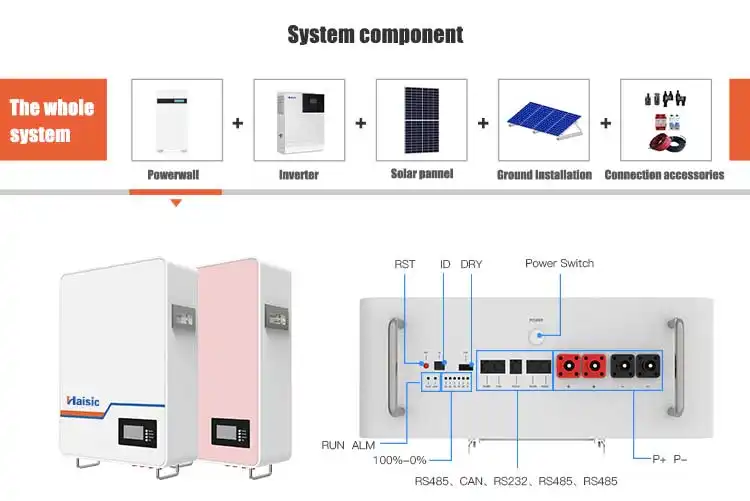
Essential Components of a Complete LiFePO4 Solar Kit
Building a reliable lifepo4 battery solar system requires more than just high-quality storage blocks; it involves creating a balanced ecosystem where every piece of hardware communicates effectively. Whether you are setting up a portable 12V kit or a massive 48V stationary array, the longevity of your system depends on three critical components working in unison.
Compatible Solar Charge Controllers (MPPT vs. PWM)
The solar charge controller acts as the gatekeeper between your photovoltaic panels and your LFP batteries. It regulates the voltage and current to prevent overcharging, which is vital for maintaining battery health.
- PWM (Pulse Width Modulation): These are cost-effective and suitable for smaller, simple 12V setups where the panel voltage closely matches the battery voltage.
- MPPT (Maximum Power Point Tracking): For larger off-grid systems, MPPT controllers are the superior choice. They adjust the input voltage to harvest the maximum available power from the solar array, increasing charging efficiency by up to 30%.
Using an MPPT controller is highly recommended for 24V and 48V configurations to ensure you get the most out of your solar harvest, especially in variable weather conditions.
The Role of the Battery Management System (BMS)
Safety and stability are non-negotiable in energy storage. Every LiFePO4 battery in our lineup comes equipped with a built-in Battery Management System (BMS) or Protection Circuit Module (PCM). This internal computer is the brain of your battery bank.
Key functions of the BMS include:
- Cell Balancing: Ensures all internal cells charge and discharge at the same rate.
- Protection: Automatically cuts off power during short circuits, over-current, over-charging, or over-discharging events.
- Thermal Management: Monitors temperatures to prevent operation in unsafe conditions.
This integrated protection is what makes lithium battery banks significantly safer and longer-lasting than traditional lead-acid alternatives, allowing for thousands of cycles without manual maintenance.
Selecting the Right Power Inverter for Your Load
To use the stored DC energy for standard household appliances, you need a power inverter to convert it to AC electricity. Sizing this correctly is crucial; the inverter must handle your peak surge loads (like starting a fridge) as well as your continuous running wattage.
For versatile energy management, many users opt for a hybrid solar inverter, which combines the functions of an inverter and a solar charger into one unit. This simplifies wiring and often provides better monitoring capabilities for your backup systems. Always ensure your inverter’s input voltage matches your battery bank voltage (12V, 24V, or 48V) to avoid equipment damage.
How to Size Your LiFePO4 Solar Battery Bank
Calculating Daily Watt-Hour Energy Consumption
To build a reliable **lifepo4 battery solar system**, I always start with the math. You need to know exactly how much power your devices pull. I list every appliance—lights, fridge, laptop—and multiply their wattage by the hours they run each day. For example, a 50W laptop running for 4 hours equals 200Wh. Summing these up gives the total daily energy requirement. This baseline is crucial for selecting the right storage, whether it’s a small portable setup or a larger [home battery backup](https://haisicstorage.com/home-battery-backup/) solution.
Determining Required Amp-Hour (Ah) Capacity
Once I have the total Watt-Hours, I convert that into Amp-Hours (Ah) because that’s how batteries are sold. The formula is simple: Total Watt-Hours divided by the battery voltage (12V, 24V, or 48V). If I need 1200Wh of energy and I’m using a 12V system, I need a 100Ah battery. For larger setups, moving to 24V or 48V reduces the required amperage. Our selection supports this with options ranging from compact 12Ah units for portable kits up to high-capacity 200Ah blocks, ensuring we can match the specific demands of your **off-grid** or solar project.
Accounting for System Efficiency and Autonomy Days
A raw calculation isn’t enough; real-world conditions matter. I always factor in system inefficiencies—inverters and **solar controllers** typically result in about 15-20% energy loss. Furthermore, for a truly robust system, I plan for “autonomy days”—days when the sun doesn’t shine. For a standard setup, I recommend sizing the bank to handle at least 2-3 days of usage without recharge. Since **LFP batteries** allow for deep discharge compared to lead-acid, you can utilize more of the rated capacity, but adding a safety buffer ensures your system stays running during prolonged cloudy spells.
Installation and System Wiring Best Practices
Correct installation is critical for the safety and longevity of any lifepo4 battery solar system. While Bioenno Power units come equipped with a sophisticated internal Battery Management System (BMS) to handle cell balancing and protection, the external architecture of your setup determines overall efficiency. Proper planning prevents voltage drops and ensures your LFP batteries deliver their rated capacity during off-grid operations.
Connecting Batteries in Series vs. Parallel
Configuring your battery bank depends on whether you need to increase voltage or capacity. Connecting batteries in parallel increases the total amp-hour (Ah) capacity while keeping the voltage the same, which is ideal for extending runtime in 12V systems. Conversely, connecting in series increases the system voltage (e.g., two 12V batteries to make 24V) while keeping the capacity static.
- Parallel Connections: Connect positive to positive and negative to negative. This sums the capacity (e.g., two 12V 100Ah units become a 12V 200Ah bank).
- Series Connections: Connect the positive of one unit to the negative of the next. This sums the voltage.
- Native Voltage Options: Since Bioenno offers native 12V, 24V, and 48V configurations, it is often more reliable to purchase a single high-voltage unit (like a 48V 50Ah block) rather than chaining multiple smaller batteries. This simplifies balancing for robust residential solar energy storage applications.
Proper Wiring Gauges and Safety Fusing
The internal BMS protects the battery cells, but it does not protect your external wires from overheating. You must select the correct wire gauge based on the maximum continuous discharge current of your system. Undersized wires cause resistance, heat, and significant voltage drop, which can trigger the BMS to shut down prematurely.
- Wire Sizing: For a 12V system pushing 50A, use at least 6 AWG or 4 AWG wire to minimize loss.
- Fusing: Always install a fuse or circuit breaker on the positive cable, as close to the battery terminal as possible. This protects the wiring in case of a short circuit.
- Connections: Ensure all terminal connections are tight and clean. Loose connections create “hot spots” that can damage the battery terminals.
Integrating Solar Panels with the Battery Bank
Directly connecting solar panels to a LiFePO4 battery is never recommended. You must use a compatible solar charge controller to regulate the voltage and current coming from the panels. The controller ensures the battery reaches its optimal charge voltage (typically around 14.6V for 12V Bioenno units) without overcharging.
- Controller Sequence: Always connect the battery to the charge controller before connecting the solar panels. This allows the controller to detect the system voltage (12V/24V/48V) automatically.
- Matching Components: Ensure your solar controller is rated for the maximum current of your array. For complex setups requiring specific power reservoirs, working with a bespoke energy storage system manufacturer can help ensure your charge sources align perfectly with your battery bank’s chemistry.
Charging and Maintenance for Long-Term Performance
To get the most out of your lifepo4 battery solar system, proper care is essential. While our LiFePO4 units are engineered for superior thermal and chemical stability compared to lead-acid, following the right maintenance protocols ensures they deliver that long service life we promise.
Optimal Charging Parameters and Voltage Settings
Every Bioenno Power battery we offer includes an integrated Battery Management System (BMS). This internal computer protects against overcharging, overdischarging, and short circuits. However, the external charging source must still match the battery’s nominal voltage. Whether you are using a 12V, 24V, or 48V configuration, ensure your solar charge controller is set specifically for LFP batteries.
Using a charger designed for lead-acid batteries can be risky if it includes a “desulfation” or “equalization” mode, which applies high voltage that can trigger the BMS protection. Always verify that your charging equipment respects the voltage limits of your specific lithium solar battery bank.
Common Voltage Configurations:
| System Voltage | Typical Application | Key Requirement |
|---|---|---|
| 12V | Portable kits, RVs, Small Cabins | Compatible 12V LiFePO4 Charger/Controller |
| 24V | Mid-sized Off-Grid Systems | Balanced Charging Profile |
| 48V | Residential/Server Rack Storage | High-Voltage BMS Coordination |
Managing LiFePO4 Batteries in Cold Weather
While Lithium Iron Phosphate chemistry is known for its safety and reliability, temperature plays a huge role in longevity. You can generally discharge these batteries in colder conditions, but charging them below freezing (0°C / 32°F) can cause permanent damage to the cells.
For off-grid installations in cold climates, we recommend installing the battery bank in a temperature-controlled environment. If that isn’t possible, ensure your solar controllers or BMS have a low-temperature cutoff sensor to stop the charging current when the temperature drops too low.
Best Practices for Storage and State of Charge (SoC)
If you are storing your system for an extended period, do not leave the batteries connected to a load. Even small “phantom loads” can drain a battery over months.
- Disconnect: Physically disconnect the battery from the system to prevent parasitic drain.
- Partial Charge: Store your lithium battery banks at roughly 50% State of Charge (SoC). Storing them fully charged (100%) or fully depleted (0%) for months can degrade capacity.
- Environment: Keep the batteries in a dry, cool place away from direct sunlight.
By adhering to these simple guidelines, you protect your investment and ensure your power reservoir is ready when you need it.
Frequently Asked Questions about LiFePO4 Solar Systems
How many solar panels do I need to charge a 100Ah battery?
Calculating the solar array size depends on the voltage of your lifepo4 battery solar system and your local sunlight conditions. For a standard 12V 100Ah battery, which holds approximately 1280 Watt-hours (Wh) of energy, you need enough solar input to replenish that capacity within the available peak sun hours (typically 4 to 5 hours a day).
- 12V System: A 300W to 400W solar array is usually sufficient to charge a 100Ah battery in one sunny day.
- 24V/48V Systems: Higher voltage banks require matching high-voltage arrays or series-connected panels to overcome the battery voltage for effective charging.
When sizing a LiFePO4 battery for solar energy storage, always factor in efficiency losses from the charge controller. It is better to slightly oversize your panel array to ensure your backup systems stay charged even on cloudy days.
Can I use a standard lead-acid charger for LiFePO4?
We generally advise against using standard lead-acid chargers unless they have a specific lithium setting. While our batteries feature an integrated Battery Management System (BMS) that provides protection against over-voltage, lead-acid chargers often use “equalization” or “desulfation” modes that apply high voltages (15V+) which can trigger the BMS to shut off the battery or degrade the chemistry over time.
For the best performance and longevity of your LFP batteries, use a charger or solar charge controller specifically programmed for the Constant Current/Constant Voltage (CC/CV) charging profile required by Lithium Iron Phosphate technology. This ensures the battery reaches 100% capacity safely without stressing the cells.
Should I disconnect my solar panels when the battery is full?
In a properly designed setup, you do not need to manually disconnect your panels. Your solar controllers (MPPT or PWM) act as the gatekeeper; they monitor the battery’s voltage and automatically stop the current flow once the battery reaches full charge.
Furthermore, the built-in BMS in our units acts as a final fail-safe, preventing overcharging at the cell level. This automation allows you to leave your residential solar battery system connected permanently, ensuring your power reservoir is always topped off and ready for use without manual intervention.
Reated Products
Related products
-

Product successfully added to the quotation
-
Product successfully added to the quotation
-

Product successfully added to the quotation
-

Product successfully added to the quotation