

Define Your Energy Goals and Requirements
Before we dive into technical specs or pricing, I always ask my clients one simple question: What is your \”Why\”? Investing in solar battery storage without a clear objective is a quick way to overspend on capacity you don\’t need or undersize a system that fails when it matters most. We need to pin down exactly what you expect your battery to do.
Backup Power vs. Daily Cost Savings
Are you looking for security or savings? For many, the primary motivation is backup power during outages. If you live in an area prone to severe weather or an unstable grid, your goal is keeping the lights on and the fridge running when the grid goes down.
However, if your grid is stable but your electricity rates are sky-high, your focus should be on daily cost savings through time-of-use (TOU) arbitrage. This means charging your battery with cheap solar power during the day and discharging it during peak evening hours when utility rates spike.
Off-Grid Aspirations vs. Grid-Tied Optimization
Next, decide on your relationship with the utility company.
- Grid-Tied Optimization: You stay connected to the grid but use home energy storage to maximize self-consumption. This is the most common and cost-effective setup for 2026.
- Off-Grid Aspirations: You want to cut the cord entirely. This requires a significantly larger system and rigorous load management, but it offers total energy independence.
Assessing Household Priorities
ly, we need to determine what actually gets powered. Do not assume you need to back up everything. I recommend categorizing your needs into three tiers to see what fits your budget and lifestyle:
| Priority Level | Description | Typical Appliances |
|---|---|---|
| Essential Loads | Critical items for safety and basic comfort. | Fridge, lights, Wi-Fi, medical devices. |
| Comfort Loads | Items that make life easier during a blackout. | Microwave, TV, coffee maker, garage door. |
| Whole-Home Backup | Running the house as if the grid never failed. | Central AC, electric stove, EV charger, pool pump. |
Key Takeaway: If you just need to keep the food cold and the internet on, a smaller backup power battery will save you thousands compared to a system designed for future expansion or whole-home backup. Define the goal first; the hardware follows.
Would you like me to help you calculate the exact kWh capacity you need based on your utility bill?
Calculate Your Energy Needs: Sizing the System Correctly
Getting the size right is the most critical step in your journey. If you buy too small, you run out of power when you need it most; buy too big, and you waste money on capacity you’ll never use. To nail your solar battery sizing, you need to move past guesswork and look at the real numbers.
Step 1: Review Your Utility Bills
Start by grabbing your electricity bills from the last 12 months. You aren\’t just looking for the dollar amount—you need the daily kWh usage.
- Summer/Winter Peaks: Don\’t just look at the average. If you rely on electric heating or air conditioning, size your system based on your highest usage months.
- Daily Average: Divide your monthly total kWh by 30 to get a daily baseline.
kW vs. kWh: Knowing the Difference
A common stumbling block is confusing power with energy. You need to distinguish solar battery capacity (kWh) from battery power output (kW).
- Capacity (kWh): This is the size of your \”fuel tank.\” It determines how long you can run your appliances.
- Power Output (kW): This is the strength of the engine. It determines how many appliances you can turn on at the exact same time.
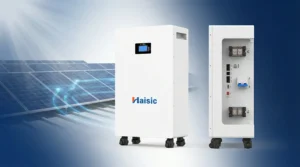
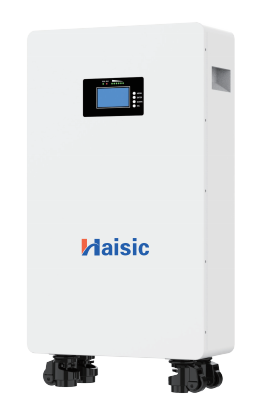
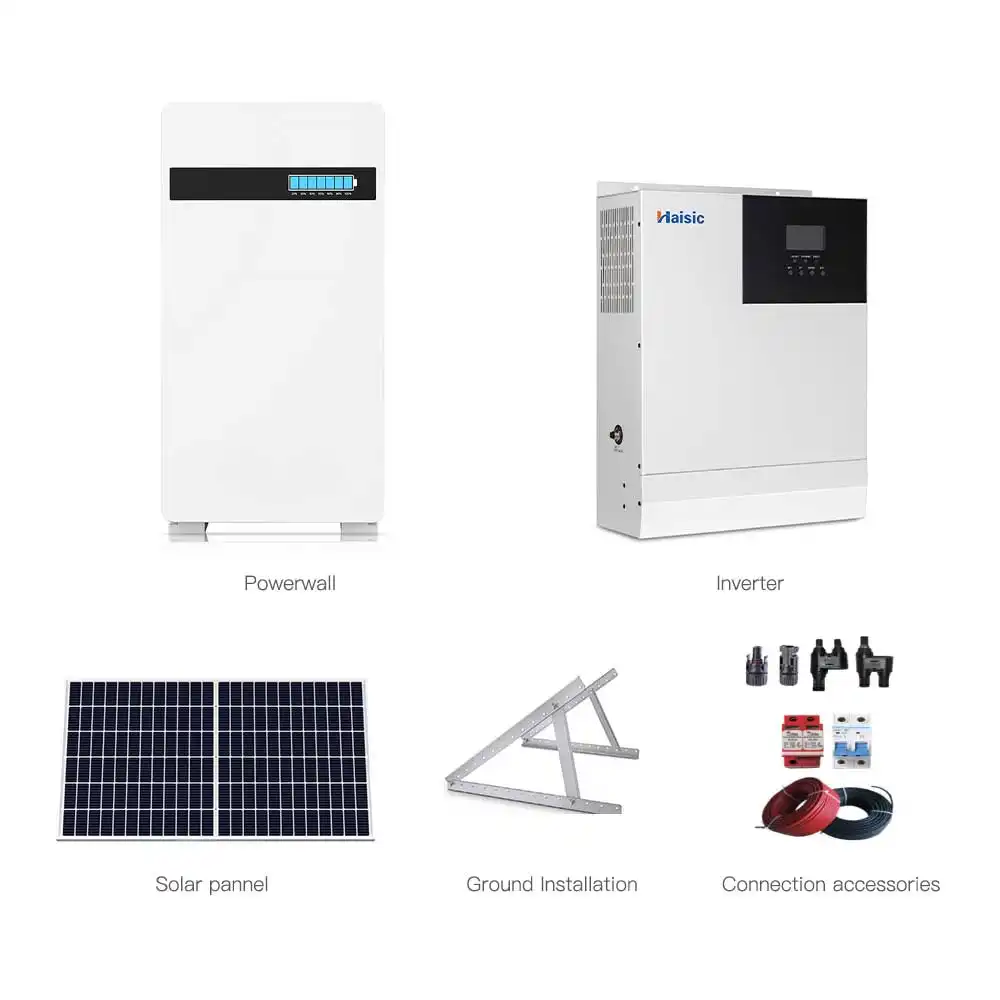
If you try to run an AC unit, a microwave, and a well pump simultaneously, you need high battery power output. If you want to keep just the lights and fridge on for three days, you need high capacity. For many households, a 10240Wh touchscreen energy storage system strikes an excellent balance, providing enough usable capacity to power essential circuits through the night or during short outages.
The Sizing Formula
Once you have your daily usage, use this simple calculation to estimate the required bank size:
(Daily Consumption in kWh × Days of Autonomy) / Depth of Discharge = Required Capacity
- Days of Autonomy: How many days do you want to survive without any sun? (Usually 1–2 days for grid-tied homes).
- Depth of Discharge (DoD): This is crucial. You cannot drain all batteries to 0%. While modern LFP batteries allow for 90–100% discharge, older lead-acid types shouldn\’t go below 50%.
Critical Factors That Change the Math
The formula gives you a baseline, but real life requires adjustments. Consider these variables before finalizing your choice:
- Critical Loads vs. Whole Home: Are you backing up the entire house or just the \”essentials\” (fridge, Wi-Fi, lights)? Backing up everything requires a significantly larger investment.
- EV Charging: If you plan to charge an electric vehicle at night, your solar battery capacity needs to be massive. An EV can easily consume 15–50 kWh in a single charge.
- Start-up Surges: Some appliances (like pumps and compressors) require a massive spike of power to start up. Ensure your system\’s continuous power rating can handle these surges. A dedicated 5kW power energy storage solar system is often sufficient to manage these standard household loads effectively.
Understand Battery Types and Chemistries
When you are looking for the best home battery 2026, you need to look under the hood. The chemical makeup of your battery determines how long it lasts, how safe it is, and how much power you actually get. While there are a few niche options out there, the market is primarily dominated by three contenders: legacy Lead-Acid, traditional Lithium-Ion (NMC), and the modern standard, Lithium Iron Phosphate battery (LFP).
Comparing the Top Contenders: LFP vs Lithium Ion vs Lead-Acid
For a long time, lead-acid was the only game in town. It is cheap upfront but heavy, requires maintenance, and dies quickly if you drain it too much. Then came traditional Lithium-Ion (often Nickel Manganese Cobalt, or NMC), which offered high energy density but struggled with thermal stability and moderate lifespans.
Today, LFP vs lithium ion is the main debate, and for residential solar battery storage, LFP is winning handily. We prioritize this chemistry in our products because it offers the best balance of performance and peace of mind. For example, reliable units like our 12V 70Ah LiFePO4 deep cycle battery utilize this technology to provide consistent power without the degradation issues found in older battery types.
Here is a quick breakdown of how they stack up:
| Feature | Lead-Acid (AGM/Gel) | Traditional Lithium-Ion (NMC) | LiFePO4 (LFP) |
|---|---|---|---|
| Cycle Life | 500 – 1,000 Cycles | 2,000 – 3,000 Cycles | 6,000+ Cycles |
| Depth of Discharge (DoD) | ~50% (Avoid deep draining) | ~80-90% | 90-100% Usable |
| Safety Risk | Gassing/Acid leaks | Moderate (Thermal Runaway) | Extremely Safe (Stable) |
| Lifespan | 3-5 Years | 7-10 Years | 15+ Years |
Why LFP Leads the Pack in 2026
If you want a \”set it and forget it\” solution, Lithium Iron Phosphate is the superior choice. Here is why we—and the rest of the industry—are shifting almost exclusively to LFP:
- Superior Safety: LFP chemistry is chemically stable. It does not contain cobalt, meaning it is highly resistant to thermal runaway (catching fire). This is non-negotiable for a battery sitting inside or near your home.
- Massive Cycle Life: You can charge and drain these batteries daily for over a decade. With 6,000+ cycles, your return on investment is much higher compared to NMC batteries that might degrade after 5-7 years.
- High Depth of Discharge: You get what you pay for. If you buy a 10kWh LFP battery, you can use nearly all of it. With lead-acid, you pay for capacity you can’t touch without damaging the unit.
- Temperature Tolerance: LFP handles heat and cold better than its predecessors, making it ideal for varied global climates.
While we focus on residential solutions, it is worth briefly mentioning flow batteries. These are emerging for large-scale industrial use where space isn\’t an issue, but for residential home energy storage, they remain too bulky and expensive for now.
For most homeowners, the smart money is on LFP. Whether you are powering a golf cart or backing up essential home loads, the stability of a 25.6V 100Ah lithium battery proves that LFP is the robust, long-term solution modern energy systems demand.
Would you like me to help you calculate the specific usable capacity you need based on your daily kilowatt-hour usage?
Key Specifications to Evaluate
When figuring out how to choose the best solar battery, looking past the sleek casing and diving into the technical specifications is crucial. I tell my clients that the numbers on the spec sheet determine the real-world value of their investment. You need a system that performs efficiently and lasts for decades.
Usable Capacity and Round-Trip Efficiency
First, you must distinguish between total capacity and usable capacity. Many lead-acid batteries have a total capacity that you can only utilize 50% of, whereas modern Lithium Iron Phosphate (LFP) options allow for nearly 100% usage.
- Usable Capacity: The actual amount of energy (kWh) you can draw from the battery.
- Round-Trip Efficiency: Aim for a rating of 90% or higher. This measures how much energy is preserved during the charging and discharging process. A higher percentage means you waste less of the solar power your panels generate.
For homeowners looking to maximize their stored energy, our 51.2V 100Ah LiFePO4 battery offers industry-leading usable capacity and efficiency, ensuring you get the most out of every charge.
Battery Power Output: Continuous vs. Peak
Capacity is like the size of your gas tank, but power output is the size of the engine. You need to check the battery power output to ensure it can handle your simultaneous loads.
- Continuous Power: The amount of power the battery can deliver constantly to run lights, WiFi, and the refrigerator.
- Peak Power: A short burst of energy required to start heavy appliances like a well pump or central air conditioner.
Cycle Life and Warranty Terms
A robust solar battery warranty usually indicates a high-quality product. In 2026, the standard for LFP batteries is significantly higher than older technologies.
- Cycle Life: Look for 6,000+ cycles. This translates to over 15 years of daily use.
- End-of-Warranty Capacity: Check the retention rate. A quality battery should still hold at least 60% to 70% of its original capacity after the warranty period ends.
Scalability and Modularity
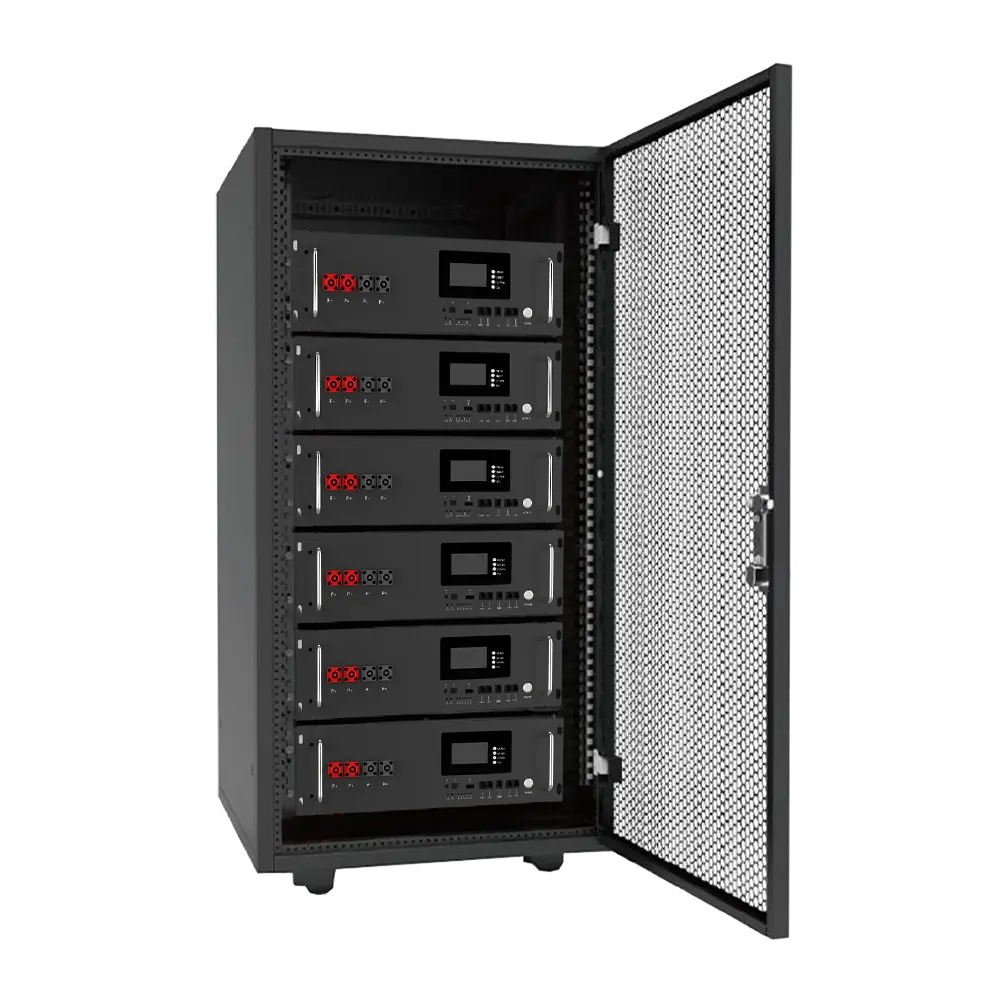
ly, consider future expansion. Your energy needs might grow if you buy an EV or add a heat pump. A modular design allows you to stack more units later without replacing the entire system. For larger residential or light commercial needs, a high-voltage 51.2V rack battery system is ideal because it allows for easy scaling and integration with powerful inverters.
Quick Spec Checklist:
| Specification | Target Value | Why It Matters |
|---|---|---|
| Usable Capacity | 90%–100% of Total | Ensures you aren\’t paying for \”dead\” storage space. |
| Round-Trip Efficiency | > 90% | Minimizes energy loss; more power for your home. |
| Cycle Life | 6,000+ Cycles | Guarantees long-term durability and ROI. |
| Continuous Power | 5kW+ (per unit) | Allows running multiple heavy appliances at once. |
Would you like me to help you calculate the exact ROI based on these specifications?
Compatibility and Installation Considerations

When we look at adding solar battery storage, compatibility is just as critical as raw capacity. You can\’t just plug any battery into any system; the architecture you choose dictates the efficiency and complexity of your setup.
Hybrid vs. AC-Coupled vs. DC-Coupled
The biggest decision is how the battery connects to your home grid.
- AC-Coupled: The go-to choice if you already have solar panels installed. It sits alongside your current inverter but is slightly less efficient due to multiple power conversions.
- DC-Coupled: Highly efficient for new installs, capturing energy directly from the panels, though it can be complex to retrofit.
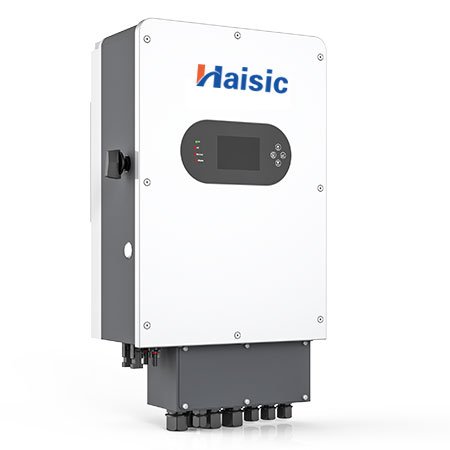
- Hybrid Systems: This is the sweet spot for most modern homes. A hybrid solar battery setup simplifies everything by using a single inverter for both PV and storage. For instance, installing a versatile 6-12kW IP65 hybrid solar inverter streamlines the wiring and manages power flow from panels to battery and grid in one compact unit.
Integration with Existing Inverters
If you are running heavier equipment or have a larger property, standard single-phase inverters might not cut it. You need to ensure your battery inverter matches your household voltage and load requirements. For demanding home energy storage needs, integrating a robust three-phase hybrid solar inverter ensures your system stays balanced and efficient without overloading a single phase.
Location and Safety
Batteries are heavy and temperature-sensitive.
- Indoor: Requires a cool, ventilated area (like a garage) to maximize battery power output and lifespan.
- Outdoor: If indoor space is tight, you must choose a unit with a high IP rating (weatherproof) to handle rain and dust.
- DIY vs. Professional: While I love a good project, high-voltage DC is dangerous. Professional installation is almost always required to keep the solar battery warranty valid and ensure your system meets local fire codes.
Costs, Incentives, and Return on Investment
Let\’s talk numbers. Understanding the true financial picture is critical when upgrading your home energy system. In 2026, the typical market rate sits between $700 and $1,200 per usable kWh installed. While this is a significant upfront investment, understanding the breakdown of the cost of solar battery storage helps you see where your money is actually going—hardware, installation, and permitting.
To make this investment work for you, you need to leverage available energy storage incentives.
- Federal ITC: You can claim a 30% Federal Investment Tax Credit on the total cost of the system. Keep in mind that to maximize certain benefits, you generally need to have your equipment installed and operational by December 31, 2026.
- Peak Shifting: By storing cheap daytime solar energy and discharging it during expensive evening peak hours, you drastically reduce your utility bill.
- Outage Avoidance: Calculating ROI isn\’t just about electricity rates; it\’s about the value of keeping your fridge running and lights on during a blackout.
ly, consider the long-term value. We focus on LFP chemistry because durability matters. A cheaper lead-acid battery might save money today, but replacing it in three years kills your ROI. A high-quality lithium system requires minimal attention, allowing you to manage your home battery storage budget and maintenance costs effectively over a 15-year lifespan.
Quick Payback Checklist
- Net Metering: Does your utility pay full retail rates for exported solar? If not, a battery increases your savings.
- Time-of-Use Rates: Are evening rates significantly higher than day rates?
- Incentives: Have you applied for the 30% tax credit and any local rebates?
Would you like me to help you compare the warranty terms of the top battery models to see which offers the best long-term security?
Top Solar Battery Recommendations for 2026
When you are looking for the best home battery 2026 has to offer, the market is generally split between famous consumer brands and specialized manufacturer-direct solutions. Choosing the right one depends on whether you need a simple, standard unit or a more robust, customized system.
Leading Market Options
For many homeowners, the recognizable names provide a sense of security.
- Tesla Powerwall 3: This is often the go-to for its sleek design and the fact that it includes an integrated solar inverter, making it a powerful all-in-one option.
- Enphase IQ: If you need modularity, Enphase is a strong choice. It allows you to start with a smaller capacity and add more battery blocks as your budget or energy needs grow.
- FranklinWH: This system is praised for its advanced load management, giving you granular control over which circuits stay active during an outage.
The Manufacturer-Direct Advantage: Haisic
While the big brands are good for standard setups, I believe there is immense value in manufacturer-direct solutions, especially when reliability and safety are your top priorities. At Haisic, we focus exclusively on LFP vs lithium ion technology. We use Lithium Iron Phosphate because it is inherently safer, handles heat better, and lasts significantly longer than traditional chemistries.
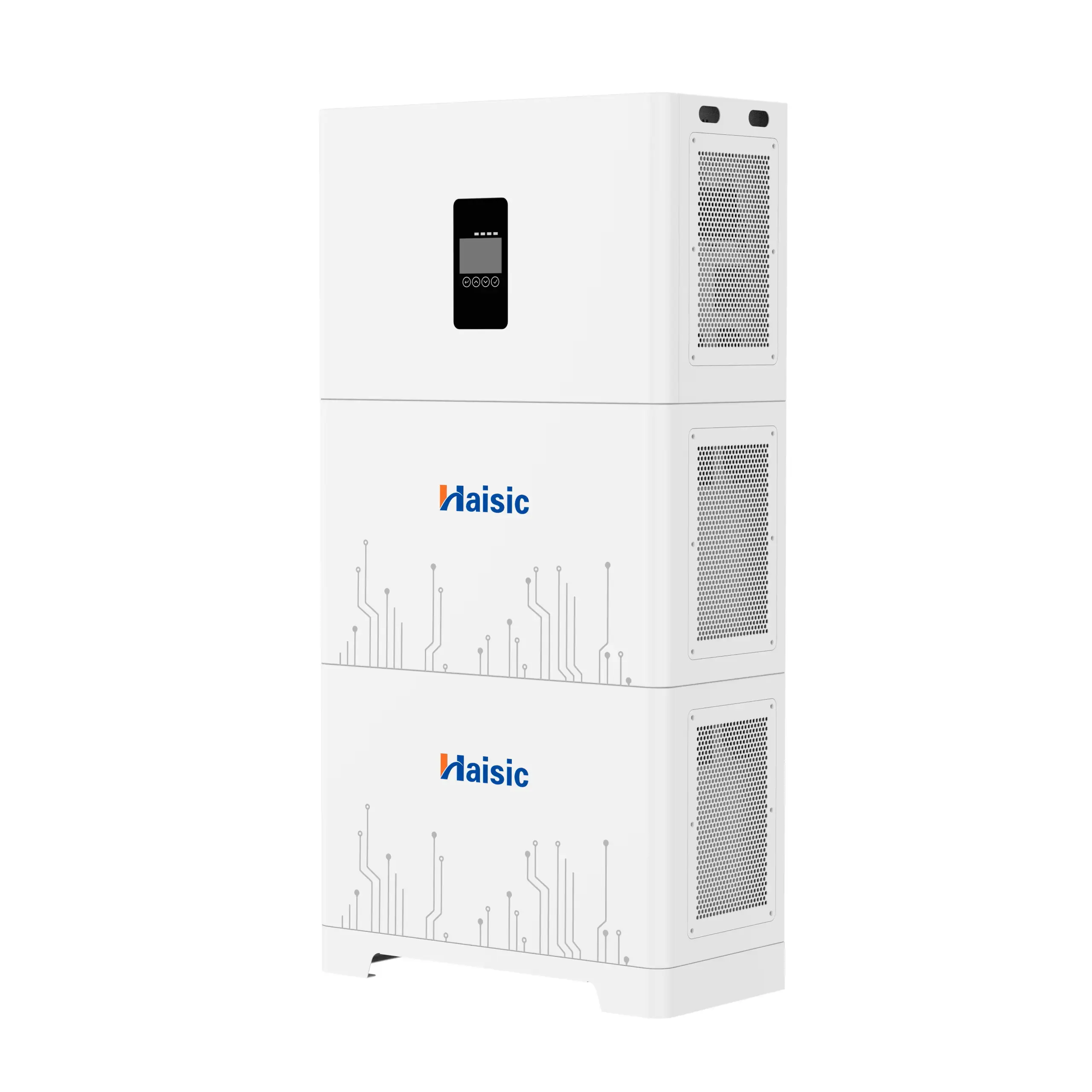
We also bridge the gap for users who need more power than a standard residential unit can provide. For large properties, luxury estates, or sites with heavy energy demands, off-the-shelf batteries often aren\’t enough. We engineer robust, scalable solutions like our high-voltage commercial energy storage systems, which bring industrial-grade stability to your energy setup. By working directly with us, you get a customized solar battery storage system that fits your exact specifications—ensuring you pay for high-quality cells and performance, not just a logo.
Common Mistakes to Avoid and Your Decision Checklist
Investing in solar battery storage is a major financial decision, and I’ve seen too many homeowners stumble right at the finish line. Avoiding these common pitfalls ensures your system actually delivers the savings and security you expect.
Pitfalls That Cost You Money
- Oversizing or Undersizing: This is the most frequent error. If your system is too small, it won\’t sustain your essential loads during an outage. If it\’s too big, you are paying for capacity you will never use. Accurate solar battery sizing is about hitting that \”Goldilocks\” zone—just right for your daily usage and backup needs.
- Ignoring Warranty Details: Don\’t just look at the number of years. A 10-year warranty is standard, but you must check the throughput (total energy delivered) and end-of-warranty capacity retention. A solid solar battery warranty guarantees the unit will still hold at least 70% of its charge after a decade.
- Overlooking Compatibility: Not every battery plays nice with every inverter. Buying a battery that can\’t communicate with your existing solar setup is a headache you don\’t want. Always verify if you need a hybrid system or an AC-coupled solution to integrate the best battery storage for solar into your home.
The Ultimate Decision Checklist
Before you sign any contract, run through this quick checklist to ensure you’ve covered all your bases for reliable battery storage for home.
- Goals: Are you prioritizing backup power, bill savings, or total off-grid independence?
- Sizing: Have you calculated your daily kWh usage and determined your required days of autonomy?
- Chemistry: Is it Lithium Iron Phosphate (LFP)? (Ideally, yes, for safety and longevity).
- Specs: Does the power rating (kW) match your simultaneous appliance load?
- Cost: Have you factored in installation fees and federal tax incentives?
- Installer: Is the team certified and experienced with your specific equipment?
Would you like me to help you create a specific email template to send to potential installers to get accurate quotes based on this checklist?