


Assessing Your Home\’s Readiness for Battery Storage
Before we drill a single hole for a home battery installation, we start with the numbers. A successful installation begins with a thorough energy audit to understand exactly how your home consumes power. We don\’t just look at your monthly bill; we map out your peak usage times to see where storage can provide the most value, whether that is through avoiding expensive time-of-use grid rates or ensuring stability during outages.
Conducting an Energy Audit and Calculating kWh Needs
We need to determine the right size for your system. This involves calculating your daily kilowatt-hour (kWh) requirements based on what you actually intend to power during a blackout. Most homeowners must choose between backing up the entire home (which requires significant capacity) or focusing on \”critical loads.\”
We sum up the wattage of essential appliances to define your capacity needs:
- Refrigerators: Typically require around 517 watts to keep food safe.
- Lighting: Minimal draw, usually under 100 watts for LED setups.
- HVAC Systems: High draw, often requiring multiple batteries or \”soft start\” devices.
- Microwaves: Short duration but high surge, often peaking at 1,500 watts.
Evaluating Solar Compatibility: AC vs. DC Coupling
If you have existing solar panels, we assess your current inverter setup. This determines how we integrate the battery:
- AC Coupling: The most common method for retrofitting batteries to existing solar arrays. It is easier to install because it works with your current inverter.
- DC Coupling: Often more efficient for new installations. The solar panels charge the battery directly before converting energy to AC for the home, reducing conversion losses.
Site Survey Essentials
The physical location of your residential battery backup is just as important as the wiring. During our site survey, we measure wall space to ensure there is adequate room for the unit and required electrical clearances. Since batteries are heavy, we verify that the wall has the structural support to hold the unit safely. We also check for proper ventilation to keep the battery within its optimal temperature range, ensuring the longevity of systems like our Haisic LFP units.
Choosing the Right Home Battery System
Before scheduling your home battery installation, selecting the right hardware is critical for long-term reliability and safety. The market is flooded with options, but understanding the core technology ensures you get a system that actually meets your daily energy needs.
Lithium-ion Chemistries: LFP vs. NMC
The most significant difference between batteries lies in their chemistry. While Nickel Manganese Cobalt (NMC) batteries have been popular for years, the industry is shifting toward Lithium iron phosphate battery home solutions.
- Safety: LFP batteries have a much higher thermal threshold, making them significantly less prone to overheating or fire compared to NMC.
- Longevity: LFP chemistry degrades slower, often lasting 10 to 15 years with minimal capacity loss, whereas NMC batteries tend to wear out faster under heavy daily cycling.
Capacity Ratings and Power Output
When comparing a home energy storage system, you need to distinguish between energy capacity (kWh) and power output (kW).
- Capacity (kWh): This is the size of your \”fuel tank.\” It determines how long you can run your home during a blackout.
- Continuous Power (kW): The steady stream of electricity available to run lights, Wi-Fi, and the refrigerator.
- Peak Power (kW): The short burst of energy required to start heavy appliances like a sump pump or central AC.
If your system has high capacity but low peak power, it will trip the breaker when the AC kicks on. Always check that the continuous and peak ratings match your specific appliance loads.
Modular vs. All-in-One Designs
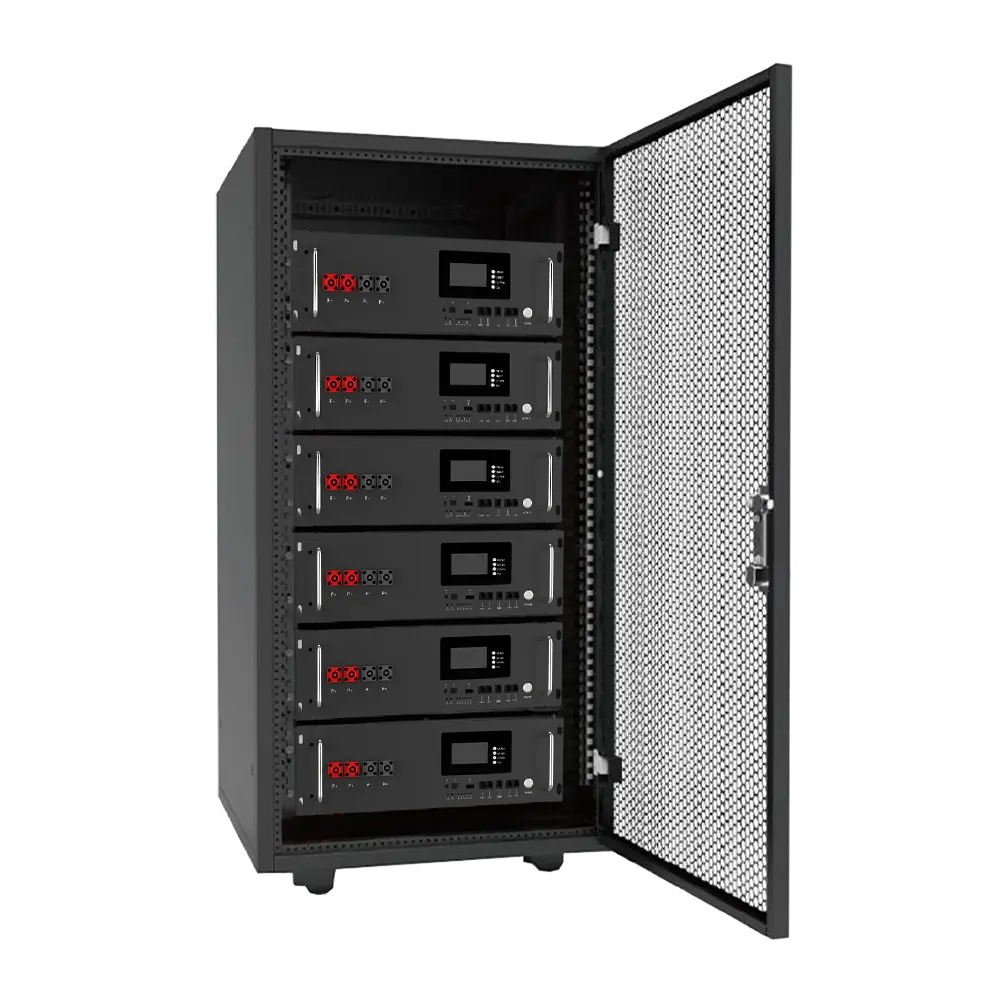
Many homeowners make the mistake of buying a rigid, all-in-one unit that cannot be expanded. Energy needs change—you might buy an EV or add a heat pump later. We recommend modular systems that allow you to start with a baseline capacity and add more storage later without replacing the entire inverter.
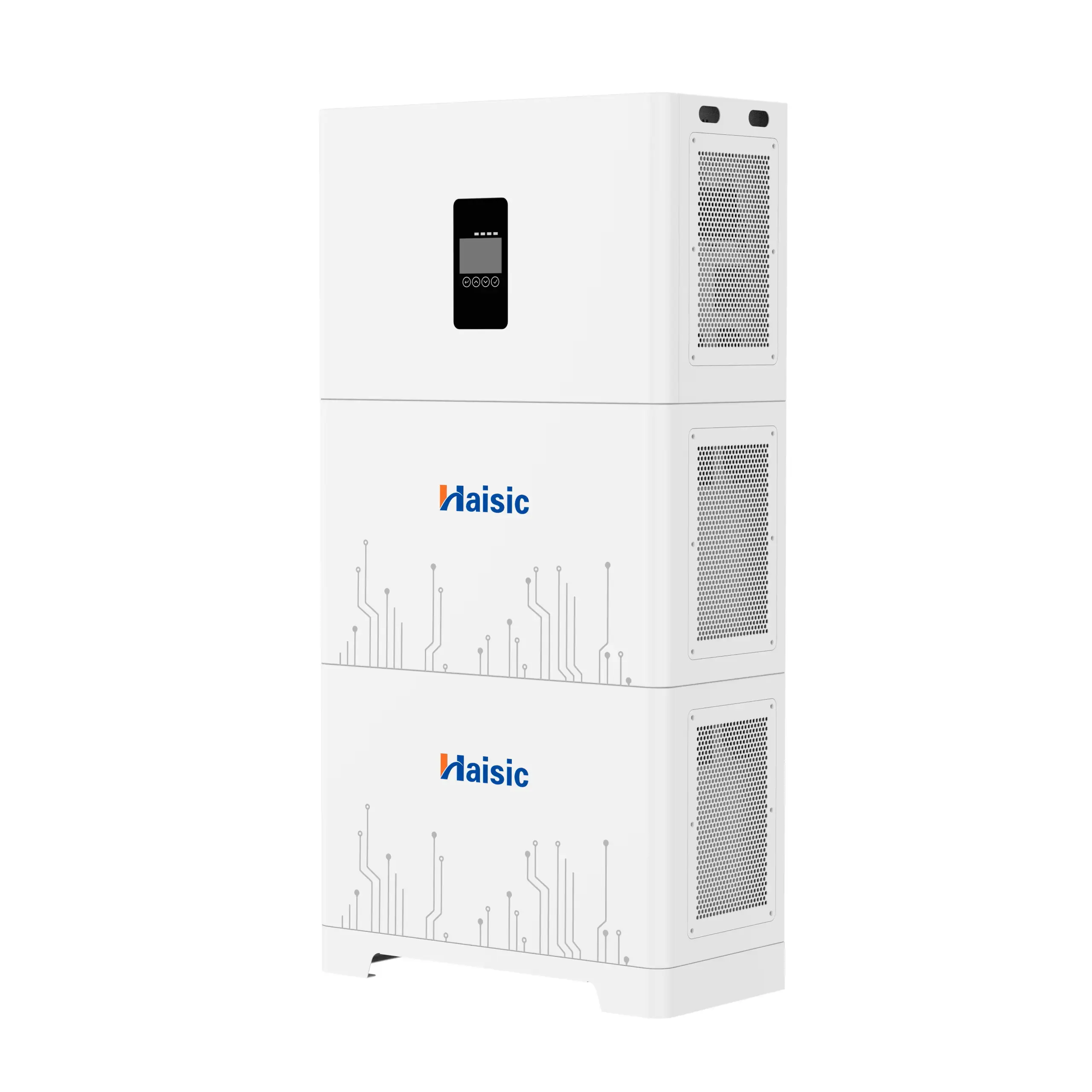
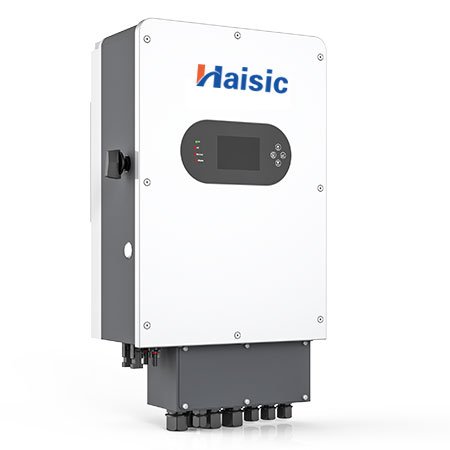
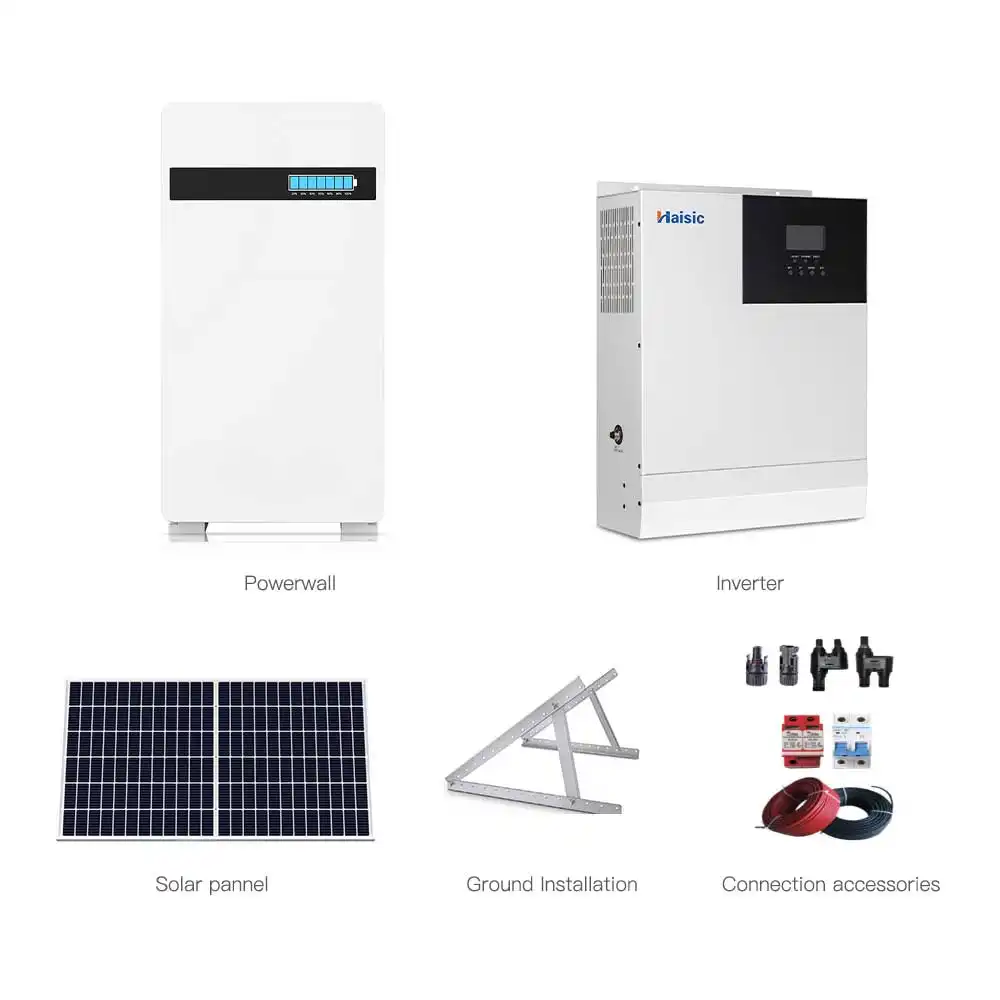
Our 5kW power energy storage solar system for home utilizes this stackable architecture, allowing you to scale up easily. Additionally, durability is non-negotiable. Haisic’s designs come with IP65 weatherproof ratings, ensuring the hardware withstands dust, moisture, and temperature variations whether installed in a garage or a sheltered outdoor space.
The Professional Installation Process: Step-by-Step
Executing a successful home battery installation requires more than just heavy lifting; it involves precise electrical engineering and strict adherence to safety codes. We treat every project as a critical infrastructure upgrade, ensuring your system provides reliable backup power when the grid goes down. Here is how we break down the solar battery installation process into manageable phases.
Phase 1: Consultation, Audit, and Permitting
Before a single screw is turned, we handle the essential groundwork. This phase ensures your system is legal, safe, and optimized for your specific energy needs.
- Site Assessment: We conduct a thorough energy audit to determine your critical loads and verify that your electrical panel can support the new system.
- Permitting: We navigate the complex paperwork, filing for electrical and building permits required by your local municipality.
- Compliance: All designs are checked against NEC Article 706 (Electrical Systems) and UL 9540 safety standards to ensure your system meets the highest regulatory benchmarks.
Phase 2: Site Preparation and Mounting
Once permits are approved, we prepare the physical location. Whether the unit goes in the garage or a utility room, the surface must be non-combustible and structurally sound.
- Structural Integrity: For a 10kWh wall-mounted home energy storage unit, we reinforce the mounting points to handle the weight securely.
- Clearance: We ensure proper spacing around the unit for ventilation and cooling, which is vital for maintaining battery health.
- Weatherproofing: If installing outdoors, we verify that the location protects the hardware from extreme direct sunlight or snow accumulation.
Phase 3: Wiring and Electrical Integration
This is the most technical part of the residential battery backup installation. We integrate the battery with your home’s existing grid and solar connections.
- Sub-Panel Installation: We often install a critical loads panel to separate essential circuits (like fridges and lights) from heavy loads that drain the battery too fast.
- Safety Switches: We install AC/DC disconnect switches and surge protection devices to isolate the system during emergencies or maintenance.
- Inverter Connection: We wire the battery to the inverter, ensuring seamless communication between your solar panels and the storage unit.
Phase 4: Commissioning and Testing
The final phase brings the system to life. We don\’t just flip a switch; we rigorously test the Battery Management System (BMS) to ensure it responds correctly to grid changes.
- Software Configuration: We program the system settings, prioritizing either self-consumption or backup power based on your preference.
- Grid Failure Simulation: We cut the main power to test the system’s \”islanding\” capability, confirming that your battery instantly takes over without interrupting your appliances.
- Monitoring Setup: We connect the system to your Wi-Fi so you can track real-time usage and battery levels via the mobile app.
Best Locations for Installation and Safety Standards
Selecting the best location for home battery placement is about more than just finding empty wall space; it is critical for maximizing system efficiency and lifespan. We typically recommend installing storage units in climate-controlled environments like a utility room or a finished basement. While garages are a common choice due to space, they often lack insulation. Batteries are sensitive to temperature extremes—excessive heat can degrade the cells, while freezing temperatures can temporarily reduce the available capacity.
Indoor vs. Outdoor Considerations
For homeowners in regions with harsh climates, such as the freezing winters in Wyoming or the scorching heat of Arizona, indoor installation is almost always the superior choice. If an outdoor installation is the only option, the unit must be rated for outdoor use (NEMA 3R or IP65) and ideally placed in a shaded area out of direct sunlight. When planning your home lithium battery storage, we prioritize locations that maintain a steady ambient temperature to ensure consistent power output.
Compliance with Battery Installation Safety Standards
Safety is our top priority during every home battery installation. We strictly adhere to battery installation safety standards, including NFPA 855, which dictates specific clearance requirements to prevent fire hazards.
- Clearance: Batteries usually require at least 3 feet of clearance from windows, doors, and other equipment to ensure proper ventilation and access.
- Mounting: Units must be mounted on non-combustible surfaces, such as drywall backed by studs, stucco, or concrete.
- Impact Protection: In garages, we install bollards or ensure the battery is mounted high enough to prevent accidental vehicle impact.
Fire Prevention and Monitoring
Modern systems, particularly those using Lithium Iron Phosphate (LFP) chemistry, are significantly safer than older cobalt-based models. To further mitigate risk, our systems include a built-in Battery Management System (BMS) that constantly monitors voltage and temperature. We also integrate smoke or heat detectors in the installation area to provide an added layer of protection for your home and family.
Costs, Incentives, and Financial ROI
Investing in home battery installation is a significant financial decision, but recent market trends and incentives have made the return on investment (ROI) clearer than ever. While the baseline cost for a quality system often starts above $10,000, the long-term savings on utility bills and the value of energy security often outweigh the initial price tag.
Hardware vs. Labor Cost Breakdown
The total price of your energy storage system isn\’t just the battery unit. The final invoice typically reflects a split between hardware and the specialized labor required for a safe installation.
- Hardware: Includes the battery modules, inverter, mounting equipment, and gateway.
- Labor & Balance of System: Covers permitting, electrical wiring, sub-panel installation for backup loads, and commissioning.
Complex setups, such as whole-home backup requiring a \”soft start\” for AC units, will naturally increase labor costs compared to a simple consumption-only setup. For a detailed look at current pricing trends, you can review our breakdown of the cost of solar battery storage.
Federal Tax Credits and Local Rebates
The financial landscape for batteries is heavily supported by government policy. The most impactful incentive is the Federal Investment Tax Credit (ITC), which allows you to claim 30% of the total project cost as a credit against your federal income taxes.
Beyond the federal level, home battery incentives rebates vary by location:
- State Rebates: Programs like California\’s SGIP can cover a portion of the hardware cost.
- Utility Incentives: Some power companies offer cash rebates or bill credits if you allow them to draw from your battery during peak grid stress events (Virtual Power Plants).
Calculating ROI with Time-of-Use (TOU) Arbitrage
Your solar battery cost and ROI are directly tied to how you use the system. If your utility provider charges higher rates during peak evening hours (Time-of-Use rates), a battery allows you to practice \”energy arbitrage.\”
- Charge the battery with cheap solar power during the day or low-cost grid power at night.
- Discharge the battery during peak hours (e.g., 4 PM – 9 PM) to avoid expensive grid rates.
This strategy maximizes the value of every kilowatt-hour you generate and store, significantly shortening the payback period of the system.
Financing Options
We understand that upfront cash purchases aren\’t feasible for every homeowner. That is why we support various financing routes:
- Solar Loans: Often bundled with solar panel loans for a single monthly payment.
- Leases/PPAs: Third-party ownership models where you pay for the service rather than the hardware.
- Haisic Partner Programs: We work with certified installers to offer competitive financing structures designed to make energy independence accessible.
Maintenance, Monitoring, and Longevity

One of the most significant advantages of a modern home battery installation is that it requires minimal physical upkeep compared to traditional gas generators. There are no fuel filters to change or oil levels to check. However, to ensure your system operates at peak efficiency for decades, a proactive approach to monitoring and software management is essential.
Routine Inspections and Firmware Updates
While the hardware is durable, keeping the system clean and updated is vital. We recommend a visual inspection every few months to ensure the unit is free of dust, debris, and that all ventilation ports are unobstructed.
- Physical Check: Ensure no external damage or loose cabling is visible.
- Software Updates: Most systems receive over-the-air firmware updates. These updates optimize the Battery Management System (BMS), improving charging algorithms and safety protocols automatically.
Smart Monitoring via Mobile App
You should never have to guess about your home\’s energy status. Integrated monitoring apps provide a transparent view of your home energy storage system. Through a user-friendly dashboard, you can track real-time data points including:
- Current battery charge levels (State of Charge).
- Real-time solar production versus home consumption.
- Grid import/export history.
- Historical performance data to track savings.
Warranty Expectations and Cycle Life
Understanding the warranty is crucial for calculating long-term value. A standard warranty for a residential battery backup typically covers the equipment for 10 years, guaranteeing it will retain a certain percentage of its original capacity (usually around 70%).
Key metrics to watch include:
- Throughput Warranty: The total amount of energy (MWh) the battery can deliver over its life.
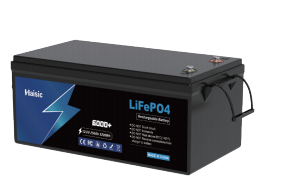
- Cycle Life: The number of times the battery can be fully charged and discharged. For instance, high-quality units like our Haisic 12.8V LiFePO4 battery packs are rated for over 6,000 cycles, offering significantly longer service life than traditional alternatives.
The Haisic LFP Advantage
We utilize Lithium Iron Phosphate (LFP) chemistry in our Lithium iron phosphate battery home systems because it offers superior thermal stability and longevity. Unlike NMC (Nickel Manganese Cobalt) batteries, LFP cells are far less prone to thermal runaway and degradation. This chemical stability allows Haisic batteries to withstand wider temperature ranges and frequent cycling without compromising safety or performance, ensuring your investment stands the test of time.
Frequently Asked Questions (FAQ)
How long does the home battery installation process take?
The physical work of mounting and wiring the hardware is surprisingly quick, typically taking our professional crews just one to two days. However, the full home battery installation timeline involves more than just labor. Securing building permits and obtaining \”permission to operate\” (PTO) from your utility company can extend the process to several weeks or months, depending on local government efficiency. We handle the paperwork to keep things moving as fast as possible.
Can I add a battery to my existing solar panel system?
Yes, retrofitting is a very common practice. If you already have solar panels, we can integrate a residential battery backup using an AC-coupled system. This sits alongside your existing solar inverter to store excess energy without requiring a complete rewiring of your current setup. It is an efficient way to upgrade your system for energy independence. You can easily add our battery storage for home to capture that solar power you are currently sending back to the grid.
Will my home battery work automatically during a power outage?
Absolutely. One of the main benefits of a home energy storage system is the ability to \”island\” your home. When the grid goes down, the system’s gateway detects the failure instantly and disconnects your house from the utility lines. It then automatically switches to battery power, keeping your essential appliances running. Without this battery isolation, solar panels are legally required to shut off during blackouts to protect utility workers.
What is the expected lifespan of a lithium iron phosphate home battery?
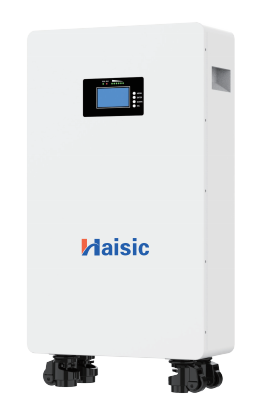
We prioritize Lithium Iron Phosphate (LFP) chemistry because it offers superior safety and longevity compared to older technologies. You can expect a lifespan of over 10 years. Our units, such as the touchscreen home energy battery, are rated for thousands of charge cycles while retaining the vast majority of their original capacity. This durability ensures your investment provides reliable backup for a decade or more.
Are there specific incentives for battery installation in my area?
Financial incentives can significantly lower the solar battery cost and ROI period. In the United States, the Federal Clean Energy Tax Credit (ITC) covers 30% of the cost for battery storage projects. Additionally, many local utility companies offer specific rebates or Virtual Power Plant (VPP) programs where you earn credits for sharing stored energy during peak demand. We recommend checking with your local provider to maximize these savings.