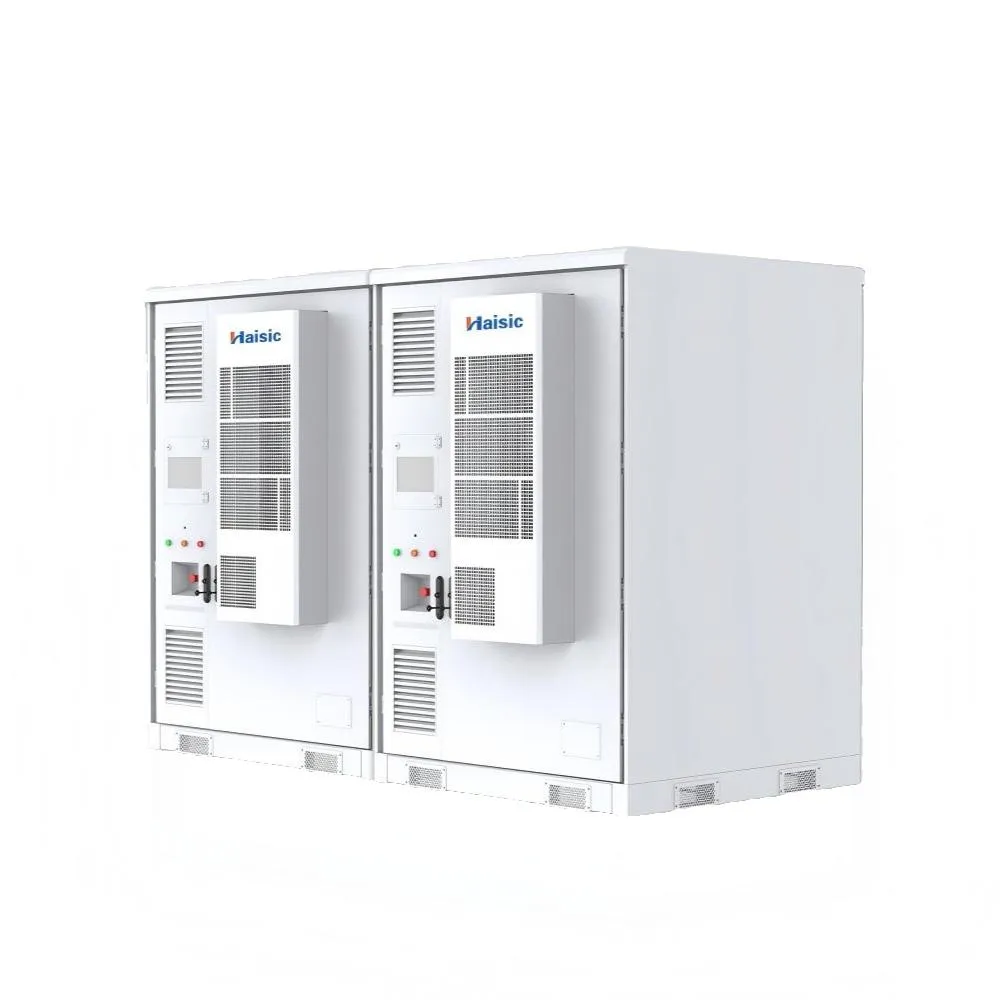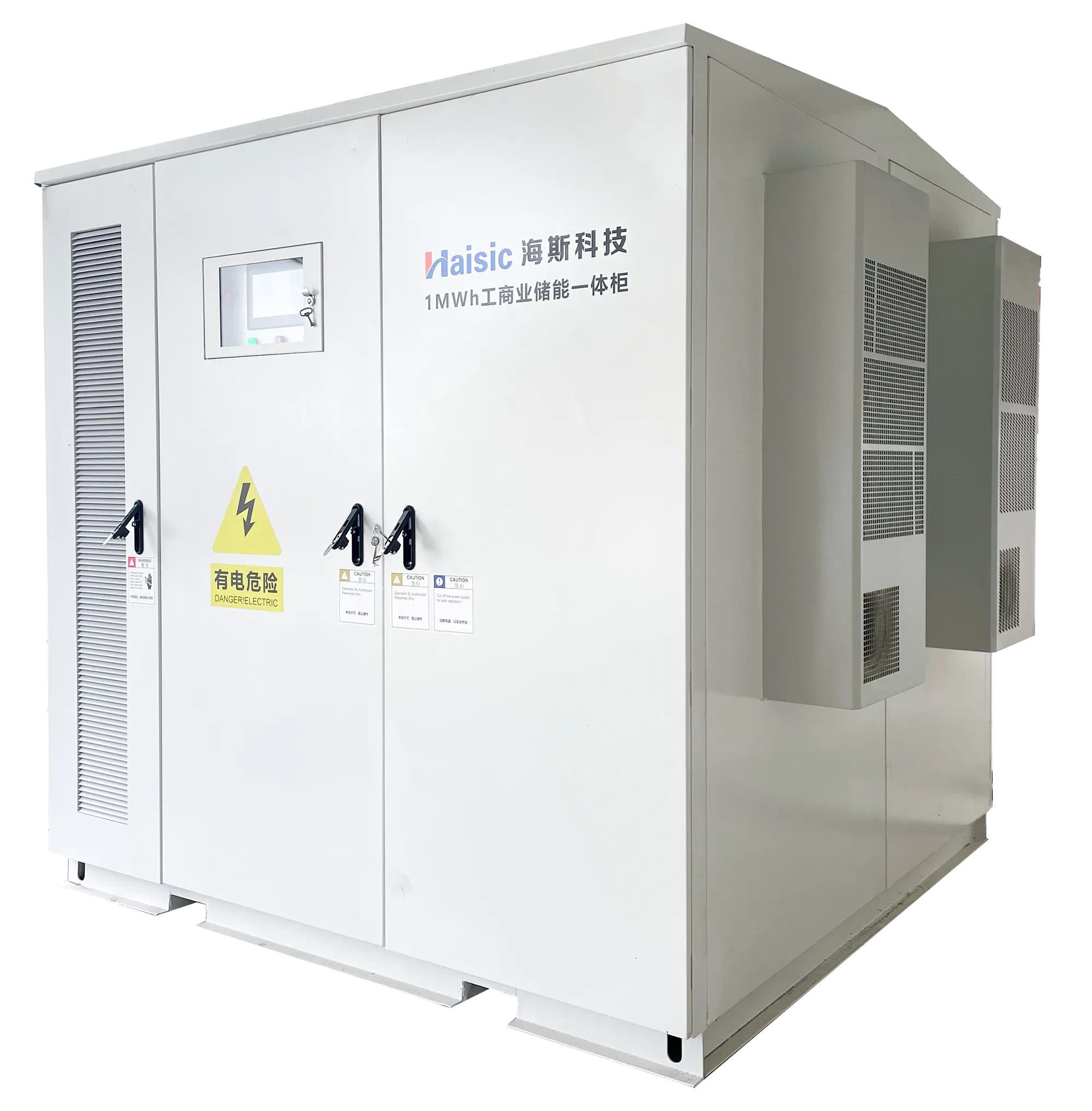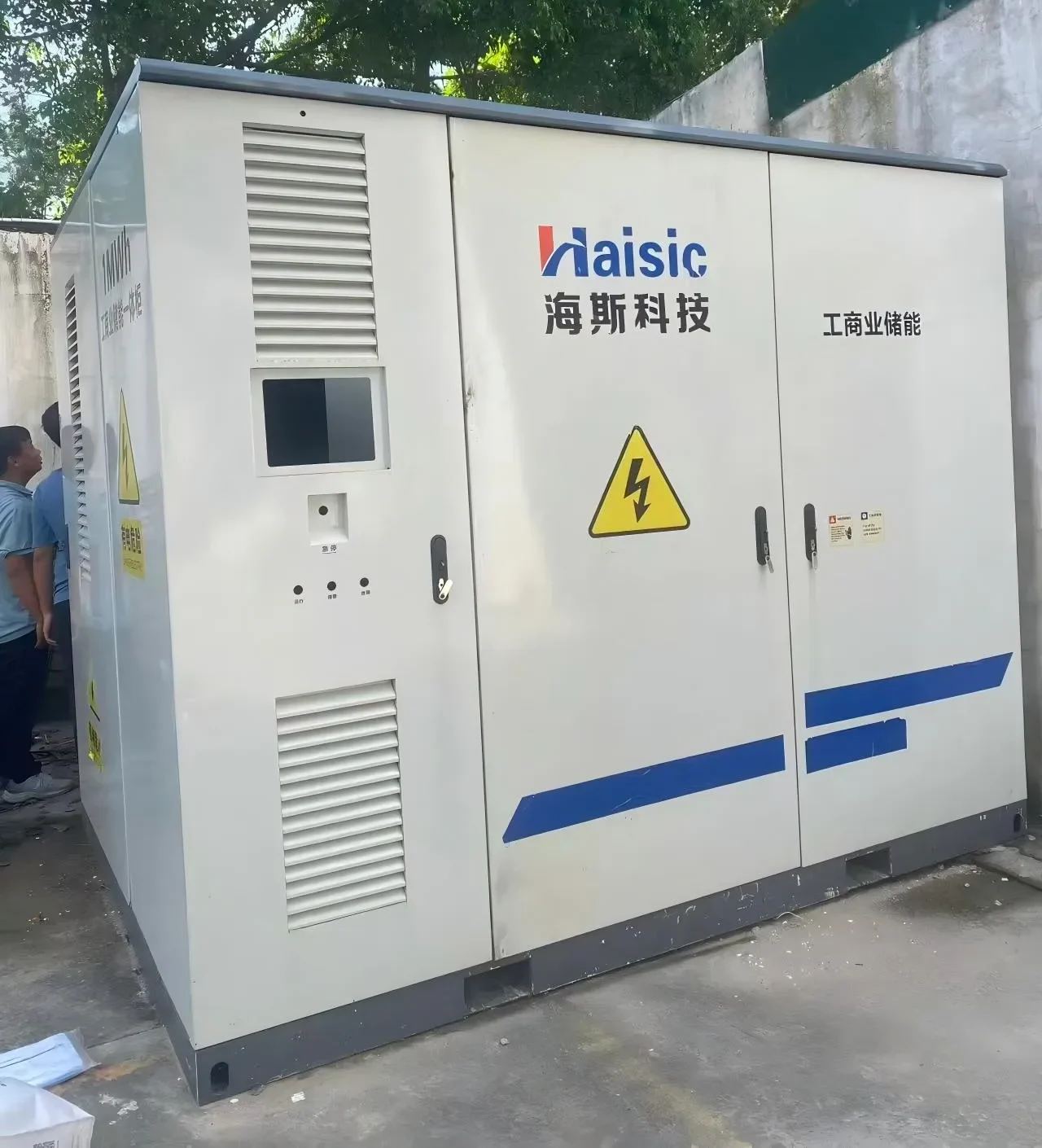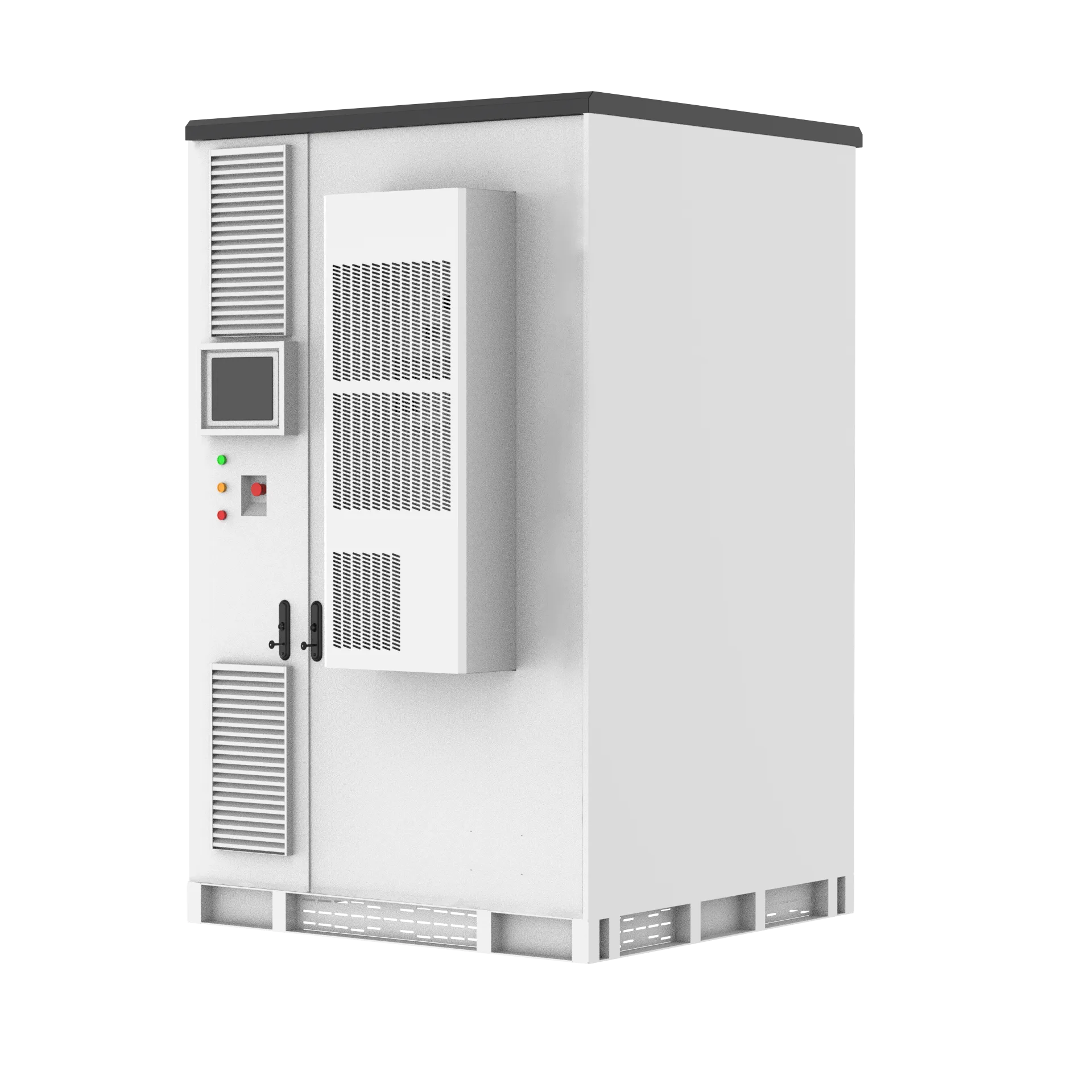










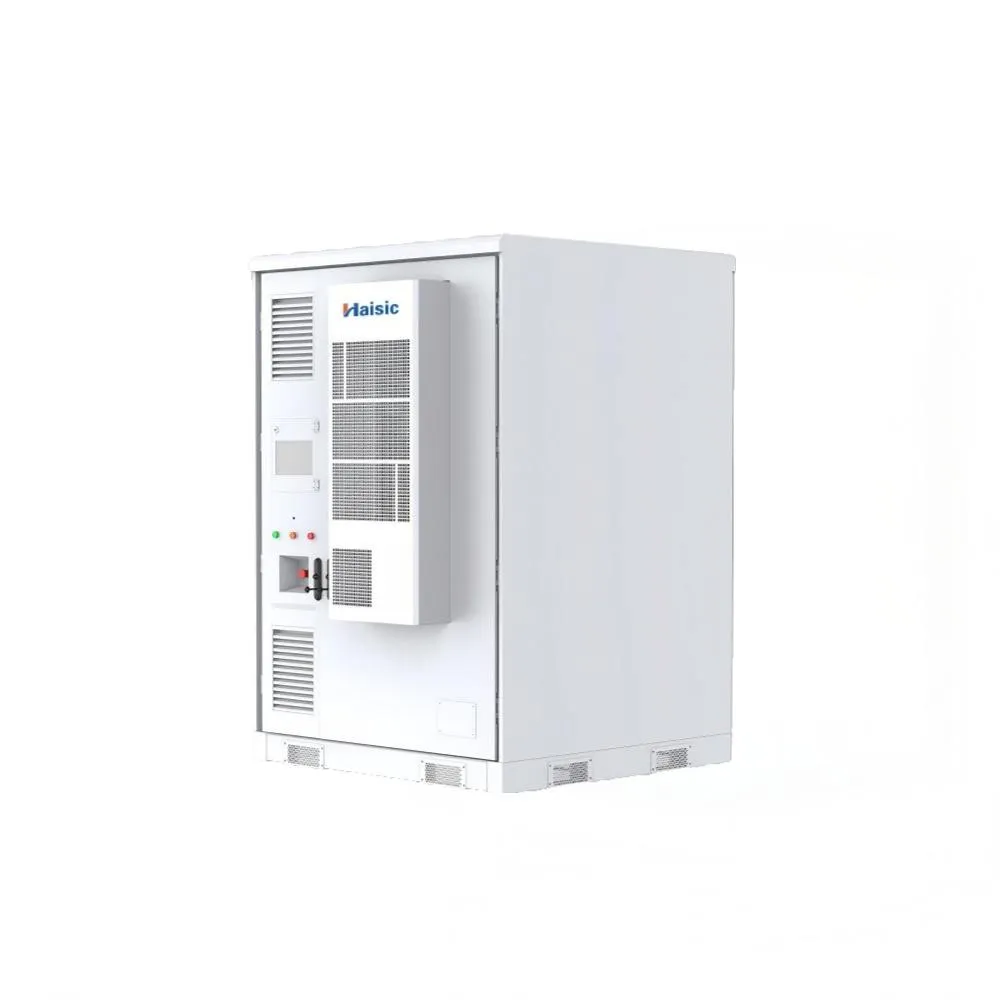
Haisic 100kWh Containerized LiFePO4 Battery Energy Storage System
Haisic 100kWh Containerized Battery Energy Storage System delivers reliable LiFePO4 power for commercial peak shaving and industrial solar storage.
Product successfully added to the quotation
Haisic 100kWh Containerized LiFePO4 Battery Energy Storage System Description
Search Intent Analysis: Procuring Haisic 100kWh Containerized Battery Energy Storage System
When exploring energy storage solutions for commercial or industrial projects, decision-makers seek reliable, high-performance, and scalable systems. The Haisic 100kWh Containerized Battery Energy Storage System addresses this high-intent procurement need by offering a robust, plug-and-play energy storage unit designed to optimize power management and flexibility.
Key customer concerns include:
- Energy capacity aligned with site requirements (around 100kW power and 215kWh energy)
- System reliability with proven safety and durability features
- Ease of installation and operation compatible with existing infrastructure
- Technical support and warranty for long-term peace of mind
- Compliance with international standards for global deployment
Understanding these needs helps buyers identify the Haisic HS-ESS100kW215kWh as a practical solution for peak shaving, solar-plus-storage, microgrid stability, and other commercial energy applications. This system’s containerized design simplifies onsite deployment, reducing installation time and costs while ensuring consistent performance in harsh outdoor environments.
If you’re searching for a trusted, industrial-grade battery storage system that balances power, safety, and smart management, the Haisic 100kWh containerized BESS stands out as a top-tier option worth considering.
Product Overview: Haisic HS-ESS100kW/215kWh Containerized Battery Energy Storage System
The Haisic HS-ESS100kW/215kWh is a compact, containerized plug-and-play battery energy storage system (BESS) designed specifically for commercial and industrial applications. This system combines a powerful 100kW discharge capacity with a substantial 215kWh battery bank to deliver reliable and efficient energy storage tailored for peak shaving, solar integration, and grid support.
Built with high-quality LiFePO4 cells, the HS-ESS100kW/215kWh offers long cycle life and robust safety features within a durable IP54-rated enclosure, making it suitable for demanding outdoor environments. Its container design makes transportation and installation straightforward, while the integrated system components are ready to run with minimal setup, making it an ideal solution for businesses seeking quick deployment and scalable energy storage.
For more detailed technical specs and options, check out the dedicated 215kWh 100kW commercial & industrial container ESS page.
Key Features of Haisic 100kWh Containerized Battery Energy Storage System
The Haisic HS-ESS100kW/215kWh containerized battery energy storage system packs a powerful set of features designed for reliability, safety, and easy management:
| Feature | Description |
|---|---|
| Battery Type | LiFePO4 Lithium Iron Phosphate cells for long life and stability |
| Cooling System | Advanced liquid cooling paired with heat ventilation for optimal temperature control |
| Fire Suppression | Multi-layer automatic fire suppression for enhanced safety |
| Protection Rating | IP54-rated enclosure ensuring dust and water resistance for outdoor use |
| Communication | Remote monitoring and control via Ethernet, supporting Modbus TCP/IP protocol |
| Plug-and-Play | Simple setup with ready-to-use container design |
These features work together to deliver a safe, scalable, and high-performance industrial containerized BESS ideal for commercial and microgrid projects. For more about how battery storage fits your needs, check out our detailed insights on battery energy storage systems.
Technical Specifications of Haisic 100kWh Containerized Battery Energy Storage System
Here’s a clear breakdown of the key technical specs for the Haisic HS-ESS100kW/215kWh containerized battery energy storage system:
| Parameter | Specification |
|---|---|
| Battery Type | LiFePO4 (Lithium Iron Phosphate) |
| Model Number | HS-ESS100kW215kWh |
| Rated Energy (Usable) | 114.688 kWh |
| Discharge Power | 100 kW |
| Max Charging Power | 120 kW |
| System Voltage | 358.4V – 448V |
| Voltage Range | 358.4V – 448V |
| Rated AC Grid Voltage | AC 320V – 460V |
| System Efficiency | ≥ 85% |
| Operating Temp. Range | -20°C to 50°C |
| Relative Humidity | 0-95%, non-condensing |
| IP Rating | IP54 (dust and splash protection) |
| Dimension (L×W×H) | 2200 mm × 1100 mm × 2340 mm |
| Weight | Approx. 3100 kg |
| Communication Interface | Ethernet with Modbus TCP/IP |
This system is designed to deliver stable 100kW discharge power, with flexible voltage limits to fit a variety of commercial and industrial energy needs. Its high efficiency and wide operational temperature range make it ideal for various climates and workloads.
For those interested in the battery chemistry behind this system, you might want to check out our LiFePO4 battery options that highlight why this technology is favored for safe, long-lasting energy storage.
System Architecture & Components
The Haisic 100kWh Containerized Battery Energy Storage System features a robust design centered around high-quality battery clusters using LiFePO4 cells. These clusters are managed by an advanced Battery Management System (BMS) and an Energy Management System (EMS) to ensure optimal performance, safety, and longevity.
A hybrid Power Conversion System (PCS) with efficient inverter technology enables smooth grid connection and energy flow control, supporting both charging and discharging at reliable rates. The liquid cooling system keeps battery temperatures stable, even during high loads or harsh environmental conditions, enhancing efficiency and lifespan.
For safety, the system includes multi-layer fire suppression integrated with real-time monitoring to detect and respond quickly to potential threats. This comprehensive architecture guarantees a durable, scalable, and secure containerized energy storage solution ideal for commercial and industrial applications.
For more insights on battery management and monitoring technology, explore our detailed information on the 12.8V 280Ah BMS battery storage system to understand how intelligent control improves battery safety and efficiency.
Performance Data of Haisic 100kWh Containerized Battery Energy Storage System
The Haisic HS-ESS100kW/215kWh delivers solid performance backed by detailed efficiency and lifecycle data. Its system efficiency remains consistently above 85%, ensuring you get the most out of every charge and discharge cycle. The battery’s cycle life is closely linked to its Depth of Discharge (DoD) — operating within recommended DoD ranges extends overall lifespan, making it ideal for long-term commercial and industrial use.
Charge and discharge profiles are designed for optimal energy flow. The system supports a maximum charging power of 120kW, while delivering a steady 100kW discharge power, which helps in peak shaving and smooth energy supply. The liquid cooling system aids in maintaining consistent temperatures, enhancing performance and cycle stability over time.
Understanding these performance curves and profiles upfront helps users maximize efficiency and plan maintenance. For those interested in battery cell details, you might also explore related options like this 51.2V 400Ah LiFePO4 battery pack that complements high-capacity storage solutions.
Applications & Case Studies of Haisic 100kWh Containerized Battery Energy Storage System
The Haisic 100kWh containerized battery energy storage system is a versatile solution widely used in commercial solar + storage setups, helping businesses maximize solar energy usage while minimizing grid reliance. It’s ideal for peak shaving, allowing facilities to cut high electricity costs by discharging stored energy during demand spikes.
Microgrid projects benefit from its compact, plug-and-play design, providing reliable power and smooth grid integration in remote or off-grid locations. Real-world installations highlight its robust performance in diverse climates and industries, proving its value for commercial and industrial users seeking scalable, efficient energy storage.
For smaller scale energy needs or different formats, check out our touchscreen 20480Wh home energy storage battery for flexible options.
Safety Features of Haisic 100kWh Containerized Battery Energy Storage System
The Haisic 100kWh containerized BESS is built with safety as a top priority, featuring multiple protective layers to ensure reliable and secure operation.
Key Safety Highlights:
| Feature | Description |
|---|---|
| Multi-layer Fire Suppression | Includes advanced fire detection and automatic fire suppression systems to quickly control and extinguish any incidents. |
| High Safety Standards | Uses LiFePO4 battery cells known for thermal stability and long cycle life, reducing risks of overheating or thermal runaway. |
| IP54 Protection Rating | Provides dust and water resistance, making it ideal for outdoor or industrial environments with exposure to elements. |
This combination of fire safety, robust design, and environmental protection makes the HS-ESS100kW215kWh a dependable solution for commercial and industrial energy storage without compromising on safety.
For further technical details on cell technology, consider the related High Volt Stacked 20kWh LiFePO4 battery modules.
Installation & Commissioning
The Haisic 100kWh Containerized Battery Energy Storage System is designed for easy installation and fast commissioning. Its plug-and-play setup means you can get it up and running with minimal effort and downtime. The container comes equipped with clearly marked transportation and crane points, making it simple to move and position on-site safely.
Scalability is built into the system, allowing multiple units to be connected in parallel to increase capacity and power as your project grows. This flexible design supports a wide range of commercial and industrial applications, whether you need a single unit or a larger battery farm.
For detailed setup guidance and support through the entire commissioning process, check out our comprehensive resources available on our solutions page.
Certifications & Compliance
The Haisic 100kWh Containerized Battery Energy Storage System meets strict international standards to ensure quality, safety, and reliability. It carries key certifications like CE, UL, and IEC, demonstrating compliance with global safety and performance regulations. This means you can trust the HS-ESS100kW215kWh system to deliver consistent, certified performance for commercial and industrial projects worldwide.
Warranty coverage comes standard with all units, backed by Haisic’s quality assurance program to protect your investment. Each system undergoes thorough testing, including type tests and factory inspections, to guarantee it meets top-tier industrial requirements. This commitment ensures that your containerized energy storage solution performs well under various conditions while adhering to environmental and safety standards.
For those interested in expanding or supplementing their energy storage portfolio, consider exploring our related industrial-grade batteries with certified reliability, such as our 25.6V powerwall home energy storage options which also carry robust warranties and certifications.
Warranty & Support for Haisic 100kWh Containerized Battery Energy Storage System
Haisic offers solid warranty coverage for the HS-ESS100kW215kWh system, ensuring peace of mind with reliable support services. The standard warranty typically covers key components like the LiFePO4 battery cells, power conversion system (PCS), and battery management system (BMS) for multiple years, protecting your investment against manufacturing faults and premature performance drops.
Maintenance guidelines are straightforward — the liquid cooling and fire suppression systems require regular checks, while remote monitoring via Modbus TCP/IP helps detect issues early. Haisic’s support team is ready to assist with technical questions, troubleshooting, and efficient commissioning.
For ongoing updates and detailed service plans, feel free to explore more about Haisic’s expert support services designed to keep your containerized energy storage system running smoothly.
Downloads for Haisic 100kWh Containerized Battery Energy Storage System
Access all the essential documents you need for the Haisic 100kWh Containerized Battery Energy Storage System in one place. Download detailed datasheets, step-by-step installation manuals, and accurate BIM/3D models to assist with your project planning and deployment. We also provide comprehensive type test reports to verify system performance and safety standards.
These resources make it easy to understand the specifications, prepare for installation, and ensure compliance with industry requirements. For smaller scale projects or complementary energy storage, consider checking our reliable 51.2V 3.5kWh powerwall or the 51.2V 9.5kWh powerwall solutions, tailored for low-voltage energy storage needs.
FAQ: Rated vs Usable Energy, Parallel Operation, Cooling, Lead Time, MOQ
What’s the difference between rated and usable energy?
Rated energy is the total battery capacity, while usable energy is what you actually get after accounting for safety margins and battery management. For the Haisic 100kWh Containerized Battery Energy Storage System, rated energy is about 114.7kWh, but usable energy is a bit lower to protect battery life.
Can I run multiple units in parallel?
Yes, you can connect several Haisic HS-ESS100kW215kWh systems in parallel. This is great for scaling up capacity or power without hassle, making it flexible for bigger commercial or industrial setups.
What about cooling?
The system uses a liquid cooling setup with ventilation air conditioning to keep everything running smoothly. This helps maintain performance and extends battery life, especially in warm environments.
How long is the lead time?
Typical lead time varies depending on order size and location but expect around 6 to 8 weeks from order to delivery. It’s best to check with your local Haisic distributor for exact timings.
What is the minimum order quantity (MOQ)?
MOQ depends on your region and distributor policies. For most clients, single-unit orders are accepted, but bulk discounts apply for larger orders. Contact us directly for tailored info.
If you have more questions about the Haisic 100kW 215kWh BESS or related products, feel free to reach out!
Related Products
If you’re considering the Haisic 100kWh Containerized Battery Energy Storage System, you might also want to explore our other energy storage solutions to fit larger or different needs. We offer a 500kW to 2MW container series designed for bigger commercial and industrial projects that require higher power and capacity. For smaller or indoor setups, our cabinet-style 50kW/100kWh units provide a compact and flexible solution.
Additionally, our lineup includes hybrid inverters that work seamlessly with these battery systems to optimize solar integration and grid interaction, making them perfect for microgrid and peak shaving applications.
These options ensure you can scale your energy storage capacity easily or customize your system to match specific project requirements. For more information or to discuss the best fit for your project, feel free to visit our contact page and get in touch with our support team.
Contact / Request Quote for Haisic 100kWh Containerized Battery Energy Storage System
Ready to upgrade your energy storage with the Haisic 100kWh containerized battery system? Get in touch with us today for a personalized quote or detailed info. Whether you’re planning a commercial solar project, peak shaving setup, or microgrid solution, we’re here to help with expert advice and competitive pricing.
Reach out now to:
- Request a tailored quote for the HS-ESS100kW215kWh system
- Discuss technical details and compatibility
- Learn about installation support and warranty options
- Explore scalable solutions for your energy needs
Use the contact form or email us directly to start the conversation. Our team is ready to assist you quickly and professionally.
Secure your reliable, plug-and-play 100kW LiFePO4 battery storage system today!
get in touch with us
+86 17688539979
Building C, No. 8, Tuyang Second Industrial Zone, Kuichong Town, Dapeng New District, Shenzhen City, Guangdong Province
Leave us a message
Reated Products
Related products

Product successfully added to the quotation
Product successfully added to the quotation
Product successfully added to the quotation
Product successfully added to the quotation