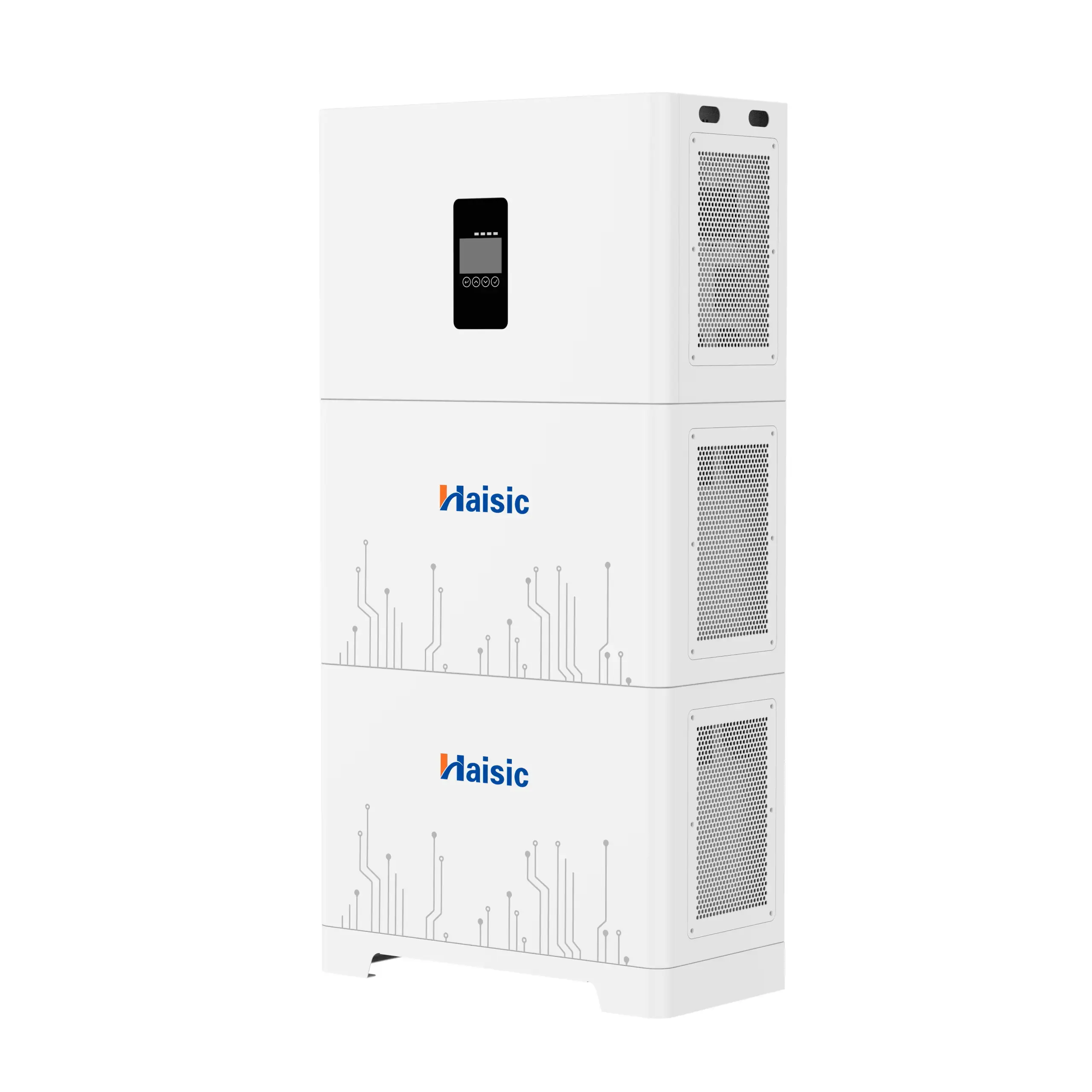


How Domestic Battery Energy Storage Systems Work
Have you ever looked at your electricity bill or sat in the dark during a storm and wondered if there is a better way to manage your home\’s power? We see this frustration every day. A domestic battery energy storage system is the solution that puts you back in control. At its core, this technology captures electricity—typically generated by your solar panels during the day—and stores it for use at night, during power outages, or when utility rates are at their highest. It transforms your home from a passive energy consumer into an active energy manager.
Core Components and Functionality
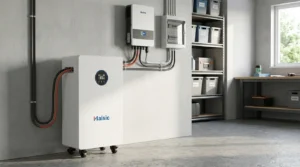
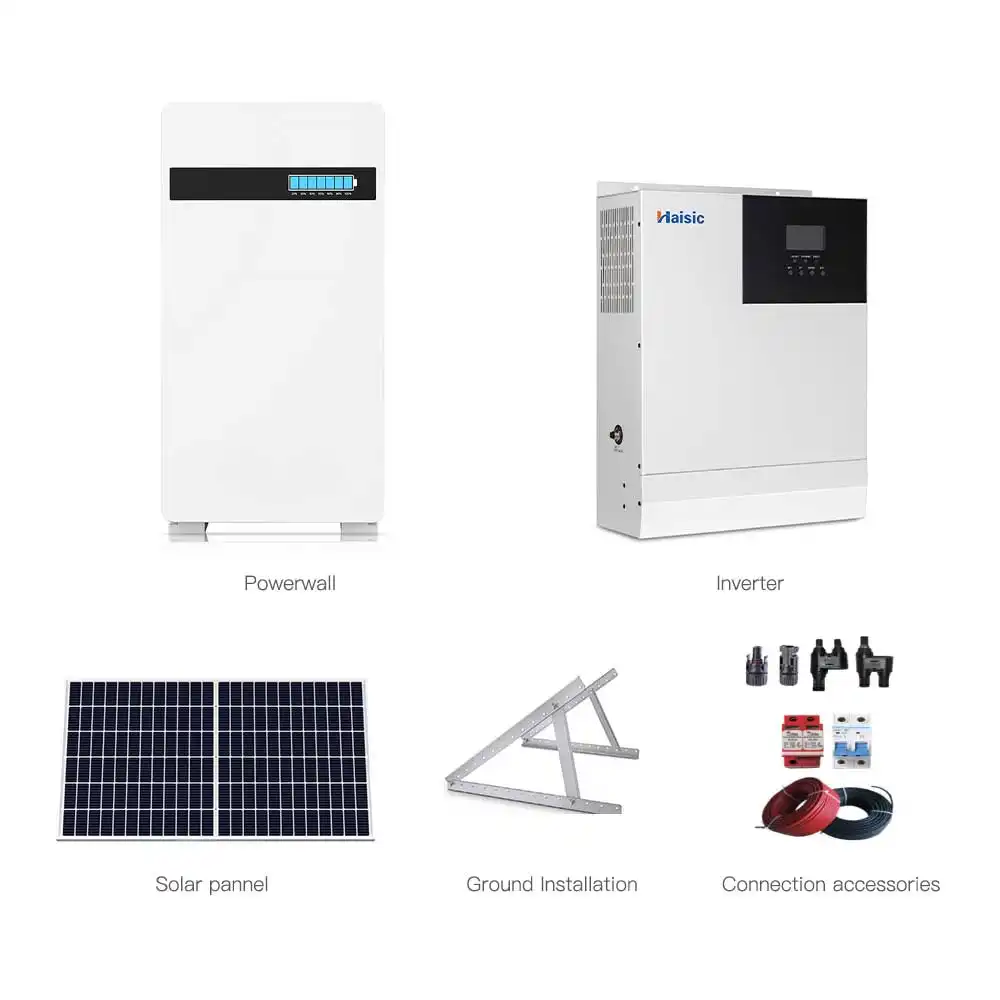
A robust residential energy storage battery setup isn\’t magic; it is a synchronized dance between three main components:
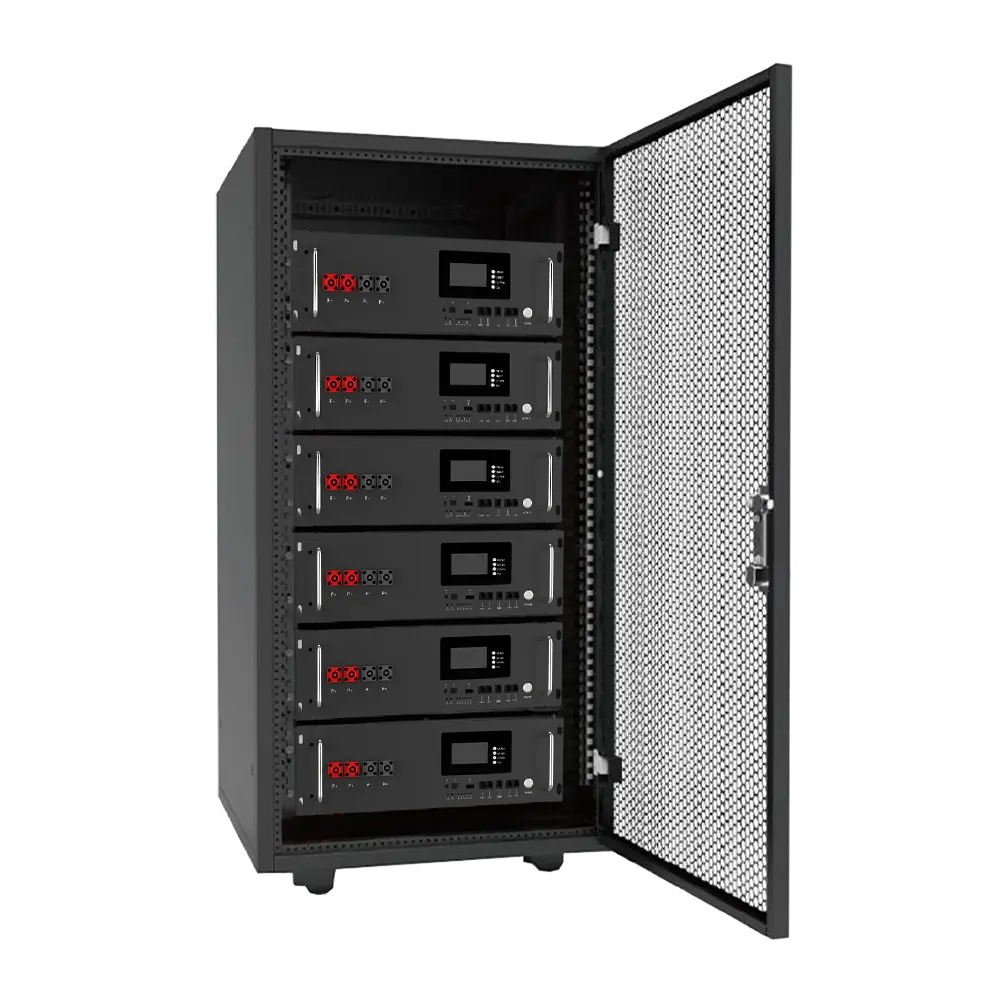
- The Battery Pack: This is the reservoir where chemical energy is stored. We prioritize Lithium Iron Phosphate (LFP) chemistry for its superior safety and thermal stability.
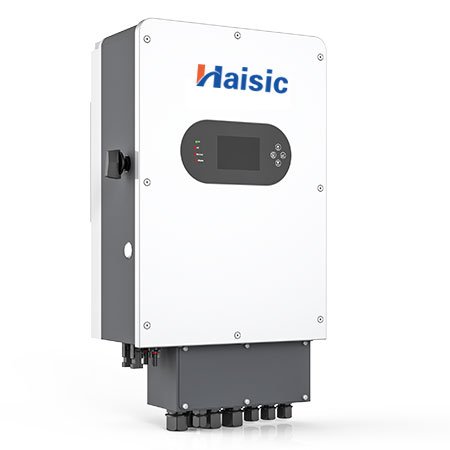
- The Hybrid Inverter: Think of this as the \”brain\” of the operation. It converts DC power from your panels or battery into the AC power your home appliances use.
- Solar Integration: The system connects directly to your photovoltaic array to capture excess generation that would otherwise be lost to the grid.
Charging and Discharging Mechanics
The process is straightforward. When your solar panels produce more energy than your home is currently using, the domestic battery energy storage system soaks up that excess. If you are on a Time-of-Use (TOU) plan, we can even program the system to charge from the grid when rates are low. Conversely, when the sun sets or grid prices spike, the battery discharges to power your lights, refrigerator, and Wi-Fi. This seamless transition ensures you are maximizing self-consumption and keeping your home running without interruption.
Key Technical Metrics Explained
Navigating the spec sheet can be confusing, so let’s break down the critical terms you need to know to make an informed choice:
- Capacity (kWh): Think of this as the size of your fuel tank. Measured in kilowatt-hours, it tells you the total amount of energy the battery can hold.
- Power (kW): This is your engine\’s horsepower. The power rating determines how many appliances you can run simultaneously. A higher kW rating means you can power more heavy-duty items at once.
- Depth of Discharge (DoD): This metric indicates efficiency. It is the percentage of the battery\’s capacity that has been used. High-quality systems allow for a deeper discharge, meaning you get more usable energy out of every cycle without damaging the battery\’s lifespan.
Key Benefits of Installing a Domestic Battery System
Installing a domestic battery energy storage system shifts your home from a passive energy consumer to an active energy manager. We see this technology as the essential bridge between intermittent solar generation and your household\’s 24/7 power needs. It allows you to take control of your energy usage, ensuring safety and efficiency.
Maximizing Savings and Self-Consumption
Solar panels often generate the most power during the day when energy consumption is low. Without storage, this excess clean energy is sent back to the grid, often for little financial return. A residential energy storage battery captures this surplus so you can use it at night. This is critical for avoiding expensive Time-of-Use (TOU) rates charged by utility companies. By discharging stored energy during peak evening hours when electricity is most expensive, you significantly lower your monthly bills.
Reliable Backup Power and Resilience
Grid instability is a growing concern globally due to extreme weather and aging infrastructure. A solar home battery backup acts as an insurance policy for your power supply. When the grid fails, the system detects the outage instantly and seamlessly transitions to backup power.
- Essential Load Backup: Keep fridges, Wi-Fi, and lights running.
- Whole Home Backup: With sufficient capacity, power your entire home.
For robust backup needs, a high-capacity 10kW storage battery ensures your critical loads remain operational through extended outages, providing peace of mind when the neighborhood goes dark.
Energy Independence and Smart Management
Reducing reliance on the traditional grid increases your energy independence for homes. Modern systems utilize smart software to optimize charge and discharge cycles automatically. This intelligent management prioritizes your wallet and reduces your carbon footprint. Furthermore, these systems are designed to integrate with future technologies, such as electric vehicle (EV) charging, ensuring your home is ready for the next generation of electrification.
| Feature | Without Battery Storage | With Domestic Battery System |
|---|---|---|
| Solar Usage | Use it immediately or export to grid | Store excess solar for night use |
| Grid Outages | Power goes out immediately | Seamless backup power keeps appliances running |
| Cost Management | Pay high rates during peak hours | Discharge battery to avoid peak pricing |
| Sustainability | Relies on grid mix at night | Maximizes use of clean, renewable energy |
Types of Domestic Battery Energy Storage Systems
Selecting the right domestic battery energy storage system involves more than just looking at the price tag. The underlying technology and connection methods determine how safe, efficient, and flexible your home energy setup will be. We break down the three main categories you need to understand before installation.
Chemistry: LFP vs. Traditional Lithium-ion
The most significant difference in modern batteries is the chemical composition. While older mobile devices use cobalt-based lithium-ion, the gold standard for a residential energy storage battery is now Lithium Iron Phosphate (LFP). LFP chemistry is inherently safer because it does not contain cobalt, eliminating the risk of thermal runaway (catching fire) that plagues other lithium types.
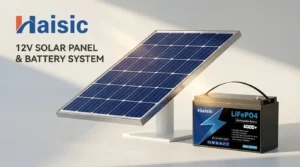
Beyond safety, LiFePO4 home battery systems offer a much longer lifespan. They can endure thousands of charge cycles without significant degradation, ensuring your investment lasts for decades rather than just a few years. For homeowners seeking reliable long-term power, our 12kWh LiFePO4 battery packs utilize this stable chemistry to provide consistent performance and peace of mind.
System Architecture: AC vs. DC Coupling
How the battery integrates with your solar array and home grid is defined by its coupling architecture.
- AC-Coupled: Ideally suited for homes with existing solar panels. These batteries have their own inverter and connect to your home\’s AC wiring. They are easy to retrofit without disturbing your current solar setup.
- DC-Coupled: The most efficient choice for new installations. These systems store energy directly from the solar panels before it is converted to AC electricity, preventing energy loss during conversion.
- Hybrid Solutions: A hybrid inverter battery system combines the functions of a solar inverter and a battery inverter into one unit. This streamlines installation and centralizes management of your solar production and storage.
Modular Stackable Designs vs. Fixed Units
Flexibility is key for future-proofing your home. Fixed-capacity units are \”all-in-one\” boxes with a set energy limit; if you need more power later, you often have to install a completely separate second system.
In contrast, a stackable residential battery design allows for modular expansion. You can start with a base capacity to cover essential loads and simply stack more battery modules later if your energy needs grow—such as when adding an electric vehicle charger. As a specialized energy storage system manufacturer, we prioritize these modular designs to ensure your system can scale alongside your household\’s energy demands.
What to Consider When Choosing a Domestic Battery System
Selecting the right domestic battery energy storage system requires more than just picking the unit with the highest capacity. You need to align the system\’s technical specifications with your specific household energy patterns and backup requirements.
Sizing Your System: Capacity vs. Power
The most critical step is sizing. You need to distinguish between energy capacity (kWh) and power rating (kW).
- Capacity (kWh): This is the size of your \”fuel tank.\” It determines how long you can run your appliances during a blackout. If you are aiming for off-grid home energy storage or extended backup, you need higher capacity.
- Power (kW): This is the size of the \”pipe.\” It dictates how many appliances you can run simultaneously. A system with low power output might fail if you try to run the AC and the dryer at the same time, even if the battery is full.
Essential Features and Chemistry
We always recommend prioritizing safety and longevity. Look for a LiFePO4 home battery (Lithium Iron Phosphate). Unlike older cobalt-based lithium-ion batteries, LFP chemistry offers superior thermal stability and a much longer cycle life, often exceeding 6,000 cycles.
- Depth of Discharge (DoD): Look for a DoD of 90% or higher. This tells you how much of the battery\’s stored energy is actually usable.
- Round-Trip Efficiency: High efficiency means you lose less energy during the charging and discharging process.
- Warranty: A standard warranty should cover at least 10 years, ensuring your investment is protected.
Compatibility and Integration
Your battery needs to talk to your existing equipment. If you already have solar panels, you need to decide between AC-coupled (easier retrofit) and DC-coupled (more efficient) architectures. For homeowners building a new setup, opting for a comprehensive solar power storage system ensures that the inverter, battery, and panels are optimized to work together from day one. This integration is vital for effective smart home energy management, allowing you to monitor usage and control loads via an app.
Installation and Form Factor
Consider where the unit will live. Modern residential energy storage battery units are designed to be sleek, but they are heavy.
- Wall-Mounted: Saves floor space, ideal for garages with limited room.
- Floor-Mounted: Often easier to install for larger, stackable units.
- Environment: Ensure the chosen location (indoor vs. outdoor) matches the battery\’s IP rating for weather resistance.
Costs, Incentives, and Return on Investment
investing in a domestic battery energy storage system is a strategic move for energy independence, but understanding the financial landscape is crucial before committing. The total price tag isn\’t just about the battery unit itself; it involves a combination of hardware and labor. Typically, the cost breakdown includes the battery modules, the inverter (if not already integrated), and the installation complexity, which can vary based on your home\’s electrical setup.
Factors Influencing Total System Cost
Several variables determine the final investment required for a solar battery cost and savings analysis:
- Capacity (kWh) and Power (kW): The total energy storage capacity is the biggest cost driver. A system designed for whole-home backup requires significantly more capacity than one meant only for essential lights and internet. Our high-voltage stacked battery options allow for scalable capacity, letting you balance cost with backup needs.
- Component Quality: Premium chemistries like Lithium Iron Phosphate (LFP) might have a different price point than older technologies, but they offer superior longevity and safety.
- Inverter Integration: If your system requires a separate or upgraded efficient hybrid solar inverter, this will add to the hardware costs compared to simple AC-coupled retrofits.
Incentives and Rebates
You rarely have to pay the full sticker price. Governments worldwide are pushing for green energy adoption, offering substantial financial incentives. In many regions, federal tax credits can cover a significant percentage of the equipment and installation costs. Additionally, local state rebates and utility-specific programs often exist to reduce the upfront burden. It is essential to check local regulations, as some areas offer performance-based incentives for discharging your battery to support the grid during peak demand events.
ROI and Long-Term Savings
The return on investment for a domestic battery energy storage system is driven by more than just backup peace of mind. The primary financial engine is \”Time-of-Use\” (TOU) arbitrage. By storing free solar energy generated during the day and discharging it during peak evening hours when utility rates are highest, you avoid expensive grid electricity. This daily cycle maximizes your solar self-consumption and drastically shortens the payback period, turning the battery into an asset that saves money every single day.
Why Choose Haisic for Your Domestic Battery Energy Storage Needs
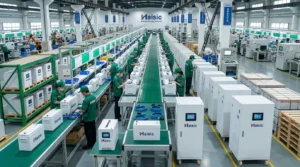
At Haisic, we are dedicated to manufacturing high-performance energy solutions that empower homeowners to take control of their power. As a leading china domestic battery energy storage systems manufacturer, we prioritize safety and longevity by utilizing Lithium Iron Phosphate (LFP) chemistry in our designs. Unlike traditional lithium-ion batteries, our LiFePO4 home battery systems offer superior thermal stability and a significantly longer cycle life, ensuring your investment stands the test of time.
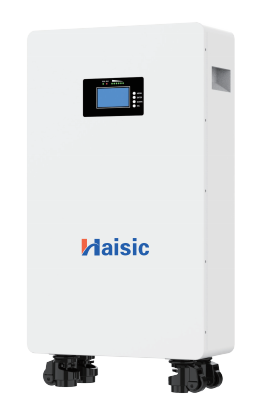
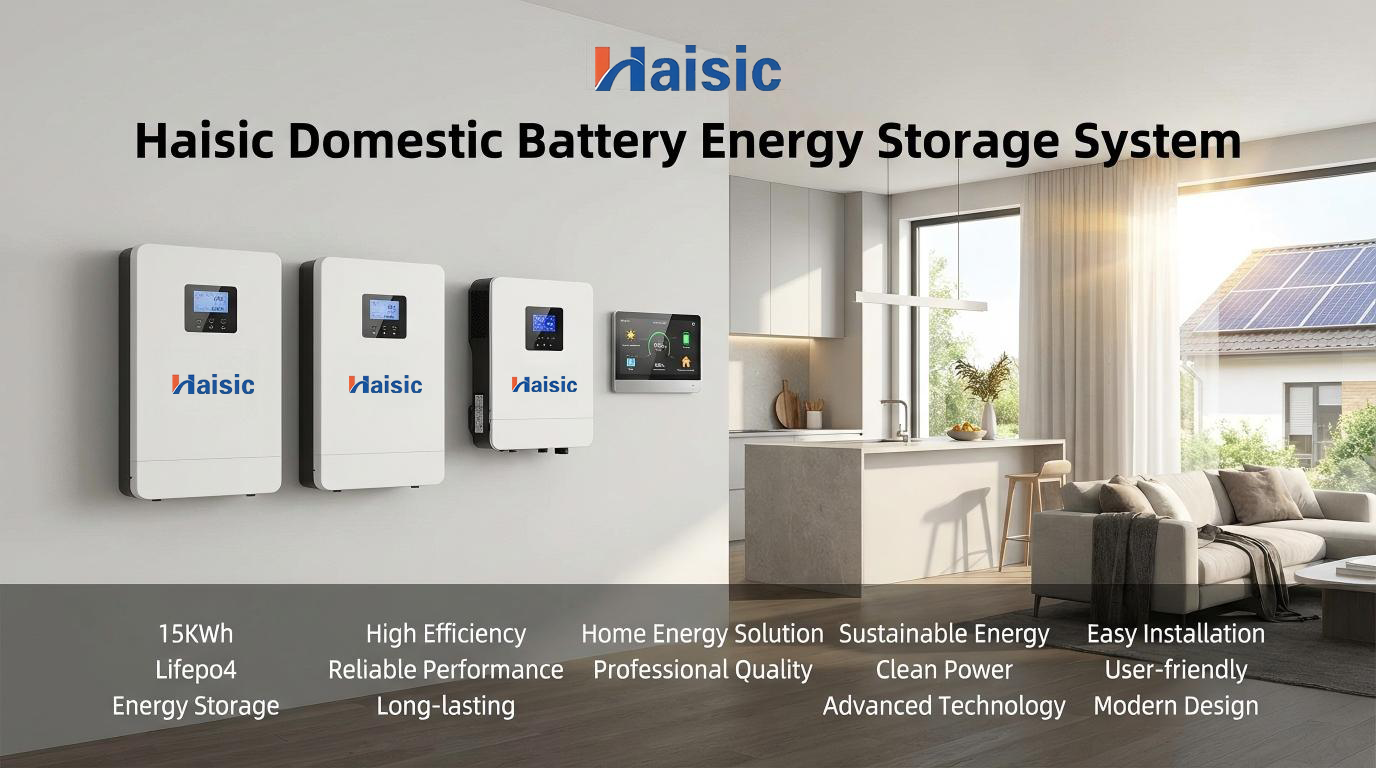
We understand that every household has unique energy demands. That is why we engineer stackable residential battery options that allow you to expand capacity as your needs grow. Our systems feature user-friendly touchscreen interfaces, making it easy to monitor performance and manage your energy usage without technical complexity. Whether you are integrating with a new solar array or retrofitting an existing setup, our solutions support seamless hybrid inverter battery system connections for maximum efficiency.
Haisic System Advantages
Our commitment to quality ensures that you get a domestic battery energy storage system that delivers resilience and value. For homeowners seeking robust capacity, our Haisic 128V LiFePO4 battery packs provide the reliable backup power needed to keep essential appliances running during grid outages.
| Feature | Haisic Advantage | User Benefit |
|---|---|---|
| Battery Chemistry | Lithium Iron Phosphate (LFP) | Enhanced safety and longer lifespan (6000+ cycles). |
| Design Architecture | Modular & Stackable | Flexible expansion to match household energy loads. |
| User Interface | Smart Touchscreen | Real-time monitoring and easy system control. |
| Integration | Hybrid Inverter Compatible | Seamless connection for AC or DC coupled setups. |
| Reliability | High Thermal Stability | Reduced risk of overheating and consistent performance. |
By choosing a domestic battery energy storage systems factory direct solution like ours, you secure a reliable path toward energy independence and substantial cost savings.
Frequently Asked Questions About Domestic Battery Storage
How long can a domestic battery run my house during an outage?
The duration depends entirely on your system\’s capacity (measured in kWh) and your household energy consumption. A standard domestic battery energy storage system might power essential loads—like your refrigerator, lights, and router—for 24 hours or more. However, if you run high-demand appliances like air conditioners or electric dryers, that runtime drops significantly. We always recommend sizing your battery bank backup for home based on a clear list of \”must-have\” devices to ensure you have power when it matters most.
Is a battery storage system worth it without solar panels?
Absolutely. Even without solar, a home battery offers significant value through grid outage protection. Furthermore, if your utility company uses Time-of-Use (TOU) billing, you can charge the battery from the grid during off-peak hours when electricity is cheap and discharge it during peak hours when rates are high. This strategy, known as load shifting, can lower your monthly bills while keeping a reserve for emergencies.
What is the lifespan of a LiFePO4 home battery?
Longevity is one of the main reasons we advocate for Lithium Iron Phosphate (LFP) chemistry. Unlike older lithium-ion batteries that may degrade faster, our home energy storage system LiFePO4 units are built for endurance. You can typically expect:
- High Cycle Life: Often exceeding 6,000 charge/discharge cycles.
- Service Life: Approximately 10 to 15 years of daily use.
- Safety: Superior thermal stability compared to other chemistries.
Can I install a domestic battery energy storage system myself?
While DIY projects are popular, installing a residential energy storage battery involves working with high-voltage electricity and complex integration with your home\’s main service panel. For safety and warranty compliance, this work should be performed by a certified electrician or professional installer. Incorrect installation can lead to system failure, fire hazards, or voiding your manufacturer\’s warranty.