

Average Costs of Solar Battery Backup Systems in 2026
Wondering how much a solar battery backup system costs in 2026? Prices have become more competitive, especially with incentives, but they still vary widely based on capacity and installation complexity.
Typical Installed Price Ranges
- Entry-level systems (5–10 kWh, partial backup)
Ideal for essentials like lights, Wi‑Fi, fridge
Key Factors That Influence Solar Battery Backup Costs
When people ask “how much do solar battery backup systems cost,” the honest answer is: it depends on a few core factors. Here’s what really drives your solar battery storage cost up or down:
1. Battery Capacity (kWh) & Power Output (kW)
- kWh (capacity) = how much energy the battery can store.
- More kWh = longer backup time during outages.
- Doubling capacity usually adds thousands of dollars to the home battery backup price.
- kW (power) = how many things you can run at the same time.
- Higher kW output costs more but handles big loads (AC, pumps, EV chargers).
If you only need backup for essentials, you can keep kWh and kW smaller and cut your solar battery backup cost significantly.
2. Battery Type & Chemistry (LiFePO4 vs Others)
- LiFePO4 (Lithium Iron Phosphate) batteries are becoming the standard:
- Safer and more stable (lower fire risk).
- Longer cycle life = better long‑term value.
- Older chemistries can be cheaper upfront but usually don’t match the lithium iron phosphate battery price-to-lifespan value.
That’s why most modern home energy storage systems, including ours, are built around LiFePO4 for stability and lifespan.
3. Brand, Warranty & Quality
- Premium brands (Tesla, Enphase, etc.) charge more for:
- Strong warranties (10+ years).
- Better app monitoring and support.
- Budget brands may look cheaper, but weaker warranties and lower cycle ratings can kill your real ROI.
Always compare warranty years, cycle guarantees, and throughput along with the headline price.
4. Installation Complexity (New vs Retrofit, AC vs DC-Coupled)
- New solar + battery install is usually cheaper per kWh than adding a battery later.
- Retrofit installs cost more:
- Extra labor to integrate with existing inverters and wiring.
- AC‑coupled systems:
- Easier to add to existing solar, but slightly less efficient.
- DC‑coupled systems:
- Higher efficiency, but more complex and can cost more upfront.
All of this rolls into your solar battery installation cost and can shift your total by several thousand dollars.
5. Extra Components & Electrical Work
You’re not just paying for the battery. A typical solar energy storage system might also need:
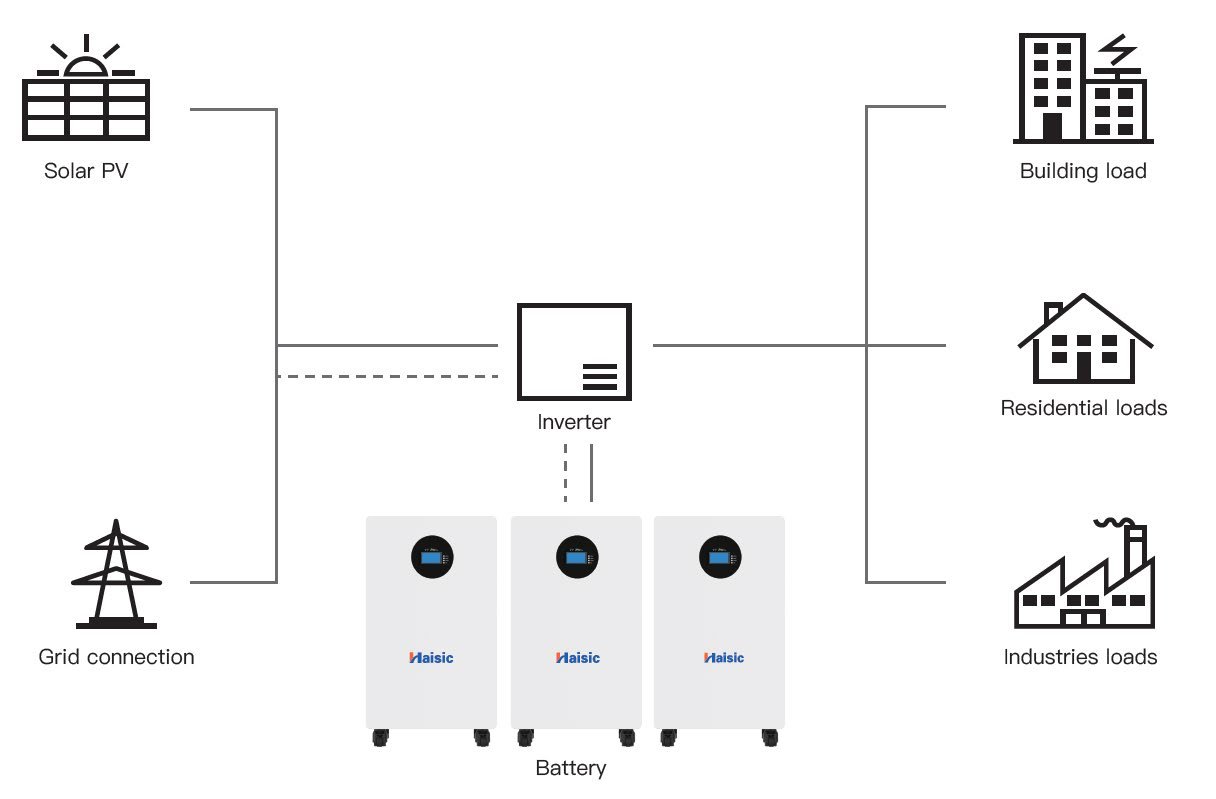
- Hybrid or battery‑ready inverter
- Critical loads subpanel (to separate backed‑up circuits)
- New breakers, wiring, disconnects
- Optional monitoring hardware and smart controls
In many cases, the battery itself is about 60–70% of the total, and the rest is hardware and professional labor. For a clear breakdown of what’s included, I walk through typical line items on this detailed guide to solar battery storage costs.
6. Region, Labor & Local Incentives
Where you live has a big impact on home battery backup price:
- Labor rates: Electrician and installer costs vary a lot by region.
- Permits and inspections: Some areas are stricter and more expensive.
- State and utility incentives: Rebates, subsidies, or VPP programs can cut net costs by 10–40%.
Two identical systems can differ by thousands of dollars just because of local labor and incentives. Always factor in your federal tax credit plus any energy storage incentives from your state or utility when you run the numbers on how much a solar battery backup system will cost you.
Cost Breakdown: What You’re Actually Paying For

When people ask “how much do solar battery backup cost”, they really want to know where the money goes. Here’s how a typical solar battery storage cost breaks down in 2026:
1. Battery unit (60–70% of total)
The home battery backup price is driven mostly by the battery itself.
- Usually 60–70% of your total bill
- Higher-capacity and LiFePO4 solar battery packs cost more but last longer
- Premium brands and long warranties push the price up, but also reduce long‑term risk
If you’re looking at a modular system like our own home lithium battery storage solutions, you can add capacity over time instead of overpaying on day one. You can see how this works in our home lithium battery storage systems.
2. Inverter and hardware
If you don’t already have a hybrid inverter, you’ll be paying for:
- Hybrid or battery inverter
- Disconnects, breakers, mounting racks, wiring, and safety hardware
This part of a solar energy storage system usually takes 10–20% of the installed cost.
3. Professional installation & electrical upgrades
A big chunk of solar battery installation cost is skilled labor:
- Mounting the battery safely (often wall or floor mount)
- Running conduit and wiring to your main panel or critical loads subpanel
- Possible panel upgrades if your current service is old or undersized
Expect this to be another 10–20% of your home energy storage system cost, depending on complexity and local labor rates.
4. Permits and soft costs
You’ll also see:
- Permits and inspections
- System design and engineering sign‑off
- Utility interconnection paperwork
These “soft costs” are usually 5–10% of the project but are critical for safety, code compliance, and warranty.
5. Optional add‑ons and smart features
Optional items can nudge the solar battery backup cost up but add real value:
- Monitoring apps and smart controls for tracking performance and savings
- Extra backup circuits or a larger critical loads panel
- Expandable battery racks so you can add storage later (for example, when you buy an EV)
When I design systems for customers, I focus the budget on the battery quality and proper installation first, then layer in smart add‑ons that actually improve comfort, savings, or resilience. If you want a system tailored to your home instead of a generic quote, you can start with a customized plan through our home battery storage for home consultation.
Popular Solar Battery Backup Options and Prices in 2026
When people ask “how much do solar battery backup cost?”, they’re usually comparing a few well-known brands. Here’s a quick, realistic look at what you can expect in 2026.
Leading Home Battery Brands (Quick Overview)
- Tesla Powerwall 3 – Well-known, solid app, strong ecosystem.
- Enphase IQ Battery 10/5P – Great if you already have Enphase microinverters.
- FranklinWH aPower + aGate – Good for whole-home backup and high surge loads.
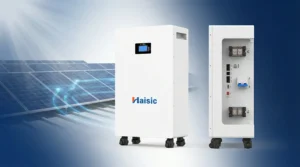
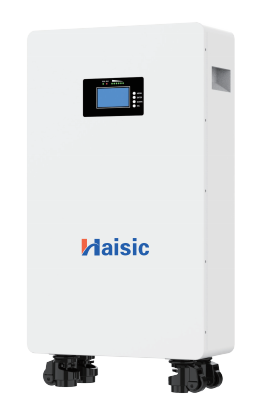
- Haisic LiFePO4 systems – My focus: high safety, long life, strong value for money using lithium iron phosphate (LiFePO4).
Our LiFePO4 batteries use stable chemistry, long cycle life, and flexible sizing. For larger needs (light commercial, large homes, small businesses), modular systems like our high-voltage ESS LiFePO4 battery solutions scale up without losing efficiency.
Solar Battery Backup Cost Comparison (2026 Estimates)
Typical installed prices in the US, including hardware + labor, before incentives.
| Brand / System | Usable Capacity (kWh) | Power (kW) | Warranty (Years / Cycles) | Approx. Installed Cost* | After 30% ITC (Est.) |
|---|---|---|---|---|---|
| Tesla Powerwall 3 | ~13.5 kWh | 5–11 kW | 10 yrs | $10,000–$13,000 | $7,000–$9,000 |
| Enphase IQ Battery 10 | ~10.1 kWh | 3.8 kW | 10 yrs | $9,000–$12,000 | $6,300–$8,400 |
| FranklinWH aPower (1 unit) | ~13.6 kWh | 5 kW+ | 12 yrs | $11,000–$15,000 | $7,700–$10,500 |
| Haisic LiFePO4 Home System** | 10–20+ kWh | 5–10 kW | 10+ yrs / 6,000+ cycles | $8,000–$14,000 | $5,600–$9,800 |
*Pricing ranges by region, installer, and complexity.
**Based on modular LiFePO4 packs similar to our 128V LiFePO4 battery pack, configured for residential energy storage.
Why I Push LiFePO4 (Especially for Global Users)
For home energy storage systems, LiFePO4 solar batteries hit the sweet spot:
- Higher safety vs. older lithium chemistries.
- Longer cycle life (often 6,000+ cycles) → better long-term ROI.
- Stable performance in daily cycling, off-grid, and time-of-use savings.
- Better value per kWh when you look at cost vs. lifespan.
If you want a battery backup for power outages and better control over your bills, the key is matching the right capacity and chemistry to your usage and local rates, not just chasing the most popular brand.
Incentives, Tax Credits, and How to Cut Your Solar Battery Backup Cost
When people ask “how much do solar battery backup cost?”, the real answer depends a lot on incentives and how smartly you size and design the system. If you use the available tax credits and programs, you can easily cut 30–40% off the headline solar battery storage cost.
Federal 30% ITC (Biggest Saver in 2026)
In 2026, most homeowners in the U.S. can claim the 30% Federal Investment Tax Credit (ITC) on a home battery backup system, whether it’s installed with new solar or added to an existing array (as long as it meets current rules):
- Covers about 30% of total installed cost (battery, inverter, labor, permits).
- On a $15,000 system, your net cost after ITC drops to about $10,500.
- On a $25,000 whole-home battery backup, your net cost can fall to around $17,500.
This is the single biggest way to reduce your solar battery installation cost, so timing your project while the 30% ITC is active is crucial.
State, Local & Utility Incentives
Depending on where you live, you may stack additional savings on top of the ITC:
- State rebates: Some regions offer cash incentives per kWh of storage.
- Utility programs: Time‑of‑use or demand response programs, and virtual power plant (VPP) programs that pay you to let the utility briefly use your stored power.
- Low‑interest financing: Green loans and energy‑specific financing lower your upfront hit and keep monthly costs in check.
These can take your effective home battery backup price from “expensive” to “very reasonable,” especially in high-electricity-cost markets.
Long-Term Savings and Solar Battery ROI
Even beyond incentives, a good solar energy storage system pays you back over time:
- Reduced bills: Charge the battery off solar (or off‑peak grid rates), then use that power during expensive evening hours.
- Peak shaving: Avoid high demand charges (common in commercial setups and growing in residential).
- VPP earnings: In some markets, you can earn annual payments for letting your system support the grid.
For most homes with decent rates and incentives, the solar battery ROI typically lands in the 7–12 year range, while quality LiFePO4 solar battery systems can last 10–15+ years.
Ways to Reduce Your Solar Battery Storage Cost
To get the best value from a home energy storage system, focus on design, not just brand:
-
Right-size the battery
Don’t overspend on capacity you never use. Size for:- Your critical loads (fridge, lights, Wi‑Fi, a few outlets, maybe a small AC).
- Realistic backup hours (8–24 hours for most homes, not days of off‑grid living unless you truly need it).
-
Bundle with solar
Adding batteries when you install solar usually lowers:- Labor cost per component
- Permit and inspection fees
- Overall project management overhead
-
Use high-efficiency hybrid inverters
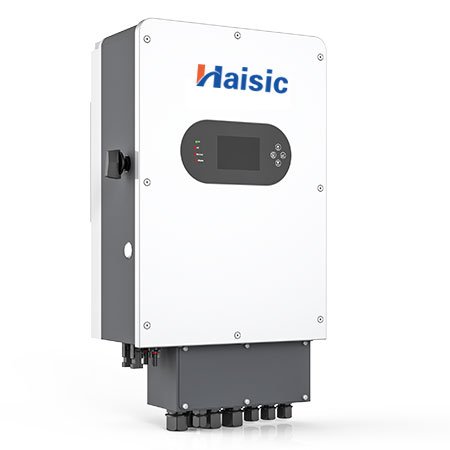
A solid hybrid inverter lets you charge from solar, discharge to the home, and interact with the grid efficiently. For example, pairing a battery bank with a hybrid solar inverter like the Haisic 3–6kW hybrid solar inverter with MPPT controller can trim wasted energy and hardware complexity, which keeps real-world costs down. -
Plan for expandability
Start with a partial backup system (lower upfront cost) designed so you can add more LiFePO4 batteries later without redoing the whole install.
In short, how much do solar battery backup cost is only half the question. With the 30% ITC, local incentives, smart design, and efficient hardware, you can bring the cost to add a battery to solar down to a level where it delivers solid financial returns and dependable backup power at the same time.
Is a Solar Battery Backup System Worth the Cost?
Solar battery backup ROI (7–12 year payback)
For most homes in 2026, a solar battery backup system can pay for itself in 7–12 years with incentives like the 30% federal tax credit. The main drivers of ROI are:
- Lower power bills (self-using more of your solar instead of exporting cheap to the grid)
- Avoiding expensive time-of-use (TOU) or peak rates
- Protecting against spoiled food, business downtime, or hotel stays during outages
As a rough guide for a 13–15 kWh home battery backup:
- Installed cost after ITC: $9,000–$12,000
- Yearly savings (TOU + backup value): $800–$1,500+
- Typical payback: 8–11 years, system life: 15–20+ years
Non-financial benefits that matter
The real value is more than a spreadsheet:
- Outage protection: Keep lights, Wi‑Fi, fridge, medical devices, and maybe AC/heat running during blackouts.
- Energy independence: Rely less on unstable grids and rising tariffs, especially in markets seeing frequent outages.
- Environmental impact: Max out your solar usage and cut your carbon footprint by storing clean power instead of burning peaker-plant energy at night.
When a solar battery backup makes sense
You should strongly consider a solar energy storage system if:
- You live in an area with frequent or long outages (storms, weak grid, load shedding).
- Your utility uses TOU or demand charges, or rates are trending up fast.
- You’re running a home office, small business, or critical medical equipment at home.
- You have or plan to add EV charging, and want to charge mostly from solar.
You might skip or downsize the battery if:
- You have very stable grid power and flat, low electricity rates.
- You already have a generator and only care about rare emergency backup, not energy savings.
Real-world homeowner scenarios
To keep it real, here’s what I see with typical customers:
-
Suburban US home, TOU rates + 6 outages/year
- 10–15 kWh LiFePO4 solar battery
- Net cost after incentives: ~$9,500
- Bill savings + avoided outage costs: $1,100/year
- Payback: ~9 years, plus much better resilience.
-
High‑outage area (South Asia / Africa / parts of Latin America)
- 10 kWh partial home battery backup with solar
- Net cost: $6,000–$8,000 depending on labor and incentives
- Daily benefit: less generator fuel, stable power for appliances and Wi‑Fi
- Payback: often 7–10 years, but lifestyle upgrade is immediate.
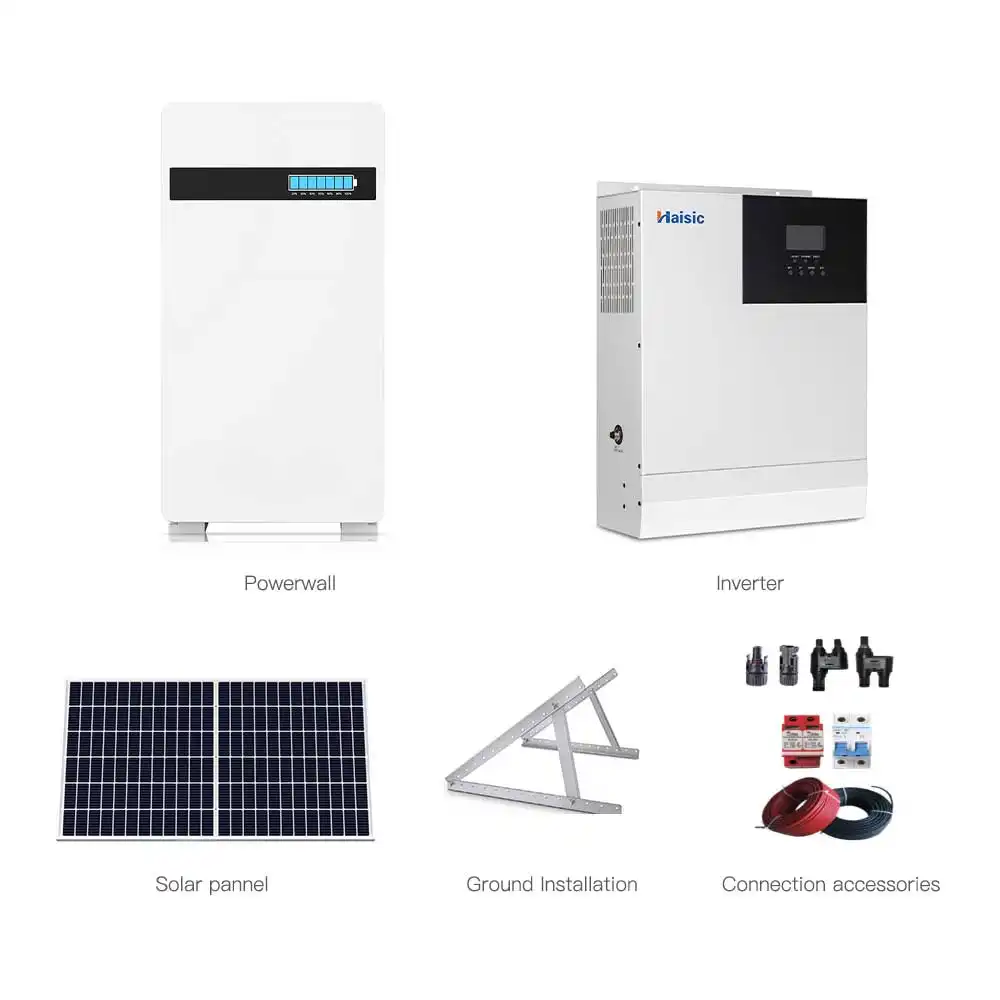
If you’re looking at a scalable, long-life option, a LiFePO4 system like our 5kW home solar energy storage system gives a solid balance of cost, safety, and cycle life for most global homeowners who want both backup and real savings.
How to choose and size a solar battery backup system for your home
When people ask “how much do solar battery backup cost?”, the right answer starts with sizing. If you size it wrong, you either overpay or don’t get the backup you expect.
1. Assess your energy needs first
Start with two numbers:
| What to check | How to do it | Typical range (global homes) |
|---|---|---|
| Daily usage (kWh/day) | Check last 3–6 months utility bills | 10–40 kWh/day |
| Critical loads (kW & kWh) | List what must run in an outage | 2–8 kW, 5–20 kWh per day |
Focus on critical loads during outages:
- Fridge, lights, Wi‑Fi, a few outlets
- Well pump / gas boiler / small AC or fan
- Medical devices or home office
Aim to cover at least one full night of critical loads from your solar battery storage system.
2. Partial vs whole‑home backup
Your home battery backup price changes a lot based on how much you back up.
| Backup type | Typical size | Use case | Cost impact |
|---|---|---|---|
| Partial backup | 5–15 kWh | Essentials only | Lowest |
| Whole‑home (daytime) | 15–25 kWh | Most loads, limited overnight | Medium |
| Whole‑home (24/7) | 25–40+ kWh | Large homes, long outages, EV, AC | Highest |
I usually recommend:
- Partial backup if you just want outage protection at a lower cost.
- Whole‑home backup if you face long grid outages, harsh climates, or run a home business.
3. Think scalability and future‑proofing
Your needs will grow. Design your home energy storage system with that in mind.
Consider:
- EV charging: Add 10–20 kWh if you plan to charge an EV at night.
- Heat pumps / AC: Higher power (kW) and more capacity (kWh) needed.
- Expandable systems: Choose modular LiFePO4 solar battery packs so you can add more later instead of replacing everything.
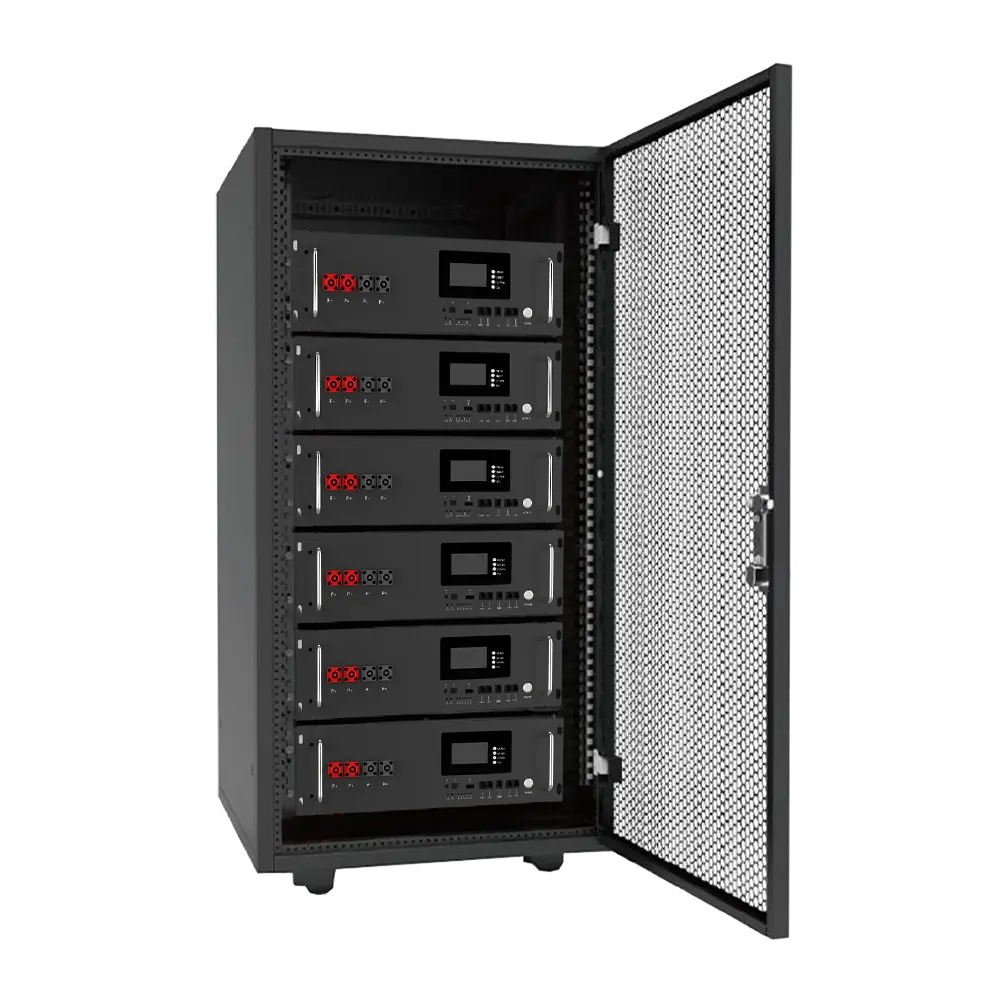
For example, modular high‑voltage LiFePO4 solutions like the Haisic 20 kWh 512V energy storage system can be stacked to grow with your home, which keeps your cost per kWh under control as your usage changes.
4. Work with a reputable battery supplier
The cost to add battery to solar is not just about hardware; design and support matter.
When you partner with a solid manufacturer–installer team, you should get:
- A load analysis and realistic backup runtime estimates
- Guidance on partial vs whole‑home backup based on your budget
- A system that matches local codes, TOU tariffs, and incentives
- A clear plan for maintenance and warranty service
As a supplier, I always push for:
- LiFePO4 chemistry for safety and long cycle life
- Flexible sizing (for example, 15–32 kWh systems like our 32 kWh all‑in‑one home storage solution)
- Designs that hit the sweet spot between backup security and solar battery ROI
When you get the sizing right, the system feels “invisible” in daily life—but when the grid fails, it’s the best money you ever spent.
Installation Process and What to Expect
When you install a solar battery backup system, the process is straightforward if you work with a good installer. Here’s what usually happens and what it really costs you in time and effort.
Typical Timeline and Steps
Most home battery backup installs take 1–3 days on-site after design and permitting. The full process usually looks like this:
- Site visit & design
- Load calculation (what you want to back up: fridge, lights, Wi‑Fi, AC, etc.).
- Check your main panel, space for a battery wall, and Wi‑Fi signal.
- Proposal & permits
- You’ll get a quote with equipment, labor, and incentives.
- Installer handles electrical permits and, if needed, utility approval.
- Installation day
- Mount the battery and inverter on a wall or floor stand.
- Add or update a critical loads subpanel if you’re doing partial backup.
- Wire to your existing solar system (AC- or DC-coupled) and main panel.
- Inspection & activation
- City/utility inspection.
- System is turned on, app is configured, backup modes are set.
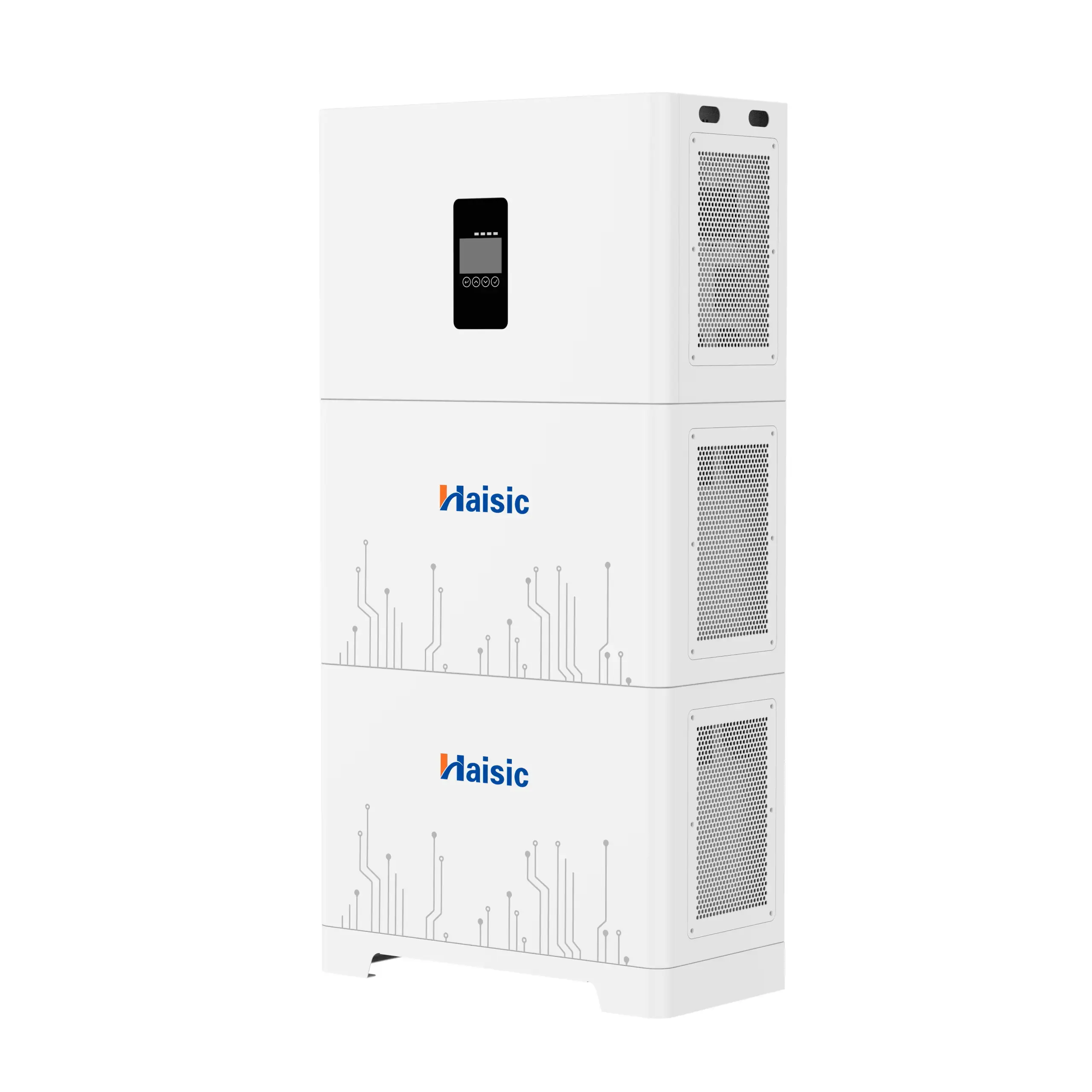
For a clean, compact setup, I usually recommend integrated systems like a stacked high-voltage 30 kWh unit or an all‑in‑one package such as the 10.24 kWh touchscreen energy storage system that keeps the install simpler and faster.
Professional Requirements
A solar battery backup system isn’t a DIY job. To protect your home and warranty, you need:
- Licensed electrician / solar installer with battery experience
- Knowledge of local code, fire clearances, and ventilation rules
- Ability to integrate with existing solar, generators, or EV chargers safely
Always ask for:
- License number and proof of insurance
- Recent battery storage projects they’ve completed
- Whether they’re certified by the battery manufacturer
Common Pitfalls to Avoid
To keep your solar battery storage cost under control and avoid headaches, watch out for:
- Undersizing or oversizing
- Too small: battery drains in one outage and feels useless
- Too big: you overpay and don’t cycle it enough for a good ROI
- Ignoring critical loads
- Back up essentials, not everything: fridge, lights, sockets, router, maybe a mini‑split or well pump.
- Bad install location
- Avoid direct sun, high heat, or damp areas. Aim for a cool, dry wall (garage, utility room, shaded exterior).
- No plan for future needs
- If you plan EV charging or more solar, choose a scalable system so you can stack more batteries later. Modular LiFePO4 systems like the high‑volt 30 kWh stackable battery are built for this.
Maintenance and Longevity Tips
Modern LiFePO4 solar batteries are low-maintenance, but a few habits will protect your investment:
- Let the app work for you
- Use the monitoring app to track state of charge, cycles, and any alerts.
- Keep it cool
- Heat kills batteries. Good ventilation and shade extend lifespan.
- Avoid deep discharges every single day
- Occasional full cycles are fine, but living at 0–5% daily can shorten life.
- Annual checkup
- Have your installer or electrician do a quick yearly inspection of wiring, breakers, and firmware updates.
With a solid install and basic care, a quality home energy storage system should deliver 10–15+ years of reliable backup and bill savings, making the home battery backup price easier to justify over the long run.