

Have you noticed how quickly the battery storage price landscape is shifting? If you\’ve been waiting for the \”right time\” to invest in energy independence or slash your commercial demand charges, the data suggests that time has arrived.
In 2025, we’ve reached a historic milestone: the lithium ion battery kWh price has plummeted to record lows, driven by a massive global shift toward the more affordable LFP battery price structure.
But what does this mean for your actual bottom line?
In this guide, I’ll break down the current solar battery price 2025 averages, the hidden variables in energy storage system cost, and how to leverage battery storage incentives to achieve a record-fast ROI.
Let’s dive right in.
Current battery storage price in 2026
The massive collapse in battery storage price points has fundamentally changed the math for renewable energy. I have seen costs plummet by 90% over the last 15 years, moving from over $1,200 per kWh in 2010 to a recent benchmark of $139 per kWh. This rapid decline is making \”clean\” firming a reality, allowing us to replace gas peaker plants with cost-effective battery arrays.
While the raw lithium ion battery kWh price has hit record lows, the total energy storage system cost varies based on your application and the level of integration required.
Global price benchmarks
- Lithium-ion pack price: Averaging $139/kWh (based on recent data trends).
- Cell vs. System: Raw cells are at their most affordable, but \”turnkey\” systems include thermal management, housing, and software.
- Chemistry Impact: Lithium Iron Phosphate (LFP) is the primary driver for these lower costs, as it eliminates expensive cobalt and nickel.
Residential vs. Utility-scale pricing
- Residential battery backup pricing: These systems carry higher per-kWh costs due to \”soft costs\” like permitting, specialized labor, and individual inverter hardware.
- Utility-scale BESS cost: Large-scale projects achieve the best ROI by leveraging massive economies of scale and direct high-voltage grid connections.
- Commercial turnkey systems: Designed for peak shaving, these sit between residential and utility pricing, focusing on lowering demand charges.
The value of a solar battery price in today\’s market is no longer just about backup power; it is about the Levelized Cost of Storage (LCOS). By utilizing LFP-based systems, I am seeing projects achieve competitive parity with traditional fossil fuel plants, offering a cleaner and increasingly cheaper way to stabilize the grid 24/7.
Historical Battery Price Trends and 2026 Declines
The battery storage price trajectory has been one of the most aggressive cost declines in the energy sector. Since 2010, lithium-ion pack prices have plummeted by 90%. What started as a luxury technology costing over $1,200 per kWh has transformed into a mainstream solution, with recent benchmarks hitting approximately $139 per kWh and continuing to trend lower into 2026.
Key drivers of the recent price collapse:
- Chemistry Evolution: The industry shift toward LFP battery prices—which avoid expensive minerals like cobalt and nickel—has significantly lowered the floor for manufacturing costs.
- Manufacturing Scale: Massive expansion in production capacity, particularly in China, has created a \”learning curve\” effect where doubling capacity consistently slashes unit costs.
- Supply Chain Optimization: Improved raw material processing and vertical integration have led to nearly 45% year-over-year price drops in specific market segments.
Understanding the cost of solar battery storage requires a look at regional market dynamics. While China remains the global leader in providing the lowest lithium ion battery kWh price, the US and European markets are benefiting from increased competition and trade efficiencies. This downward trend is making home lithium battery storage a standard addition to renewable energy projects rather than an expensive add-on.
Historical vs. Current Price Benchmarks:
- 2010: $1,200+ per kWh
- 2026: ~$139 per kWh
- 2026 Forecast: Continued declines as LFP dominates the utility and residential sectors.
Factors Influencing Battery Storage Price
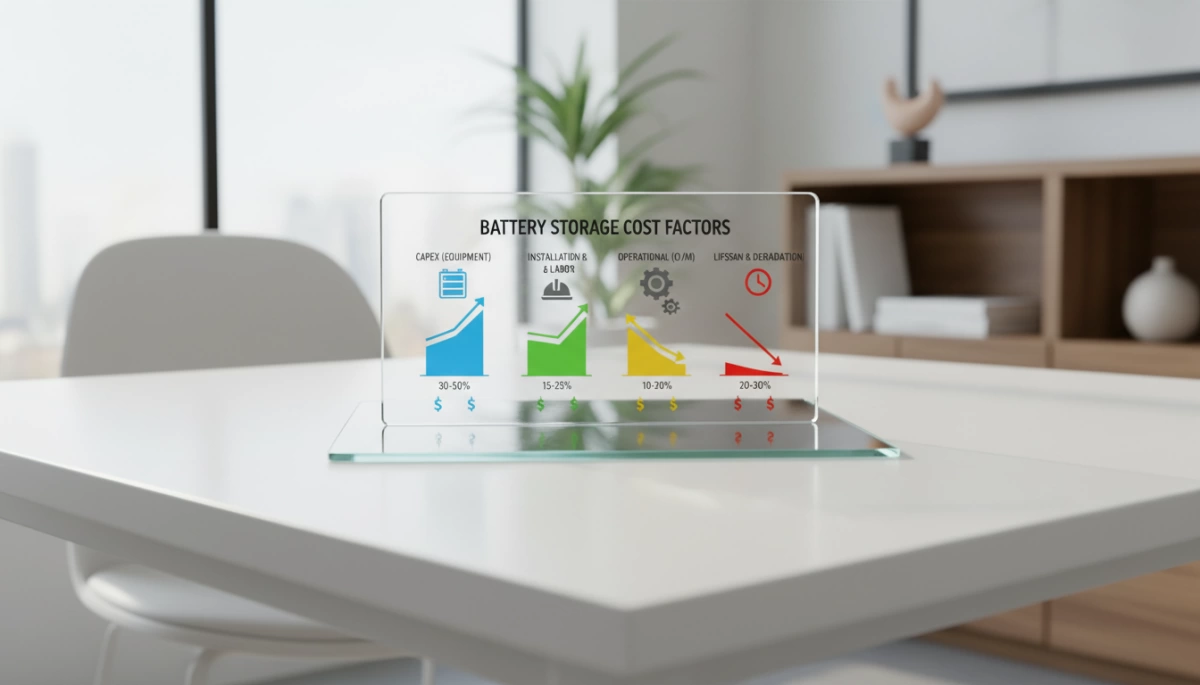
Several critical variables dictate the current battery storage price. Understanding these factors is essential for evaluating the total cost of ownership and the long-term value of an energy investment.
LFP vs. NMC Chemistry
The choice of battery chemistry is the primary driver of the lithium ion battery kWh price.
- LFP (Lithium Iron Phosphate): This has become the industry standard for stationary storage. Because it avoids expensive minerals like cobalt and nickel, the LFP battery price is significantly lower. It also offers superior thermal stability and a longer cycle life.
- NMC (Nickel Manganese Cobalt): While offering high energy density for mobile applications, its reliance on volatile raw materials makes it a more expensive option for fixed storage systems.
System Size and Soft Costs
The total residential battery backup pricing includes more than just the battery cells. We categorize these costs into two main areas:
- Capacity and Duration: Larger systems generally offer a lower price per kWh due to economies of scale in the inverter and management hardware.
- Installation and Permitting: \”Soft costs\”—which include labor, electrical upgrades, and local permitting—can vary by region. For homeowners, selecting a streamlined battery storage for home solution helps minimize these labor-intensive expenses.
Supply Chain and Raw Materials
While the technological shift to LFP has stabilized the market, the battery storage price remains sensitive to global supply chain health.
- Manufacturing Scale: Massive production increases, particularly in China, have driven the 90% cost reduction seen over the last 15 years.
- Material Fluctuations: Even with the move away from cobalt, the cost of lithium carbonate still impacts the final price tag.
- Discharge Duration: Systems designed for longer discharge times require more battery modules relative to the inverter capacity, shifting the cost balance toward the storage hardware itself.
Residential Battery Storage Price and System Value
For most homeowners, the battery storage price for a standard 10kWh home energy storage system is now the sweet spot for balancing upfront investment with long-term performance. While global lithium-ion pack prices have hit a benchmark of approximately $139 per kWh, the home battery storage cost for a residential setup also accounts for the inverter, casing, and smart management software.
Maximizing Solar Plus Storage ROI
The financial logic for installing a solar battery price 2026 model is stronger than ever. By focusing on the lithium ion battery kWh price and the efficiency of the system, we can see a clear path to energy independence:
- Time-of-Use (TOU) Optimization: You can store free solar energy during the day and discharge it during expensive peak evening hours to dodge high utility rates.
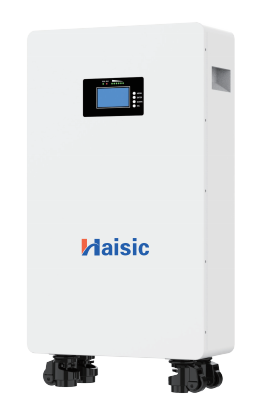
- Sizing for Success: A 10kWh wall-mounted home energy storage unit typically covers essential home circuits for a full day, maximizing your self-consumption of renewable energy.
- Shorter Payback Periods: As utility rates continue to climb and technology costs fall, the solar plus storage ROI has become much more attractive for the average household.
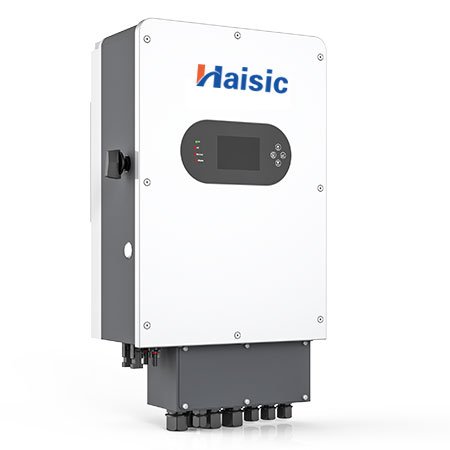
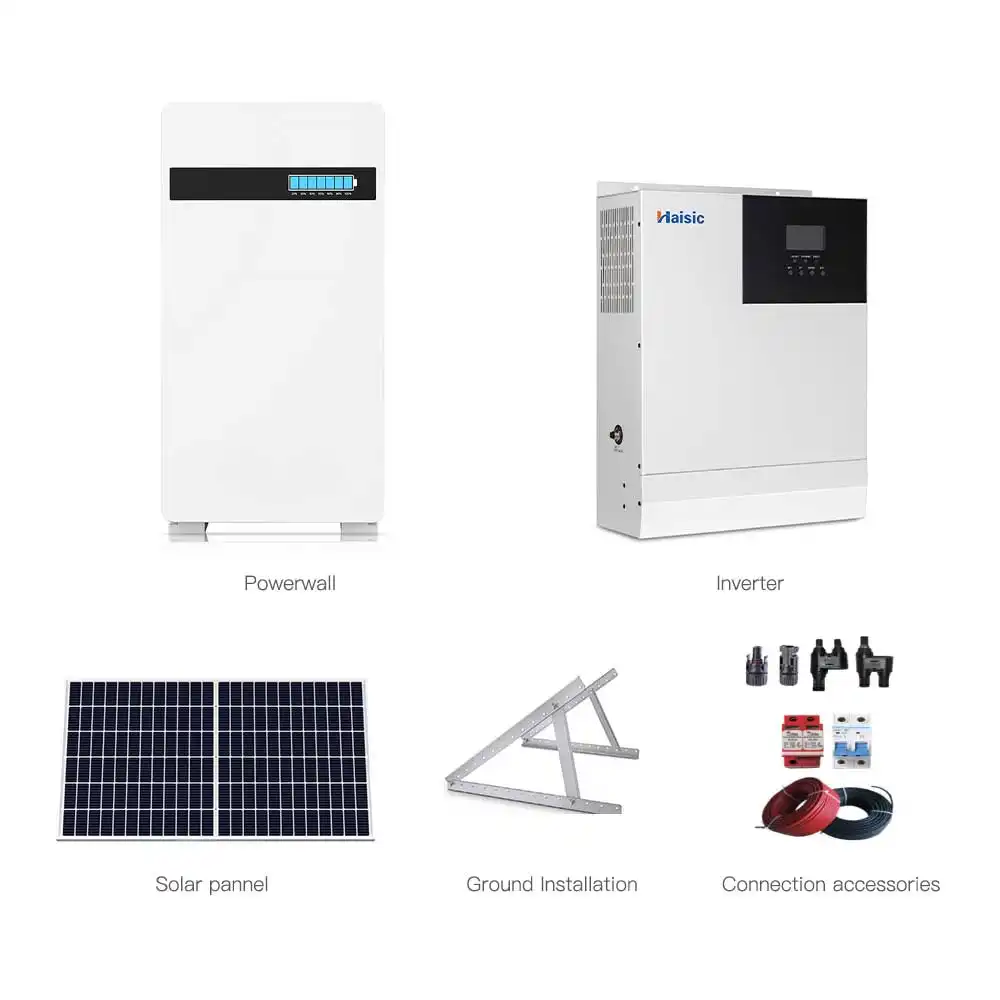
For those looking for a comprehensive setup, a 5kW solar storage system for home use integrates the battery and power conversion components seamlessly. This turnkey approach provides a reliable residential battery backup pricing structure that protects your home from outages while lowering your monthly bills. By using LFP chemistry, these systems offer a longer lifespan and better safety, ensuring your investment remains productive for years to come.
Commercial and Utility-Scale Battery Storage Price
The economics of utility-scale energy storage have shifted permanently. With the global battery storage price falling from over $1,200/kWh in 2010 to approximately $139/kWh recently, large-scale systems are now a direct financial competitor to traditional gas \”peaker\” plants. This 90% cost reduction makes high-capacity storage the primary choice for stabilizing the grid and firming up intermittent renewable energy.
Levelized Cost of Storage (LCOS) and Market Parity
The levelized cost of storage (LCOS) is the most critical metric for evaluating long-term value. In many global markets, solar-plus-storage is now cheaper than or competitive with new coal and gas plants. The transition is largely driven by the adoption of LFP battery prices, which offer lower material costs and higher cycle life compared to nickel-based alternatives.
Commercial Peak Shaving and Grid Stability
For industrial and commercial users, commercial energy storage pricing is a strategic investment to avoid high peak-demand charges. By discharging stored energy during peak periods, businesses can drastically lower their utility bills while providing essential grid services.
- Grid Firming: Batteries provide the \”firming\” needed to make wind and solar power reliable 24/7.
- Operational Savings: Automated peak shaving reduces reliance on the grid during the most expensive times of day.
- Turnkey Efficiency: Our 215kWh commercial energy storage system provides a high-voltage LFP solution designed for rapid ROI in commercial settings.
- Massive Scalability: For large-scale industrial projects, the 1075kWh containerized BESS offers a modular, high-capacity setup to ensure energy independence and stability.
The current utility scale BESS cost reflects a mature manufacturing ecosystem. As production continues to scale, particularly through LFP technology, these systems will continue to replace fossil-fuel-based infrastructure as the most cost-effective solution for a stable, clean energy grid.
Battery Storage Incentives and Net System Costs
While the market battery storage price has already dropped to an average of $139 per kWh, government incentives are the final piece of the puzzle for a fast ROI. The 30% federal ITC battery storage credit remains the most powerful tool through 2026, allowing you to claim a significant portion of your equipment and installation costs back.
- 30% Investment Tax Credit (ITC): Reduces the gross cost of your system by nearly a third.
- Performance-Based Incentives: Some regions pay you for \”firming\” the grid by discharging power during peak hours.
- State Rebates: Localized programs can further slash the home battery storage cost by several thousand dollars.
I always advise looking at the net cost rather than just the sticker price. By integrating a high-performance lithium solar battery with these credits, the levelized cost of storage (LCOS) often beats out traditional fossil fuel alternatives. To get the most out of these programs, ensure your system is installed before the 2026 deadline to lock in the full 30% rate. This combination of falling manufacturing costs and aggressive tax credits makes 24/7 renewable energy economically unavoidable.
Future Battery Storage Price Projections Beyond 2026
The momentum behind the battery storage price collapse shows no signs of slowing down. After witnessing a staggering 90% price drop since 2010, I expect the lithium ion battery kWh price to continue its downward trajectory through 2030. This shift is no longer just about incremental changes; it is a fundamental restructuring of how we value energy. As production capacity ramps up globally, the energy storage system cost will benefit from even deeper economies of scale and more efficient manufacturing processes.
What to Expect Through 2030
The next few years will be defined by the transition from short-term backup to long-duration energy storage. My outlook for the market includes:
- Sustained Price Declines: Continued reductions in LFP battery price benchmarks as we move further away from expensive cobalt and nickel dependencies.
- Long-Duration Trends: A shift toward systems capable of powering the grid or large facilities for 8+ hours, making 24/7 renewable energy a standard rather than a luxury.
- Grid Independence: As the battery price trends 2026 and beyond stabilize at lower levels, more households and businesses will achieve total energy independence, insulated from volatile utility rates.
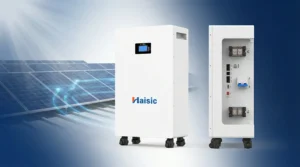
By integrating a haisic 32kwh all-in-one home energy storage system, you are positioning yourself at the forefront of this transition. These high-capacity systems are designed to handle the growing demand for \”firming\” intermittent solar and wind power, ensuring that clean energy is available exactly when it’s needed most.
The Impact on Global Energy Independence
The falling battery storage price is the final piece of the puzzle for a carbon-free grid. As the levelized cost of storage continues to drop, combining batteries with renewables is becoming the most cost-effective way to replace aging coal and gas plants. This transition isn\’t just about saving money—it\’s about securing energy sovereignty on a global scale, reducing the reliance on imported fossil fuels and building a localized, resilient power infrastructure.
Choosing the Right Battery Storage Solution
Selecting a system involves balancing the initial battery storage price against long-term reliability and safety. To get the most value out of your investment, focus on these critical performance metrics rather than just the sticker price:
- Usable Capacity: Measured in kWh, this tells you exactly how much energy you can draw. Always check the depth of discharge (DoD).
- Round-Trip Efficiency: This represents the percentage of energy that can be retrieved after storage. Higher efficiency directly lowers the effective energy storage system cost over time.
- Warranty and Cycle Life: A low upfront price is irrelevant if the battery fails in five years. We prioritize systems that offer at least 6,000 to 10,000 cycles.
I highly recommend Lithium Iron Phosphate (LFP) chemistry for both residential and commercial applications. LFP has become the industry standard because it avoids the thermal runaway risks found in cobalt-based chemistries. While it helps keep the LFP battery price competitive due to lower mineral costs, the real advantage is safety and longevity.
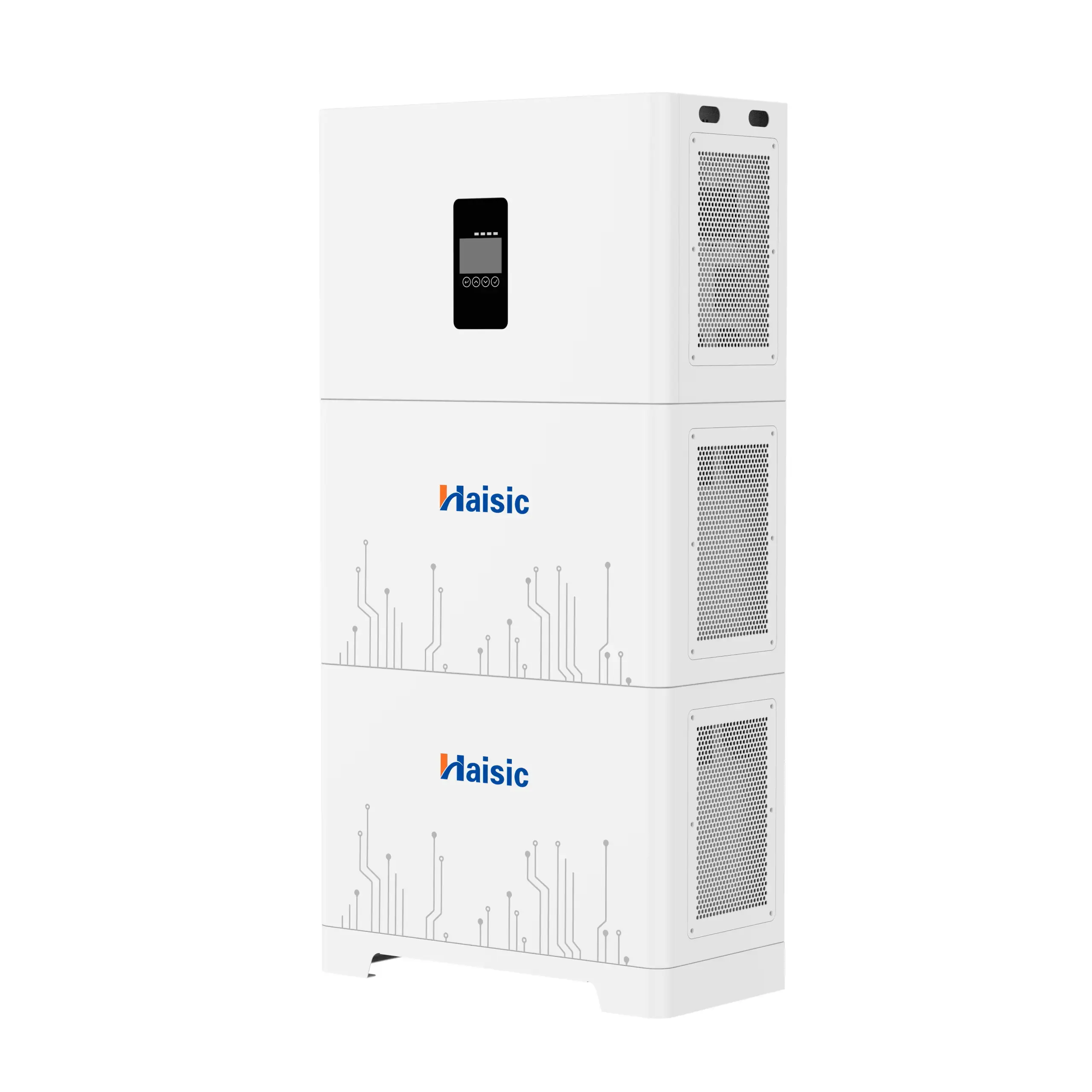
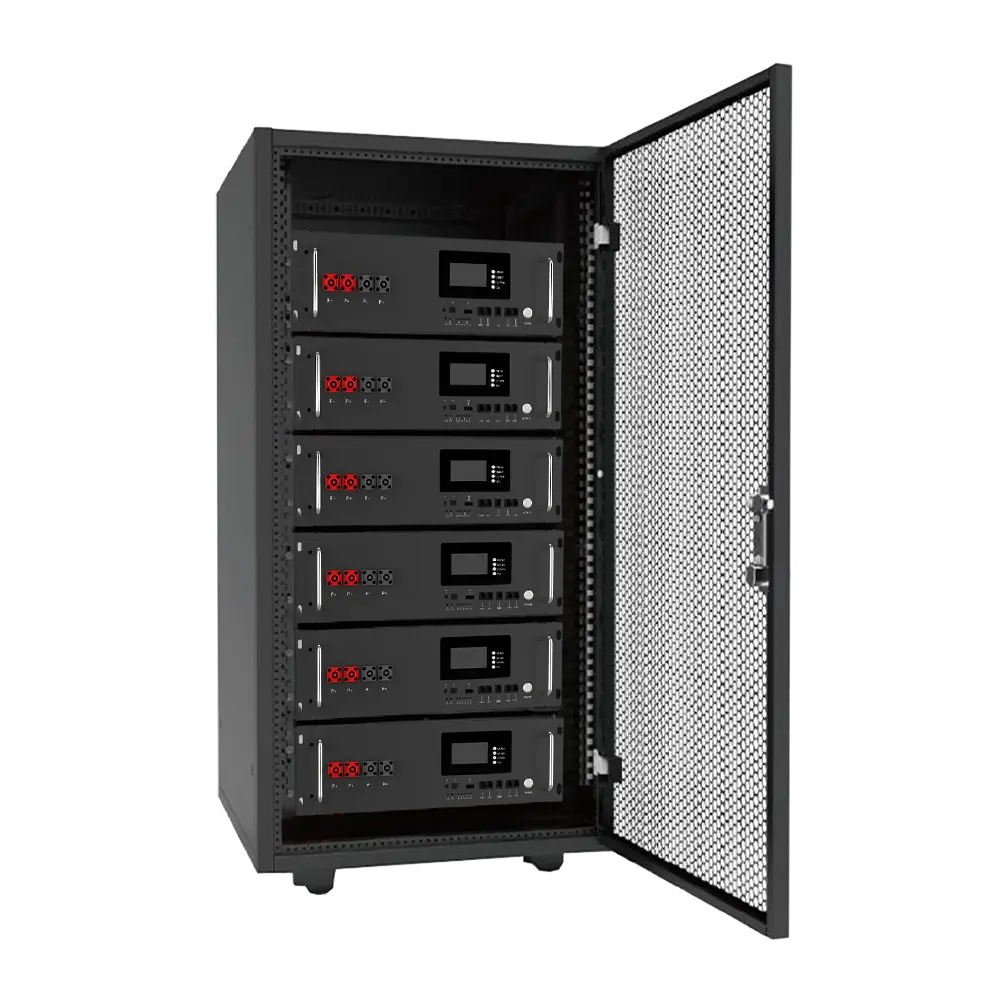
For those looking for a reliable, high-voltage setup, our Haisic stackable energy storage battery provides a modular LFP solution that scales with your needs. By choosing hardware from a dedicated manufacturer like Haisic, you ensure the internal cells and management systems are optimized for maximum efficiency and fire safety. Always prioritize a solution that integrates high-quality LFP cells to ensure your backup power is both stable and cost-effective for the next decade.