










The Anatomy of a 12V Solar Power System
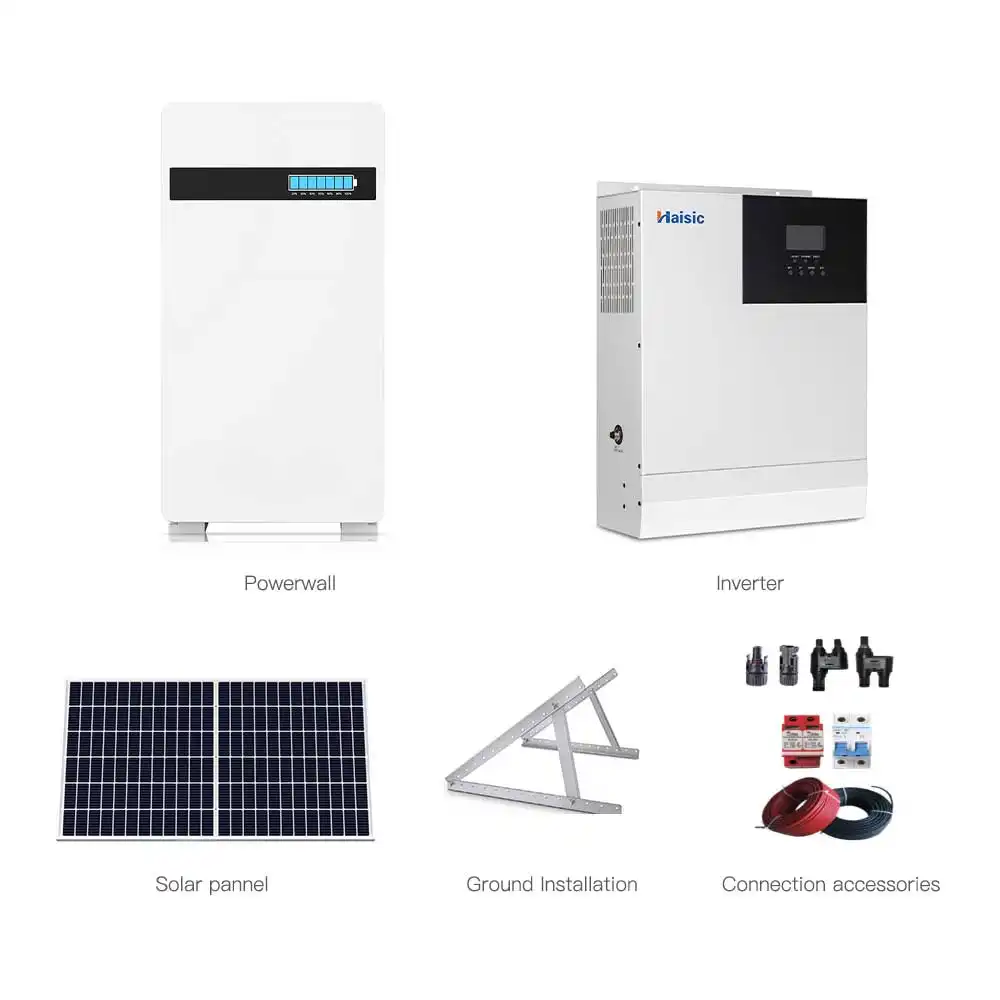
Ever wonder why some off grid solar power systems run flawlessly for years while others fail after a single season? As a manufacturer in the energy storage space, I can tell you the secret lies in understanding the core components. Whether you are building a commercial mobile rig or a simple 100w solar panel and battery setup, every reliable 12 volt off-grid power system comes down to four vital pieces working in harmony.
12V Solar Panels: Monocrystalline vs. Polycrystalline
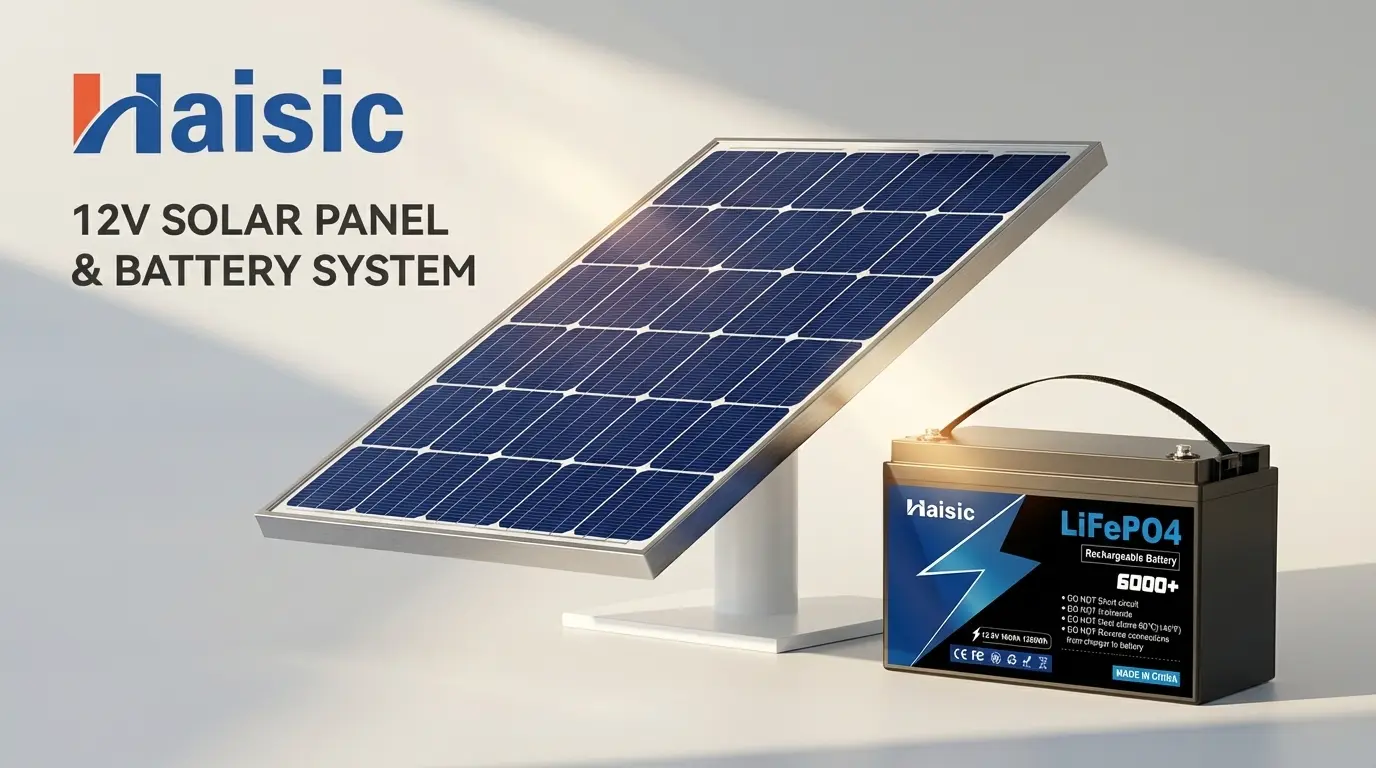
Your panels are the engines of your 12 volt solar panel kit. When choosing panels to pair with your 12v solar panel and battery setup, you generally face two choices:
| Feature | Monocrystalline (Mono) | Polycrystalline (Poly) |
|---|---|---|
| Efficiency | Highest (ideal for limited roof space) | Lower (requires more space to hit the same wattage) |
| Cost | Premium pricing, but higher ROI over time | Budget-friendly |
| Performance | Better yield in low-light and high heat conditions | Standard performance |
The 12V Solar Charge Controller (The Gatekeeper)
Think of the charge controller as the bouncer for your power bank. It directly regulates the voltage and current coming from the panels, ensuring you don\’t overcharge or fry your system.
- Safety First: It actively prevents battery overcharging and extreme deep discharging.
- Maximum Yield: Upgrading to an MPPT charge controller 12v pulls the absolute maximum power from your array, offering up to 30% more charging efficiency than basic PWM models.
The 12V Deep Cycle Battery (The Heart of the System)
If the panels are the engine, the battery is the gas tank. This is where you store your harvested energy for use when the sun goes down.
- Usable Capacity: A true deep cycle battery allows for steady, prolonged power draws.
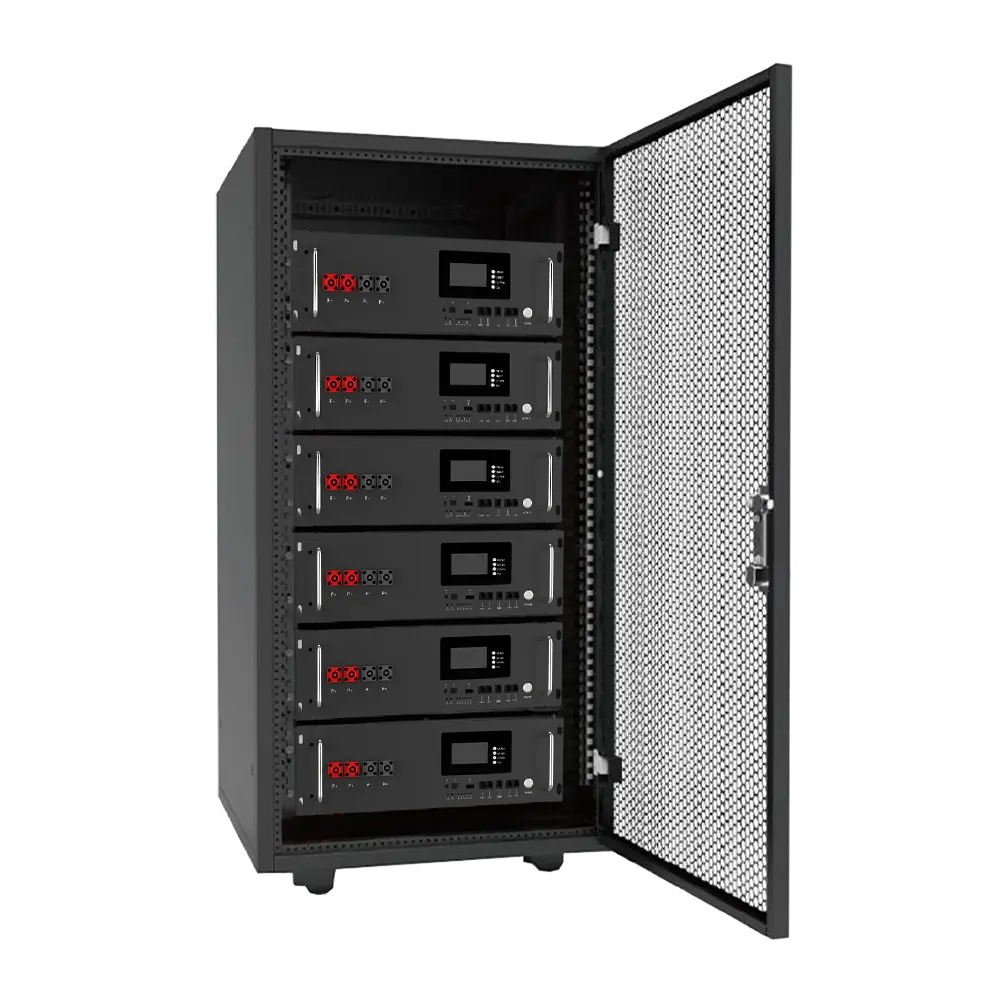
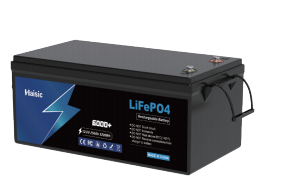
- Modern Reliability: While legacy systems rely on heavy lead-acid, a 12v lithium battery for solar—specifically a modern LiFePO4 deep cycle battery—is what we mandate for B2B and serious DIY builds. It delivers zero-maintenance operation, a much longer lifespan, and safely utilizes nearly 100% of its rated capacity.
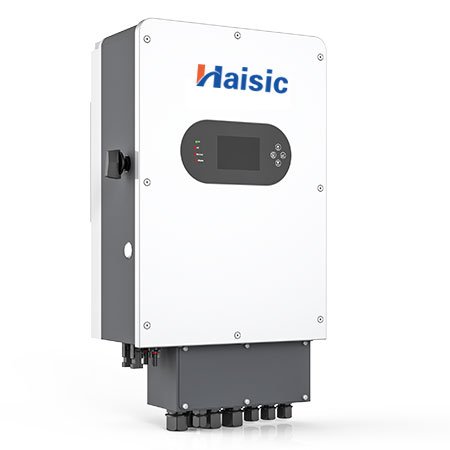
The Inverter: Converting DC to AC
Your panels and battery naturally operate on Direct Current (DC). But if you want to power a laptop, power tools, or a coffee maker, you need 110V/120V Alternating Current (AC). The inverter bridges this gap.
- Equipment Protection: Always spec a pure sine wave hybrid inverter for your build. It delivers clean, stable electricity identical to grid power, protecting sensitive commercial electronics and household appliances from buzz, heat, or premature failure.
Battery Chemistry Showdown: Lead-Acid vs. LiFePO4
When putting together a reliable 12v solar panel and battery setup, choosing the right battery chemistry is a make-or-break decision. You are generally looking at two main camps: traditional Lead-Acid (AGM/Gel) and modern Lithium Iron Phosphate (LiFePO4).
The Hidden Costs of Lead-Acid (AGM/Gel)
Lead-acid batteries look appealing because of their low upfront price. However, that initial saving quickly vanishes when you look at the real-world performance.
- Limited Usable Capacity: You can only discharge a lead-acid battery to about 50% without permanently damaging the cells. A 100Ah battery realistically only gives you 50Ah of actual power.
- Constant Replacements: They typically max out at 300 to 500 charge cycles. You will be buying replacements long before your solar panels even begin to degrade.
- Dead Weight: They are incredibly heavy and bulky, dragging down mobile RV and marine setups.
- Voltage Sag: Performance drops off a cliff as the battery drains, which can cause your 12V appliances to struggle or shut down early.
The LiFePO4 Advantage for 12V Systems
This is exactly why a LiFePO4 deep cycle battery has become the absolute standard for modern off-grid power. As a bespoke energy storage system manufacturer, I always steer clients toward lithium because the long-term value is undeniable.
AGM vs Lithium Solar Battery Comparison:
| Feature | Lead-Acid (AGM/Gel) | LiFePO4 (Lithium) |
|---|---|---|
| Usable Power (DoD) | 50% | 80% to 100% |
| Lifespan | 300 – 500 cycles | 3,000 – 5,000+ cycles |
| Weight | Extremely heavy | Roughly 1/3 the weight |
| Charging Efficiency | Slow absorption phase | Fast charging, absorbs full solar input |
Dropping a 12v lithium battery for solar into your system gives you double the usable energy at a fraction of the weight. They charge incredibly fast from your panels and maintain a steady voltage right until they are empty. When evaluating your setup and the fundamental difference between solar and solar with battery storage, investing in LiFePO4 chemistry is the clear, professional choice that easily pays for itself over its ten-year lifespan.
How to Size Your 12V Solar Panel and Battery Setup
Getting the right fit for your 12 volt off-grid power needs doesn\’t have to be complicated. Finding the sweet spot for your 12v solar panel and battery combination ensures you have reliable power without overspending. Let\’s break down solar battery bank sizing into three straightforward steps.
Step 1: Calculate Your Daily Energy Consumption
Before buying any gear, I always map out exactly how much power is needed daily.
- List your devices: Write down every appliance you plan to run, such as lights, a mini-fridge, or a laptop.
- Find the wattage: Check the power label on each specific device.
- Calculate Watt-hours (Wh): Multiply the device\’s wattage by the number of hours you use it daily.
- Total it up: Add all your individual Wh numbers together to find your baseline daily energy consumption.
Step 2: Sizing the Battery Bank
Next, convert your total daily Watt-hours into Amp-hours (Ah) to match a 12V system. Simply divide your total daily Wh by 12.
- Account for depth of discharge: You cannot use 100% of every battery. If you use standard lead-acid batteries, you only get to use about half of the rated capacity before damaging them. Opting for a lithium battery for solar power storage lets you safely use up to 90% of the stored energy, saving you significant space and long-term replacement costs.
- Add a safety buffer: Multiply your required capacity by 1.2 to give yourself a 20% cushion for standard system inefficiencies.
Step 3: Sizing the Solar Array
Your panels must be able to replenish the energy you use every single day.
- Factor in the sun: Divide your total daily Watt-hours by the average peak sun hours in your specific location (typically around 4 to 5 hours). This gives you the minimum panel wattage required.
- Oversize for reality: Panels rarely produce their maximum rated power due to passing clouds, dust, and less-than-ideal mounting angles. I highly recommend adding a 25% buffer to your solar array size. This guarantees your 12v solar panel and battery setup recharges fully, even when the weather isn\’t perfect.
Top Applications for 12V Solar + Storage Kits
A reliable 12v solar panel and battery setup is the ultimate problem solver for independent living. I see customers putting these systems to work in incredibly diverse environments every day. Because a 12 volt solar panel kit is compact and straightforward to wire, it fits perfectly into spaces where traditional grid power simply cannot reach.
Here is exactly where a 12V setup truly shines:
RV & Van Conversions
When you are building out a camper or van, space is your most valuable asset. An RV solar panel system running on 12 volts perfectly matches the native voltage of most vehicle accessories, making your wiring incredibly efficient.
- What it powers: Water pumps, LED puck lights, roof vent fans, and 12V compressor refrigerators.
- The advantage: You avoid the efficiency loss of using an inverter for basic DC appliances. It keeps your rig fully autonomous while boondocking for days at a time.
Marine & Boating
Out on the water, a dead battery is more than just an inconvenience; it is a major safety hazard. Installing a marine solar panel kit keeps your house batteries topped off without constantly idling the boat engine.
- What it powers: Bilge pumps, navigation lights, fish finders, and marine radios.
- The advantage: It provides silent, continuous power to critical electronics while anchored, eliminating the risk of waking up to a dead starter battery.
Off-Grid Cabins & Sheds
You do not need a massive, expensive utility trench to power a remote hunting cabin or a backyard workshop. Setting up 12 volt off-grid power gives you immediate, localized energy independence. By pairing your panels with a highly efficient lithium ion battery for solar power storage, you capture every drop of daylight to use long after the sun goes down.
- What it powers: Cabin lighting, power tool battery chargers, radios, and small electronics.
- The advantage: It acts as a permanent, standalone power plant that requires zero fuel and practically zero maintenance.
Emergency Home Backup
A portable solar power kit is not just for the outdoors. When the local grid fails, having a dedicated 12V system on standby indoors is a lifesaver. This simple setup is an affordable, foundational step toward creating a reliable energy storage home without dropping tens of thousands of dollars on a whole-house system.
- What it powers: CPAP medical devices, internet routers, phone chargers, and emergency lighting.
- The advantage: It gives you a clean, fume-free, and completely silent alternative to noisy gas generators during critical power outages.
Basic Wiring for Your 12V Solar Panel and Battery
When building reliable 12 volt off-grid power, safety comes first. Wiring a 12v solar panel and battery setup incorrectly can ruin your equipment or cause serious fire hazards. I always stress following strict connection sequences and using the proper safety components to keep your system running smoothly.
The Correct Connection Order
The order in which you hook up your 12 volt solar panel kit is non-negotiable. Memorize this exact sequence to protect your gear from sudden voltage spikes:
- Step 1: Battery to Charge Controller. Always connect your battery first. This allows the controller to boot up and correctly identify the 12V system voltage before any solar energy flows in.
- Step 2: Solar Panels to Charge Controller. Only connect the solar array after the controller is powered by and communicating with the battery.
- Step 3: Inverter to Battery. If you are running AC appliances, connect your pure sine wave hybrid inverter directly to the battery terminals. Never wire a high-draw inverter to the charge controller\’s load outputs.
Fusing and Wire Gauges
Cutting corners on cables and breakers will permanently bottleneck your system. Treat these electrical rules as mandatory:
- Size cables correctly: Thicker wires (lower AWG numbers) prevent voltage drop and dangerous heat buildup. Keep the cable runs between your components as short as physically possible.
- Fuse the battery positive: Install an appropriately sized master fuse on the positive cable right next to the battery terminal. This critical step protects your generator battery bank from devastating short circuits.
- Disconnect the solar input: Add an inline circuit breaker on the positive wire running from the panels to the charge controller. This gives you a safe, quick way to cut the solar input when performing maintenance.
Why Installers and DIYers Choose Haisic for Energy Storage
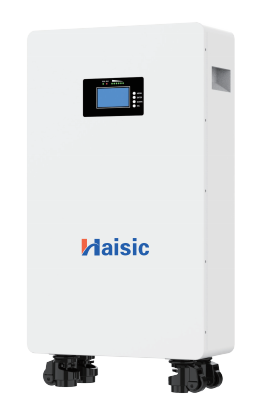
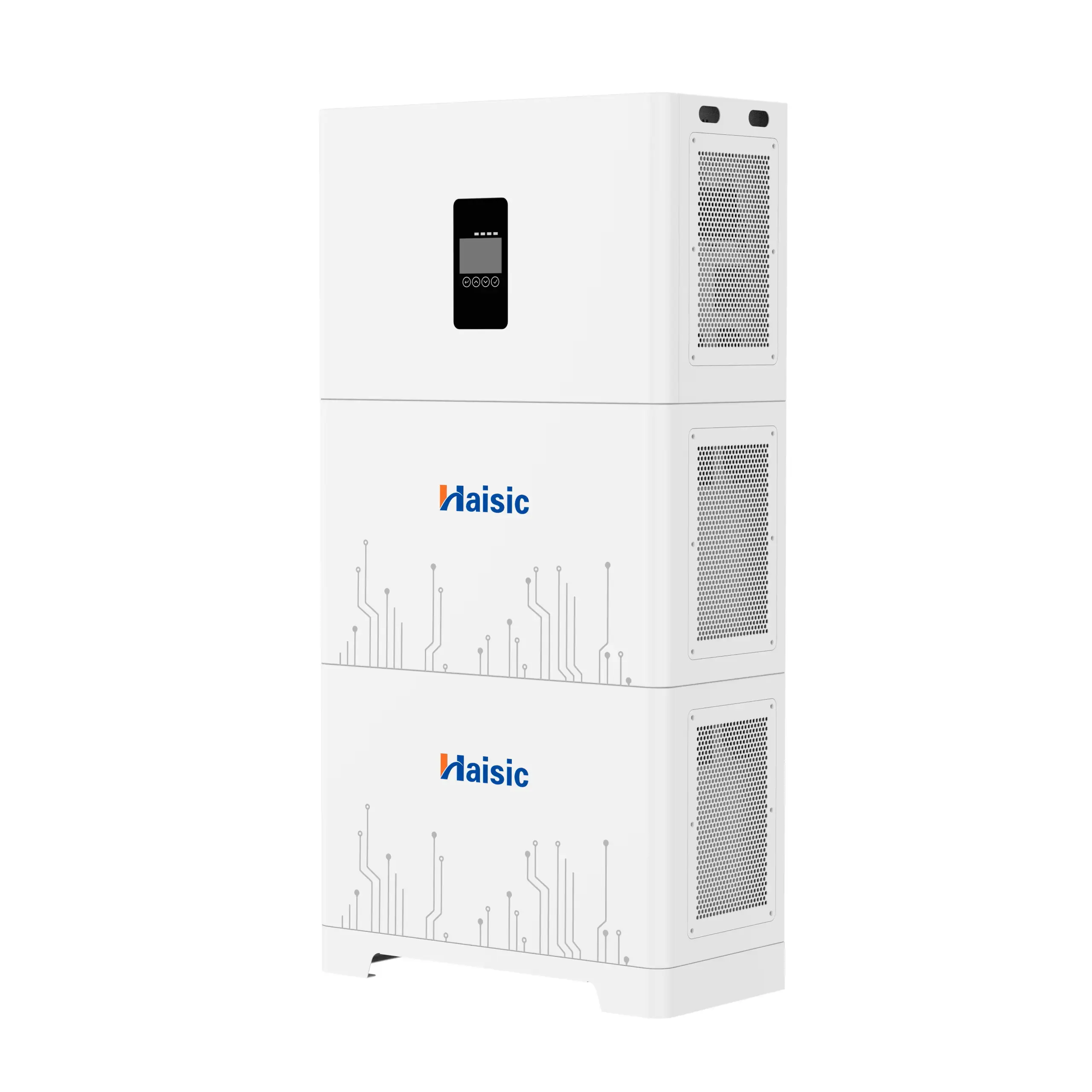
When building a dependable 12v solar panel and battery system, the quality of your components determines your success. At Haisic, we manufacture and supply energy storage solutions that professionals and DIY enthusiasts actually trust. Whether you are wiring a massive off grid solar power system or setting up a reliable 12-volt battery backup, we deliver performance that lasts.
Here is why global customers partner with us:
Commercial-Grade Reliability
We build our batteries to withstand real-world abuse. From extreme global climates to heavy daily cycling, our solar battery storage solutions are engineered for maximum lifespan and safety.
- Premium Cells: We use top-tier LiFePO4 chemistry.
- Advanced BMS: Built-in protection against overcharging, deep discharge, and temperature spikes.
- Rugged Builds: Designed to handle vibrations in mobile setups and harsh conditions in remote off-grid locations.
Tailored Solutions
One size never fits all in solar. We offer flexible capacities and form factors to match your exact energy demands. Whether you need components for a compact portable solar power kit or a massive residential bank, we provide the exact specifications required to get the job done right.
OEM/ODM & Dealer Support
We are a direct manufacturer, not just a reseller. We actively support businesses, installers, and brands looking to scale.
- White-Labeling: Full OEM/ODM services to put your brand on high-quality hardware.
- Bulk Pricing: High-margin opportunities for dealers and large-scale installers.
- Direct Tech Support: Fast, expert troubleshooting directly from the engineers who built the product.
The Haisic Advantage at a Glance
| What We Offer | How It Benefits Your System |
|---|---|
| Commercial-Grade Reliability | Ensures your 12v solar panel and battery setup runs safely for years without premature failure. |
| Tailored Solutions | Get the exact voltage, capacity, and dimensions needed for your specific project. |
| OEM/ODM & Dealer Support | Direct-from-manufacturer pricing, custom branding, and dedicated technical backing. |
Frequently Asked Questions (FAQs)
Can I connect a 12V solar panel directly to my battery?
No. Never wire a panel straight to your storage. Doing so pushes unregulated voltage that will quickly overcharge and destroy your equipment. Always place a 12v solar charge controller between the panels and your battery bank to regulate the energy flow safely.
How many solar panels do I need to charge a 100Ah 12V battery?
While it depends on your local sunlight, a reliable rule of thumb is to use 200 watts of solar power. A simple 100w solar panel and battery setup expanded with a second 100w panel will efficiently charge a 100Ah 12V lithium ion battery from zero to full in roughly 5 to 6 hours of peak sunlight.
Is an MPPT charge controller worth it for a 12V system?
Absolutely. Upgrading to an MPPT charge controller 12v allows you to pull up to 30% more usable energy from your array compared to older, cheaper PWM controllers. If you rely on your off grid solar power system daily, MPPT pays for itself by maximizing power harvest, especially during cloudy days or low-light winter months.
Can I mix different battery types or brands in my solar setup?
Never mix batteries. Combining an older battery with a brand new one, or trying to wire an AGM battery alongside a lithium model, creates severe voltage imbalances. This mismatch will ruin your entire battery bank. Always use identical batteries of the same chemistry, capacity, and brand. If you are designing a new setup and want to avoid expensive mistakes, review our guide on how to choose the best solar battery for your needs to perfectly match your 12v solar panel and battery system.