










Deciphering Lithium Chemistries: Why LiFePO4 Wins in 2026
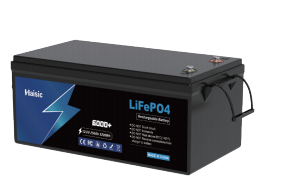
When investing in a lithium ion battery for solar, the specific chemistry inside the casing dictates safety, longevity, and performance. While the market offers various options, the industry has decisively shifted toward Lithium Iron Phosphate (LiFePO4) as the superior standard for stationary energy storage.
LFP vs. NMC: A Head-to-Head Comparison
For years, Nickel Manganese Cobalt (NMC) batteries dominated the market due to their high energy density, making them popular for electric vehicles where weight is critical. However, for a residential ESS or commercial solar project, weight is less important than stability.
- Lifespan: LiFePO4 batteries consistently deliver 6,000+ cycles at 80% Depth of Discharge (DoD), whereas typical NMC batteries often degrade after 2,000–3,000 cycles.
- Safety: The chemical structure of LFP is inherently non-combustible. It does not release oxygen during thermal events, virtually eliminating the risk of thermal runaway—a critical safety factor for systems installed in homes or garages.
Thermal Stability for Residential Installations
Temperature management is the silent killer of battery efficiency. LiFePO4 chemistry boasts a wider operating temperature range and superior thermal stability compared to other lithium ion battery solar options. This makes LFP the preferred choice for indoor installations where safety is paramount. Our systems are engineered to operate efficiently without the complex, active cooling systems often required by volatile chemistries, simplifying maintenance and reducing failure points.
The Haisic Standard: High-Grade LiFePO4
At Haisic, we don\’t compromise on cell quality. We exclusively utilize automotive-grade LiFePO4 cells for our 51.2V battery systems. Whether you are looking at our wall-mounted units or scalable rack-mounted modules, every product is built on a foundation of safety and endurance. By prioritizing high-quality LFP chemistry, we ensure that your transition to solar energy storage is a long-term investment, not a short-term experiment.
The Economics of Longevity: Cycle Life & ROI
When evaluating a lithium ion battery solar system, the initial sticker price is often the most misleading metric. As manufacturers, we look at the long-term value, specifically focusing on the \”Levelized Cost of Storage\” (LCOS). This calculation reveals the true cost of every kilowatt-hour you store and retrieve over the battery\’s entire lifespan.
Understanding Cycle Life: Budget vs. Professional Grade
Not all lithium chemistries are created equal. A standard consumer-grade battery might offer 2,000 to 3,000 cycles before its capacity degrades significantly. In contrast, professional-grade LiFePO4 (Lithium Iron Phosphate) systems are engineered for endurance.
At Haisic, our lithium solar battery solutions are rated for 6,000+ charge cycles. This longevity fundamentally changes the economics of your investment:
- Budget Battery: Replaced every 5–7 years.
- Professional LiFePO4: Operational for 15+ years.
By investing in high-cycle technology, you effectively lock in a lower energy price for over a decade, avoiding the inflation and replacement costs associated with cheaper alternatives.
The 95% Efficiency Factor: Preventing Energy Leakage
Efficiency is the hidden profit margin in solar storage. Round-trip efficiency measures how much energy you get out compared to how much you put in. Old lead-acid technologies often waste 15-20% of harvested energy as heat.
Modern lithium systems aim for a far higher standard. High-quality LiFePO4 cells offer excellent round-trip efficiency, often exceeding 95% at the cell level. This means almost every watt your solar panels generate is captured and available for use. For larger residential or commercial needs, our high-voltage stacked systems utilize high-voltage connections to further reduce current transmission losses, ensuring that your solar harvest isn\’t lost to \”energy leakage\” before it even powers your home.
Smart Management: The Role of the Integrated BMS
A high-performance lithium ion battery solar setup requires more than just premium chemistry; it needs a sophisticated brain. At Haisic, we engineer our energy storage solutions with an advanced Battery Management System (BMS) that acts as the central command center for your power. This integrated unit is the difference between a battery that fails prematurely and one that delivers reliable power for over a decade.
The Brain of the Battery
The BMS is your first line of defense. It constantly monitors critical parameters such as voltage, current, and internal temperature. If the system detects anomalies—like a potential overcharge, deep discharge, or short circuit—it instantly intervenes to cut the circuit and protect the hardware. This level of protection is standard across our residential and commercial lines, ensuring that your investment remains safe from electrical faults and thermal risks.
Intelligent Algorithms and Cell Balancing
Longevity is determined by how well the individual cells inside the pack work together. Our BMS utilizes intelligent algorithms to perform active cell balancing in real-time.
- Uniform Charging: Ensures every cell reaches full charge simultaneously, preventing weak cells from dragging down the system\’s total capacity.
- Extended Lifespan: By minimizing stress on individual components, we maximize the cycle life of the entire LiFePO4 battery solar system, helping you achieve the rated 6000+ cycles.
- Efficiency: Optimizes the flow of energy to reduce waste during the charge and discharge process.
Remote Monitoring via IoT
Modern energy storage should offer complete transparency. Our systems feature IoT integration, allowing you to track your energy harvest and consumption directly via smartphone or PC. You can view real-time data on State of Charge (SOC) and State of Health (SOH), giving you the power to manage your energy usage efficiently from anywhere in the world.
Scalability & System Design: Finding Your Perfect Fit
When designing a solar energy system, one size rarely fits all. The beauty of modern lithium ion battery solar technology lies in its modularity. Whether you are powering a single-family home or a large industrial facility, we have engineered our systems to grow alongside your energy needs.
Residential Solutions: Wall-Mounted vs. Stackable
For homeowners, aesthetics often matter just as much as performance. We offer two primary form factors to suit different installation environments:
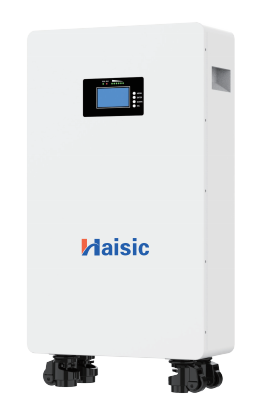
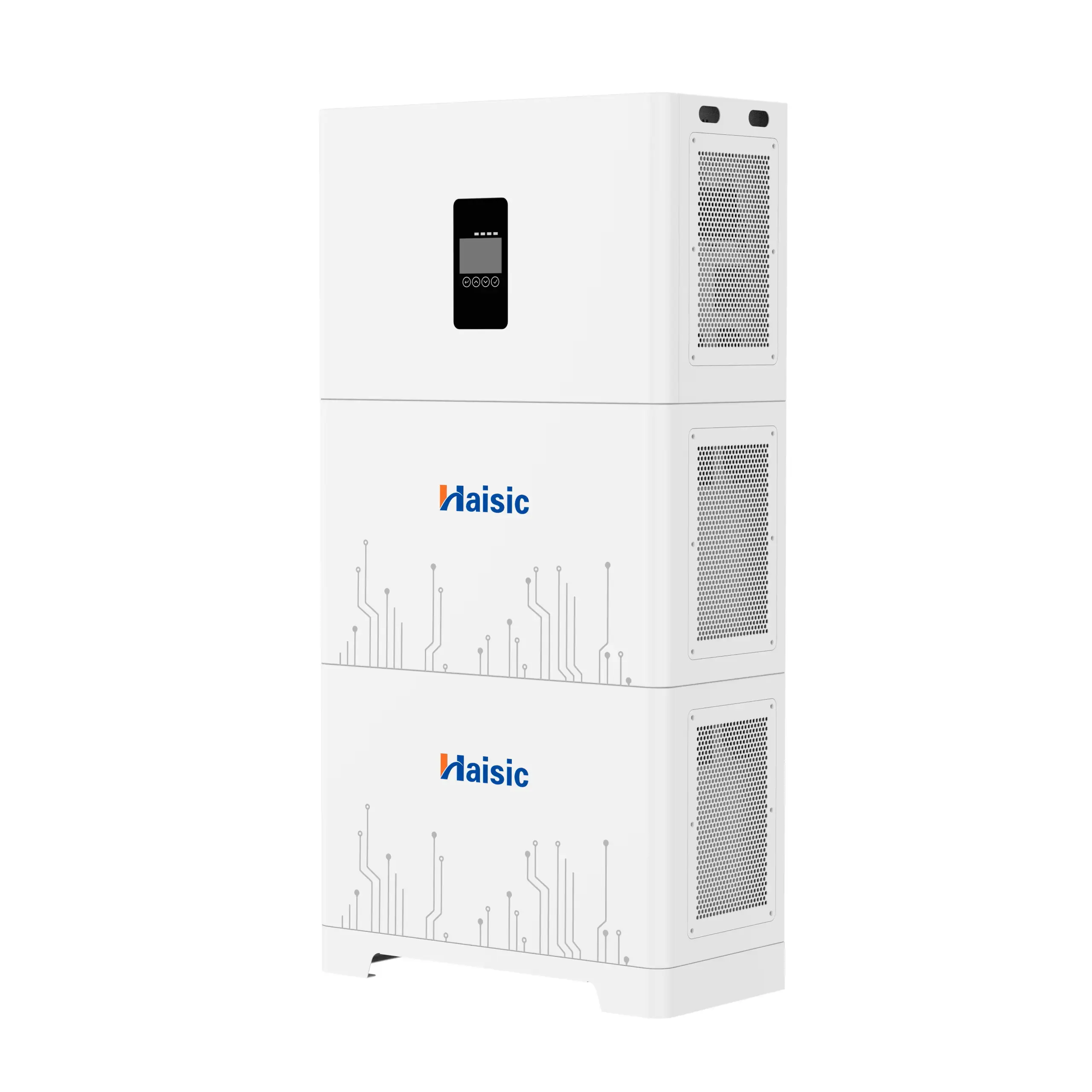
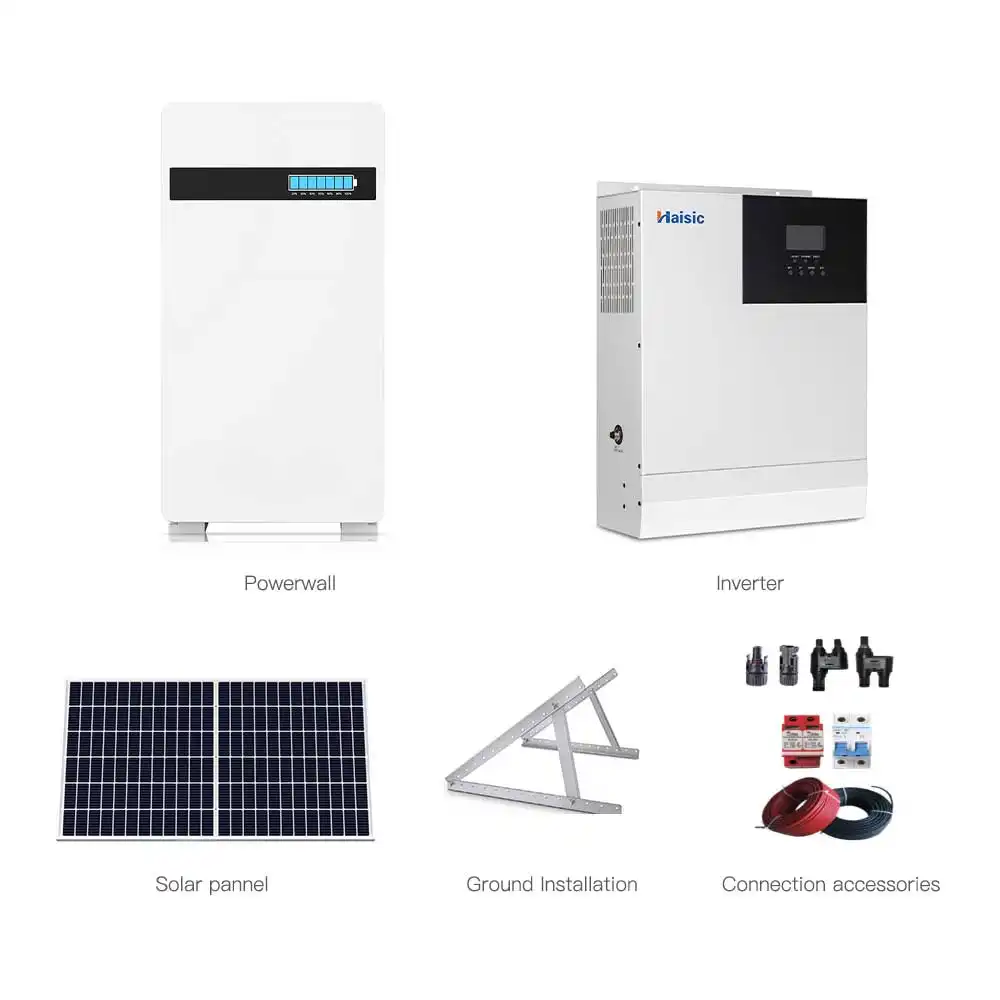
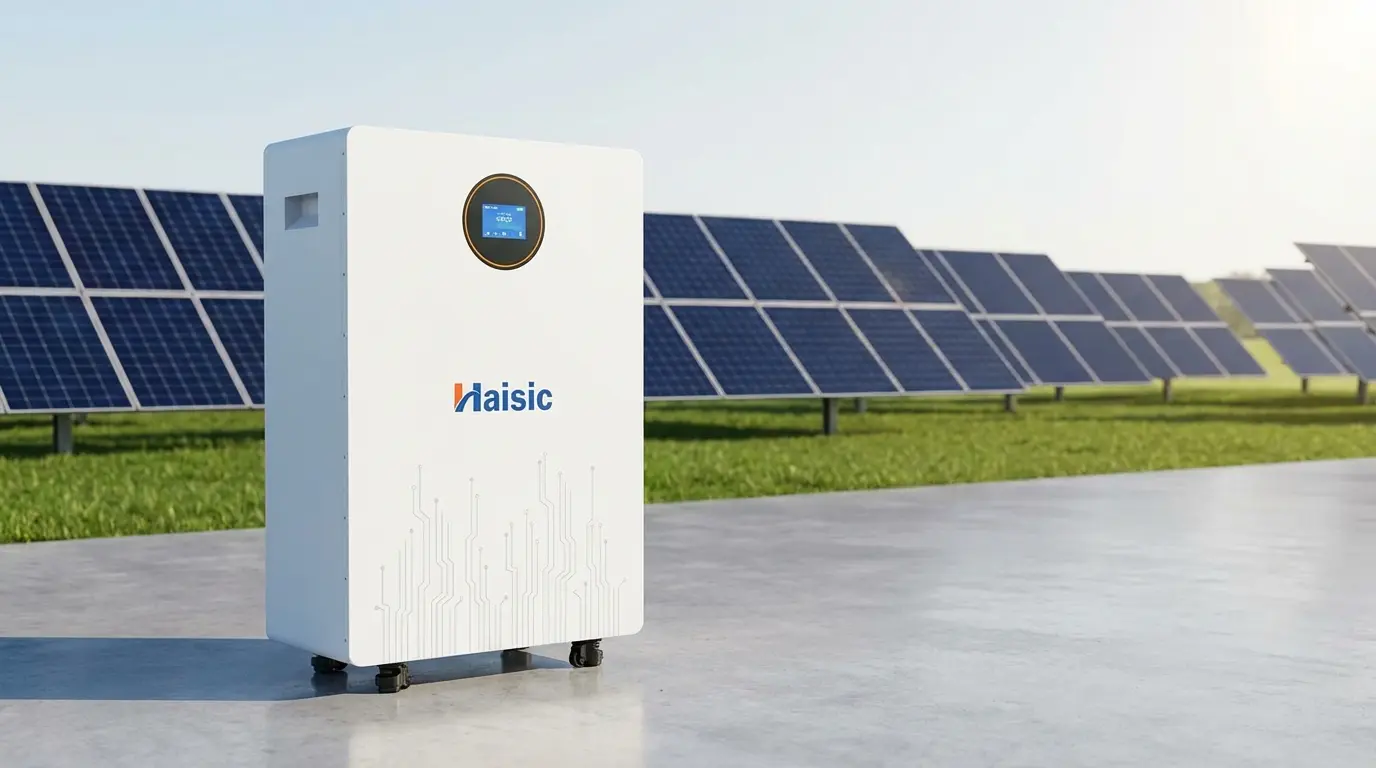
- Wall-Mounted Units: ideal for garages or utility rooms where floor space is at a premium. These units, like our PowerWall series, offer a sleek, compact profile while delivering robust energy storage.
- Stackable Modular Designs: If you anticipate your energy usage increasing—perhaps due to an EV purchase or home expansion—our stackable systems are the superior choice. You can start with a base 5kWh or 10kWh module and easily stack additional units to increase capacity without rewiring the entire system.
C&I Applications: Rack-Mounted Power
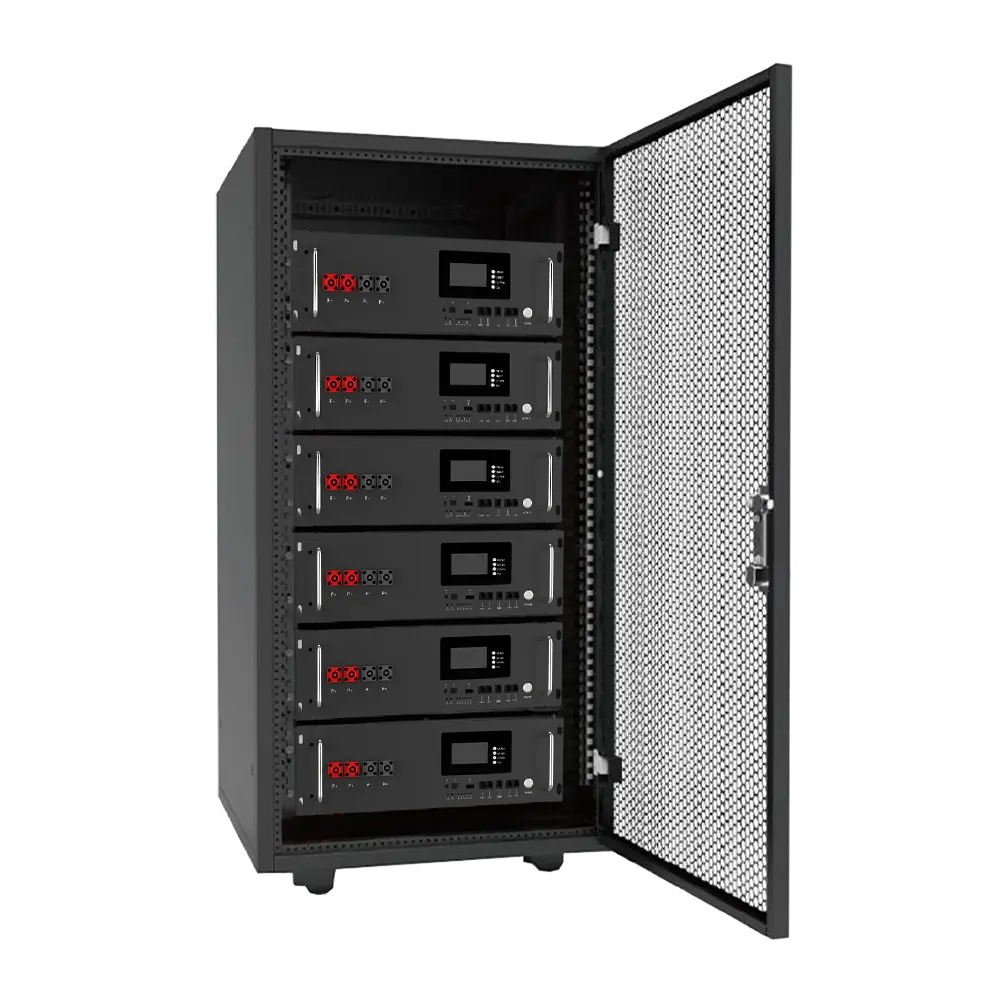
For commercial and industrial (C&I) sectors, scalability translates directly to cost savings. Our rack-mounted lithium ion battery for solar systems are designed for standard server racks, allowing businesses to build massive energy banks efficiently.
These systems are critical for strategies like peak shaving, where you discharge battery power during expensive peak tariff hours to lower demand charges. We support parallel connections that allow these systems to scale from 50kWh up to MWh-level containerized solutions, providing the heavy-duty power required for manufacturing or large-scale operations.
Seamless Inverter Compatibility
A battery is only as good as its ability to talk to the rest of your system. We ensure our lithium battery for solar power storage integrates flawlessly with major hybrid solar inverters.
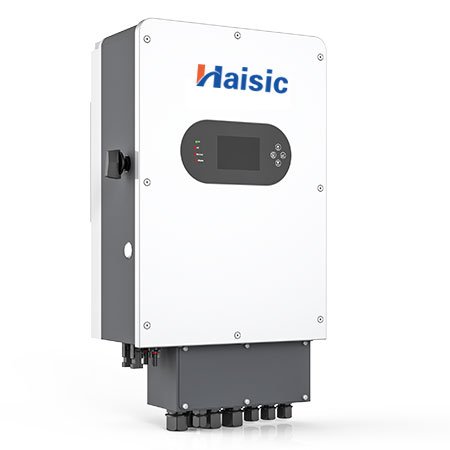
Our BMS (Battery Management System) supports multiple communication protocols (CAN/RS485/RS232), ensuring plug-and-play compatibility with top-tier inverter brands. This seamless communication allows the inverter to read the battery\’s state of charge accurately, optimizing charging cycles and protecting your investment from day one.
Installation & Safety Protocols for 2026
When deploying a lithium ion battery solar system, safety and environmental resilience are just as critical as capacity. We don\’t just build batteries to store energy; we engineer them to survive the real-world conditions where they are installed, from residential garages to industrial sites.
IP65 Ratings: Weatherproofing Matters
Not every installation happens in a climate-controlled room. For homeowners and businesses placing equipment in semi-outdoor spaces or dusty environments, ingress protection is non-negotiable.
- Dust Protection: Our enclosures are sealed to prevent dust accumulation on internal circuits, which can cause short circuits over time.
- Moisture Resistance: With IP65-rated designs for our hybrid inverters and robust IP54 ratings for commercial cabinets, our systems withstand humidity and water spray. This durability ensures that your investment remains safe, even if the installation environment isn\’t perfect.
UPS-Grade Reliability: The 4ms Standard
A solar battery is only as good as its ability to react during an outage. Our integrated systems offer a transfer speed of less than 4 milliseconds. This is UPS-grade performance, meaning when the grid fails, your critical appliances—computers, medical equipment, and Wi-Fi routers—stay powered without resetting. You achieve seamless continuity, transitioning from grid to battery power instantly.
Professional OEM/ODM Considerations
For distributors looking to scale, partnering with the right manufacturer is the biggest safety protocol of all. We operate an 11,000-square-meter production base with over 12 years of R&D experience. Whether you are deploying a residential unit or a large-scale battery energy storage system, you need a partner that guarantees compliance. We back our manufacturing with comprehensive certifications like UL, CE, and UN38.3, ensuring that every unit leaving our factory meets strict global safety standards.
Frequently Asked Questions (FAQs) regarding Lithium Ion Battery Solar Storage
How many years does a lithium solar battery actually last?
At Haisic, we engineer our systems for longevity, not just temporary storage. Our LiFePO4 (Lithium Iron Phosphate) units are rated for 6000+ charge cycles. In practical terms, if you cycle the battery once every single day, you are looking at over 15 years of service life before the capacity degrades significantly. This far outlasts traditional lead-acid alternatives, making the long-term ROI on a lithium ion battery solar setup much higher.
Is LiFePO4 safer than standard NMC lithium batteries?
Safety is our primary reason for choosing LiFePO4 chemistry over NMC (Nickel Manganese Cobalt). LFP batteries have a superior thermal and chemical stability. They possess a much higher threshold for thermal runaway, meaning they do not catch fire or explode under high temperatures or physical stress. This stability makes them the safest choice for residential indoor installations and critical commercial projects.
Can I add more modules to my battery system later?
Yes, scalability is central to our design philosophy. We understand that energy needs grow over time. Whether you use our wall-mounted units or rack-mounted systems, our BMS supports parallel connections. You can start with a smaller capacity and add more modules later without replacing your inverter. For more details on system integration, you can read about how domestic energy storage batteries work in the home to see how modular expansion fits into daily life.
What is the ideal depth of discharge for maximizing battery life?
One of the massive advantages of a lithium ion battery for solar storage is the usable capacity. Unlike lead-acid batteries, which should not be drained below 50%, our LiFePO4 systems can safely handle a Depth of Discharge (DoD) of 80% to 90% daily. This allows you to utilize nearly all the energy you store without shortening the battery\’s lifespan.