











Top-Rated Golf Cart Battery Suppliers and Manufacturers
The global market for golf cart power is rapidly evolving, with a decisive shift from traditional lead-acid systems to advanced Lithium-ion technology. As fleet managers and individual owners seek higher efficiency and zero maintenance, selecting the right partner is critical. The industry is currently dominated by a mix of legacy manufacturers adapting to new trends and specialized innovators focused exclusively on high-performance energy solutions.
Leading Brands in the USA and International Markets
Global heavyweights continue to drive innovation and volume in the energy sector. Samsung SDI stands out as a premier global supplier, leveraging massive R&D capabilities to produce cylindrical cells that power many OEM fleets. Similarly, Trojan Battery Company, a historic name in deep-cycle technology, has successfully expanded its portfolio to include robust lithium options alongside its traditional offerings. These manufacturers provide the reliability and scale required for large commercial operations.
Specialized Lithium-Ion (LiFePO4) Battery Suppliers
For those seeking dedicated Lithium-ion expertise, specialized brands offer the most targeted solutions, particularly for drop-in upgrades.
- Hiitio: We focus on delivering customized LiFePO4 solutions with advanced Battery Management Systems (BMS) and Bluetooth connectivity, catering to both B2B and B2C needs.
- RELiON & Allied Lithium: Known for their \”plug-and-play\” designs that fit standard battery trays without modification.
- Eco Battery & Dakota Lithium: These brands are recognized for high-performance packs with industry-leading warranties ranging up to 11 years.
- RoyPow & BigBattery: Major players providing high-capacity 36V, 48V, and 72V systems designed for heavy-duty use.
As one of the emerging china golf cart lithium battery suppliers, we emphasize OEM and ODM flexibility, allowing businesses to tailor voltage and capacity to specific fleet requirements.
Established Deep-Cycle Lead-Acid Manufacturers
While the industry is trending toward lithium, established lead-acid manufacturers remain relevant for specific budget-conscious applications. Companies like Trojan built their reputation on flooded lead-acid batteries, which are still widely used in older fleets. However, the maintenance demands—such as water topping and terminal cleaning—and shorter lifespans are driving the market toward the maintenance-free longevity of LiFePO4 alternatives.
Types of Golf Cart Batteries Offered by Suppliers
When sourcing power solutions, we typically categorize options into three main technologies. While legacy systems are still in circulation, the market is aggressively pivoting toward advanced lithium chemistries due to their efficiency and total cost of ownership.
Traditional Flooded Lead-Acid (FLA) Batteries
For decades, flooded lead-acid batteries served as the industry standard for golf cart battery suppliers. These are the heavy, boxy units most older carts were designed to carry.
- Pros: Lowest upfront purchase cost and widespread availability.
- Cons: High maintenance requirements. You must regularly top up water levels and clean terminals to prevent corrosion.
- Performance: They are heavy, reducing cart speed, and take 8-10 hours to fully charge.
While they are cheap initially, the frequent replacement cycles and labor costs for maintenance often make them less economical over time for commercial fleets.
Maintenance-Free AGM and Gel Solutions
Absorbent Glass Mat (AGM) and Gel batteries represent a \”sealed\” evolution of lead-acid technology. Many manufacturers offer these as a mid-tier upgrade for users who want to eliminate watering tasks.
- Design: Completely sealed, spill-proof, and vibration-resistant.
- Maintenance: Truly maintenance-free; no water topping required.
- Limitations: They still suffer from the heavy weight characteristic of lead chemistry and typically offer a shorter cycle life compared to lithium options.
These are often used in off-road or rough-terrain applications where battery acid spillage is a concern, but they do not match the energy density of modern Lithium-ion alternatives.
High-Performance Lithium Battery Systems
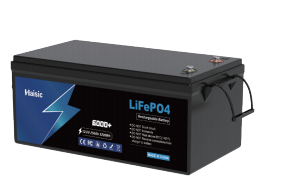
This is the current gold standard. Most top-tier china golf cart lithium battery suppliers and global brands now focus exclusively on Lithium Iron Phosphate (LiFePO4) technology. These packs are designed as \”drop-in\” replacements for 36V, 48V, and 72V systems.
Why we prioritize lithium technology:
- Longevity: Delivers 3,500 to 5,000+ cycles, lasting up to 10x longer than lead-acid.
- Weight Efficiency: Weighs 1/4 to 1/3 of a traditional battery pack, significantly reducing vehicle wear.
- Smart Safety: Features an integrated Battery Management System (BMS) to prevent over-charging and overheating.
- Rapid Charging: Achieves a full charge in just 2-3 hours.
The stability of LFP energy storage chemistry ensures these batteries are chemically stable and safe for daily use. For businesses looking for OEM or ODM solutions, switching to lithium offers the highest return on investment due to zero maintenance and extended operational life.
Why Choose Lithium Golf Cart Batteries for Your Business?
Transitioning from traditional lead-acid to lithium technology is one of the smartest investments fleet managers and cart owners can make. As experienced golf cart battery suppliers, we see firsthand how LiFePO4 chemistry transforms vehicle performance. The initial cost is higher, but the Total Cost of Ownership (TCO) drops significantly over time due to durability and efficiency. Whether you are sourcing for a golf course fleet or a personal vehicle, choosing lithium ensures you are future-proofing your investment.
Longer Lifespan and Warranty Benefits
The most compelling reason to switch is longevity. While standard lead-acid batteries typically last 500 to 1,000 cycles, high-quality Lithium-ion packs deliver 3,500 to 5,000+ cycles at 80% Depth of Discharge. This means a single lithium battery can outlast three to four sets of lead-acid batteries, often providing reliable power for over a decade.
Because of this durability, manufacturers can offer industry-leading protection. Most reputable brands provide warranties ranging from 5 to 11 years. For businesses looking to expand their product lines, partnering with a private label energy storage system manufacturer allows you to offer these extended warranties under your own brand, building significant trust with your customers.
Reduced Weight and Increased Energy Efficiency
Weight plays a massive role in the wear and tear of a golf cart. Lithium batteries are approximately 1/4 to 1/3 the weight of their lead-acid counterparts. Removing 300+ pounds of dead weight from a cart has immediate benefits:
- Less Wear: Reduced strain on tires, brakes, and suspension components.
- Higher Speed: Improved acceleration and agility, even on hilly courses.
- Extended Range: The motor works less to move the vehicle, resulting in more miles per charge.
Rapid Charging and Low Maintenance Capabilities
For commercial operations, downtime is money lost. China golf cart lithium battery suppliers and global OEM providers have optimized these packs for rapid energy recovery. A lithium pack can reach a full charge in just 2-3 hours, compared to the sluggish 8-10 hours required for lead-acid. Furthermore, they support \”opportunity charging,\” meaning you can plug them in during a lunch break without damaging the battery\’s memory.
Maintenance is another area where lithium shines. These systems are completely sealed and maintenance-free. There is no need for water topping, acid cleaning, or terminal maintenance. Integrated Battery Management Systems (BMS) automatically balance cells and protect against overcharging or overheating.
Comparison: Lead-Acid vs. Lithium (LiFePO4)
| Feature | Flooded Lead-Acid | Lithium (LiFePO4) |
|---|---|---|
| Cycle Life | 500 – 1,000 Cycles | 3,500 – 5,000+ Cycles |
| Maintenance | High (Watering Required) | Zero (Maintenance-Free) |
| Charge Time | 8 – 10 Hours | 2 – 3 Hours |
| Weight | Heavy (Strain on Cart) | Lightweight (~1/4 of Lead-Acid) |
| Safety | Risk of Acid Leaks | BMS Protection & Stable Chemistry |
Custom OEM and ODM Services for Golf Cart Batteries
In the competitive world of electric mobility, standard off-the-shelf solutions do not always meet specific fleet requirements. As experienced golf cart battery suppliers, we provide comprehensive OEM (Original Equipment Manufacturer) and ODM (Original Design Manufacturer) services. This flexibility allows businesses to differentiate themselves in the market while relying on proven Lithium-ion technology.
Custom Branding and Private Label Options
Building a unique brand identity is crucial for distributors and fleet managers. We offer extensive private label services that allow you to market high-quality lithium batteries under your own brand name. This service transforms a generic component into a signature product that builds customer loyalty.
Our branding customization includes:
- Casing Design: Custom colors and materials to match your brand palette.
- Logo Integration: Silk-screening or laser etching of your company logo directly onto the battery case.
- Packaging: Retail-ready packaging designed with your manuals and warranty cards.
- App Customization: Tailoring the Bluetooth monitoring app interface to reflect your brand identity.
Tailored Voltage and Capacity Configurations
Different vehicles require specific power profiles. As a specialized energy storage system supplier, we engineer battery packs to meet precise performance metrics. Whether you need extended range for a golf resort fleet or high-torque power for utility vehicles, we adjust the internal cell configuration to suit the application.
Common Configuration Options:
| System Voltage | Typical Capacity | Application |
|---|---|---|
| 36V | 105Ah – 160Ah | Older golf carts, light-duty transport. |
| 48V | 60Ah – 200Ah | Standard modern golf carts, LSVs. |
| 72V | 100Ah – 300Ah | High-performance carts, heavy utility vehicles. |
We utilize stable LiFePO4 chemistry to ensure that every custom configuration delivers consistent power and safety, regardless of the voltage or capacity chosen.
Specialized Conversion Kits and 3D Design Services
Transitioning from lead-acid to lithium should be seamless. Many China golf cart lithium battery suppliers only provide the battery block, but we go further by designing complete conversion ecosystems. Our engineering team uses advanced 3D design software to model battery trays and connection points, ensuring a perfect \”drop-in\” fit for major cart brands like EZ-GO, Club Car, and Yamaha.
Our design services cover:
- 3D Modeling: Simulating fitment to guarantee compatibility with existing battery compartments.
- Mounting Brackets: Custom-fabricated brackets to secure the smaller, lighter lithium packs.
- Wiring Harnesses: Plug-and-play connectors that eliminate the need for complex rewiring.
- BMS Integration: Programming the Battery Management System to communicate effectively with specific vehicle controllers.
Key Criteria for Selecting a Reliable Battery Supplier
Choosing the right partner is about more than just comparing price tags; it’s about securing the operational future of your fleet. As we navigate the market, we prioritize suppliers who combine technical excellence with logistical reliability. Whether you are upgrading a personal cart or managing a commercial fleet, the supplier\’s ability to deliver consistent quality determines your long-term ROI.
Production Capacity and Global Shipping Lead Times
When demand spikes, you cannot afford to have your inventory stuck in a backlog. We assess manufacturers based on their ability to scale production without compromising quality. Top-tier china golf cart lithium battery suppliers often utilize automated production lines to ensure consistency and speed.
- Scalability: Can the supplier handle bulk orders during peak seasons?
- Logistics: Do they have established shipping channels to ensure timely delivery to global markets?
- Inventory: Reliable partners maintain sufficient stock of standard 36V and 48V modules to reduce lead times.
Certification, Safety Standards, and Quality Testing
Safety is non-negotiable when dealing with high-energy storage. We only work with suppliers who adhere to strict international standards. A reputable supplier implements a multi-stage testing process, checking everything from cell consistency to vibration resistance.
Key certifications to look for include:
- UL / CE: Ensures compliance with North American and European safety standards.
- UN38.3: Essential for the safe transport of Lithium-ion batteries.
- IP Ratings: Verifies protection against water and dust, which is critical for outdoor golf cart usage.
The technology used in premium golf cart packs often mirrors the durability found in a high-grade lithium battery for solar power storage, utilizing stable chemistry and robust enclosures to withstand daily wear and tear.
Comprehensive After-Sales Support and Warranty Terms
A warranty is a direct reflection of a manufacturer\’s confidence in their product. We look for golf cart battery suppliers that offer transparent, long-term protection—typically ranging from 5 to 10 years for LiFePO4 models.
- Support Channels: Is there a dedicated technical team available for troubleshooting?
- Warranty Coverage: Does it cover performance degradation or just manufacturing defects?
- Custom Services: For businesses requiring OEM or ODM solutions, the supplier must offer ongoing engineering support to ensure the battery integrates perfectly with your specific vehicle specifications.
Common Applications for Professional Golf Cart Batteries
As golf cart battery suppliers, we understand that modern energy needs extend far beyond the fairway. The shift from lead-acid to Lithium-ion technology has opened up new possibilities for vehicle performance across various industries. Whether for a fleet manager or a private owner, selecting the right power source is critical for operational efficiency.
Commercial Golf Courses and Resort Fleets
For golf course operators, uptime is money. Traditional lead-acid batteries often require 8-10 hours to recharge and regular water maintenance, which eats into labor costs and cart availability. We see a massive trend where courses are switching to LiFePO4 packs because they offer rapid charging—often reaching full capacity in just 2-3 hours.
- Turnaround Time: Carts can be topped off during lunch breaks, allowing for double rounds in a single day.
- Turf Protection: Lithium batteries are roughly 1/4 the weight of lead-acid, significantly reducing soil compaction and wear on the grass.
- Fleet Management: Integrated BMS allows managers to monitor battery health across the entire fleet, preventing unexpected downtime.
Low-Speed Electric Vehicles (LSEV) and Utility Carts
Utility vehicles used in airports, university campuses, and large industrial complexes demand consistent power delivery. Unlike golf carts that stop frequently, LSEVs often haul heavy loads or travel longer distances. Manufacturers now design 48V and 72V lithium systems specifically to handle the high discharge rates required by these workhorses.
Reliable china golf cart lithium battery suppliers often provide OEM and ODM services to fit the unique battery trays of specialized utility vehicles. The stable voltage of lithium ensures that the vehicle maintains top speed and torque even as the battery charge depletes, unlike lead-acid batteries that suffer from voltage sag under load.
Personal Use and High-Performance Custom Carts
Private owners are increasingly upgrading their carts for neighborhood cruising and off-road adventures. For this demographic, the \”drop-in\” nature of our lithium solutions is a major selling point. Users can easily swap out old batteries without complex technical modifications.
- Performance Boost: The significant weight reduction instantly improves acceleration and agility.
- Smart Monitoring: Bluetooth connectivity allows owners to check range and battery status directly from a mobile app.
- Longevity: With a lifespan of 3,500 to 5,000+ cycles, this is often a one-time investment for the life of the cart.
Sourcing and Purchasing Guide for Golf Cart Batteries
Navigating the market for golf cart battery suppliers can be overwhelming with the mix of legacy technologies and modern innovations. Whether you manage a fleet for a golf course or own a personal low-speed vehicle (LSEV), sourcing the right power system is a strategic decision. We focus on helping you transition from outdated lead-acid units to high-efficiency Lithium-ion solutions that offer \”drop-in\” compatibility and smart technology.
When to Replace Your Existing Battery Fleet
Knowing when to upgrade is critical for maintaining operational efficiency. Traditional lead-acid batteries typically signal their end of life through sluggish acceleration, reduced range, and longer charging times. If your current batteries are struggling to hold a charge for a full 18 holes or require frequent water topping, it is time to look for alternatives.
Modern LiFePO4 technology offers a compelling reason to switch sooner rather than later. Unlike lead-acid units that degrade quickly if not maintained, lithium options provide consistent power delivery and require zero maintenance. If your fleet is experiencing downtime due to battery maintenance or failures, upgrading to a maintenance-free system is the smartest move to restore reliability.
Comparing Costs: Initial Investment vs. Long-Term ROI
The sticker price of lithium batteries is higher than lead-acid, but the Total Cost of Ownership (TCO) tells a different story. A standard lead-acid battery might last 300 to 500 cycles, requiring replacement every few years. In contrast, high-quality lithium packs from reputable manufacturers offer 3,500 to 5,000+ cycles, often lasting up to 10 years.
Key Financial Benefits:
- Longevity: One lithium battery set replaces multiple lead-acid sets over the cart\’s life.
- Maintenance Savings: No costs for water, acid, or cleaning terminals.
- Energy Efficiency: Faster charging (2-3 hours) means less downtime and lower electricity usage.
When you calculate the cost per cycle, lithium is significantly cheaper. Before making a bulk purchase, it is wise to calculate your specific requirements and determine the battery storage capacity you need to ensure you aren\’t overpaying for unnecessary power or underpowering your fleet.
Finding Wholesale vs. Retail Battery Suppliers
Your sourcing strategy depends on your volume. Individual cart owners can often find suitable \”drop-in\” replacements through specialized retail channels. However, for businesses and fleet managers, working directly with china golf cart lithium battery suppliers or global distributors is often more cost-effective.
What to look for in a B2B partner:
- OEM and ODM Services: If you need custom branding or specific voltage configurations (36V, 48V, 72V), look for suppliers like Hiitio that specialize in customization.
- Warranty Support: Ensure the supplier offers a robust warranty (typically 5 to 10 years) to protect your investment.
- Technical Integration: Top-tier suppliers provide batteries with integrated Battery Management Systems (BMS) and Bluetooth monitoring apps.
Direct sourcing allows you to access the latest technology, such as smart BMS features, at a better price point than retail, ensuring your fleet remains competitive and efficient.
Frequently Asked Questions About Golf Cart Battery Sourcing
How to Maintain Battery Longevity After Purchase?
Switching to Lithium-ion technology significantly simplifies maintenance compared to traditional lead-acid systems. Based on current industry standards, the best way to ensure longevity is to rely on the integrated Battery Management System (BMS) found in premium packs. This system automatically protects against over-charging, over-discharging, and overheating.
Unlike flooded lead-acid batteries, our LiFePO4 solutions require no water topping or terminal cleaning. To maximize the 3,500 to 5,000+ cycle life, we recommend keeping the battery charged when not in use, taking advantage of the rapid 2-3 hour charging capabilities. For fleet managers, upgrading to a specialized 48V lithium-ion battery pack for golf cart ensures consistent power delivery without the daily maintenance labor associated with older technology.
Key Maintenance Differences:
- Lead-Acid: Requires distilled water refills, terminal cleaning, and equalization charging.
- Lithium (LiFePO4): Maintenance-free, sealed design, smart BMS monitoring via Bluetooth apps.
What is the Difference Between CTP and Traditional Battery Packs?
While traditional battery setups often involve connecting multiple heavy 6V or 12V units in a series, modern golf cart battery suppliers are moving toward unified pack designs. Advanced lithium configurations focus on \”drop-in\” simplicity, where the cells and BMS are integrated into a single, efficient unit.
This modern approach offers substantial benefits over traditional multi-battery banks:
- Weight Efficiency: These packs are typically 1/4 to 1/3 the weight of lead-acid equivalents, reducing vehicle wear and increasing agility.
- Space Optimization: The compact design fits standard battery trays without complex wiring.
- Smart Integration: Internal BMS ensures all cells remain balanced, unlike traditional packs that can suffer if one unit fails.
How to Choose Between Global Manufacturers and Local Suppliers?
Selecting the right partner depends on your specific needs for OEM and ODM services versus brand recognition. The market is split between established global giants and specialized china golf cart lithium battery suppliers who focus on flexibility and customization.
Global Legacy Brands (e.g., Samsung SDI, Trojan):
- Best for standard, off-the-shelf reliability.
- Focus on proven track records in traditional and lithium sectors.
Specialized Tech Suppliers (e.g., Hiitio, Eco Battery):
- Best for customization, specific voltage configurations (36V, 48V, 72V), and advanced BMS features.
- Often provide more direct support for private labeling and specific fleet requirements.
| Feature | Legacy Manufacturers | Specialized Lithium Suppliers |
|---|---|---|
| Primary Focus | Mass production, Standard sizes | Customization, Technology Integration |
| Technology | Lead-Acid & Standard Li-ion | LiFePO4, Smart BMS, Bluetooth |
| Flexibility | Low (Fixed product lines) | High (OEM/ODM capable) |
| Warranty | Standard Industry Terms | Extended (Often 5-11 years) |
When sourcing, we advise looking for manufacturers that offer \”drop-in\” compatibility to lower the barrier of entry, ensuring your transition to lithium is a one-time investment for the life of the cart.