








Are you overwhelmed by the sheer number of options when planning your PV system?
The truth is, while panels get the glory, the inverter does the heavy lifting. Choosing the wrong hardware can cripple your energy production and kill your ROI.
In this guide, you’re going to learn exactly how to identify and select the best solar power inverter manufacturers on the market today.
From industry giants like Enphase and SolarEdge to cost-effective powerhouses like Growatt, we cover them all.
I’ll cut through the marketing noise to help you understand MPPT efficiency, battery compatibility, and real-world durability.
Ready to maximize your solar investment?
Let’s dive right in.
What is a Solar Power Inverter and Why Does It Matter?
The Role of Inverters in Solar Energy Conversion
A solar inverter is often described as the \”brains\” of a photovoltaic system. While solar panels collect sunlight and generate Direct Current (DC) electricity, most residential homes and the utility grid operate on Alternating Current (AC). The primary function of the inverter is to perform this essential DC to AC conversion, transforming raw solar energy into a usable form for household appliances and lighting.
Without a functioning inverter, the energy produced by your roof remains incompatible with your home’s electrical infrastructure. Therefore, selecting reliable solar power inverter manufacturers is just as critical as choosing high-efficiency panels.
How Solar Inverters Optimize System Performance
Beyond simple conversion, modern inverters actively manage how energy is harvested to maximize output. Different inverter technologies handle environmental factors, such as shading or debris, in unique ways:
- String Inverters: Connect panels in a series. If one panel is shaded, the performance of the entire string drops, similar to a string of Christmas lights.
- Power Optimizers: Devices like those from SolarEdge attach to individual panels to condition power before it reaches the central inverter, mitigating shading issues.
- Microinverters: Manufacturers like Enphase place a small inverter behind every panel. This allows each panel to operate independently; if one is covered by leaves, the rest of the system continues to produce at full capacity.
Key Benefits of Choosing High-Quality Inverters
Investing in equipment from top-tier manufacturers ensures your system operates efficiently for decades. Premium inverters offer advanced features that budget options lack, particularly regarding safety and data visibility.
Advantages of Top-Tier Inverter Brands:
| Feature | Benefit | Typical Leading Brands |
|---|---|---|
| Granular Monitoring | Track energy production at the individual panel level via mobile apps. | Enphase, SolarEdge |
| System Reliability | Eliminates single points of failure (specifically with microinverters). | Enphase |
| Extended Warranties | Coverage ranging from 12 to 25 years, protecting your long-term investment. | SolarEdge, Enphase, Fronius |
| Safety Compliance | Integrated rapid shutdown capabilities to protect first responders and technicians. | Tesla, Fronius |
Choosing established solar power inverter manufacturers guarantees that your system includes robust monitoring platforms and durable hardware designed to withstand harsh weather conditions.
Common Types of Solar Inverters and Their Applications
Choosing the right technology is just as critical as selecting the solar power inverter manufacturers themselves. The market offers distinct inverter types, each designed to solve specific challenges related to roof shape, shading, and budget. We break down the primary categories to help you identify which architecture fits your energy goals.
String Inverters for Standard Residential Rooftops
String inverters are the traditional, centralized solution for solar systems. In this setup, solar panels are wired together in a series—or \”string\”—and connected to a single inverter box, usually installed on a wall near your electrical panel. This unit handles the entire system\’s DC to AC conversion.
- Best For: Unshaded roofs with a simple, single-direction layout.
- Key Advantage: They are generally the most cost-effective option.
- Limitations: If one panel is shaded or dirty, the performance of the entire string drops.
Manufacturers like Fronius and Tesla are leaders in this space. Fronius is renowned for its \”Active Cooling\” technology and durability, while Tesla focuses on sleek aesthetics and integration with their ecosystem.
Microinverters and Power Optimizers for Complex Roofs
When a roof has shading issues, chimneys, or faces multiple directions, standard string inverters often lose efficiency. This is where Module-Level Power Electronics (MLPE) come into play.
- Microinverters: Brands like Enphase attach a small inverter to each individual solar panel. This allows every panel to operate independently. If one panel is covered by leaves, the others continue generating at full power. Enphase is known for its high reliability and 25-year warranties.
- Power Optimizers: This technology, championed by SolarEdge, is a hybrid approach. An optimizer is attached to each panel to condition the DC power, which is then sent to a central inverter. This offers similar monitoring and shade mitigation benefits to microinverters but often at a slightly lower price point.
Hybrid Inverters for Integrated Battery Storage
As more homeowners look to store energy for use at night or during outages, hybrid inverters have become essential. Unlike standard grid-tied inverters, a hybrid unit can manage inputs from both solar panels and a battery bank simultaneously.
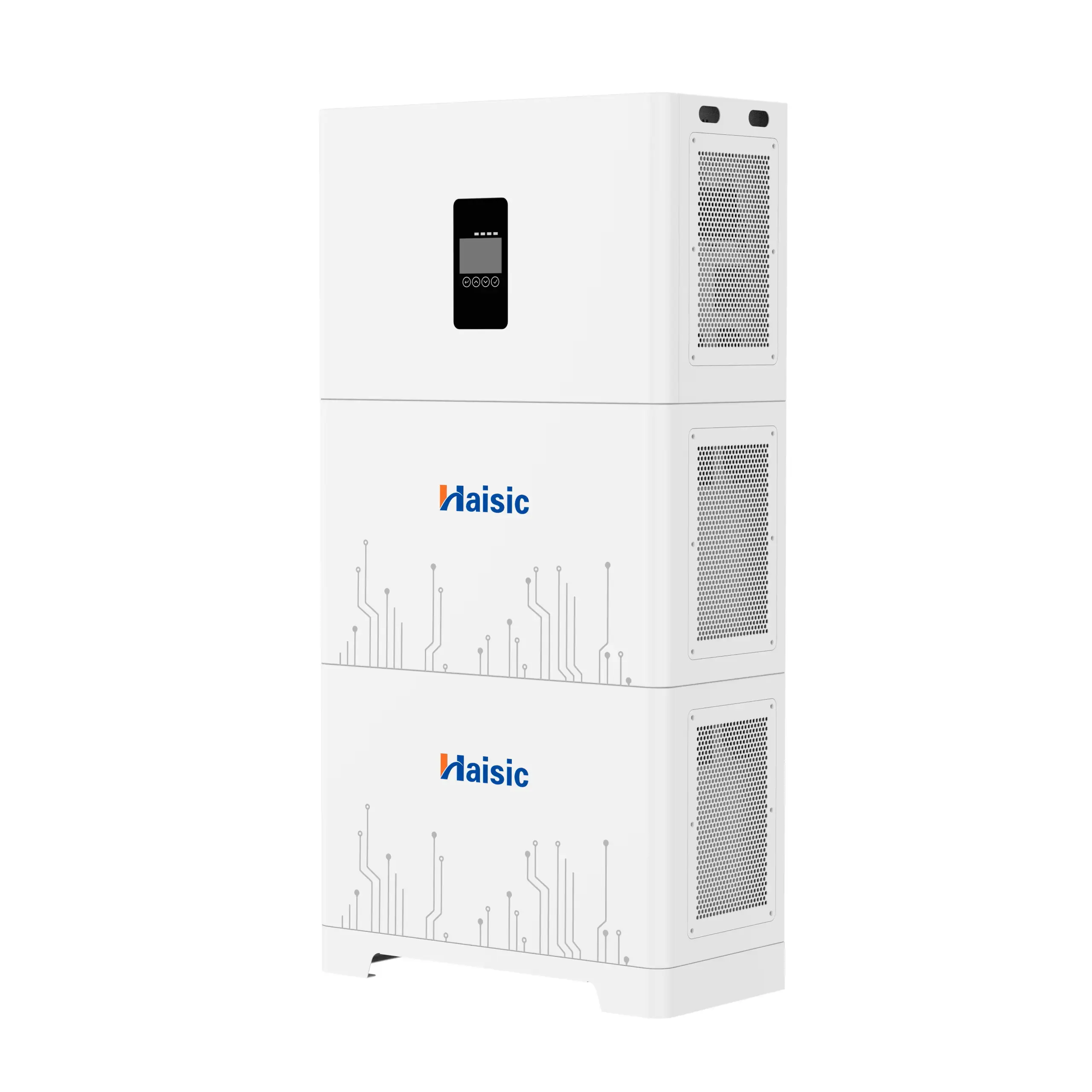
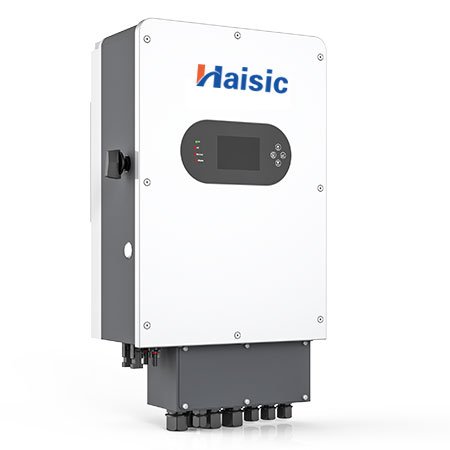
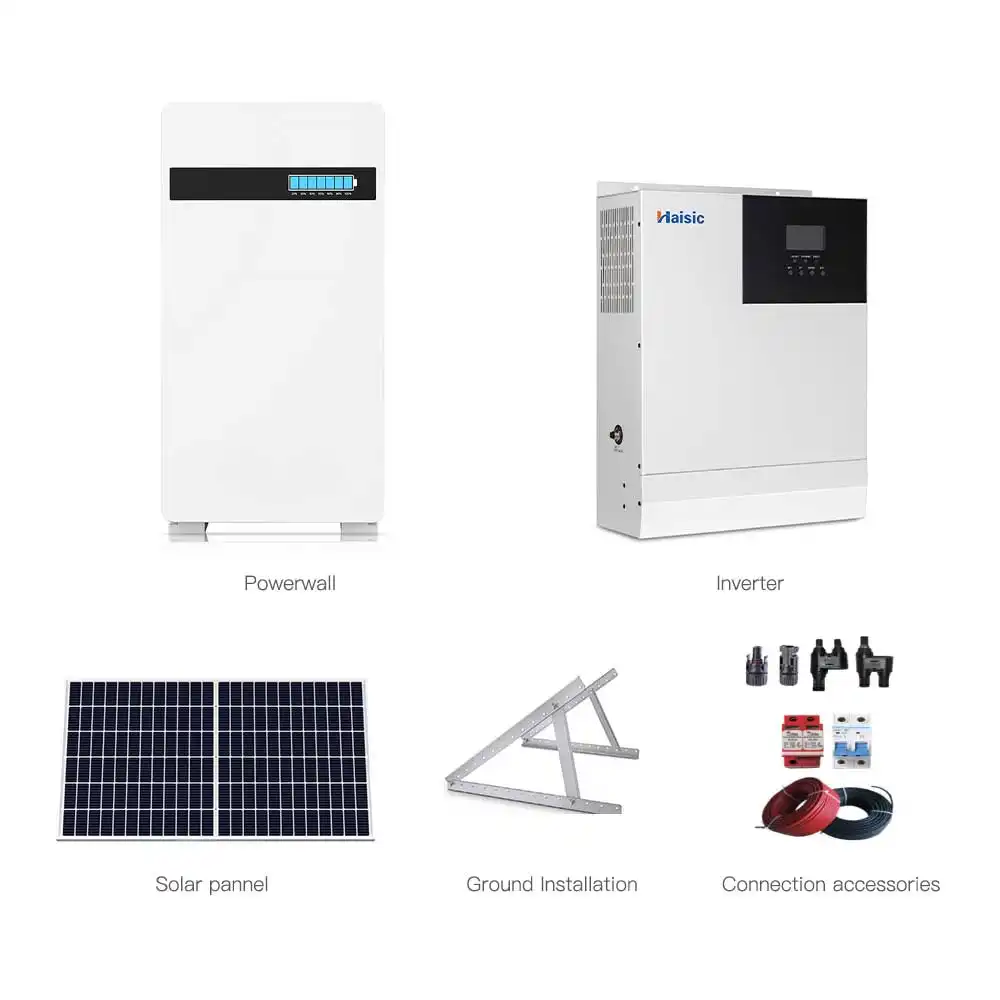
This simplifies the system architecture by eliminating the need for separate inverters for the PV array and the battery. For those looking to build a resilient home energy system, a robust hybrid solar inverter ensures seamless switching between grid power, solar generation, and battery backup.
Central Inverters for Industrial and Utility-Scale Projects
For large commercial facilities and solar farms, residential tech doesn\’t cut it. Central inverters are massive units designed to handle high voltages and huge power loads from thousands of panels.
These are essentially scaled-up string inverters tailored for efficiency at the megawatt level. While not applicable for home use, they are the standard for energy storage manufacturers and developers building utility-scale grid infrastructure. They prioritize ease of maintenance and grid stability features over the granular monitoring found in residential systems.
Top Global Solar Power Inverter Manufacturers to Consider
When selecting the right equipment for a PV system, understanding the landscape of solar power inverter manufacturers is crucial. The market is divided by technology type—string inverters, power optimizers, and microinverters—each offering distinct advantages in efficiency, warranty, and system monitoring. Based on current performance standards and market reliability, here is a breakdown of the top brands we see dominating the industry.
Leading Residential Brands: Enphase, SolarEdge, and Tesla
For most homeowners, the choice often comes down to three major players: Enphase, SolarEdge, and Tesla. These manufacturers represent the pinnacle of residential solar technology, though they achieve results through different methods.
- Enphase Energy (Microinverters): Enphase is the leader in microinverter technology. By placing a small inverter behind every single panel, they eliminate the \”single point of failure\” risk common in older systems. If one panel goes down or is shaded, the rest keep producing. They offer a standard 25-year warranty, reflecting their high reliability.
- SolarEdge (Power Optimizers): SolarEdge offers a hybrid approach. They use a central string inverter paired with \”power optimizers\” attached to each panel. This setup provides panel-level monitoring and optimization similar to microinverters but often at a slightly lower price point. Their HD-Wave technology boasts up to 99% efficiency.
- Tesla (String Inverters): Tesla focuses on aesthetics and ecosystem integration. Their string inverters are designed to work seamlessly with the Tesla app and battery for home energy storage, allowing for a unified user experience. While they use traditional string technology, their software integration is a major selling point.
Comparison of Top Residential Options
| Manufacturer | Technology Type | Efficiency Rating | Typical Warranty | Best For |
|---|---|---|---|---|
| Enphase | Microinverter | ~97% | 25 Years | Shaded roofs & reliability |
| SolarEdge | Power Optimizer | Up to 99% | 12-25 Years | High efficiency & monitoring |
| Tesla | String Inverter | High | 10-12 Years | Ecosystem integration |
Industrial and Commercial Leaders: SMA, Fronius, and CPS
In the commercial and industrial sectors, reliability and durability under load are paramount. While SMA and CPS are notable names in this space, Fronius stands out significantly in our analysis of robust string inverters.
Fronius inverters are renowned for their \”Active Cooling\” technology. Unlike many competitors that rely on passive cooling, Fronius units use fan-forced air cooling to regulate internal temperatures. This design prolongs the life of the electronic components and allows for sustained high performance even in hot climates. Furthermore, Fronius inverters are designed to be field-serviceable; if a part fails, a technician can often replace just that component rather than swapping the entire unit, which is a massive advantage for maintaining large-scale commercial systems.
Cost-Effective Options: Growatt, GoodWe, and Hoymiles
Budget is often a deciding factor, and this is where standard string inverter manufacturers come into play. Brands like Growatt, GoodWe, and Hoymiles typically compete in the cost-effective segment of the market.
Based on general market analysis, string inverters are the most budget-friendly option compared to microinverters and power optimizers. By centralizing the DC to AC conversion process, these manufacturers reduce the amount of hardware needed on the roof. While they may lack the granular panel-level monitoring of an Enphase system, they provide a reliable entry point for straightforward solar arrays with minimal shading issues.
Emerging Technologies in Power Electronics and Storage
The future of solar power inverter manufacturers lies in better integration with storage and smart grids. We are moving beyond simple conversion; modern inverters are becoming the brain of the home energy system.
- Smart Ecosystems: Manufacturers like Tesla are leading the charge by integrating the inverter directly with big battery storage systems. This allows for rapid shutdown capabilities and seamless backup power transitions.
- Enhanced Monitoring: Systems from SolarEdge and Enphase now offer granular consumption monitoring, allowing users to track not just solar production, but exactly how much energy their home is using in real-time.
- Grid Services: Advanced inverters are increasingly capable of interacting with the utility grid, providing services like frequency regulation, which will be essential as renewable adoption grows.
Key Features to Look for in a Solar Inverter
When evaluating solar power inverter manufacturers, you are essentially choosing the brain of your entire energy system. The right features ensure you get the most out of your investment while keeping your home safe.
Maximum Power Point Tracking (MPPT) Efficiency
Efficiency ratings tell you how much DC energy from your panels actually makes it into your home as usable AC power. Higher efficiency means less wasted energy and better ROI.
- Standard Performance: Most reputable string inverters deliver around 96-97% CEC weighted efficiency.
- High-Performance Options: Leaders like SolarEdge use HD-Wave technology to achieve record-breaking 99% efficiency.
- Shade Management: Systems using microinverters or power optimizers maintain high MPPT efficiency even if individual panels are shaded, preventing a single weak point from dragging down the whole array.
Integrated Monitoring and Smart Energy Management
Modern inverters do more than simple DC to AC conversion; they provide real-time visibility into your energy production. I always recommend systems that offer granular, module-level data.
- App Integration: Top brands like Tesla and Enphase allow you to monitor solar production and consumption from a single smartphone app.
- Fault Detection: Advanced monitoring pinpoints exactly which panel or unit is underperforming, making troubleshooting instant rather than a guessing game.
- Storage Readiness: If you plan to add a lithium battery backup later, ensure the inverter\’s management software can seamlessly integrate with storage solutions.
Safety Protections and Grid Compliance Standards
Safety features are critical, especially for residential installations. The industry standard has shifted towards systems that prioritize rapid de-energization.
- Rapid Shutdown: Essential for compliance (like NEC 2017 in the US), this feature drops voltage to safe levels immediately during an emergency to protect first responders.
- Arc Fault Protection: Built-in sensors detect dangerous electrical arcs that could cause fires, shutting the system down before damage occurs.
- Redundancy: Microinverters eliminate single points of failure. If one unit goes down, the rest of the system continues to operate safely.
Durability and Weatherproof Ratings for Outdoor Installation
Inverters are often installed on exterior walls, exposing them to heat, rain, and dust. The engineering behind the enclosure matters significantly for longevity.
- Cooling Technology: Heat degrades electronics. Some manufacturers, like Fronius, utilize Active Cooling with internal fans to actively lower temperatures, while others rely on passive heat sinks.
- Warranty Coverage: Durability is often reflected in the warranty. Standard string inverters typically cover 10-12 years, whereas microinverters from Enphase often carry a 25-year warranty.
- Enclosure Rating: Look for NEMA 4X or IP65 ratings to ensure the unit can withstand harsh weather conditions without failing.
How to Choose the Best Solar Inverter Manufacturer
Selecting the right manufacturer is just as critical as choosing the panels themselves. The inverter is the hardest-working component of your solar array, managing the DC to AC conversion constantly. Since your solar system is a long-term investment, you need a partner that will stand behind their product for decades.
Financial Stability and Long-Term Brand Reputation
When evaluating solar power inverter manufacturers, I prioritize financial health and market longevity. A warranty is only valuable if the company is still in business to honor it. Established players like Enphase, SolarEdge, and Fronius have proven track records, reducing the risk of being left without support. Startups might offer cheaper upfront costs, but they carry a higher risk of insolvency over the 25-year lifespan of a solar system.
Product Warranty Coverage and Extension Options
Warranties vary significantly across different inverter technologies. You need to read the fine print regarding labor and parts coverage.
| Inverter Type | Standard Warranty | Potential Extensions | Key Notes |
|---|---|---|---|
| String Inverters | 10–12 Years | Varies by brand | often shorter due to higher thermal stress. |
| Power Optimizers | 12 Years | Up to 25 Years | SolarEdge offers affordable extensions. |
| Microinverters | 25 Years | N/A | Industry-leading coverage matches panel lifespan. |
Microinverters generally offer the most comprehensive protection straight out of the box, while string inverter warranties often expire halfway through the system\’s life.
Availability of Local Technical Support and Service
Serviceability can define your ownership experience. Some manufacturers, like Fronius, design their units to be field-serviceable. This means a technician can replace a specific board or fan on-site without removing the entire unit. Other brands require a full unit replacement (RMA), which can leave your home running on grid power for weeks while waiting for a shipment. I always check if the manufacturer has a certified installer network nearby to ensure rapid response times.
Compatibility with Specific Solar Panel and Battery Brands
Integration is key if you plan to expand your system. Some manufacturers operate within a \”walled garden,\” meaning their inverters only work seamlessly with their own batteries and apps. For instance, Tesla inverters are optimized for the Tesla ecosystem. If you want flexibility, look for inverters with open protocols that allow you to connect a third-party lithium solar battery without compatibility headaches. Always verify that the inverter can communicate effectively with your chosen storage solution to enable features like backup power and time-of-use optimization.
Sizing and Technical Requirements for Your Solar System
Calculating the Correct Inverter Capacity for Your PV Array
Selecting the right size involves finding the balance between your solar panel output (DC) and the inverter’s capacity (AC). We typically recommend a DC-to-AC ratio between 1.1 and 1.3. This means your total solar panel wattage should be slightly higher than the inverter\’s rating. This practice, often called \”overclocking,\” ensures the inverter operates at its peak efficiency range more often, maximizing **DC to AC conversion** even during early mornings or late afternoons.
- String Inverters: You must size the central unit to handle the total output of the entire array.
- Microinverters: Sizing is modular. You simply match one microinverter (e.g., Enphase IQ series) to the wattage of one specific panel.
- Power Optimizers: These require a central inverter sized for the total system, but the optimizers (like SolarEdge) manage voltage at the panel level.
Matching Inverter Voltage with Battery Storage Systems
If you plan to store excess energy, compatibility between the inverter and the battery bank is critical. **Hybrid inverters** are designed to manage both PV input and battery connections simultaneously. You must ensure the inverter\’s operating voltage range matches your battery\’s nominal voltage.
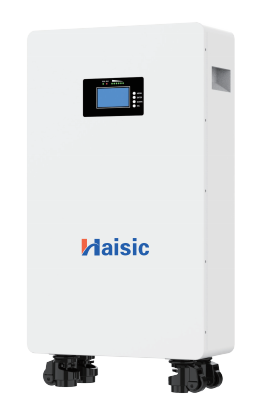
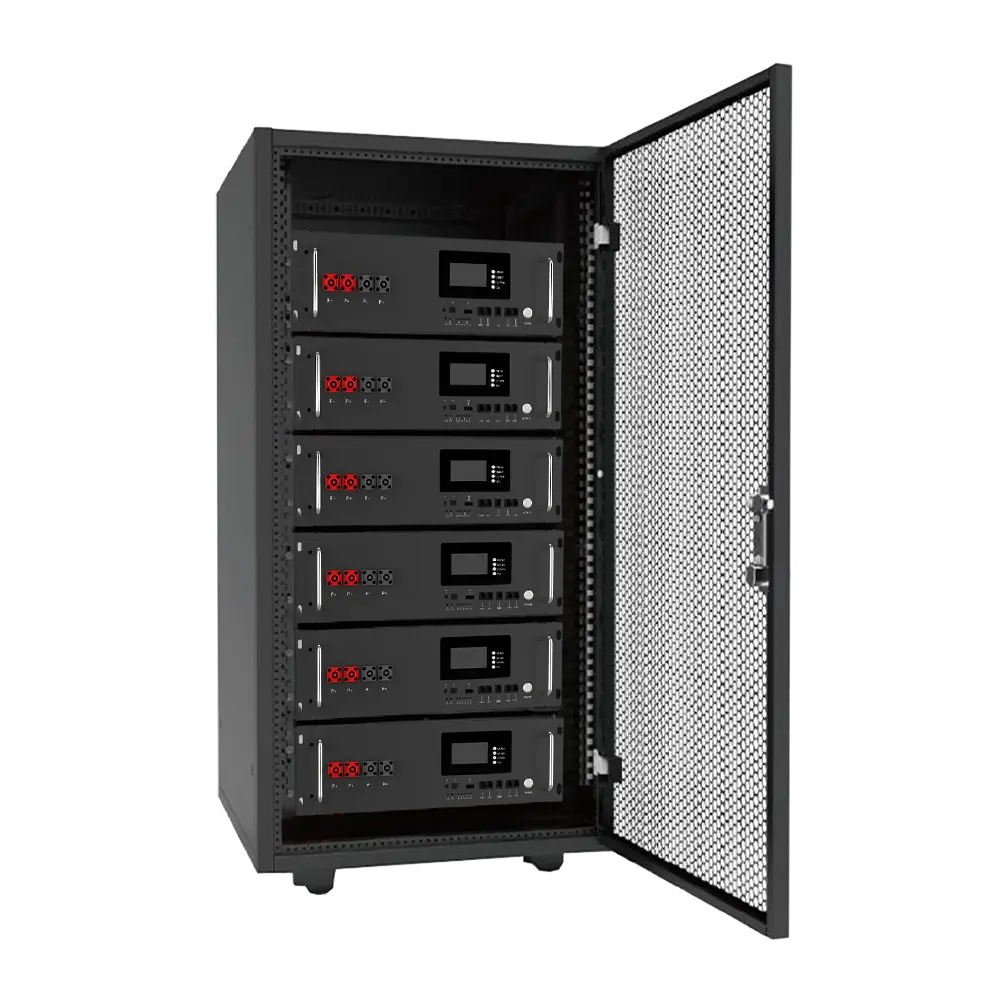
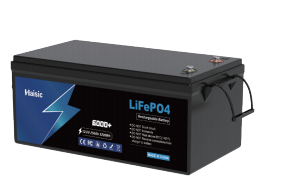
For instance, many residential systems utilize low-voltage architectures (48V nominal). A 51.2V LiFePO4 stackable energy storage battery requires an inverter specifically configured for low-voltage input to function safely. Mismatched voltages can lead to system faults or permanent equipment damage. Always verify that your chosen energy storage manufacturers are listed on the inverter’s compatibility sheet.
Understanding Phase Requirements: Single-Phase vs. Three-Phase
Your property\’s grid connection dictates which inverter category you need. Most **solar power inverter manufacturers** produce distinct lines for residential and commercial applications based on phase requirements.
| Feature | Single-Phase Inverters | Three-Phase Inverters |
|---|---|---|
| Typical Use | Residential homes | Commercial/Industrial sites |
| Power Flow | Two wires (Live + Neutral) | Four wires (3 Live + Neutral) |
| Stability | Standard for household loads | Better for heavy machinery |
| Manufacturer Examples | Tesla, Enphase, SolarEdge | Fronius, SMA, CPS |
Using a single-phase inverter on a three-phase property is possible but may cause phase imbalance. Conversely, a three-phase inverter cannot function on a standard single-phase residential connection.
Maintenance, Lifespan, and Troubleshooting
Expected Lifespan of Different Inverter Technologies
While solar panels can easily last 25 to 30 years, the inverter is the hardest-working component in your system and typically has a shorter life cycle. Most solar power inverter manufacturers design these units to handle high thermal stress and constant voltage changes, but the longevity depends heavily on the type of technology you choose.
String inverters generally come with standard warranties ranging from 5 to 10 years, with an expected operational life of about 10 to 15 years. In contrast, microinverters operate at lower voltages per unit and often boast lifespans matching the panels themselves, often exceeding 20 years. Hybrid inverters, which manage both solar and battery connections, typically fall into the 10 to 15-year range due to the complexity of managing bidirectional power flow.
| Inverter Type | Estimated Lifespan | Typical Warranty |
|---|---|---|
| String Inverters | 10 – 15 Years | 5 – 12 Years |
| Microinverters | 20 – 25 Years | 20 – 25 Years |
| Hybrid Inverters | 10 – 15 Years | 5 – 10 Years |
| Central Inverters | 15 – 20 Years | 5 – 10 Years |
Routine Maintenance Tips to Ensure Peak Efficiency
To keep your system running smoothly, regular checks are non-negotiable. The process of DC to AC conversion generates heat, and heat is the enemy of electronics. Ensuring your inverter has proper ventilation is the most critical maintenance step.
- Clean Air Intakes: Dust and debris can clog cooling fans. Check the intake vents annually and clean them to prevent overheating.
- Check for Error Lights: A quick visual inspection of the LED indicators can save you money. Green usually means go; red or orange indicates a fault.
- Inspect Physical Connections: Loose wires can cause arcing or efficiency loss. If you have an integrated storage system, reviewing proper BESS installation protocols can help you identify if your battery and inverter connections remain secure and code-compliant.
- Monitor via App: Use the manufacturer’s monitoring software to spot sudden drops in production that aren\’t weather-related.
Identifying Common Inverter Faults and Error Codes
Modern inverters are smart enough to tell you what is wrong. Most leading energy storage manufacturers and inverter brands use standardized error codes displayed on the unit\’s screen or mobile app.
- Isolation Fault (Ground Fault): This is common in damp conditions where moisture gets into the wiring. The inverter shuts down for safety.
- Grid Voltage Errors: If the grid voltage fluctuates beyond the inverter\’s safety parameters, it will disconnect to protect itself.
- Overheating: If the cooling system fails or the ambient temperature is too high, the unit will throttle power (derate) or shut off.
If your inverter is out of warranty and fails, you need to calculate whether a repair is worth it. Sometimes, upgrading to a newer, more efficient model is smarter when you consider the total cost of battery and inverter replacement over the long term. Always consult the manual for specific error codes before calling a technician.
Frequently Asked Questions About Solar Inverters
Can a solar system operate without an inverter?
No, a standard residential solar system cannot function effectively without an inverter. Solar panels generate direct current (DC) electricity, but your home appliances and the utility grid operate on alternating current (AC). The inverter is the critical component responsible for this DC to AC conversion, making the energy usable for your lights, refrigerator, and electronics. Without it, the power generated by your panels remains incompatible with your home’s electrical infrastructure.
What is the difference between on-grid and off-grid inverters?
The main difference lies in their connection to the utility grid. On-grid (grid-tied) inverters synchronize with the public power grid, allowing you to export excess energy for net metering credits. They automatically shut down during a blackout for safety. Off-grid inverters work independently, managing power solely between your panels and a battery bank. Many modern systems now use hybrid inverters, which can handle both grid connections and storage, helping homeowners manage the cost of backup battery for a residential solar system by optimizing usage.
How long does it take to replace a solar inverter?
The physical replacement of a unit typically takes between one to four hours, depending on the complexity of the installation. However, the total downtime often depends on the responsiveness of the solar power inverter manufacturers regarding warranty claims and shipping. Replacing a centralized string inverter like a Fronius or Tesla unit is generally faster than servicing roof-mounted microinverters, which may require a crew to access the roof and lift panels to reach the hardware.