










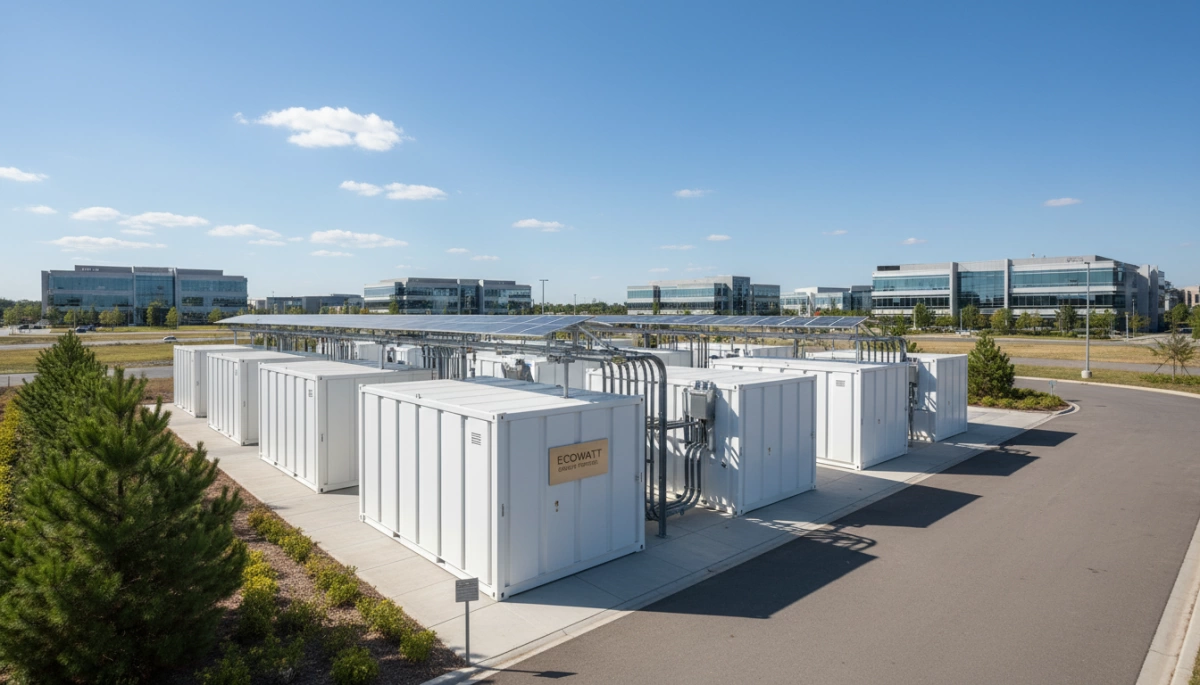
What Is Commercial Battery Storage and How Does It Work?
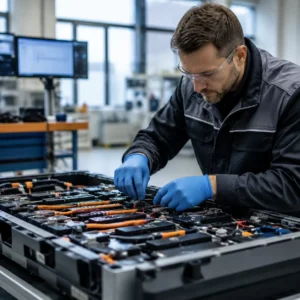
A commercial battery storage system (BESS) is more than just a large battery; it is a fully integrated energy ecosystem designed to secure power resilience and optimize energy costs for businesses. Unlike simple backup generators, a modern commercial battery energy storage system actively manages power flow, storing energy from the grid or renewable sources like solar PV and deploying it when demand peaks or the grid fails.
At its core, our approach to industrial energy storage revolves on \”plug-and-play\” simplicity combined with massive scalability. Whether for a data center or a manufacturing plant, these systems bridge the gap between intermittent renewable generation and constant industrial power reliability.
Core Components: The Anatomy of a BESS
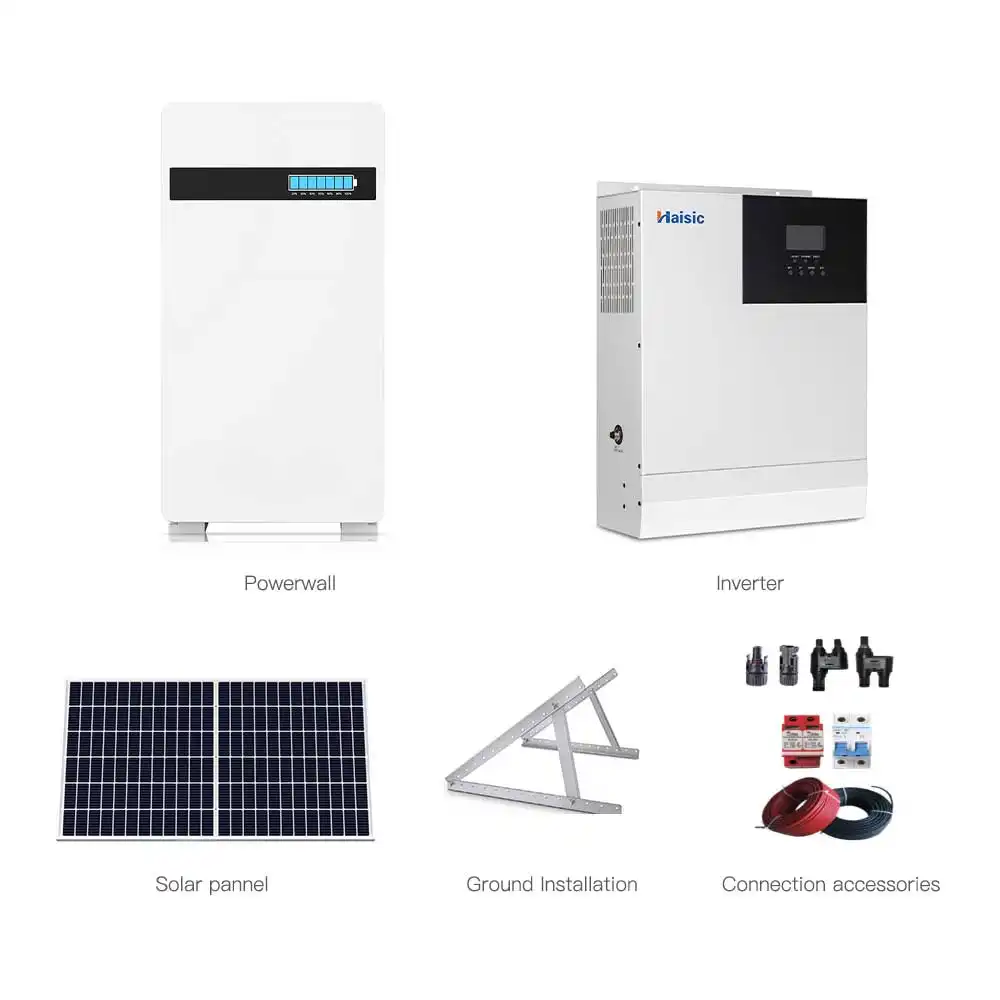
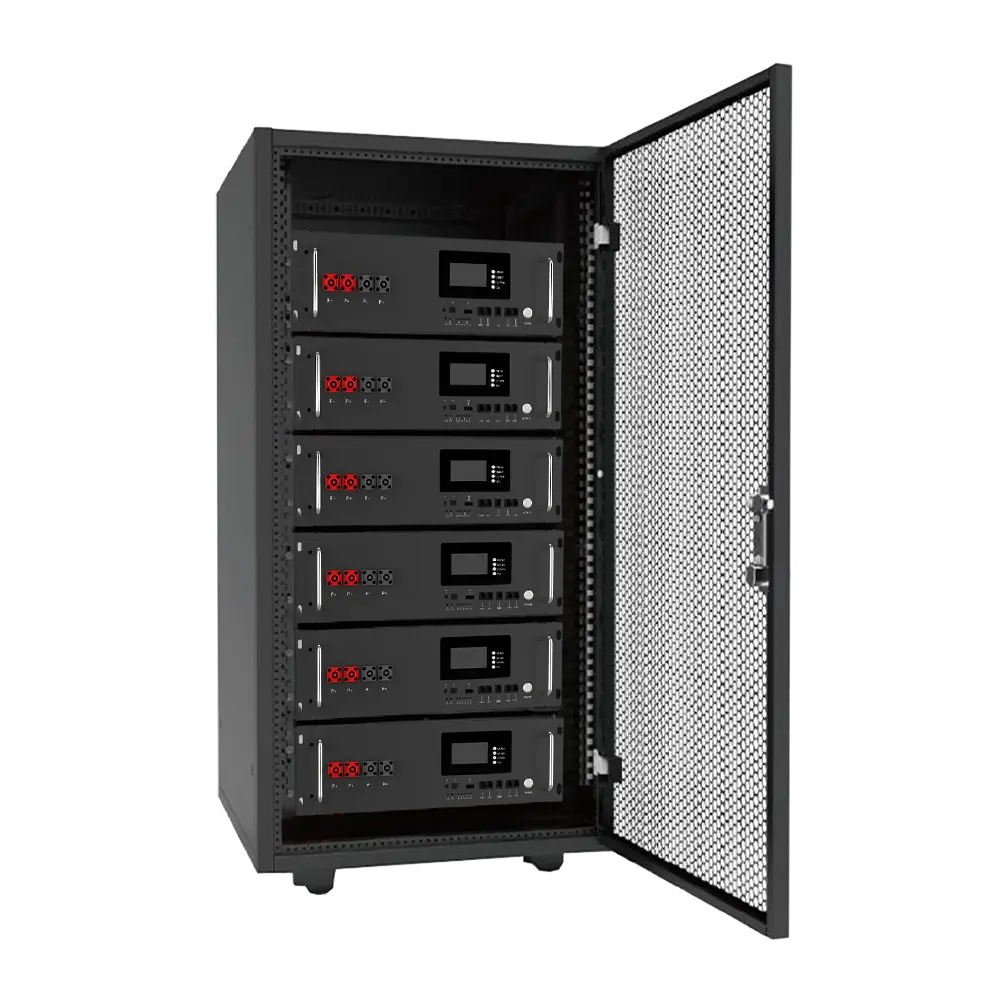
To deliver reliable C&I energy storage solutions, a system must integrate three critical hardware layers into a single, cohesive unit. We rely on fully integrated designs that combine AC and DC components to ensure safety and performance.
- High-Capacity Battery Modules: The heart of the system. We utilize advanced chemistry (often Lithium-Ion/LFP technology) designed for deep cycling and long operational life.
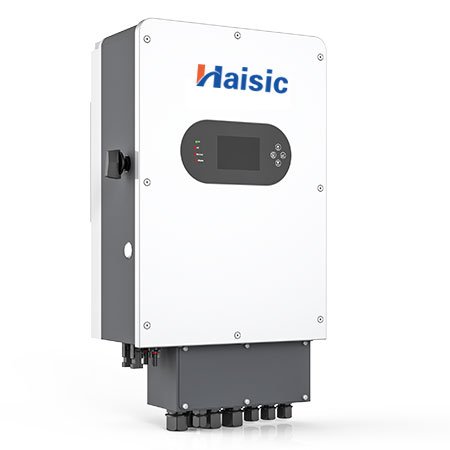
- Power Conversion System (PCS): This includes the inverters that convert Direct Current (DC) stored in the batteries into Alternating Current (AC) usable by your facility and the grid.
- Battery Management System (BMS): The \”brain\” of the operation. The BMS constantly monitors cell voltage, temperature, and current to ensure safety, utilizing multi-zone smoke detectors and clean-agent fire suppression systems for maximum protection.
Understanding Charging and Discharging Cycles
The real value of commercial battery storage lies in intelligent energy arbitrage. The system doesn\’t just sit idle; it actively manages your energy profile through strategic charging and discharging.
- Charging (Off-Peak): The system draws power from the grid when rates are lowest or absorbs excess production from on-site solar panels.
- Storage: Energy is held safely within the SBE Cabinet or SBE Container modules.
- Discharging (Peak Demand): During expensive \”peak demand\” windows or grid outages, the system discharges stored power. This process, known as peak shaving, flattens your energy usage curve and significantly reduces demand charges.
Commercial BESS vs. Residential Systems
While the underlying chemistry might be similar, commercial battery storage systems differ vastly from residential units in scale, complexity, and capability. A home battery might keep the lights on; a commercial system is an industrial asset capable of grid stabilization and Virtual Power Plant (VPP) participation.
| Feature | Residential Systems | Commercial BESS (SBE Series) |
|---|---|---|
| Capacity | Typically 10 – 20 kWh | 200 kWh to 5 MWh (Scalable) |
| Form Factor | Wall-mounted units | Modular Cabinets, Containers, or Blocks |
| Grid Interaction | Basic backup & self-consumption | VPP Ready, Frequency Regulation, Demand Response |
| Voltage | Single-phase (120/240V) | Three-phase (208V / 480V) for heavy loads |
| Safety Standards | Standard UL listings | UL 9540A (Cell to System), IEEE 1547 Grid Compliance |
By leveraging modular designs—ranging from compact 250 kWh cabinets to massive 5 MWh industrial blocks—businesses can customize their commercial battery storage footprint to meet exact power needs without overpaying for unnecessary capacity.
Key Benefits of Commercial Battery Storage for Businesses
<img src=\’
Fatal error: Allowed memory size of 134217728 bytes exhausted (tried to allocate 3096576 bytes) in /www/wwwroot/artseo.cn/apis/generateimgsapiai.php on line 697
\’ alt=\’commercial battery storage benefits for business\’>
Investing in a commercial battery storage system is no longer just about being green; it is a strategic financial move. We see businesses facing rising energy costs and grid instability every day. A robust BESS (Battery Energy Storage System) solves these problems by transforming how companies consume and manage power.
Cost Savings: Peak Shaving and Demand Management
The most immediate impact on the bottom line comes from intelligent energy management. Utility companies often charge premiums during peak usage hours. Our systems allow you to store low-cost energy from the grid (or solar) and discharge it during these expensive peak windows. This process, known as peak shaving, directly reduces demand charges. For businesses analyzing the long-term cost of solar battery storage, these operational savings often result in a rapid return on investment.
Energy Resilience and Backup Power
Grid failures can halt production lines and disrupt critical data centers. We prioritize energy resilience by offering systems that provide instant backup power. Whether using a compact SBE Cabinet or a larger SBE Container, these units ensure business continuity during outages.
- Grid Stabilization: Keeps voltage and frequency stable.
- Seamless Switch: Instant transition to battery power when the grid goes down.
- Critical Load Support: Prioritizes essential equipment to keep operations running.
Renewable Integration and Sustainability
For companies with on-site generation, a commercial battery storage unit is essential to maximize value. Without storage, excess solar power generated during the day is often lost or sold back to the grid at low rates. By deploying a commercial solar battery storage system, businesses can capture that clean energy and use it when the sun isn\’t shining, significantly lowering their carbon footprint and meeting ESG goals.
Scalability and Flexibility
One size does not fit all in the commercial sector. We utilize modular designs that allow businesses to start with what they need and expand later.
- SBE Cabinet: Perfect for smaller footprints (250 kWh – 2 MWh).
- SBE Container: Fully integrated solution for mid-sized needs (200 kWh – 1.7 MWh).
- SBE Block: Massive scale for industrial applications (2.5 MWh – 5 MWh).
of Business Impact
| Benefit Category | Primary Function | Business Outcome |
|---|---|---|
| Financial | Demand Charge Management | Reduced monthly utility bills. |
| Operational | Backup Power / Microgrid | Zero downtime during grid outages. |
| Environmental | Solar PV Integration | Lower emissions and higher renewable utilization. |
| Strategic | Virtual Power Plant (VPP) | Potential revenue from grid services. |
Top Use Cases and Real-World Applications
Commercial battery storage is no longer just a niche technology; it is a critical asset for businesses looking to secure energy independence and stabilize operational costs. From compact modular cabinets to large-scale industrial blocks, modern BESS solutions are versatile enough to serve a wide range of sectors. By integrating these systems, organizations can unlock revenue streams through Virtual Power Plants (VPP) while ensuring their lights stay on during grid failures.
Manufacturing and Industrial Facilities
For the industrial sector, power reliability is directly tied to profitability. A momentary outage can halt production lines, damage equipment, and ruin raw materials. We deploy industrial energy storage solutions, such as the SBE Block (scaling up to 5 MWh), to provide robust backup power that bridges the gap during grid interruptions. beyond resilience, these facilities utilize demand charge management to flatten energy usage spikes caused by heavy machinery startup, significantly reducing monthly utility demand fees.
Commercial Buildings and Offices
Office complexes and mixed-use buildings face pressure to reduce operating expenses while maintaining tenant comfort. A commercial battery storage system allows property managers to engage in peak shaving, drawing from the battery during expensive rate periods rather than the grid. The modular SBE Cabinet is particularly effective here, offering a compact footprint (starting at 250 kWh) that fits easily into mechanical rooms or parking areas without requiring extensive construction.
Data Centers and EV Charging Stations
Data centers require absolute power continuity, and traditional generators often have a startup delay. Backup power for commercial facilities using lithium-ion batteries provides an instant response, ensuring zero downtime while generators spool up. Similarly, as businesses install EV charging stations, the sudden load spikes can strain local grid connections. Integrating storage helps buffer these high-power demands, allowing for fast charging without incurring massive utility penalties.
Retail and Warehouses
Large retail spaces and warehouses often possess significant rooftop real estate ideal for solar arrays. By pairing commercial solar battery storage with PV systems, these businesses can store excess solar generation for use during the evening or cloudy days. This maximizes self-sufficiency and improves the ROI of renewable investments. For logistics hubs requiring scalable power, deploying a 107.5kWh/100kW commercial industrial container ESS offers a turnkey solution that supports both energy arbitrage and emergency backup needs.
Evaluating ROI and Payback for Commercial Battery Storage
investing in a commercial battery storage solution is a strategic financial move, not just an infrastructure upgrade. The Return on Investment (ROI) is primarily driven by how effectively the system manages energy costs against local utility rate structures. For facilities facing high demand charges, the ability to deploy peak shaving battery storage during expensive operational windows can result in immediate and significant reductions in monthly electricity bills.
Key Factors Influencing ROI
Calculating the payback period involves analyzing several dynamic variables. We look at the gap between peak and off-peak energy rates, your facility\’s specific load profile, and available government incentives.
- Utility Rate Structures: High demand charges shorten the payback period.
- Usage Patterns: Consistent high-load operations benefit most from load shifting.
- Incentives: Investment Tax Credits (ITC) and local rebates can offset upfront capital costs.
- Asset Monetization: Participating in Virtual Power Plant (VPP) programs allows businesses to sell excess power back to the grid.
Optimizing Returns with Haisic Technology
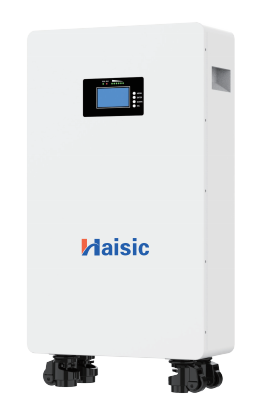
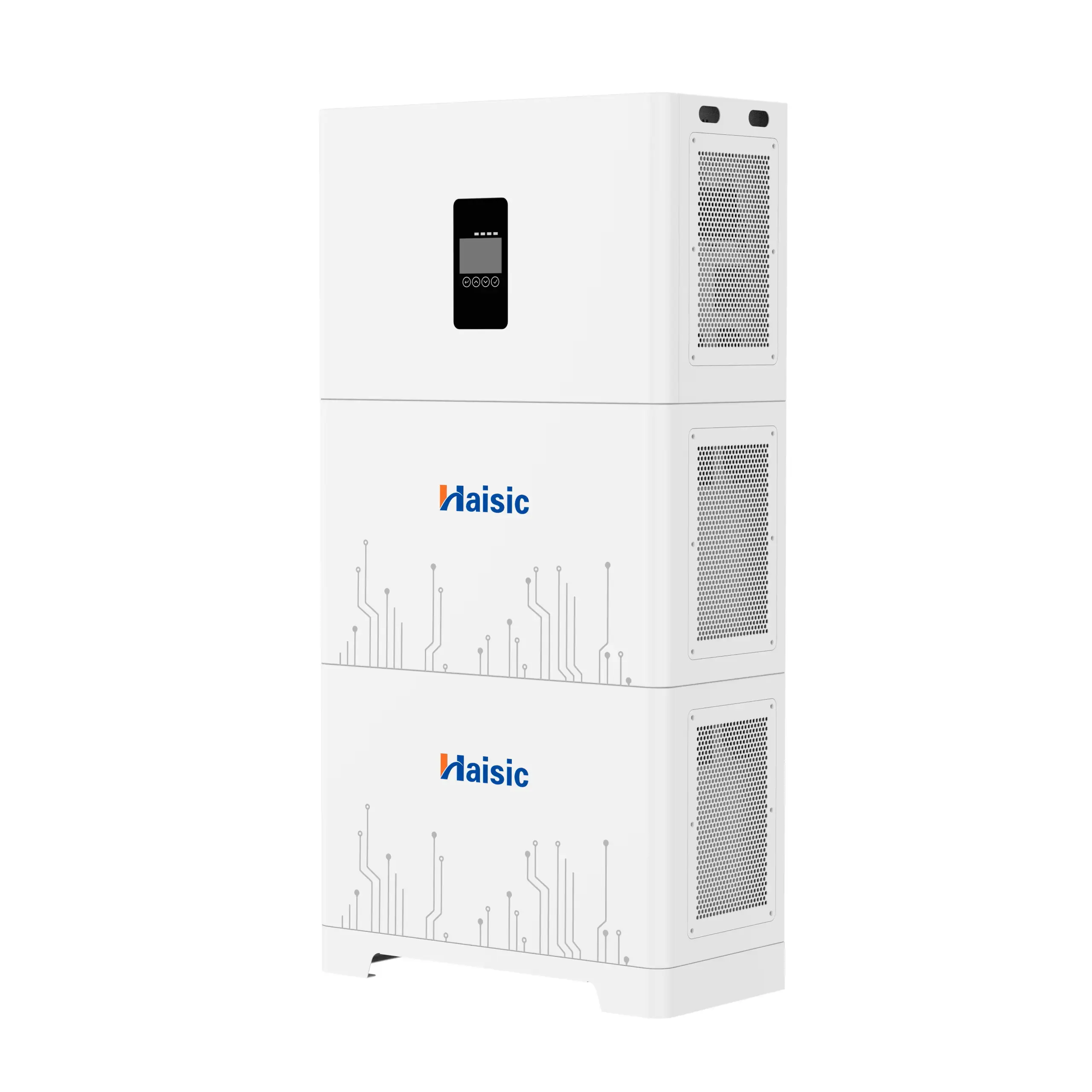
We design our systems to maximize long-term savings through superior efficiency and intelligent control. Our Haisic High Voltage Commercial Energy Storage System (215kWh) utilizes high-density LiFePO4 cells that maintain performance over thousands of cycles, ensuring the asset continues to deliver value for years.
By integrating automated energy management software, our commercial battery storage systems monitor real-time consumption and automatically discharge power when grid rates are highest. This automation removes the guesswork, ensuring that every kilowatt-hour stored translates into maximum cost avoidance. For larger operations, deploying a scalable 100kWh containerized battery energy storage system allows for a custom-fit capacity that aligns perfectly with your financial goals and energy needs.
Choosing the Right Commercial Battery Storage System
Selecting the best commercial battery storage system isn\’t just about picking the largest battery; it\’s about matching the hardware configuration to your facility\’s specific energy profile and physical footprint. We see too many businesses overspend on capacity they don\’t need or under-spec for their critical backup loads.
Capacity and Configuration Options
Your available space and power requirements dictate the form factor. We generally categorize C&I energy storage solutions into three scalable designs:
- Cabinet Systems: These are compact and modular, typically ranging from 250 kWh to 2 MWh. They are perfect for smaller commercial buildings or retrofits where space is tight.
- Containerized Solutions: This is the standard for most medium-to-large operations. Our 50kWh-100kWh containerized energy storage systems offer a fully integrated, plug-and-play approach that significantly reduces installation time and complexity.
- Block Systems: Designed for heavy industrial energy storage, these massive units (up to 5 MWh) handle grid-scale demands and large manufacturing loads.
Technology and Safety Standards
Safety is the baseline for any installation. We rely exclusively on Lithium Iron Phosphate (LFP) chemistry because it offers superior thermal stability and a longer lifecycle compared to older NMC types. When evaluating options, ensure the system meets rigorous safety certifications like UL 9540A (Cell to System fire safety) and UL 1741 SB for smart grid interconnection. Advanced thermal management and integrated fire suppression systems are mandatory features in our units to protect your asset and facility.
Seamless Infrastructure Integration
A standalone battery is useless without proper integration. The best commercial battery storage must sync perfectly with your existing setup to function as a true microgrid.
- Renewables: We prioritize systems with built-in controls for seamless pairing with solar PV arrays to maximize self-consumption.
- Generators: The software must be capable of triggering backup generators automatically during extended outages.
- VPP Readiness: Hardware should be ready for Virtual Power Plant integration to monetize assets through grid services.
Why Partner with Haisic?
We provide more than just hardware; we offer a turnkey partnership. From the initial load analysis and system design to installation and long-term maintenance, we handle the complexity of the project. As a direct manufacturer, Haisic delivers customized solutions and dedicated support, ensuring your commercial battery storage system delivers the ROI and resilience we promised.
2026 Trends Shaping Commercial Battery Storage
The landscape of commercial battery storage is shifting rapidly. We are moving beyond simple backup power into an era where energy assets are intelligent, active participants in the grid. Businesses are no longer just consumers; they are becoming prosumers, driven by advanced technology and the need for absolute energy security.
AI-Powered Asset Management and VPPs
The hardware is getting smarter. Modern commercial battery energy storage systems are now being built as Virtual Power Plant (VPP) ready. This connectivity allows businesses to monetize their idle assets. By using AI-driven software, these systems can automatically bid excess energy back to the grid during peak pricing events, turning a cost center into a revenue stream.
The Rise of Hybrid Microgrids
Reliability is the ultimate goal. We are seeing a strong trend toward commercial microgrid storage that integrates multiple power sources.
- Solar Integration: Pairing storage with renewables to maximize self-consumption.
- Generator Support: Advanced controllers now allow batteries to work seamlessly with gas or diesel generators for extended runtime.
- Grid Independence: Facilities are designing systems that can island completely from the utility during outages.
For businesses looking to maximize renewable efficiency, choosing the best battery storage for solar is critical for creating these hybrid ecosystems.
Corporate Investment in Resilience
Grid constraints are forcing companies to take control of their power. With the increasing frequency of weather-related outages, corporate investment in industrial energy storage is surging. Organizations are prioritizing scalable commercial battery systems—from modular cabinets to large-scale blocks—to ensure business continuity. This shift is driven by the need to protect critical operations and meet sustainability targets simultaneously.
If you are evaluating your facility\’s requirements, understanding what battery storage you need is the first step toward future-proofing your energy infrastructure.
Frequently Asked Questions About Commercial Battery Storage
What is the typical lifespan of a commercial battery storage system?
While specific longevity depends on usage cycles and environmental factors, a high-quality commercial battery storage system is engineered for long-term industrial performance. Our solutions, like the SBE series, utilize durable lithium-ion technology designed to withstand rigorous daily cycling. With proper maintenance and modular designs that allow for easy serviceability, these systems provide reliable operation for years, backed by extensive warranty support and a nationwide service network.
How much can a business save on electricity bills with BESS?
Savings are often significant, primarily driven by peak shaving and demand charge management. By discharging stored energy during expensive peak hours, businesses avoid high utility rates. Additionally, modern systems are Virtual Power Plant (VPP) ready, allowing you to monetize your asset by selling excess power back to the grid. Implementing robust ESS battery storage helps stabilize operational costs while turning energy usage into a revenue stream.
Is commercial battery storage safe for indoor or on-site facilities?
Yes, safety is the priority in modern commercial battery storage designs. Leading systems feature comprehensive safety protocols, including UL 9540A fire safety certification (Cell to System). We rely on multi-layered protection such as integrated smoke and heat detectors, clean-agent fire suppression systems, and deflagration panels. These features ensure that whether it is a modular cabinet or a large-scale container, the equipment operates safely within commercial environments.
Can commercial BESS operate completely off-grid during power outages?
Absolutely. A key advantage of a commercial battery storage system is its ability to function in \”island mode.\” When the grid goes down, the system disconnects and instantly provides backup power to critical loads. These units are designed to integrate seamlessly with solar PV and standby generators, creating a resilient microgrid that keeps your business running independently during extended outages.