











You’re likely asking yourself: what is the real solar battery installation cost in 2026?
With the federal tax credit expiration behind us, the math has changed.
But does that mean energy independence is out of reach?
Not at all.
In fact, while government incentives have shifted, hardware prices for residential energy storage installation are actually dropping.
In this guide, I’m going to cut through the noise and give you the raw numbers.
We’ll cover the average cost of solar storage, analyze the solar battery price per kWh, and honestly compare the Tesla Powerwall installation cost against emerging, high-value competitors.
Whether you are calculating the solar battery ROI payback period or looking for a whole home backup battery cost to survive the next outage, this is the only guide you need.
Let’s dive right in.
Average Solar Battery Installation Costs in 2026
When homeowners ask me about the solar battery installation cost this year, I have to be direct: the landscape has shifted. With the expiration of the 30% Federal Investment Tax Credit (ITC) for standalone storage at the end of 2026, we are looking at a new pricing reality. Currently, the national average price for a standard home battery system ranges between $8,000 and $18,000 before any remaining state-level incentives. This means you should expect to pay roughly 20–30% higher net costs compared to those who installed their systems last year.
To truly understand if you are getting a fair deal on the cost of solar battery installation, you need to look beyond the sticker price and focus on the cost per kilowatt-hour (kWh). This is the industry standard for comparing value across different brands and sizes.
- Average Cost per Capacity: Expect to pay approximately $1,151 per kWh for a fully installed system.
- Market Range: Prices fluctuate significantly based on brand and chemistry, ranging from as low as $651/kWh to over $1,510/kWh.
- System Size: A typical home requires a 10–13.5 kWh system for meaningful backup.
Real-World Pricing Example: 13.5 kWh System
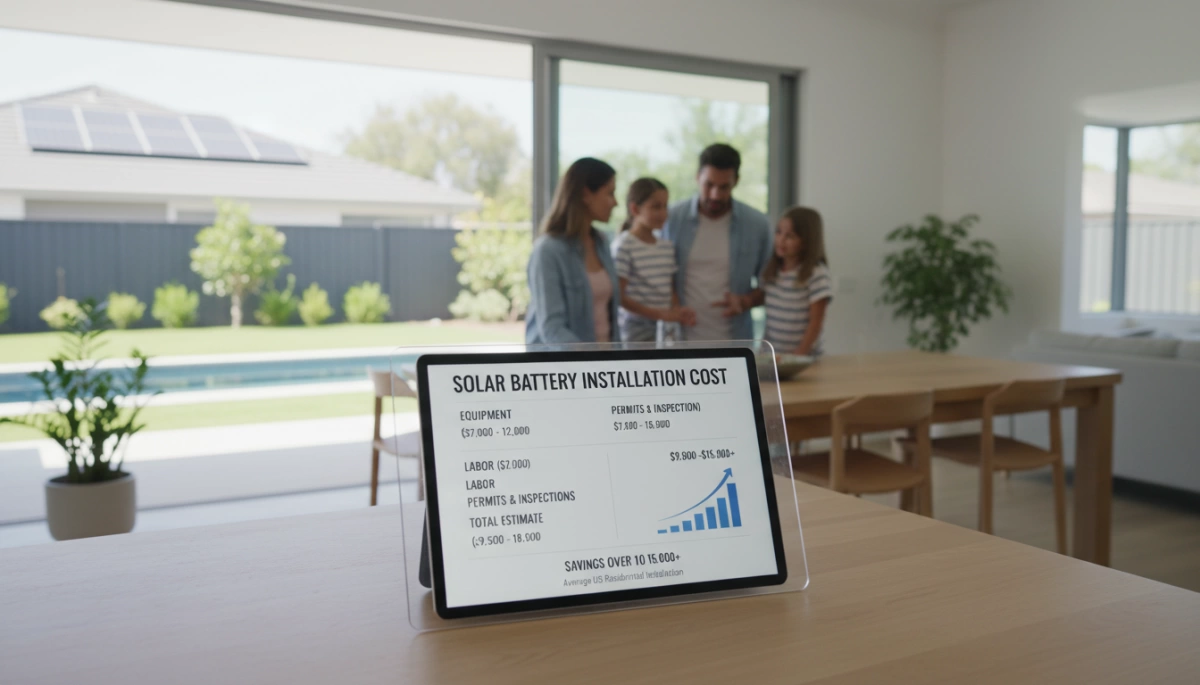
For a standard 13.5 kWh battery setup—comparable to a Tesla Powerwall 3 or similar home solar battery cost—the financial breakdown without the federal tax cushion looks like this:
- Equipment & Hardware: ~$9,000 – $10,500 (Accounts for 50–60% of total)
- Labor & Installation: ~$2,000 – $4,500
- Total Estimated Investment: $11,000 – $15,000
While the upfront price tag is higher, the competition among installers on our marketplace continues to drive base equipment prices down, helping to offset the loss of federal subsidies.
Solar Battery Prices by Brand (2026 Comparison)
When you start shopping for energy storage, you quickly realize that the logo on the box dictates a huge chunk of the final bill. While the national average hovers around $1,151 per kilowatt-hour (kWh), the gap between premium brands and budget-friendly options is wide. We see quotes ranging from as low as $650/kWh to over $1,500/kWh depending on the manufacturer.
To give you a clear picture of the solar battery installation cost landscape, we have broken down the pricing for the top players currently dominating the market.
Top Brands Comparison: Capacity & Price
The table below reflects current market data for solar battery price per kWh before installation labor and incentives.
| Brand | Typical Capacity | Est. Price per kWh | System Type |
|---|---|---|---|
| Enphase | 3.4 kWh – 10 kWh | ~$1,510 | Modular / AC-Coupled |
| Tesla | 13.5 kWh | ~$900 – $1,200 | DC or AC-Coupled |
| FranklinWH | 13.6 kWh | ~$1,000 – $1,150 | AC-Coupled |
| Canadian Solar | 10 kWh | ~$850 – $950 | DC-Coupled |
| Pytes | 5.12 kWh | ~$651 | Modular / Rack-Mount |
Tesla Powerwall 3 Pricing
Tesla remains the benchmark for many homeowners, largely due to brand recognition and the integrated inverter design of the Powerwall 3. With a standard capacity of 13.5 kWh, the Tesla Powerwall installation cost usually lands in the middle of the pack regarding value. You are paying for a streamlined ecosystem and high continuous power output, but availability can sometimes fluctuate depending on your installer\’s supply chain.
Enphase IQ Battery Costs
Enphase takes a different approach. Their systems are highly modular, allowing you to start small (around 3.4 kWh) and expand. However, this flexibility comes at a premium. At over $1,500/kWh, Enphase is consistently one of the most expensive options on the quote sheet. While the chemistry is safe and the integration with Enphase microinverters is seamless, budget-conscious buyers often find the Enphase battery price 2026 projections a bit steep for whole-home backup.
Budget-Friendly Alternatives
If you look beyond the two biggest names, you can find significant savings without sacrificing reliability.
- FranklinWH: Offers a robust energy management system that rivals premium brands at a slightly lower price point.
- Canadian Solar: A solid choice for those already using their panels, offering good integration at a sub-$1,000/kWh price.
- Pytes: Currently one of the most affordable options on the market, ideal for DIY-friendly setups or smaller critical load backups.
Haisic Energy Storage Solutions
At Haisic, we focus on delivering the best solar batteries for home 2026 by prioritizing LFP (Lithium Iron Phosphate) chemistry. Unlike NMC batteries used by some older competitors, our LFP technology offers a longer cycle life and superior thermal safety. We engineer our systems to provide the durability required for daily cycling while keeping the cost of solar battery storage manageable for families and businesses globally. By cutting out unnecessary marketing fluff and focusing on core performance, we provide a reliable, long-term energy asset that competes directly with major international brands on efficiency and longevity.
Cost Breakdown: What You Are Really Paying For
When you look at the total solar battery installation cost, it is crucial to understand that you aren\’t just buying a box of lithium. The battery hardware itself typically accounts for about 50% to 60% of the final price tag. The remaining amount covers the \”balance of system\”—the essential components, labor, and certifications required to make the system safe and legal for residential use.
Equipment Costs: The Chemistry Factor
The biggest line item is the battery unit. We strongly advocate for Lithium Iron Phosphate (LFP) chemistry over the older Nickel Manganese Cobalt (NMC) types. While NMC offers high power density, LFP is the superior choice for stationary home storage due to its thermal safety and significantly longer cycle life. You might pay a similar upfront price, but the longevity of LFP ensures better value over the decade-plus lifespan of the system.
Labor and Installation Fees
Residential energy storage installation is complex electrical work, not a simple appliance delivery. Labor costs can range significantly depending on your location and the layout of your home.
- Accessibility: Installing a battery in a difficult-to-reach garage or basement increases labor hours.
- Electrical Upgrades: If your main service panel is outdated, you may need an upgrade to handle the new load.
- Permitting: Local jurisdictions require specific permits and inspections, which add administrative costs to the project.
Inverter and Integration Costs
Your battery requires an inverter to convert stored DC energy into usable AC electricity for your home. This is where hardware choices impact the budget.
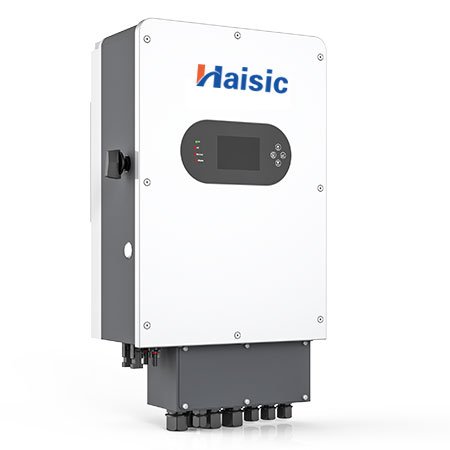
- Hybrid Systems: For new installations, using a specialized Haisic 6-12KW IP65 hybrid solar inverter is cost-effective because it manages both solar production and battery storage in a single unit, eliminating the need for duplicate hardware.
- Separate Inverters: If you are not using a hybrid solution, you may need a separate storage-specific inverter, which can add approximately $2,000 to the total system cost.
Retrofit vs. New Solar Install
The cost of adding battery to existing solar systems is almost always higher than bundling them together from day one. Retrofitting often requires an electrician to rewire your existing setup and potentially install a critical loads panel to separate the circuits you want to back up. This extra labor and hardware make retrofits more expensive per kWh than a simultaneous solar-plus-storage installation.
Regional Variations: Costs in Wyoming and Beyond
Where you live significantly impacts your final solar battery installation cost. Prices are not uniform across the country; they fluctuate based on local labor rates, the availability of certified installers, and state-specific incentives. While the national average for a battery system hovers around $1,151 per kWh, your specific quote will depend heavily on your zip code.
Wyoming Solar Battery Cost vs. National Averages
In regions with lower population density or fewer solar installers, prices tend to be higher. For instance, Wyoming solar battery cost averages can climb toward $1,600 per kWh. This is comparable to Mississippi, which EnergySage data identifies as the most expensive state for storage at approximately $1,670 per kWh. These higher costs often stem from a lack of competition among installers and the increased logistical expenses of transporting equipment to rural sites.
Conversely, states with mature solar markets offer much lower pricing. Hawaii currently boasts the lowest average costs at roughly $889/kWh. This disparity highlights why comparing quotes from multiple local installers is crucial, as market competition can drive your price down by up to 20%.
Local Factors: Weather and Grid Reliability
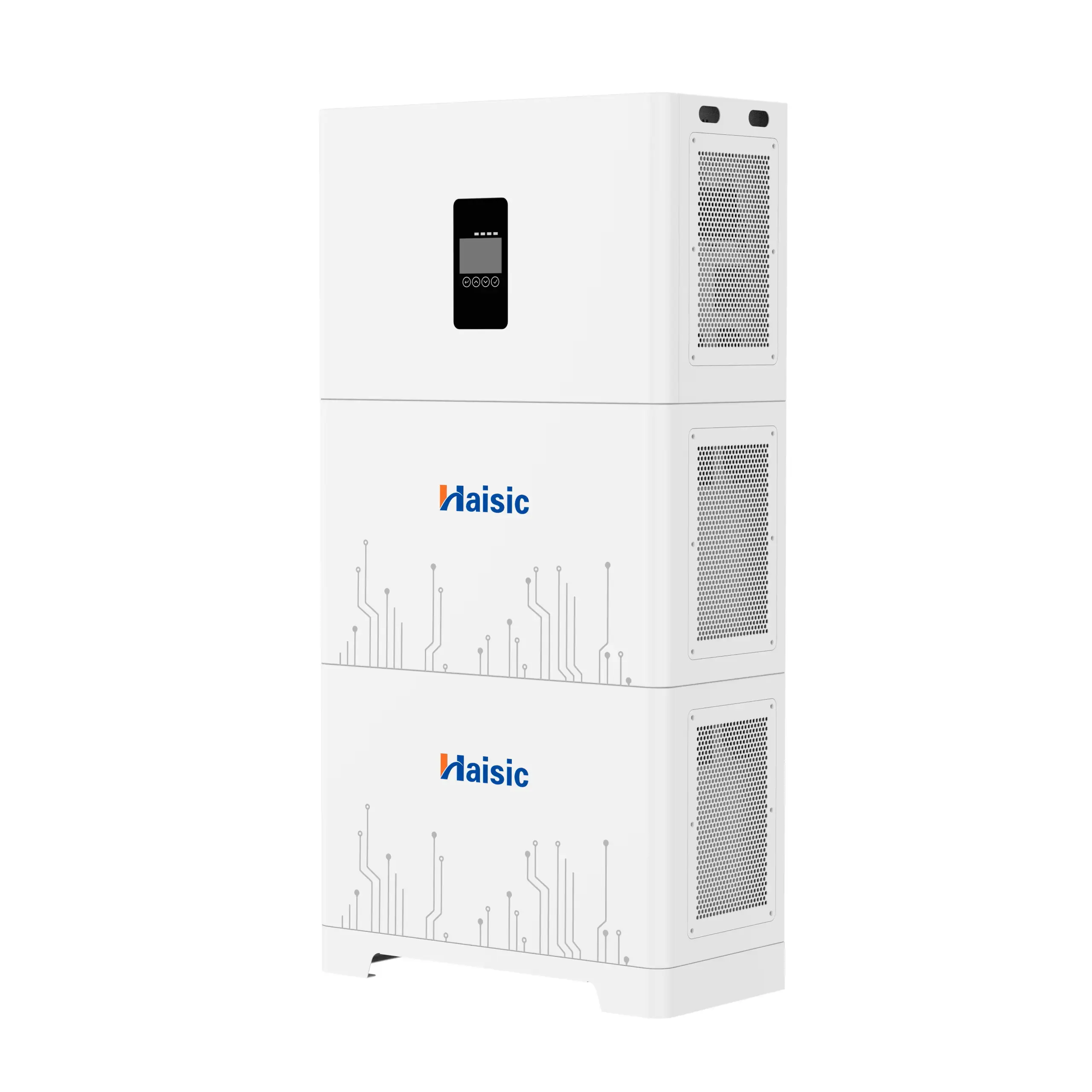
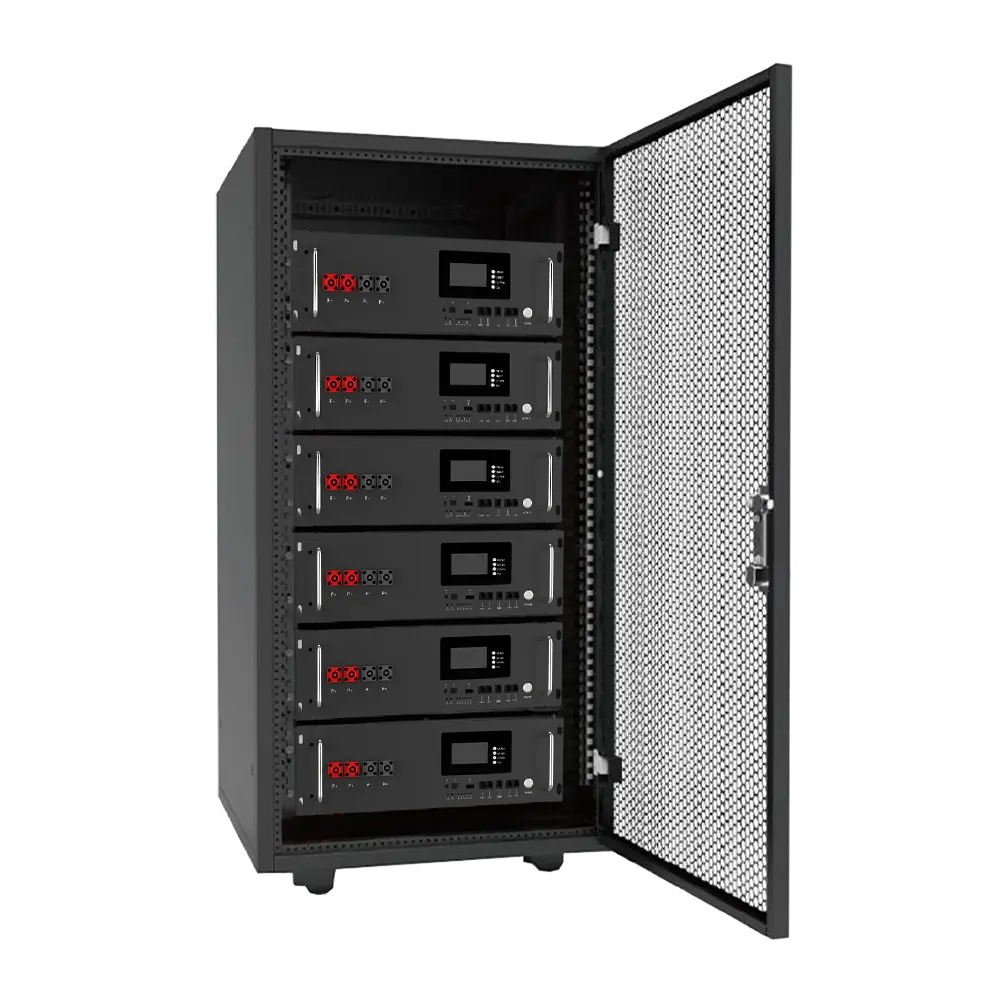
Beyond the sticker price, local environmental factors dictate the type of system you need. In areas like Cheyenne, where winter reliability is critical, homeowners prioritize systems that can handle extended grid outages. A standard battery might suffice for daily time-of-use shifting, but ensuring resilience against winter storms often requires a larger capacity. Installing a robust high-voltage LiFePO4 home energy storage system can provide the necessary power density to keep critical heating and appliances running when the grid goes down.
Key Location-Based Cost Drivers:
- Labor Rates: Higher in remote areas or cities with high costs of living.
- Permitting: Complex local regulations can add administrative costs.
- Incentives: Some states offer rebates that offset high upfront prices, while others do not.
- Weather Needs: Harsh climates may require additional insulation or specific battery chemistries (like LFP) for safety and longevity.
Incentives and Ways to Lower Your Cost in 2026
Federal ITC Update: Navigating the Post-2026 Landscape
As we settle into 2026, the financial landscape for home energy storage has shifted. With the expiration of the 30% Federal Investment Tax Credit (ITC) at the end of 2026, homeowners can no longer rely on Uncle Sam to cover nearly a third of their solar battery installation cost. This change means the net price for a standard system has effectively jumped, making it more critical than ever to scrutinize the price per kWh and equipment choices. The days of an automatic discount are over, so the focus must turn to smart purchasing and finding value in the hardware itself.
Remaining Financial Options: Utility Rebates and Local Programs
While the federal safety net is gone, state and local incentives are still alive and well. In high-cost regions, programs similar to California’s Self-Generation Incentive Program (SGIP) or Connecticut’s Energy Storage Solutions continue to offer relief. Many utility companies provide rebates for allowing them to access your battery during peak demand events. These \”bring your own battery\” programs can offset the solar battery incentives 2026 gap, sometimes covering a significant portion of the upfront expense over time. It is essential to check with your local utility, as these funds are often first-come, first-served.
Financing Strategies: How Multiple Bids Save 20%
One of the most effective ways to lower your solar battery installation cost is simply creating competition. Data indicates that homeowners who compare multiple quotes typically pay about 20% less than the market average. Installers know they are competing for your business, which drives down the markup on labor and balance of system components. Don\’t settle for the first door-to-door offer; using a marketplace approach ensures you aren\’t overpaying for standard installation labor.
The Manufacturer Advantage: Competitive Pricing with Haisic
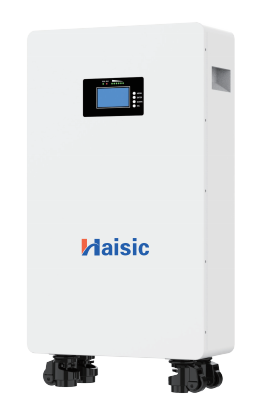
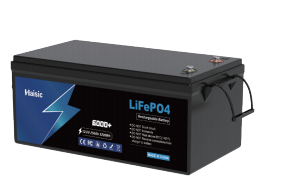
With the tax credit removed, the raw cost of equipment—which makes up 50-60% of the total project price—matters more than ever. This is where choosing the right manufacturer changes the ROI equation. At Haisic, we focus on delivering high-quality LFP chemistry without the inflated brand premiums of competitors. By integrating efficient solutions like our 3kW-6kW hybrid solar inverter, we help reduce the need for separate, costly components. Furthermore, opting for robust storage like the Haisic 51.2V 100Ah High Voltage LiFePO4 Battery ensures you get maximum cycle life and safety, providing better long-term value even without federal subsidies.
Is a Solar Battery Worth It? ROI and Payback Analysis
Let\’s be honest: a home battery is not an impulse buy. With the average solar battery installation cost hovering around $15,000 before incentives (or roughly $11,000 after), you need to run the numbers carefully. For most homeowners, the solar battery ROI payback period falls between 7 and 12 years, but this timeline depends entirely on how your utility company charges you for electricity and the specific incentives in your state.
If you live in an area with Time-of-Use (TOU) rates, a battery saves you money by storing cheap solar power generated during the day and discharging it during expensive evening peak hours. This process, known as \”peak shaving,\” is where the real financial return happens. However, if your utility offers full 1-to-1 net metering—where they credit you full retail value for every kWh you send to the grid—the grid effectively acts as a free battery. In those cases, buying a physical battery is strictly a purchase for backup peace of mind rather than a financial investment.
When to Buy vs. When to Wait:
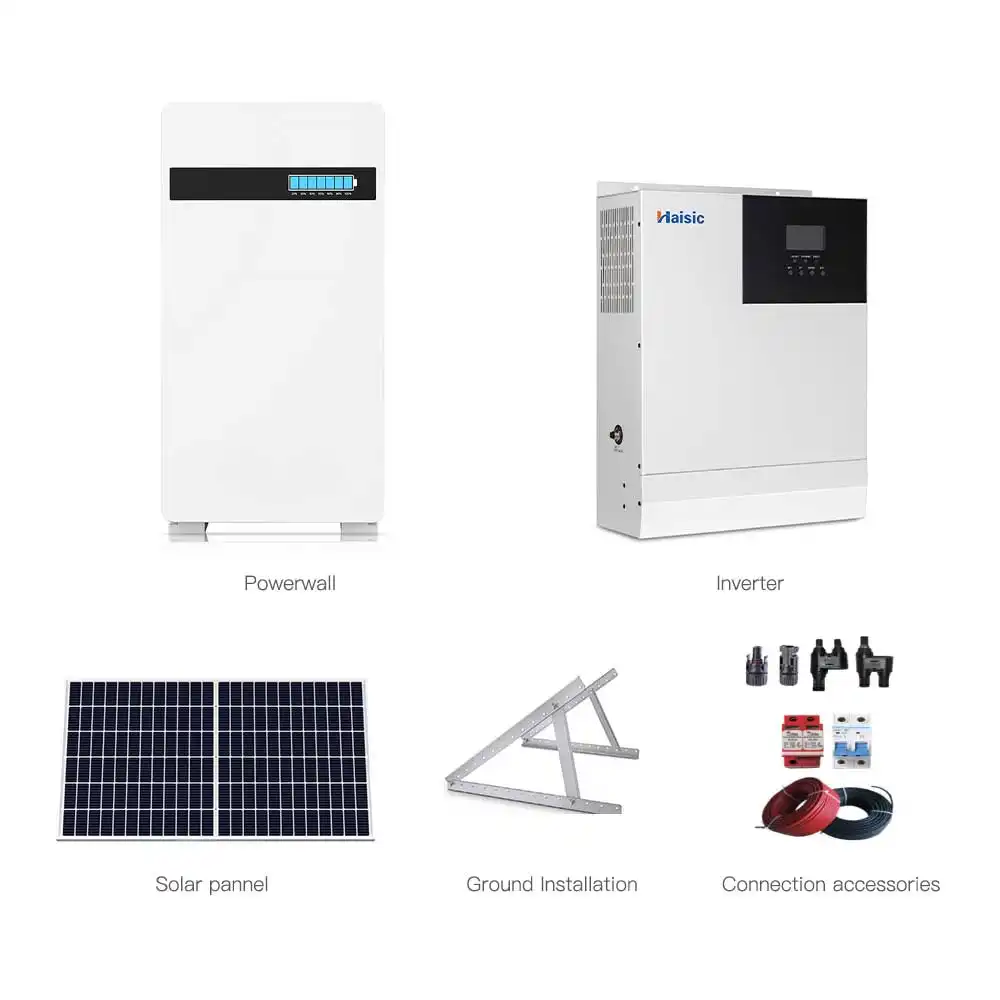
- Buy Now: If you experience frequent grid outages, have high evening utility rates, or need to charge an EV overnight. A reliable 5kW power energy storage solar system for home can keep critical appliances running when the grid goes down, providing security that purely financial metrics can\’t measure.
- Wait: If you have reliable power and strong net metering policies. The home solar battery cost might outweigh the benefits if you are only looking for bill savings rather than resilience.
Ultimately, you are paying for energy independence. If keeping the lights on during a storm is your priority, the upfront cost is justified regardless of the longer payback timeline.
Key Factors to Consider Before Buying
Before signing a contract, you need to know exactly what you are paying for. The final solar battery installation cost depends heavily on how you size and configure the system to match your specific energy goals.
Determining Capacity Needs: Critical Loads vs. Whole-Home
Decide early if you need to power the entire house or just the essentials. This choice dictates the number of batteries required.
- Critical Loads: This covers your refrigerator, Wi-Fi, and basic lighting. It keeps the initial investment lower and typically requires a single battery unit (around 10–13.5 kWh).
- Whole-Home Backup: If you need to run heavy appliances like air conditioning or electric stoves during a blackout, you will need a larger capacity. For complete energy independence, a robust 10kW off-grid solar power system configuration is often necessary to handle the high surge demand.
Battery Chemistry Comparison: LFP vs. NMC
The technology inside the box matters for safety and longevity.
- NMC (Nickel Manganese Cobalt): Historically common with high power density, but it degrades faster and has a different safety profile regarding heat.
- LFP (Lithium Iron Phosphate): We strongly recommend LFP technology for residential use. It is significantly safer, resists thermal runaway, and offers a longer cycle life. While NMC might be slightly more compact, LFP provides better long-term reliability for your investment.
Warranty and Lifespan Expectations
Never settle for less than a standard 10-year warranty. A solid manufacturer warranty guarantees that the battery will retain roughly 70% of its capacity by the end of the term. Since the equipment accounts for 50–60% of the total project cost, you need assurance that the unit will perform reliably through thousands of charge cycles.
Integration Compatibility
Compatibility affects your bottom line. If you are adding storage to an existing solar array (retrofitting), you typically need an AC-coupled solution. This route is often more labor-intensive and expensive than installing a hybrid inverter system simultaneously with new panels, as it requires additional wiring and potentially a new critical load panel.