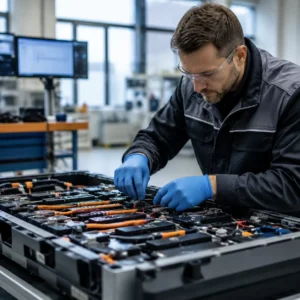










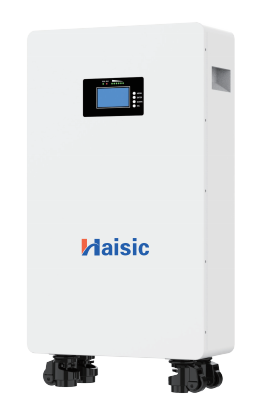
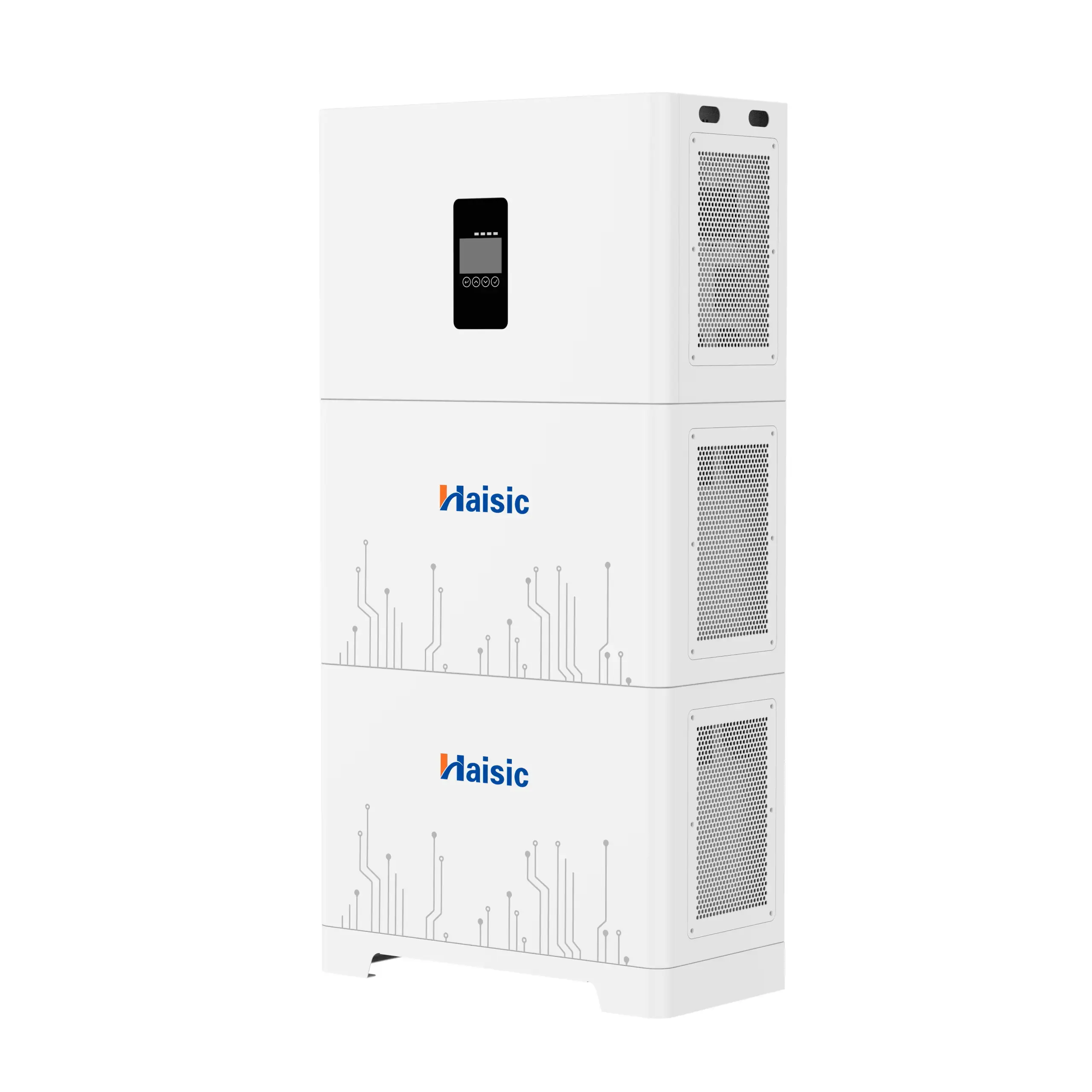
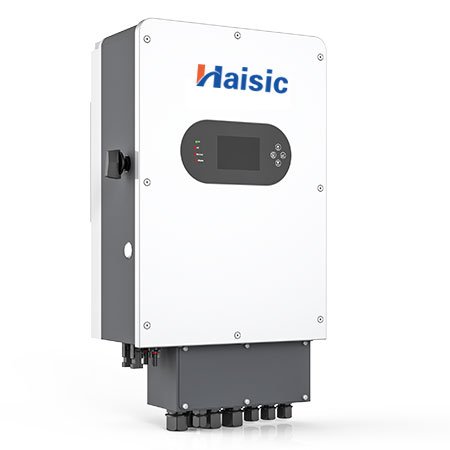
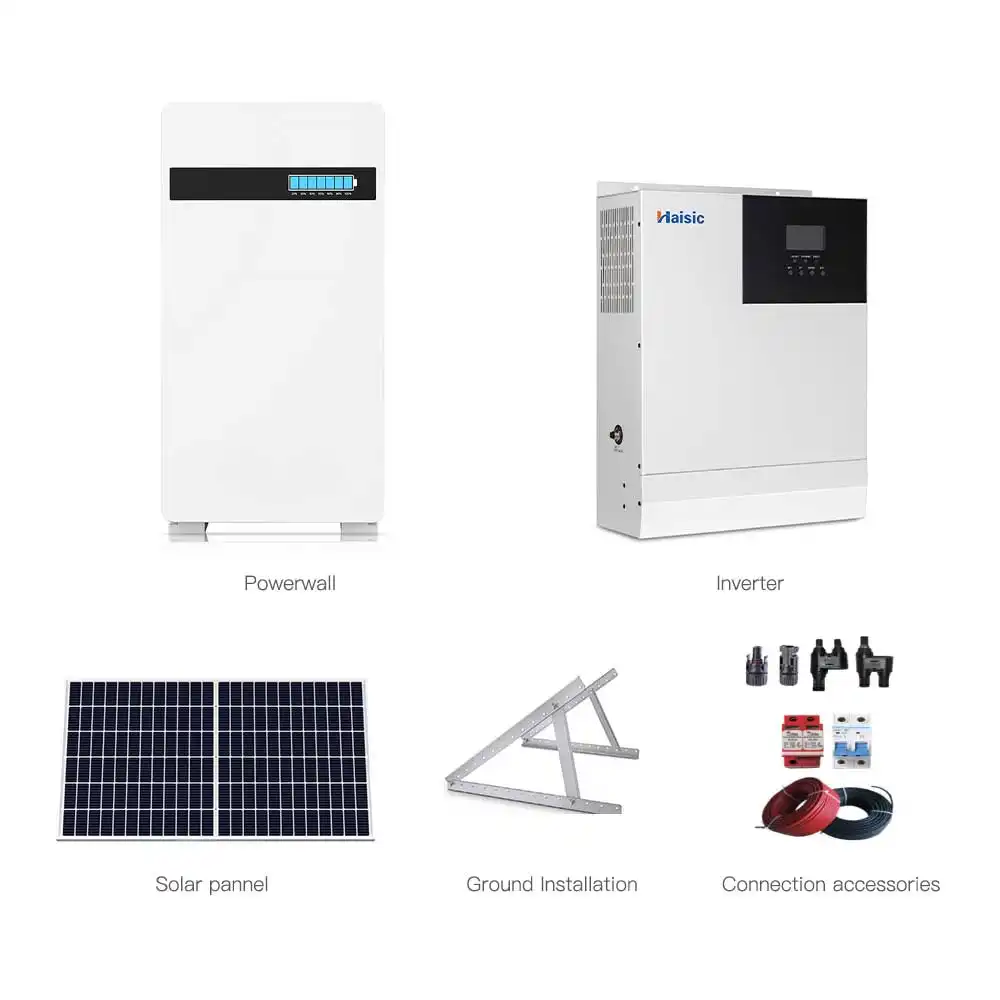
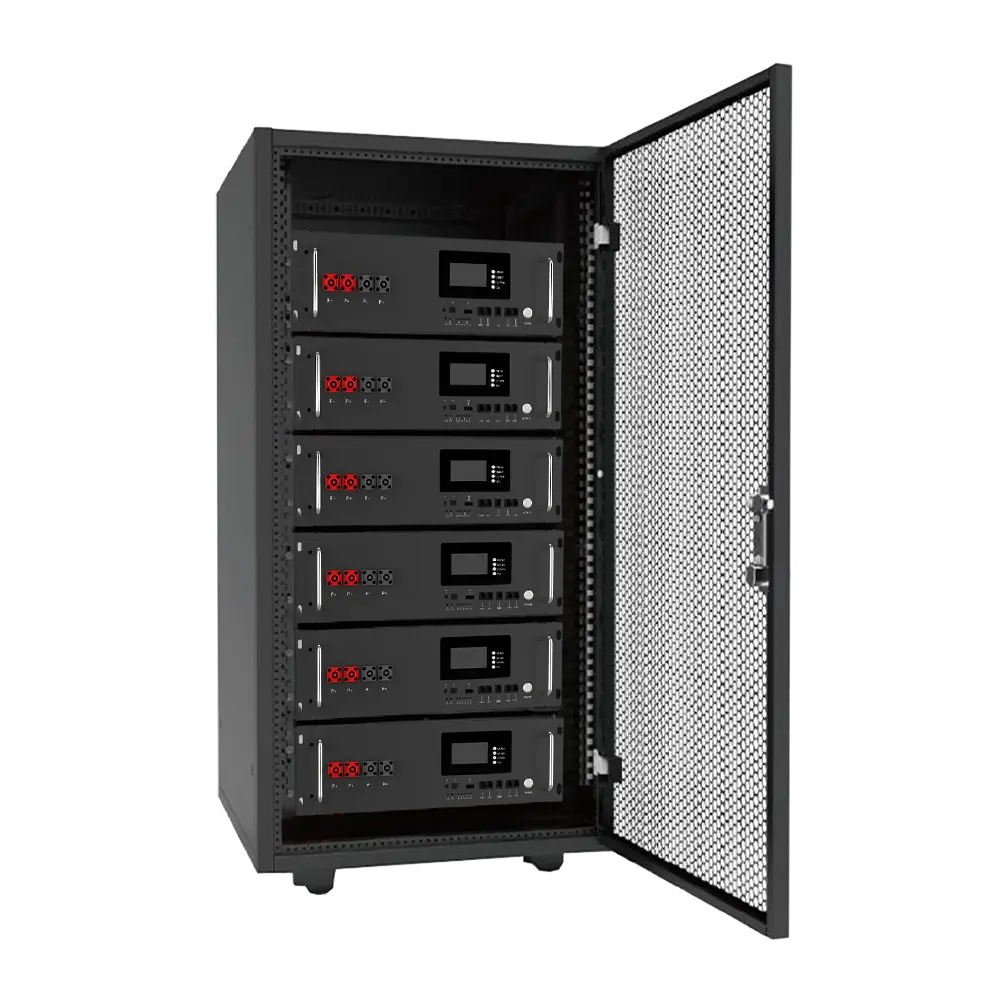

If you’re planning a serious energy storage project, choosing the right lithium battery storage container can make or break your results.
Get it right, and you unlock reliable backup power, lower energy costs, and seamless integration with solar and wind. Get it wrong, and you’re stuck with safety risks, downtime, and a system that never delivers its promised ROI.
In this guide, you’ll see exactly what a modern containerized Battery Energy Storage System (BESS) looks like, which safety features really matter, how to size and configure a 20ft or 40ft lithium battery storage container, and what to look for in a manufacturer before you commit.
If you’re serious about scalable, future-proof lithium battery storage containers for commercial, industrial, or utility projects, keep reading. This is for you.
Understanding Lithium Battery Storage Containers
If you’re adding solar, wind, or backup power, you’ve probably asked yourself:
- How do I store energy safely and reliably?
- How do I keep costs under control as my needs grow?
- How do I avoid building a dedicated battery room or substation?
This is exactly where a lithium battery storage container—also called a containerized battery energy storage system (BESS)—makes sense.
Why Demand for Containerized BESS Is Exploding
As renewables grow, so do a few common problems:
- Intermittent power from solar and wind
- Rising peak demand charges
- Grid instability and outages
A containerized energy storage system solves these by:
- Storing excess renewable power and releasing it when needed
- Shaving peaks and reducing utility demand charges
- Supporting the grid with fast response and high power output
Because a lithium-ion battery container is modular and prefabricated, businesses and utilities can deploy reliable storage fast, without complex civil works.
Why Containers Beat Traditional Battery Rooms
Compared with traditional battery rooms and cabinets, a lithium battery storage container offers clear advantages:
- All-in-one solution – Batteries, PCS/inverters, HVAC, fire suppression, and controls are integrated in one engineered enclosure
- Factory-tested – Complete system is assembled, wired, and tested before shipment
- Standardized footprint – 20ft and 40ft BESS containers are easy to ship and install
- Scalable – Just add more modular battery storage containers as your project grows
- Safer by design – Built-in ventilation, fire detection, and explosion-proof features
You get a plug-and-play commercial energy storage container instead of a custom project built from scratch on site.
Where Lithium Battery Storage Containers Fit Best
You’ll see utility-scale battery storage containers and commercial battery containers in projects like:
- Utility-scale grid storage – Frequency regulation, reserves, ramping support
- C&I facilities – Peak shaving, demand charge reduction, backup power
- Solar-plus-storage and wind-plus-storage – Smooth output, increase self-consumption
- Microgrids and off-grid systems – Remote mines, islands, data centers, industrial parks
In each case, the container acts as a standard building block: easy to replicate, relocate, and expand.
How We Design Containerized BESS for Real-World Use
When we build a Haisic containerized BESS solution, we design it for what actually happens on site—not just what looks good on paper. That includes:
- Right chemistry for safety and life – We favor LFP battery storage systems for high safety, long cycle life, and stable performance
- Integrated systems – Battery racks, battery management system (BMS), PCS, EMS, HVAC, and fire suppression are engineered as a single system
- Climate-ready enclosures – Options for air-cooled or liquid-cooled battery containers, with corrosion protection, dust control, and insulation
- Code-compliant safety – Designs aligned with UL 9540A-compliant BESS, NFPA battery storage requirements, and local regulations
- Remote monitoring by default – EMS and SCADA integration for performance tracking, alarms, and predictive maintenance
The result is a reliable, bankable lithium-ion battery storage container that fits real project budgets, timelines, and safety requirements—whether you’re running a factory, a solar park, or a utility grid.
What Is a Lithium Battery Storage Container?
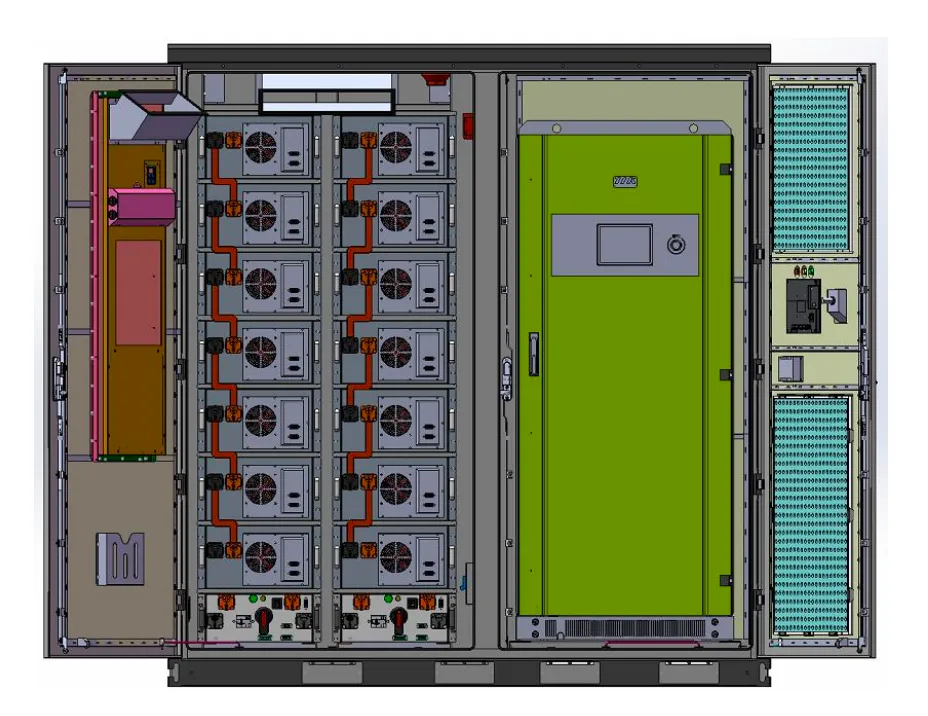
A lithium battery storage container (or containerized battery energy storage system / BESS) is a pre‑assembled, movable energy storage unit. It packs lithium-ion battery racks, power electronics, safety systems, and controls inside a standard 10ft, 20ft, or 40ft ISO container, ready to drop on site and connect.
Core Components Inside a Lithium-Ion Battery Container
A typical lithium battery storage container includes:
- Battery racks – high‑density LFP or NMC battery packs arranged in racks for easy installation and service
- BMS (Battery Management System) – monitors each cell/module, balances voltage, protects against overcharge, over‑discharge, and over‑temperature
- PCS (Power Conversion System) – bidirectional inverter converting DC from batteries to AC for the grid or facility, and back for charging
- EMS (Energy Management System) – the “brain” that runs charge/discharge schedules, peak shaving, backup logic, and grid services
- Switchgear & protection – breakers, contactors, fuses, relays, surge and fault protection for safe operation
- Thermal management & auxiliaries – HVAC or liquid cooling, auxiliaries, and safety systems integrated in the same enclosure
For smaller and mid‑size projects, we often deliver a turnkey 20ft or 40ft BESS container where all of this comes pre‑engineered and factory‑tested, similar to our 1MWh ESS solar energy storage container system.
Typical Container Sizes and Energy Capacity
Common configurations for lithium battery storage containers:
- 10ft container – ~50–200 kWh (small commercial, backup, off‑grid)
- 20ft battery storage container – ~100 kWh to 2 MWh, depending on chemistry and C‑rate
- 40ft BESS container – ~1 MWh to 5+ MWh for utility‑scale and large C&I sites
Actual capacity depends on:
- Battery chemistry (LFP vs NMC)
- Pack energy density
- Cooling method (air-cooled vs liquid-cooled)
- Discharge rate (C‑rate) and safety margins
DC Container vs AC Container vs All‑in‑One Systems
We usually design three types of containerized energy storage system:
DC container energy storage
- Only batteries, BMS, DC combiner, and DC protection
- PCS (inverters) is installed separately (e.g., in a skid or building)
- Flexible for large utility plants with central inverters
AC integrated battery container
- Batteries + BMS + PCS + LV/MV switchgear in one container
- Direct AC connection to transformer or low‑voltage distribution
- Faster to deploy for commercial/industrial and microgrids
All‑in‑one turnkey BESS container solution
- Fully integrated system (batteries, PCS, EMS, HVAC, fire suppression)
- Factory‑tested, plug‑and‑play, minimal on‑site work
- Ideal if you want one supplier to own performance and warranty, similar to our 100kWh containerized battery energy storage system.
LFP vs NMC – Why Chemistry Matters in a Lithium Battery Storage Container
Two main lithium chemistries dominate containerized BESS today:
LFP (Lithium Iron Phosphate)
- Lower energy density than NMC but much safer and more stable
- Long cycle life (often 6,000–10,000+ cycles)
- Better thermal stability and lower fire risk
- Now the go‑to choice for utility‑scale and commercial energy storage containers
NMC (Nickel Manganese Cobalt)
- Higher energy density (more kWh per rack)
- Often used where space is extremely constrained
- Higher cost and stricter safety requirements due to more active chemistry
For most global grid, C&I, and microgrid projects, we prioritize high‑density LFP battery storage systems because they deliver the right mix of safety, lifetime, and cost per kWh, especially in modular battery storage containers that must run 24/7 in real‑world environments.
Core Design and Engineering of a Lithium Battery Storage Container
Container structure and enclosure design
For a modern lithium battery storage container, the box itself is part of the safety system. We use reinforced 20ft and 40ft ISO-style enclosures with:
- Weatherproof, corrosion‑resistant shells (IP54–IP55+ options)
- Internal partition walls to separate batteries, PCS, and LV/MV switchgear
- Built‑in cable trenches, cable glands, and sealed entry points
- Structural design that supports roof‑mounted HVAC and external walkways
This gives you a rugged industrial battery storage enclosure that works in harsh sites, from hot deserts to coastal zones.
Battery rack layout and cable management
Inside the lithium‑ion battery container, the rack layout decides safety, service speed, and power density:
- High‑density LFP battery rack systems arranged in rows with clear maintenance aisles
- Front‑access for module replacement, with labeled strings and fuses
- Busbars and cable trays to keep DC cables short, neat, and low‑loss
- Segmented DC zones for safer isolation and easier fault finding
Done right, this turns a modular battery storage container into a clean, service‑friendly system instead of a cable jungle.
Power conversion system and switchgear integration
In a containerized battery energy storage system, we integrate:
- PCS/inverters (bidirectional) sized to your C‑rate and grid code
- LV/MV switchgear, transformers (if needed), and protection relays
- AC/DC distribution panels with clear labeling and lockable isolation
- Space for comms, meters, and revenue‑grade metering if required
For turnkey commercial energy storage containers, we often ship with the full PCS and switchgear pre‑wired, which cuts on‑site time and risk. For example, our 200 kW commercial energy storage system follows this integrated approach.
Thermal management system design (air vs liquid cooling)
Thermal management makes or breaks a containerized lithium‑ion ESS:
- Air‑cooled battery containers: industrial HVAC, ducted airflow, hot/cold aisle design, suitable for moderate climates and lower C‑rates
- Liquid‑cooled battery containers: coolant loops directly at the pack, better temperature uniformity, higher energy density and power rating
We design each lithium battery storage container to maintain safe, narrow temperature bands across all racks, not just at the HVAC sensor.
Fire detection, suppression, and compartmentalization
A serious containerized BESS solution bakes in multi‑layer safety:
- Early gas and smoke detection inside battery zones
- Heat and arc‑fault monitoring at rack/string level
- Fire suppression for lithium battery storage using gas or aerosol systems, plus sprinklers if required by code
- Venting panels and pressure relief paths to handle worst‑case events
- Compartmentalization so a single rack fault doesn’t take down the whole utility‑scale battery storage container
All engineering is aligned with UL 9540A, NFPA, and local fire code requirements for lithium‑ion battery containers.
Monitoring, control, and communication systems
Every serious lithium battery storage container lives or dies by its controls:
- Battery management system (BMS) per rack/string with cell‑level protections
- PCS controller + EMS for dispatch, peak shaving, and grid services
- Integrated HMI/touchscreen inside the container for local control
- Remote monitoring via Ethernet/4G/5G, Modbus, IEC 61850, and SCADA links
- Role‑based access, event logs, and data trending for performance and warranty compliance
On our side, we design the container so the control cabinet is cleanly separated, easy to access, and ready to tie into your plant EMS or high‑voltage commercial ESS.
Key Benefits of a Lithium Battery Storage Container
Modular, Scalable Capacity
A containerized battery energy storage system (BESS) grows with your project instead of locking you in from day one.
- Add more 20ft or 40ft units as your load or renewable capacity increases
- Mix different container sizes to match site space and budget
- Standardized interfaces make expansion fast and low-risk
| Need | How a BESS Container Helps |
|---|---|
| Start small | Deploy 1 container, add more later |
| Phase-by-phase build | Scale in MWh blocks as projects roll out |
| Portfolio rollouts | Repeat one proven design across many sites |
Fast Deployment, Simple Installation
Compared with a traditional battery room, a lithium-ion battery storage container lands on site almost “plug-and-play.”
- Pre‑assembled: batteries, PCS, EMS, fire system, HVAC all built in
- Short construction window and minimal civil work
- Easier logistics for remote, offshore, or constrained sites
If you need a smaller-scale reference, the engineering logic is similar to our 50kWh–100kWh containerized energy storage system, just scaled up to utility or large C&I size.
Strong Grid Support, Better Power Quality
A modern containerized lithium-ion battery container does more than store energy:
- Frequency and voltage support for the grid
- Peak shaving and load shifting for lower demand charges
- Black start and backup power for critical loads
- Reactive power and power factor correction via integrated PCS
Space-Saving, High Energy Density
A 20ft battery storage container or 40ft BESS container packs serious energy into a small footprint.
- High-density LFP battery packs maximize kWh per m²
- Vertical rack layout and tight cable management use every cubic inch
- Ideal for urban, rooftop, and tight industrial spaces
| Footprint Type | Benefit |
|---|---|
| 20ft container | Compact C&I and microgrid projects |
| 40ft container | Utility-scale and large industrial loads |
Lower Total Cost of Ownership, Better ROI
Containerized energy storage is engineered for long life and predictable returns.
- Factory-integrated design lowers on-site labor and wiring cost
- Standardized modules cut engineering and permitting time
- Long-life LFP cells + smart BMS reduce replacements
- Lower O&M with remote monitoring and fewer truck rolls
Used correctly, a containerized lithium battery storage solution often delivers:
- Faster payback through peak shaving and energy arbitrage
- Stable long-term revenue from grid services and backup contracts
- A clear, bankable asset class for investors and project owners
Safety Features Every Lithium Battery Storage Container Must Have
When I deploy a lithium battery storage container, safety is non‑negotiable. Here’s what I always insist on before anything ships.
Thermal Runaway Prevention & Early Warning
Thermal runaway is the core risk in any lithium-ion battery container. I make sure the design focuses on prevention first, mitigation second:
- Cell‑ and rack‑level temperature sensors
- Pack voltage, current, and insulation monitoring
- Smart BMS logic to limit charge/discharge when temperatures drift
- Early gas/smoke detection inside each compartment
- Automatic shutdown sequences when abnormal trends are detected
Key Functions Table
| Feature | Why it matters |
|---|---|
| Temperature monitoring | Catches overheating early |
| BMS current limiting | Reduces stress and heat generation |
| Abnormal trend alarms | Enables proactive intervention |
| Automatic shutdown | Buys time and limits escalation |
Layered Fire Detection & Fire Suppression
A serious lithium-ion battery storage container uses multi-layer protection, not a single device:
- Multi‑point smoke, heat, and gas detectors
- Zone‑based alarm logic (rack, aisle, full container)
- Clean agent or aerosol systems aimed at electronics zones
- Water mist or other fixed systems where codes require
- Manual emergency stop and suppression triggers outside the unit
Layering Concept
| Layer | Purpose |
|---|---|
| Detection | Fast identification of events |
| Containment | Keep fire localized |
| Suppression | Control or extinguish fire |
| Shutdown | Remove energy and ignition |
Safe Ventilation, Pressure Relief & Explosion Protection
Gases must be controlled. I require:
- Dedicated battery container ventilation system sized for worst‑case events
- Directional pressure relief panels to vent safely away from people
- Explosion‑proof (Ex) components in classified zones where required
- Strict segregation of high‑risk battery areas and low‑risk equipment zones
Electrical Protection, Isolation & Fault Management
A modern containerized battery energy storage system needs protective layers on the electrical side too:
- DC and AC breakers with remote trip
- Fuses at pack, string, and bus levels
- Ground fault detection and isolation monitoring
- Clear isolation points and lock‑out/tag‑out provisions
- Coordinated protection settings between BMS, PCS, and switchgear
Electrical Safety Table
| Protection Type | Role |
|---|---|
| Breakers / fuses | Clear faults quickly |
| Ground fault monitor | Detects insulation breakdown |
| Isolation switches | Safe service and emergency work |
| Protection settings | Avoid nuisance trips, ensure safety |
Compliance With UL, IEC, NFPA & Local Codes
For me, a lithium battery storage container isn’t “bankable” unless it’s built and tested to recognized standards:
- UL 9540 (system) and UL 9540A (fire/thermal testing) for many markets
- Relevant IEC standards for cells, packs, PCS, and communication
- NFPA 855, NFPA 70 (NEC), and local fire codes for layout, spacing, and suppression
- Full documentation package: test reports, drawings, labels, safety manuals, and emergency response guides
If you’re comparing suppliers, always ask for proof of UL 9540A‑compliant BESS testing and how they implement NFPA requirements inside the container, not just on paper.
Battery Technology Inside a Lithium Battery Storage Container
Why LFP is the go‑to chemistry for containerized BESS
For modern lithium battery storage containers, LFP (LiFePO₄) is the default choice. It gives you:
- Higher safety: Very low risk of thermal runaway compared to NMC.
- Longer cycle life: 6,000–10,000+ cycles is normal for quality LFP battery storage systems.
- Stable performance: Wide operating temperature range and predictable behavior.
- Better TCO: More usable cycles and fewer replacements over the project life.
NMC is still used where space is extremely tight and ultra–high energy density is critical, but for most utility and commercial containerized battery energy storage systems, LFP simply makes more sense.
Cycle life, efficiency, and performance
Inside a lithium-ion battery container, we design around three core metrics:
- Cycle life: How many full charge/discharge cycles before capacity drops (usually to 70–80%).
- Round‑trip efficiency: Typically 88–94% for a good LFP battery storage system, depending on C‑rate and temperature.
- Power capability (C‑rate): How fast the system can charge/discharge. Higher C‑rates support fast response services (like frequency regulation) but increase stress on cells.
We balance these to meet the project profile: long-duration energy shifting, short-duration peak shaving battery systems, or fast grid support.
Battery Management System (BMS) functions and protections
The BMS is the “brain” of every lithium battery storage container. It:
- Monitors voltage, current, and temperature at cell, module, and rack level.
- Enforces charge/discharge limits to protect cells.
- Handles cell balancing to keep cells within a tight voltage window.
- Provides protection: over‑voltage, under‑voltage, over‑current, short circuit, over‑temperature, and insulation fault detection.
- Communicates with the PCS and EMS for coordinated control.
Without a robust BMS, a containerized lithium-ion ESS simply isn’t bankable.
State of Charge (SOC) and State of Health (SOH)
To keep the system reliable and predictable, we focus heavily on SOC and SOH:
- SOC: Real‑time estimate of how much usable energy is left in the pack.
- SOH: Measures long‑term battery condition (capacity fade, internal resistance).
Accurate algorithms (combining coulomb counting and voltage/temperature models) allow the EMS to optimize dispatch, avoid deep over‑cycling, and schedule maintenance before performance drops.
Degradation factors and how good design reduces wear
Key degradation drivers in a lithium-ion battery storage container are:
- High temperature or big temperature swings
- Very high or very low SOC operation
- High C‑rates and frequent deep cycles
- Imbalance between cells and racks
We reduce wear by:
- Running batteries in a moderate SOC window for most applications.
- Using precise thermal management (air‑cooled or liquid‑cooled) to keep cell temperature uniform.
- Setting C‑rates according to real load profiles, not marketing numbers.
- Using a smart BMS/EMS strategy that limits aggressive operation when it doesn’t add revenue.
For smaller and residential-style LFP systems, you can see a similar technology approach in our high‑cycle LiFePO₄ 51.2V 100Ah battery packs, which use the same principles around chemistry choice, protection, and long‑term durability.
Thermal Management and Environmental Control in a Lithium Battery Storage Container
Keeping a lithium battery storage container in the right temperature and environment is non‑negotiable. It’s the difference between long life and early failure.
Air‑Cooled vs Liquid‑Cooled Battery Containers
For containerized battery energy storage systems, we normally look at two options:
Air‑cooled battery storage units
- Lower cost, simpler design, easier maintenance
- Good for mild to moderate climates and lower C‑rate applications
- Ideal for many commercial energy storage containers and smaller grid projects
Liquid‑cooled battery containers
- Much tighter temperature control and faster heat removal
- Better for high‑power, high‑density 20ft and 40ft BESS containers
- The go‑to for utility‑scale lithium battery storage containers and hot regions
When we design a containerized lithium-ion ESS, we pick cooling based on climate, C‑rate, and expected cycling profile – not just price.
Safe Temperature Control Ranges
Lithium‑ion (especially LFP) is happiest in a narrow operating band:
- Typical battery operating range: 15–30°C (59–86°F) for long life
- Short‑term acceptable range: roughly 10–35°C, but frequent extremes will speed up degradation
- We design HVAC controls so:
- Racks stay within ±2–3°C across the container
- No “hot spots” near PCS, switchgear, or cable trays
This directly protects cycle life and capacity retention, especially on high‑cycle projects like peak shaving and solar‑plus‑storage.
Humidity, Dust, and Corrosion Protection
A lithium-ion battery storage container is basically a moving power plant, often placed in harsh environments. So we build in:
- Sealed industrial enclosure with proper IP rating
- Dehumidification and condensation control to protect busbars, connectors, and PCBs
- Filtered fresh‑air intake and positive pressure (if air‑cooled) to keep dust and salt out
- Anti‑corrosion coatings on key components for coastal or industrial zones
For projects that pair containerized BESS with products like our high‑voltage LFP lithium batteries, we tune the enclosure to match the specific chemistry and voltage level.
Redundancy and Fault Handling in Cooling Systems
In a serious BESS container solution, HVAC is never a single point of failure:
- N+1 or N+2 cooling redundancy (multiple AC units or pump loops)
- Automatic derating and safe shutdown commands from the EMS/BMS if temperature rises too high
- Independent temperature sensors on:
- Cell/module level
- Rack level
- Container ambient
- Clear fault handling logic:
- Prioritize battery protection
- Trigger alarms to remote monitoring
- Move to safe state before any thermal risk
HVAC Energy Efficiency and System Performance
Cooling can be a big chunk of Opex in a utility‑scale battery storage container, so we design for efficiency, not just brute force:
- High‑efficiency HVAC units sized to real thermal loads, not guesswork
- Variable‑speed fans and pumps to cut parasitic losses at partial load
- Smart EMS control that:
- Coordinates charging/discharging with ambient temperature
- Avoids unnecessary deep cooling at night or in cold seasons
Done right, thermal management can significantly improve round‑trip efficiency and ROI, especially on high‑cycling commercial, industrial, and microgrid projects.
Applications of Lithium Battery Storage Containers
Utility‑Scale Grid Storage & Frequency Regulation
A lithium battery storage container is ideal for grid operators who need fast, flexible power. Containerized battery energy storage systems (BESS) respond in milliseconds to stabilize frequency, smooth renewable output, and provide spinning reserve. With modular 20ft and 40ft BESS containers, you can scale from a few MWh to large grid‑scale lithium battery storage parks without redesigning the whole site.
Commercial & Industrial Peak Shaving
For factories, data centers, logistics hubs, and malls, a commercial energy storage container cuts peak demand charges and protects you from unstable grids. Charge the system when electricity is cheap, discharge during peak pricing or outages. A modular battery storage container makes it easy to start smaller and expand as your load grows, keeping your energy costs and risks under control.
Solar‑Plus‑Storage & Wind‑Plus‑Storage
Pairing a lithium‑ion battery container with solar or wind turns intermittent energy into a reliable power source. A containerized energy storage system stores surplus PV or wind production and releases it when the sun is down or wind drops. Many customers use our turnkey systems, like the all‑in‑one 1MWh solar energy storage solution, to accelerate project deployment and hit revenue faster.
Microgrids, Off‑Grid & Remote Sites
For islands, mining sites, telecom towers, and remote communities, an off‑grid lithium storage system in a container can replace diesel‑only setups. It integrates with diesel gensets and renewables to cut fuel use, noise, and maintenance while improving power quality. The robust industrial battery storage enclosure handles harsh climates with proper thermal management and protection.
EV Charging Hubs & Critical Backup Power
EV charging stations and fleet depots use containerized lithium‑ion ESS to avoid grid upgrades and deliver high‑power fast charging. The BESS container solution charges slowly from the grid or onsite solar, then delivers high C‑rate power to chargers when needed. The same lithium battery storage container design can back up hospitals, data centers, and other critical loads, ensuring clean, instant power when traditional generators are too slow or unreliable.
How to Choose the Right Lithium Battery Storage Container
Choosing a lithium battery storage container is a business decision, not just a tech decision. You want the system that matches your loads, your cash flow, and your local grid reality.
1. Size the Container to Your Load Profile
Start from the use case, not the catalog.
Key questions:
- What’s your typical daily energy use (kWh)?
- What peak power do you hit (kW)?
- How many hours do you need backup or peak shaving?
- How often will you cycle per day?
Simple sizing logic:
| Goal | What to Focus On |
|---|---|
| Peak shaving / demand charges | kW rating and short-duration (1–2 h) |
| Backup power | kWh capacity and autonomy hours |
| Solar-plus-storage | Daily cycles, kWh, and round-trip eff. |
| Frequency regulation | High power (C-rate) and fast response |
If you’re in the C&I range, a ~215 kWh / 100 kW container or ~1 MWh class commercial ESS like our 215 kWh 100 kW containerized system is usually a solid starting point.
2. Pick the Right Chemistry, C‑Rate, and Cycle Life
For most containerized battery energy storage systems, LFP (LiFePO₄) is the default now.
Chemistry choice:
| Option | Best For | Notes |
|---|---|---|
| LFP | C&I, utility, microgrids | Safer, longer life, slightly lower energy |
| NMC | Space‑constrained, mobile | Higher energy density, tighter safety req |
C‑rate (power vs energy):
- 0.5C–1C: Standard for most commercial energy storage containers
- Higher C‑rate = better for fast response / grid services, but more stress and cost
- Match C‑rate to your peak shaving window and grid contract.
Cycle life:
- Look for >6,000 cycles at the warranted depth of discharge (DoD)
- Heavy daily cycling (1–2 cycles/day) needs higher cycle life or reduced DoD.
3. DC Container vs AC-Coupled vs Turnkey
Decide how “plug-and-play” you want the lithium-ion battery container to be.
| Type | You Get | Suits Who |
|---|---|---|
| DC container | Batteries, BMS, DC bus | Large utilities, EPCs with own PCS |
| AC-coupled container | Batteries + PCS/inverter + switchgear | C&I, projects needing simple grid tie |
| Turnkey ESS container | Full BESS: batteries, PCS, EMS, aux, HVAC | Developers wanting fast deployment |
If you want a single supplier and simpler commissioning, go for AC-integrated or turnkey container systems like our 1075 kWh 100 kW commercial ESS container.
4. Quick Checklist for Specs
When you compare lithium battery storage containers, lock in these basics:
- Usable capacity (kWh) at warranted DoD
- Rated power (kW) and continuous vs peak
- Voltage range and grid connection options
- Cycle life + calendar life at given temp and DoD
- Round-trip efficiency (AC‑to‑AC, not just DC‑to‑DC)
- Operating temperature range and cooling type (air / liquid)
- Certifications: UL 9540 / 9540A, IEC, NFPA alignment
- EMS & communication: Modbus, TCP/IP, SCADA integration
- Warranty terms: years + remaining capacity + cycle count
5. Common Mistakes to Avoid
Avoid the traps that kill ROI:
- Undersizing power: Energy looks fine on paper, but the container can’t support your real peak loads.
- Ignoring ambient temperature: Wrong thermal design = faster degradation and more downtime.
- Only looking at Capex: Cheap systems with poor round‑trip efficiency and weak warranties cost more over 10–15 years.
- Vague performance guarantees: No clear capacity and throughput terms = risk on your side.
- Forgetting service and local support: No trained team, no spare parts, no quick response… your BESS becomes a liability.
Lock in your load profile, grid rules, and project goals first. Then choose the lithium battery storage container that fits those numbers, not just the lowest quote.
Comparing Lithium Battery Storage Container Manufacturers
Choosing the right lithium battery storage container supplier can make or break your project. Here’s how I compare manufacturers and BESS container solutions in a practical, no-nonsense way.
Key Questions to Ask a BESS Container Supplier
Before you commit, ask:
- What battery chemistry and brand do you use? (LFP vs NMC, cell supplier, cycle life data)
- What is the usable energy (kWh/MWh), not just nominal?
- What C‑rate can the container handle continuously and at peak?
- Which standards are you certified to? (UL 9540 / UL 9540A, IEC, NFPA)
- What’s included in the scope?
- DC container only / AC integrated / full turnkey system
- PCS, transformer, EMS, SCADA, HVAC, fire system
- What’s the typical delivery time and commissioning support?
- What monitoring platform do you provide? (remote access, alarms, data logging)
- Can you show real projects running in similar climates and grid conditions?
Warranty and Service: What “Good” Looks Like
A solid lithium-ion battery storage container offer should include:
- Battery warranty:
- 8–10+ years or defined energy throughput
- Clear end-of-warranty SOH (e.g., 70–80%)
- System warranty:
- 2–5 years on PCS, HVAC, BMS, EMS, fire system
- Service & support:
- Remote diagnostics and firmware upgrades
- Guaranteed response times for critical alarms
- Optional O&M contract with scheduled site visits
- Spare parts strategy:
- Critical spares available locally or in-region
- Clear replacement policy and pricing
If the supplier can’t show the full warranty document upfront, I treat that as a red flag.
Factory Testing, Certification, and Quality Control
For a containerized battery energy storage system, I expect:
- Type tests and certifications:
- UL 9540 / UL 9540A (or equivalent regional approvals)
- IEC standards for batteries, inverters, switchgear
- Factory acceptance tests (FAT):
- Full container powered and tested under load
- PCS, BMS, EMS, HVAC, and fire detection fully verified
- Quality control:
- Traceability down to cell/batch level
- Tight process control for wiring, terminations, and torque checks
- Final inspection reports shared with the client
This is where experienced energy storage system manufacturers clearly stand out from low-cost assemblers.
Customization for Climate and Regulations
A good lithium battery storage container supplier won’t push a one-size-fits-all box. At minimum, I look for:
- Climate options:
- HVAC sizing for hot, cold, or high-humidity regions
- Anti-condensation, corrosion-resistant materials, filters
- Grid & code compliance:
- Country-specific grid codes and utility requirements
- NFPA and local fire code alignment (setbacks, access, ventilation)
- Project-specific tuning:
- Peak shaving, solar-plus-storage, or microgrid use-case settings
- EMS logic tailored to tariff structures and operating strategy
How Haisic Positions Its Containerized BESS
At Haisic, I build around LFP battery storage systems with a focus on safety, real-world performance, and honest specs:
- Chemistry-first design: LFP cells with long cycle life, high safety margin, and stable performance for utility and commercial applications.
- End-to-end capability: From rack‑mounted LFP packs to containerized solutions and matching power electronics, including options like our 48V 100Ah LiFePO4 rack battery when projects need modular building blocks.
- Grid-ready solutions: Containerized BESS that can be tailored for solar-plus-storage, microgrids, or C&I peak shaving, using inverters aligned with our own hybrid solar inverter platforms.
- Project-centered engineering: I size and configure each lithium-ion battery storage container around the customer’s load profile, tariff, and local standards—rather than forcing them into a fixed catalogue spec.
In short, when I compare manufacturers, I’m not just chasing the lowest price per kWh. I’m looking at safety, real certifications, transparent warranties, and whether the supplier can support the system over its full lifecycle.
Installation and Site Requirements for a Lithium Battery Storage Container
Site Selection, Layout & Clearances
For any lithium battery storage container (20ft or 40ft BESS), I always lock in these basics first:
- Flat, flood‑safe, non‑hazardous site
- Away from offices, crowds, and fuel sources
- Clear access for trucks, cranes, and fire services
Typical clearances (check local code):
| Item | Typical Range* |
|---|---|
| Side / rear clearance | 1.5–2.5 m |
| Front (door) working space | 3–4 m |
| Between containers | 2–6 m (fire lanes) |
| From buildings/boundaries | 5–10 m (code driven) |
*Final values must follow NFPA, local fire code, and utility rules.
Foundation, Anchoring & Supports
A lithium-ion battery storage container is heavy and vibration‑sensitive, so the base is non‑negotiable:
- Reinforced concrete pad or strip footing
- Load‑rated for full weight (container + batteries + PCS)
- Anchored at ISO corners with certified hold‑downs
- Level tolerance typically ≤ 5 mm across the footprint
For seismic or high‑wind zones, I always specify a structural check and stamped drawings.
Cable Routing, Transformers & Interconnection
Planning the power path early saves a lot of rework:
- Short, straight cable runs from BESS to transformer/switchgear
- Underground ducts or cable trays with:
- Separate routes for DC, AC, and communication
- Bend radius respected for large DC/AC cables
- Step‑up transformer close to the container (but with safe clearance)
- Interconnection via:
- LV switchboard (for commercial)
- MV switchgear + protection relays (for utility‑scale)
If the project combines BESS with solar, I align layouts with any hybrid inverters already on site, similar to how we integrate with our own hybrid solar inverter solutions.
Fire Access, Zoning & Permits
Authorities care most about access and separation:
- Fire truck access road right up to the BESS corridor
- Perimeter fire lane between rows of containers
- Marked emergency shutdown and clear signage
- Zoning compliance:
- Industrial / utility zoning preferred
- Noise limits for HVAC and transformers
- Permits often needed for:
- Building / electrical
- Fire safety (NFPA 855, UL 9540, UL 9540A)
- Environmental / planning where required
I involve the local fire department early to align on response plans and access routes.
Typical Timeline: Delivery to Commissioning
Realistic, not “brochure” timing:
| Stage | Typical Duration |
|---|---|
| Civil works & foundation | 2–4 weeks |
| Delivery, offloading, positioning | 1–3 days |
| Mechanical anchoring & cable pulling | 1–2 weeks |
| Transformer / switchgear installation | 1–2 weeks |
| Pre‑commissioning tests (factory + site) | 3–7 days |
| Grid tests & final commissioning | 1–2 weeks |
For a standard commercial or utility lithium battery storage container, I tell customers to plan on 6–10 weeks from pad ready to full commissioning, assuming equipment is already manufactured and shipped.
If you’re scoping a specific site and want a realistic layout plus timeline, I usually start from your single‑line diagram and load profile, then size the container and interconnection route from there.
Operation, Maintenance, and Best Practices for a Lithium Battery Storage Container
Running a lithium battery storage container well is about discipline: monitor it daily, follow a simple maintenance routine, and respect charging rules. That’s how you keep performance high and lifecycle costs low.
Daily & Remote Monitoring (EMS / SCADA)
For any containerized battery energy storage system (BESS), I rely on EMS/SCADA as my “control room”:
- Track key parameters: SoC (state of charge), SoH (state of health), voltage, current, temperature per rack/string.
- Watch event logs: Warnings, alarms, trips, and PCS (inverter) events show issues before they become failures.
- Use remote access: Cloud or VPN access lets your O&M team adjust setpoints, update strategies, and push firmware without visiting site.
Routine Inspection & Preventive Maintenance
A lithium-ion battery container doesn’t need constant hands-on work, but a set schedule is non‑negotiable:
- Monthly / Quarterly checks
- Visual check of racks, cables, terminals, and busbars for discoloration, corrosion, hot spots.
- Inspect HVAC filters, louvers, seals, and door gaskets.
- Test emergency stop and safety interlocks.
- Annual tasks
- Torque check of major electrical connections.
- Functional test of fire detection and suppression.
- Calibration check for key sensors if required by your site policy.
Best Practices for Charging, Discharging, and Cycling
How you operate the lithium battery storage container has a direct impact on lifespan:
- Stay within recommended SoC window: For long life, I usually target ~10–90% SoC instead of hitting 0–100% daily.
- Avoid extreme C‑rates unless designed for it: Match your charge/discharge rate to the battery spec and project profile.
- Limit deep cycles when not necessary: Shallow, frequent cycles are typically easier on LFP battery packs than constant full-depth cycling.
- Use smart EMS strategies: Time-of-use shifting, peak shaving, and backup modes should be configured to minimize unnecessary stress.
If you’re pairing a container with high‑capacity storage like a 15kWh LiFePO4 solar battery pack, make sure the inverter and EMS logic are aligned with the battery’s recommended operating profile.
Handling Alarms, Faults, and Emergencies
You never ignore alarms in a lithium-ion battery container:
- Classify alarms: Information, warning, critical trip; each one needs a clear SOP.
- Follow the BMS: If the battery management system isolates a string or shuts down, investigate before restarting.
- Emergency procedures
- Train staff on E‑stop use, container access rules, and “do not open” conditions (e.g., suspected thermal event).
- Coordinate with local fire department on response plans and access routes.
Extending Battery Life & Reducing Lifecycle Costs
Good operation habits directly cut your cost per kWh over the life of the system:
- Keep temperature steady: Use the container’s thermal management properly; LFP chemistry likes stable, moderate temperatures.
- Avoid long storage at very high SoC: If the system sits idle (seasonal sites, backup-only), store around 40–60% SoC.
- Use analytics: EMS data and predictive maintenance tools can flag degrading strings early so you can plan replacements, not react to failures.
- Match hardware correctly: Pairing the container with the right hybrid inverter, such as a robust 36kVA hybrid solar inverter, helps avoid unnecessary stress and inefficiency across the system.
Run the lithium battery storage container like a critical asset, not just a metal box with batteries, and it will pay you back with reliability, uptime, and a lower total cost of ownership.
Codes, Standards, and Compliance for a Lithium Battery Storage Container
When you put a lithium battery storage container on the ground—especially a utility-scale or commercial system—you’re stepping into a tightly regulated world. Getting codes, standards, and documentation right is what keeps projects insurable, financeable, and, most importantly, safe.
Key BESS Standards You Can’t Ignore
For any serious containerized battery energy storage system (BESS), I always line it up with these core standards and test methods:
- UL 9540 / UL 9540A – System-level safety and thermal runaway test method for lithium-ion battery containers. UL 9540A is what fire marshals and insurers usually ask for.
- IEC 62933, IEC 62619, IEC 62477, IEC 62109 – Cover safety for cells, batteries, power conversion, and overall ESS design.
- NFPA 855 & NFPA 70 (NEC) – Layout, separation distances, wiring, and installation rules for stationary energy storage systems.
- IEEE 1547 / IEC 61727 / local grid codes – How your BESS connects and behaves on the grid.
If a lithium-ion battery storage container isn’t tested and certified against these (or equivalent regional standards), I treat it as a non-starter.
Local Permits and Authority Approvals
Every region has its own spin on approvals, but the pattern is similar:
- Planning and zoning – Use type, distance from buildings, noise, and appearance.
- Electrical permit – Single-line diagrams, grounding, fault levels, protection settings.
- Fire and life safety review – Ventilation, fire suppression for lithium battery storage, access lanes, signage.
- Environmental approvals – Noise, emissions from HVAC, spill management, recycling plan.
Get your supplier to provide a code-compliant design package early—layout drawings, schematics, datasheets—so you’re not rewriting plans at permit stage.
Documentation and Labeling Inside and Outside the Container
A professional lithium battery storage container should arrive with complete documentation. I focus on:
- As-built drawings – Electrical single-line, DC layout, communication diagrams.
- O&M manuals – For the battery racks, BMS, PCS/inverters, HVAC, and fire system.
- Safety and hazard labels – High-voltage warnings, arc-flash, ESS type, emergency contacts, battery chemistry (e.g. “LFP battery storage system”).
- Nameplates and ratings – Voltage, kWh/MWh, short-circuit rating, IP rating.
Inside the container, clear circuit labeling and isolation points are crucial for technicians and first responders.
Fire Department and Emergency Response Plans
Don’t wait until commissioning to bring the fire department in. For any containerized lithium-ion ESS, I recommend:
- A short site walk-through and training session with local responders.
- A written emergency response plan:
- Shutdown procedures and E-stop locations
- Fire detection and fire suppression sequences
- Venting, pressure relief, and exclusion zones
- Contact list for remote operations and OEM support
Most fire departments now expect UL 9540A test reports and NFPA-aligned layouts as part of their review.
Data Logging and Reporting for Compliance
A modern BESS container should log everything, not just for optimization, but for compliance:
- Battery data – Voltage, current, state of charge (SOC), state of health (SOH), temperature per rack/string.
- Event logs – Alarms, trips, fire system events, shutdowns, manual overrides.
- Grid interaction – Power, energy throughput, demand response events, frequency support.
This is where a solid EMS/SCADA layer matters. If you’re pairing your container with hybrid inverters (for example, combining with a three‑phase hybrid solar inverter in C&I projects), make sure all systems can export timestamped historical data for audits, warranty claims, and regulatory reporting.
Getting codes and compliance right isn’t a “nice to have”; it’s what separates a bankable BESS container solution from a risky box full of batteries.
Costs and financial considerations for a lithium battery storage container
When you invest in a lithium battery storage container or a full containerized BESS solution, the money has to make sense from day one. Here’s how I look at the numbers.
Capex breakdown for a lithium battery storage container
Your upfront cost usually falls into these buckets:
- Battery packs (LFP or NMC) – 40–60% of total CAPEX
- Container, racks, cabling, fire system, HVAC – 15–25%
- PCS/inverters, switchgear, transformers – 15–25%
- Control/communication (BMS, EMS, SCADA interfaces) – 5–10%
- Engineering, integration, testing, logistics, commissioning – 5–15%
Containerized systems cut civil works and on‑site labor compared to battery rooms, which is a big hidden saving on larger projects.
Opex: what actually costs you money each year
For most commercial or utility projects, OPEX lines look like this:
- Routine maintenance and inspections (filters, fans, tightening, firmware)
- Component replacements (fans, HVAC components, contactors, some electronics)
- Battery degradation (capacity loss over years – factored into lifecycle cost)
- Energy losses (round‑trip efficiency, inverter and HVAC consumption)
- Remote monitoring platform / software (if on subscription)
A well‑engineered LFP battery storage system with efficient HVAC and good EMS logic keeps OPEX predictable and relatively low over the life of the asset.
How a lithium-ion battery storage container makes and saves money
Containerized energy storage makes financial sense when you use it actively:
- Peak shaving & demand charge reduction – cut high kW demand fees
- Energy arbitrage – charge when power is cheap, discharge when it’s expensive
- Capacity and grid support services – frequency regulation, spinning reserve, black‑start support (market-dependent)
- Backup power – avoid outage losses for critical loads or EV charging hubs
- Integration with solar or wind – boost self-consumption and reduce curtailment
In many markets, combining solar with a renewable energy storage container delivers better payback than solar alone, especially where tariffs are volatile.
Payback period and ROI basics
A simple way I frame it:
- Payback period = CAPEX / (annual savings + annual revenues)
- Key drivers:
- Local electricity tariffs and demand charges
- Available grid service revenues
- Annual cycles per day / dispatch strategy
- Battery round‑trip efficiency and cycle life
- Degradation curve and warranty terms
Well‑used commercial energy storage containers typically target 5–10 year payback and a 15–20+ year project life, with the battery possibly replaced once in that period.
Financing, incentives, and business models
You don’t always need to buy the asset outright. Common approaches:
- Direct purchase (CAPEX model) – you own hardware and savings/revenue
- Storage-as-a-service / ESS-as-a-service – pay a fixed fee or share savings
- Lease or power purchase-style contracts – off‑balance‑sheet options in some regions
- Project finance – for large utility-scale ESS projects with long-term offtake
On top of that, check for:
- Government incentives and tax credits for BESS or solar-plus-storage
- Grid support contracts with utilities or aggregators
- Carbon credit or ESG value in certain markets
If you’re pairing containers with small commercial or residential systems, you can also look at modular home and small-business storage products like our floor‑mounted home energy storage units to build a hybrid portfolio and spread the investment.
For full containerized BESS projects, I always recommend locking your assumptions into a clear ROI model before ordering hardware, then aligning warranty, performance guarantees, and service with that financial plan.
Future Trends in Lithium Battery Storage Containers
Higher energy density & next‑gen chemistries
Lithium battery storage containers are moving toward higher energy density, so you’ll get more MWh in the same footprint and lower balance‑of‑plant cost. LFP will stay dominant for safety, but we’ll see:
- Higher‑voltage LFP packs for better system efficiency
- New lithium chemistries with improved energy density and cycle life
- Hybrid systems that mix new cells with second‑life packs for optimized cost
More compact, higher‑MWh container designs
The trend is simple: more energy per 20ft or 40ft BESS container, less site work. That means:
- Integrated DC + PCS + auxiliaries in a single turnkey containerized energy storage system
- Stacked, modular battery rack systems that scale from C&I to utility projects
- Factory‑assembled skids and containers to cut on‑site labor and commissioning time
Smart controls, AI & predictive maintenance
Smart EMS and AI are becoming standard in every serious lithium‑ion battery container:
- Predictive maintenance based on temperature, SOH, and historical alarms
- AI‑driven dispatch to maximize revenue stacking (peak shaving, arbitrage, grid services)
- Fleet‑level monitoring through cloud platforms to keep uptime and performance high
We already apply these ideas in our designs and share practical use cases in our energy storage blog resources.
Recycling, second‑life & sustainability
Pressure on ESG is only going to increase. Containerized BESS will shift to:
- Easier‑to‑disassemble battery racks and cable layouts for end‑of‑life recycling
- Second‑life EV batteries for low‑C‑rate, long‑duration applications
- Lower‑GWP materials, refrigerants, and more efficient HVAC to reduce lifetime footprint
Role in future grid planning
Utility and policymakers now see the containerized battery energy storage system as core grid infrastructure, not an add‑on:
- Firming solar and wind, replacing part of peaker plants
- Supporting microgrids, data centers, and EV charging hubs
- Enabling more flexible, distributed grid planning with modular, redeployable assets
If you’re planning long‑term, design around scalability, digital control, and lifecycle sustainability—that’s where every serious lithium battery storage container solution is headed.