










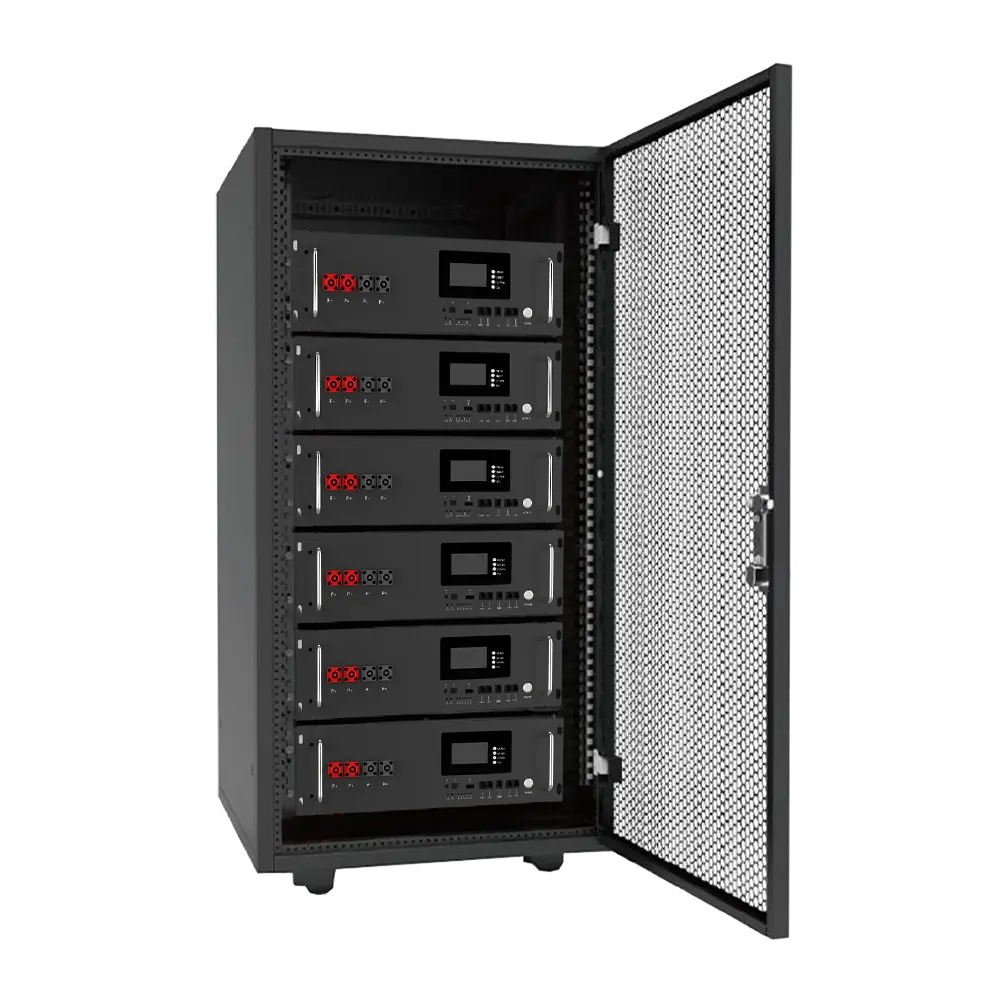

Upfront Cost Recap for 13–15 kWh Home Batteries
If you’re planning home battery storage without solar, the first question is simple: what will a 13–15 kWh system really cost you to buy and install in 2026?
Typical 2026 Price Range (No Solar Attached)
For a standalone, grid‑charged 13–15 kWh home battery system (including installation and basic hardware), these are realistic ballpark ranges:
- US / EU / UK installed price:
- Low end (Chinese LFP brands, BYD, Haisic HS‑Series): $7,000–$10,000
- Mid range (Enphase IQ Battery, some BYD / modular systems): $9,000–$12,000
- Premium (Tesla Powerwall 3, sonnenCore): $10,000–$15,000+
These numbers assume no solar panels, just battery storage for backup and peak shaving.
2026 Price Comparison: Major Brands vs Haisic HS‑Series
Approximate turnkey installed cost for ~13–15 kWh in 2026:
| Brand / Series | Usable Capacity | Typical Installed Cost (No Solar) | Notes on Cost |
|---|---|---|---|
| Tesla Powerwall 3 | ~13.5 kWh | $10,000–$13,000 | Inverter + backup built‑in, strong brand, premium pricing. |
| Enphase IQ Battery 5P (stacked) | ~15 kWh (3×5P) | $11,000–$14,000 | Microinverter ecosystem, great with solar, slightly higher balance‑of‑system cost. |
| sonnenCore / eco | ~10–15 kWh | $12,000–$15,000+ | Premium, very feature‑rich, top‑end pricing. |
| BYD (LFP tower / HVS) | ~13–15 kWh | $8,000–$11,000 | Modular LFP, needs compatible inverter, good value. |
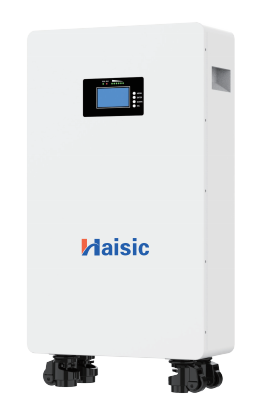
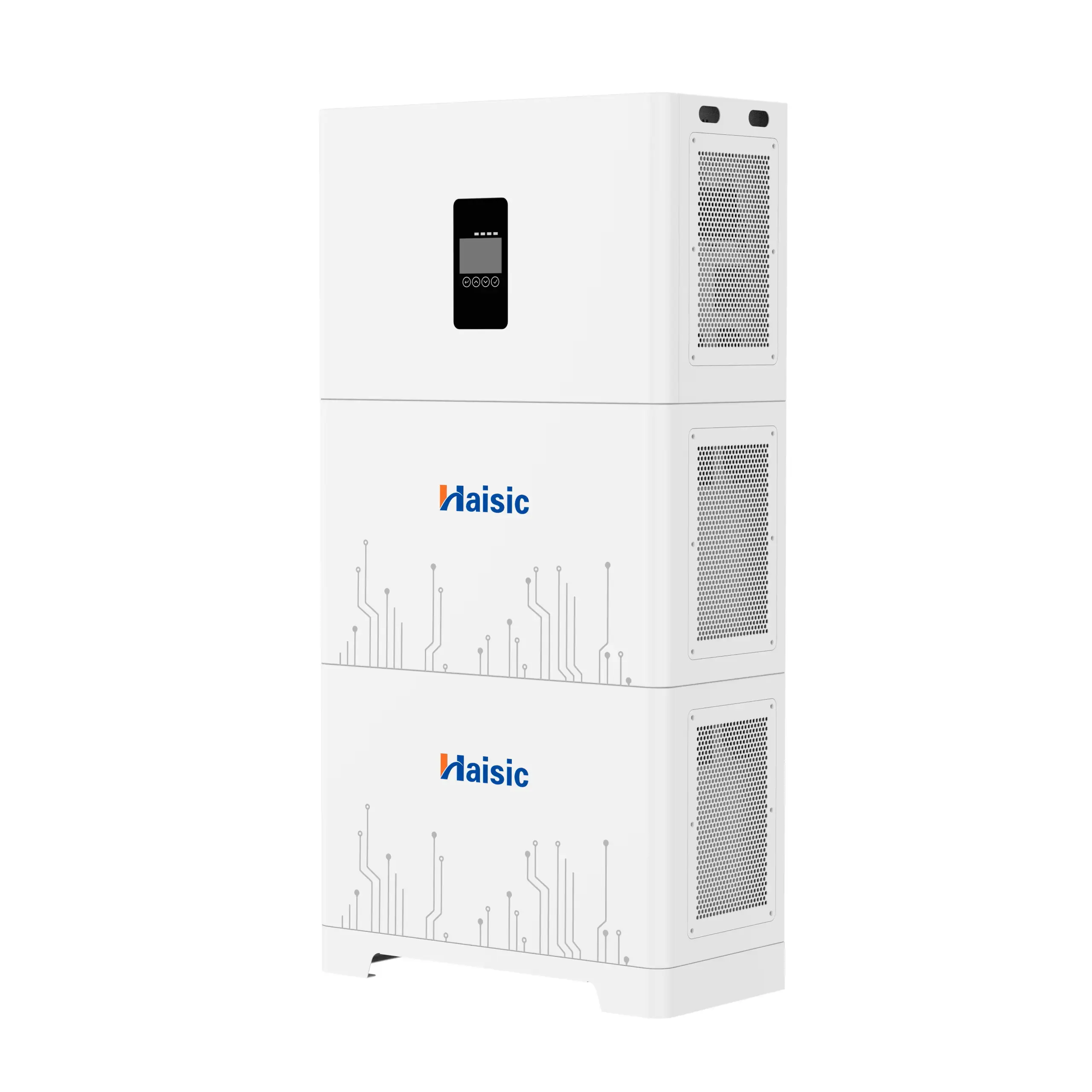
| Haisic HS‑Series | 10 / 15 / 20 kWh | $7,000–$9,500 (for ~15 kWh) | Automotive‑grade LFP, optimized for grid‑charged use, no recurring software fees. |
I position Haisic HS‑10 / HS‑15 / HS‑20 as the lowest total cost of ownership in this range: solid hardware, long cycle life, and no forced subscriptions that quietly raise your annual budget.
Inverter Choice Without Solar Panels
When you run home battery storage without solar, the inverter decision shifts:
- You don’t need a solar string inverter or microinverters.
- You either:
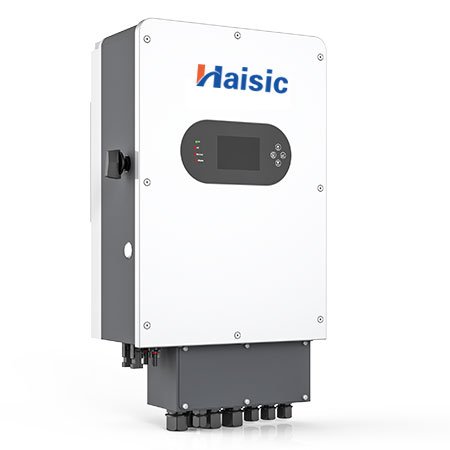
- Use a battery with a built‑in hybrid inverter (like Powerwall 3 or some HS‑Series bundles), or
- Pair a battery‑only pack (BYD, certain HS models) with a hybrid/ESS inverter sized to your backup and peak‑shaving needs.
Key points:
- No PV input needed: You can pick an inverter optimized for grid charging + backup, not solar harvest.
- Lower complexity: One properly sized hybrid inverter often replaces multiple solar components.
- Backup rating matters more: Look at continuous and surge power (kW), not panel wattage.
With Haisic systems, I design bundles around LFP batteries + compatible hybrid inverters so you can start grid‑only today and still be “solar‑ready” later without ripping anything out.
Extra Hardware You May Still Need
Even for a battery‑only, no‑solar setup, expect some additional items in the quote:
Smart meter / CT clamps:
- Needed for load monitoring and smart charge/discharge control.
- Typical cost installed: $200–$500.
Backup gateway / automatic transfer switch (ATS):
- Lets the system island your home during outages.
- Essential if you want true whole‑home or partial‑home backup.
- Typical cost installed: $800–$2,000 depending on brand and panel layout.
Electrical panel and wiring upgrades:
- Sub‑panel or main panel upgrade if space or amperage is limited.
- Conduit, breakers, and labelling as per code.
- Typical extra: $500–$2,500, but older homes can run higher.
When you add it all up, a realistic home battery storage without solar budget for 13–15 kWh in 2026 is usually:
- Lean but solid install: $7,500–$9,500 (Haisic HS‑Series, BYD, some Chinese LFP)
- Mid / premium installs: $10,000–$15,000+ (Tesla, Enphase, sonnen)
From there, your annual maintenance cost and operating budget become the next big numbers to watch.
Annual Running Costs of Home Battery Storage Without Solar
When you run home battery storage without solar, your annual budget is mostly about energy costs, small maintenance, and long‑term wear. Here’s what actually shows up in your yearly numbers.
1. Electricity Cost to Charge From the Grid (TOU vs Flat)
You pay your retail tariff for every kWh you put into the battery:
Flat rate example
- 15 kWh battery, 90% round‑trip efficiency
- You need ~16.7 kWh from the grid to get 15 kWh out
- At $0.25/kWh: 16.7 × 0.25 ≈ $4.20 per full cycle
TOU (Time‑of‑Use) arbitrage example
- Off‑peak: $0.12/kWh, peak: $0.40/kWh
- Cost to charge: 16.7 × 0.12 ≈ **$2
Why LFP Batteries Are Better for Home Battery Storage Without Solar

When you run home battery storage without solar, you’re charging from the grid every day. That means more cycles, more heat, and more stress on the cells. This is exactly where lithium iron phosphate (LFP) chemistry wins.
How LFP Chemistry Works in Home Storage
LFP (LiFePO₄) uses an iron‑phosphate cathode that’s:
- Chemically stable – less reactive than NMC, so it handles abuse and high cycle counts much better.
- Voltage-stable – flatter discharge curve, so you get more usable capacity across the cycle.
- Low fade – slower loss of capacity over time, ideal for daily grid charging.
For a home battery without solar, you want a chemistry that tolerates thousands of shallow and deep cycles with minimal loss. LFP is built for that.
LFP vs NMC Cycle Life in Grid-Charged Use
Daily grid charging exposes weaknesses in NMC (nickel manganese cobalt) packs:
- Typical NMC home batteries: ~3,000–4,000 cycles to 70–80% capacity.
- Good LFP home batteries: ~6,000–10,000+ cycles to 70–80% capacity at 80% DoD or more.
If you’re cycling once per day:
- NMC: 8–10 years before noticeable drop in backup time.
- LFP: 12–15+ years under similar use, if temps and depth of discharge are managed well.
So your battery degradation cost per year is simply lower with LFP. You delay replacement and keep more usable kWh over the battery’s life.
Safety and Thermal Stability Indoors or in the Garage
For non-solar homes, the battery often sits:
- In a garage, next to a car and fuel.
- In a utility room or basement, closer to people and valuables.
LFP has clear safety advantages:
- Much lower thermal runaway risk versus NMC.
- More tolerant of overcharge / abuse (still needs a proper BMS, of course).
- Less likely to feed a fire if something else goes wrong around it.
That’s why I strongly prefer LFP for indoor or attached-garage installs – the safety margin is simply better.
Cooling Needs and Long-Term Running Cost
Cooling is one of the “hidden” home battery running costs in 2026:
- NMC packs often need more active cooling to stay healthy, especially in hot climates.
- Extra cooling = more energy use, fan noise, and greater wear on electronics.
- Overheating = faster degradation, so shorter realistic lifetime.
Quality LFP systems:
- Run cooler at the same power output.
- Often use passive or low-power cooling, lowering annual operating cost and maintenance needs.
In other words, LFP reduces both your energy overhead and long-term battery storage maintenance cost.
Why LFP Makes More Sense When You Charge Only From the Grid
When you don’t have solar, your home battery:
- Charges at night on cheap rates (TOU or off-peak).
- Discharges during expensive peak hours.
- Potentially cycles every single day.
That means:
- More cycles per year than many solar+storage setups.
- Higher stress on cells from repeated full or near-full cycles.
LFP is the clear choice here because:
- It handles high cycle counts without losing capacity quickly.
- You can run deeper depth-of-discharge while still protecting life.
- You keep your cost per usable kWh low over 10–15 years.
If your system is battery-only, no solar panels, LFP is the chemistry that keeps your annual budget predictable.
Haisic Automotive-Grade LFP Cells and Lifespan
In our Haisic HS-Series, we use automotive-grade LFP cells – the same class of cell tech EV makers rely on for high-cycle, high-safety use. This matters for non-solar home battery storage because you get:
- High cycle life: Designed for thousands of full cycles with minimal fade.
- Consistent capacity: Tighter cell matching and BMS control, so you see less drift between modules.
- Better thermal behavior: Cells are optimized for real-world temperature swings, not lab-perfect conditions.
On a practical level, that means:
- A 10–15 kWh Haisic system can realistically deliver daily cycling for well over a decade if you keep it in a moderate temperature and avoid 0–100% slamming.
- Your annual cost of home battery storage is lower because you’re not planning for early replacement.
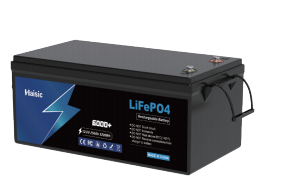
If you want to see the kind of LFP tech we build around, have a look at our 51.2V 100Ah LiFePO₄ home storage battery or our 10 kWh 5000W LiFePO₄ system – both are designed to minimize long-term running cost for grid-charged setups.
For a non-solar home battery in 2026–2026, LFP isn’t a “nice to have” – it’s the smartest way to keep your home battery storage without solar maintenance cost and annual budget under control.
10‑Year Ownership Cost With and Without Solar
When you look at home battery storage without solar, the only way to stay sane is to think in 10‑year total cost, not just the sticker price.
Scenario 1: Grid‑Charged Only (Backup + Peak Shaving)
For a 13–15 kWh battery running grid-charged backup and peak-shaving only:
Installed cost (2026 ballpark, turnkey, incl. basic hardware)
- Tesla Powerwall 3: $11,000–$13,000
- Enphase IQ Battery 10T/5P pair (~15 kWh): $12,000–$15,000
- sonnenCore+ (~15 kWh): $14,000–$17,000
- BYD + hybrid inverter: $10,000–$13,000
- Haisic HS‑15 LFP system: $8,000–$11,000 (depending on inverter and backup gear)
10‑year operating + maintenance cost (no solar)
- Charging losses, minor service, possible inverter reserve:
$150–$350 per year
- Charging losses, minor service, possible inverter reserve:
Hidden Costs Most People Forget
When you plan a home battery storage system without solar, the maintenance cost and annual budget are not just about hardware. These hidden items can quietly push your yearly spend way higher if you ignore them.
1. Internet and Cloud Dependence
Most modern home battery storage systems rely on constant internet access for:
- Remote monitoring and control
- Firmware updates and safety patches
- Cloud-based automations (TOU smart charging, backup modes, etc.)
If your system loses connectivity, some features may be limited or disabled. That means:
- You’re locked into keeping a reliable router and broadband plan
- If the vendor’s cloud has issues or shuts down, you lose features you already paid for
Look for systems that support local monitoring and control so you’re not fully dependent on the cloud.
2. Paid Apps, Premium Analytics, and Remote Support
More brands are shifting to subscription-based software:
- Paid mobile app tiers for advanced control and historical data
- Premium analytics for TOU optimization and bill savings
- Remote diagnostics and support plans
Even a “small” $10–$20/month fee is $120–$240 per year added to your home battery running costs. Choose systems that include:
- Full app access in the purchase price
- Free lifetime firmware updates
- No locked features behind paywalls
3. Home Insurance Impact
A large 10–15 kWh home battery can change your insurance profile:
- Some insurers add a small premium for high-capacity lithium storage
- Others require documentation: permits, inspection certificates, installer licenses
- Non-listed or DIY setups might be excluded from coverage entirely
Always:
- Notify your insurer before installation
- Confirm in writing that the system is covered for fire, damage, and liability
4. Electrical Panel, Permits, and Inspections
Beyond the battery itself, you may face:
- Electrical panel upgrades (especially older homes)
- Subpanels, breakers, and wiring upgrades
- Local permits and inspection fees
- Possible re-inspection costs if you need corrections
Depending on region, this can easily add $500–$2,000+ to the upfront cost and must be treated as part of your total cost of ownership, not an afterthought.
5. Out-of-Warranty Repair and Replacement Shock
Once the warranty ends, everything is on you:
- Inverter replacement can run $1,000–$3,000
- Battery module replacement can cost 40–70% of a new system
- Labor for troubleshooting and repair is rarely cheap
This is where “cheap” systems become expensive fast. Check:
- Warranty length and what’s actually covered (labor, parts, shipping)
- Clear pricing for out-of-warranty service so you’re not blindsided later
6. Recycling, Removal, and End-of-Life Costs
At the end of its life, your home lithium battery storage system has to go somewhere:
- Professional removal and transport
- Certified recycling or disposal fees
- Possible charges for hazardous material handling
In many markets, this can run a few hundred dollars if not included by the manufacturer. When you compare systems like Tesla, Enphase, or LFP-based units, ask:
- Who pays for end-of-life removal?
- Is recycling included or extra?
For example, LFP systems like the Haisic HS-Series are designed with longer life and easier servicing, which helps reduce long-term handling and replacement costs. You can see how we bundle hardware and long-term support on our current Haisic home battery products page, which is built to keep these “forgotten” costs as low and predictable as possible.
How to Keep Your Annual Battery Cost Under $300
Keeping the home battery storage without solar maintenance cost and annual budget under control comes down to buying the right hardware and using it smartly day to day. Here’s how I’d set things up if I wanted my total yearly costs (maintenance + degradation + extras) under roughly $300.
1. Choose Passive‑Cooled LFP Batteries
Go for lithium iron phosphate (LFP) with passive cooling (no complex liquid cooling or fans if you can avoid it):
- Fewer moving parts = fewer failures and lower maintenance.
- LFP handles daily grid charging better and degrades slower.
- Less active cooling means lower standby power use and fewer service calls.
A wall‑mounted LFP system like a 10–15 kWh passive‑cooled battery (for example, a compact unit similar to this type of 10 kWh wall‑mounted home energy storage)
Haisic Home Battery Series for Low Long-Term Cost
Overview of Haisic HS-10, HS-15, and HS-20 (non-solar homes)
For grid‑only homes, I designed the Haisic HS series to be simple, tough, and cheap to run:
- HS‑10 – ~10 kWh usable, ideal for small homes or apartments needing backup + light peak shaving.
- HS‑15 – ~15 kWh usable, sized for most 3–4 bedroom homes.
- HS‑20 – ~20 kWh usable, for big loads, EV owners, or longer outages.
All three use automotive‑grade LFP cells, wall or floor mounted like our 51.2V 5.12kWh floor-mounted home storage unit, and are built to work either as battery-only (no solar) or later tied into a PV system.
Key specs that matter for grid-charged use
For a non‑solar, grid‑charged setup, these are the numbers that really count:
- Usable capacity: 10 / 15 / 20 kWh (HS‑10 / HS‑15 / HS‑20).
- Continuous power: Typically 5 kW+ per unit (enough for most homes’ main circuits).
- Cycle life: 6,000+ cycles @ 80% DoD for normal daily grid cycling.
- Round‑trip efficiency: Around 90–93%, keeping charge costs low.
If you want more capacity later, the HS series is stackable, similar to our modular 51.2V 9.5 kWh powerwall.
Real 10‑year warranty (what’s actually covered)
For global buyers, I keep the warranty terms simple and transparent:
- 10‑year limited warranty (or energy‑throughput limit, whichever comes first).
- Guaranteed ≥80% usable capacity at year 10 under normal residential use.
- Coverage includes cells, BMS, enclosure, and internal electronics under normal operation.
- Clear exclusions: misuse, poor installation, non‑approved inverters, physical damage, flooding, etc.
You don’t pay extra for “premium” warranty tiers – the strong LFP chemistry and cycle life are built in.
No software subscription, open API, local monitoring
I want you to own your battery, not rent the software around it:
- No mandatory cloud subscription to use core features.
- Local web/app monitoring on your LAN, no forced internet connection.
- Open API / Modbus support for integration with third‑party smart home systems.
- Remote updates and support are available, but you’re not locked into a closed ecosystem with recurring app fees.
This alone saves many owners $50–$200 per year compared with some branded systems that rely on paid services.
Expected yearly running cost vs major brands
Assuming daily charging from the grid (TOU rates, mild climate, no solar yet):
Haisic HS series:
- No software/app fee
- Minimal maintenance (visual check + dust once a year)
- Lower degradation cost due to LFP and conservative BMS
- Typical extra “ownership” cost: ~$50–$120/year (excluding your actual electricity tariff).
Typical major brands (Powerwall, premium European systems):
- Possible gateway/cloud fees, or paid extended support
- Slightly higher degradation cost (especially NMC packs in hot garages)
- Typical extra “ownership” cost: ~$100–$250/year, depending on subscription and service plans.
Bottom line: for the same kWh and cycles, a Haisic system is usually one of the cheapest home batteries to run over 10 years.
Pricing and bundle options for early 2026 buyers
For early 2026, my goal is aggressive, global‑market pricing while keeping quality high:
- HS‑10: Target street price range (hardware only) roughly $3,000–$4,500
- HS‑15: Roughly $4,000–$6,000
- HS‑20: Roughly $5,000–$7,500
Typical installer bundles for grid‑only setups:
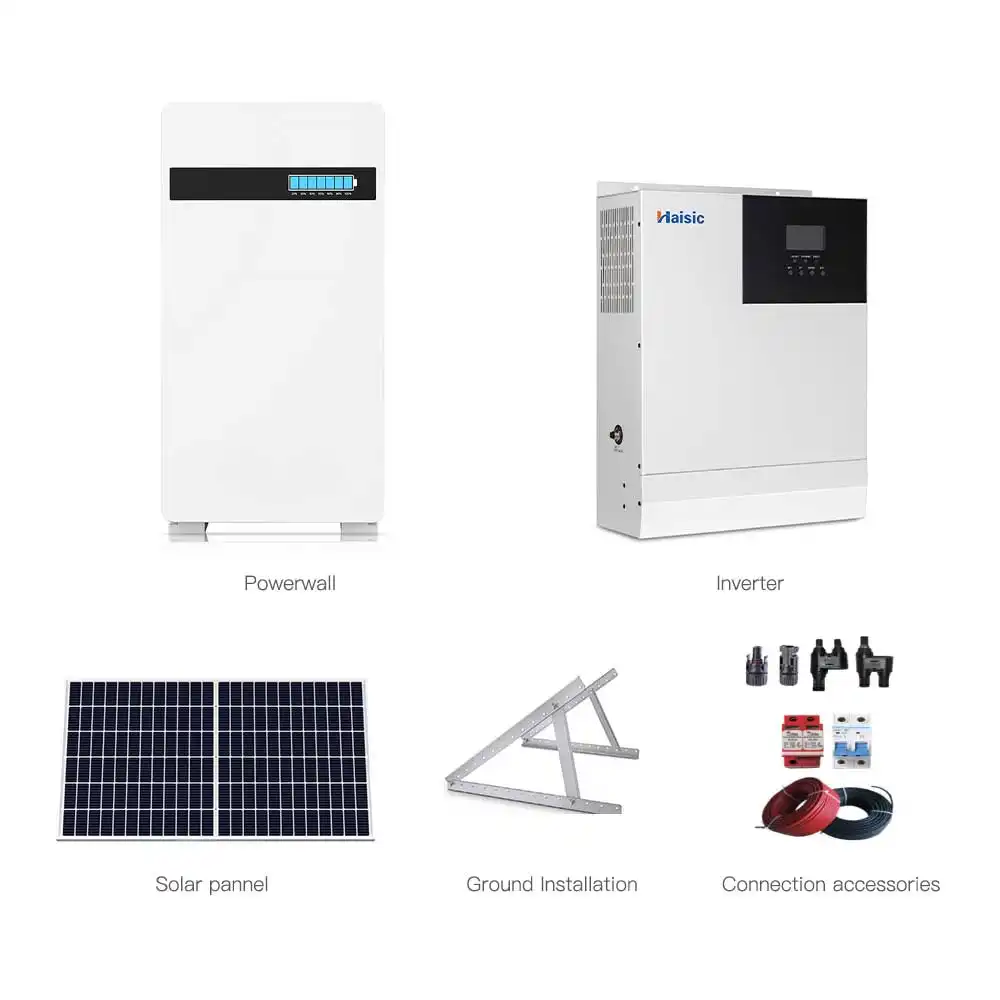
- Battery + hybrid/AC‑coupled inverter + basic backup wiring
- Optional EV charger integration and smart meter/CT kit for TOU optimization.
Local install labor, code requirements, and permitting will affect your final price, but the HS series is built to keep both upfront cost and annual running cost as low as possible for non‑solar homes.
Is a Home Battery Worth It Without Solar?
When a non-solar home battery makes sense in 2026–2026
A home battery storage system without solar can make financial sense if one or more of these apply:
- You have strong time-of-use (TOU) tariffs with a big night/day price gap.
- You face frequent outages and lose money on food spoilage, downtime, or business interruption.
- You run high evening loads (EV charging, electric heating, pool pumps, AC) you can shift to cheaper night energy.
- Your roof isn’t good for solar yet, but you want to prepare for panels later with a battery-ready setup.
If your grid is cheap, stable, and you’re on a flat rate, a non-solar battery is usually more about comfort than pure ROI.
Payback math for TOU arbitrage (US, UK, AU examples)
Very simple rule of thumb for grid charging a 13–15 kWh LFP battery daily:
US (TOU, e.g., $0.12 off-peak / $0.35 peak)
- Round-trip cost per kWh (after efficiency): ≈ $0.14–0.15
- If you avoid $0.30–0.40 peak prices, you can save $0.15–0.20 per kWh shifted
- With ~10 kWh/day shifted, savings are $550–$750/year
UK (Economy 7 / Agile-style tariffs, ~£0.12 vs £0.30+)
- Real saving: £0.12–£0.16 per kWh shifted
- 10 kWh/day = £430–£580/year
Australia (high solar grid penetration, TOU or demand tariffs)
- Difference between off-peak and peak often AUD $0.18–$0.25
- 10 kWh/day = AUD $650–$900/year
On a typical 10-year horizon, that’s $5,000–$7,000 equivalent in bill savings if tariffs stay similar and you cycle daily.
Backup value & peace of mind
Pure numbers don’t capture the value of backup. For many homes, that’s the real driver:
- Avoiding outages that wreck your work-from-home, home office, or small business.
- Keeping heating/cooling, fridge, medical devices, and internet running during storms.
- In some regions, even one major outage per year can justify a battery as an “insurance-like” expense.
If you’d happily spend $200–$300/year for reliable backup and flexibility, that’s the mindset to use: it’s part energy savings, part resilience budget.
Who should buy now vs wait
Buy now if:
- You already have high TOU spread or demand charges.
- You get frequent outages or unreliable grid power.
- You plan to add solar in 1–3 years and want the storage ready.
- You want to lock in a 10-year LFP battery warranty while tech and pricing are favorable.
Wait if:
- You’re on a flat, cheap tariff with very few outages.
- Your utility is likely to add better TOU or battery-friendly tariffs soon.
- Your budget is tight and you’d rather install solar first, then add storage.
How to estimate your own annual battery budget
Before you commit, run this quick check:
- Check your tariff:
- Note your off-peak vs peak price difference (per kWh).
- Estimate daily shiftable load:
- Realistically, how many kWh can you move to off-peak via battery? (Often 6–12 kWh/day).
- Calculate yearly savings:
- Daily kWh shifted × price difference × 365.
- Subtract running cost:
- Assume 10–15% energy loss in the battery + any fixed fees.
- Compare vs yearly battery cost:
- Take total installed cost ÷ 10 years for a rough annualized cost.
- If savings + backup value > annualized cost, the battery makes sense.
For example, if your 15 kWh LFP system costs $8,000 installed and you treat it as a 10-year asset, that’s roughly $800/year. If you save $600/year on tariffs and value backup at $200–$300/year, the numbers are aligned.
Home Battery Storage Without Solar FAQ
Can you safely run a home battery system with no solar panels at all?
Yes, you can safely run home battery storage without solar as long as it’s installed to code. The key points are:
- Use a certified battery system (UL/CE