
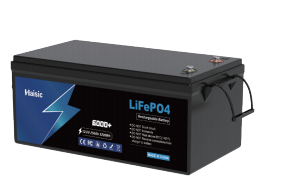

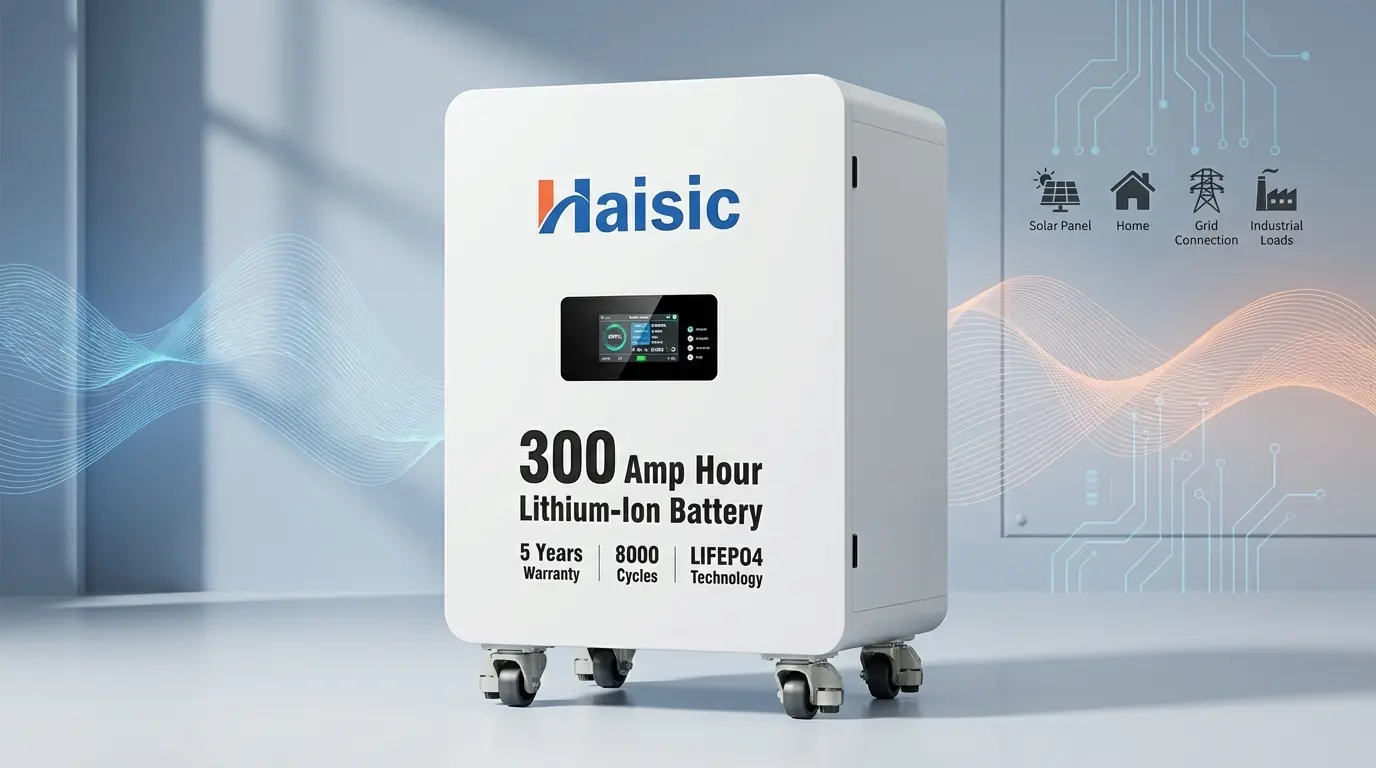
Are you tired of lugging around massive, toxic lead-acid batteries that die out after just a few seasons? You are not alone. In my years of engineering energy solutions, the biggest concern I hear from RV owners, sailors, and off-grid enthusiasts is finding a reliable power source that doesn\’t weigh down their rig. Upgrading to a 300 amp hour lithium ion battery is the ultimate game-changer, but understanding exactly why requires looking inside the casing.
The LiFePO4 Difference: Why Chemistry Matters
Not all lithium batteries are created equal. For heavy-duty energy storage, we rely strictly on LiFePO4 (Lithium Iron Phosphate) chemistry.
Here is why a 300ah lifepo4 deep cycle battery is the industry gold standard:
- Ultimate Thermal Stability: Unlike older lithium-ion tech used in cell phones, LiFePO4 runs cool. It is structurally stable and will not combust or catch fire, even if punctured.
- Eco-Friendly Design: It contains zero toxic heavy metals like cobalt or lead, making it safe for you and the environment.
- Consistent Output: It delivers a steady, flat voltage curve, meaning your lights won\’t dim and your appliances won\’t struggle as the battery drains.
Battery Management System (BMS) Protection
You wouldn\’t drive a high-performance car without a computer monitoring the engine, and you shouldn\’t run a high-capacity power bank without a brain. Every premium unit includes built-in battery management system (BMS) protection.
This intelligent internal circuit board actively monitors the battery cells 24/7 to prevent failures:
- Over-voltage & Under-voltage Guard: Automatically stops charging when completely full, and cuts the power before the battery drains to damaging levels.
- Short Circuit Defense: Instantly cuts power if wires cross, preventing electrical fires.
- Thermal Runaway Prevention: Actively measures internal heat and shuts down the system if temperatures spike beyond safe limits.
300Ah Lithium Battery Dimensions and Weight
Space and payload are everything when you are outfitting a boat or camper van. Let\’s look at the physical footprint. A standard 300 amp hour lithium ion battery is a heavyweight in raw power, but a featherweight in mass. It is typically one-third the weight of its lead-acid equivalent.
| Feature | Traditional Lead-Acid (300Ah Total) | LiFePO4 Lithium (300Ah) |
|---|---|---|
| Weight | ~180+ lbs | ~60 lbs |
| Safety | Can vent toxic gas, prone to acid leaks | Completely sealed, zero emissions |
| Space | Often requires wiring multiple bulky 100Ah units | Compact, singular unit |
Swapping out old batteries for a high-capacity lithium setup instantly frees up hundreds of pounds of payload capacity. This directly improves your vehicle\’s fuel efficiency, reduces wear and tear on suspension systems, and gives you back valuable storage space.
Lead-Acid vs. 300Ah Lithium: The True Cost of Ownership
When upgrading your power setup, the upfront price tag of a 300 amp hour lithium ion battery might seem steep at first glance. However, evaluating the true cost of ownership over a decade proves that lithium is actually the budget-friendly choice.
Usable Capacity: Why 50% Isn\’t Enough
The most critical factor in battery performance is the depth of discharge (DoD) lithium vs agm or flooded lead-acid. Traditional lead-acid batteries can only be safely drained to 50% capacity. If you drain them further, you destroy the battery.
On the other hand, our lithium technology safely allows for 95% to 100% DoD. This means a single 300Ah lithium battery does the exact same amount of work as two massive 300Ah lead-acid batteries. Doing a lead-acid to lithium battery conversion instantly frees up massive amounts of space and weight while delivering true, usable power.
Cycle Life: Built to Outlast
Old-school batteries typically die after just 300 to 500 charge cycles. We build our batteries differently. Thanks to an extended lithium iron phosphate cycle life, our premium cells easily deliver 6,000+ charge cycles before seeing any significant capacity drops.
The Bottom Line on ROI
When you break down the cost-per-cycle over a 10 to 15-year lifespan, a 300 amp hour lithium ion battery costs a fraction of what you would spend constantly replacing dead lead-acid banks. If you are calculating the overall cost of a 10kw solar system with battery storage for your property, investing in high-capacity lithium upfront guarantees your system remains profitable and reliable for years to come.
Quick Comparison Breakdown
| Feature | Standard Lead-Acid | 300Ah Lithium Ion Battery |
|---|---|---|
| Safe Usable Power (DoD) | 50% | 95% – 100% |
| Cycle Life | 300 – 500 cycles | 6,000+ cycles |
| Space Required | 2 units (for 300Ah usable) | 1 compact unit |
| Average Lifespan | 2 – 3 Years | 10 – 15 Years |
Top Applications for a 300 Amp Hour Lithium Ion Battery
When you invest in a 300 amp hour lithium ion battery, you are securing a massive reservoir of reliable, lightweight power. We design these powerhouses to excel in demanding environments where power failure is simply not an option. Here is a closer look at where this high-capacity battery truly shines:
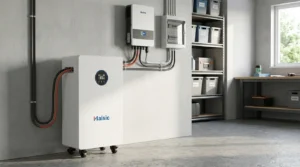
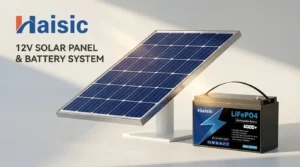
- Off-Grid Solar & Residential Energy Storage: A reliable battery bank is the heart of your home\’s power independence. By integrating seamlessly with a 12v lithium solar battery array, a 300Ah battery acts as the robust backbone of an off-grid solar energy storage system. It efficiently captures solar power during peak daylight hours and stores it safely, guaranteeing you have steady electricity for nighttime use or sudden emergency grid outages.
- RVs, Camper Vans, & Overlanding: True boondocking means leaving noisy, fume-heavy generators behind. Upgrading to a high-capacity rv lithium battery gives you the muscle to run heavy continuous loads—like rooftop AC units, microwaves, and induction cooktops—in complete silence. It provides the ultimate freedom to stay off the beaten path longer without sacrificing the modern comforts of home.
- Marine & Boating: Out on the water, consistent power is critical for safety and comfort. Functioning as a premium 300ah marine house battery, it delivers the necessary stamina to run heavy-duty trolling motors, essential navigation equipment, and all onboard house electronics. You get steady voltage delivery from dock to deep water without the dead weight of traditional lead-acid banks dragging down your vessel.
- Commercial & Industrial Backup: For telecom towers, server rooms, and critical business infrastructure, unexpected power drops are unacceptable. A 300 amp hour lithium ion battery provides the stable, uninterruptible power required to keep operations online around the clock. By partnering with a dedicated commercial energy storage manufacturer, you ensure these heavy-duty power systems are purpose-built to safeguard your business against unpredictable grid failures.
How Long Will a 300 Amp Hour Lithium Ion Battery Run Appliances?
We regularly help customers figure out exactly what their power setup can handle. To estimate your runtimes without relying on a complex 300 amp hour battery runtime calculator, you just need one simple formula:
Watts = Volts × Amps
When you use a standard 12.8V 300 amp hour lithium ion battery, you are working with approximately 3,840 Watt-hours (Wh) of stored energy (12.8 Volts × 300 Amps). Because this is a premium 300ah lifepo4 deep cycle battery, you can comfortably use nearly 100% of that capacity safely, unlike older lead-acid models that die halfway through.
Here is exactly what 3,840Wh looks like in the real world when running common appliances:
- 50W 12V Fridge: ~76 hours of continuous cooling.
- 1000W Coffee Maker: ~3.8 hours of total brewing time.
- 20W LED Lighting Setup: ~192 hours of reliable illumination.
- 80W Laptop Charger: ~48 hours of steady power for remote work.
Having this massive energy reserve is exactly why so many people rely on these units for their off-grid solar energy storage system. You get consistent, silent power that easily handles heavy loads, which is a massive advantage when weighing a solar generator vs gas generator for boondocking or emergency home backup.
Sizing and Scalability: 12V, 24V, or 48V?
When we map out a power system, a 300 amp hour lithium ion battery gives us incredible flexibility. You aren\’t locked into a single setup; these cells can be configured to perfectly match the scale of your energy demands. The decision to stay at 12V or step up to 24V or 48V comes down to exactly how much power you need to push through your system.
Here is how we typically configure these high-capacity cells based on the specific application:
- 12V Systems: Sticking to 12V is our go-to recommendation for an easy lead-acid to lithium battery conversion in RVs, camper vans, and marine environments. A 12v 300ah lithium battery equivalent serves as a simple drop-in replacement that plays perfectly with standard 12V alternators, fuses, and existing appliances without needing a total system overhaul.
- 24V Systems: This is the sweet spot for medium-sized setups. If your power inverter is consistently drawing more than 3,000 watts, wiring your 300Ah cells for 24V helps reduce the physical strain and heat on your electrical components.
- 48V Systems: For heavy-duty power demands, 48V is the standard. If we are engineering a large solar battery bank for home use or a massive off-grid solar energy storage system, running at 48V is by far the most efficient and safe choice.
The Advantage of Higher Voltage
Why do we step up to 24V or 48V for larger arrays? It comes down to reducing resistance and managing heat. By increasing the voltage, we drastically lower the electrical current (amps) required to deliver the exact same amount of wattage. Lower current means we can safely use thinner, much more cost-effective wiring. Most importantly, it prevents excess heat buildup within the cables and the system, keeping your 300 amp hour lithium ion battery running efficiently and safely at all times.
Why Partner with a Top-Tier Manufacturer?
When sourcing a 300 amp hour lithium ion battery, the manufacturer behind the product matters just as much as the internal chemistry. As a trusted OEM lithium battery pack supplier, we ensure every unit is built to perform, last, and keep your business running smoothly.
Scalable OEM/ODM Solutions
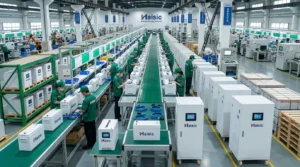
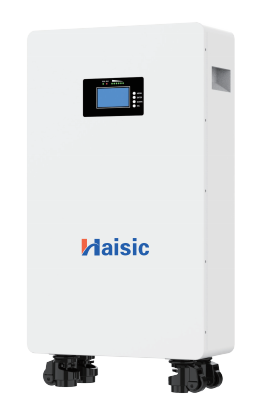
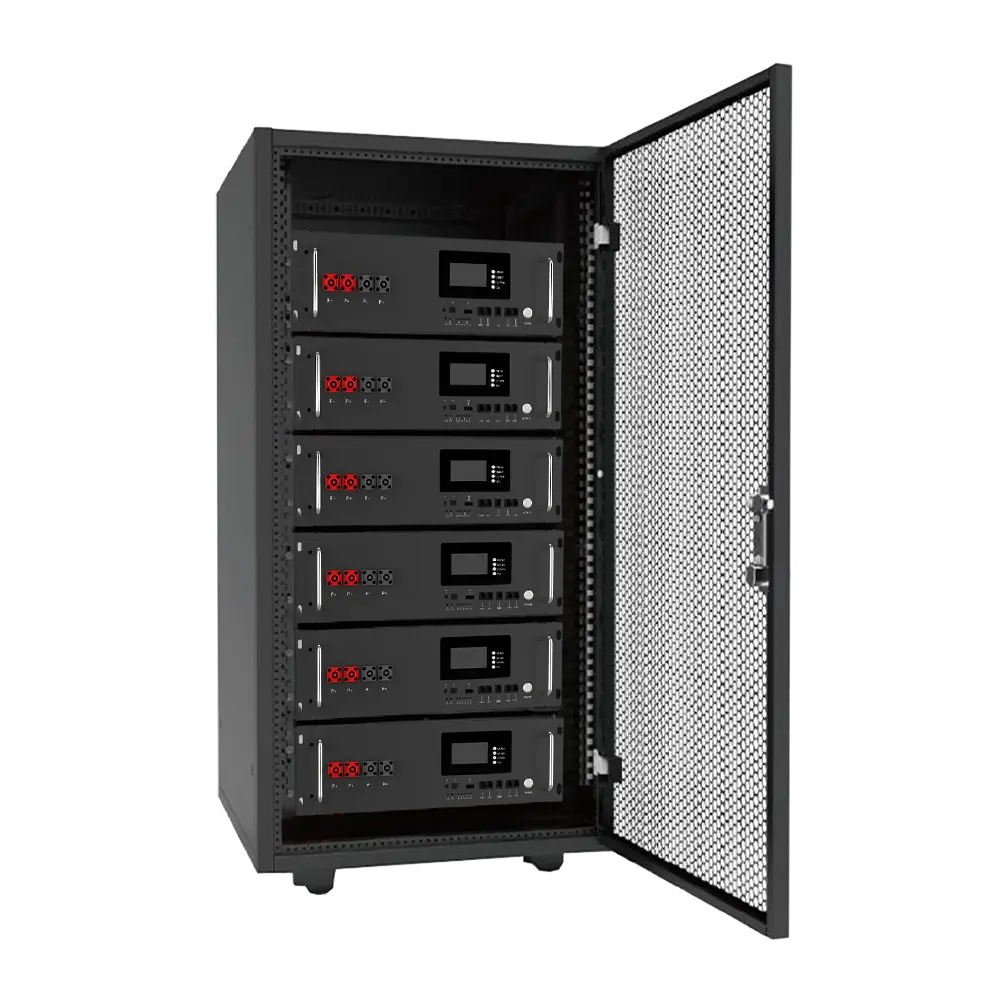
We build and scale hardware to match your exact project requirements. Our production lines easily handle everything from standard 12.8V drop-in replacement packs for vehicles to high-voltage, stackable setups designed for a comprehensive battery energy storage solution.
Global Certified Quality
Safety and compliance are completely non-negotiable for global distribution. We ensure your batteries are legally compliant and rigorously tested for long-term use and cross-border transport.
- ISO9001: Strict quality control and factory management.
- CE Marked: Meets standard health, safety, and environmental protection requirements.
- UN38.3 Certified Lithium Batteries: Fully tested and approved for safe international shipping.
- MSDS: Complete material safety data documentation provided with every order.
15+ Years of R&D and Smart Tech
As a dedicated commercial energy storage manufacturer, we back our hardware with proven technology. We integrate intelligent algorithms into our battery management systems, a direct result of more than 15 years of focused R&D experience. Furthermore, our massive 11,000m² manufacturing base guarantees rock-solid supply chain stability, ensuring global distributors receive their battery stock on time, every time.