

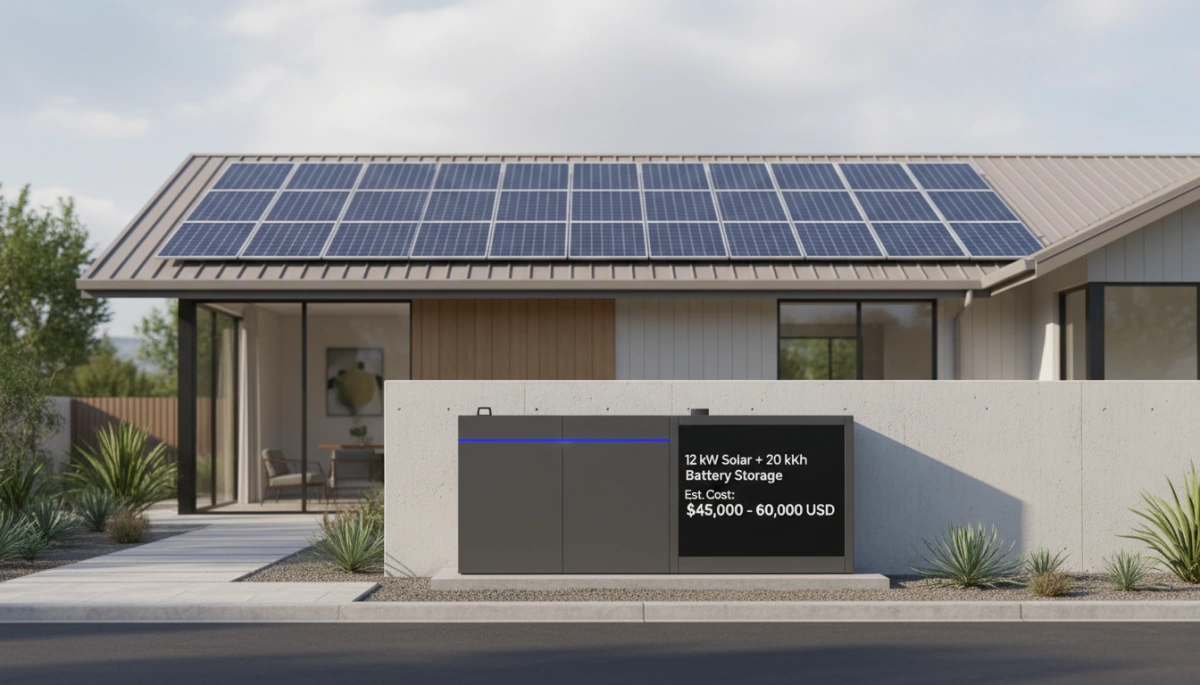
What Is a 12kW Solar System With Battery Storage?
A 12kW solar system with battery storage is a whole-home energy solution that combines about 12,000 watts of solar panels with a home battery bank. In simple terms, the panels generate electricity during the day, and the batteries store extra power so you can use it at night, during peak-rate hours, or when the grid goes down.
A 12kW solar system is considered a high-capacity residential setup, ideal for:
- Medium to large homes with above‑average usage
- Families running AC/heat pumps, multiple fridges, pool pumps, or EV charging
- Homeowners who want significant bill reduction and backup power
System Size: How Much Can 12kW Cover?
On average, a 12kW solar system for home can produce roughly:
- 14,000–21,000 kWh per year, depending on your climate and sun hours
- Lower end: cloudier regions
- Higher end: sunny regions (US Southwest, Australia, Southern Europe, etc.)
In many cases, that’s enough to cover:
- 80–120% of a typical family’s annual usage, assuming:
- Monthly usage of 900–1,500 kWh
- Reasonably efficient appliances and HVAC
With the right battery storage (usually 10–30 kWh), a 12kW solar and battery system can:
- Power most or all of your home’s critical loads during an outage
- Substantially cut grid usage during the most expensive peak hours
How a 12kW Grid-Tied, Hybrid, or Off-Grid System Works
A 12kW solar system with battery storage can be designed in three main ways:
-
Grid-Tied Solar (No Battery or Minimal Storage)
- Panels send power to your home first, then to the grid.
- You earn credits through net metering where available.
- If the grid fails, the system usually shuts off for safety unless a hybrid inverter and battery are added.
-
Hybrid Solar System With Backup (Most Common Today)
- Uses a hybrid inverter that manages solar, battery, and grid.
- Daytime: Solar powers your home, charges the batteries, and exports excess.
- Evening/peak rates: The battery discharges to reduce grid use.
- Outage: The system switches to backup mode in seconds, running key circuits from the battery and any available solar.
-
12kW Off-Grid Solar System
- Designed to work without a utility connection.
- Requires larger battery banks and sometimes a backup generator.
- Inverter and batteries must be sized to cover 24/7 usage even during cloudy stretches.
Main Components of a 12kW Solar and Battery System
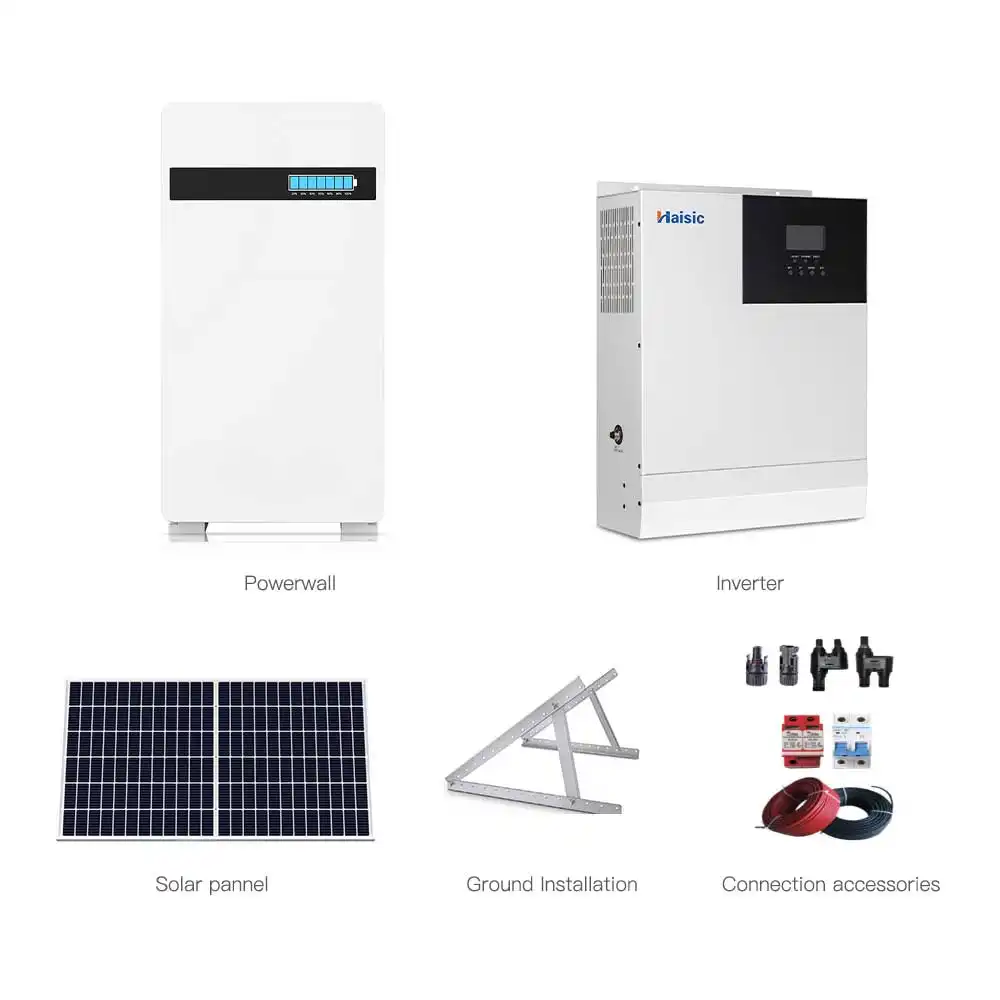
A typical 12kW solar panels and battery setup includes:
-
Solar Panels (12kW total)
- Usually 20–30 panels (400–600W each, depending on brand and efficiency).
- Roof-mounted or ground-mounted based on space and shading.
-
Hybrid Inverter (or Inverter + Charge Controller)
- Converts DC power from panels and batteries into AC power for your home.
- Smart control of solar, battery usage, and grid interaction.
-
Battery Bank (Home Energy Storage)
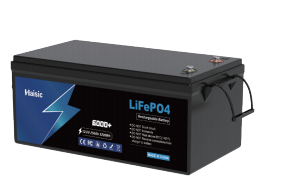
- Commonly LiFePO4 home battery bank with 10–30 kWh capacity.
- Stores extra solar power and provides whole-home or partial backup.
-
Racking and Mounting Hardware
- Roof or ground racking engineered for wind, snow, and local codes.
- Flashings and rails to protect your roof and keep panels secure.
-
Wiring and Electrical Materials
- DC and AC wiring, breakers, combiner boxes, conduit, disconnects.
- Proper sizing is crucial for safety and efficiency.
-
Balance of System (BOS)
- Monitoring hardware, rapid shutdown devices, labels, fuses, and protections that bring the entire system to code.
Key Benefits of a 12kW Solar System With Battery Storage
Installing a 12kW hybrid solar system with backup offers several practical advantages:
-
Lower Power Bills
- Offset a large share of your annual usage with solar.
- Use batteries to avoid expensive peak-time electricity rates.
-
Backup During Outages
- Keep essentials running: lights, fridge, Wi‑Fi, medical devices, key outlets, and sometimes AC/heat.
- A properly sized 12kW solar and battery system can feel like a whole home backup for many households.
-
More Control Over Grid Use
- Decide when to charge or discharge your battery based on rates and weather.
- Reduce dependence on the grid and protect yourself from rate hikes and instability.
-
Energy Independence and Predictability
- Produce and store your own power with LiFePO4 battery for solar, known for long life and safety.
- Turn unpredictable utility bills into a more stable, long-term energy plan.
-
Higher Resilience and Comfort
- Stay comfortable during storms, wildfires, or grid failures.
- Protect food, electronics, and home office setups with reliable battery backup for power outages.
When you look at the full picture—lower bills, backup power, and long-term stability—a 12kW solar system with battery storage becomes less about gadgets and more about protecting your home and lifestyle from an increasingly unstable grid.
Average 12kW solar system with battery storage cost in 2026
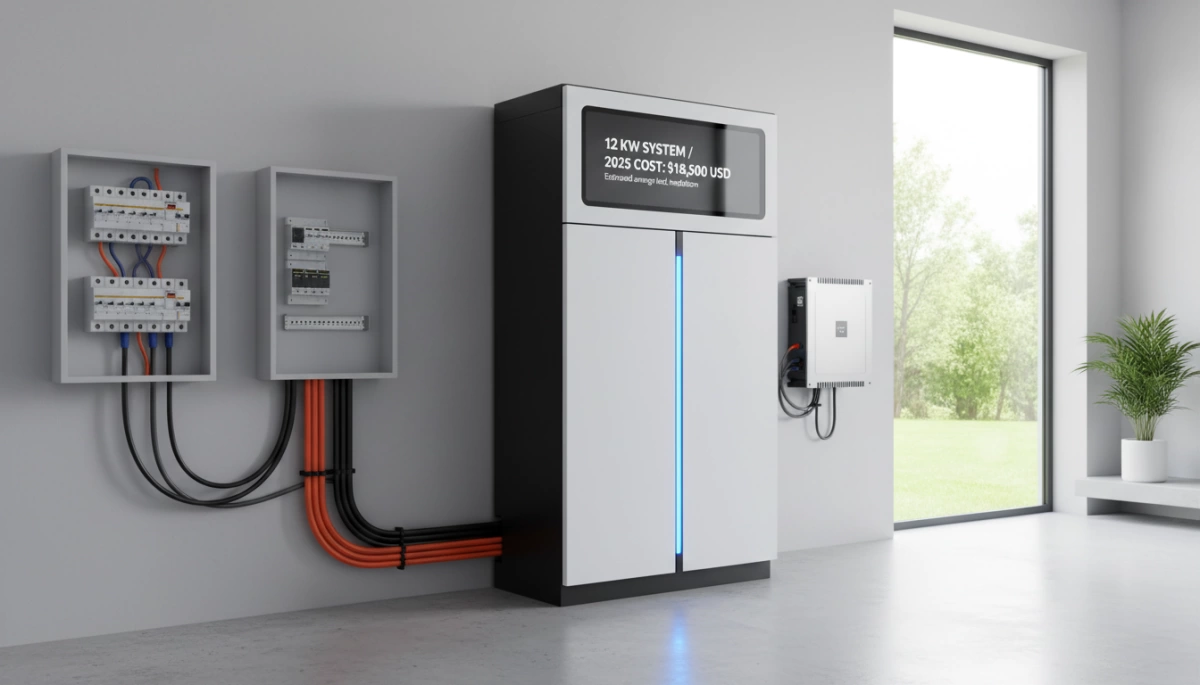
For 2026, here’s a realistic look at 12kW solar system with battery storage cost numbers in the US/global mainstream market (roof‑mounted, residential, grid-tied/hybrid).
Typical cost of a 12kW solar-only system (before incentives)
For a standard 12kW solar system for home without batteries:
- Price range: $24,000 – $36,000 total
- $/W installed: about $2.00 – $3.00 per watt
- This usually includes: panels, inverter, racking, wiring, permits, and standard installation.
Higher-efficiency brands and complex roofs push you to the top of that range.
Added cost when you include home battery storage
Adding home solar energy storage is the big price jump:
- Typical battery capacity paired with 12kW: 10–20 kWh (some go 30+ kWh for heavy backup use)
- Battery storage cost (equipment + install):
- 10 kWh LiFePO4 battery for solar: $7,000 – $11,000
- 20 kWh LiFePO4 home battery bank: $12,000 – $20,000
So a 12kW solar array plus a solid LiFePO4 home battery bank commonly adds 30–60% to the solar-only system price. For more detail on how those storage numbers stack up, I break down typical solar battery storage cost ranges here: cost of solar battery storage.
Total 12kW solar + battery price before the 30% federal tax credit
Combine everything and you get this typical 12kW solar system price with batteries in 2026:
- Low range (value panels + 10 kWh battery): $32,000 – $38,000
- Mid range (tier-1 panels + 15–20 kWh battery): $38,000 – $50,000
- High range (premium panels + 20–30 kWh battery + complex install): $50,000 – $65,000+
These numbers assume a hybrid solar system with backup, fully installed by licensed pros.
Estimated net cost after 30% federal ITC in 2026
The 30% federal solar tax credit (ITC) applies to both solar panels and battery storage when the battery is charged mostly from solar.
Approximate net cost after 30% ITC:
- Low range: $22,400 – $26,600
- Mid range: $26,600 – $35,000
- High range: $35,000 – $45,500+
You pay the full amount upfront (or via financing), then claim 30% of the total system cost as a tax credit, reducing what you owe the IRS for that year (or carrying forward).
How region, labor rates, and local market change the price
Your actual 12kW solar panels and battery price shifts a lot by location:
- High-cost labor markets (California, Northeast, parts of EU, Australia major cities):
Expect 10–25% higher install prices. - Lower-cost regions (many central US states, some LATAM/Asia areas):
Often 10–20% lower installed cost. - Local competition: More active solar companies = more aggressive pricing.
- Roof complexity & travel: Steep roofs, tile roofs, long conduit runs, or remote locations all add labor hours and can bump cost by $1,000 – $5,000+.
If you’re budgeting, assume your 12kW solar system with battery storage cost will land inside the ranges above, then adjust ±15–20% based on your region’s labor rates and regulatory overhead.
12kW solar and battery system cost breakdown
When people ask about a 12kW solar system with battery storage cost, what they really want is a clear breakdown. Here’s how the total usually stacks up in 2026.
Cost of 12kW solar panels (by wattage & quality)
For a 12kW solar system for home, you’re typically looking at 24–30 panels (400–500W each).
-
Budget panels (lower efficiency, Tier-2 brands)
- Hardware only: $0.35–$0.55/W
- For 12kW: $4,200–$6,600
-
Mid-range Tier-1 panels (most common choice)
- Hardware only: $0.55–$0.80/W
- For 12kW: $6,600–$9,600
-
Premium/high-efficiency panels (N-type, top brands)
- Hardware only: $0.80–$1.10/W
- For 12kW: $9,600–$13,200
Higher-efficiency panels cost more but can shrink array size, which helps if your roof space is tight.
Hybrid inverter and charge controller pricing (12kW)
For 12kW solar panels and battery, you’ll want a hybrid inverter that can manage PV, grid, and batteries in one unit or stack:
- Hybrid inverter(s) & control gear:
- Typical range: $3,000–$6,000 hardware
- Premium systems (whole-home backup, higher surge, smarter control): up to $8,000+
Battery storage cost (10–20kWh LiFePO4)
For most homes, pairing 12kW solar with 10–20kWh of LiFePO4 home battery storage hits a good balance between cost and backup time.
- 10kWh LiFePO4 battery bank: $4,000–$8,000 (installed)
- 15kWh: $6,000–$11,000 (installed)
- 20kWh: $8,000–$14,000 (installed)
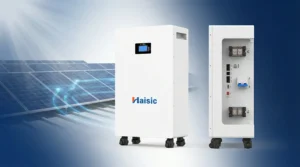
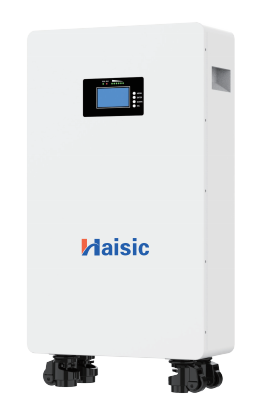
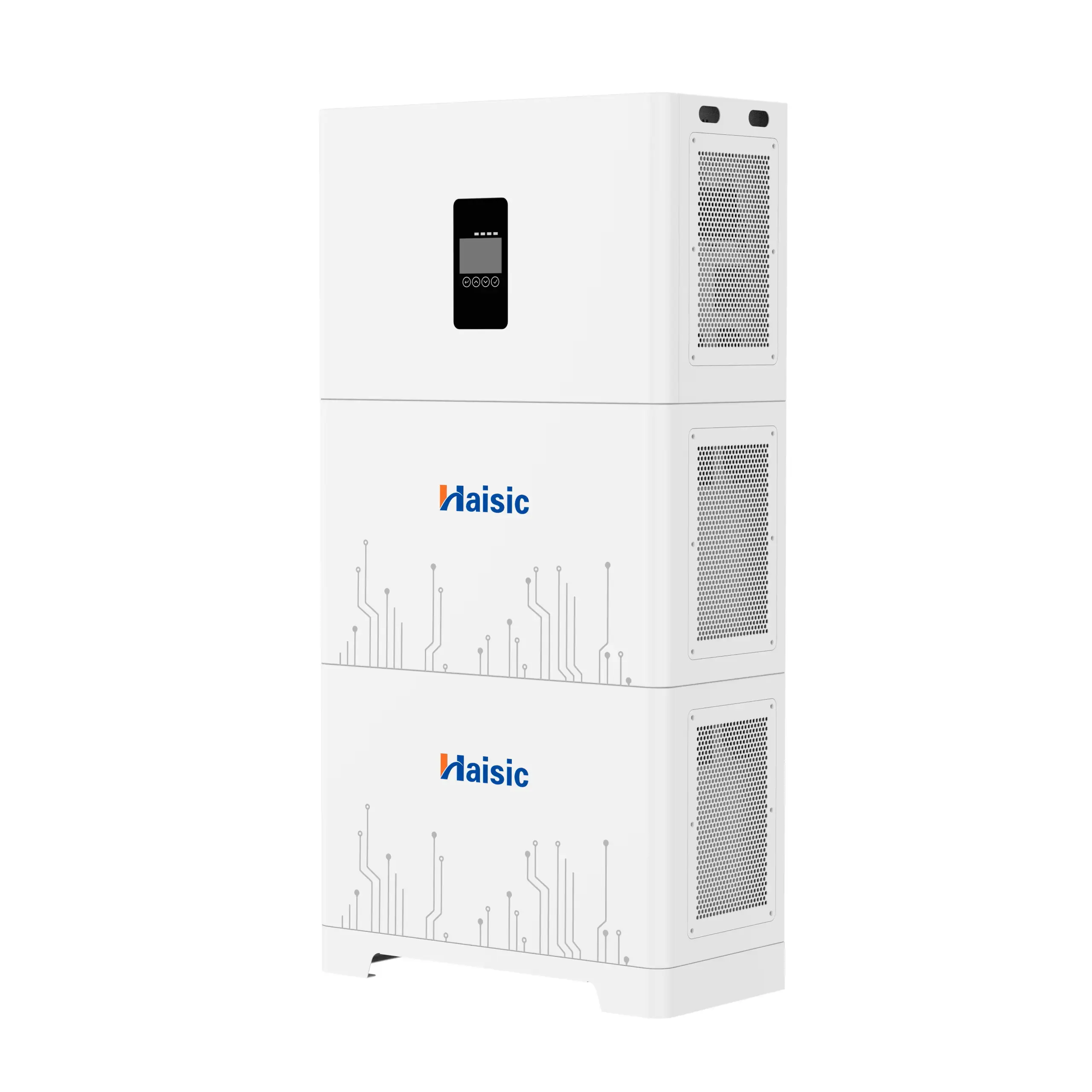
Pricing depends on brand, voltage platform, and whether it’s a wall-mount pack or a more scalable high-voltage home energy storage system like our Haisic 21.5kWh high-voltage LiFePO4 solution.
Mounting, racking, wiring, and electrical materials
Balance-of-system (BoS) hardware is smaller ticket, but it adds up:
- Roof or ground racking, mounts, rails, flashings: $1,000–$3,000
- Wiring, breakers, combiner boxes, junction boxes, disconnects: $1,000–$2,500
- Battery racks/frames, conduit, labeling, grounding: $500–$1,500
Total BoS materials: ~$2,500–$6,000 for a well-built 12kW solar plus storage setup.
Installation labor cost (licensed solar installers)
Labor rates vary a lot by region, roof complexity, and electrical upgrades:
- Standard roof, easy access, no major upgrades: $4,000–$7,000
- Complex roofs, two-story, long wire runs, main panel upgrade: $7,000–$12,000+
In higher-cost markets (California, Northeast, parts of Europe, Australia’s big cities), labor tends to sit at the upper end.
Permitting, inspections, design & soft costs
Soft costs are everything that isn’t hardware or pure install labor:
- System design & engineering: $500–$1,500
- Permits & plan review fees: $300–$1,000
- Utility interconnection, inspections, admin, project management: $500–$2,000
Total soft costs usually land around $1,300–$4,500 for a 12kW grid-tied or hybrid solar system.
12kW solar and battery system cost table (low / mid / high)
Below is a quick 12kW solar system price snapshot for solar plus storage, before incentives:
| Scenario | Panels & Inverter | Batteries (10–20kWh) | BoS Materials | Labor | Soft Costs | Total Estimated Cost |
|---|---|---|---|---|---|---|
| Low (budget gear, simple install, smaller battery) | $9,000–$11,000 | $4,000–$7,000 | $2,500–$4,000 | $4,000–$5,000 | $1,300–$2,000 | $20,800–$29,000 |
| Mid (Tier-1 panels, 15kWh, typical roof) | $11,000–$14,000 | $6,000–$10,000 | $3,000–$5,000 | $5,000–$8,000 | $1,500–$3,000 | $26,500–$40,000 |
| High (premium panels, 20kWh+, complex install) | $14,000–$18,000 | $10,000–$14,000 | $4,000–$6,000 | $7,000–$12,000 | $2,000–$4,500 | $37,000–$54,500 |
Most residential solar with storage projects land in the mid-range, especially when you want a reliable whole home backup solar system and solid LiFePO4 battery capacity for outages and peak shaving.
Main factors that change your 12kW solar with battery price
When you look at the 12kW solar system with battery storage cost, most of the price swings come from a few key choices and site conditions.
1. Solar panel brand and efficiency
Your 12kW solar panels and battery setup can change a lot in price based on panels alone.
- Premium brands / high efficiency (20–23%)
- Higher upfront 12kW solar system price
- Fewer panels needed, better performance in heat/shade
- Worth it if roof space is tight or you want a cleaner layout
- Standard‑efficiency panels (18–20%)
- Lower cost per watt
- Good fit if you have plenty of roof space and want best $/kWh
- Panel choice impacts:
- Total equipment cost
- Roof coverage and mounting complexity
- Long‑term production and ROI
2. Battery chemistry and capacity (LiFePO4 vs others)
The solar battery storage cost is the second big driver.
- LiFePO4 (LFP) batteries
- Higher upfront price than basic lead‑acid
- Much longer cycle life, deeper usable capacity, safer chemistry
- Best balance of cost, safety, and durability for home solar energy storage
- Capacity size (kWh)
- 10–15 kWh: covers evening use and short outages
- 20+ kWh: better for heavy loads or partial off‑grid solar with battery storage
- Every extra kWh adds to cost, so size it based on real usage, not just “nice to have”
3. Roof type, shading, and system layout
Installation complexity can push your solar installation cost 2026 up or down.
- Roof type
- Asphalt shingle: usually cheapest and fastest to install
- Tile, metal, or flat roofs: more labor, extra hardware, higher cost
- Shading & layout
- Trees, chimneys, and odd roof angles may need:
- More panels to hit 12kW
- Optimizers or microinverters
- Extra design work
- Ground mounts cost more in hardware, but can be ideal if the roof is poor
- Trees, chimneys, and odd roof angles may need:
4. Local labor, electricians, and travel
Even the same 12kW design can vary in price by thousands based on where you live.
- High‑cost labor markets
- Higher hourly rates for installers and electricians
- More expensive solar and battery installation cost overall
- Rural / remote locations
- Travel time and lodging can be billed into the project
- Limited installer options can reduce price competition
5. Sun hours, climate, and system sizing
Your local climate affects how big the system needs to be, and that hits cost.
- High sun areas (US Southwest, Australia, parts of Africa)
- 12kW can cover more yearly kWh, often allowing smaller battery banks
- Cloudy / northern regions
- Lower production per kW
- Sometimes need more panels or more storage to hit the same bill savings
- Extreme heat or cold
- May require extra ventilation or specific mounting to protect electronics and batteries
If you’re looking at more robust or even commercial‑scale setups, systems like a 10kW–12kW off‑grid solar kit can be paired with larger battery solutions similar to what’s used in a 10kW off‑grid solar power system to handle tougher climates and heavier loads.
6. Extras and smart features
Add‑ons can increase your 12kW solar system with battery storage cost, but also add real value.
- Monitoring apps & smart meters
- Usually a small add‑on, but essential for tracking solar system ROI with batteries
- Smart panels / load control
- Lets you pick which circuits run on battery during outages
- Adds hardware and setup time, but improves backup performance
- EV charging integration
- Dedicated EV charger or solar‑aware charger adds cost
- Great if you want your whole home backup solar system to cover your car too
All of these factors stack together, which is why two 12kW solar and battery systems can differ in price by 20–40% even at the same size.
Incentives, rebates, and how to cut your net system cost
When you’re looking at 12kW solar system with battery storage cost, incentives are what turn a big number into a smart long‑term investment. In 2026, you can stack multiple programs to cut your 12kW solar and battery price by 30–60% in many areas.
How the 30% federal solar tax credit works (panels + batteries)
The 30% Federal Solar Investment Tax Credit (ITC) is the single biggest lever you have:
- Applies to:
- Solar panels
- Inverters / hybrid inverters
- LiFePO4 battery for solar (10kWh+, charged mostly by solar)
- Racking, wiring, balance of system
- Installation labor, permits, engineering
- It’s a tax credit, not a rebate:
- It reduces what you owe in federal income tax by 30% of your total system cost
- If the credit is bigger than your tax bill, you can usually roll the remainder forward to future years
- Works for:
- Grid‑tied, hybrid, and off‑grid 12kW solar systems for home
Example:
- 12kW solar + battery total installed cost: $40,000
- 30% ITC: $12,000
- Net federal‑adjusted cost: $28,000
State and utility rebates for solar battery storage
On top of the ITC, many regions offer solar battery storage cost reductions through:
- State rebates – up‑front discounts per kWh of battery capacity or per watt of solar
- Utility rebates – cash-back for enrolling your battery in peak‑shaving or virtual power plant programs
- Performance‑based incentives (PBIs) – you get paid over time for each kWh your system produces or exports
- Low‑income or resiliency incentives – extra support in areas with frequent outages or wildfire shutoffs
These can easily cut $2,000–$8,000 off a 12kW solar panels and battery package in incentive‑rich states like CA, MA, NY, CO, NJ, etc.
If you’re comparing brands or planning capacity, guides like this overview of the best battery storage for solar systems can help you match incentives to the right hardware setup: best battery storage for solar.
Net metering rules and bill credit savings
Net metering or export credits are a big part of your real‑world ROI:
- When your 12kW solar system produces more than you use, the extra goes to the grid
- You get credits that offset power you pull later (nighttime, cloudy days)
- In classic net metering, credits are close to your retail rate
- In newer “net billing” or “time‑of‑use export” setups, credits are lower but batteries help you arbitrage rates
With residential solar with storage, you can:
- Store excess in your battery instead of exporting at low rates
- Discharge during peak prices to avoid expensive grid power
- Use the grid mostly as backup, not a crutch
Stacking incentives: federal, state, local, utility
You’re usually allowed to stack incentives, as long as you follow the rules:
- Start with gross system price (equipment + labor)
- Subtract state/utility rebates that are treated as discounts
- Apply the 30% federal ITC to the remaining amount
- Add any ongoing performance payments as extra savings in your ROI math
Stacking can look like:
- State rebate: $3,000
- Utility battery rebate: $4,000
- Remaining cost: $33,000
- 30% ITC on $33,000 = $9,900
- Net cost after ITC: $23,100
Example 12kW solar + battery cost scenarios (before & after incentives)
Below is a simplified view for a 12kW hybrid solar system with backup (typical US pricing in 2026):
| Scenario | Solar + Battery Gross Cost | Incentives Applied | Net System Cost |
|---|---|---|---|
| No incentives (base case) | $35,000 – $45,000 | None | $35k – $45k |
| Federal ITC only | $35,000 – $45,000 | 30% ITC: −$10,500 to −$13,500 | $24.5k – $31.5k |
| Fed ITC + modest state rebate | $35,000 – $45,000 | State: −$2,000, ITC on remainder | ~$22k – $29k |
| High‑incentive state (solar + battery) | $35,000 – $45,000 | State/utility: −$5k–$8k, plus 30% ITC | ~$18k – $25k |
Real numbers depend on:
- Your exact 12kW solar system price (equipment brand, battery size, roof complexity)
- Local solar installation cost 2026 and labor rates
- Which state/utility programs you qualify for and your tax liability
If you run the math with stacked incentives, a whole home backup solar system often lands in a range where the solar system ROI with batteries makes sense, especially in high‑rate or outage‑prone regions.
ROI and payback for a 12kW solar system with battery storage
Typical yearly energy production (12kW system)
On a modern home roof, a 12kW solar system will roughly produce:
- High-sun regions (US Southwest, Australia, Spain):
18,000–21,000 kWh/year - Average-sun regions (most of US, Southern Europe, parts of Asia):
15,000–18,000 kWh/year - Lower-sun regions (UK, Northern Europe, Canada):
12,000–15,000 kWh/year
If your home uses ~900–1,500 kWh/month (typical for a medium‑to‑large home), a 12kW system can usually cover 60–100% of your yearly usage, depending on your region and efficiency.
Annual bill savings: with vs without battery
The 12kW solar system price delivers value differently depending on whether you add storage:
Solar only (grid-tied, decent net metering):
- Offset: 60–100% of annual power use
- Typical savings: $1,800–$3,600/year at $0.12–$0.20/kWh
- Best ROI where net metering is strong and power rates are rising
12kW solar plus battery storage:
- Offset: Similar kWh, but you shift more energy to evenings/peak tariffs
- Typical savings: $2,000–$4,200/year in TOU markets or areas with high evening rates
- In places with weak net metering, a hybrid solar system with backup often improves ROI because you store “extra” midday solar instead of selling it cheap to the grid.
The solar battery storage cost doesn’t just pay back as lower bills – part of the value is backup and resilience, which doesn’t show up on a bill but matters the most when the grid goes down.
Simple payback period: solar + storage
Assume a typical 12kW solar system with battery storage cost (after the 30% federal solar tax credit) in the range of $20,000–$30,000, depending on your market and battery size.
Rough simple payback:
-
Solar-only 12kW system:
- Net cost: ~$14,000–$20,000
- Annual savings: $1,800–$3,000
- Payback: 6–10 years
-
12kW solar plus 10–20kWh LiFePO4 battery:
- Net cost: ~$20,000–$30,000
- Annual savings: $2,000–$4,200
- Payback: 7–12 years
In high-rate, TOU or poor net metering regions, storage narrows the gap, and solar plus storage ROI can rival (or beat) solar-only.
Long-term savings over 20–25 years
Panels are typically warrantied for 25 years, and quality LiFePO4 home battery banks often carry 10–15 year warranties:
- Total lifetime bill savings (solar only, 25 years):
Roughly $45,000–$75,000+ in many global markets. - Solar + storage (25 years with one battery replacement in year 12–15):
Often $55,000–$90,000+ in bill savings and peak-shaving value, plus outage protection.
Even after factoring one future battery replacement, the long-term solar system ROI with batteries is strong in most markets with rising energy prices.
How battery backup and comfort change the ROI picture
The spreadsheet doesn’t capture everything. A 12kW solar panels and battery setup also delivers:
- Whole home backup (or critical loads backup):
Keep fridges, lights, internet, medical devices, pumps, and a few AC circuits running during outages. - Protection from unstable grids:
In areas with frequent blackouts or brownouts, a whole home backup solar system is part savings, part insurance. - Comfort and safety:
You avoid spoiled food, downtime, and disruption – hard to price, but very real.
For many customers, the real question isn’t “Does the battery maximize pure payback?” but “Is the mix of savings + independence + outage protection worth the extra cost?”
That’s why I usually size storage so you get a meaningful backup window (e.g., pairing 12kW solar with a 10–20kWh unit like a 10.24kWh LiFePO4 home energy storage system) without over‑spending on rarely used capacity.
If you’re in a high-tariff, outage-prone, or weak net metering market, a 12kW solar system with battery storage isn’t just about ROI – it’s about control, resilience, and predictable long-term energy costs.
Picking the Right Battery for Your 12kW Solar Setup
Choosing the right battery is just as important as choosing the panels. For a 12kW solar system with battery storage, you want something safe, long-lasting, and flexible enough to grow with your energy use.
Why LiFePO4 Batteries Work Best for Home Solar Storage
For residential solar with storage, LiFePO4 (Lithium Iron Phosphate) is the clear winner right now:
- High safety – very stable chemistry, low fire risk compared with regular lithium-ion.
- Long cycle life – often 6,000+ cycles at daily use, which means 10–15+ years of real-world life.
- Deep usable capacity – you can usually use 80–90% of the battery (high depth of discharge) without hurting its lifespan.
- Good efficiency – low losses when charging and discharging, so more of your solar power is actually used.
If you’re serious about a 12kW solar system for home and want solid backup, LiFePO4 is the standard I’d build around.
How Many kWh of Battery Storage Do You Actually Need?
For a 12kW solar array, the “right” battery size depends on how you use power and how much backup you want. As a quick guide:
- Basic backup (keep the lights, fridge, internet, a few plugs on)
→ ~10–15 kWh battery storage - Strong backup (run most of the house, but manage heavy loads)
→ ~15–25 kWh battery storage - Near off‑grid or whole‑home backup with AC, pump, etc.
→ 25–40+ kWh, depending on climate and usage
Most homeowners pairing 12kW solar panels and battery end up around 15–20 kWh for a good balance of cost, backup time, and ROI.
What to Compare: Cycle Life, DoD, and Warranty
When comparing solar battery storage cost and quality, don’t just look at price per kWh. Check:
- Cycle life – how many cycles at a stated depth of discharge (e.g., 6,000 cycles @ 80% DoD).
- Depth of Discharge (DoD) – how much of the battery you can regularly use.
Higher usable DoD = more real capacity. - Warranty – you want:
- 10+ years coverage
- Clear guarantee on remaining capacity (e.g., 60–70% after X years or cycles)
- Throughput or energy guarantee (total MWh you can push through the battery)
Look for a battery that clearly states warranty terms in plain numbers, not vague marketing.
Single Large Battery vs Modular Battery Bank
For a 12kW hybrid solar system with backup, both designs can work:
Single large battery (e.g., 15–20 kWh pack)
- Cleaner install, less wiring
- Often slightly cheaper per kWh
- Limited flexibility: if your needs grow, you might need a second full unit
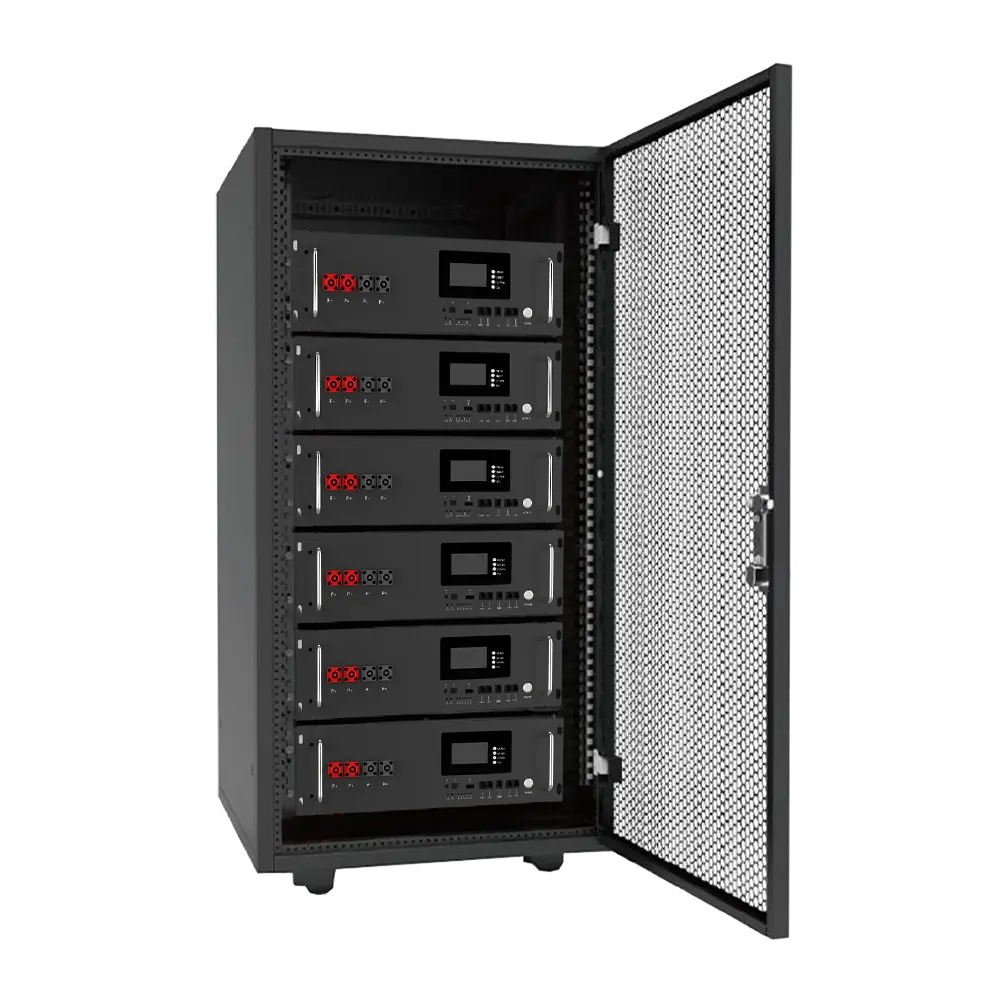
Modular battery bank (stackable 5–10 kWh units)
- Easy to start smaller, then add more later
- Better for phased budgets or uncertain usage
- Great if you plan future EV charging, electrified heating, or a home office expansion
If you want long‑term flexibility, I lean toward stackable LiFePO4 home battery banks, like a 51.2V stackable energy storage battery that you can expand over time.
What Makes a Reliable Battery Brand for a 12kW Solar System?
For a 12kW grid-tied or off-grid solar kit, I’d only trust brands that check these boxes:
- Real certifications – UL, CE, UN38.3, etc., clearly listed and verifiable.
- Transparent specs – voltage, usable capacity, cycle life, recommended inverter size, all written clearly.
- Solid BMS (Battery Management System) – supports CAN/RS485 comms with hybrid inverters, has good protection features.
- Proven warranty support – accessible service, clear process for claims, not just a nice PDF.
- Good track record – real-world installs, installer feedback, not just a new white-label product.
If you’re building a serious whole home backup solar system, treat the battery like the heart of the setup. Spend a bit more for stable LiFePO4 chemistry, a strong warranty, and a modular path so your storage can grow with your life—not the other way around.
Haisic battery options for 12kW solar systems
Key features of Haisic LiFePO4 batteries
For a 12kW solar system with battery storage, I design around LiFePO4 because it’s safer, lasts longer, and delivers stable power. Our Haisic home batteries are built exactly for that:
- LiFePO4 chemistry – high safety, low fire risk, very stable even in hot climates.
- High voltage options – systems like the Haisic 51.2V 20kWh LiFePO4 energy storage system pair cleanly with 12kW hybrid inverters.
- Scalable modular design – stack more batteries as your load grows (EV, heat pump, home office, etc.).
- High cycle life – typically 6,000+ cycles at recommended depth of discharge, ideal for daily cycling.
- Smart BMS – built-in battery management system protects against over‑charge, over‑discharge, over‑current, and temperature issues.
Typical 12kW solar + Haisic battery pairings
For most homes, here’s how I’d match 12kW solar panels and battery storage:
-
Basic backup / bill management:
- 12kW solar + 10–15kWh Haisic capacity
- Good for evening loads, light backup, and TOU rate savings.
-
Whole‑home backup (short outages):
- 12kW solar + 20kWh Haisic system (one 20kWh unit)
- Can cover essentials + a few heavy loads for several hours.
-
Heavy usage / longer backup / small business:
- 12kW solar + 30–40kWh using multiple 20kWh or high‑voltage modules, or a containerized solution like our 50–100kWh Haisic containerized ESS
- Built for high-consumption homes, villas, and small commercial sites.
Warranty, safety, and performance specs
I position Haisic as a long-term asset, not a disposable gadget. Typical specs:
- Warranty:
- 8–10 years product warranty is standard, with performance guarantees based on remaining capacity after a set number of cycles.
- Safety certifications:
- Designed to meet major standards (such as CE, UN38.3, and related battery transport and safety norms), depending on the configuration and region.
- Performance:
- High round‑trip efficiency (often ≥ 90%).
- Wide operating temperature range suitable for most global climates.
- Consistent output for 12kW hybrid solar systems and whole-home backup use.
Always check the exact datasheet for the specific Haisic model you’re considering, as specs can vary by system voltage and capacity.
Haisic price vs value compared to other brands
On a 12kW solar system with battery storage cost, Haisic deliberately sits in the “high value, not overpriced premium” bracket:
- More affordable than big global brands while still matching or beating them on cycle life, LiFePO4 safety, and real‑world performance.
- Better value per kWh of usable storage thanks to high depth of discharge and long cycle life.
- Flexible system sizing means you avoid overpaying for storage you don’t need today, while keeping a clear upgrade path for tomorrow.
If you want solid LiFePO4 home energy storage that balances cost, safety, and lifespan for a 12kW solar system, Haisic is built for that exact sweet spot.
Installation tips for a 12kW solar and battery system
A 12kW solar system with battery storage is a big project, so the way you install it matters just as much as the hardware you buy. Here’s how I’d approach it if I were setting this up for my own home or business.
DIY solar kit vs professional installation
DIY solar kits – pros:
- Lower upfront cost if you already know electrical work
- Full control over equipment choices and layout
- Good for off-grid cabins, workshops, or simple ground mounts
DIY solar kits – cons:
- High risk if you’re not experienced with electrical and code
- Harder to get permits, inspections, and utility approval
- Warranty issues if you don’t use certified installers
- No safety sign‑off, which can affect insurance and resale
Professional installation – pros:
- Licensed electricians, code-compliant wiring, and safe interconnection
- Easier permitting, design, and utility approval
- Access to better equipment bundles and longer warranties
- Faster install and less risk of mistakes that hurt performance
Professional installation – cons:
- Higher labor cost
- Less flexibility in “mixing and matching” random equipment
- You need to do some homework to choose the right installer
For a 12kW solar system with battery storage and whole‑home backup, I strongly lean toward professional installation, especially with hybrid systems and high‑voltage LiFePO4 batteries.
How to choose a qualified solar and battery installer
When you vet solar plus storage installers, look for:
- Licensing & certifications
- Licensed electrical contractor in your state
- NABCEP or similar solar certification is a bonus
- Real solar + battery experience
- Ask how many hybrid or battery systems they install per month
- Ask which hybrid inverters and battery brands they specialize in
- Transparent proposals
- Clear system size (12kW), battery capacity (kWh), and warranty terms
- Itemized quote: equipment, labor, permits, and extras separated
- Strong reviews & references
- Check Google, local forums, and ask for 2–3 recent customers you can call
- Service support
- Who handles warranty claims?
- Response time if there’s a problem with your inverter or battery bank
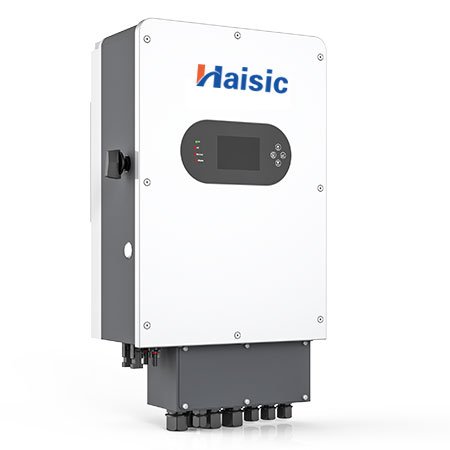
If you plan to use a hybrid inverter like the Haisic 6–12kW IP65 hybrid solar inverter, make sure the installer has experience with that specific product family and can show you a past project using it.
What happens during site survey, design, and proposal
A solid 12kW solar and battery project usually goes through these steps:
-
Site survey (in person or virtual)
- Roof condition, pitch, and usable area
- Shading from trees, chimneys, and nearby buildings
- Main panel size, subpanel layout, and backup loads
- Indoor/outdoor space for inverter and battery storage
-
System design
- Final system size (e.g., 12kW DC) and panel layout
- Selection of hybrid inverter, battery capacity, and mounting method
- Decision on whole‑home backup vs critical loads panel
- Wire runs, disconnects, and safety devices for code compliance
-
Proposal
- Total price, broken down into equipment, labor, and soft costs
- Modeled yearly production (kWh) and bill savings
- Financing options, if needed
- Warranty coverage for solar panels, inverter, and batteries
If a contractor can’t clearly explain their design choices for your 12kW solar panels and battery setup, that’s a red flag.
Permits, inspections, and utility interconnection
For a 12kW grid‑tied or hybrid solar system with backup, you’ll usually see:
- Building/electrical permits
- Structural review (roof load) for roof‑mounted arrays
- Electrical plans showing wiring, breakers, and disconnects
- Utility interconnection application
- Required for grid‑tied or hybrid systems
- May include net metering or export limit agreements
- Inspections
- Building inspector: mounting, roof penetrations, general safety
- Electrical inspector: wiring, bonding, grounding, labeling
- Utility inspection or meter swap before permission to operate (PTO)
Your installer should handle this end‑to‑end and keep you updated. If they expect you to “deal with the utility yourself” on a 12kW solar and battery project, I’d pass.
Typical project timeline: quote to turn‑on
For most residential 12kW solar plus storage systems, a rough timeline looks like this:
- 1–2 weeks: Site survey, system design, and final proposal
- 2–6 weeks: Permitting and utility interconnection approval (varies a lot by region)
- 1–3 days: Physical installation of panels, hybrid inverter, and battery bank
- 1–2 weeks: Inspections and utility meter work
- Same day as PTO: System turn‑on, app setup, and basic walk‑through
So from first quote to a live 12kW solar system with battery storage, you’re usually looking at 6–10 weeks, depending on how fast your city and utility move.
If you want the smoothest experience, make sure your installer:
- Has a clear process for permits and interconnection
- Offers a realistic timeline in writing
- Includes final system commissioning and monitoring app setup as part of the job
Is a 12kW solar system with battery worth it in 2026?
For most high-usage homes, a 12kW solar system with battery storage is worth it in 2026 if you care about three things: cutting bills, riding through outages, and locking in protection against rising power prices. The system size is big enough to meaningfully reduce or even wipe out a typical family’s bill in many regions, while a right-sized LiFePO4 battery gives whole-home or partial backup when the grid goes down.
Who is a good fit for a 12kW solar plus storage system?
You’re usually a good match for a 12kW solar panels and battery setup if:
- Your monthly power bill is $180–$400+ (3,000–1,000+ kWh/month, depending on rates).
- You live in an area with weak or changing net metering, time-of-use rates, or peak pricing.
- You face frequent or long outages and want real backup, not just a UPS.
- You plan to stay in the home 10+ years and value long-term ROI and higher resale value.
- You’re adding or already own EVs, heat pumps, or electric heating, pushing your usage higher.
If your usage is modest (small apartment, ultra-efficient home), 12kW might be overkill. If you have a big all-electric home plus multiple EVs, 12kW might just be the starting point.
When a smaller or larger solar system might make more sense
-
Go smaller (6–10kW) if:
- Your average use is under ~600–800 kWh/month.
- Roof space is limited.
- You mainly want to cut daytime usage, not fully cover your yearly bill.
-
Go larger (15–20kW+) if:
- You run all-electric heating, pool pumps, or heavy machinery.
- You have or plan multiple EVs and home fast charging.
- You live in a low-sun region, so you need more capacity to hit the same yearly output.
You can pair any size with a hybrid solar system with backup using a flexible hybrid inverter, such as a scalable 6–12kW hybrid inverter platform like the Haisic 6kW/8kW/10kW/12kW hybrid solar inverter range.
Pros and cons of adding batteries now vs later
Adding batteries now (solar + storage from day one)
Pros:
- One clean install and design; no rework later.
- Full 30% federal solar tax credit applies to both solar and battery (if charged by solar).
- Instant backup for outages and better control of peak rates.
- System components (inverter + battery) are matched from the start.
Cons:
- Higher upfront cost; may push you into financing if cash is tight.
- You might oversize or undersize the battery if you haven’t yet lived with solar and learned your patterns.
Adding batteries later (solar first, storage in the future)
Pros:
- Lower initial spend; easier to get started.
- You can see real-world usage and decide on the right kWh capacity later.
- Spreads cost over time.
Cons:
- You may need inverter or wiring upgrades later if your current system isn’t battery-ready.
- Miss out on part of the tax credit and early savings from time-of-use shifting and outage protection.
- Two rounds of installation and possibly two rounds of permitting and inspections.
If you know you want backup power and your budget can handle it, I lean strongly toward batteries now with a LiFePO4 home energy storage bank, using a robust hybrid inverter (for example, a 10–12kW IP65 hybrid inverter like this Haisic 10kW hybrid solar inverter) so the whole system works as one unit.
How rising energy prices and outage risks affect the decision
Two trends make a 12kW solar system with battery storage more attractive in 2026:
-
Rising energy prices:
- Utilities are pushing time-of-use and demand charges.
- Solar + storage lets you avoid buying during expensive evening peaks by running off your battery.
- Over 20–25 years, even modest yearly price increases strongly improve ROI.
-
More outages and grid instability:
- Extreme weather, aging grids, and wildfire shutoffs are more common.
- A 12kW solar plus storage setup gives you energy independence during blackouts—critical loads (fridge, lights, internet, some AC/heat) stay on, and in many cases, you can keep most of the house running if you manage loads smartly.
- The “comfort premium” of not losing power for hours or days is hard to put into a spreadsheet but is a real part of the value.
In 2026, if your rates are high or unstable and outages are becoming normal where you live, a 12kW solar system with battery storage isn’t just about savings—it’s about control, backup, and future-proofing your home.
FAQs about 12kW Solar Systems with Battery Storage Cost
How much extra does a home battery add to a 12kW solar system?
For a 12kW solar system, adding home battery storage usually adds $7,000–$18,000 to the project, depending on:
- Battery capacity (typically 10–30kWh for a 12kW solar setup)
- Brand and warranty
- Single vs multiple battery units
In most markets, a 12kW solar-only system might run $20,000–$30,000 before incentives, while solar plus batteries typically lands in the $27,000–$45,000 range before the 30% federal tax credit.
Do I need battery storage if I already have net metering?
You don’t need a battery if you have strong net metering, but you may still want one if:
- You get time-of-use rates and want to avoid expensive evening power
- You have frequent outages and need backup
- You want more energy independence and control
Net metering helps with bill savings, while home battery storage adds backup power and peak shaving.
Can a 12kW solar and battery system run my house off-grid?
It can, but only if it’s designed as a hybrid or off-grid system with enough storage. For off‑grid‑style use, you typically need:
- 12kW solar array
- At least 20–40kWh of LiFePO4 battery capacity, depending on loads and climate
- A hybrid inverter sized for your peak demand
For full off-grid living (especially in cold or low-sun regions), most homes need larger battery banks and possibly a backup generator for winter or extreme weather.
What are the best batteries for a 12kW solar system in 2026?
For most homes, the best match is a LiFePO4 home battery bank because it’s:
- Safer and more stable than older chemistries
- Longer cycle life (more charge/discharge cycles)
- Compatible with modern hybrid inverters
We typically pair a 12kW solar array with 15–30kWh of LiFePO4 storage using high‑quality home energy batteries like our 51.2V LiFePO4 wall‑mount units, designed specifically for home battery storage systems.
How long do LiFePO4 solar batteries usually last?
Quality LiFePO4 batteries usually last:
- 10–15 years in real-world residential use
- 4,000–6,000+ cycles at normal depth of discharge
Most solid brands back this with 8–10+ year warranties and performance guarantees (for example, capacity still above a certain % after a set number of years).
Can I expand my battery storage later if my needs change?
Yes, if the system is designed for it from day one. Look for:
- Modular battery banks that let you add more kWh later
- Hybrid inverters that support additional battery units
- Clear manufacturer rules on mixing new and old batteries
If you plan to grow, tell your installer upfront so they size the inverter, wiring, and space for expansion.
What financing options are common for solar plus storage?
Typical options for a 12kW solar and battery system:
- Solar loans (5–20 years, secured or unsecured)
- Home equity loans / HELOCs
- In‑house installer financing
- Less common: leases or PPAs (often weaker value when batteries are included)
Many owners choose financing structured so the monthly payment is close to or below their old power bill, while still keeping the federal tax credit and rebates.
How do 12kW solar systems with battery affect home value?
In many markets, a 12kW solar system with battery storage can:
- Increase resale value by several percent, especially in high‑cost electricity areas
- Make the home more attractive with lower operating costs and backup power
- Stand out in listings as a “whole home backup” or energy‑efficient property
Buyers increasingly see a quality home solar energy storage system as a long‑term asset, especially where outages and rates are rising.