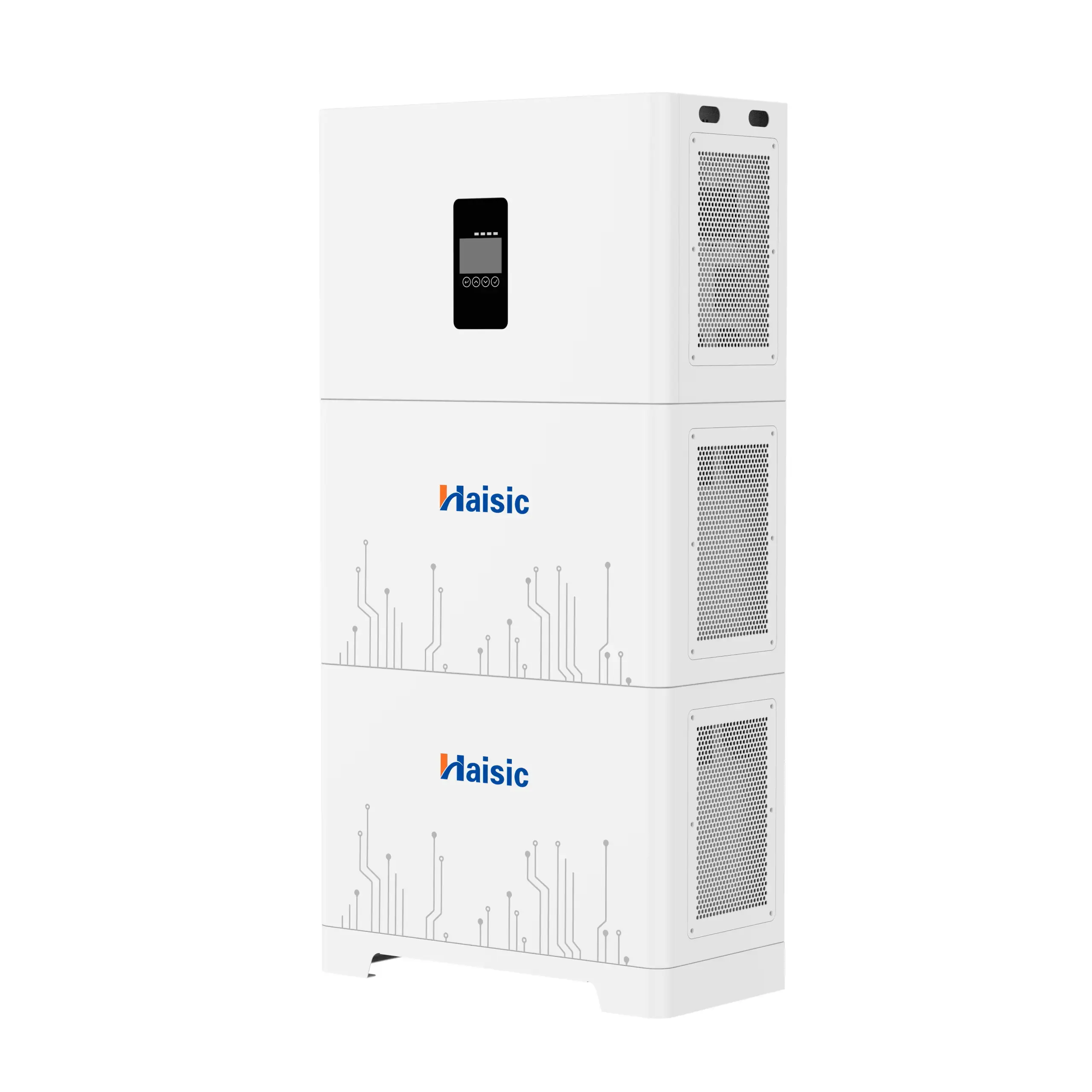
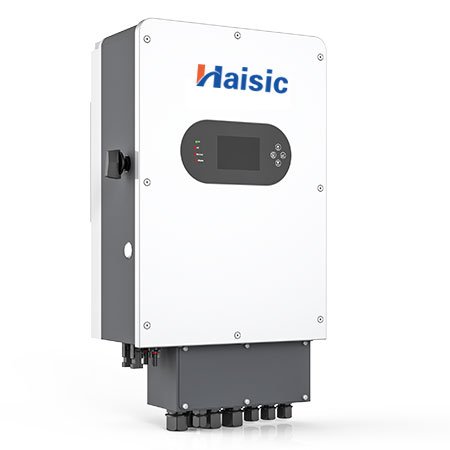
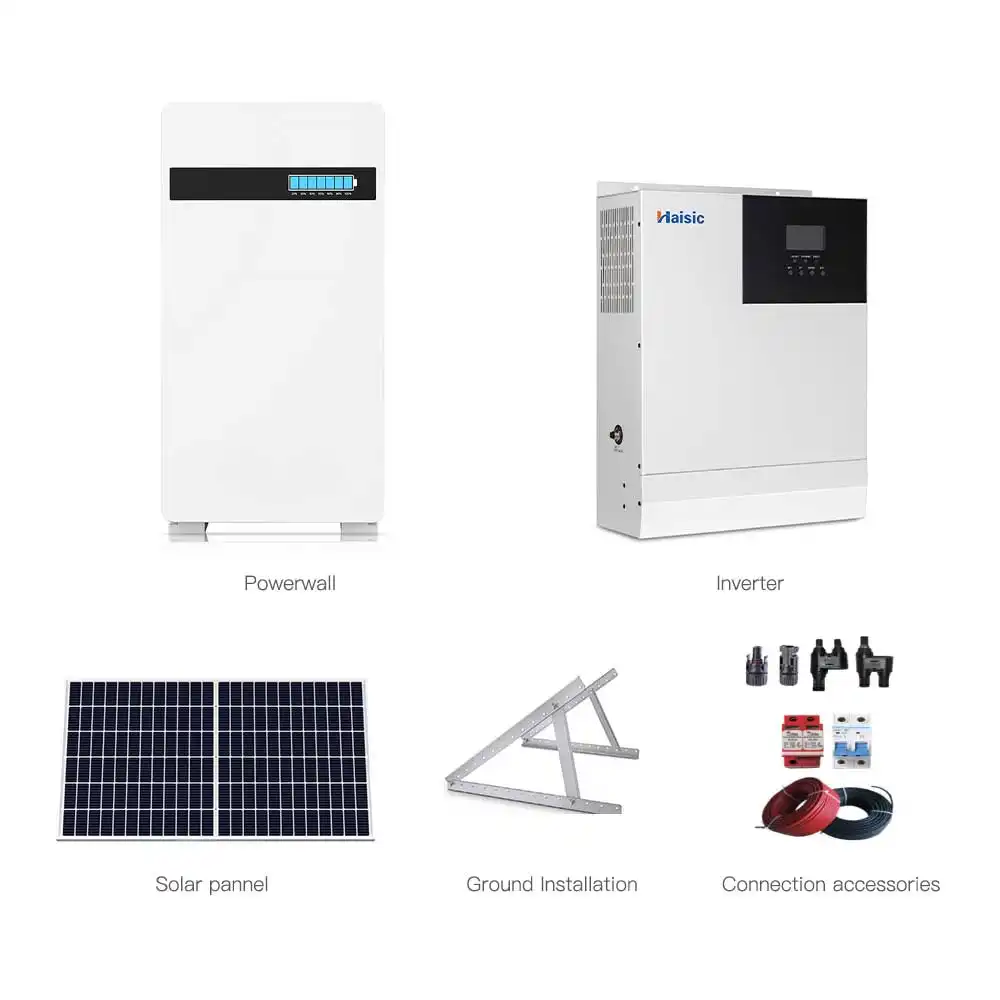
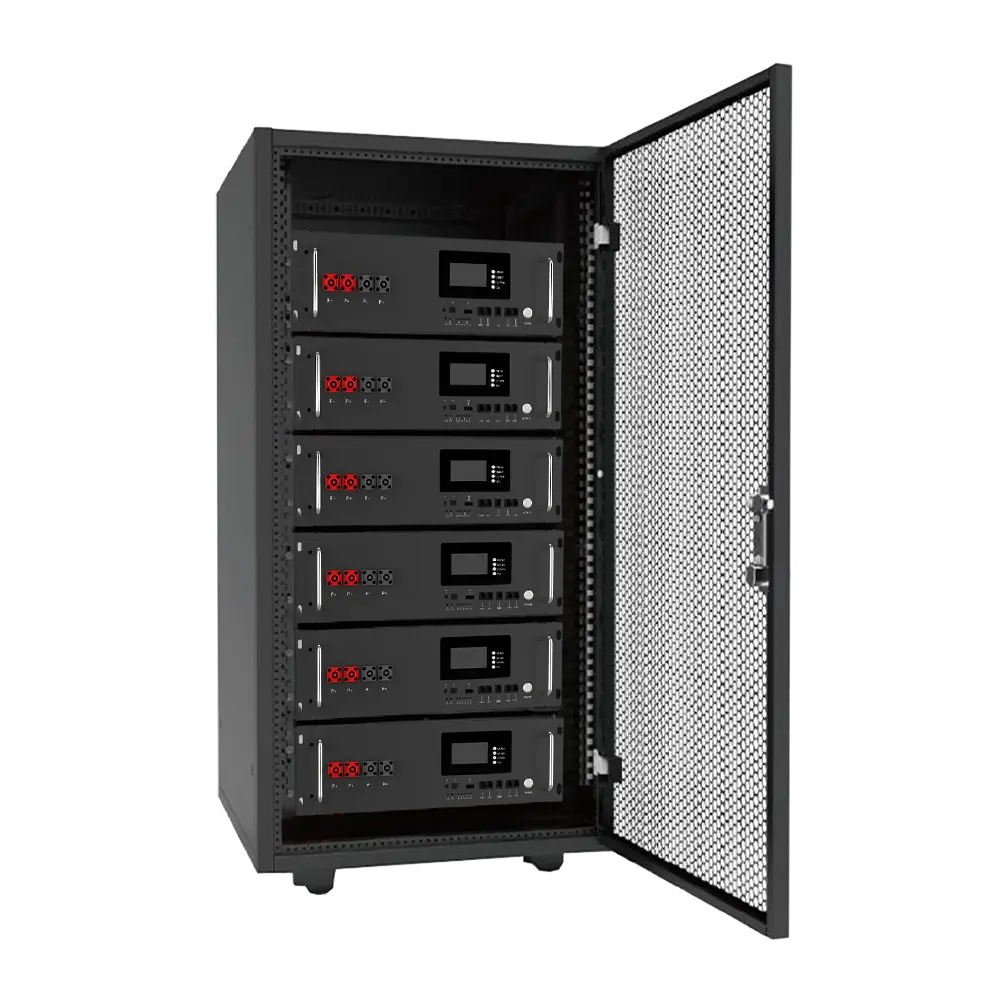

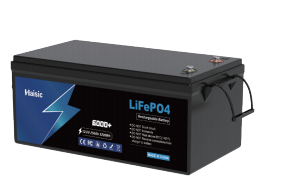

Searching for where you can buy lithium batteries… but overwhelmed by options, prices, and confusing specs?
You’re not alone.
Whether you need a LiFePO4 battery for solar, a 12V lithium battery for your RV or boat, or a reliable home backup system, choosing the right place to buy is just as important as choosing the right battery. The wrong seller can mean counterfeit cells, weak performance, no warranty, and wasted money.
In this guide, you’ll quickly see:
- Exactly where to buy lithium batteries online and offline (and which sources to avoid).
- How to spot cheap vs. truly good-value lithium batteries.
- Why buying from trusted energy storage battery manufacturers like Haisic can save you money and headaches long-term.
If you’re ready to skip the guesswork and find safe, high-quality lithium batteries at a fair price, keep reading.
Understanding Lithium Batteries Before You Buy
When people ask “where can I buy lithium battery” or “where to buy lithium ion battery”, the first step isn’t the store—it’s knowing what you actually need. The wrong chemistry, voltage, or capacity will waste money and cause headaches later.
Main Lithium Types in Plain Language
-
LiFePO4 (Lithium Iron Phosphate)
- Very safe, long cycle life, super stable.
- Slightly heavier than some lithium-ion, but far better for deep-cycle use.
- Best choice for: solar storage, RVs, campers, boats, trolling motors, golf carts, and home backup.
-
Standard Lithium-Ion (NMC, NCA, etc.)
- High energy in a small size, used in laptops, power tools, EVs.
- Not ideal as exposed “house batteries” unless in a well-engineered pack.
- Good when space/weight is critical and the pack is professionally built and protected.
-
NMC (Lithium Nickel Manganese Cobalt)
- A common lithium-ion blend used in EVs and some high-end packs.
- Higher energy density than LiFePO4, but shorter cycle life and more heat-sensitive.
If you’re buying a deep cycle lithium battery for solar, RV, marine, or off‑grid use, LiFePO4 is generally the safest and most cost‑effective choice over the long term.
Match the Battery to the Job
When you search “where can I buy lithium battery near me”, first be clear on what it will power:
-
Solar / Off‑Grid / Home Backup:
- Go for LiFePO4 with long cycle life (3000+ cycles @ 80% DoD).
- Typical system voltages: 12V, 24V, 48V banks.
-
RVs and Campers:
- 12V LiFePO4 for lights, fridge, inverter, and electronics.
- Look for drop‑in “12V lithium battery” replacements with built‑in BMS.
-
Boats & Trolling Motors:
- 12V or 24V LiFePO4 with strong discharge current.
- Make sure it’s rated as a marine lithium battery and vibration‑resistant.
-
Golf Carts / Utility Carts:
- 36V or 48V LiFePO4 packs or multiple 12V batteries in series.
- Pay attention to continuous and peak current ratings.
Capacity, Voltage, and BMS: What Really Matters
When you buy LiFePO4 battery online, three specs make or break your setup:
-
Capacity (Ah – amp‑hours)
- Tells you how much energy you can actually use.
- Example: 12V 100Ah ≈ 1.2 kWh. Two in parallel ≈ 2.4 kWh.
- For RVs and off‑grid, don’t go too small—you’ll just cycle harder and shorten life.
-
Voltage (12V, 24V, 48V)
- Must match your inverter/charger and DC loads.
- 12V: RVs, small boats, small solar.
- 24V: mid‑size solar, larger trolling motors.
- 48V: whole‑home backup, bigger off‑grid systems, golf carts.
-
BMS (Battery Management System)
- The internal “brain” that protects the pack.
- Critical protections: over‑charge, over‑discharge, short‑circuit, over‑current, high/low temperature.
- Bonus features: low‑temp charging cutoff, Bluetooth app monitoring, cell balancing.
- Never buy a large lithium pack without a clearly specified BMS.
Why Cycle Life, Safety, and Build Quality Are Non‑Negotiable
When comparing where to buy cheap lithium battery vs reliable brands, look past just price:
-
Cycle Life
- A good LiFePO4 deep‑cycle battery: 3000–6000 cycles at 80% depth of discharge.
- Cheap cells with 1000 cycles cost more per kWh over time, even if the sticker price is low.
-
Safety Certifications
- Look for labels such as UL, CE, UN38.3, IEC, and clear test reports.
- For serious solar and home backup, this isn’t optional—it’s about fire safety and insurance.
-
Build Quality
- Grade A cells, solid busbars, robust case, clean wiring, proper compression.
- Clear specs, real photos, and transparent datasheets are strong signals you’re dealing with a reliable lithium battery brand, not a random white‑label.
If you’re asking “where can I find lithium battery that’s actually safe and legit?”, the answer is: choose LiFePO4 with a strong BMS, proven cycle life, real certifications, and visible build quality, then decide whether to buy from an online marketplace, specialist site, or direct manufacturer based on those technical standards—not just the price tag.
Where Can I Buy Lithium Batteries Online?
If you’re asking “where can I buy lithium battery” or “where to buy lithium ion battery online”, you’ve basically got three main options: big marketplaces, specialist battery sites, and direct manufacturers.
Amazon, Walmart, eBay – pros, cons, buyer warnings
Pros (Amazon / Walmart / eBay):
- Huge choice of LiFePO4, lithium-ion, and deep-cycle batteries
- Fast shipping and easy returns (especially Amazon & Walmart)
- Plenty of reviews to spot obvious junk brands
Cons / warnings:
- Lots of re‑labeled or generic brands with unclear specs
- Mixed quality control – even “good” listings can change suppliers over time
- Fake reviews, especially on suspiciously cheap “300Ah+” packs
When you search “12V lithium battery where to buy” or “where to buy cheap lithium battery” on these platforms, keep it tight:
- Avoid “too good to be true” pricing
- Check real photos, not just renderings
- Read 1–3 star reviews first – look for swelling, early failures, or poor support
- Make sure the listing clearly states: capacity (Ah), voltage, LiFePO4 or NMC, BMS, warranty
When to choose specialized lithium battery sites
Use big marketplaces for small stuff. But when you’re buying off‑grid lithium batteries, RV lithium battery systems, trolling motor lithium battery, or a home backup lithium battery, I strongly prefer specialist sites or direct manufacturers.
Choose a specialist or manufacturer when:
- You’re spending real money on solar storage, RVs, boats, or golf carts
- You need support, wiring help, or system sizing
- You care about cycle life, safety, and real warranties, not just low price
For example, if you need a 12V LiFePO4 battery for sale for a camper or small solar system, a focused energy storage brand will usually beat marketplace “mystery” labels on:
- Consistent quality cells
- Tested BMS and protection
- Real warranty you can actually claim
Best online stores for LiFePO4 and deep-cycle lithium
If you want to buy LiFePO4 battery online or deep cycle lithium battery, look for:
- Clear specs and datasheets
- Real photos of internals and certifications
- Tech support via chat/email/phone
As a platform owner in the energy storage space, I put a lot of emphasis on long-life, deep-cycle packs for solar, RV, and marine use. A dedicated LiFePO4 line like a 12V deep cycle battery for RVs and golf carts (for example, a 12V 70Ah LiFePO4 deep cycle battery designed for solar and RV use) is exactly the kind of product I’d recommend over a random “no-name 100Ah” unit on Amazon.
How to spot real vs fake lithium listings online
When you’re trying to decide where to find lithium battery and where to get lithium battery that’s legit, use this quick checklist:
Looks real if:
- Full specs: chemistry, Ah, voltage, max charge/discharge, BMS limits
- Brand has its own website, manuals, and support channels
- Warranty terms are written clearly (length, cycles, conditions)
- Photos match the product and show labels, terminals, and safety marks
Looks fake or risky if:
- Capacity claims are wild: e.g., “12V 300Ah” at half normal market price
- Very short or vague description: “high power battery for all uses”
- No mention of BMS, cycle life, or safety certifications
- Seller changes brand names often or has a lot of one‑off products
For more serious builds (solar cabins, RVs, or carts), I’d rather buy from a direct energy storage manufacturer with documented products like a 12.8V LiFePO4 pack or a well-specified golf cart battery than gamble on a generic listing. A focused product line—such as a 12V LiFePO4 golf cart and small solar battery—tells you the company actually designs around real-world use, not just listing whatever sells.
Buying Lithium Batteries in Big-Box and Local Stores
Where can I buy lithium battery in physical stores?
If you want to buy a lithium battery near you (including LiFePO4), you’ll usually find them here:
- Big-box stores: Walmart, Costco, Sam’s Club
- Auto parts chains: AutoZone, O’Reilly, Advance Auto Parts, NAPA
- Home improvement stores: Home Depot, Lowe’s, Menards
- Marine & RV stores: Bass Pro, Cabela’s, West Marine, Camping World
- Local battery shops: Specialty “Battery + Bulbs” style stores, independent battery dealers
Most of these will stock 12V lithium batteries, some deep cycle, and a few will carry LiFePO4 batteries for RV, solar, or marine use.
Pros of buying lithium batteries locally
Buying lithium batteries in-store has some real advantages:
- Same-day pickup: You get your lithium or LiFePO4 battery immediately—no shipping delays.
- Easy returns: If there’s an issue, you walk back into the store, no RMA drama.
- In-person help: Staff can help match the right lithium battery for RVs, boats, golf carts, or trolling motors.
- No shipping risk: Less chance of damage or shipping restrictions for larger packs.
If you’re in a hurry or unsure what size you need, local stores are often the fastest way to get a lithium battery that “just works” with your setup.
Limits of buying lithium battery in local stores
Local and big-box stores are convenient, but there are trade-offs:
- Limited choice: Usually just a few brands and sizes. You may not find 48V or high-capacity LiFePO4, or specialized home backup lithium batteries.
- Higher pricing: Shelf space and logistics often mean you pay more than online direct lithium battery manufacturers.
- Fewer specs: Packaging may not show full details like cycle life, exact BMS features, or charging limits.
- Stock issues: Popular 12V lithium deep-cycle batteries for RV and solar can sell out during peak season.
For advanced solar or off-grid systems, I normally prefer specialized or direct suppliers where I can get a properly spec’d battery, like a rack-mounted 48V LiFePO4 pack for home storage from an energy storage manufacturer.
How to check labels and packaging in-store
When you buy a lithium battery in person, don’t just grab whatever is on sale. Check:
- Chemistry: Look for LiFePO4 clearly printed if you want deep cycle and long life, not just “lithium-ion”.
- Voltage & capacity: Confirm 12V / 24V / 48V and Ah rating match your system (RV, solar, boat, golf cart).
- BMS info: Packaging should mention overcharge, over-discharge, short-circuit, and temp protection.
- Certifications: Check for UL, CE, UN38.3, IEC markings and genuine test labels.
- Brand & support: Look for a website, warranty terms, and support contact info—avoid boxes with vague or no brand identity.
- Build details: If the box shows internals or mentions prismatic LiFePO4 cells and tested cycle life, that’s a good sign.
If you want something more tailored for home energy storage than what a local shelf can offer, consider a dedicated home lithium battery storage system from a specialized supplier that clearly lists specs, cycle life, and certifications, such as a wall or rack-mounted LiFePO4 energy storage battery with documented testing and long-term warranty.
Buying Direct From Lithium Battery Manufacturers
Why buying lithium batteries direct can be safer and cheaper
If you’re asking “where can I buy a lithium battery that I can actually trust?”, buying direct from a lithium battery manufacturer is usually the smartest move.
Compared with random marketplace sellers, going direct gives you:
- More consistent quality – same cells, same BMS, same production line.
- Better pricing long term – no middlemen, better value per kWh, especially for solar and RV systems.
- Real technical support – engineers who know the pack design, not just a reseller reading a spec sheet.
- Clear warranty and after‑sales – you know exactly who is responsible if something fails.
For serious projects (solar storage, off‑grid, RV, marine, home backup), direct purchase from a reliable energy storage battery manufacturer is almost always safer than chasing the cheapest listing.
How direct manufacturers handle authenticity, testing, and QC
A serious lithium battery manufacturer controls the full chain:
- Cell sourcing – uses grade A cells, not mixed or recycled cells.
- Factory testing – capacity, internal resistance, BMS functions, cycle simulation.
- Traceability – serial numbers, QR codes, and batch records so every LiFePO4 or lithium‑ion pack can be tracked.
- Certifications – UN38.3, CE, UL/IEC‑related standards for safety and transport.
Manufacturers like Haisic build and verify full battery energy storage systems in‑house, from single 12V LiFePO4 batteries up to industrial units like a 200kW / 430kWh commercial energy storage system. That kind of capability is hard to fake and a good sign you’re dealing with a real producer, not a logo trader.
What to look for in an energy storage battery manufacturer
When you’re deciding where to buy lithium batteries direct, check:
- Real factory, not just an office – photos, videos, or visits if you’re doing larger projects.
- Engineering depth – can they customize BMS, voltage, communication (CAN, RS485), and racks?
- Product range – 12V/24V/48V LiFePO4, rack batteries, all‑in‑one and container systems like a 100kWh containerized battery storage system.
- Documentation – spec sheets, test reports, certifications, wiring diagrams.
- Warranty & support – clear terms, real people answering technical questions, not just sales talk.
If a “manufacturer” can’t send proper test reports or avoids talking about BMS specs, cell brand, or cycle life, that’s a red flag.
Comparing Haisic, LiTime, Redodo, BigBattery and others
When you compare brands like Haisic, LiTime, Redodo, and BigBattery for where to buy lithium ion batteries or LiFePO4 batteries online, don’t just look at Ah and price. Line them up on:
- Target use –
- Haisic: strong on solar, off‑grid, commercial and industrial storage, and custom packs.
- Others: often focused on consumer 12V LiFePO4 for RVs, boats, and golf carts.
- System capability – Haisic offers scalable energy storage solutions (rack and container systems) plus standard 12V–48V packs; many retail brands stop at small off‑grid or RV sizes.
- Customization – direct manufacturers like Haisic can tune voltage, capacity, enclosures, comms, and even branding for fleets or projects. Retail brands are mostly “what you see is what you get.”
- Cost per kWh over life – with long cycle life and direct pricing, a Haisic‑style LiFePO4 battery often ends up cheaper over 8–10+ years than a cheaper‑looking pack with weak cells and a basic BMS.
If you’re running a home solar system, RV fleet, marine setup, or off‑grid project and you care about reliability, buying direct from a lithium battery manufacturer with real engineering, like Haisic, is usually the best answer to “where to buy a lithium battery that won’t let me down.”
Wholesale & Bulk Lithium Battery Options
Who should buy lithium batteries in bulk?
Go for wholesale or bulk lithium battery buying if you:
- Build or convert RVs, vans, tiny homes regularly
- Run solar install businesses or off‑grid projects
- Manage boat / marine fleets, golf carts, forklifts, or utility vehicles
- Need backup power across multiple sites (warehouses, telecom, small businesses)
Once you’re at 10+ packs or consistent monthly demand, bulk makes more sense than one‑by‑one retail.
Where to find lithium battery wholesalers
You can find reliable lithium battery wholesalers and bulk suppliers through:
- Direct energy storage battery manufacturers (best mix of price + control)
- Specialist lithium battery online stores with B2B programs
- Industry trade shows: solar, RV aftermarket, marine, and energy expos
- Professional networks: installer groups, distributor directories, LinkedIn
For higher‑capacity projects (home or small commercial), I’d start with manufacturers that already build 15kWh+ LiFePO4 packs for solar storage, like those described in this detailed look at a 15kWh LiFePO4 solar battery pack.
How to vet a bulk lithium supplier
When you’re buying for solar, RV fleets, or off‑grid, you need more than a low price. Use this quick checklist:
| Checkpoint | What you want to see |
|---|---|
| Cell type & grade | Brand‑name LiFePO4 or NMC, grade A cells, test reports |
| Certifications | UN38.3, CE, UL/IEC where required, proper MSDS & test data |
| BMS & protections | Verified BMS specs, low‑temp cut‑off, short‑circuit & over‑current protection |
| Cycle life & warranty | Clear cycle ratings (e.g. 4,000+ cycles) and written warranty terms |
| Production capacity | Stable lead times, ability to scale orders, consistent batches |
| Reference projects | Real installs: solar farms, RV brands, telecom, industrial users |
| Support | Direct tech support, design help, and clear escalation channel |
Walk away if specs are vague, documents are “coming later”, or they dodge questions about cell grade and certifications.
Key contract, warranty & logistics questions (before you order)
Lock these in before you wire money:
-
Pricing & terms
- What’s the per‑kWh or per‑unit price at your volume?
- Are there price breaks at higher quantities?
- Payment terms: deposit %, balance on shipment or delivery?
-
Warranty
- Exact years of warranty and what’s covered (capacity fade, BMS, labor?).
- RMA process: who pays shipping? Do they offer advance replacements?
- Are warranties honored locally or only back at the factory?
-
Specifications & compliance
- Confirm final spec sheet is attached to the contract.
- Ensure needed certifications and test reports are listed by name.
-
Logistics
- Lead time for sample units and for mass production.
- Who handles hazmat shipping, customs, duties, and insurance?
- Packaging: palletized, drop‑tested, with proper UN‑rated boxes and labels?
If I can’t get clear answers in writing, I don’t sign. At bulk scale, one bad shipment can erase all your “savings” overnight.
Lithium Battery Buying Guide for Real-World Use
How to size a lithium battery for solar, RV, marine, or home backup
When people ask “where can I buy lithium battery that actually fits my setup?”, the real question is sizing. Use this quick rule:
-
Step 1: Work out daily energy use (Wh)
- Add up your loads: watts × hours per day = Wh
- Example: 200W fridge (8h) + 100W lights (4h) = 200×8 + 100×4 = 2,000 Wh/day
-
Step 2: Match to battery voltage and Ah
- Formula: Battery Ah = Wh ÷ (System Voltage × 0.9)
- For 12V: 2,000 ÷ (12×0.9) ≈ 185Ah
- For 24V: 2,000 ÷ (24×0.9) ≈ 93Ah
-
Quick reference (LiFePO4 deep cycle)
- RVs / campers: 100–200Ah @ 12V for light weekend use, 280–300Ah+ for full-time
- Boats / trolling motor lithium battery: match thrust + run time; many end up at 100–200Ah 12V
- Off-grid lithium batteries for cabins: usually 24V or 48V, total 5–15kWh
- Home backup lithium battery: at least 5kWh; 10–20kWh if you want to ride out longer outages. For example, a 25.6V 305Ah home energy storage battery like this 25.6V 305Ah touchscreen unit is a typical building block for small backup systems.
If you’re not sure, size slightly larger. Running a pack at 90–100% every day kills lifespan.
Balancing budget vs performance
You don’t always need the most expensive lithium ion battery on the market:
-
Spend more when
- It’s for daily solar storage (off‑grid, hybrid systems)
- You run heavy loads (AC, induction cooktop, big inverters)
- It’s hard to access (roof, tight compartments, remote sites)
- Downtime is expensive (full‑time RV, business, home backup)
-
You can save when
- It’s backup only, used a few times a year
- You’re just running small loads (lights, phone, fan)
- You don’t need smart features (Bluetooth, app, etc.)
The key is balancing cycle life × usable kWh ÷ price. A “cheap lithium ion battery” that dies early is more expensive per cycle than a solid LiFePO4 pack.
Must‑have features when you buy LiFePO4 battery online
No matter where you buy lithium ion battery (Amazon, specialist store, or direct manufacturer), I never skip these:
-
Smart BMS (Battery Management System)
- Over/under‑voltage protection
- Over‑current and short‑circuit protection
- Over‑temperature and low‑temperature cut‑off (for charging below 0°C)
- Cell balancing
-
Low‑temperature protection
- Critical if you camp, boat, or store gear where it freezes
- Charging LiFePO4 below 0°C without protection can kill the pack fast
-
Bluetooth / app (optional but useful)
- Real‑time SoC, voltage, current, temperature
- Great for RV, marine, and solar troubleshooting
-
Certifications & test reports
- Look for UL, CE, UN38.3, IEC, etc.
- A serious energy storage battery manufacturer will show documents, not just claim them.
For home systems, I prefer batteries that are clearly built for stationary storage and support proper integration with inverters, like a dedicated home energy storage battery bank.
Red flags when shopping for lithium battery where to buy
When you’re deciding where to buy cheap lithium battery vs premium packs, watch for:
-
Prices way below the market
- If a 12V 100Ah LiFePO4 is half the price of every reliable brand, assume something’s off: fake cells, no real BMS, or recycled packs.
-
Vague or missing specs
- No cell type (LiFePO4 vs generic “lithium”)
- No rated cycle life, no max charge/discharge current
- No weight listed (weight that’s too low often means less real capacity)
-
Shady branding and bad reviews
- Brand just launched yesterday, no website, no support
- Lots of generic 5‑star reviews, but detailed 1–2 star reviews calling out failure, swelling, or capacity issues
-
No real warranty or support
- Only store warranty, no manufacturer support
- No clear contact, no tech team, no local service options
If you avoid those traps and focus on clear specs, real certifications, and brands that actually specialize in RV lithium battery purchase, marine lithium battery suppliers, or off‑grid lithium batteries, you’ll get a pack that does what you paid for—and lasts.
Safety Tips When Buying Lithium Batteries
Avoid counterfeit lithium batteries
When you’re asking “where can I buy lithium battery safely?”, the first fight is against fakes.
Watch out for:
- Prices that are way below market for the same capacity (Ah) and voltage
- No clear brand or manufacturer name, only generic labels
- Vague or copied specs (perfect round numbers, no BMS details, no cycle life info)
- No real photos of the battery terminals, labels, or BMS—only renders or stock images
To stay safe, buy from:
- Official brand stores or direct lithium battery manufacturer sites
- Established lithium ion battery suppliers and LiFePO4 battery for sale specialists
- Sellers with a long sales history and detailed technical descriptions
If you can’t confirm who actually made the battery, don’t buy it.
Know the shipping and hazmat rules
Lithium packs are regulated as hazardous materials (hazmat). Legit sellers follow those rules; shady ones ignore them.
Check for:
- Proper packaging: foam protection, strong carton, terminals covered
- Shipping labels: “Lithium ion batteries,” UN3480 / UN3481 or similar hazmat markings
- Tracking and insurance for bigger solar, RV, or home backup lithium battery orders
If a seller offers “no-hassle shipping” but refuses to ship with proper hazmat labels or can’t explain how the battery is packed, that’s a red flag.
Warranty and support are non‑negotiable
For any 12V lithium battery or larger pack, you need more than a one-year promise.
Minimum I look for:
- At least 3–5 years warranty on LiFePO4 and deep-cycle batteries
- Clear warranty terms: cycles, years, what’s covered, who pays shipping
- Real support: email, phone, or chat with response times under 48 hours
If the brand can’t answer simple questions about your RV lithium battery purchase, off-grid lithium batteries, or trolling motor lithium battery setup, don’t trust them with your money.
Do basic install and compatibility checks before you buy
Before you hit “buy” on any lithium battery online store, confirm:
- System voltage: 12V, 24V, 48V – must match your inverter/charger or trolling motor
- Charging profile: your charger or solar controller must support lithium / LiFePO4
- Max charge/discharge current: BMS must handle your inverter, RV loads, or motor draw
- Physical size and terminals: will it fit the battery compartment and match your cables?
For example, if you’re considering a 51.2V LiFePO4 home backup lithium battery, confirm your inverter is rated for 48V nominal systems and can work with a pack like a 51.2V 100Ah LiFePO4 battery with built‑in BMS.
Doing these checks up front saves you from return headaches, unsafe installs, and damaged gear.
Why I’d Choose a Brand Like Haisic for Lithium Batteries
When people ask me “where can I buy lithium battery that’s actually worth the money?” I always lean toward serious energy storage manufacturers like Haisic instead of random generic brands.
What Sets a Serious Manufacturer Apart
A proper energy storage battery manufacturer does things cheap re‑label brands don’t:
| Serious Brand (e.g. Haisic) | Generic / No‑Name Brand |
|---|---|
| Own R&D + in‑house testing | Resell lowest‑bid cells |
| Real cycle‑life data | Vague or no test reports |
| Safety & certification focus | Minimal QA, no traceability |
| Clear warranty & support | Hard to reach, short warranty |
That’s the difference between a battery you trust in an RV or off‑grid system and one you’re constantly worried about.
How Haisic‑Style LiFePO4 Batteries Are Built for Real Use
LiFePO4 batteries from a brand like Haisic are designed specifically for:
- Solar & home backup – Stable long-cycle batteries, easy to integrate with systems like a 5kW home solar energy storage setup.
- RVs, campers, and boats – Deep cycle, built to handle daily charge/discharge, vibration, and temperature swings.
- Off‑grid & containerized storage – Scalable packs, from small cabins up to 50kWh–1MWh container systems like Haisic’s containerized energy storage solutions.
You’re not just buying “a 12V lithium battery where to buy”; you’re buying a system that’s built around your actual use case.
Why Direct Pricing, Tech Support, and Customization Matter
Buying straight from a direct lithium battery manufacturer changes the math:
- Direct pricing – Fewer middlemen, better $/kWh than most “Amazon brands.”
- Real tech support – Engineers who understand RV, marine, and solar wiring, not just a generic support script.
- Custom options – Voltage, capacity, communication (CAN/RS485), rack or wall‑mount, even full turnkey systems.
On long‑life LiFePO4, a small price difference up front is nothing compared to 8–12+ years of use.
When to Reach Out for a Custom Lithium Battery Solution
Custom makes sense if:
- You’re planning large off‑grid or commercial solar (tens of kWh to MWh).
- You run RV or boat fleets and want unified battery specs.
- You need special voltages, enclosures, or communication protocols.
- You want pre‑engineered ESS containers for industrial or community projects.
If you’re searching “where to buy lithium ion battery” or “off‑grid lithium batteries” for a serious setup, a brand like Haisic gives you what marketplaces can’t: engineered systems, stable supply, and someone accountable for the whole energy storage solution.
FAQs: Where Can I Buy Lithium Batteries and What Should I Watch For?
Where to buy cheap but still reliable lithium batteries
If you want cheap but not junk:
- Direct lithium battery manufacturers (best value for money)
- Specialist online lithium battery stores
- Major platforms (Amazon, Walmart) – but only from known brands with strong reviews
Quick checklist for “cheap but safe” lithium batteries:
- Clear specs: capacity (Ah), voltage, cycle life, BMS features
- Real photos, not just renders
- At least 3–5 years warranty
- 4.4★+ rating and detailed reviews
- Brand has its own official website and support
Can I find lithium batteries at local auto or hardware stores?
Yes, but with limits:
| Store Type | What You’ll Usually Find |
|---|---|
| Auto parts stores | 12V lithium starting & some deep-cycle RV/boat batteries |
| Big-box hardware (Home Dep./Lowe’s type) | Tool packs, small Li-ion, a few 12V LiFePO4 |
| Marine / RV dealers | Better choice of trolling motor, RV, and boat packs |
Local stores are good if you need same-day pickup, face-to-face help, or easy returns, but they rarely have the best price or widest selection.
Better to buy from Amazon, a specialist site, or direct manufacturer?
It depends what you care about:
| Option | Pros | Cons |
|---|---|---|
| Amazon / Walmart | Fast shipping, easy returns, lots of reviews | Many generic brands, fake listings risk |
| Specialist lithium sites | Focused support, better tech info | Slightly higher price sometimes |
| Direct manufacturer | Best control, custom options, strong warranty | Longer lead times, more “technical” buying |
For serious solar, RV, marine, or home backup, I usually go direct to an energy storage battery manufacturer or a trusted specialist instead of chasing the lowest Amazon price. For example, if you’re speccing a larger system, you can review complete LiFePO4 battery products and high‑voltage storage solutions on dedicated pages like the Haisic lithium battery product catalog or their 30kWh high‑voltage stacked system.
How to quickly check if a lithium battery is safe, certified, and legit
Do this 30‑second safety check before you buy:
- Look for certifications in the listing or datasheet: UL, CE, UN38.3, RoHS
- Check voltage and capacity are realistic for the size and weight
- Make sure it has a built-in BMS (Battery Management System)
- Confirm brand + model exist on the brand’s official site
- Read 1★–3★ reviews for real issues (swelling, early failure, fire, no support)
- Warranty: minimum 5 years for LiFePO4 deep-cycle is a good benchmark
If certifications are missing, vague, or “available on request”, I pass.
Options for custom lithium battery packs for DIY or unique projects
For unique builds (tiny homes, special voltage, tight spaces), look for:
- Direct lithium battery manufacturers that offer:
- Custom voltage and capacity
- Specific BMS settings (low-temp cut-off, charge limits, CAN/RS485, etc.)
- Custom case size or rack solution
- Clear process: requirements → proposal → spec sheet → quote
Use custom packs when:
- Standard 12V/24V/48V sizes won’t fit your system
- You’re building a larger off-grid, commercial, or fleet project
- You need integration with inverters/BMS at a deeper level
Always ask for:
- Full datasheet and test reports
- Written warranty terms
- Confirmed lead time and shipping method for lithium hazmat freight