

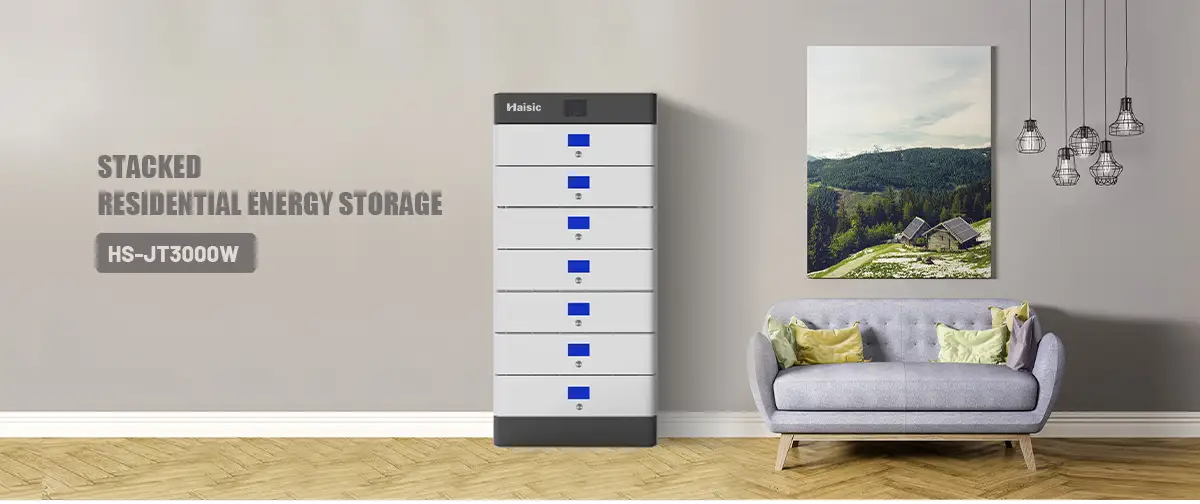
What Is an Energy Storage Home?
If you’re tired of blackouts, rising power bills, and feeling stuck with your utility, an energy storage home is exactly what changes that.
An energy storage home is a house that doesn’t just use electricity – it also stores it in a home battery system so you can use power when you want, not only when the grid gives it to you.
What People Mean by “Energy Storage Home”
When people say “energy storage home,” they usually mean a home that has:
- A home battery storage system (often in the garage, utility room, or outside)
- Smart controls that decide when to charge and when to discharge
- The ability to run critical loads even if the grid fails
In simple terms:
Your home becomes its own mini power plant + backup system.
Regular Home vs. Energy Storage Home
| Feature | Regular Home | Energy Storage Home |
|---|---|---|
| Where power comes from | Grid only | Grid + battery (often solar + battery) |
| During outages | Power goes out | Stays on (for whole home or key circuits) |
| Energy use control | Pay whatever the utility charges | Shift usage, avoid peaks, lower bills |
| Use of solar (if installed) | Exported to grid, often low credit | Stored in battery, used later by you |
| Energy independence | Low | Much higher |
Common Names You’ll See
You’ll see different terms, but they all point to the same core idea:
- Home energy storage system (HESS)
- Home battery storage
- Residential energy storage
- Home backup battery
- Whole home battery backup
- Solar battery backup / solar energy storage
When I talk about an energy storage home, I’m talking about a home that uses one or more of these systems to gain backup power, lower bills, and more control over energy use.
Home Energy Storage System Basics
A home energy storage system is basically a smart battery setup that works with your solar panels and the grid to store power and use it when it makes the most sense.
Core components of a home battery storage system
A typical home battery storage system includes:
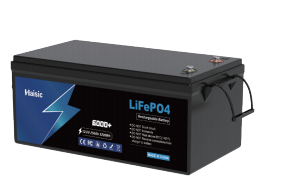
- Battery pack (kWh): Stores the energy. Most modern systems use lithium‑ion or safer LiFePO4 battery storage for longer life and better performance.
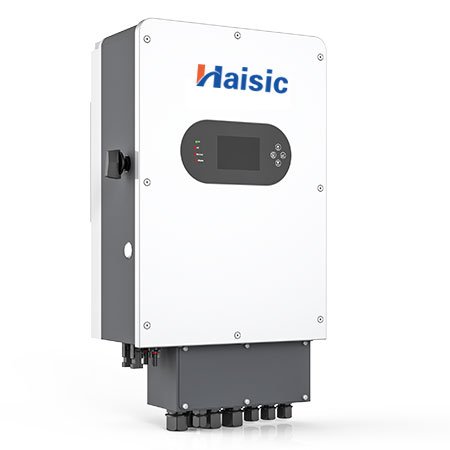
- Inverter / hybrid inverter: Converts DC power from the battery/solar into AC power for your home and manages charging and discharging.
- BMS (Battery Management System): Protects the battery from overcharging, deep discharging, overheating, and balances the cells.
- Smart controls / EMS: A home energy management system or app that decides when to charge from solar, when to draw from the grid, and when to discharge to save on bills or cover an outage.
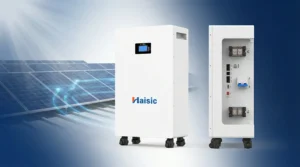
If you’re looking for a modular, high‑capacity pack, a touchscreen 20+ kWh home energy storage battery like this all‑in‑one home Battery Energy Storage System (BESS) is a good benchmark for modern residential setups.
How home batteries connect to your electrical panel
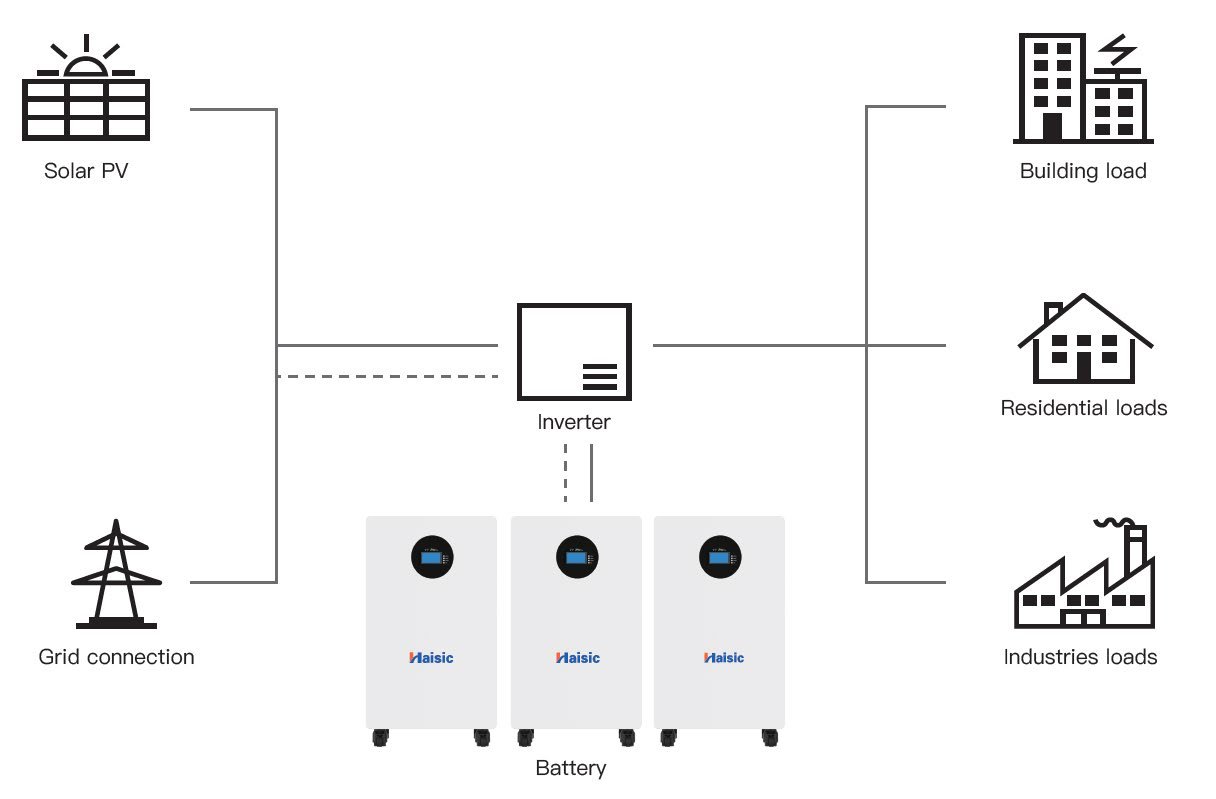
A home inverter and battery setup ties into your existing electrical panel:
- The installer usually adds a sub‑panel for backed‑up or “essential” loads (fridge, lights, Wi‑Fi, some outlets).
- The inverter connects between your main panel, solar inverter (if you have one), and the grid.
- When the grid is up, the system can charge from solar panels or off‑peak grid power.
- When the grid fails, the system automatically switches and powers your backed‑up circuits from the home battery backup.
Energy storage vs. relying only on the grid
Relying only on the grid means:
- You pay whatever time‑of‑use or peak price your utility sets.
- When the grid goes down, you lose power—no backup.
- Even with solar, if you don’t have a battery, most grid‑tied solar systems shut off during outages for safety.
With a residential energy storage system:
- You can charge when power is cheap and discharge during peak hours (classic peak shaving battery system).
- You keep critical loads running during outages with battery backup for power outages.
- You use more of your own renewable energy storage for homes instead of pushing it to the grid for low credits.
In short, a home energy storage system turns your house into a small, smart power hub instead of a passive grid customer.
How a Home Battery System Works
An energy storage home is simple under the hood: you charge a battery when power is cheap or free, then use it when power is expensive or the grid is down.
Charging: Solar vs. Grid
Your home battery can charge in two main ways:
- From solar panels (solar energy storage)
- During the day, your solar sends power to your home first.
- Any extra power that your home doesn’t use flows into the battery.
- Once the battery is full, remaining energy can go back to the grid (if allowed) or power other loads.
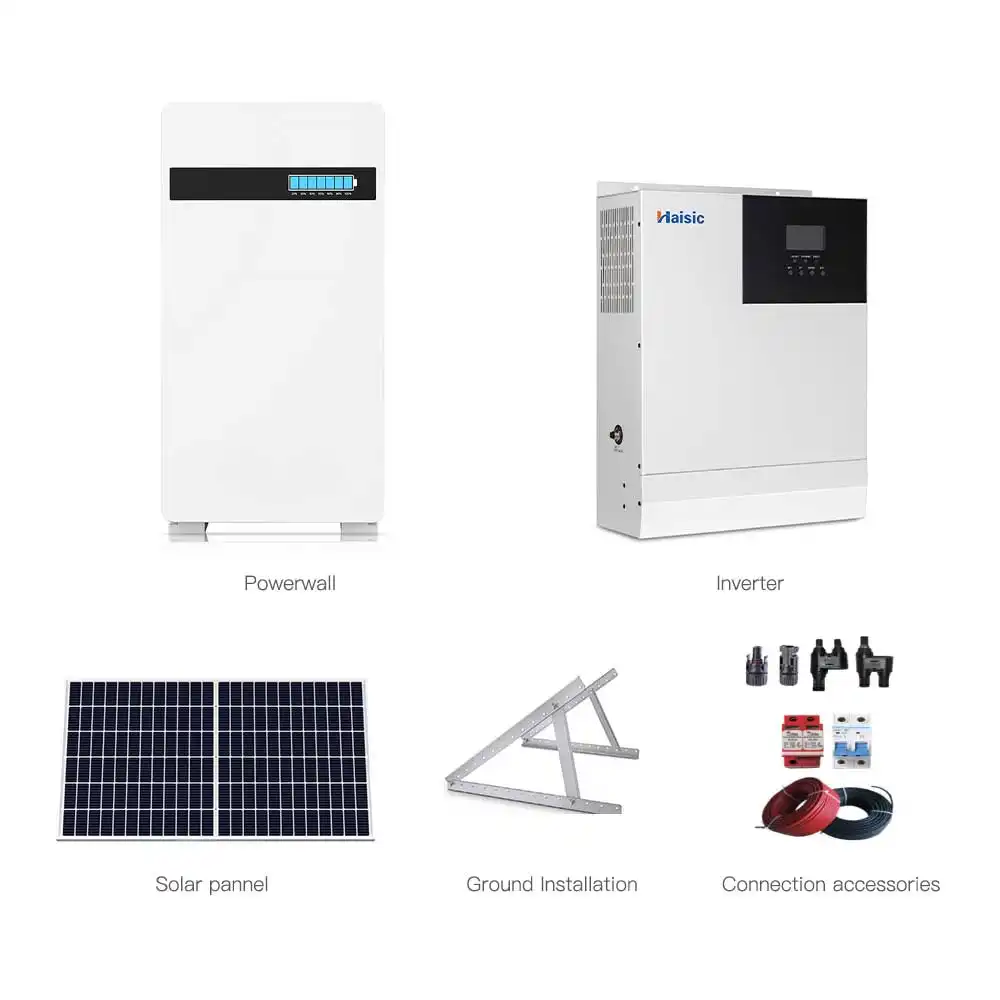
- A bundled solar panel and battery combo, like a compact 5kW home energy storage solar system, is designed to handle this automatically.
- From the grid
- The system can charge at night or during off‑peak hours when electricity is cheaper.
- You then use that stored energy during peak pricing to avoid high rates (time‑of‑use energy management).
Storing Extra Energy for Later Use
The battery’s Battery Management System (BMS) and inverter track:
- How full the battery is (state of charge).
- When to stop charging to protect battery life.
- When to hold energy for backup power vs. daily bill savings.
You set simple rules in the app: for example, “keep 30% for backup” or “discharge aggressively during peak hours.”
Discharging During Peak Prices or Outages
When your home needs power, the system:
- Converts stored DC energy to AC via the home inverter and battery setup.
- Feeds that AC power into your home electrical panel to run lights, appliances, and critical loads.
Common modes:
- Bill savings (peak shaving)
- Battery discharges when grid prices spike.
- Cuts your time‑of‑use charges and demand spikes.
- Backup power battery
- If the grid fails, the inverter switches to island mode in milliseconds.
- Critical circuits (or the whole home, depending on system size) keep running as a home battery backup.
Grid‑Tied, Hybrid, and Off‑Grid Setups
You’ll usually see three design types:
- Grid‑tied battery system
- Connected to the utility grid.
- Focus on bill savings + short‑term backup.
- Best for cities and suburbs with occasional outages.
- Hybrid solar and battery system
- Works with grid + solar + battery.
- Can both export to grid and run in backup mode.
- Most popular residential solar plus storage setup.
- Off‑grid energy storage
- No grid at all.
- Needs enough battery energy storage system (BESS) and solar (or generator) to cover worst‑case weather.
- Common for remote cabins, farms, or unstable grids.
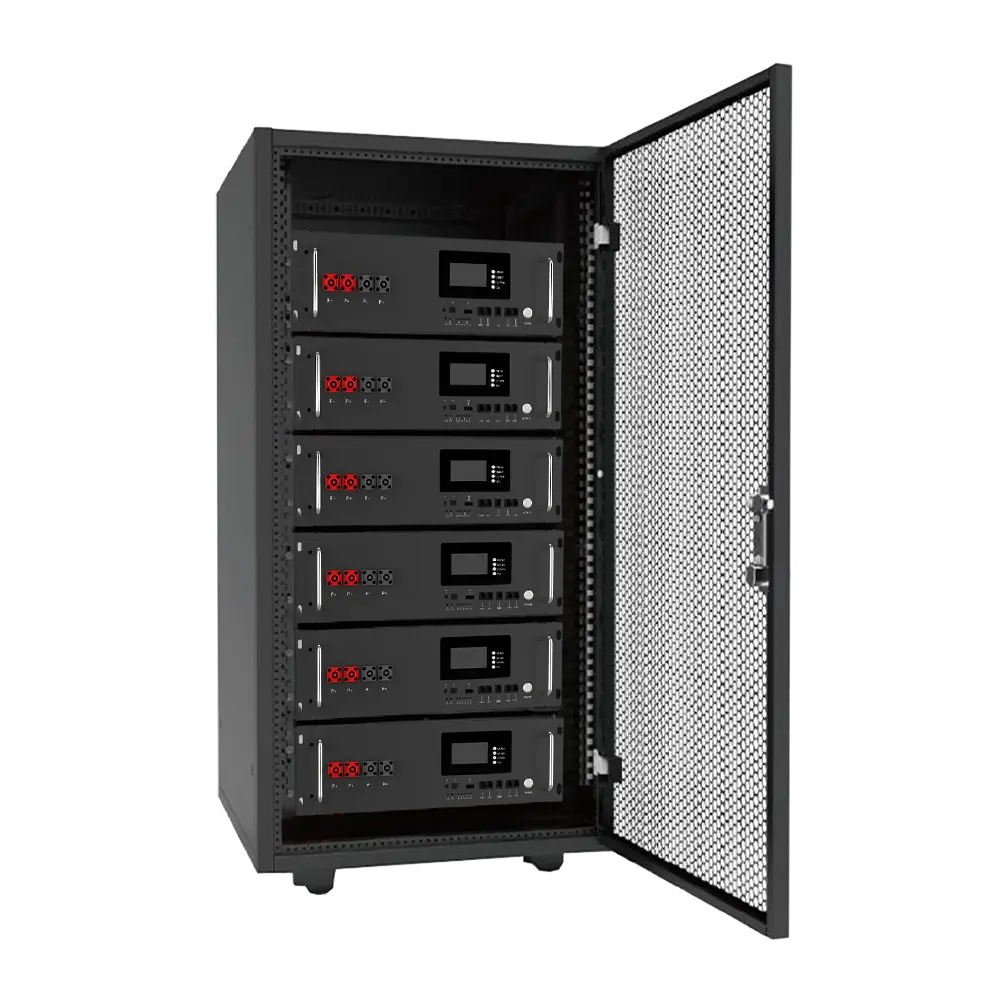
For higher capacity homes, a modular home battery system like a 10kW off‑grid solar power system or larger cabinet-style unit is used to scale up storage.
AC‑Coupled vs. DC‑Coupled (Why It Matters)
This is about where the battery connects in your system:
- AC‑coupled systems
- Battery connects on the AC side, usually through its own inverter.
- Easier to add to existing solar; perfect if you already have panels.
- Slightly less efficient (extra AC↔DC conversions).
- DC‑coupled systems
- Solar and battery share a DC bus and one hybrid inverter.
- Fewer conversions = higher efficiency.
- Usually cleaner for new builds or full upgrades; great for sustainable home energy setups focused on max performance.
In practice:
- If you already own solar, AC‑coupled is often the simplest upgrade to home battery storage.
- If you’re starting from scratch, DC‑coupled is usually the most efficient path to a modern energy independence home.
Main Benefits of an Energy Storage Home
An energy storage home is all about control: lower bills, backup power, and less dependence on the grid. Here’s what you actually get in real life.
1. Lower Power Bills (Peak Shaving & Time‑of‑Use Shifting)
With a home energy storage system, you charge the battery when power is cheap (or free from solar) and use it when prices spike.
How it saves you money:
- Charge off‑peak, discharge during expensive peak hours
- Cut “demand charges” and reduce your highest usage spikes
- Use your own stored solar instead of buying from the grid
| Goal | What the battery does | Result |
|---|---|---|
| Lower monthly bill | Shifts use away from peak pricing | Less grid power, lower cost |
| Avoid surprise high bills | Smooths high load spikes (AC, EV, heaters) | More predictable bills |
2. Backup Power When the Grid Fails
A good home battery backup keeps your key loads running when the grid goes down.
You can keep running:
- Lights, Wi‑Fi, fridge, security system
- Heating circulation pumps or small AC units
- Work‑from‑home setup and medical devices (where needed)
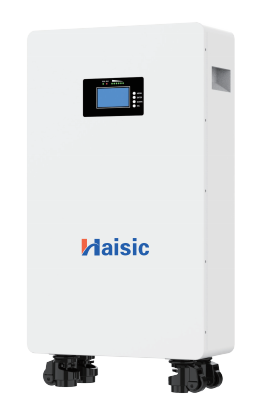
For example, a 10 kWh wall‑mounted home energy storage system like this compact 10 kWh backup unit can comfortably support essential loads through most short blackouts.
3. Use More of Your Own Solar (Self‑Consumption)
Instead of exporting excess solar at low rates, you store it in your home battery storage and use it later.
Benefits:
- Higher value from your solar investment
- Less dependence on changing net‑metering rules
- Night‑time and cloudy‑day power from yesterday’s sun
4. Energy Independence & Less Reliance on Utilities
A residential energy storage setup gives you options:
- Keep the lights on during grid issues and price spikes
- Choose when and how much you pull from the utility
- Pair with solar for a more “energy independent home” feel
Many customers start with a 5–10 kWh modular home battery system and expand over time as their usage grows.
5. Environmental & Clean Energy Benefits
Solar energy storage helps you rely more on renewables and less on fossil‑fuel peaker plants.
Impact:
- Use more clean energy generated on your own roof
- Support grid stability by reducing peak demand
- Lower your household carbon footprint without changing your lifestyle
6. Incentives, Rebates & Home Value Boost
In many regions, home battery storage is supported by strong incentives:
- Tax credits (e.g., investment tax credits for solar plus storage)
- Local rebates for Battery Energy Storage Systems (BESS)
- Grid programs / virtual power plants (VPPs) that pay you to share stored energy
| Benefit Type | What You Get |
|---|---|
| Upfront incentives | Lower installation cost |
| Bill credits / VPP income | Extra savings over time |
| Home value | More attractive, resilient, “future‑ready” home |
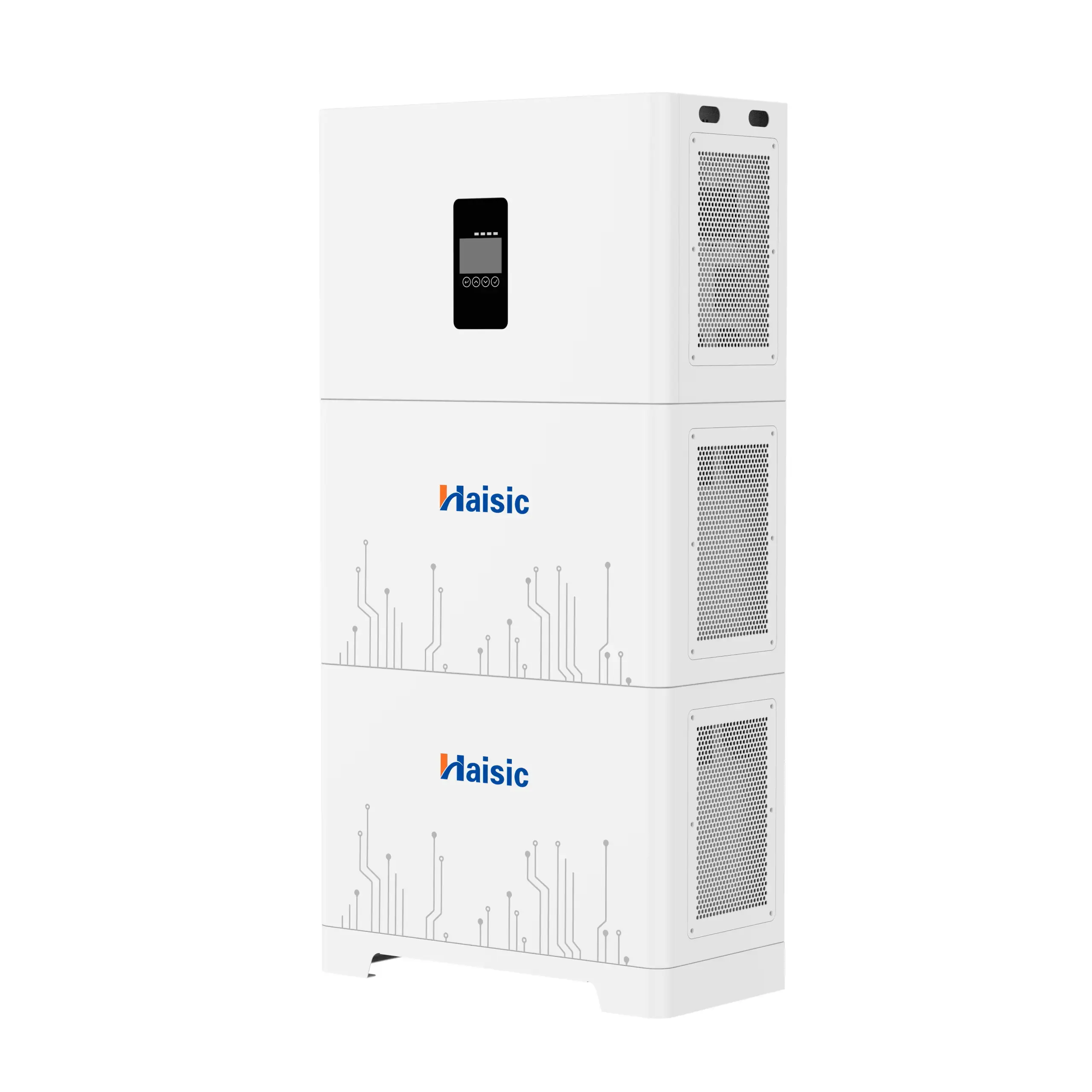
If you’re planning for whole home battery backup or scalable storage, it’s smart to look at stackable systems similar to modular floor‑mounted home energy storage units so you can add capacity later without redoing everything.
Home Battery Technologies
Lithium-ion vs. LiFePO4 for Home Energy Storage
Most home energy storage systems today use lithium‑ion batteries, but not all lithium‑ion is the same. For residential energy storage, the best balance of safety, lifespan, and performance usually comes from LiFePO4 (lithium iron phosphate).
- Standard lithium‑ion (NMC/NCA)
- Higher energy density (more kWh in a smaller space)
- Common in EVs, but can run hotter and needs stricter protection
- Decent cycle life, but usually less than LiFePO4 for home use
- LiFePO4 home battery storage
- Very stable chemistry, ideal for whole home battery backup
- Lower energy density, but far better suited for stationary storage
- Handles more charge cycles with less capacity loss
If you’re planning long‑term residential energy storage, LiFePO4 is usually the smarter choice, especially in hot climates or where the system will be cycled daily.
Why LiFePO4 Is Safer and Lasts Longer
LiFePO4 has quickly become the standard for premium home battery backup systems because it:
- Improves safety
- Higher thermal stability and much lower risk of thermal runaway
- More tolerant of high temperatures and heavy daily use
- Better for homes with kids, attached garages, and dense neighborhoods
- Extends lifespan
- Often 6,000+ cycles under normal use, which can mean 10–15+ years
- Slower capacity fade, so you keep more usable kWh over time
- Strong performance for solar battery backup where daily cycling is common
If you’re looking at a long‑life setup, a LiFePO4 solar battery pack like a modular 51.2V LiFePO4 home battery is typically the best value over the full life of the system.
Lead-Acid: Backup Option, Not First Choice
Lead‑acid batteries (flooded, AGM, gel) are the “old school” option for off‑grid energy storage, but for modern homes they’re usually a last resort:
- Pros
- Low upfront cost
- Easy to source almost anywhere
- Cons
- Heavy and bulky for the same kWh
- Shorter lifespan, especially if deeply discharged
- More maintenance (especially flooded types)
- Poor value when you calculate cost per kWh over the life of the system
For a serious home energy storage system, lead‑acid can make sense only for very low‑budget, low‑cycle, or temporary setups. For long‑term energy independence, I always lean toward LiFePO4.
Modular and Scalable Battery Packs
A modern modular home battery system lets you start small and scale up as your needs grow:
- Stackable / modular design
- Add extra battery modules to increase kWh later
- Ideal if you plan to add more solar panels, an EV, or electrify heating
- Flexible configurations
- Support for grid‑tied battery systems, hybrid solar + battery, or off‑grid
- Easy to match backup level: from essential loads to full whole‑home backup
For most global homeowners, a scalable LiFePO4 battery storage system—for example, a modular 15kWh LiFePO4 solar battery pack—hits the sweet spot: safe, long‑lasting, and ready to grow with your home’s energy needs.
How to Choose the Right Home Battery System
Choosing a home energy storage system isn’t about buying the “biggest” battery. It’s about fitting the battery to how you live, what you spend, and how often your power goes out.
1. Check your daily energy use and backup needs
Start with your real numbers, not guesses.
Look at:
- Your monthly kWh on recent bills
- Your highest daily use (summer vs winter)
- What must stay on during an outage:
- Router / phones
- Fridge / freezer
- Some lights & sockets
- Medical devices
- Heating/cooling (if critical)
| Question | What to check |
|---|---|
| How much energy do I use daily? | kWh on bills ÷ number of days |
| How often do I lose power? | Utility history + your own experience |
| How long do outages usually last? | Minutes, hours, or days? |
| What loads are truly essential? | List devices + estimated watts |
2. Match battery size (kWh) to your goals and budget
Be honest about your main goal: bill savings, backup, or both.
- For bill savings / time-of-use shifting:
- Many homes start around 5–15 kWh.
- For serious backup for outages:
- Often 10–30+ kWh, depending on air-con, pumps, etc.
- For off‑grid or long outages:
- Usually a modular system you can expand later.
If you want a feel for cost vs capacity, this breakdown in a guide on the cost of solar battery storage is a solid starting point.
3. Whole‑home backup vs essential loads backup
You don’t have to power everything.
Whole‑home backup:
- Pros: Feels “normal” in an outage, runs most or all circuits.
- Cons: Needs a larger Battery Energy Storage System (BESS), higher cost.
Essential loads backup:
- Pros: Smaller system, lower cost, easier to size correctly.
- Cons: Only a dedicated “critical loads” panel stays on.
Tip: Most global homeowners start with essential loads and size up later if needed.
4. Factor in solar, climate, and outage risk
Your local conditions change what “right size” looks like.
- With solar panels
- Battery can recharge daily, so you may not need a huge bank.
- A hybrid solar and battery system (solar + inverter + storage) is usually the most efficient.
- Without solar
- The battery charges from the grid for peak shaving and backup.
- Look for systems optimized for home battery storage without solar to control charging windows and cost.
- Climate
- Very hot or cold regions: pick LiFePO4 systems rated for wide temperature ranges.
- Check if outdoor cabinets are certified for your weather.
- Outage risk
- Frequent or long outages → larger, modular system.
- Stable grid, TOU pricing → smaller, smarter battery focused on bill savings.
5. Brand quality, certifications, and support
Don’t gamble on cheap, no‑name batteries. Safety and support matter.
Non‑negotiables:
- Cell chemistry & quality
- Prefer LiFePO4 battery storage for better safety and cycle life.
- Certifications (varies by country, but look for):
- IEC / UL / CE marks
- Grid‑tie approvals for your region
- Warranty
- At least 10 years or a clear cycle and kWh‑throughput guarantee.
- Local support & installer network
- Real after‑sales service
- Clear documentation and smart app monitoring
- Scalability
- Modular home battery system you can expand later as your needs grow.
For example, a 51.2V LiFePO4 home energy battery with modular expansion like this touchscreen home energy battery style unit makes upgrades much simpler.
- Modular home battery system you can expand later as your needs grow.
When I select systems for customers, I always start with safety, warranty, and brand track record—then size the kWh around their lifestyle and grid conditions.
Installation and Safety Basics for an Energy Storage Home
What actually happens during a home battery installation
Here’s the simple version of a typical home battery storage install:
- Site check & design: Electrician checks your main panel, backup needs, and where the battery can safely go.
- Mount & wiring: The home battery, inverter, and backup/critical loads panel are mounted and wired into your existing electrical system.
- Commissioning: System is powered up, tested, connected to Wi‑Fi/app, and programmed for backup and cost savings (peak shaving, time‑of‑use shifting).
For wall systems like a 51.2V 100Ah 5kWh wall‑mounted LiFePO4 battery, installation is usually fast and clean because everything is compact and pre‑configured.
Best places to install a home battery storage system
You want a cool, dry, and accessible location:
- Garage or utility room: Most common, easy to wire, protected from weather.
- Wall‑mounted indoor: Great for slim LiFePO4 units on solid walls.
- Outdoor cabinet: Only if the battery and enclosure are rated for outdoor use (IP rating, UV and corrosion protection).
Avoid hot boiler rooms, cramped closets, or anywhere exposed to direct sun or flooding.
Safety features and standards to look for
Non‑negotiables for any home battery backup or solar energy storage system:
- Certified BMS (Battery Management System): Over‑charge, over‑discharge, short‑circuit, and temperature protection.
- Recognized certifications: UL, CE, UN38.3, or local equivalents for Battery Energy Storage Systems (BESS).
- Integrated disconnects & breakers: So installers and firefighters can safely isolate the system.
- LiFePO4 chemistry: Much safer and more stable than many traditional lithium‑ion setups; good systems (like this 51.2V 400Ah LiFePO4 home storage pack) are built around that.
Always use a licensed installer who understands local electrical codes and fire rules.
Noise, ventilation, and spacing
Modern lithium‑ion home battery and LiFePO4 battery storage systems are quiet, but you should still:
- Leave clearance: Follow the maker’s spacing rules around sides/top for cooling and service access.
- Plan for airflow: No sealed, tiny cupboards; mild ventilation keeps temps stable and lifespan longer.
- Check noise: Inverters and fans are low‑noise, but don’t mount right behind a bedroom wall if that bothers you.
Lifespan, warranties, and easy maintenance
A good residential energy storage system should be largely “set and forget”:
- Typical lifespan: 10–15+ years for quality LiFePO4, depending on usage and climate.
- Warranty: Look for at least 10 years and clear cycle/throughput guarantees.
- Maintenance habits:
- Keep the area clean, dry, and unobstructed.
- Update firmware via the app when notified.
- Visually check for damage, unusual noise, or alerts in the monitoring app.
If you pick a solid brand, right chemistry, and certified installer, your home energy storage system should run quietly in the background and just work when you need it.
Costs, Savings, and Payback of an Energy Storage Home
Typical home energy storage system prices
For a modern home battery storage system (battery + inverter + basic controls), here’s what I usually see globally (hardware + standard install):
- Small backup (5–10 kWh): $4,000–$8,000
- Mid‑size (10–20 kWh): $8,000–$14,000
- Whole‑home / larger systems (20–30 kWh+): $14,000–$25,000+
High‑voltage, modular systems like a 20–30 kWh stacked battery setup often sit in that mid‑to‑upper range but give you better efficiency and easier expansion over time. For example, a stacked 20 kWh or 30 kWh high‑voltage residential system similar to what we offer in our modular home battery products can comfortably handle most family homes that want serious backup and TOU savings.
How much can you really save?
Your savings depend on your tariff, solar size, and how you use power:
- Time‑of‑use (TOU) shifting:
- Charge the battery off‑peak or from solar, discharge during peak.
- In markets with strong TOU (peak vs off‑peak difference of $0.15–$0.30/kWh), many homes save $400–$1,200 per year just from peak shaving.
- Self‑consumption of solar:
- Instead of exporting solar at a low feed‑in rate, you store it and use it later.
- Typical extra savings: 10–30% more value from the same solar system.
- Outage value:
- Hard to price, but for many customers, not losing fridges, freezers, servers, or heat pumps during outages is worth hundreds per year in avoided losses and hassle.
How solar + battery changes payback time
On solar alone, many homes see payback in 5–8 years depending on location. Add a battery and:
- Upfront cost rises, but:
- You use more of your own solar (often 70–90% instead of 30–50%).
- You avoid expensive peak tariffs.
- In markets with strong TOU or weak solar feed‑in rates, solar + battery often lands at a 7–12 year combined payback.
- In places with flat tariffs and low electricity prices, battery payback is more about backup and independence than pure ROI.
Incentives, tax credits, and financing
To shorten payback, I always tell homeowners to stack as many benefits as possible:
- Government incentives & tax credits
- Many countries/regions offer tax credits (10–30%), direct rebates, or low‑interest “green” loans for residential energy storage and solar plus storage.
- Utility programs
- Some utilities pay you to let your home battery join a virtual power plant (VPP), giving you bill credits or annual payouts.
- Financing options
- Zero‑down or low‑down payment financing can let monthly savings offset a big part of the loan payment from day one.
Always check local rules: in some areas, batteries only qualify for incentives when paired with solar; in others they’re fully eligible as standalone.
Simple real‑world ROI examples
1. Urban TOU home (10 kWh battery, with solar)
- Location: high electricity price + strong TOU
- System: 6–8 kW solar + 10 kWh battery
- Upfront (after incentives): ~$14,000–$18,000
- Combined yearly savings: $1,500–$2,000
- Typical payback: 7–10 years
2. Suburban family home (20 kWh battery, whole‑home backup)
- Location: medium tariffs, frequent outages
- System: 8–10 kW solar + 20 kWh modular battery
- Upfront (after incentives): ~$22,000–$30,000
- Direct bill savings: $1,200–$1,800/year
- Plus avoided food loss, hotel stays, downtime worth hundreds per year
- Effective payback: 8–12 years, with far higher comfort and resilience
3. Light commercial / large home (30 kWh+ storage)
- High daily load, big demand charges, strong TOU
- System: 15 kW+ solar + 30 kWh battery or larger
- Besides bill savings, shaving demand peaks can save thousands per year, often pushing payback into the 5–9 year range—especially with a properly sized high‑voltage stacked 30 kWh system like those in our scalable residential and small commercial ESS line.
Bottom line: if your grid power is expensive, time‑of‑use pricing is aggressive, or outages are common, a well‑sized home energy storage system isn’t just a “green” upgrade—it’s a financial and lifestyle upgrade that usually pays itself back within the life of the battery warranty.
Future of the Energy Storage Home
The “energy storage home” is quickly turning into a smart, money‑making energy hub, not just a place with a battery on the wall.
Virtual power plants (VPPs) and getting paid
With a residential energy storage system, you’ll be able to join virtual power plants where thousands of home batteries act like one big power station.
In many markets, utilities or aggregators already:
- Pay you to share a small part of your stored energy during peak demand
- Reward you with bill credits or cash for helping stabilize the grid
- Let you set rules so your home battery backup always keeps a safety reserve
High‑capacity, modular systems like a 9.5kWh Powerwall‑style LiFePO4 unit are ideal for this kind of VPP participation because they combine strong backup with enough spare capacity to trade energy.
Using your EV as part of home energy storage (V2H / V2G)
Your electric vehicle is effectively a giant battery on wheels. With vehicle‑to‑home (V2H) and vehicle‑to‑grid (V2G):
- Your EV can power critical loads at home during an outage
- You can charge the car when power is cheap and use that energy later when prices spike
- In some regions, you can sell energy back to the grid from your EV and your home battery together
This turns your home into a hybrid solar and battery system that includes your car as part of the storage stack.
Smarter home energy management
Next‑gen home energy management systems (HEMS) and apps will:
- Learn your usage habits and local tariffs automatically
- Shift loads like hot water, EV charging, and AC to the cheapest hours
- Decide in real time whether to use the battery, grid, or solar
- Integrate with smart plugs, thermostats, and appliances for full time‑of‑use energy management
You’ll still stay in control, but the system will handle the heavy lifting in the background.
Advanced systems shaping next‑gen energy storage homes
Leading manufacturers are moving toward:
- Safer LiFePO4 home battery storage with longer lifespans and higher usable capacity
- Scalable home battery storage that starts small and expands as your needs grow
- Seamless integration with solar, EVs, VPPs, and smart home platforms
For example, a modular 51.2V LiFePO4 powerwall battery can start as a single 3.5–9.5kWh unit and then scale up as you add more loads or plan for whole‑home backup. As these smarter, certified Battery Energy Storage Systems (BESS) roll out globally, the “energy storage home” will become standard—cutting bills, keeping the lights on, and turning everyday houses into active players in the clean energy grid.